1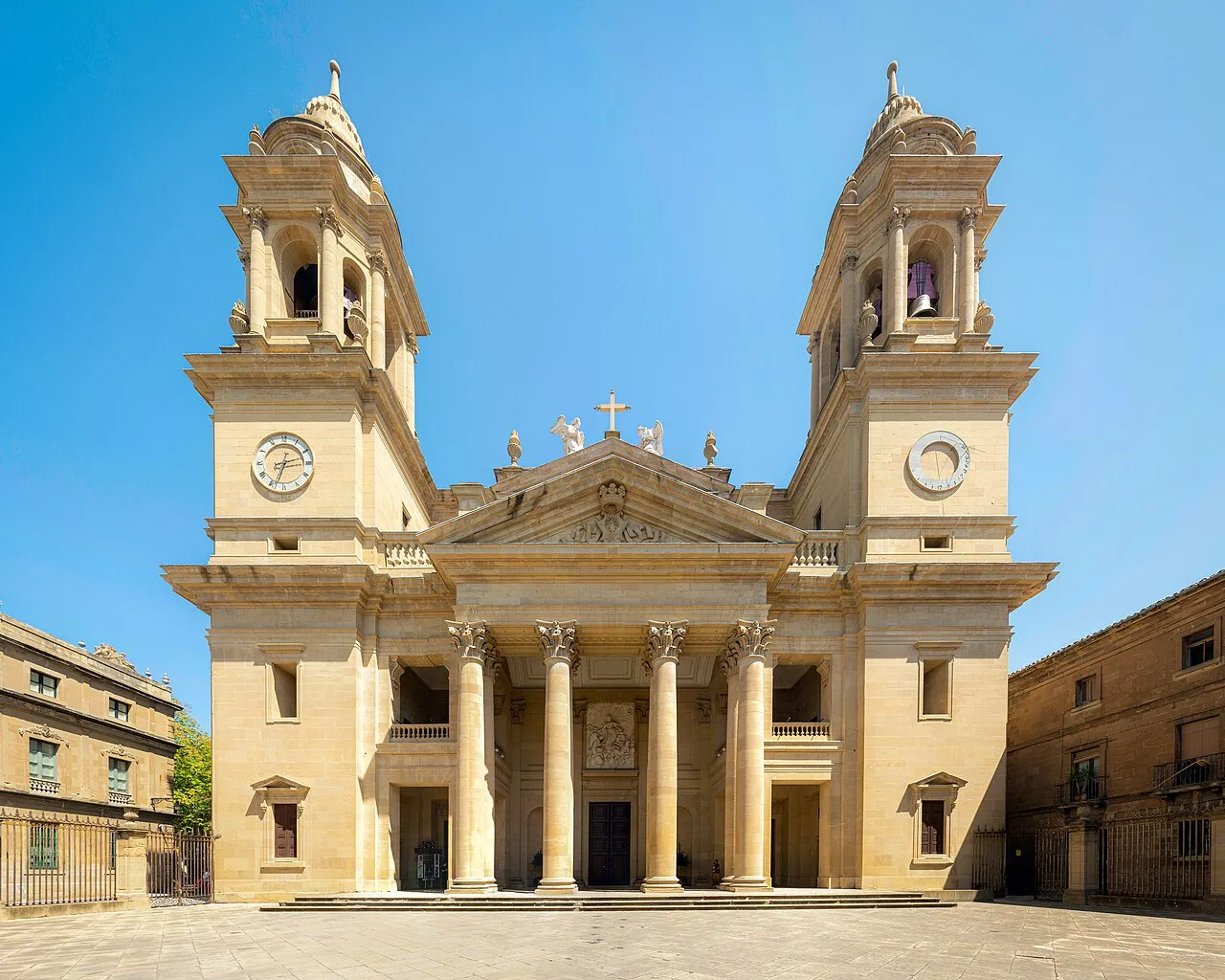
Pamplona Cathedral
📍 Plaza de Santa María la Real
Neoclassical outside and Gothic inside. The tomb of Charles III and one of the finest cloisters in Europe. A good hour and a half with the Occidens museum.
The city almost nobody visits outside July, and which has one of the best-preserved fortifications in Europe. The complete route, with no crowds.
🎧 On the walk The Cathedral, the walls and monumental PamplonaPamplona has an image problem: for half of Europe it is nine days in July and nothing else. Outside those dates it is a quiet, compact city with an exceptional military heritage, and you can walk the whole of it without queuing for anything. This is the route that makes the most of it.
Start at the cathedral. On the outside it is Neoclassical, the work of Ventura Rodríguez, and inside pure Gothic: this is where the kings of Navarre were crowned and where the Cortes of the kingdom met, independent until 1512. It holds the alabaster tomb of Charles III the Noble, with its cortège of plorantes, the carved mourners, and one of the most beautiful Gothic cloisters in Europe.
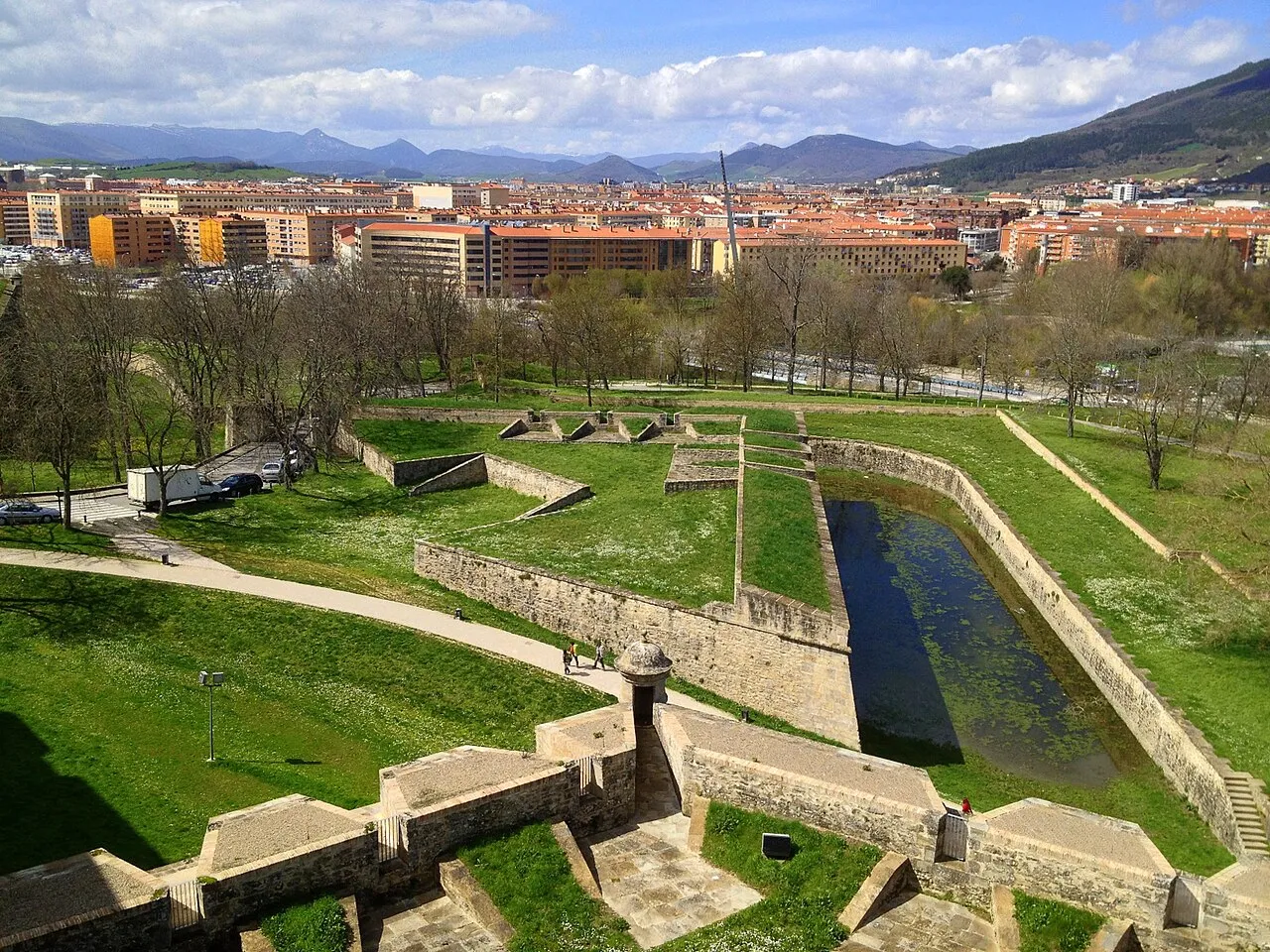
Go straight out onto the walls, at the Redín bastion. What you are standing on is one of the best-preserved bastioned fortifications on the continent: low, thick, sloping walls, built to absorb cannon fire and not to look handsome.
And a step away is el rincón del Caballo Blanco, the best viewpoint in the city: a hundred and eighty degrees with the Arga wrapped round the old town and the hills behind. Then go down along the wall to the Portal de Francia, from 1553, which still keeps the whole mechanism for closing the city.
Back inside the old town there are still the Royal Archive, the oldest building in Pamplona, a Romanesque palace of 1189 refurbished by Rafael Moneo; the Cámara de Comptos, the kingdom's old audit chamber; and the Church of San Saturnino, which is a fortress.
Neoclassical outside and Gothic inside. The tomb of Charles III and one of the finest cloisters in Europe. A good hour and a half with the Occidens museum.
The most famous viewpoint in the city. At sunset there is nowhere better, and it is the first great view on the Camino as soon as you walk into Pamplona.
Download the app and discover Pamplona offline, whenever you like. Take the walking tour The Cathedral, the walls and monumental Pamplona with a local guide in your ear.
Find out more about Viavoy →Walk the route of the encierro, the bull run, in the order the bulls run it. First, stop at the Church of San Lorenzo, where San Fermín lives in an octagonal chapel built for him alone between 1696 and 1717.
Carry on to the cuesta de Santo Domingo, the exact point where at eight o'clock sharp the rocket goes off and the gate opens. It is the most dangerous stretch: almost three hundred metres of slope with the bulls together and fresh.
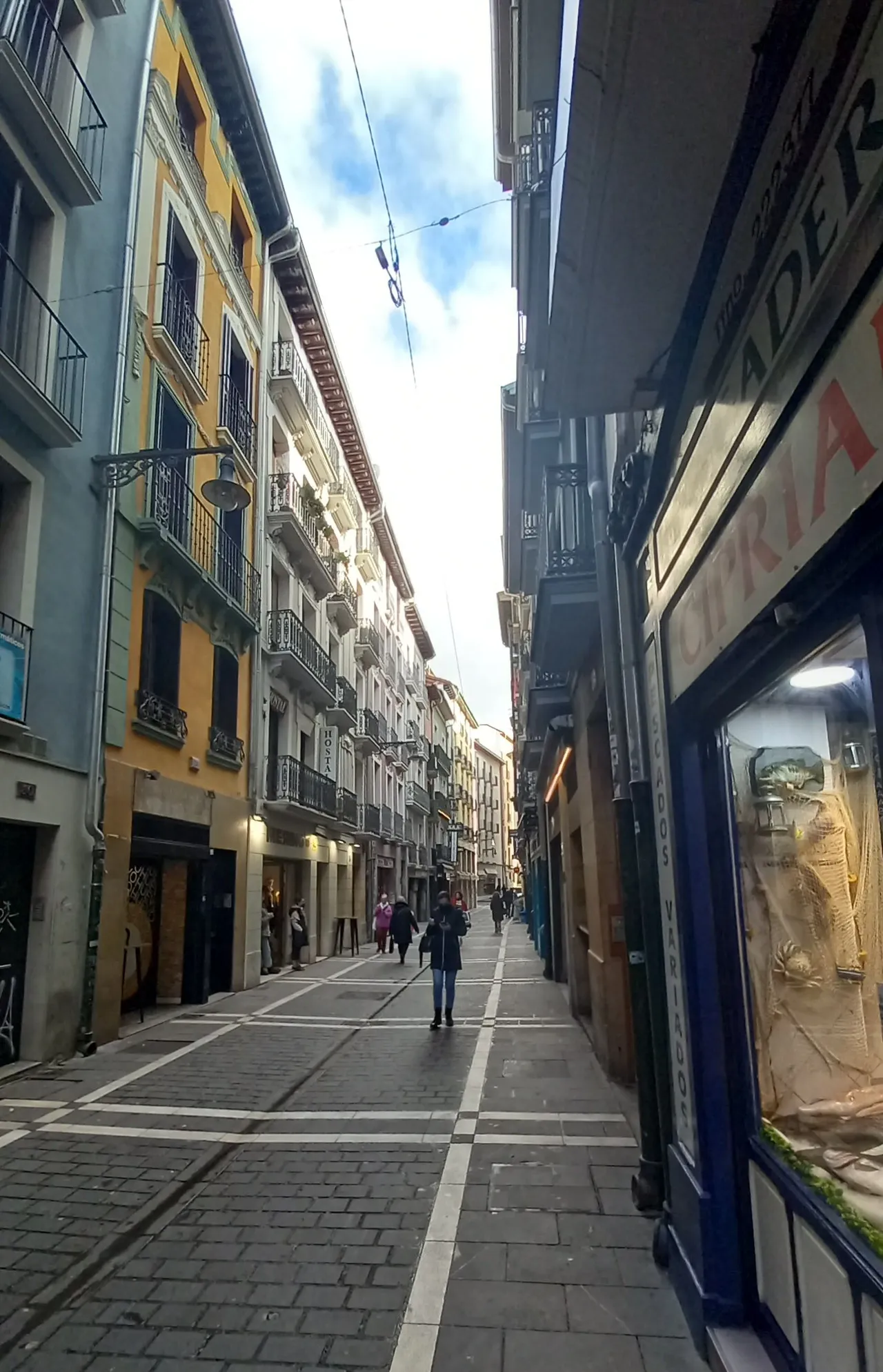
Go past the Casa Consistorial, the town hall, whose Baroque façade of 1752 has the most famous balcony in Spain one day a year, and past the Mercaderes bend, to calle Estafeta: three hundred metres of straight line, the legendary stretch, where the hardest thing of all is done, which is not fleeing but running alongside the bull.
Finish at the bullring, one of the largest in the world by capacity, with the bust of Hemingway and the Monument to the Encierro beside it, with its nineteen life-size figures.
And then to eat: the triangle of the poteo, the bar crawl, is calle San Nicolás, San Gregorio and Estafeta itself. The rule is one txikito and one pintxo per bar, and on to the next.
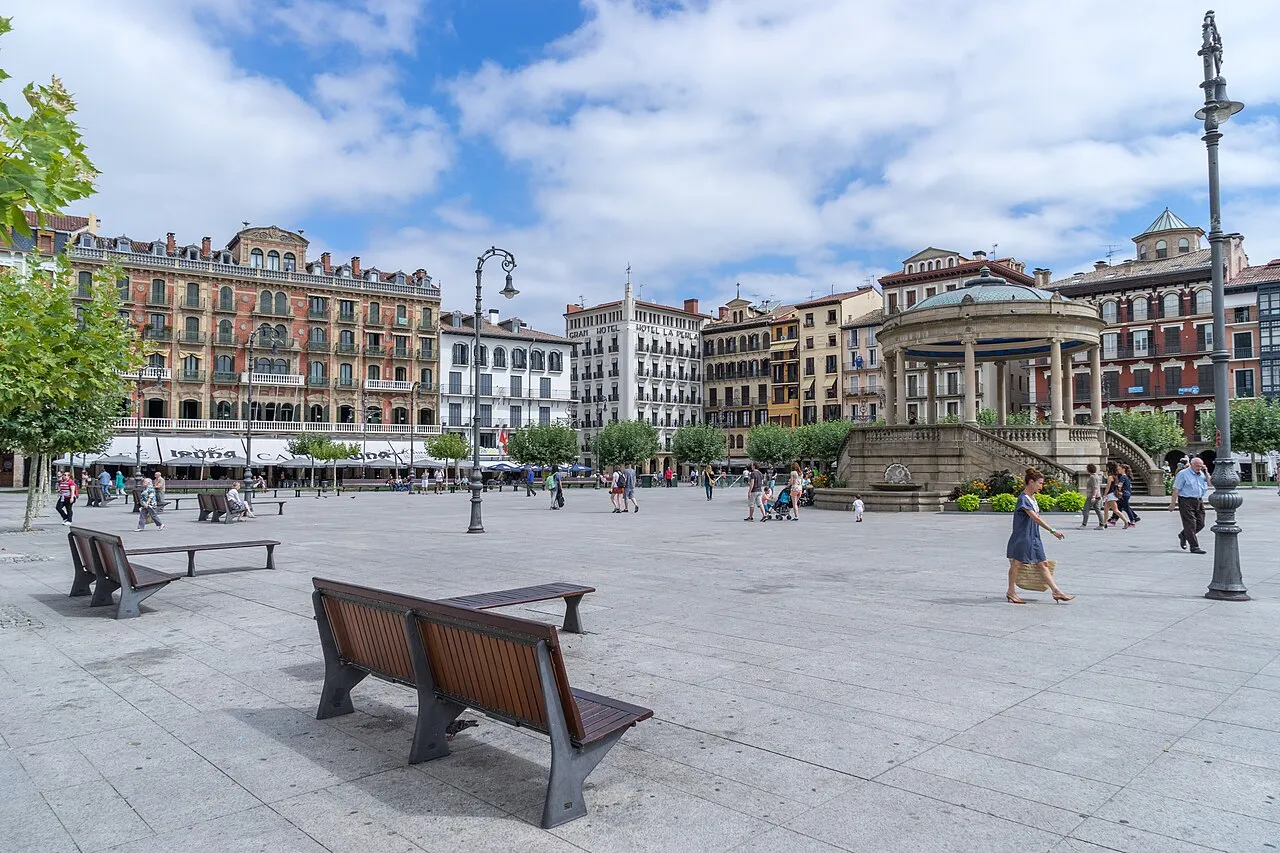
Set out from the plaza del Castillo, the city's great drawing room, towards the Palace of Navarre, seat of the Gobierno Foral, the regional government, which keeps inside a throne that only the king of Spain may sit on, and only when he visits Navarre.
Carry on along the Paseo de Sarasate to the Jardines de la Taconera, the oldest garden in the city, laid out in 1830 on the military glacis. Lean over the moat: red deer, fallow deer and peacocks live down there.
And on to the Citadel, the five-pointed star that Philip II ordered built in 1571 and which fell only once in its history: on 16 February 1808, when the French faked a snowball fight, distracted the sentries and walked in without a shot.
If you have time left, the Museum of Navarre — with the Romanesque capitals, a Goya and the Leyre casket — and the viewpoint at La Media Luna, which Víctor Eusa designed in 1935 above the meanders of the Arga.
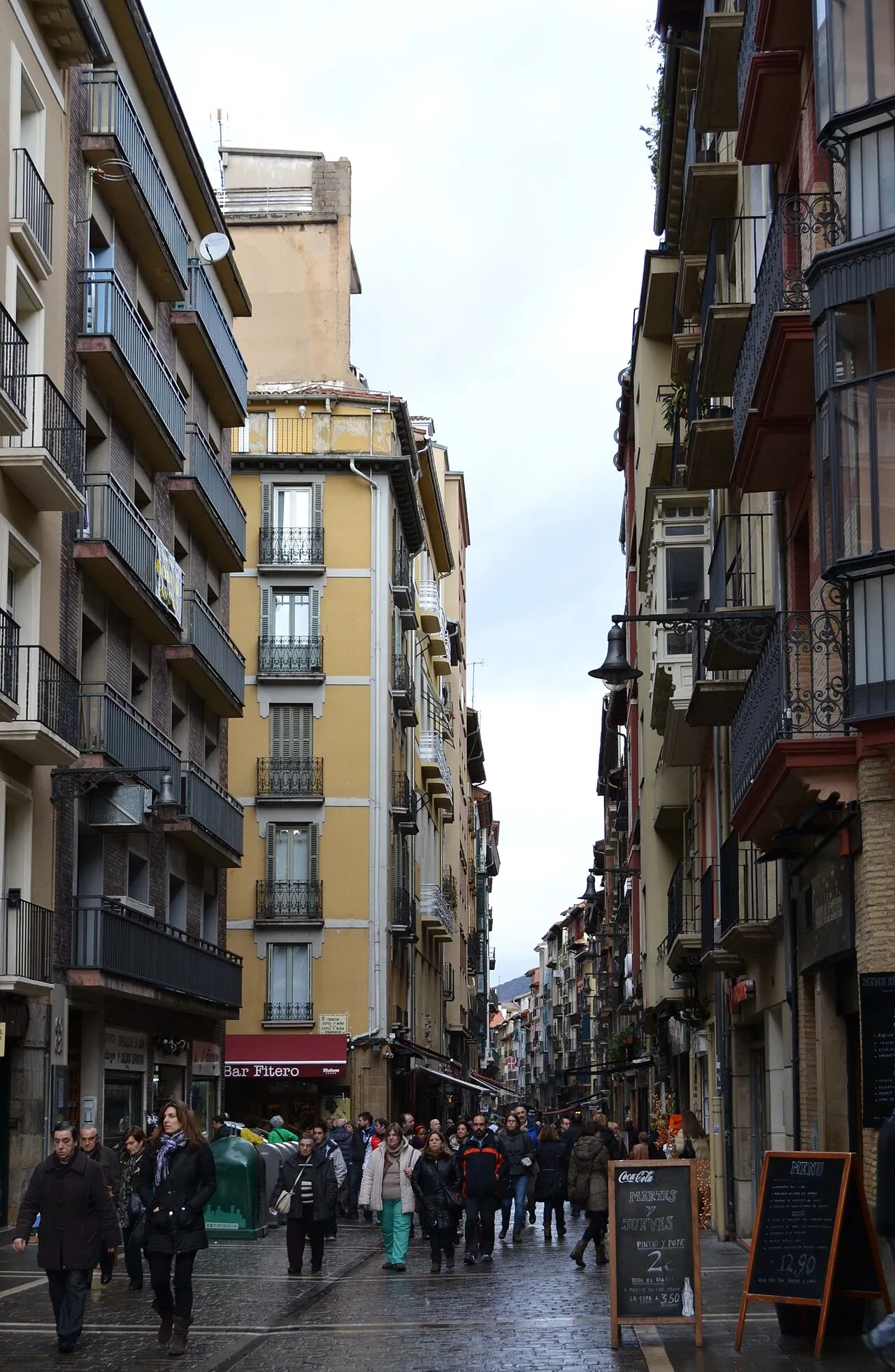
The legendary stretch of the encierro and, outside the festival, one of the best pintxo streets in the city. Three hundred metres with no bends.
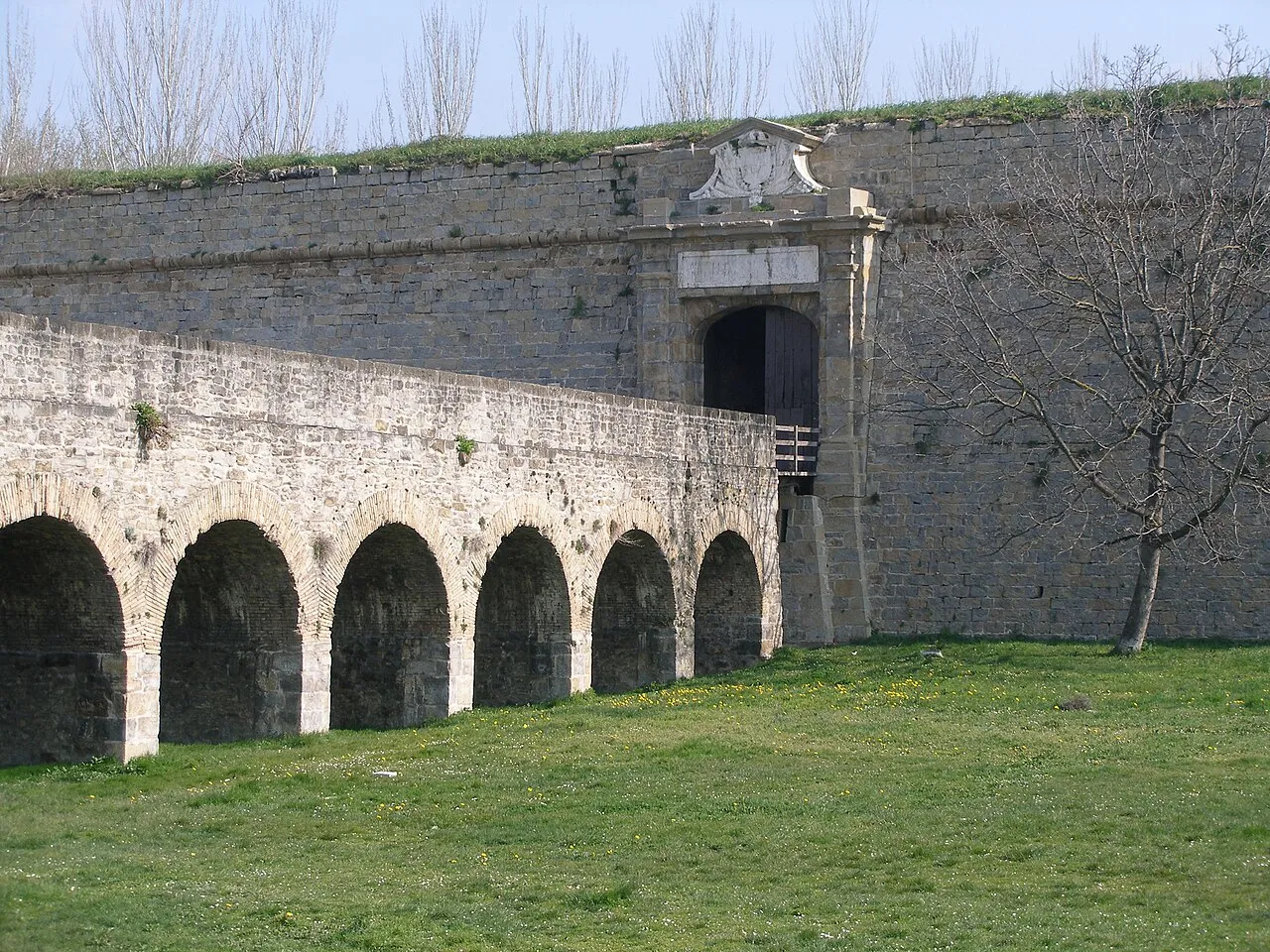
Philip II's five-pointed star, 1571. Today a public park with the walls turned into a walkway and the pavilions turned into exhibition halls.
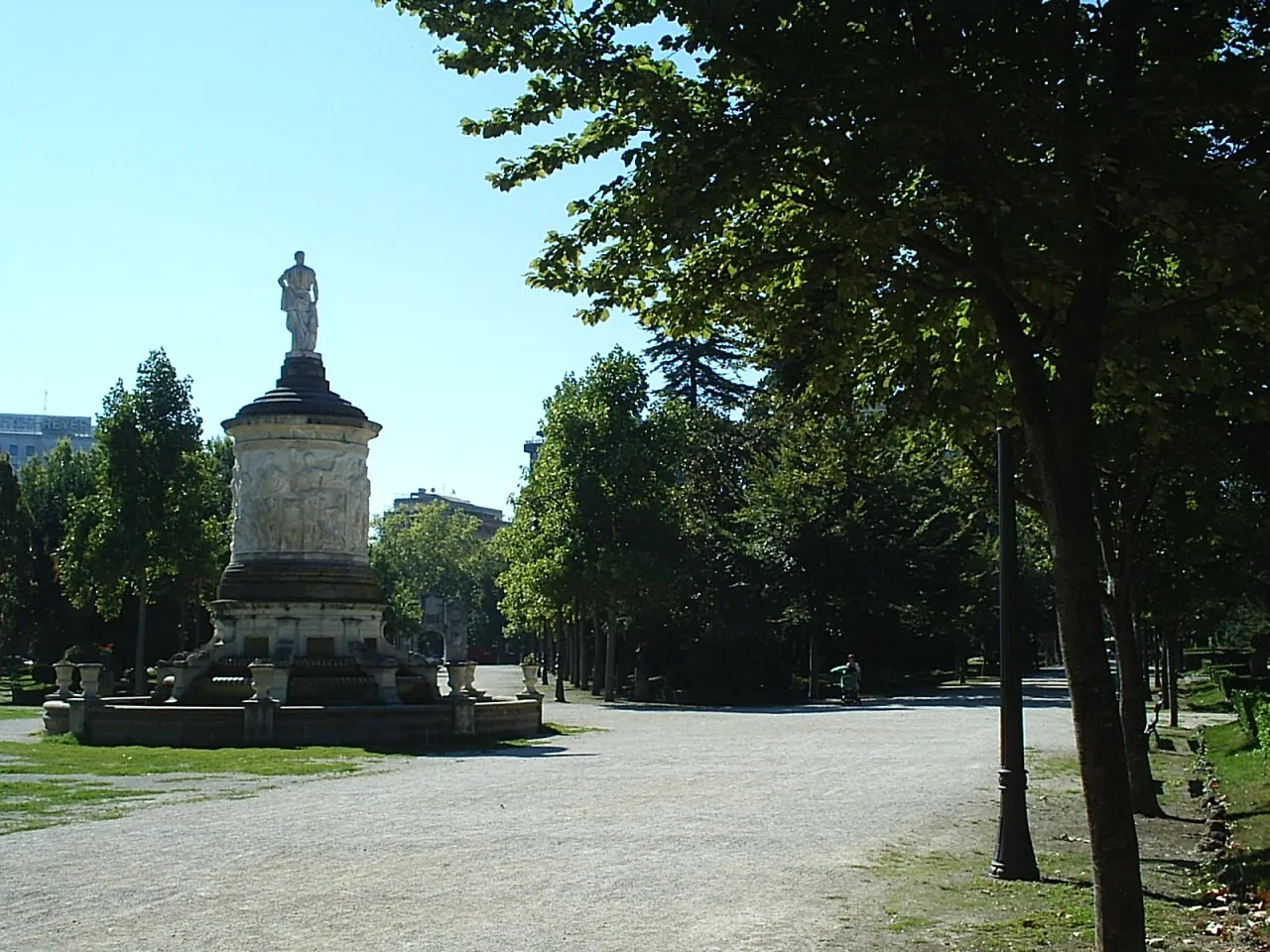
The oldest garden in Pamplona, from 1830, on the military glacis. With red deer, fallow deer and peacocks living in the moat.
Yes. The old town is compact and everything essential is less than fifteen minutes away on foot: the cathedral, the walls, the route of the encierro and the pintxo district. With a second day you can add the green ring — La Taconera and the Citadel — plus the Museum of Navarre and the viewpoint at La Media Luna.
Probably more so. Outside July the city is quiet, with no queues and no inflated prices, and its military heritage is exceptional: five kilometres of walkable bastioned wall and a sixteenth-century citadel in the shape of a star. And the pintxo culture works all year round.
Yes, and it is one of the best things you can do here outside the festival. It is some eight hundred and fifty metres from the cuesta de Santo Domingo to the sand of the ring, by way of the town hall square, the Mercaderes bend, Estafeta and the callejón. It takes twenty minutes and it completely changes the way you see the run.
It is the ritual of going from bar to bar with a txikito — a small glass of wine — in one hand and a pintxo in the other. The unwritten rules are fairly strict: one drink and one pintxo per bar, never two, and on to the next place. The point is not to settle in, the point is to keep moving round the triangle of San Nicolás, San Gregorio and Estafeta.
La Navarrería, the burgo of San Cernin and the settlement of San Nicolás: three walled centres with their own laws, their own mayor and even their own language, and they were out to kill each other. In 1276 two of them razed the third to the ground. Charles III the Noble forced them to merge into a single city on 8 September 1423.
Very nearly: some five kilometres are still walkable, saved from the demolition of 1915 that was authorised so that the city could grow southwards. The full circuit takes between an hour and a half and two hours, and it is the best walk in Pamplona. Start at the Redín bastion and go down to the Portal de Francia.
The cathedral with its cloister and the Occidens museum; the Museum of Navarre, with the Romanesque capitals, a Goya and the Leyre casket; the Palace of the Constable and the Royal Archive. And the pintxo bars, which in Pamplona are a perfectly respectable indoor activity.
Download Viavoy and walk Pamplona offline, whenever you like.

Keep reading