A tangle of narrow alleys in the middle of the old town where the bars are concentrated, a market from 1903 built on the Roman wall and a vegetable that is barely eaten outside Aragon.
El Tubo is a handful of narrow alleys, with no apparent way out, hidden between the Coso and the plaza de España, where a good part of the traditional tapas scene of Zaragoza is concentrated. The name comes from its shape: streets so tight they feel like a pipe. And its history is less elegant than it looks today.
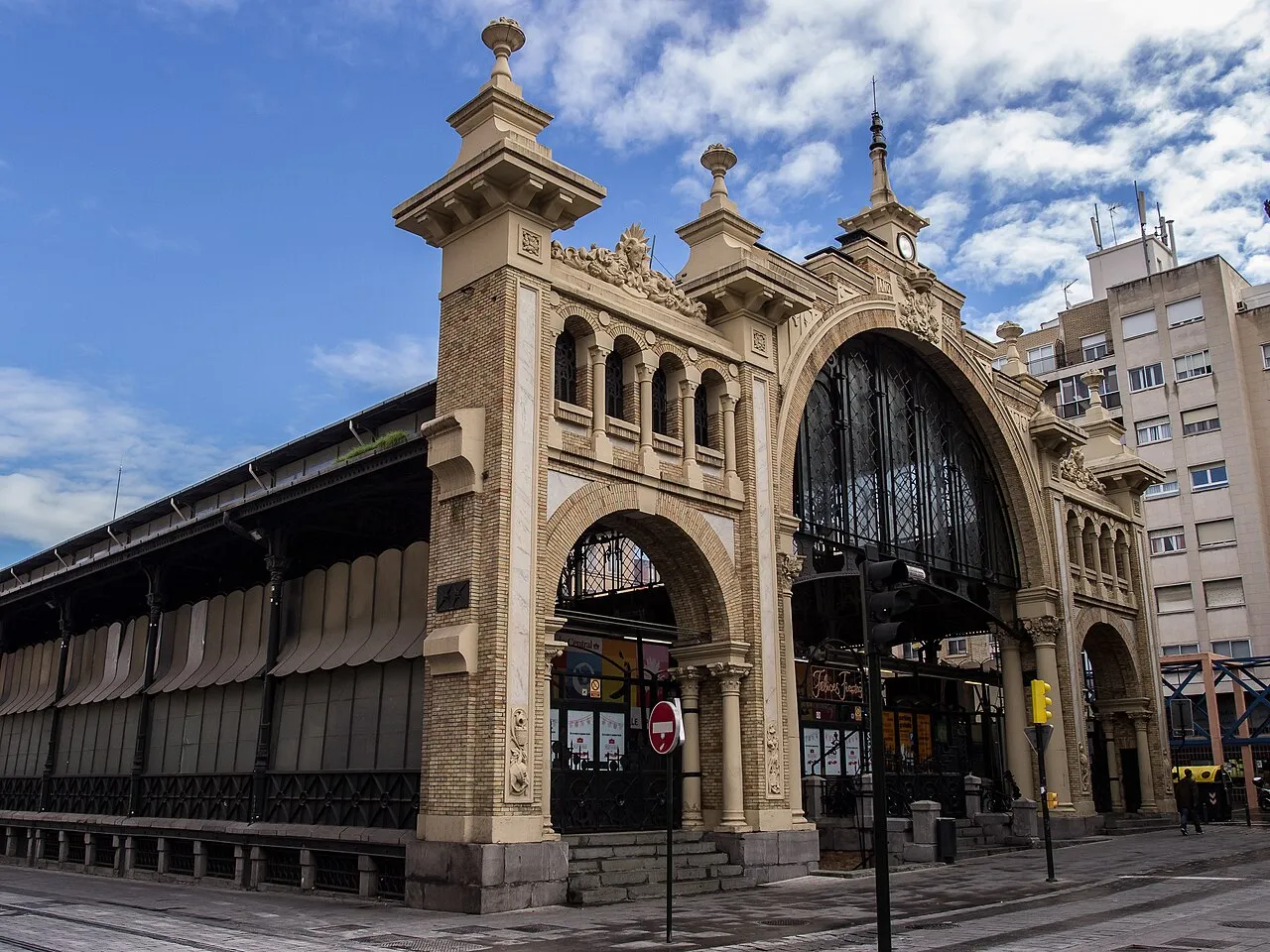
The Mercado Central, from 1903, is still a real market where the neighbourhood does its weekly shop. It closes in the mid-afternoon and does not open on Sundays: you have to fit it into the morning.
What El Tubo is
Alleys, theatres and a conversion.
The knot of alleys known as El Tubo was, for much of the twentieth century, a fairly unbridled nightlife district, with variety theatres, show halls and venues of every kind, and a reputation that was not exactly family-friendly.
That stage left its mark: several of today's bars occupy premises that were cabarets or dance halls, and some keep the decor or the name. The conversion towards tapas came from the eighties and nineties onwards, and today it is one of the city's calling cards.
The system is the usual one in the north: you go in, have a tapa or a glass of wine, pay and move on to the next bar. Four or five places in an evening is normal, and the point is the circuit. Sitting down to a whole dinner of tapas in a single place is the visitor's mistake.
The streets are narrow and at peak times it is hard to move, above all at weekends. The aperitivo runs from one to three, and the evening round starts around half past eight.
Iron, glass and brick from 1903, on the Les Halles model, with a cast-iron structure and a longitudinal lantern. The fish and vegetable stalls are at the back and there is a counter area. It was built exactly on the line of the Roman wall, which can be seen in the next street.
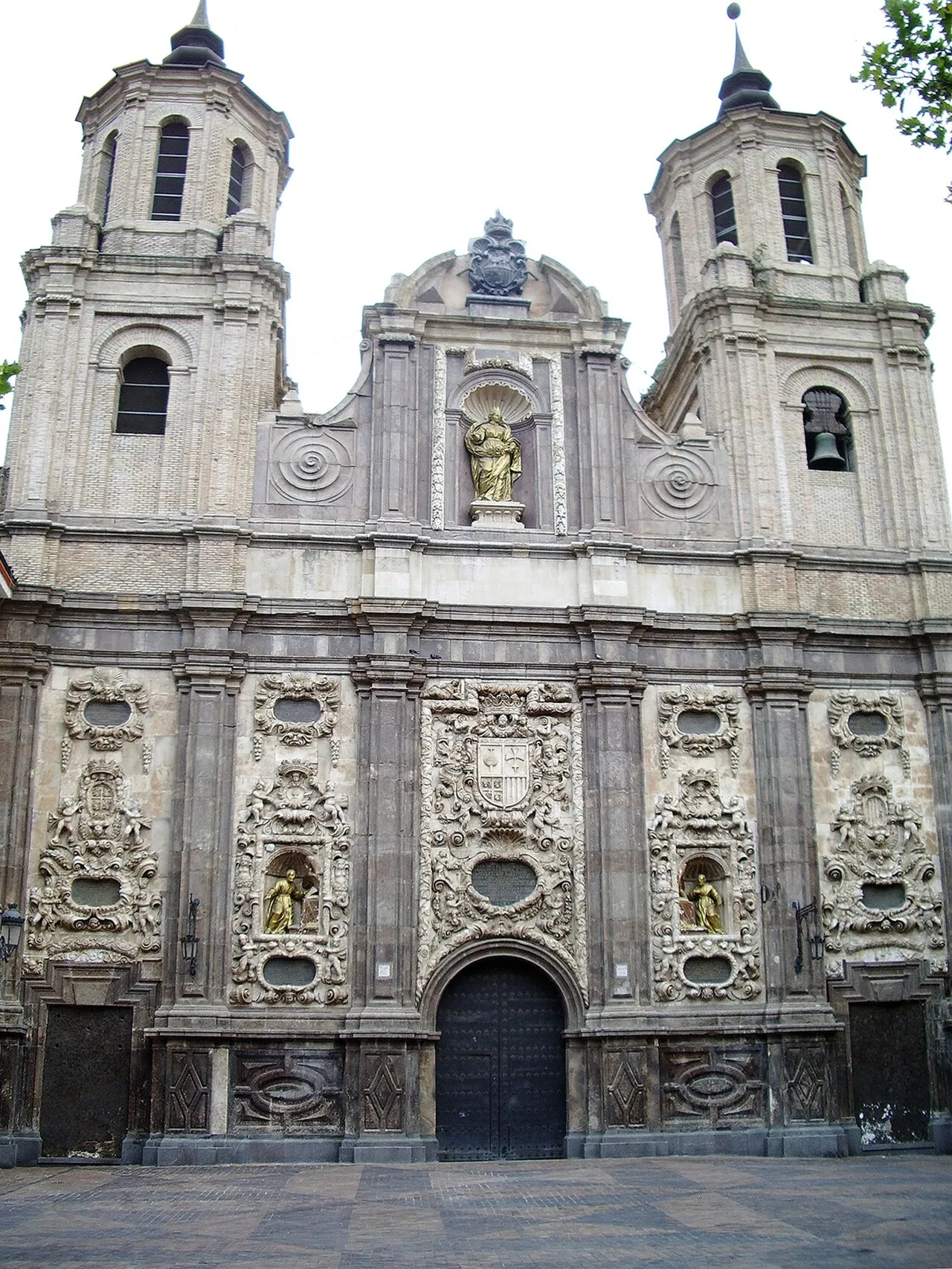
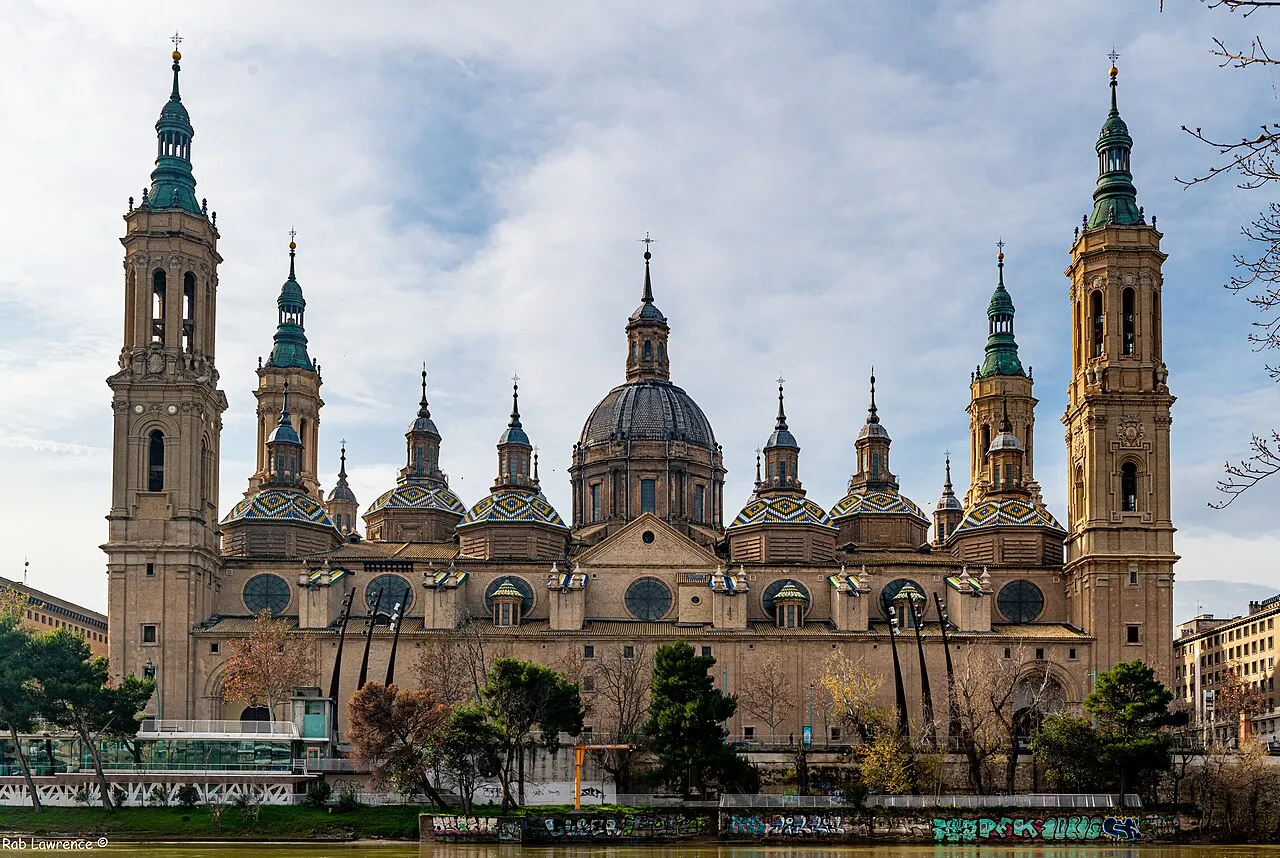
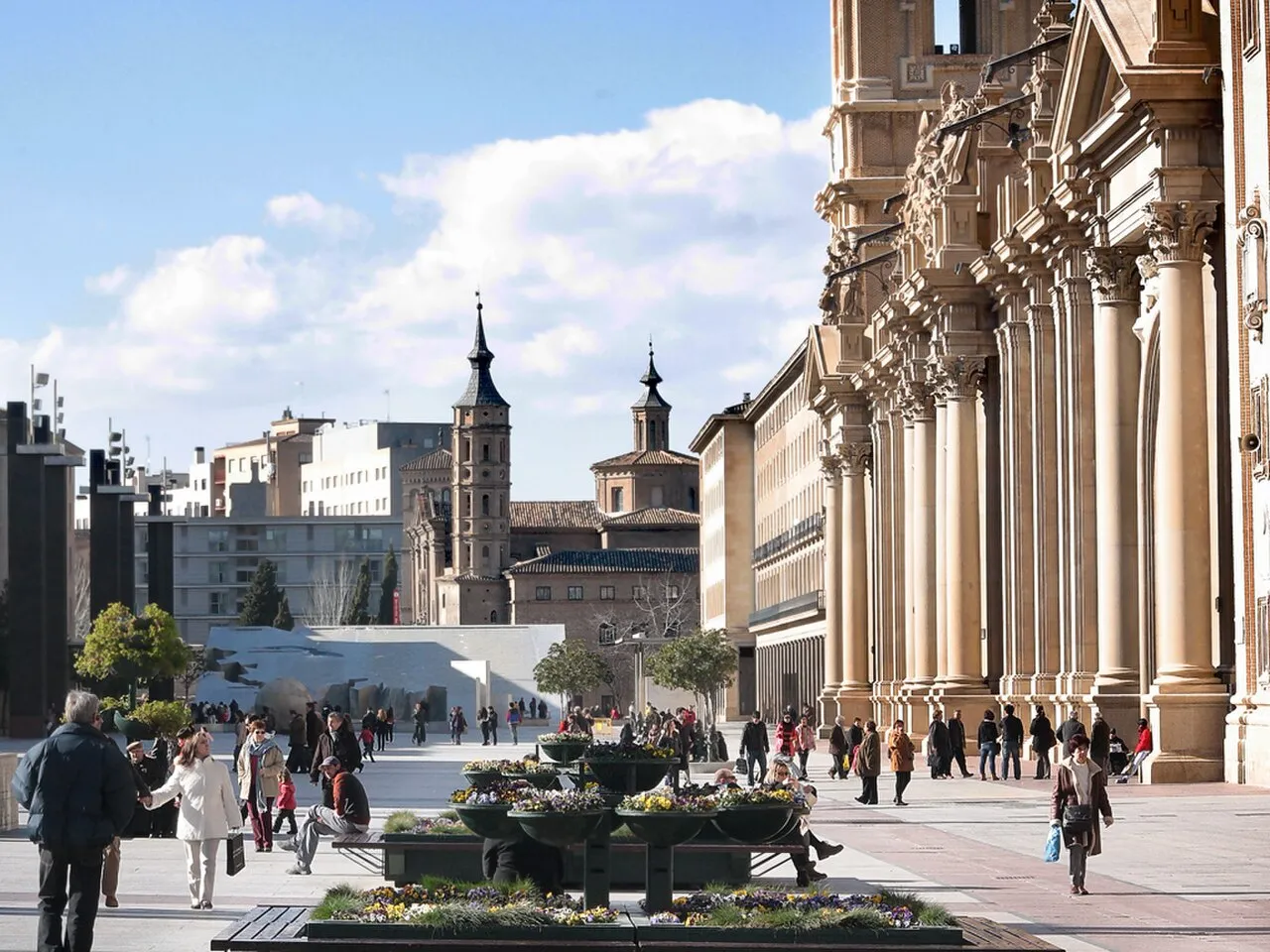
In Zaragoza they call it San Cayetano and it is two minutes from El Tubo, so you pass it on your way to dinner. Its front is Churrigueresque Baroque with the brakes off, with solomonic columns and not one flat surface. At night, lit up, is when it really works.
Ternasco de Aragón is the product that carries the most weight: young lamb, with a denomination of origin of its own, raised in the region and roasted or grilled over coals. A ternasco chop or a rack of ribs is the local reference, and it turns up both as a tapa and as a main course.
Borraja, borage, is the biggest surprise. It is a winter vegetable with a thick stem and a rough leaf that is barely grown or eaten outside Aragon, served boiled with potato and a refrito, a dressing of fried garlic, and it is one of those things to try here because you will not find them anywhere else.
Among the bar snacks: migas, bacalao ajoarriero, longaniza de Graus, jamón de Teruel — also with a denomination — grilled mushrooms with garlic and patatas bravas, which in Zaragoza have their own version with a thick and fairly hot sauce.
For dessert, frutas de Aragón: candied fruit dipped in chocolate, a traditional preparation sold in the pastry shops of the centre. And to drink, wines from the four Aragonese denominations: Cariñena, Campo de Borja, Calatayud and Somontano.
Where else, besides El Tubo
The old town itself, around plaza de Santa Marta and the Magdalena area, has a younger and less crowded offer, with small places and slightly better prices. It is where the people who live in the city go out.
The Mercado Central solves lunchtime better than any restaurant: produce on show, a counter area and local customers. It closes in the mid-afternoon and does not open on Sundays, so you have to fit it into the morning. And it sits right on the Roman wall, which can be seen in the next street.
A note on the calendar: during the Fiestas del Pilar, in the week of 12 October, the city fills up completely and both El Tubo and the rest of the old town work on another scale, with queues and different prices. Outside those dates, Zaragoza is a cheap city to eat in.
And a note on timing: in summer the temperature often goes past forty degrees, so life moves to the night. In July and August the midday aperitivo makes little sense and the terraces fill up from ten onwards.
A landmark for placing the other tapas circuit: the barrio de la Magdalena, with its medieval street plan intact, has the youngest and least crowded offer in the old town, with small places and slightly better prices. It is where the people who live here go out.
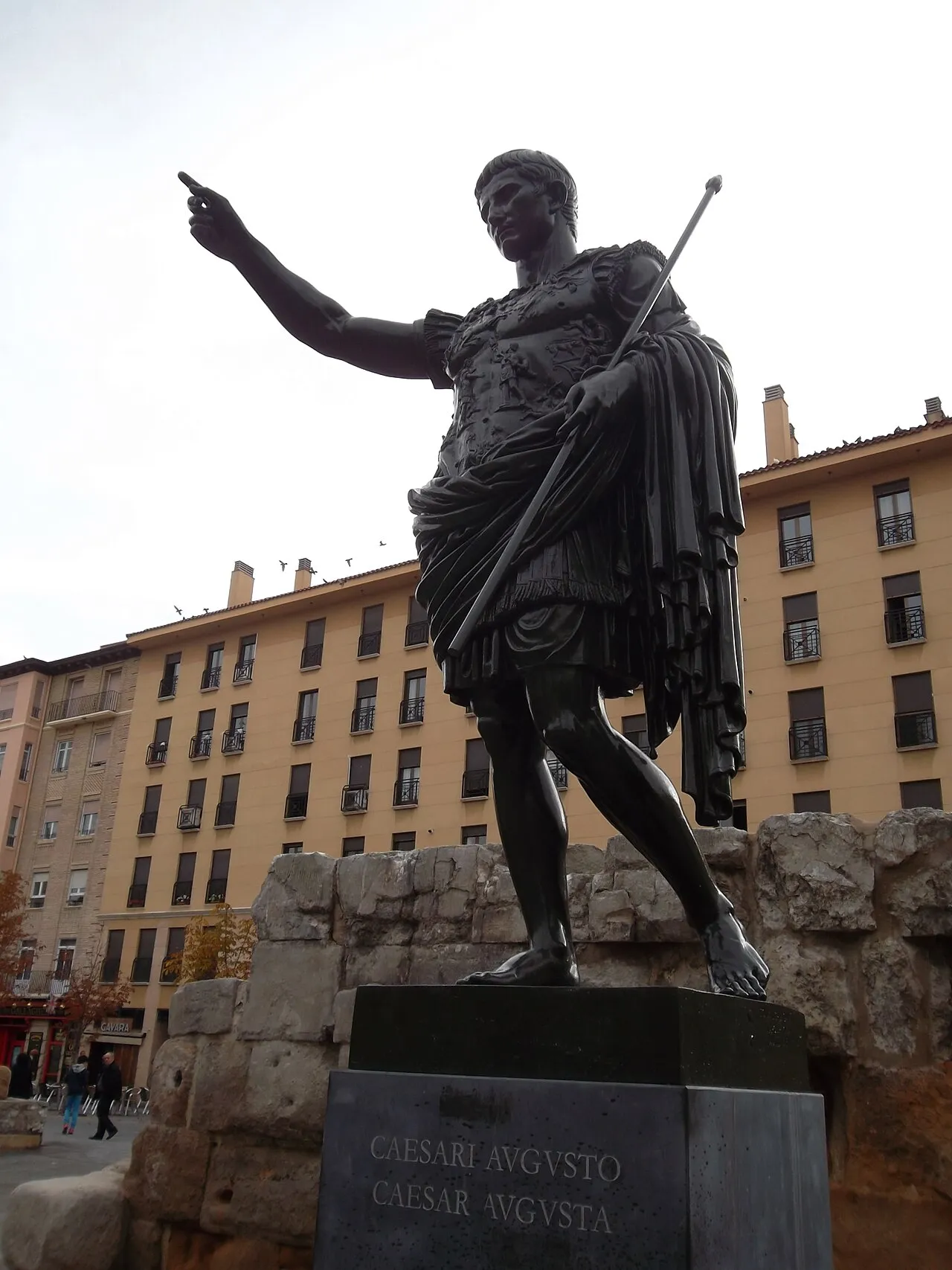
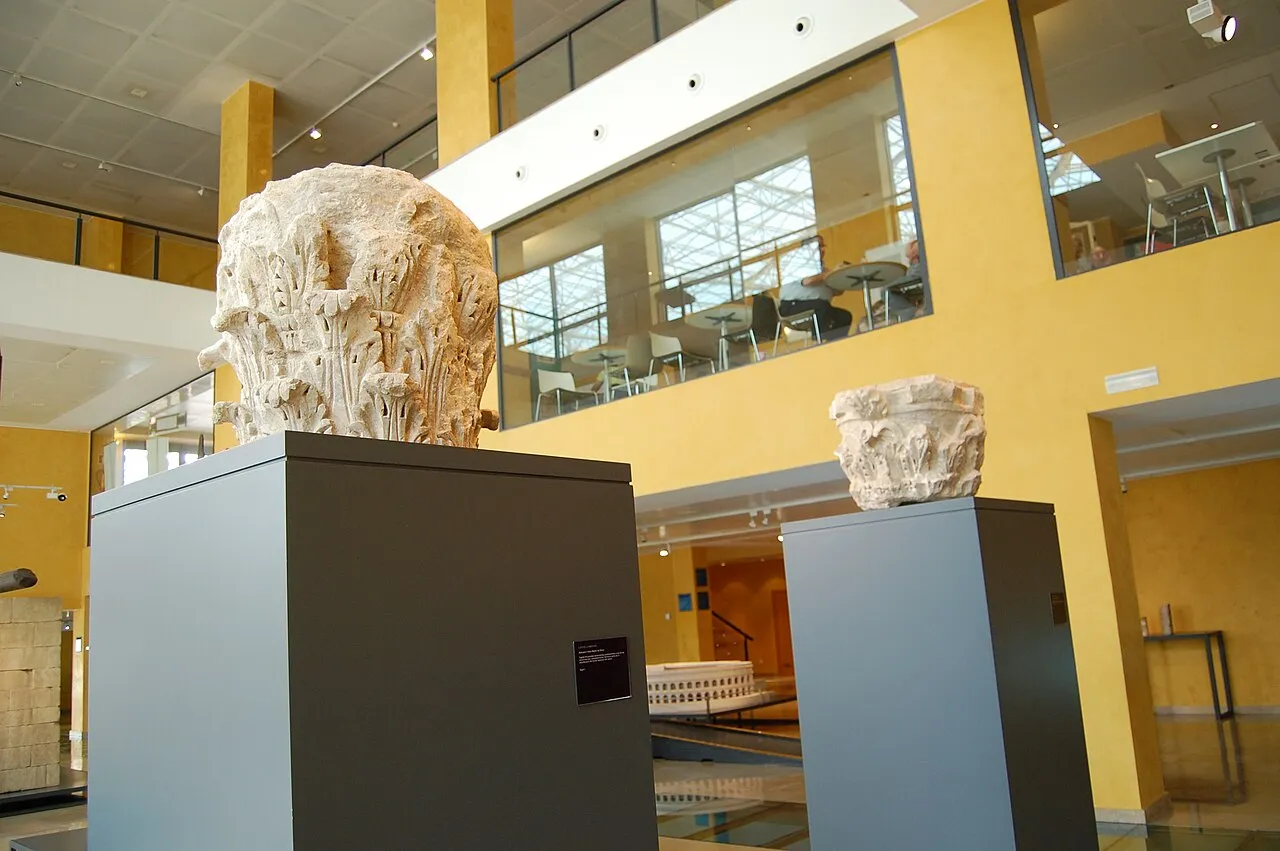
Coming out of the shops and running into a stretch of third-century wall is fairly normal in this city. The market was built exactly on the line of the enclosure, and the stretch with its semicircular bastions is kept in plain view in the street alongside.
A knot of narrow alleys hidden between the Coso and the plaza de España, in the middle of the old town, where a good part of the traditional tapas scene of Zaragoza is concentrated. The name comes from its shape: streets so tight they feel like a pipe. Through the twentieth century it was a district of variety theatres and nightlife.
How do you do tapas in Zaragoza?
As in the rest of the north: you go into a bar, have a tapa or a glass of wine, pay and move somewhere else. Four or five places in an evening is normal, and the point is the circuit. Sitting down to a whole dinner of tapas in a single place is the visitor's most common mistake.
What is borraja?
A winter vegetable, borage, with a thick stem and a rough leaf that is barely grown or eaten outside Aragon. It is served boiled, with potato and a refrito of fried garlic, and it is one of those things worth trying here because you are unlikely to find it anywhere else. It is the emblematic product of the Ebro market gardens.
What else should you order?
Ternasco de Aragón, young lamb with a denomination of origin of its own, roasted or grilled over coals; migas; bacalao ajoarriero; longaniza de Graus; jamón de Teruel, also with a denomination; and grilled mushrooms. For dessert, frutas de Aragón, candied fruit dipped in chocolate.
Is the Mercado Central worth it?
Very much so. It is a building from 1903 in iron, glass and brick, on the Les Halles model, and it is still a real market where the neighbourhood does its weekly shop: the restoration kept the building and the function without turning it into a food court. It closes in the mid-afternoon and does not open on Sundays.
Is Zaragoza expensive to eat in?
Outside the Fiestas del Pilar, it is one of the most reasonable Spanish capitals. During the week of 12 October the city fills up completely and everything works on another scale, with queues and different prices. In summer, with more than forty degrees, life moves to the night and the midday aperitivo loses its point.
Practical information
WhereEl Tubo, between the Coso and plaza de España. And the barrio de la Magdalena, more local.
Opening hoursAperitivo from 13:00 to 15:00; evening round from 20:30 onwards.
The marketMercado Central, from 1903. Closes in the mid-afternoon and does not open on Sundays.
What to orderTernasco de Aragón, borraja, migas, longaniza de Graus and jamón de Teruel.
DrinkingWines from Cariñena, Campo de Borja, Calatayud or Somontano.
SummerWith more than 40 degrees life moves to the night: the terraces fill up from ten onwards.
On the map
🎧 With Viavoy
Walk Zaragoza and listen at your own pace
Download Viavoy and walk Zaragoza offline, whenever you like.
from 2,99 €· one-off payment
City Pass · 9,99 €3 days, all the tours in Zaragoza