1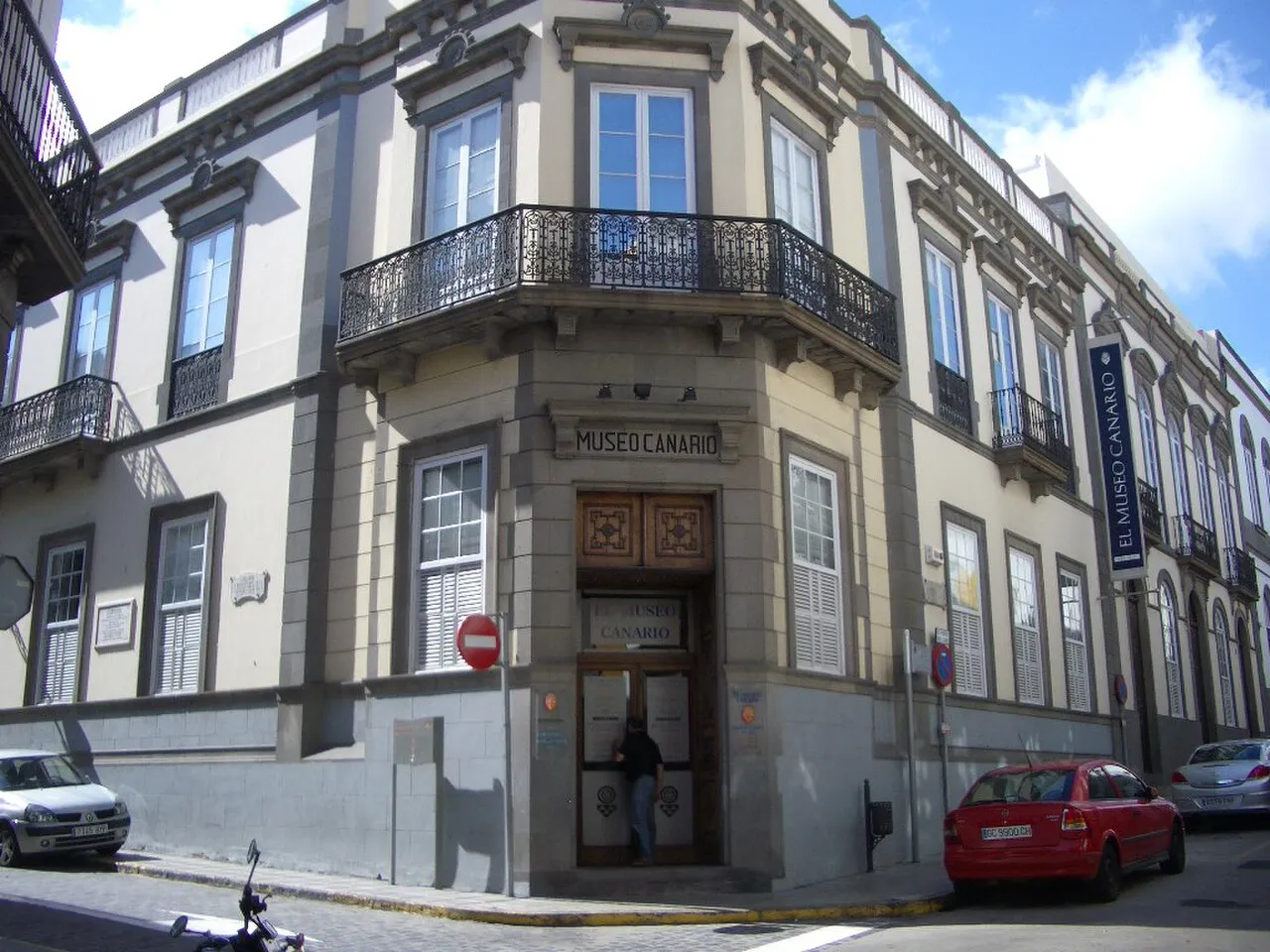
El Museo Canario
📍 Calle Doctor Verneau, Vegueta
The largest collection in the world of remains of the ancient inhabitants of Gran Canaria, assembled since 1879. A good hour, taken slowly.
Before 1478 the people living here had an origin and a language that are still argued over. What is left of them is kept in a museum in Vegueta founded by a doctor whose book Rome banned.
🎧 On the walk Vegueta: the Cathedral, Columbus and the founding quarterThe most fascinating chapter of Gran Canaria is the one that happened before anyone arrived from Europe. The ancient Canarians had been here for centuries when Juan Rejón landed in 1478, and they held out for five years. What we know about them fits into a museum in Vegueta, and it is a great deal less than we would like.
El Museo Canario was founded in 1879 by Gregorio Chil y Naranjo, a doctor from the island, in the full scientific ferment of the nineteenth century, when half of Europe was arguing about Darwin and the origin of the human being.
Chil wanted to study the ancient Canarians with a scientist's rigour, and he assembled a collection that is unique in the world today. It cost him dearly: his great work on the past of these islands ended up on the Church's Index of Forbidden Books, condemned by Rome.
The museum keeps that nineteenth-century spirit — wooden cases, systematic order, the atmosphere of a cabinet — and that is part of its strength. It is not a museum modernised with screens: it is an archive from another era that still works.
What impresses most is the anthropological collection: hundreds of skulls and mummies arranged in cases. This is not morbid curiosity. It is the only way there is of looking into the faces of the people who lived here before anyone arrived from outside.
The largest collection in the world of remains of the ancient inhabitants of Gran Canaria, assembled since 1879. A good hour, taken slowly.
Download the app and discover Las Palmas offline, whenever you like. Take the walking tour Vegueta: the Cathedral, Columbus and the founding quarter with a local guide in your ear.
Find out more about Viavoy →The pintaderas are clay seals with geometric designs, and their use is still argued over: a mark of ownership for the communal granaries, body decoration, a family symbol. Nobody knows for certain, and that uncertainty is what makes them fascinating.
The Idol of Tara is a seated figure in fired clay with the forms of the body strongly marked, and it has become a symbol of the island. Scholars believe it embodied fertility, but we know neither its true name nor the belief it answered to. It is named after the area of Tara, near Telde, where it turned up.
Not knowing is the dominant note of this whole chapter. We know that the ancient Canarians were related to the Berber populations of North Africa, that they practised mummification, that they lived in caves and stone houses and that they had fortified communal granaries. About the rest, almost everything is argued over.
Mummification also survives, a striking trait: they prepared the bodies and laid them in funerary caves, and several of those mummies are today in the museum's cases.
The conquest took five years, from 1478 to 1483, an outrageous length of time for an island this size. The ancient Canarians defended themselves by making use of the terrain — crags and ravines — until the guanarteme of Gáldar was captured and ended up making a pact with Castile.
The figure who best embodies that resistance is Doramas, a chieftain of humble origin who won command by sheer courage, something very rare among the ancient Canarians. He fell fighting around 1481, according to tradition in single combat near Arucas.
His name is today on the Doramas Park, the great garden in the centre, named that way already in the twentieth century. It was a deliberate way of asserting the island's pre-Hispanic roots and recalling that before the conquest there was already a people here with its own heroes.
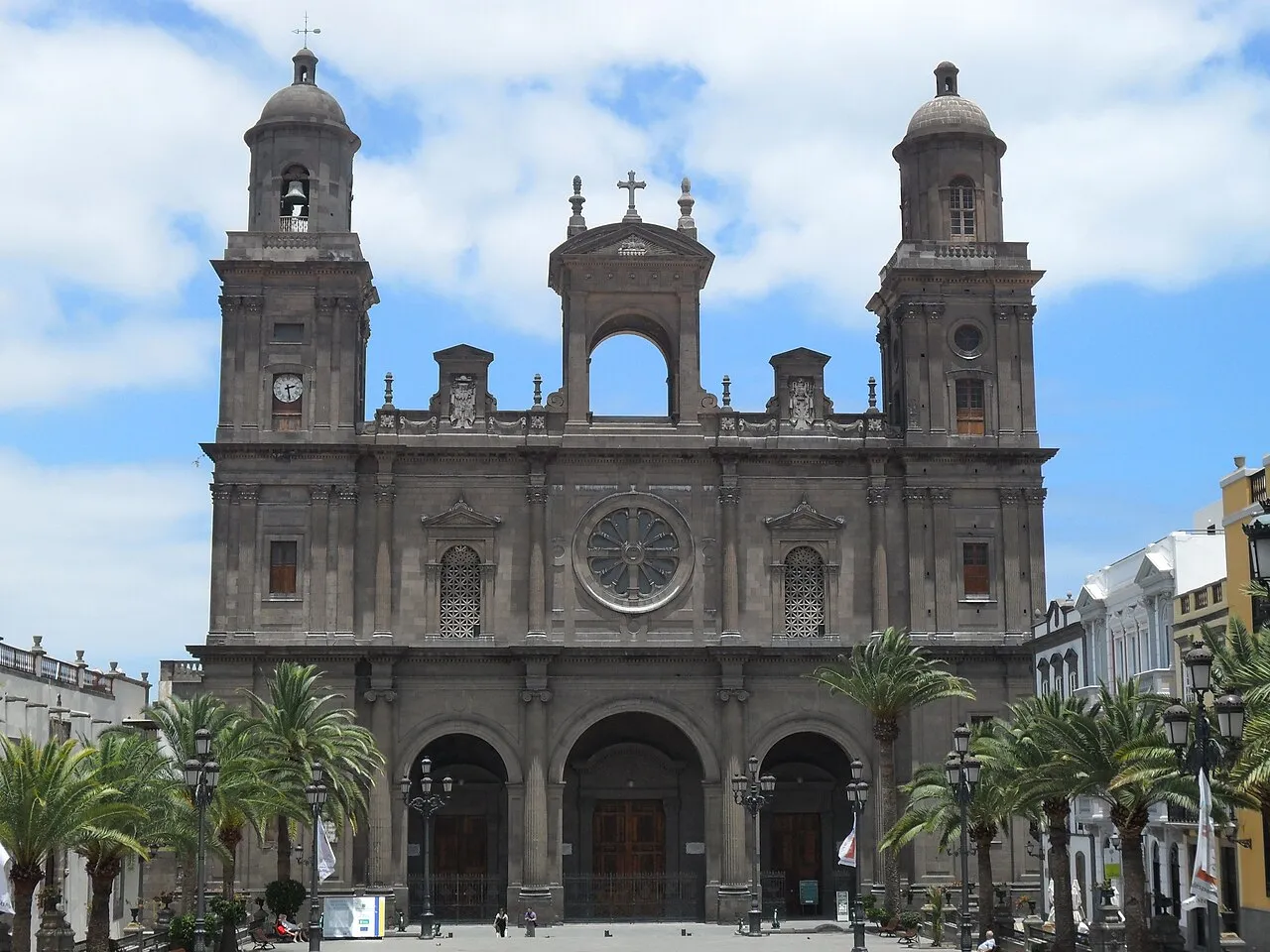
The counterpoint can be seen in Vegueta: the hermitage of San Antonio Abad, where the first mass was said in 1478, or la Casa de Colón, which was the residence of the governor of the newly conquered island. The two narratives coexist in the same quarter, five minutes from each other.
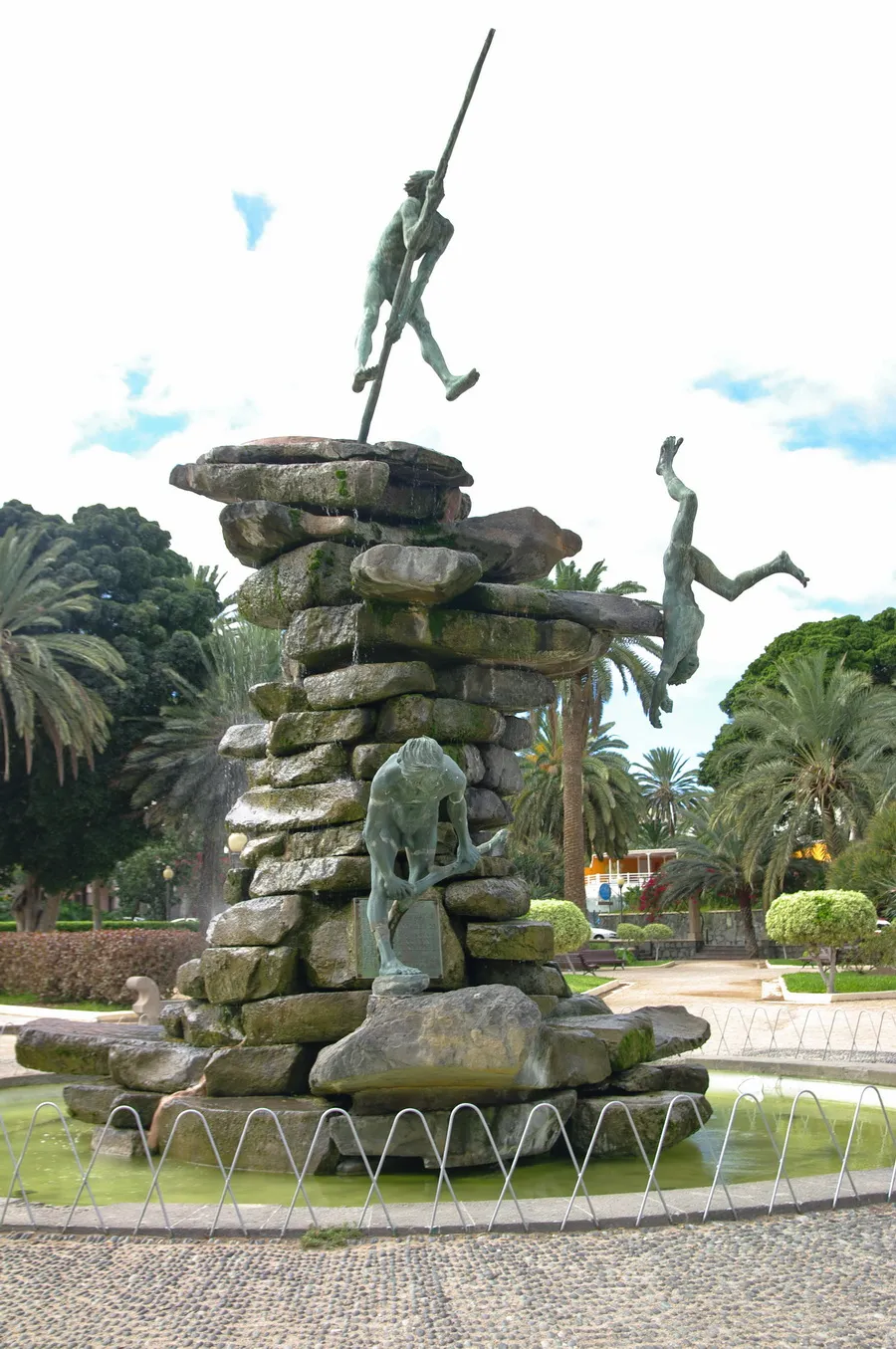
It bears the name of the indigenous chieftain who resisted Castile and fell fighting around 1481. Naming it that way in the twentieth century was a deliberate assertion.
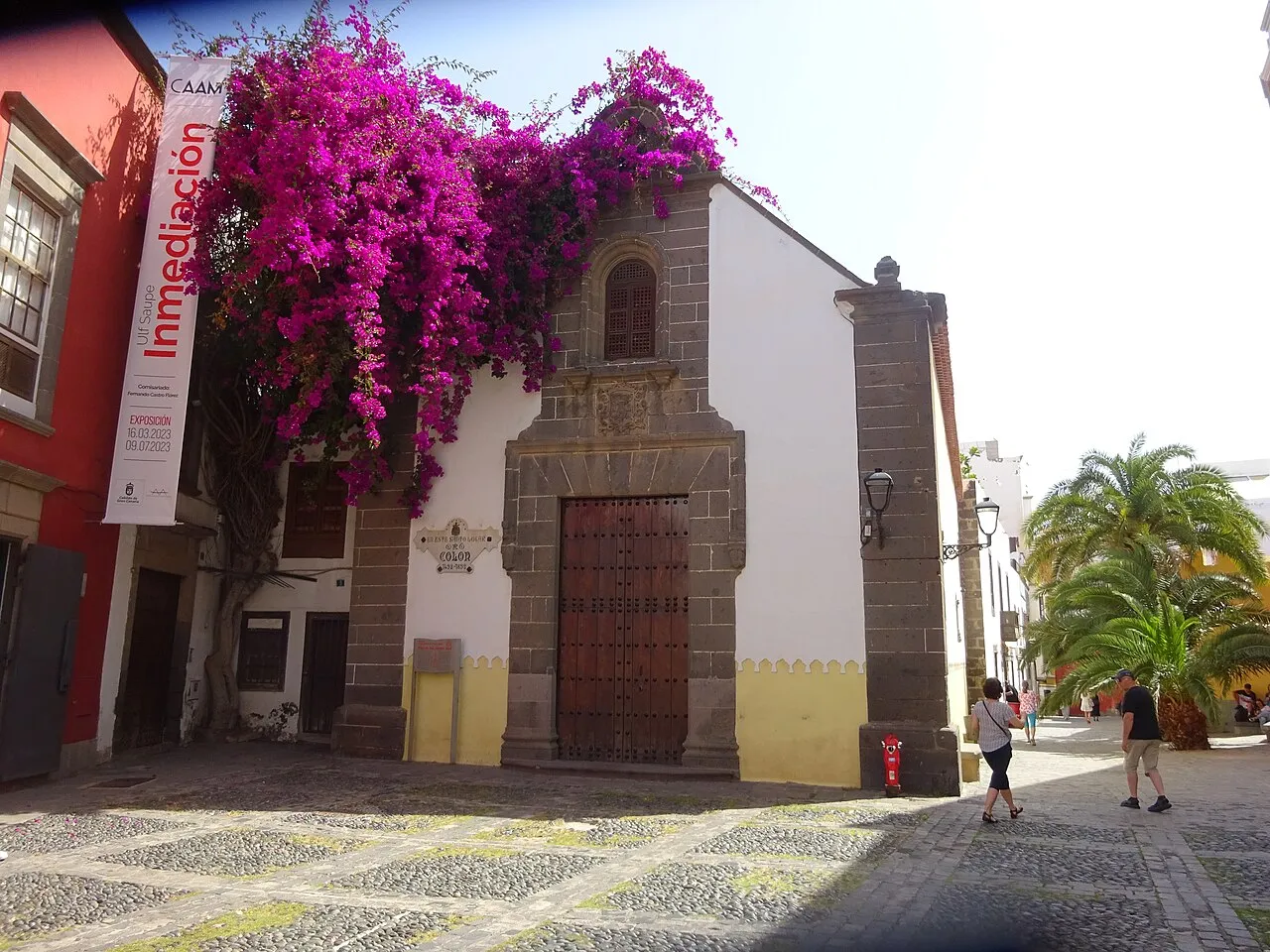
The city's first church was raised here in 1478 and the first mass was said here. Kilometre zero of the other narrative, that of the conquerors.
The population that inhabited Gran Canaria before the Castilian conquest, related to the Berber peoples of North Africa. They lived in caves and stone houses, they had fortified communal granaries and they practised mummification. About their language, their religion and a good part of their social organisation almost everything is still argued over.
Clay seals with geometric designs, characteristic of Gran Canaria, whose use is still debated: they could be marks of ownership for the communal granaries, seals for body decoration or family symbols. Many are kept in El Museo Canario and they are one of the most recognisable images of the island's pre-Hispanic past.
A small seated figure in fired clay with the forms of the body strongly marked, which has become a symbol of the island. It is named after the area of Tara, near Telde, where it turned up. Scholars believe it embodied fertility, but neither its true name nor the specific belief it answered to is known.
Five whole years, from 1478 to 1483, which is an enormous amount for an island this size. The ancient Canarians defended themselves by making use of every crag and every ravine. In the end their leader, the guanarteme of Gáldar, was captured and ended up making a pact with Castile.
An indigenous chieftain who led the resistance against the Castilian troops. There is something special about his figure: he did not come from a noble family, he was of humble origin, and even so he won command by sheer courage, something very rare among the ancient Canarians. He fell fighting around 1481, according to tradition in single combat near Arucas.
Because the ancient Canarians practised mummification: they prepared the bodies and laid them in funerary caves, which has allowed them to survive. From 1879 El Museo Canario assembled the largest collection in the world of these remains, and it is the only way there is of studying that population directly.
It is striking, yes: hundreds of skulls and several mummies arranged in nineteenth-century wooden cases. But it is not set out as a spectacle or as morbid curiosity, but as a scientific archive, and the effect it produces is more emotion than revulsion. It is probably the visit that most changes the way you look at the island.
Download Viavoy and walk Las Palmas offline, whenever you like.

Keep reading