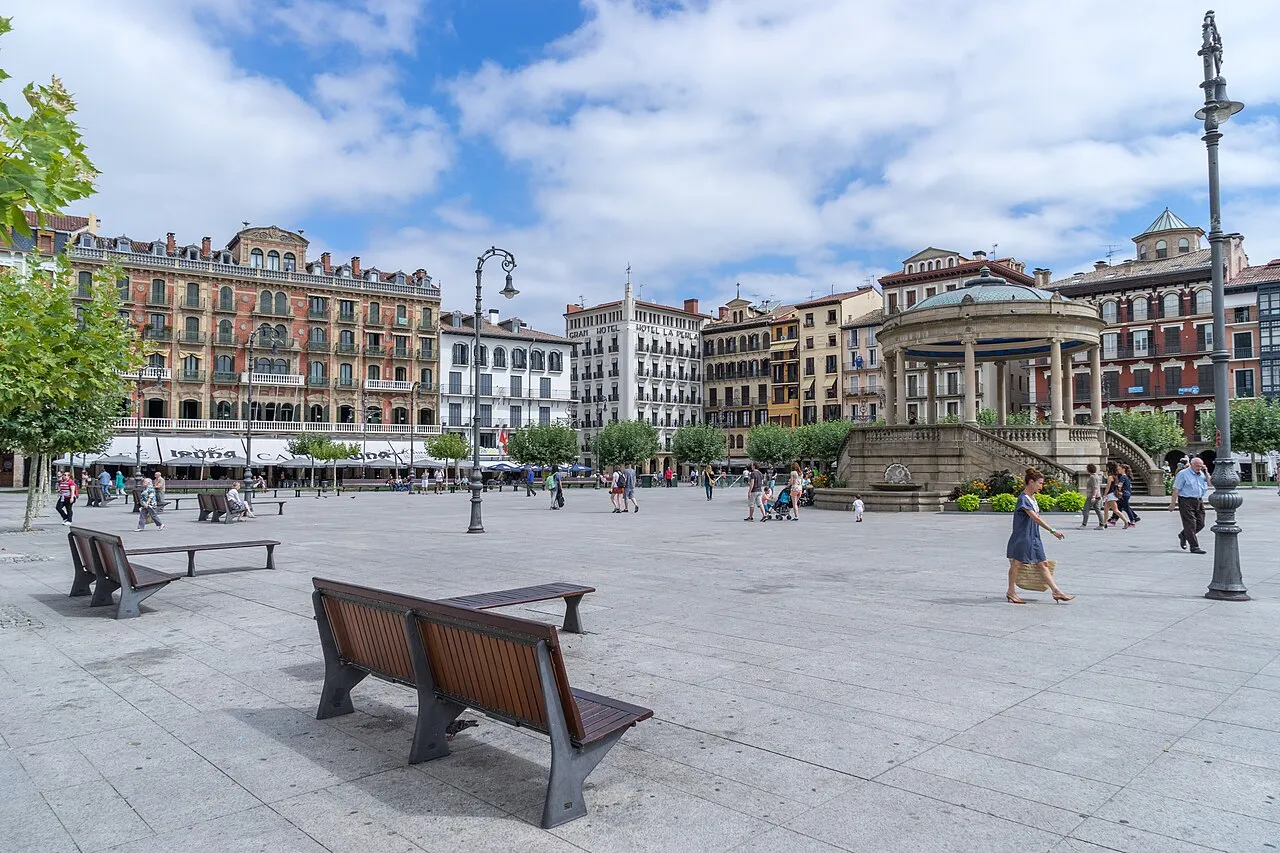
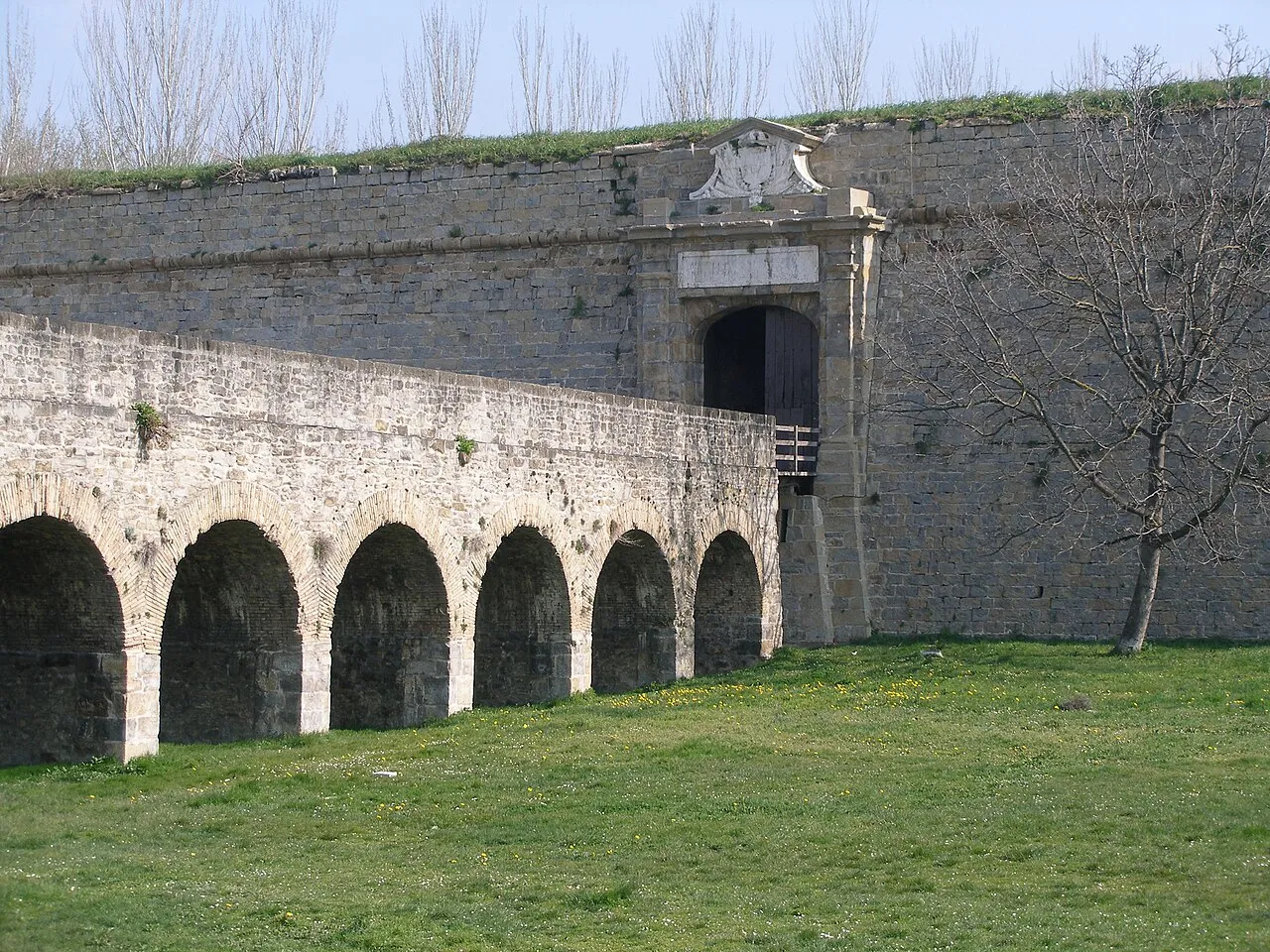
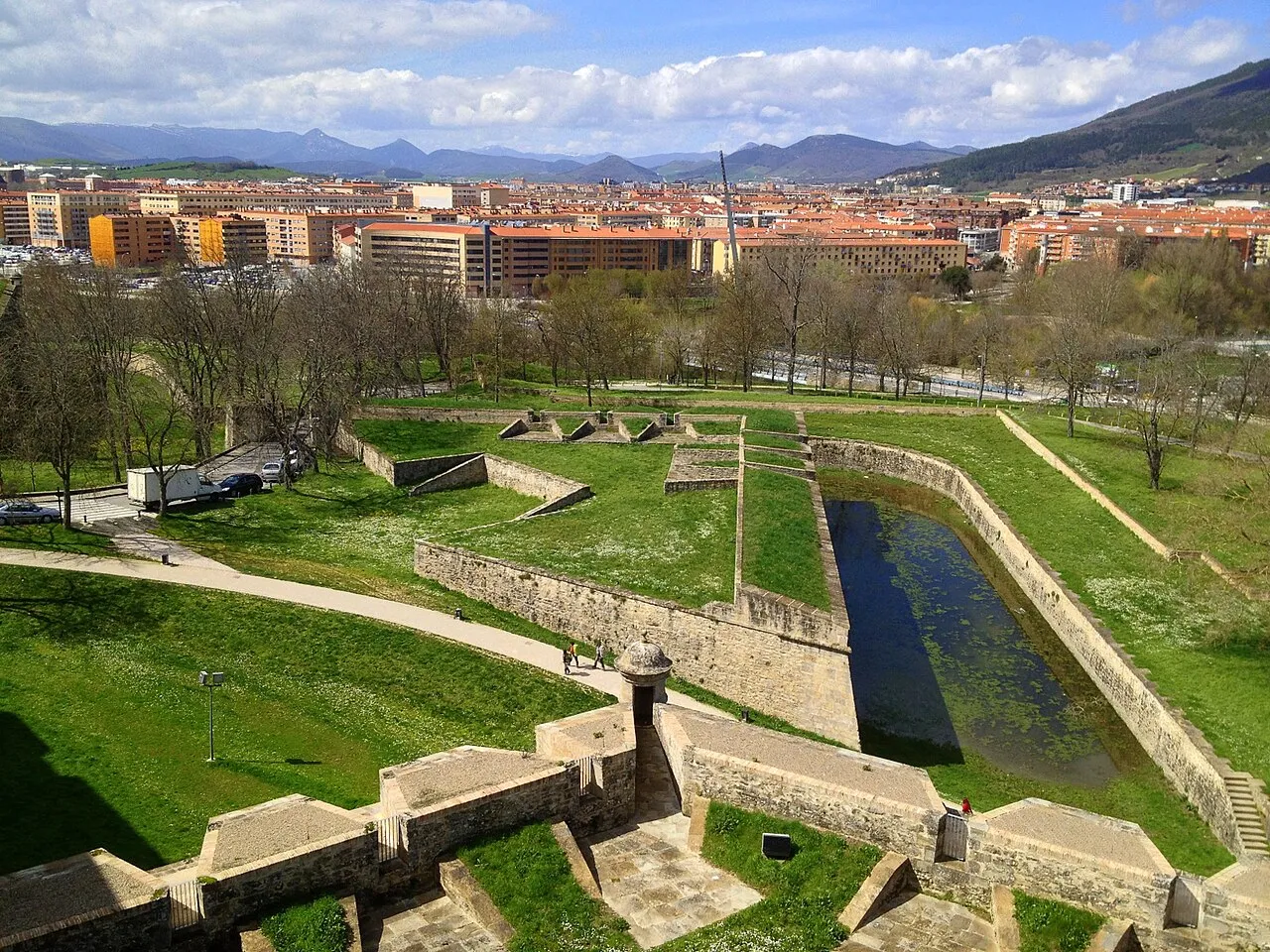
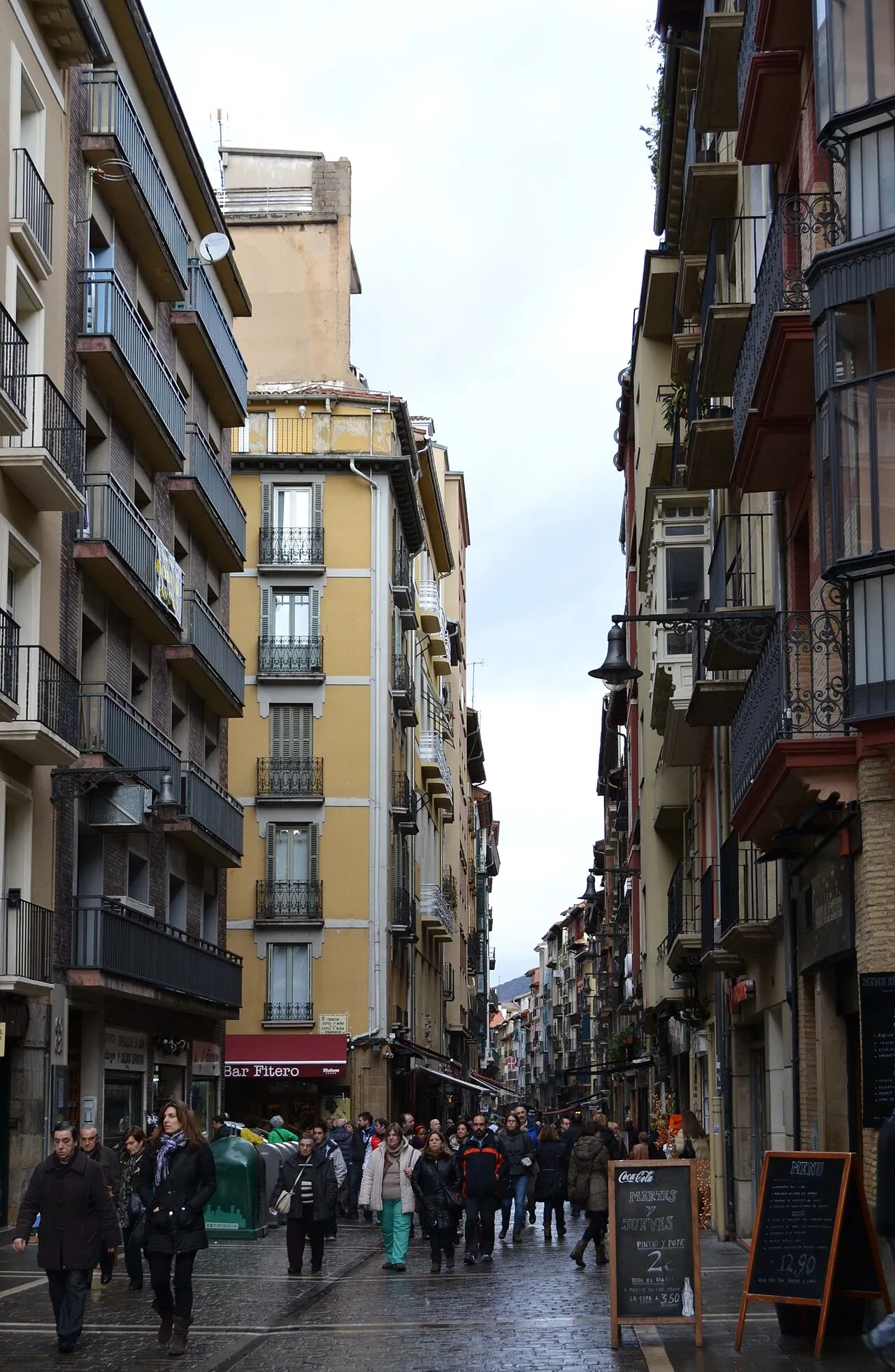
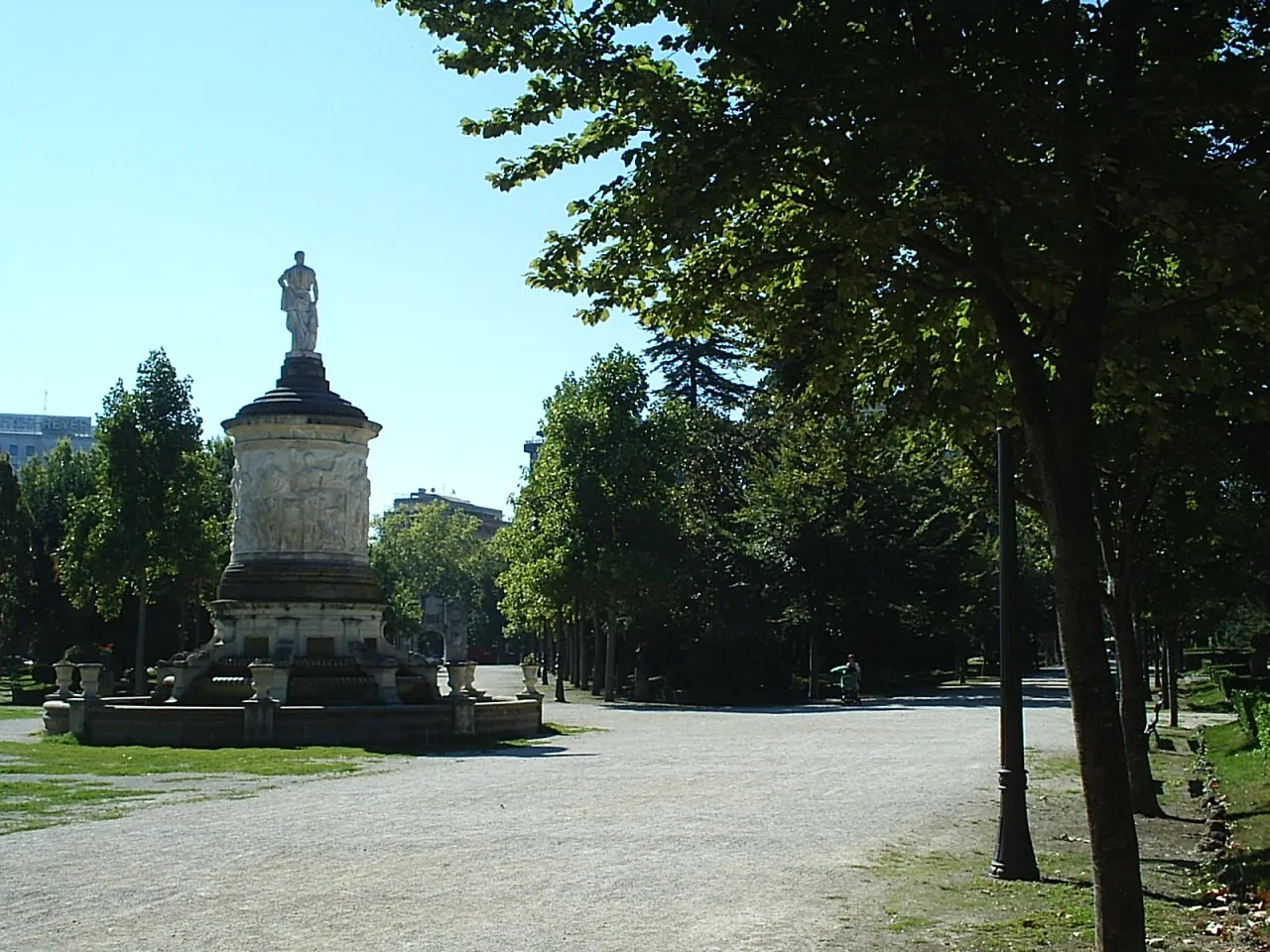
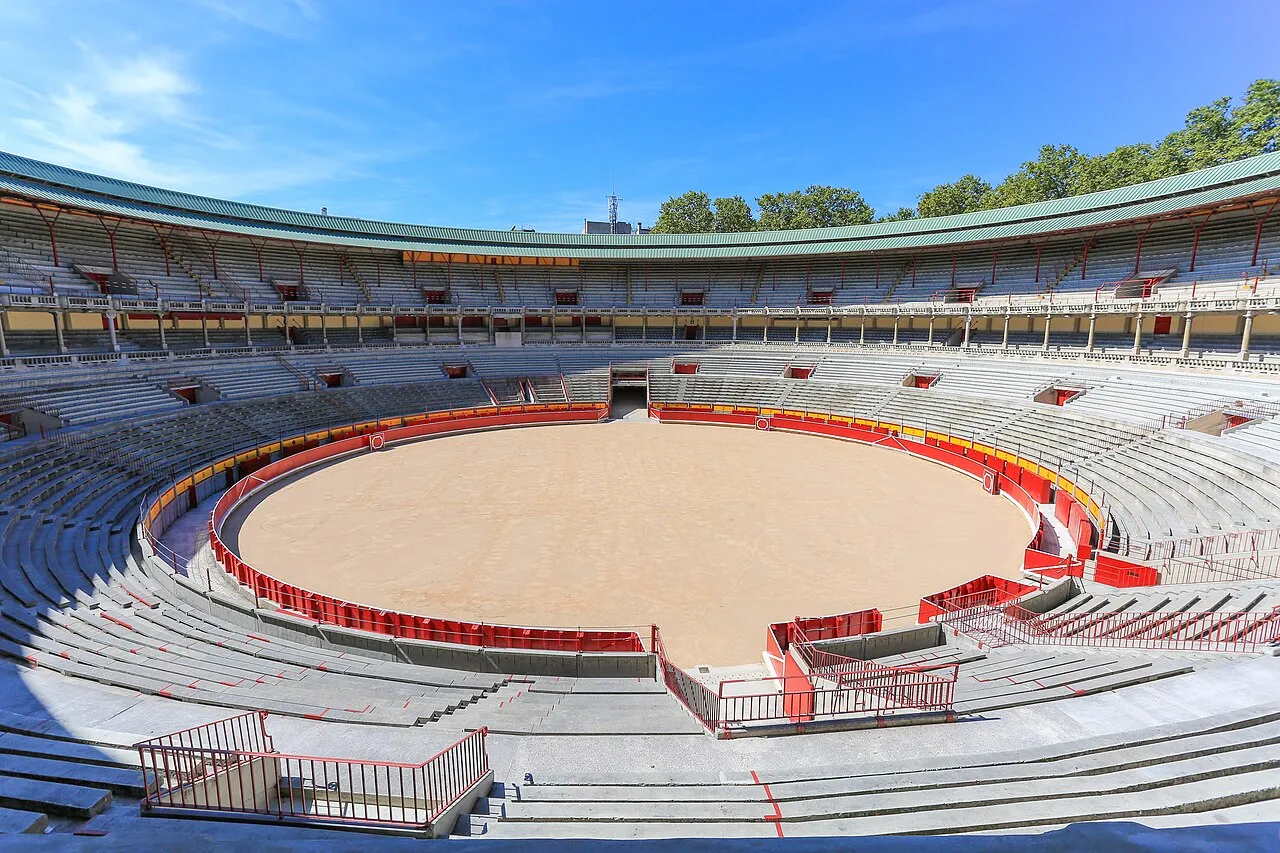
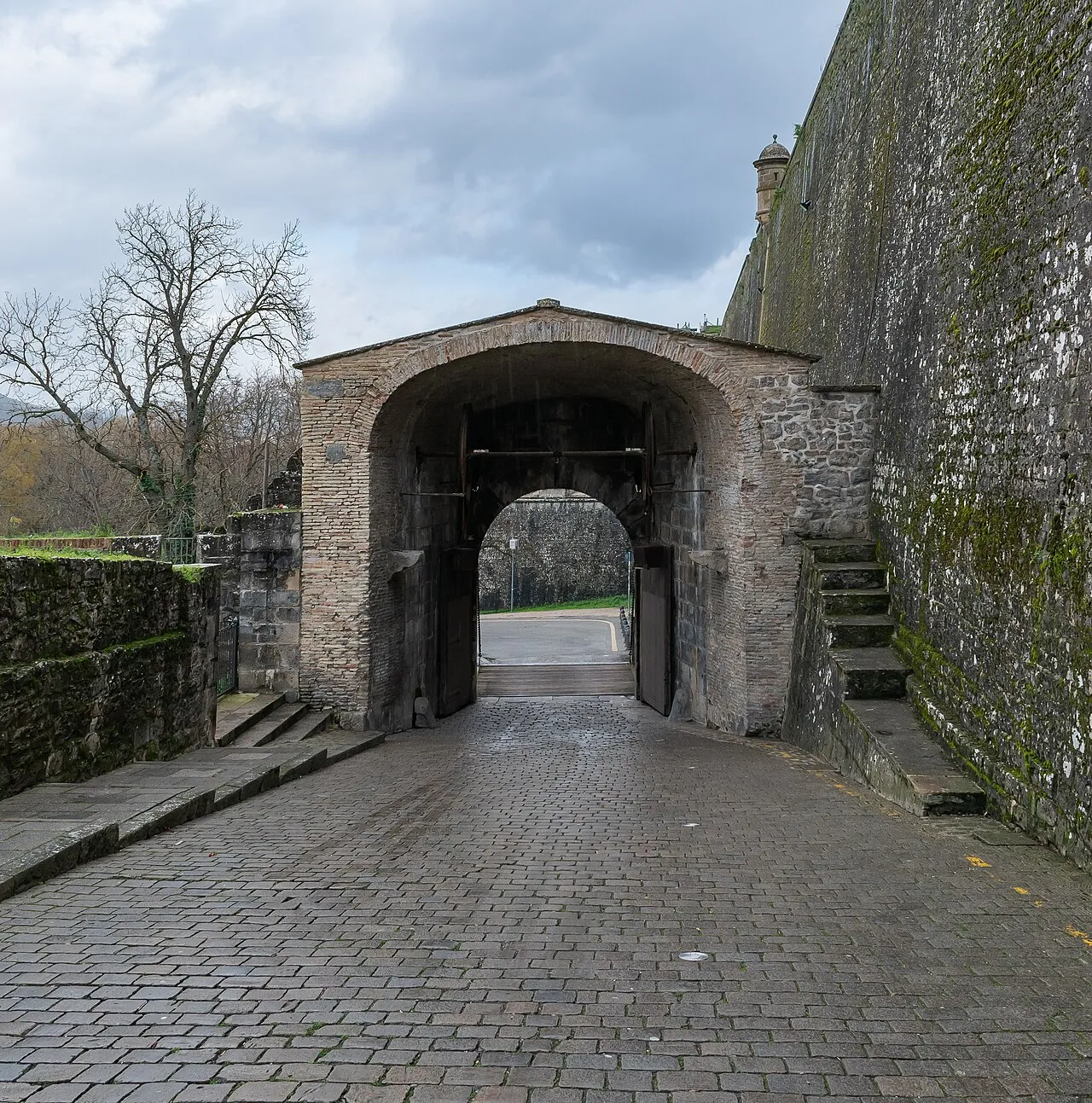
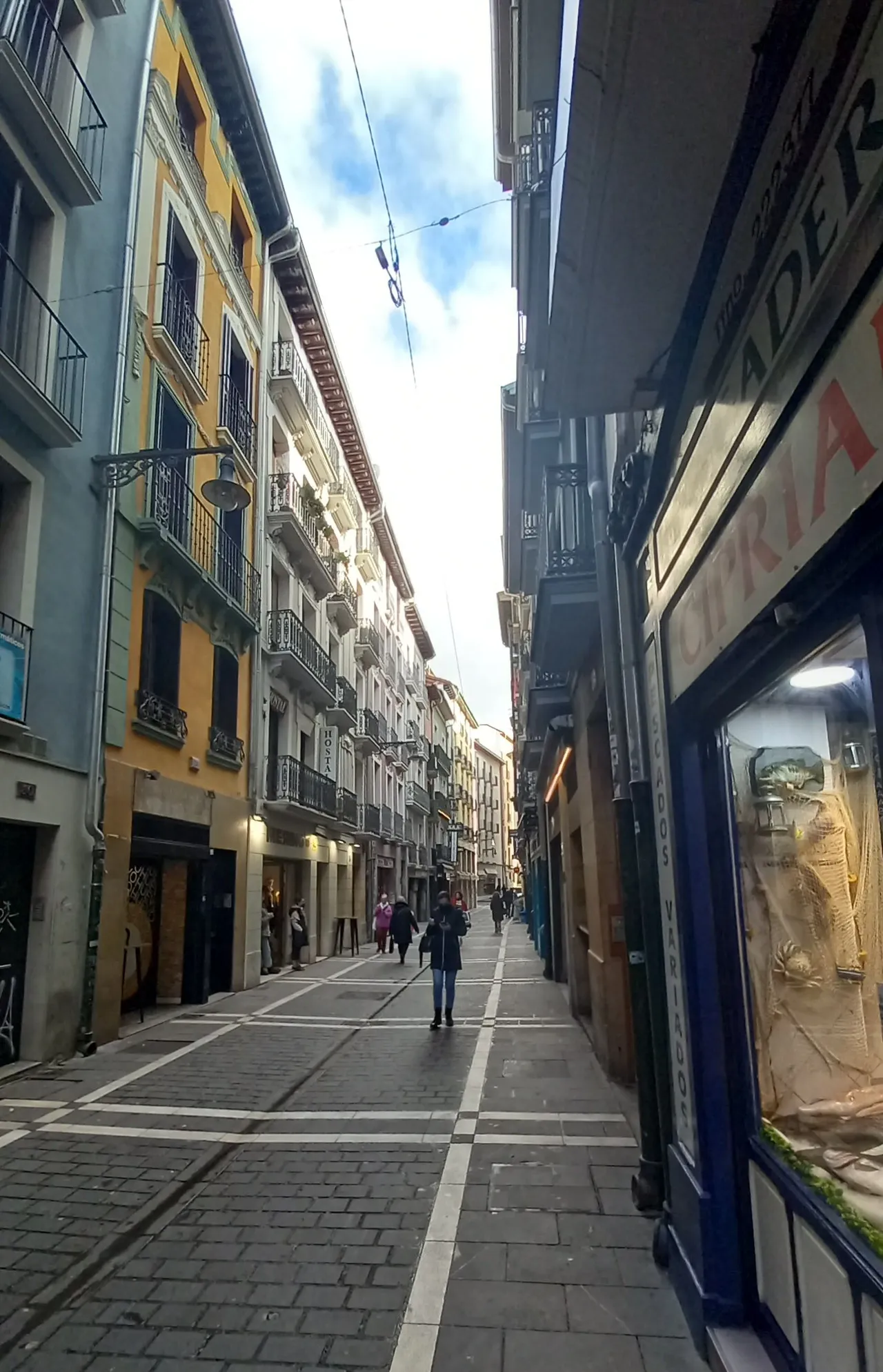
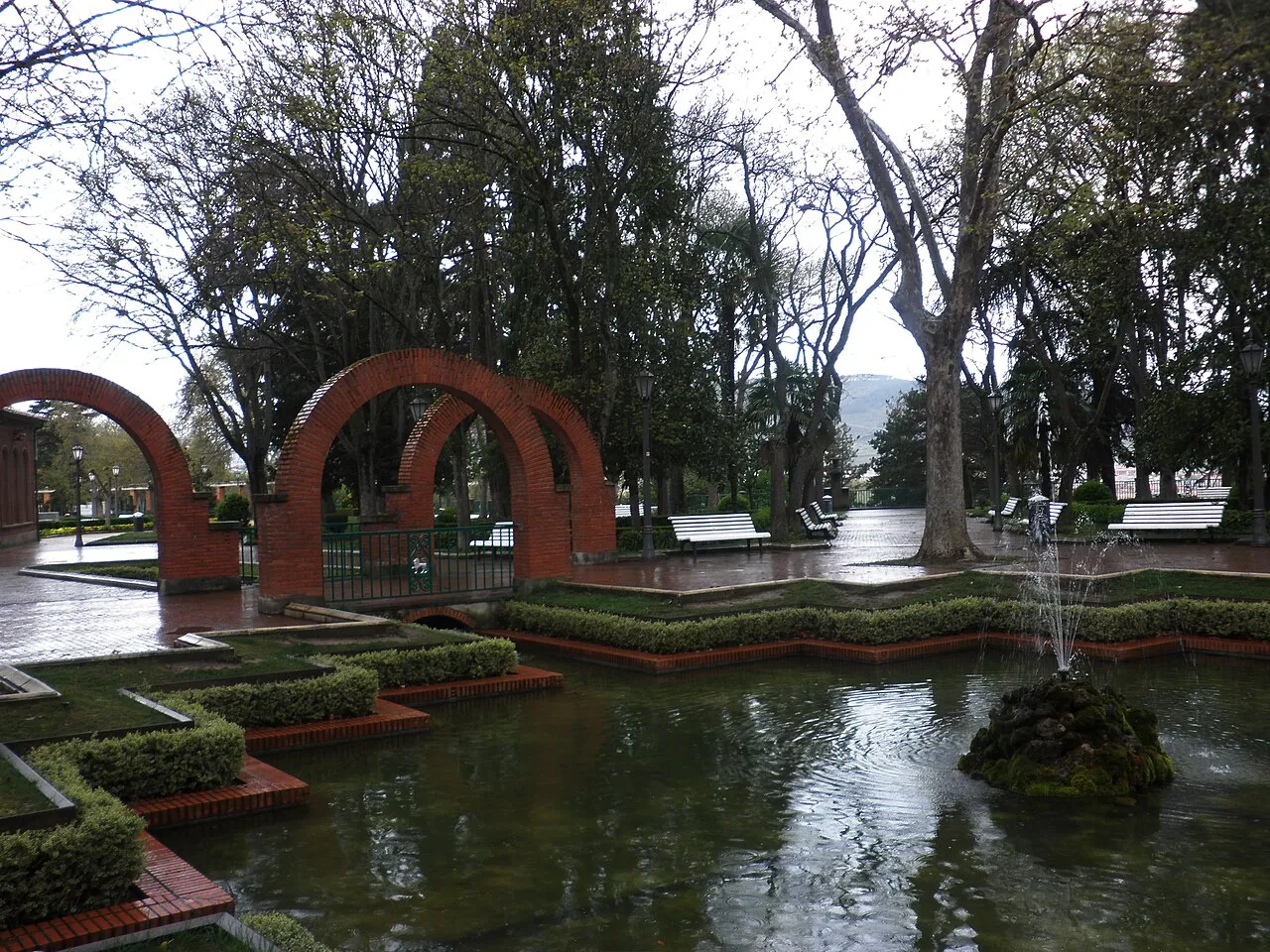
Pamplona is a great deal more than eight days in July. For centuries it was the key to the kingdom facing France, and that is why it keeps one of the best preserved bastioned fortifications in Europe, with five kilometres of wall you can walk and a star-shaped citadel that the French took in 1808 by pretending to have a snowball fight. Before that it was three walled towns that were out to kill each other until Charles III united them in 1423. And all of it lives alongside the encierro, the best pintxo culture in the north and a green ring occupying the ground where once not even a bush was allowed to grow.
Frequently asked questions
Is Pamplona worth it outside San Fermín?
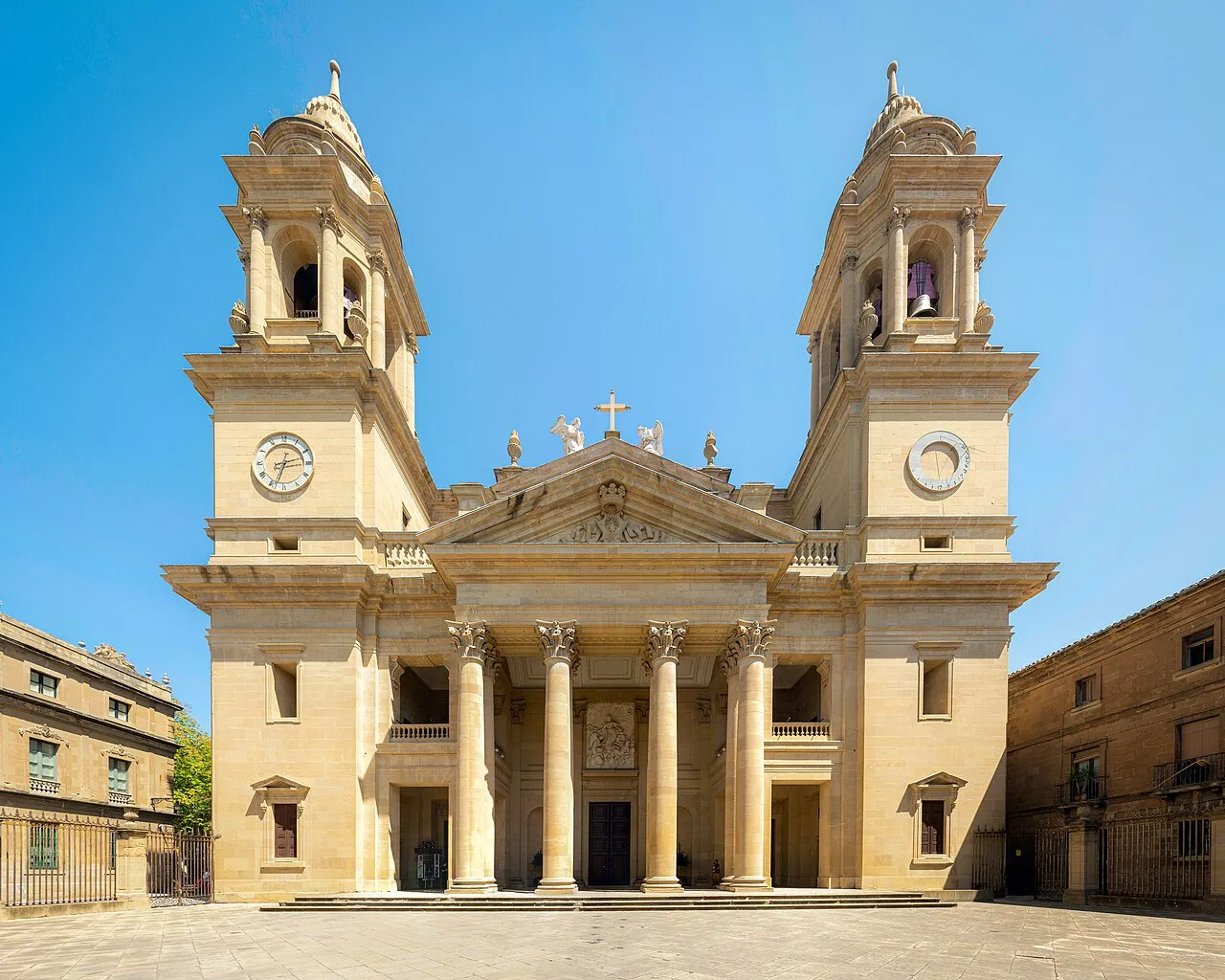
Very much so, and probably more. The city has one of the best preserved bastioned fortifications in Europe, with five kilometres of wall you can walk and a sixteenth-century citadel; a Gothic cathedral where the kings of Navarre were crowned; first-rate museums and an excellent pintxo culture. And without the crush of July.
How many days do you need?
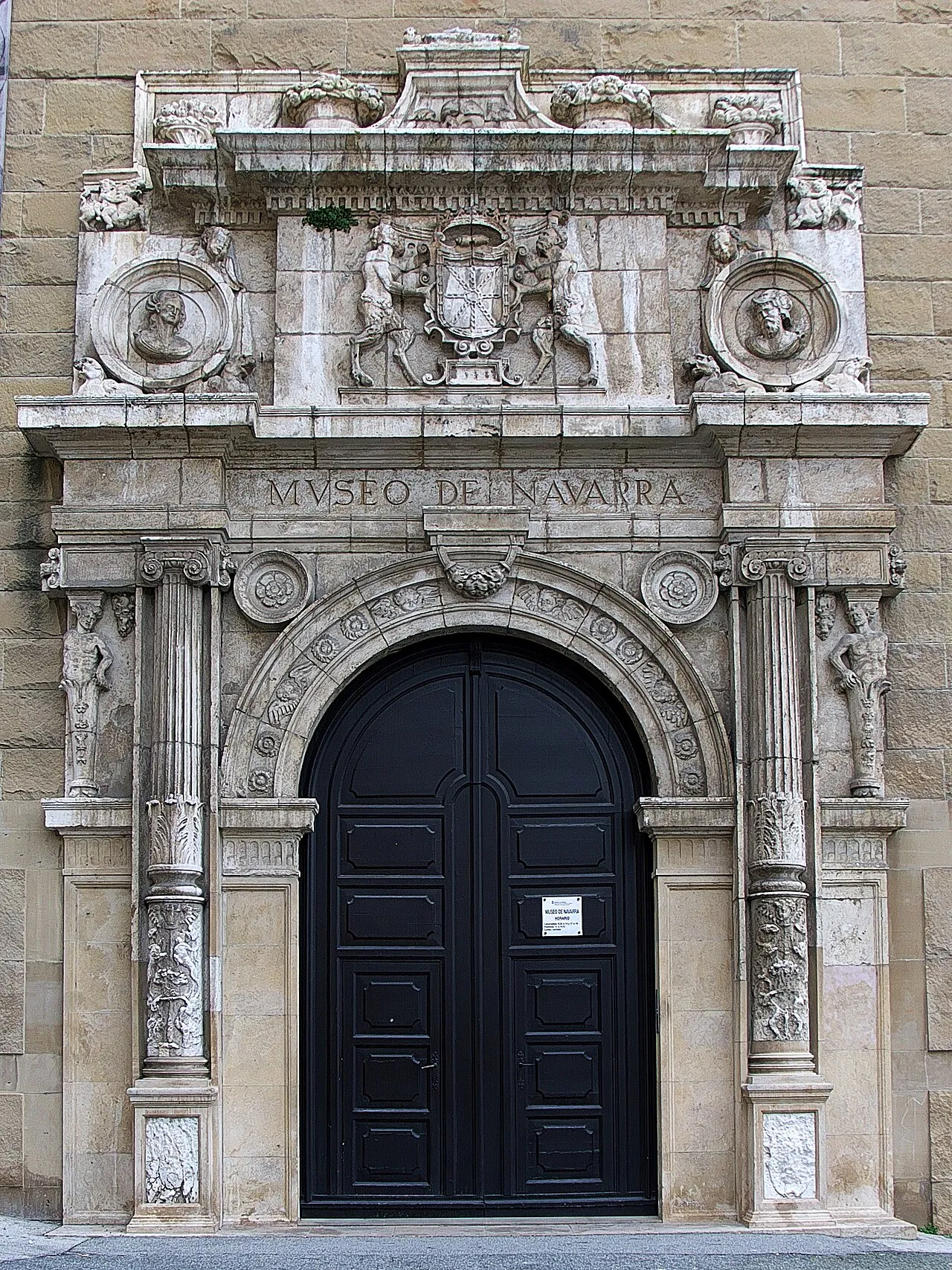
A full day covers the old town, the cathedral, the walls and the encierro route. Two days take in the green ring — the Taconera and the Citadel —, the Museum of Navarre, the Ensanche and the Media Luna viewpoint, as well as the poteo without hurrying.
When are the Sanfermines?
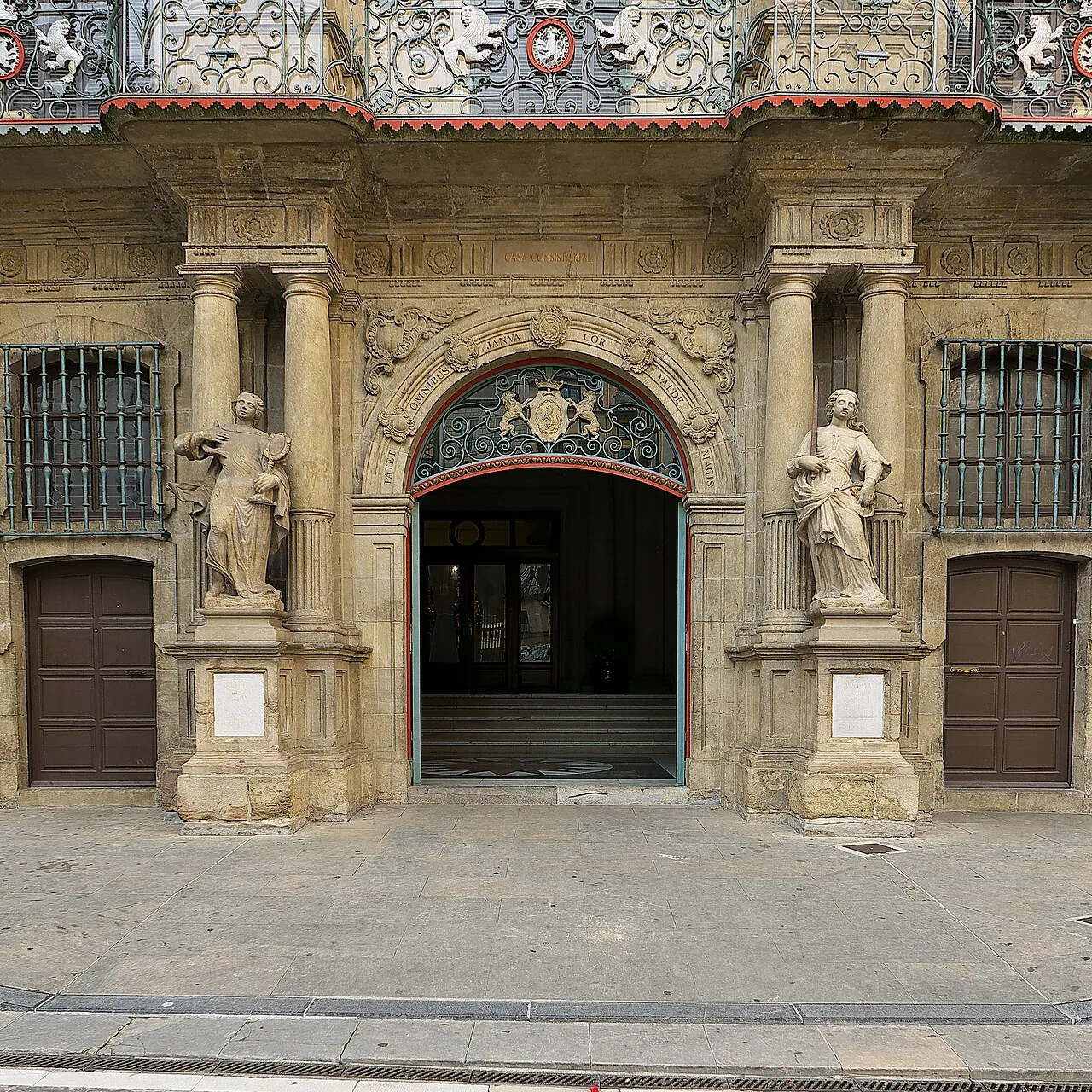
From 6 to 14 July, always on the same dates. They begin with the chupinazo at midday on the 6th from the town hall balcony and end at midnight on the 14th with the «Pobre de mí» in that same square. The encierro is run every morning at eight, from the 7th to the 14th.
Can you run the encierro?
Yes, it is free and there is no need to register, but there are rules and fines: you must be an adult, not be drunk, not run in the wrong direction, not carry rucksacks or bundles and not take photographs or video while running. The police remove anyone who does not comply from the route before the rocket goes off.
Why does Pamplona have so much wall?
Because for centuries it was a military stronghold of the very first rank, the key to the kingdom facing France. Between the sixteenth and the nineteenth centuries it was ringed with bastioned fortification, with low, thick, sloping walls meant to absorb cannon fire. That corset prevented the city from growing until 1915.
What do you eat in Pamplona?
Pintxos in the old town triangle — San Nicolás, San Gregorio and the Estafeta — with a great deal of vegetables from the Navarrese Ribera: artichoke, asparagus, cardoon and piquillo pepper, among the best in Spain. And txistorra, ajoarriero and lamb. For wine, from Navarre, a designation with excellent rosés.
Is it true that Pamplona was three towns?
Yes: la Navarrería, the burgo of San Cernin and the settlement of San Nicolás, three walled centres with their own laws, their own mayor and even their own language, out to kill each other. In 1276 two of them completely razed the third. Charles III the Noble obliged them to merge into a single city on 8 September 1423.