1
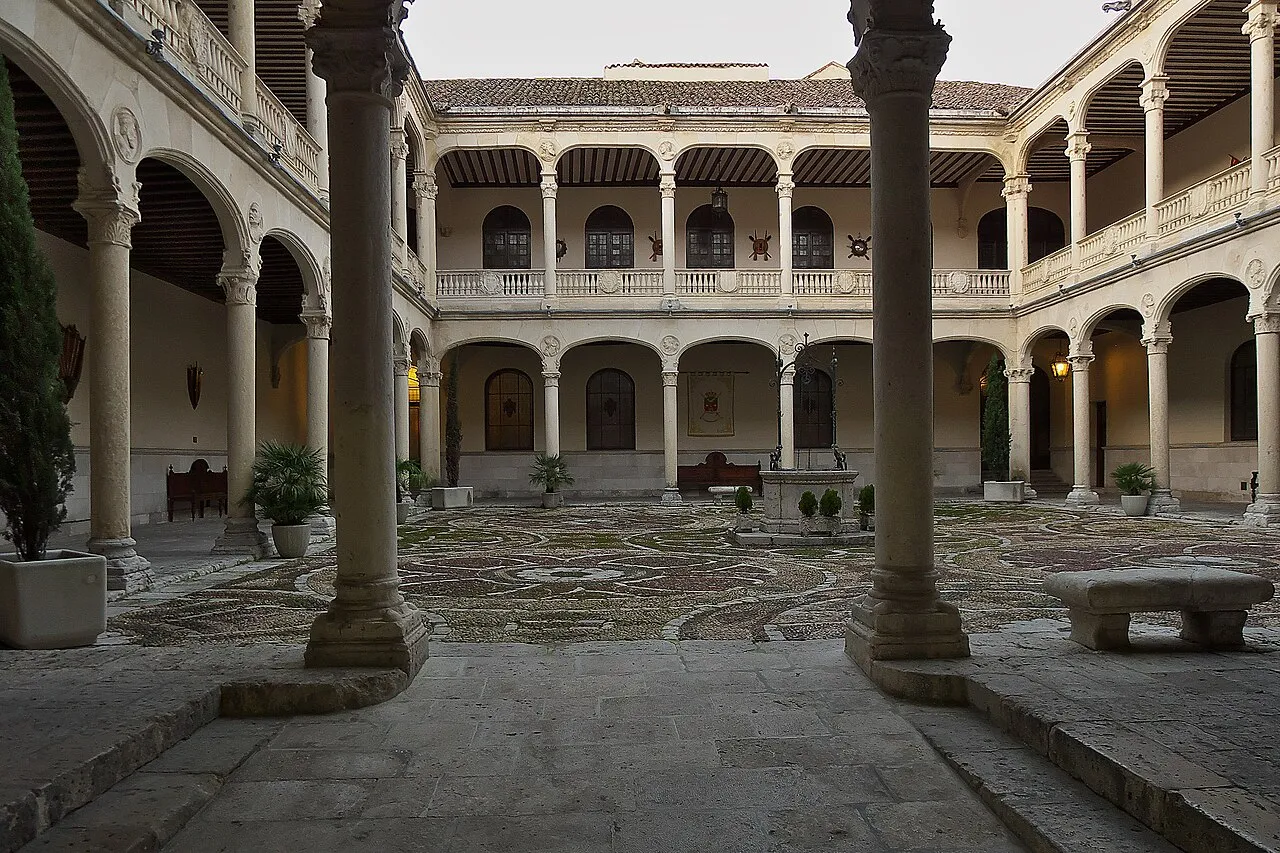
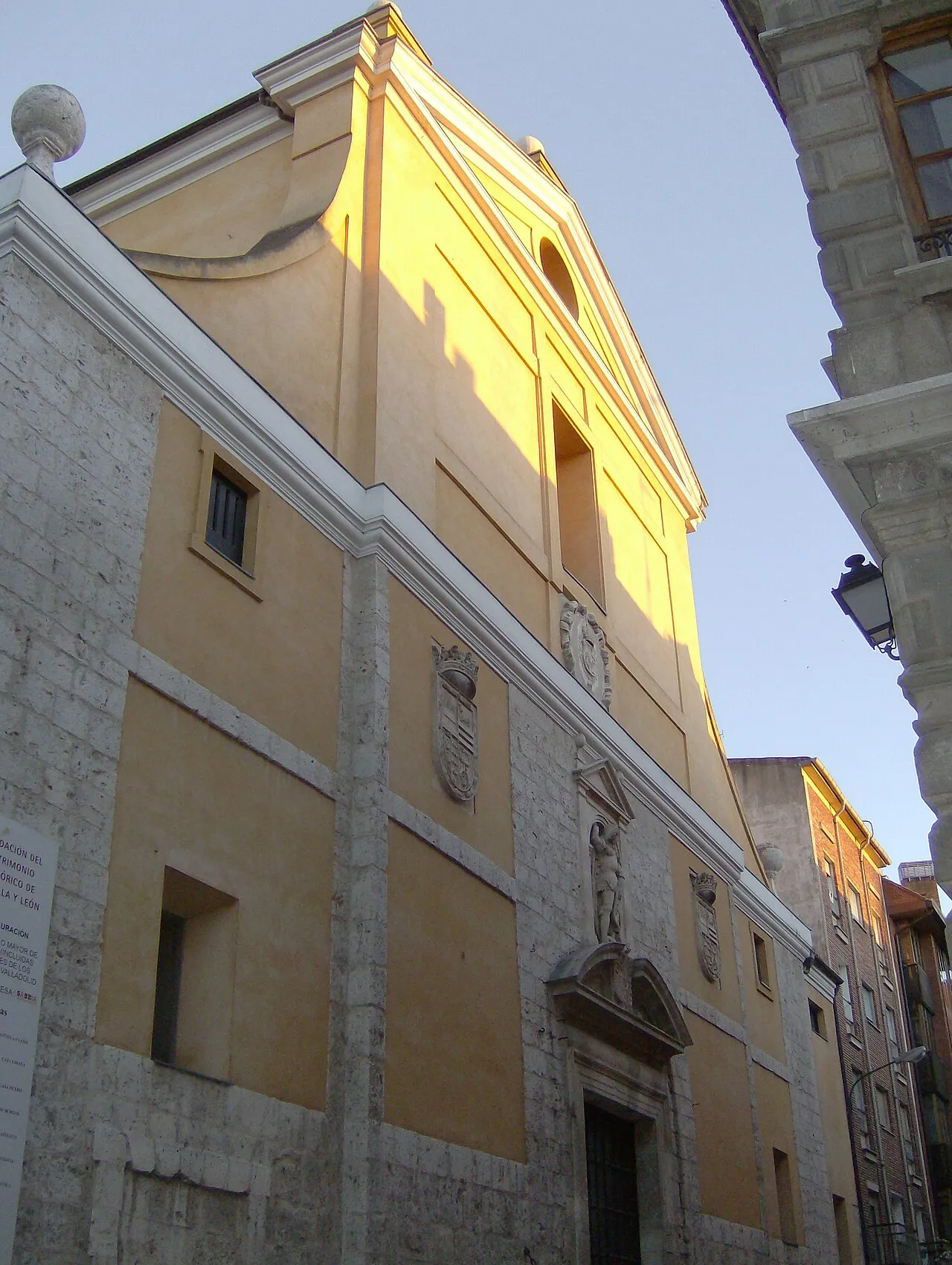
San Gregorio College
📍 Calle Cadenas de San Gregorio
The National Sculpture Museum, with Berruguete's San Benito altarpiece, Juan de Juni's Entombment and Gregorio Fernández's recumbent Christ.
Glass eyes, ivory teeth and cork for the wounds. How three masters made wood look like flesh in pain, and where to see their work.
🎧 On the walk San Pablo, San Gregorio and the Sculpture MuseumIn the sixteenth and seventeenth centuries, Valladolid was the world capital of polychrome wood sculpture. Berruguete, Juan de Juni and Gregorio Fernández worked here, and here they created works that still come out onto the street in Holy Week (Semana Santa). That is why the national museum is here.
Alonso Berruguete is the first. Son of the painter Pedro Berruguete, he went to Italy young and was in Rome in 1506, the day some vine-growers dug up the Laocoön by chance. That direct contact with classical sculpture and with Michelangelo's circle explains his tense, twisted Mannerism.
Juan de Juni, of French origin, brought the drama: his figures twist, cry out and suffer with an intensity that had no precedent in Castile. His Virgen de las Angustias, from around 1561, is the proof.
And Gregorio Fernández closes the series in the Baroque, with a realism taken to the extreme and a serenity in death that still takes your breath away four centuries later.
The three of them worked here because the market was here: a city with a royal court, the chancillería high court, a university, dozens of convents and a wealthy bourgeoisie was the best place in Castile to receive commissions.
The National Sculpture Museum, with Berruguete's San Benito altarpiece, Juan de Juni's Entombment and Gregorio Fernández's recumbent Christ.
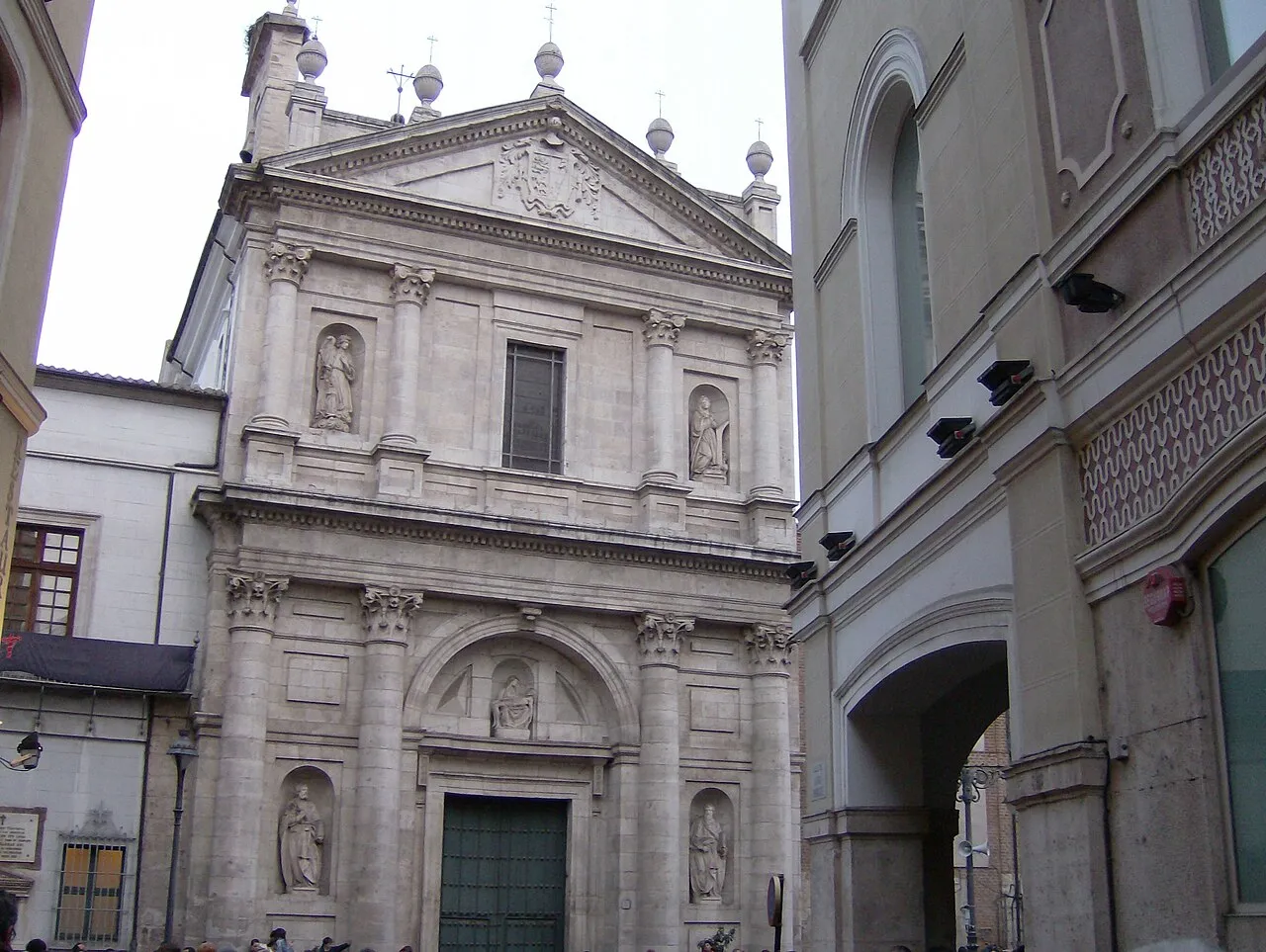
It keeps the Virgen de los Cuchillos, the Virgin of the Knives, which Juan de Juni carved around 1561, with seven swords piercing her breast. Overwhelming.
Download the app and discover Valladolid offline, whenever you like. Take the walking tour San Pablo, San Gregorio and the Sculpture Museum with a local guide in your ear.
Find out more about Viavoy →Gregorio Fernández's realism is achieved with specific and fairly surprising procedures: glass eyes, teeth of ivory or bone, horn fingernails. No carving the detail in wood when the real material can be built in.
For the wounds and the clotted blood he used cork and pieces of tree bark, glued on and painted; and resin for the tears and the trickles of blood, which are left glossy and with volume.
That repertoire is what sets Castilian religious statuary apart from any other European sculpture of its time: it is not after ideal beauty, it is after the plausibility of suffering, because these figures were made to move whoever watched them pass at night by candlelight.
His Cristo Yacente, the recumbent Christ, of 1627 is in the church of San Miguel y San Julián, and it is one of the most awe-inspiring images of the Spanish Baroque. Another of his works, the Cristo de la Luz, is in the Palacio de Santa Cruz.
The central stop is the Colegio de San Gregorio, home of the National Sculpture Museum, with Berruguete's San Benito altarpiece, Juan de Juni's Entombment and Gregorio Fernández's recumbent Christ. A good two hours.
The museum extends to the Palacio de Villena, with a Neapolitan nativity scene of six hundred figures, and to the Casa del Sol, with its collection of casts of classical sculpture.
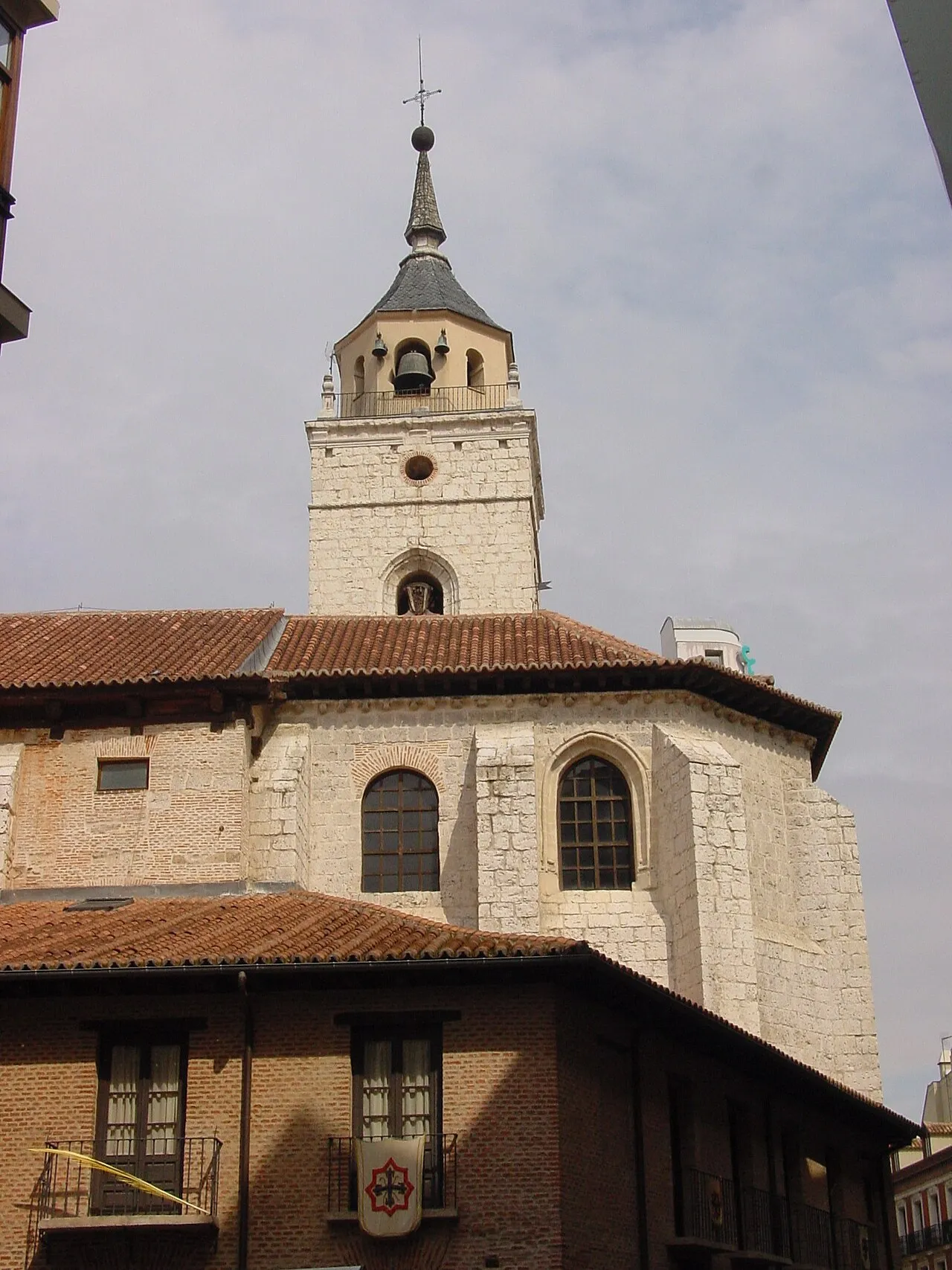
Then the churches: las Angustias with Juni's Virgen de los Cuchillos; San Miguel y San Julián with Fernández's Cristo Yacente; Santiago with Berruguete's Epiphany altarpiece; and San Pablo, with more carvings by Fernández.
And if you travel in Holy Week, all of that comes out onto the street. Valladolid's is declared of International Tourist Interest and is one of the most impressive in the world, precisely because it processes museum pieces.
That is the argument that explains why the national museum is here: bringing together the collection of Spanish sculpture in the city where a good part of it was created makes complete sense, even if it breaks with the habit of concentrating everything in Madrid.
Gregorio Fernández's Cristo Yacente, of 1627: glass eyes, cork for the wounds and a serenity that takes your breath away.
The Epiphany altarpiece that Berruguete carved in 1537, in a side chapel that many people overlook.
Because in the sixteenth and seventeenth centuries this city was the world capital of polychrome wood sculpture. Berruguete, Juan de Juni and Gregorio Fernández had their workshops here, and here they created their most important works. Bringing the national collection together in the city where that art was born makes complete sense.
With the tricks of a brilliant craftsman. He gave his Christs glass eyes, teeth of ivory or bone and horn fingernails. For the wounds and the clotted blood he used cork and pieces of tree bark glued on, and resin for the tears and the trickles of blood, which are left glossy and with volume.
The great sculptor of the Spanish Renaissance, son of the painter Pedro Berruguete. As a young man he went to Italy and was in Rome in 1506, the day the Laocoön was dug up by chance. That contact with classical sculpture and with Michelangelo's circle explains his tense, twisted style.
The Virgen de las Angustias that Juan de Juni carved around 1561, with seven swords piercing her breast — the seven sorrows — and an expression of grief that makes an impression. She is in the church of Nuestra Señora de las Angustias and is one of the most striking processional images in Spain.
Because it is not after ideal beauty but after the plausibility of suffering. These figures were made to be carried in procession at night, by candlelight, and their function was to move whoever watched them pass. The whole technical repertoire — glass eyes, cork, resin — answers that emotional aim.
In the churches of the centre: las Angustias, with Juni's Virgen de los Cuchillos; San Miguel y San Julián, with Gregorio Fernández's Cristo Yacente of 1627; Santiago, with Berruguete's Epiphany altarpiece; and San Pablo, with more carvings by Fernández. And the Palacio de Santa Cruz keeps the Cristo de la Luz.
It is declared of International Tourist Interest and is one of the most impressive in the world, precisely because it processes works that for the rest of the year are in museums. Seeing a Gregorio Fernández carried on shoulders through the street, at night, is a completely different experience from seeing it in a display case.
Download Viavoy and walk Valladolid offline, whenever you like.

Keep reading