1
Plaza del Val and the Mercado del Val
📍 Three minutes from the Plaza Mayor
The gastronomic navel of the city: a produce market in the morning, a run of bar counters in the afternoon and evening. Refurbished and reopened in 2016.
A city with a national tapas competition of its own, lechazo roasted in a wood-fired oven and Ribera, Rueda, Toro and Cigales a stone's throw away.
🎧 On the walk Pasaje Gutiérrez, the Pisuerga and the tapasValladolid has a combination that is hard to match: one of the best tapa cultures in Spain, with a national competition that has raised the average standard remarkably, and four wine denominations of origin less than an hour from the centre.
The epicentre is the plaza del Val, with its iron and glass market of 1878-1882, reopened in 2016 as half traditional market, half bar counters.
Around it, in the streets running towards the Plaza Mayor and the plaza de la Rinconada, dozens of bars are packed together. It is a compact circuit that you can walk from end to end in five minutes and that takes a whole night to exhaust.
What sets Valladolid apart is the standard of the creative tapa. The National Pinchos and Tapas Competition has been held here for decades and has pushed the bars to compete with technically very elaborate offerings, not just a slice of tortilla.
The result is a high average standard and a certain local obsession with innovation. It is worth asking which is the house tapa: almost every bar has one that it has entered in the competition.
The gastronomic navel of the city: a produce market in the morning, a run of bar counters in the afternoon and evening. Refurbished and reopened in 2016.
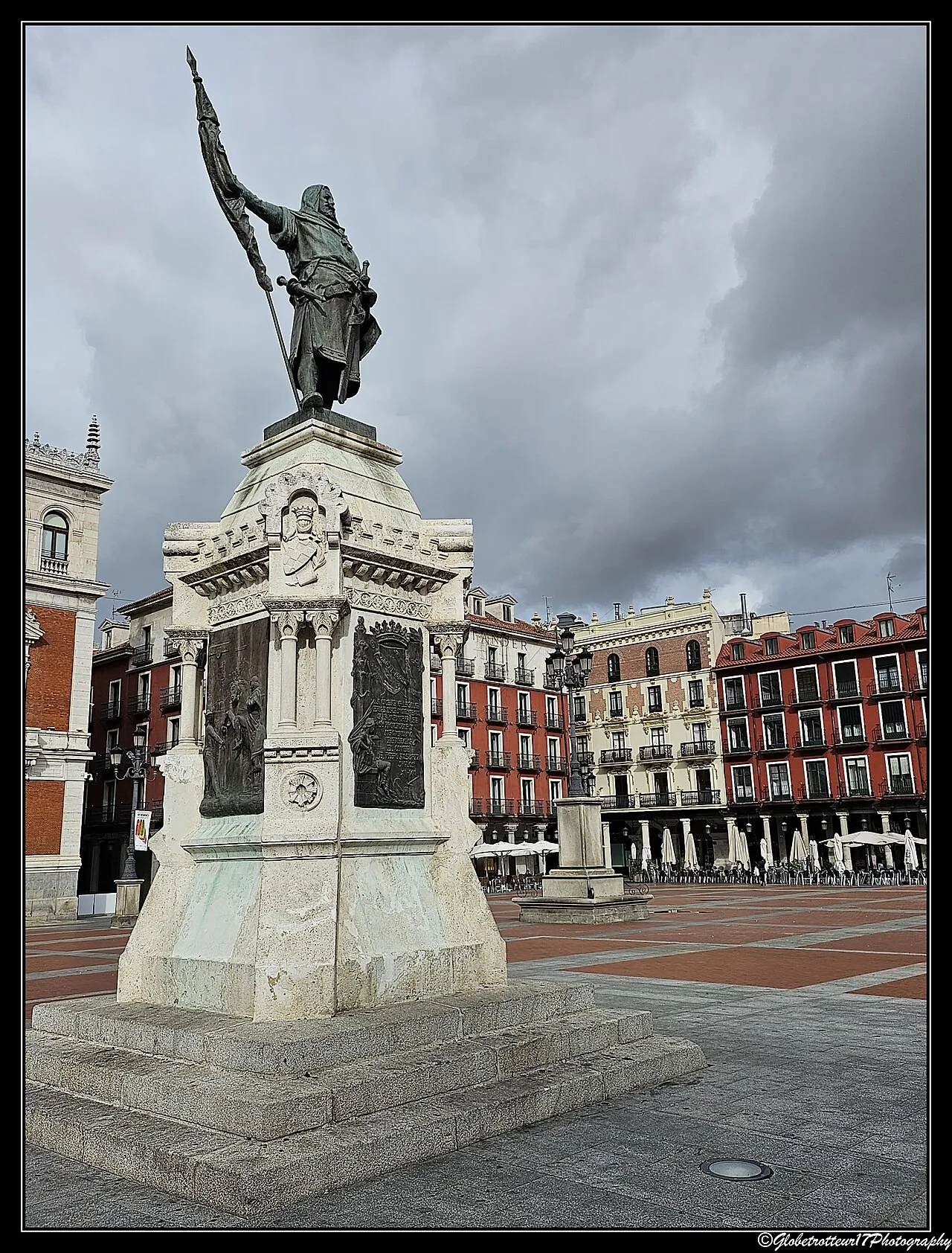
The arcades hold cafés and terraces, and the tapas circuit starts all around. The point of departure for any night in Valladolid.
Download the app and discover Valladolid offline, whenever you like. Take the walking tour Pasaje Gutiérrez, the Pisuerga and the tapas with a local guide in your ear.
Find out more about Viavoy →The great dish is roast lechazo: milk-fed lamb of the churra breed, with a protected geographical indication, roasted in a wood-fired oven and in an earthenware dish with little more than water and salt. It is the great Castilian roasting-house cooking.
Cochinillo, suckling pig, competes with it, above all on the Segovia-Valladolid axis, and here too it is done very well. The roasting houses of the province are an institution and are worth the journey.
For a spoon dish, sopa castellana — bread, garlic, paprika, poached egg — and pulse stews. And in produce, Castilian sheep's cheese, morcilla and cured meats.
Vegetables are not far behind: the asparagus of Tudela de Duero and the onions of Palencia are close by, and in season they appear on every menu.
For dessert, as well as cheese, convent sweets: the city had dozens of convents and several still sell pastries through the torno, the revolving hatch.
Ribera del Duero begins to the south, around Peñafiel and Aranda, with tempranillo — tinta del país — and wines of great structure. It is the best known internationally of the four.
Rueda lies to the south-west, with verdejo: aromatic, fresh whites that in three decades went from unknown to being on every wine list in Spain.
Toro is to the west, in the province of Zamora, with reds of enormous power and concentration. And Cigales, just north of the city, is the smallest and the one that produces the area's classic rosés.
That concentration is exceptional: four important denominations surrounding one capital, all of them visitable on a half-day trip. Peñafiel, with its castle wine museum, is the most complete outing.
After lunch, the natural thing is to walk: the Plaza Mayor and its arcades, the Campo Grande with its peacocks, or the riverside walk as far as the river beach.
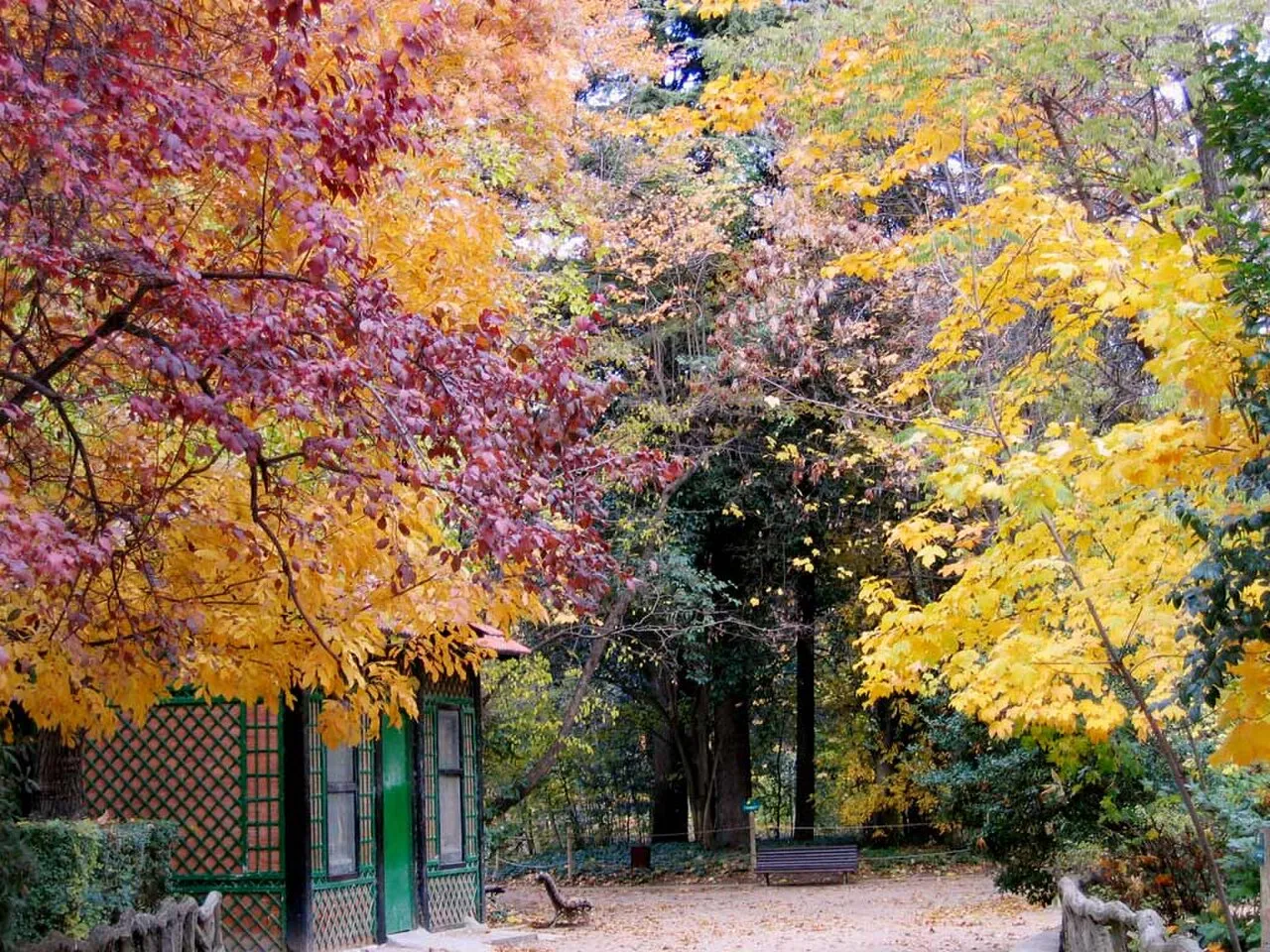
The sobremesa stroll, the one after a long lunch: eleven and a half hectares of garden with a lake, a waterfall and peacocks loose among the squirrels.
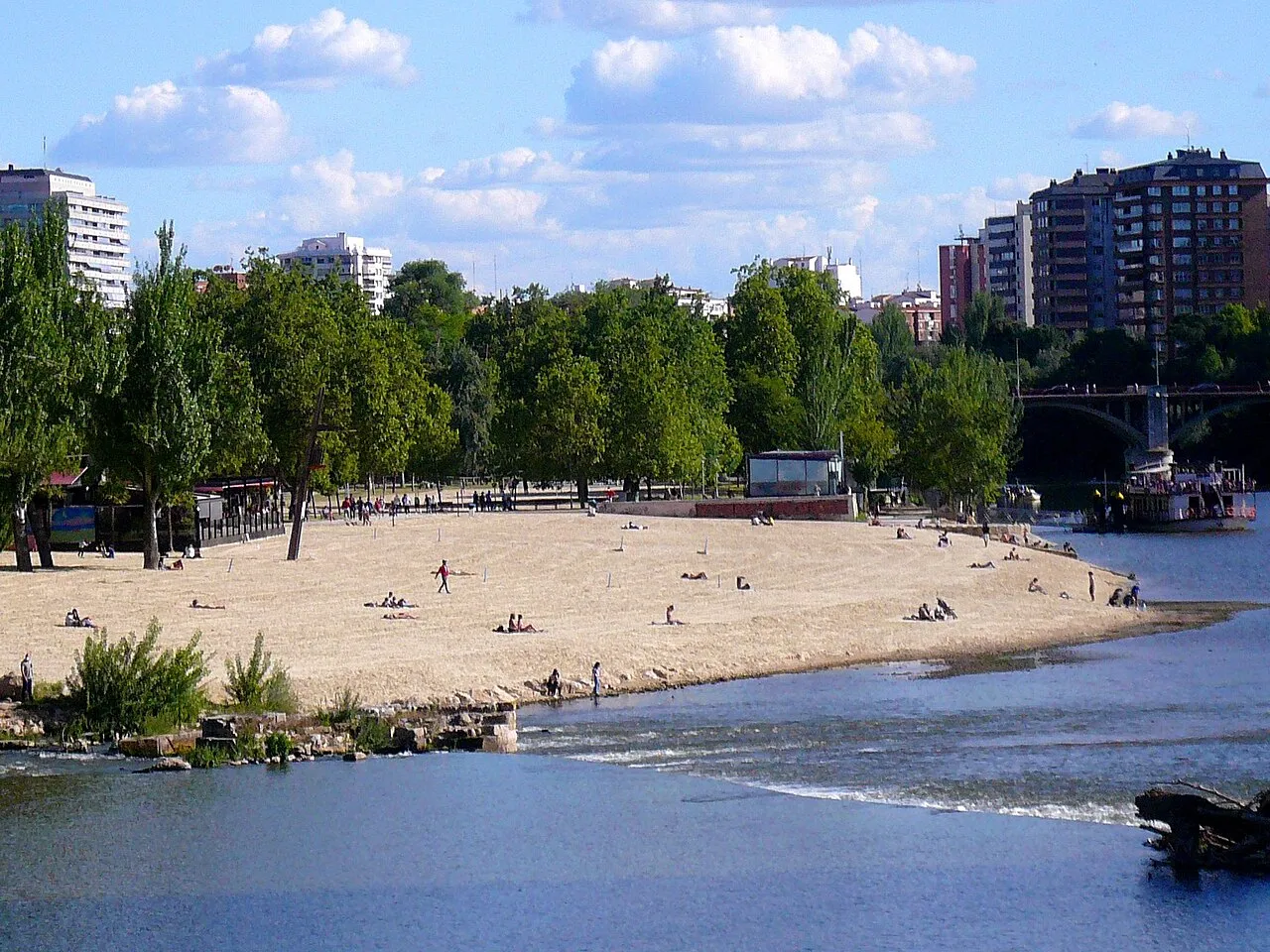
A sand beach in the middle of Castile, hundreds of kilometres from the sea. It was born in 1951 and the river carries it away every winter.
It is among the best, without a doubt. The National Pinchos and Tapas Competition has been held here for decades and has pushed the bars to compete with technically very elaborate offerings. The result is a high average standard and a certain local obsession with innovation.
The epicentre is the plaza del Val, with its iron market of 1878, and the surrounding streets towards the Plaza Mayor and the plaza de la Rinconada. It is a compact circuit that is walked in five minutes and that can take a whole night to exhaust.
Milk-fed lamb of the churra breed, with a protected geographical indication, roasted in a wood-fired oven and in an earthenware dish with little more than water and salt. It is the great Castilian roasting-house cooking, and the roasting houses of the province are an institution that is worth the journey.
Four less than an hour away: Ribera del Duero to the south, with tempranillo; Rueda to the south-west, with verdejo; Toro to the west, with very powerful reds; and Cigales just to the north, with the area's classic rosés. It is probably the greatest concentration around any Spanish capital.
If it is red, Ribera del Duero or Toro. If it is white, verdejo from Rueda, which in three decades went from unknown to being on every wine list in Spain. And if you want the most local gesture, a rosé from Cigales, the smallest denomination and the one closest to the city.
Very much, and the most complete outing is Peñafiel, some fifty kilometres away: its castle houses the Provincial Wine Museum and the town has an extraordinary plaza del Coso, of houses with wooden balconies. It is done in half a day by car.
Sopa castellana of bread, garlic and paprika with a poached egg; pulse stews; Castilian sheep's cheese; morcilla and cured meats. And seasonal vegetables, with the asparagus of Tudela de Duero close by. For dessert, convent sweets, because the city had dozens of convents and several still sell pastries.
Download Viavoy and walk Valladolid offline, whenever you like.

Keep reading