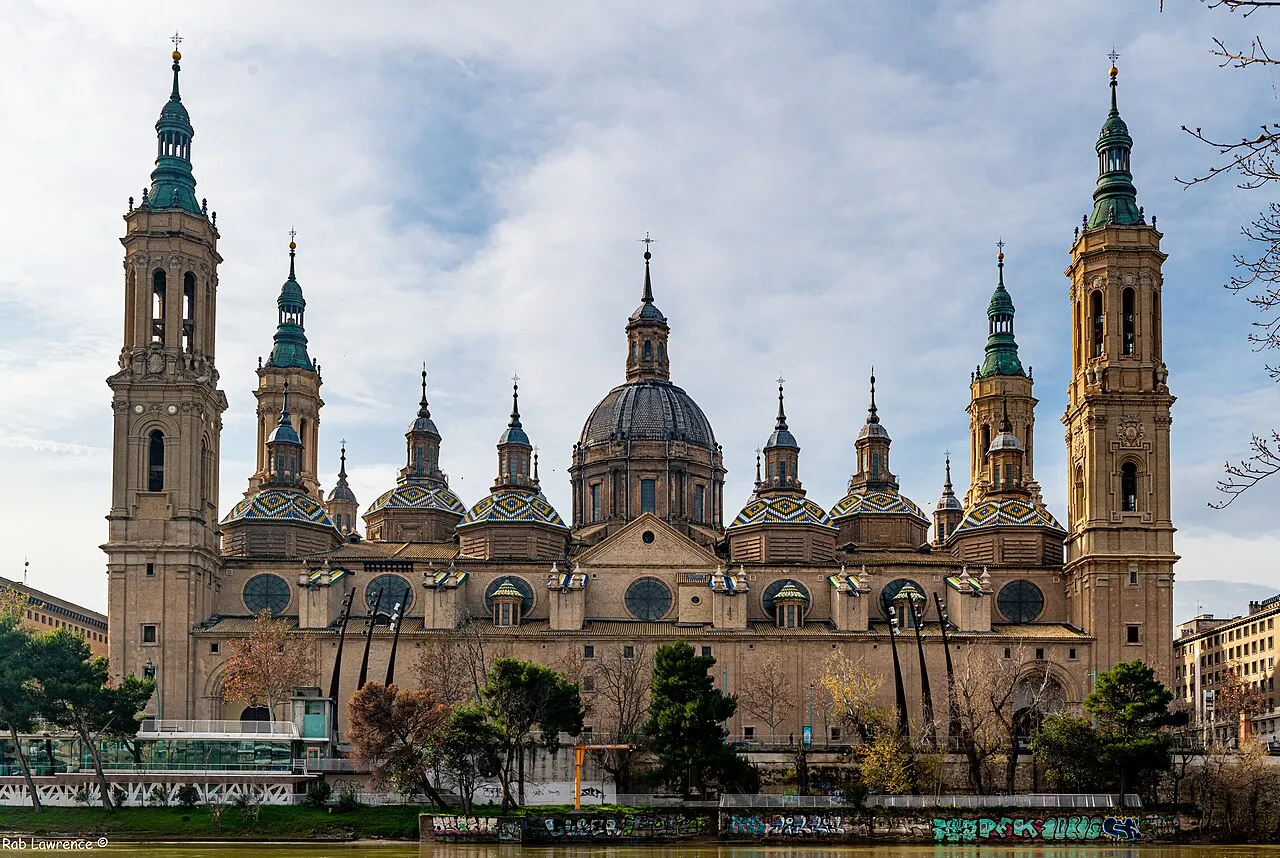
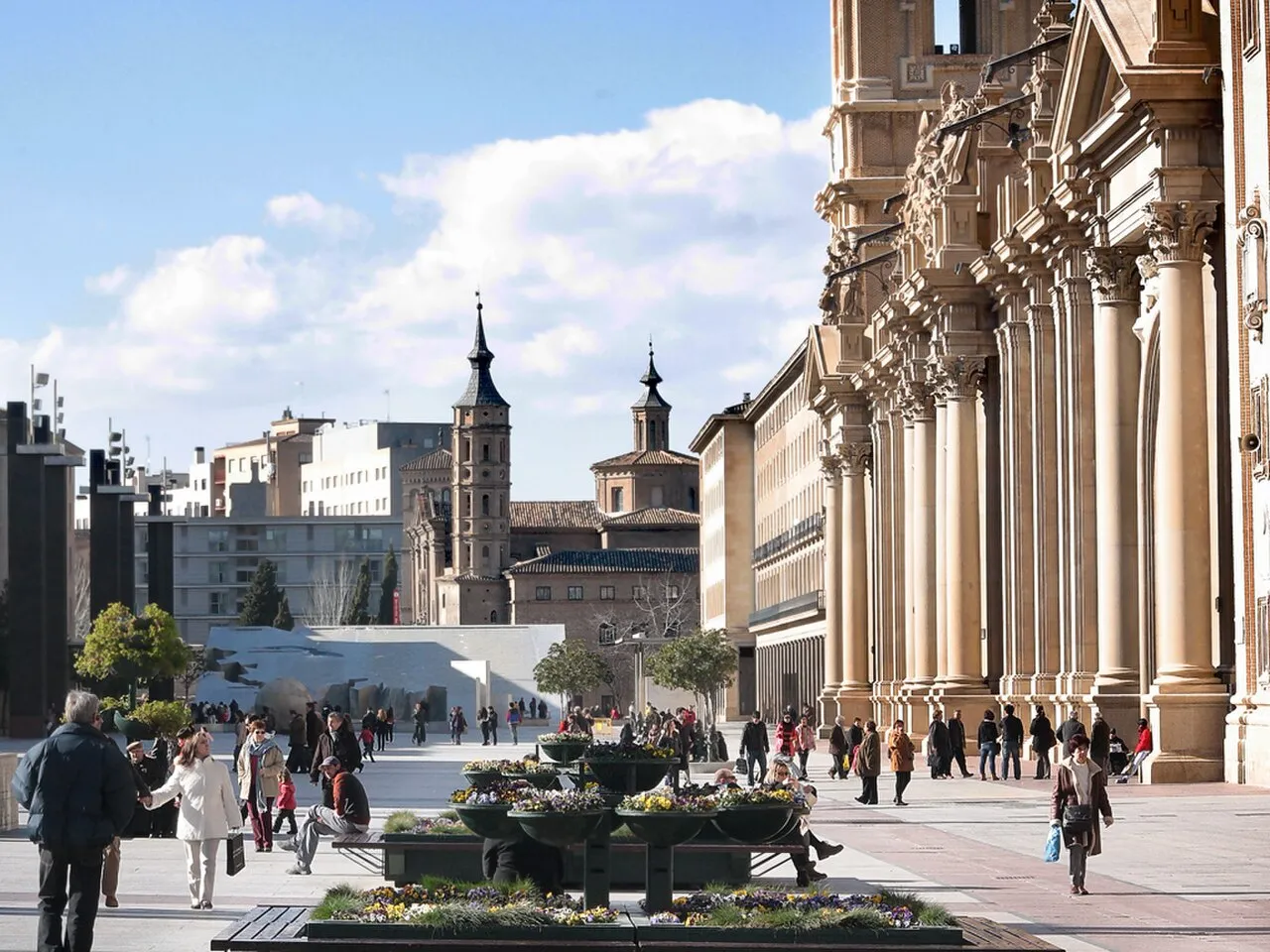
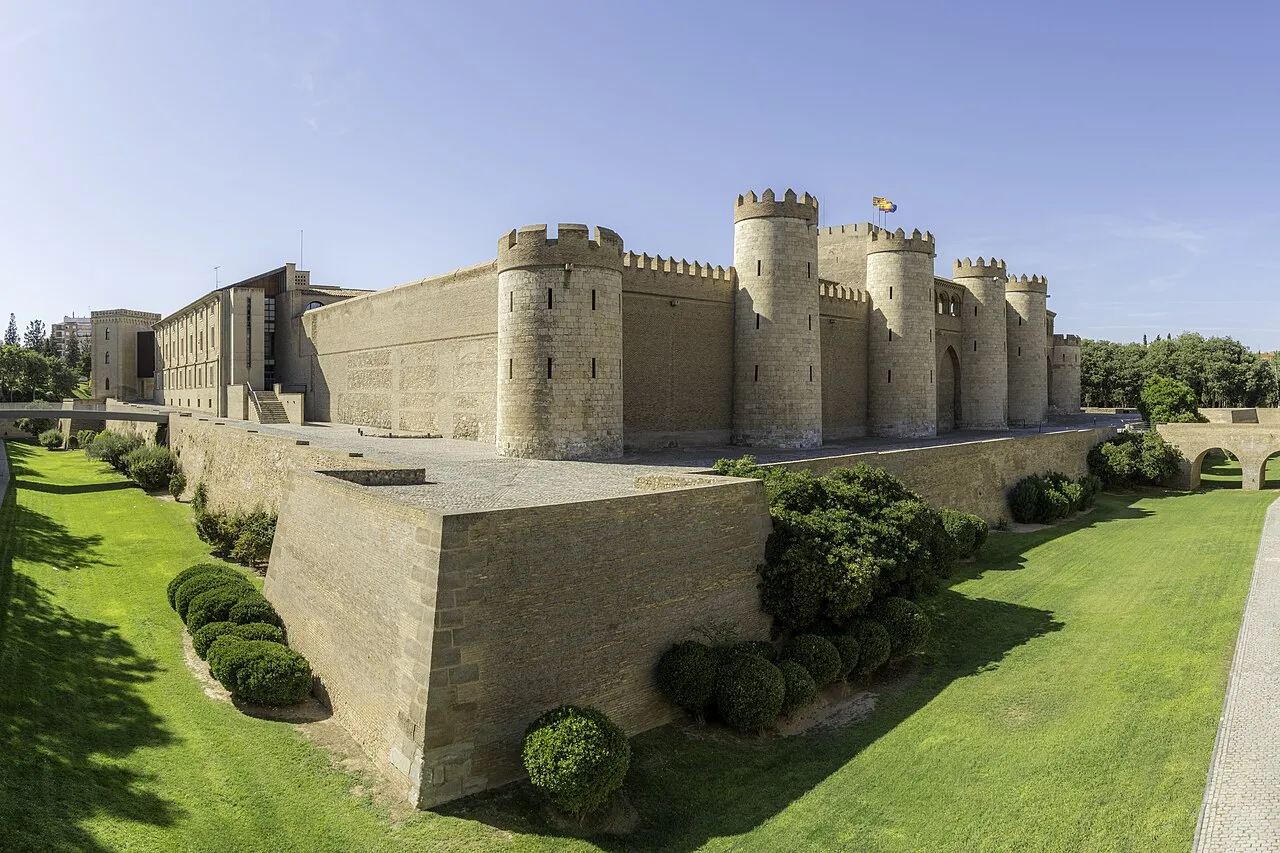
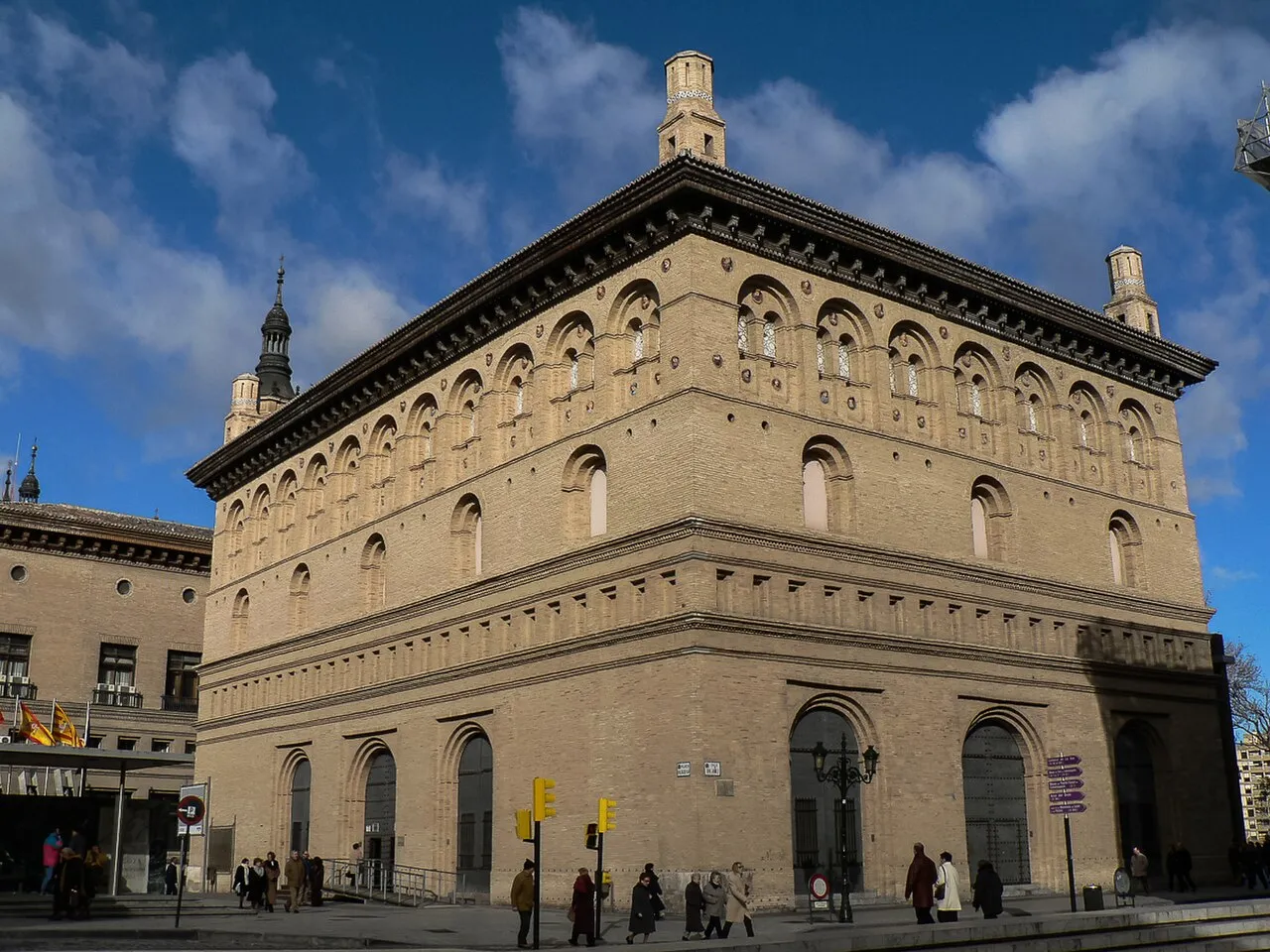
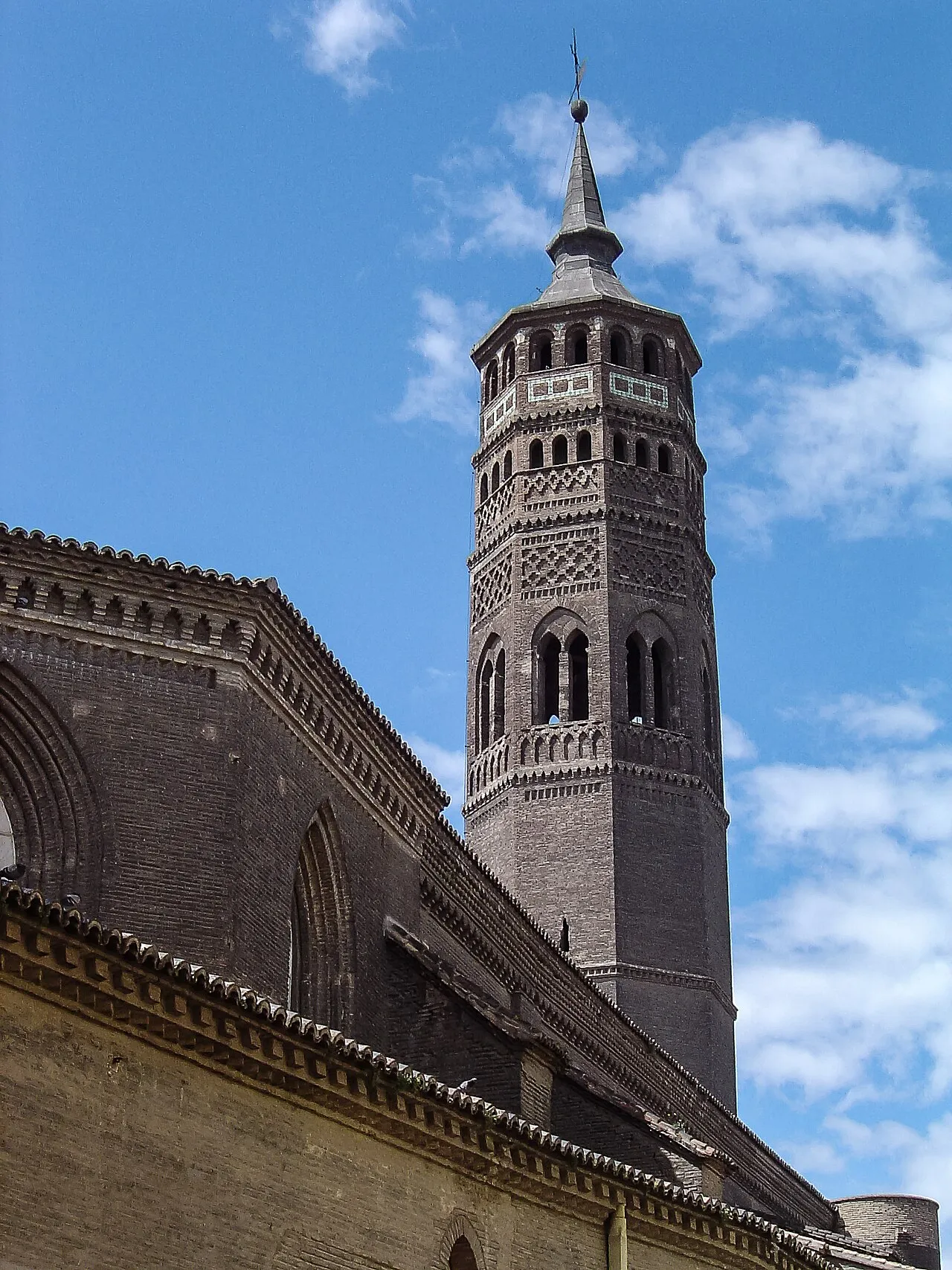
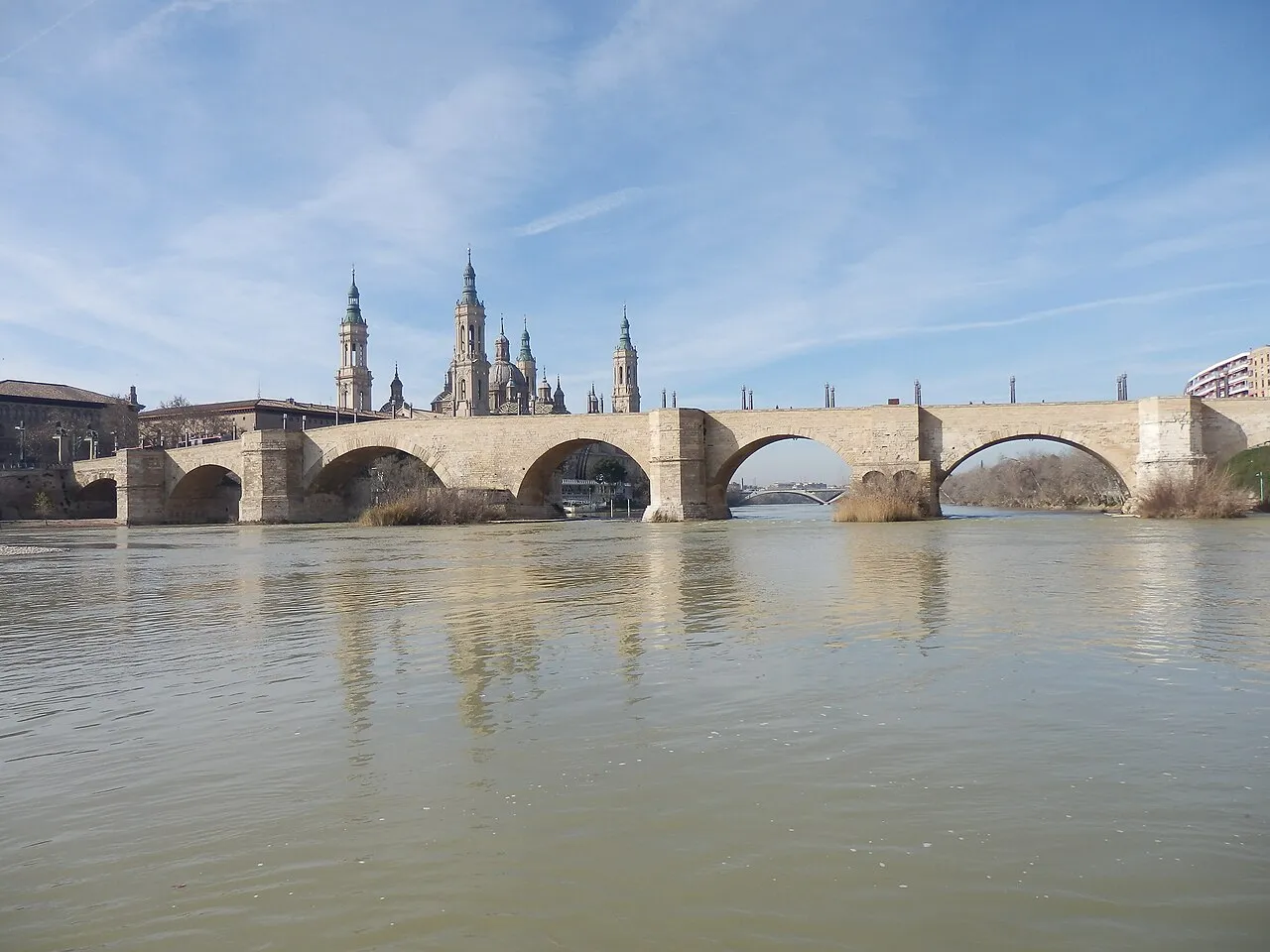
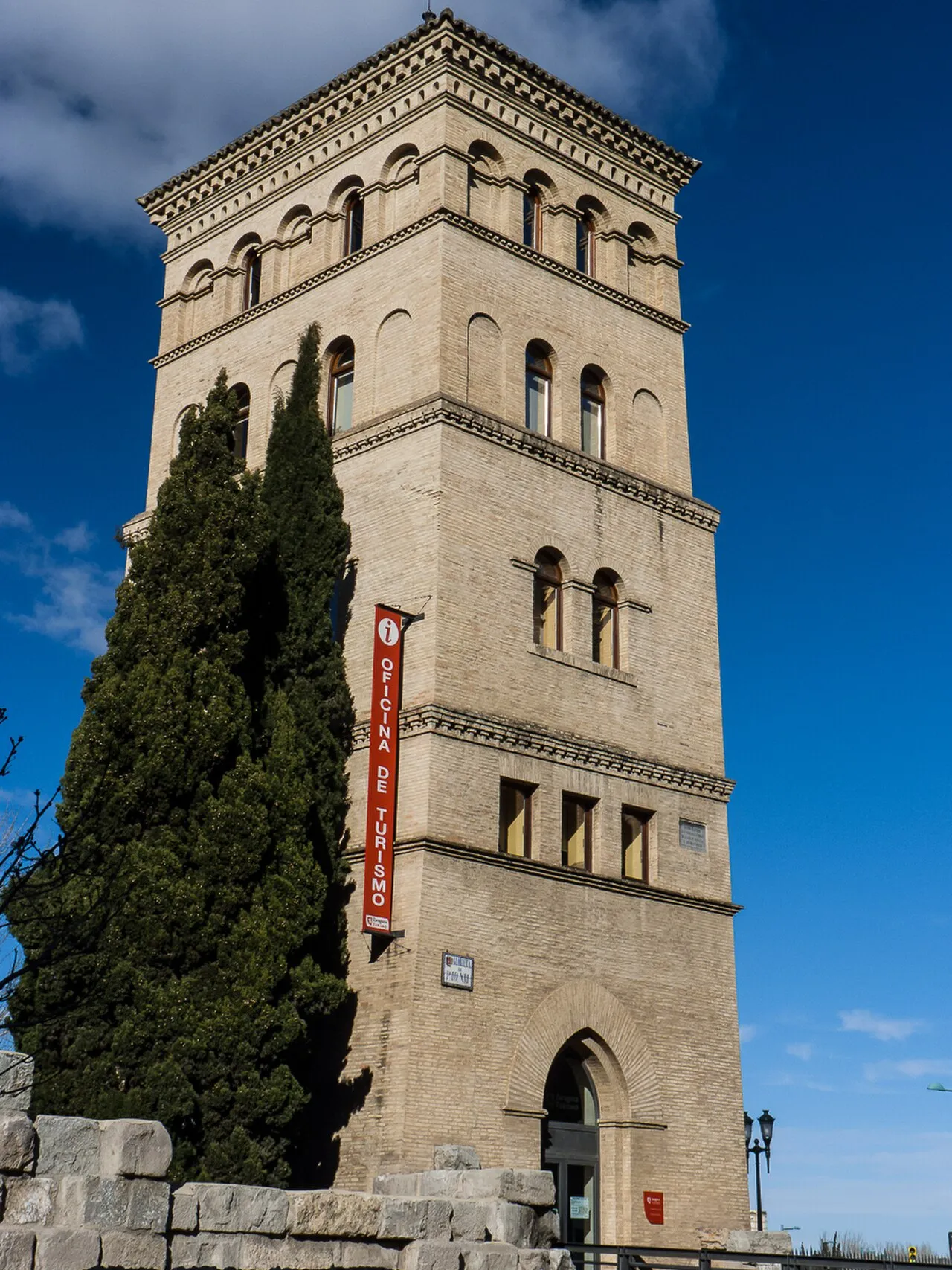
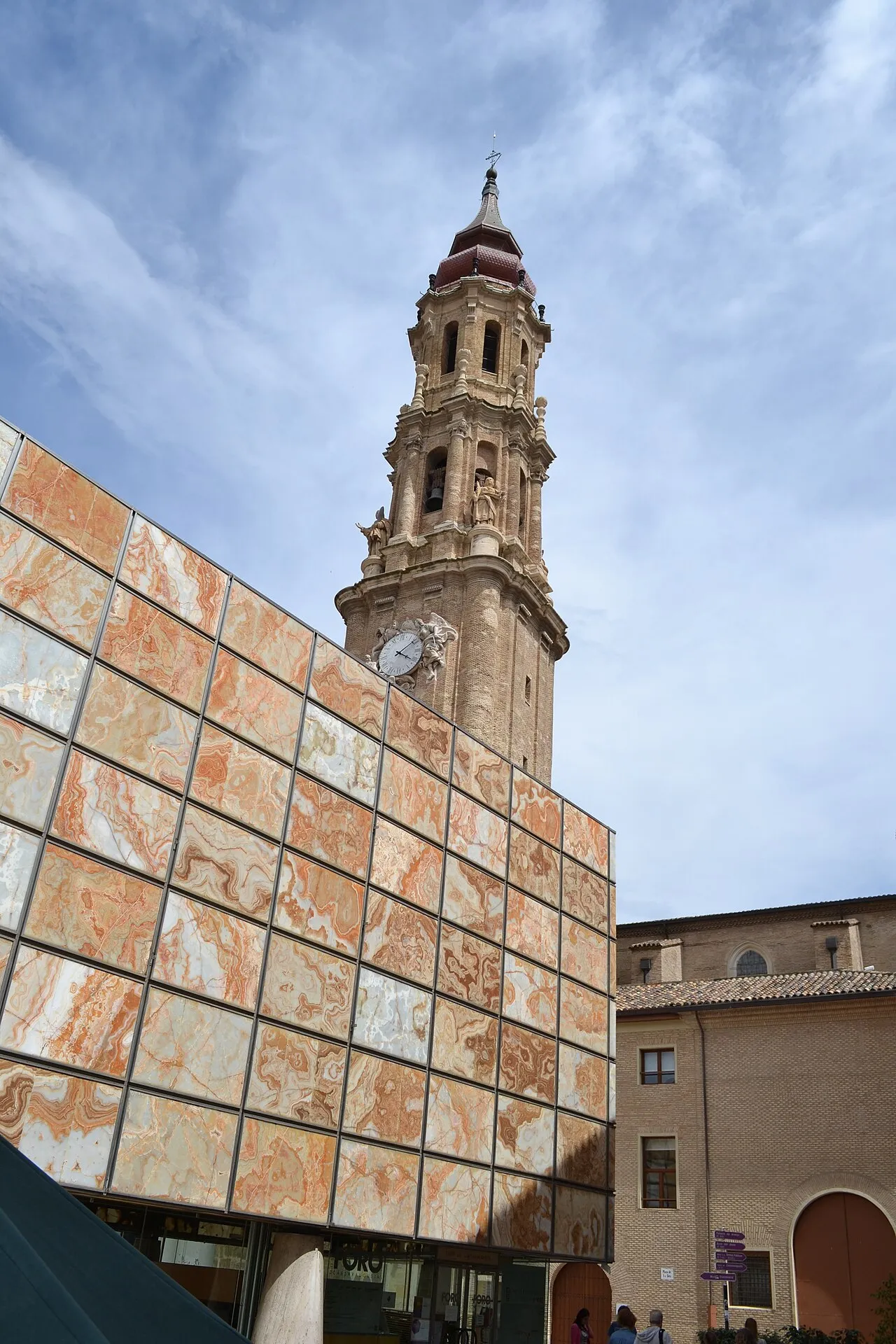
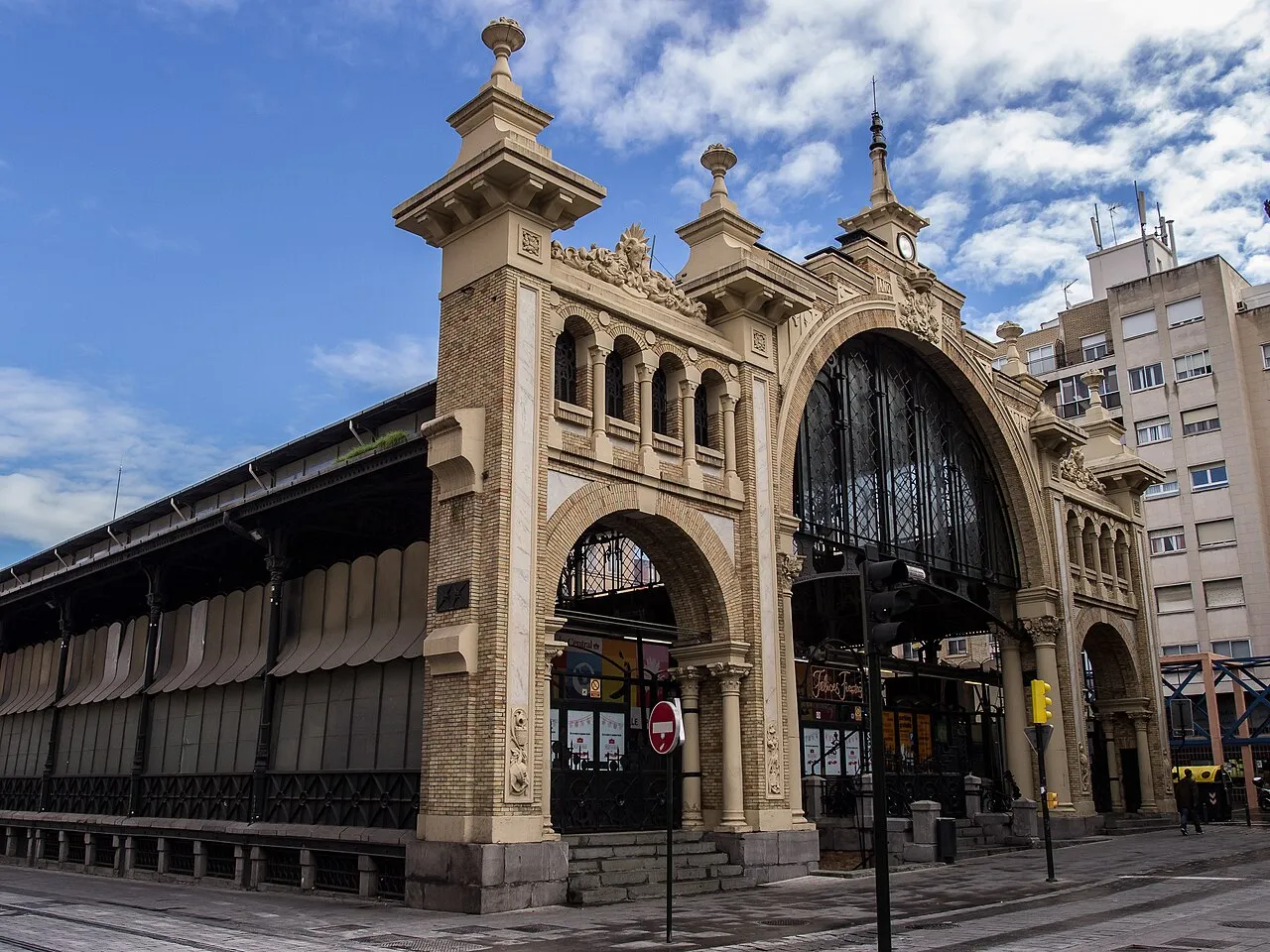
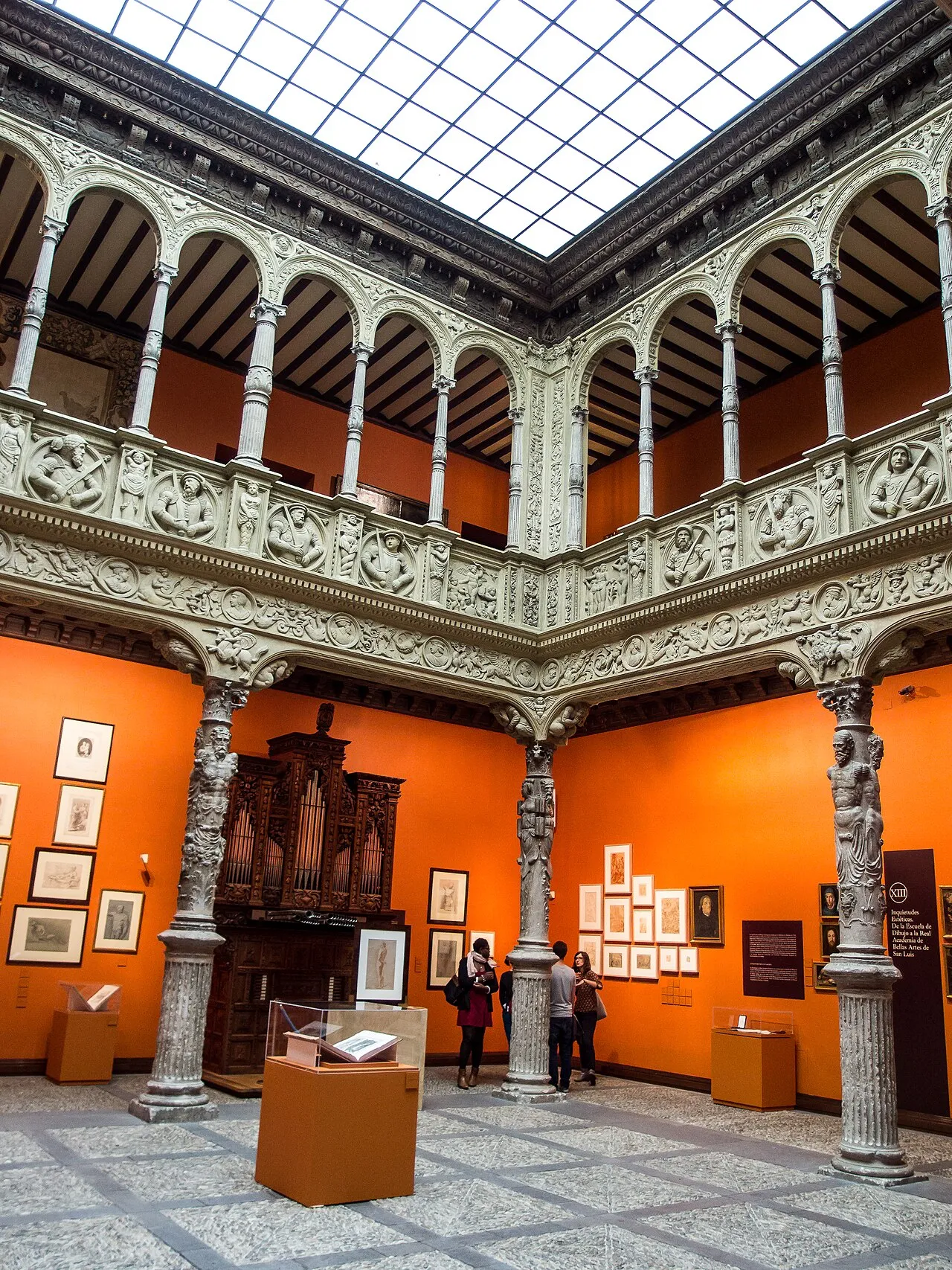
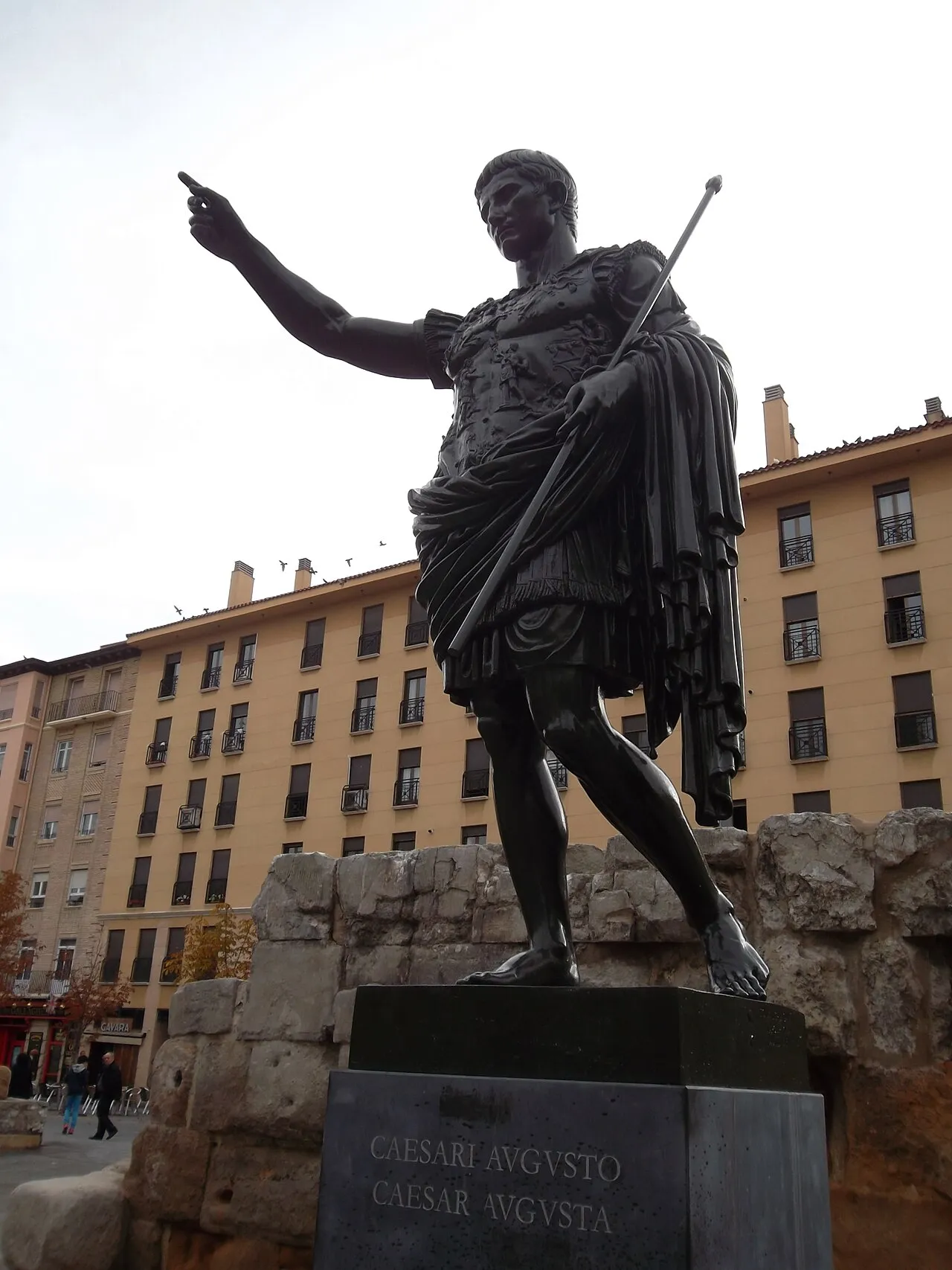
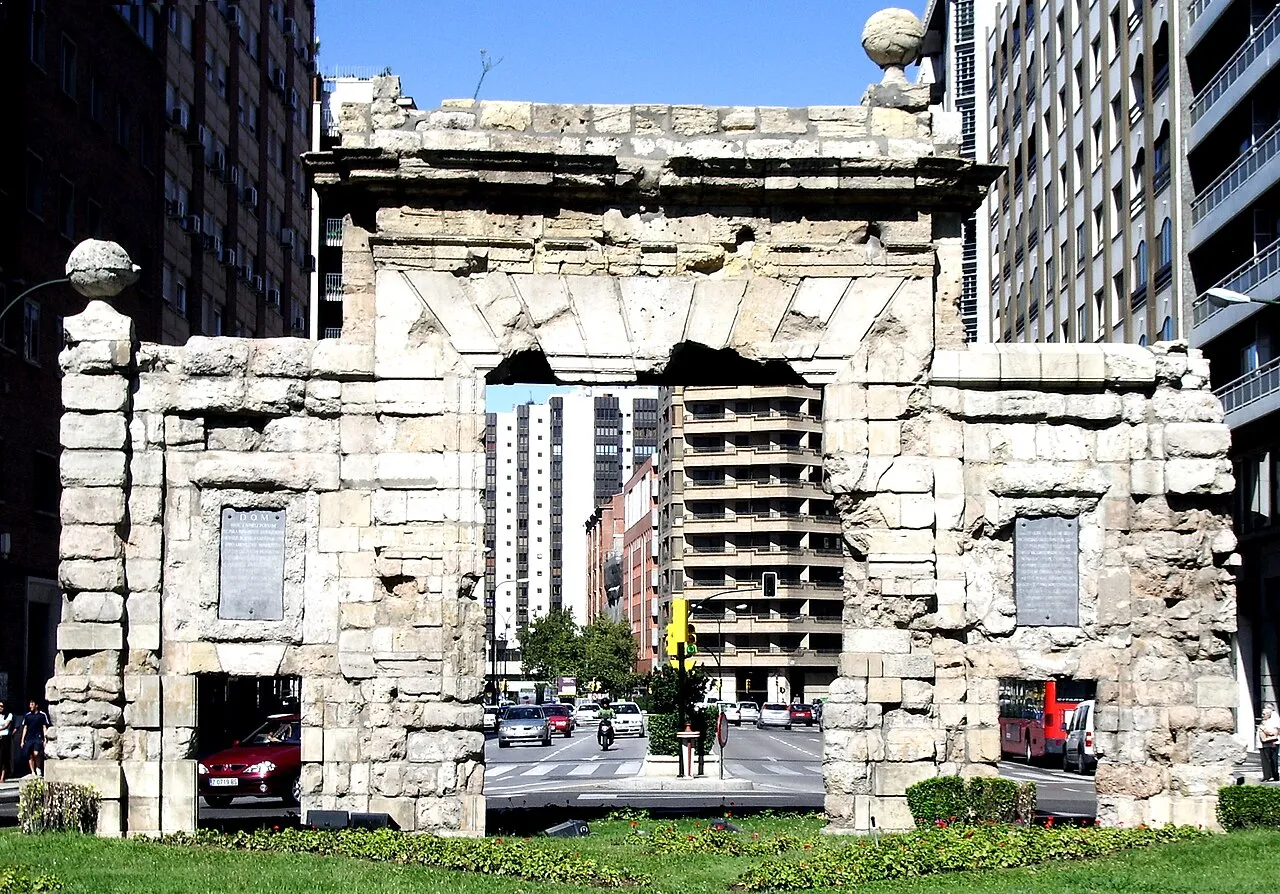
Zaragoza is the Spanish city where you can walk on the most historical layers in the fewest metres. Beneath the centre lies Caesaraugusta, the colony Augustus founded to settle discharged legionaries and which gave the city its name; above it, the brick Mudéjar that the master builders developed because there is no good stone here; above that, the Baroque of the Pilar and the Renaissance palaces of the Coso; and on the edge, an eleventh-century taifa palace with no equivalent in Europe. All of it flat and on foot.
Frequently asked questions
How many days do you need to see Zaragoza?
Two days cover the essentials at leisure: one for the Plaza del Pilar with its four monuments, the Roman route of Caesaraugusta and the Mudéjar towers; and another for the Aljafería, the palaces of the Coso and the southern axis towards the Parque Grande. The old town is flat and compact and everything is done on foot except the Aljafería and the park.
Is the Caesaraugusta route worth it?
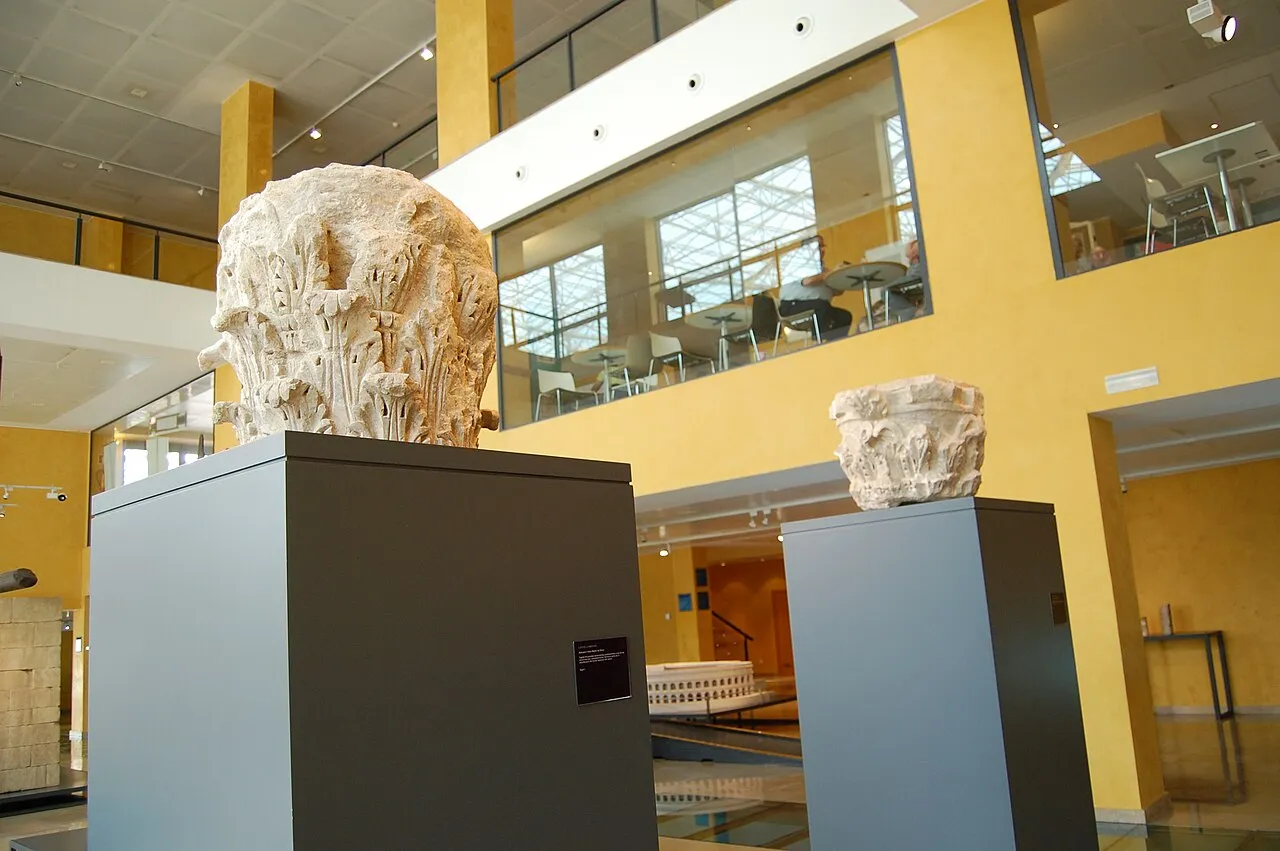
A good deal, and the combined ticket for the four museums — forum, river port, baths and theatre — works out much cheaper than separate visits. If you are only going to do one, the theatre is the most impressive. All four are under cover, so the route works very well as a plan for a rainy day or a hot afternoon.
Where are Goya's domes?
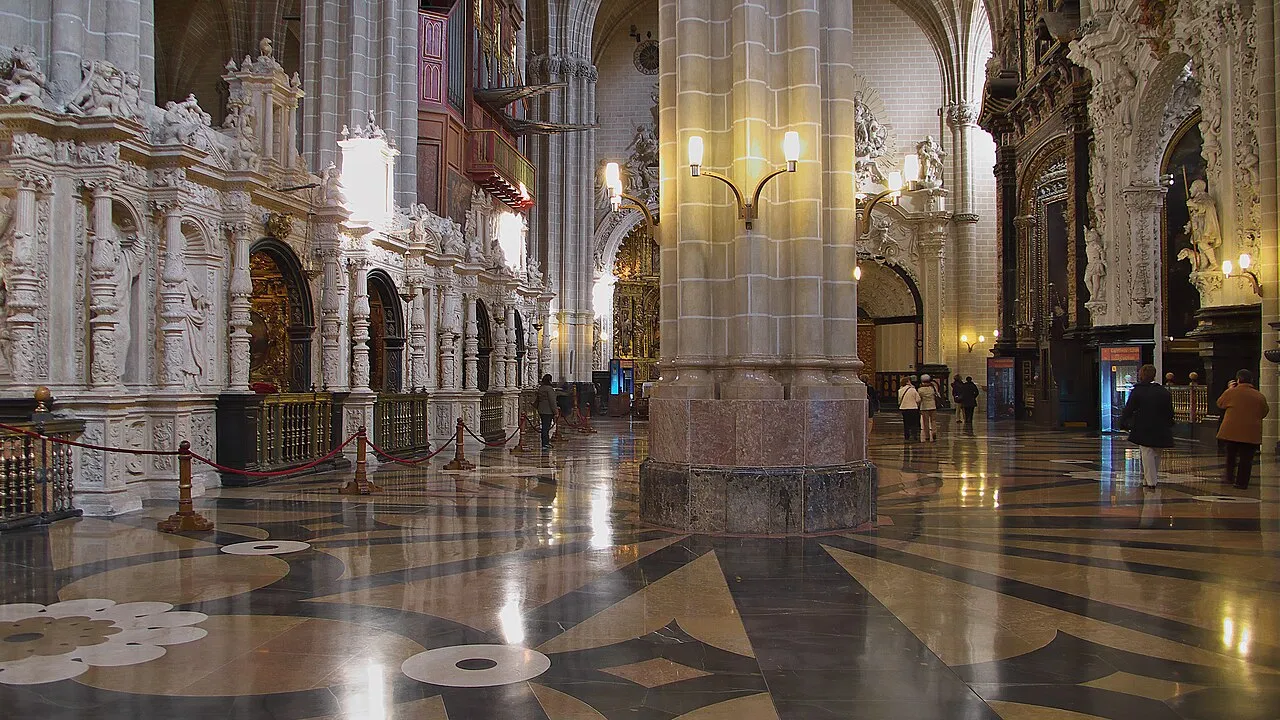
In the basilica of the Pilar: he painted «Regina Martyrum» and the dome over the coreto as a young Aragonese man, in one of the first important commissions of his career. They are not obviously signposted, so you have to look up and find them. There is more Goya in the Museo de Zaragoza and in the museum devoted to him in the old town.
What is Aragonese Mudéjar?
The architectural language developed by the master builders of Andalusi tradition who went on working after the Christian conquest, using brick laid proud and glazed ceramic to generate decoration out of light and shadow. It was born of a limitation — there is no good stone in the Ebro valley — and it is listed as a World Heritage site.
When are the Fiestas del Pilar?
In the week of 12 October, the patron's day, which in Zaragoza also coincides with the national holiday. The central act is the Ofrenda de Flores, in which hundreds of thousands of people file past all day to build a mantle of flowers several storeys high in front of the basilica. The city fills completely.
What do you eat in Zaragoza?
Ternasco de Aragón, with a denomination of its own; borage, a winter vegetable hardly eaten outside here; migas; longaniza de Graus and jamón de Teruel. In El Tubo, the tapas quarter of the old town, there are bar snacks of a very high standard. And wines from Cariñena, Campo de Borja, Calatayud or Somontano.