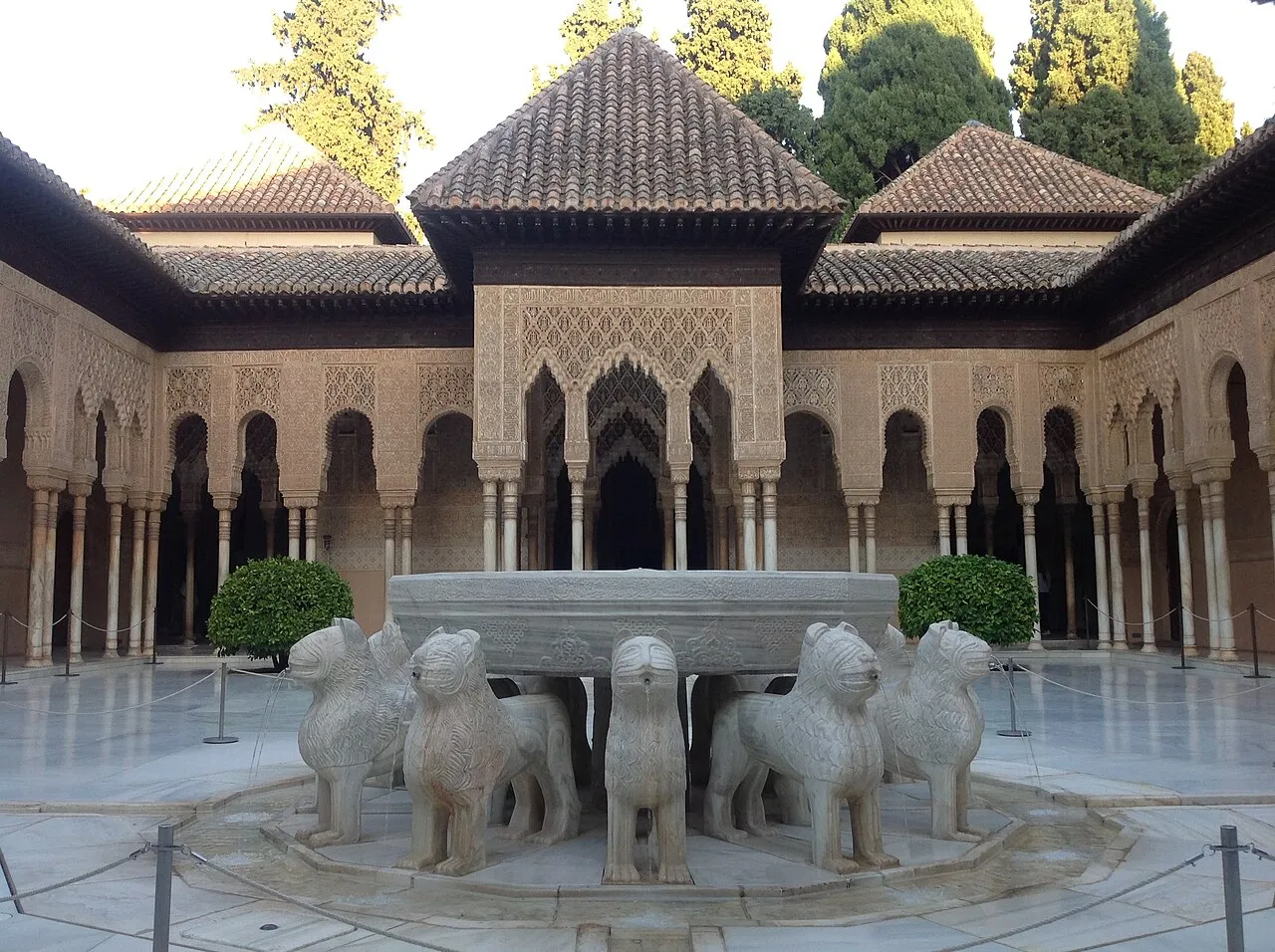
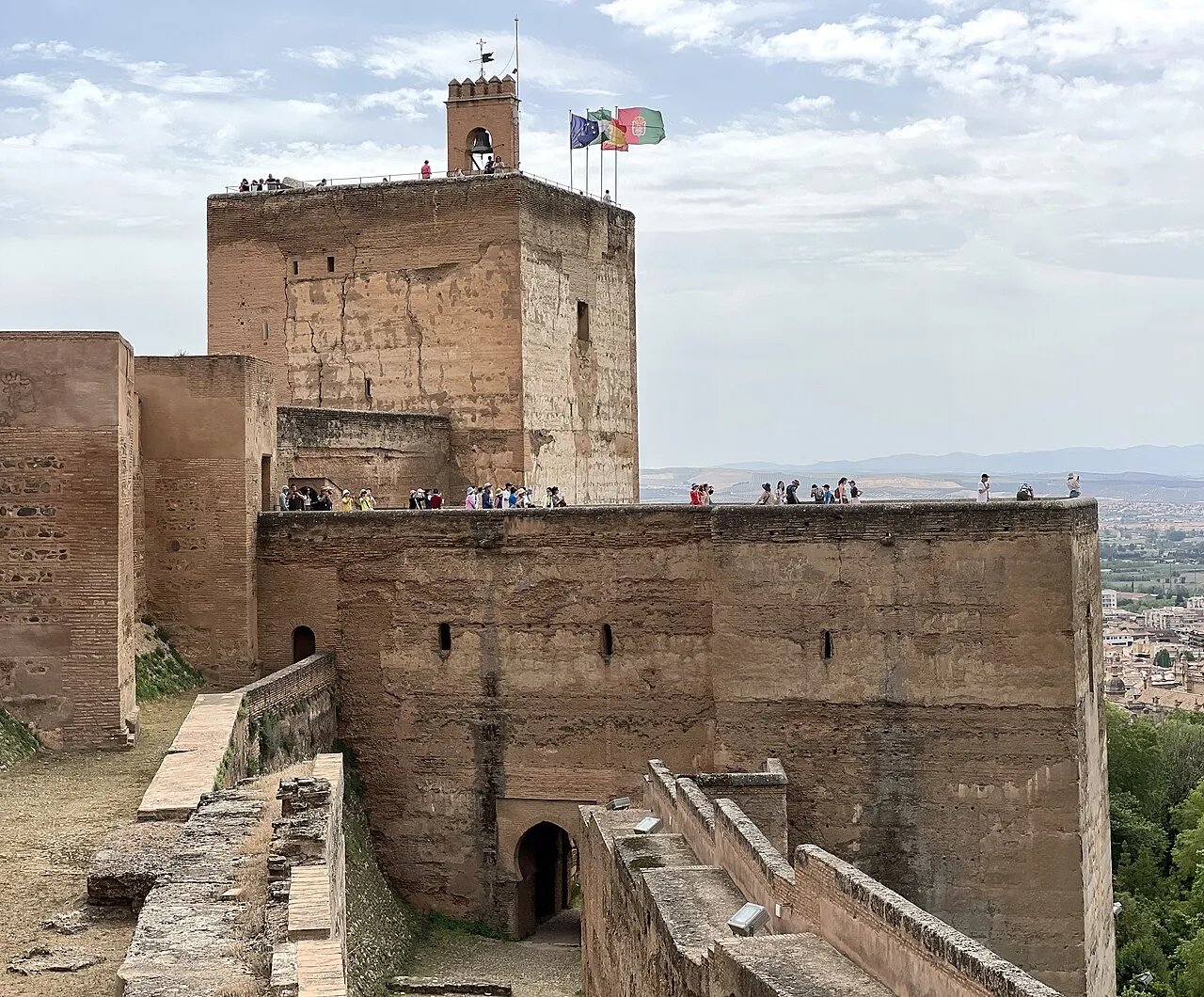
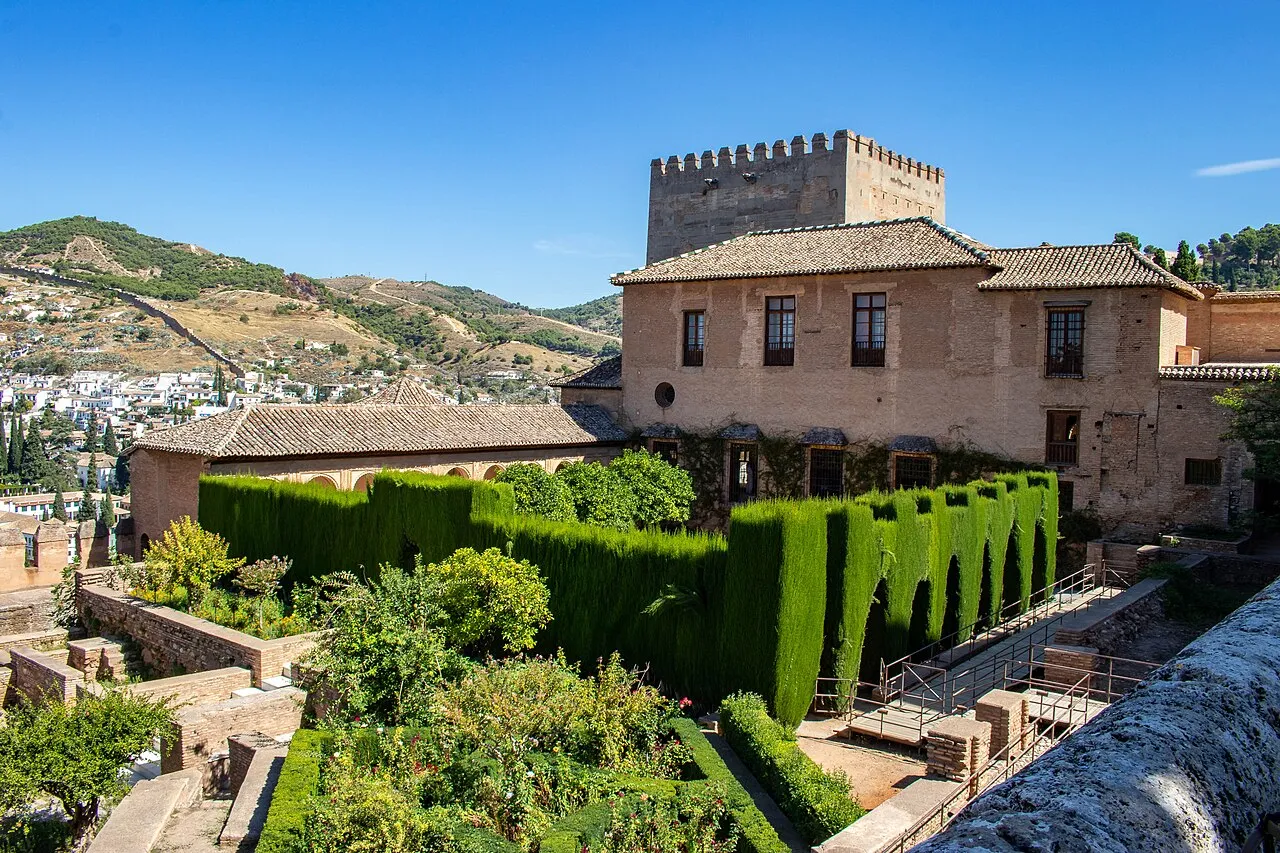
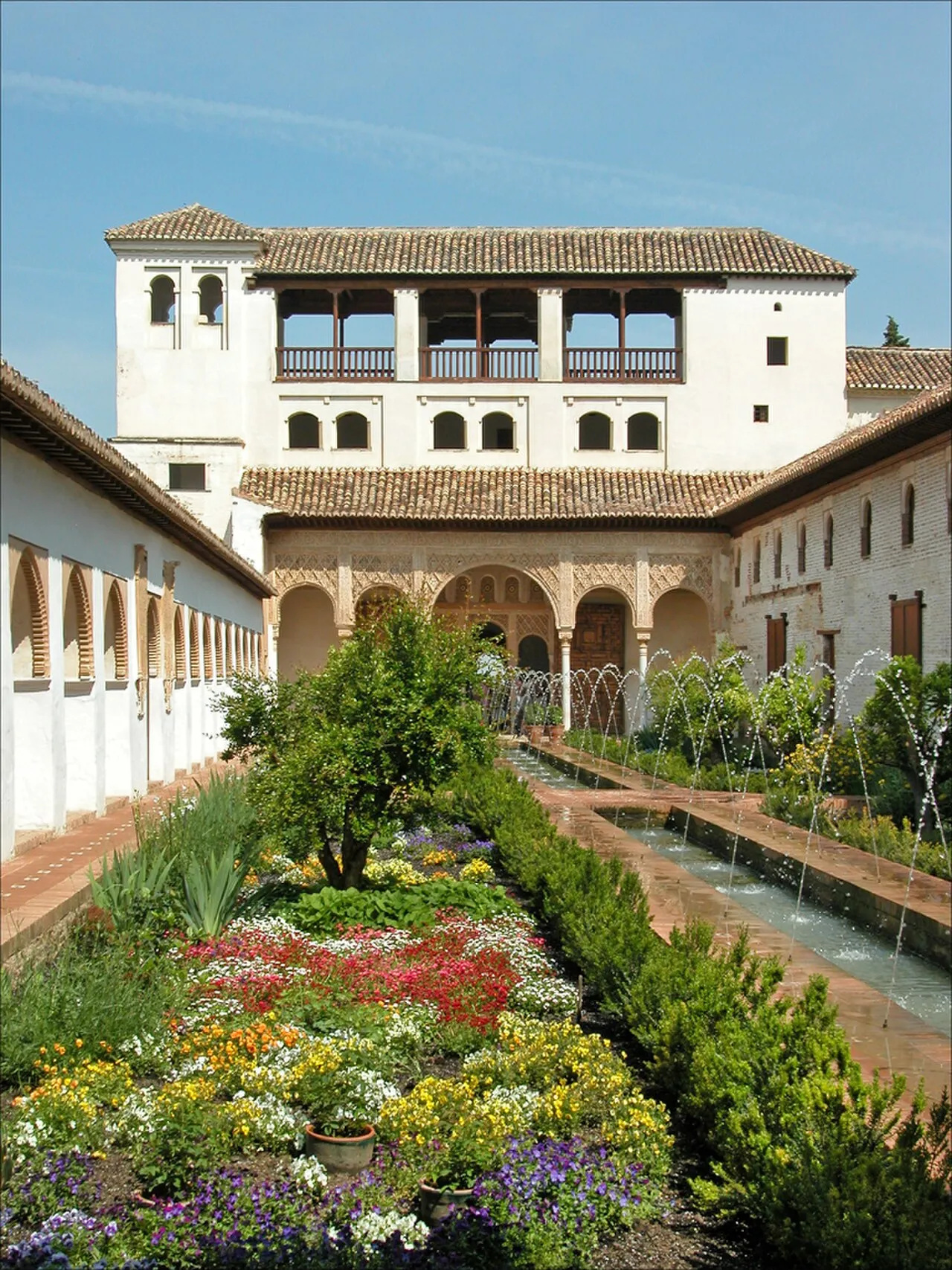
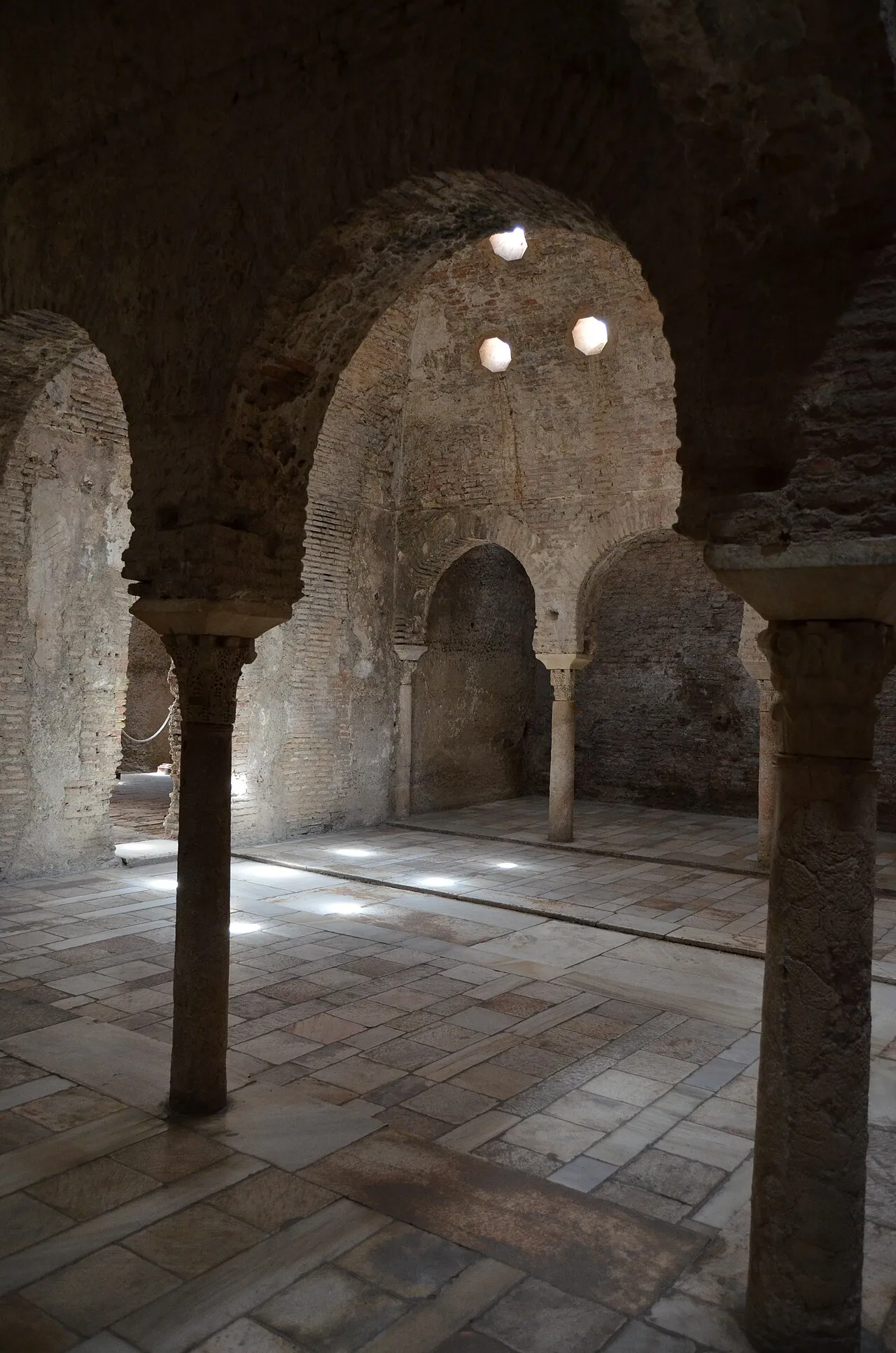
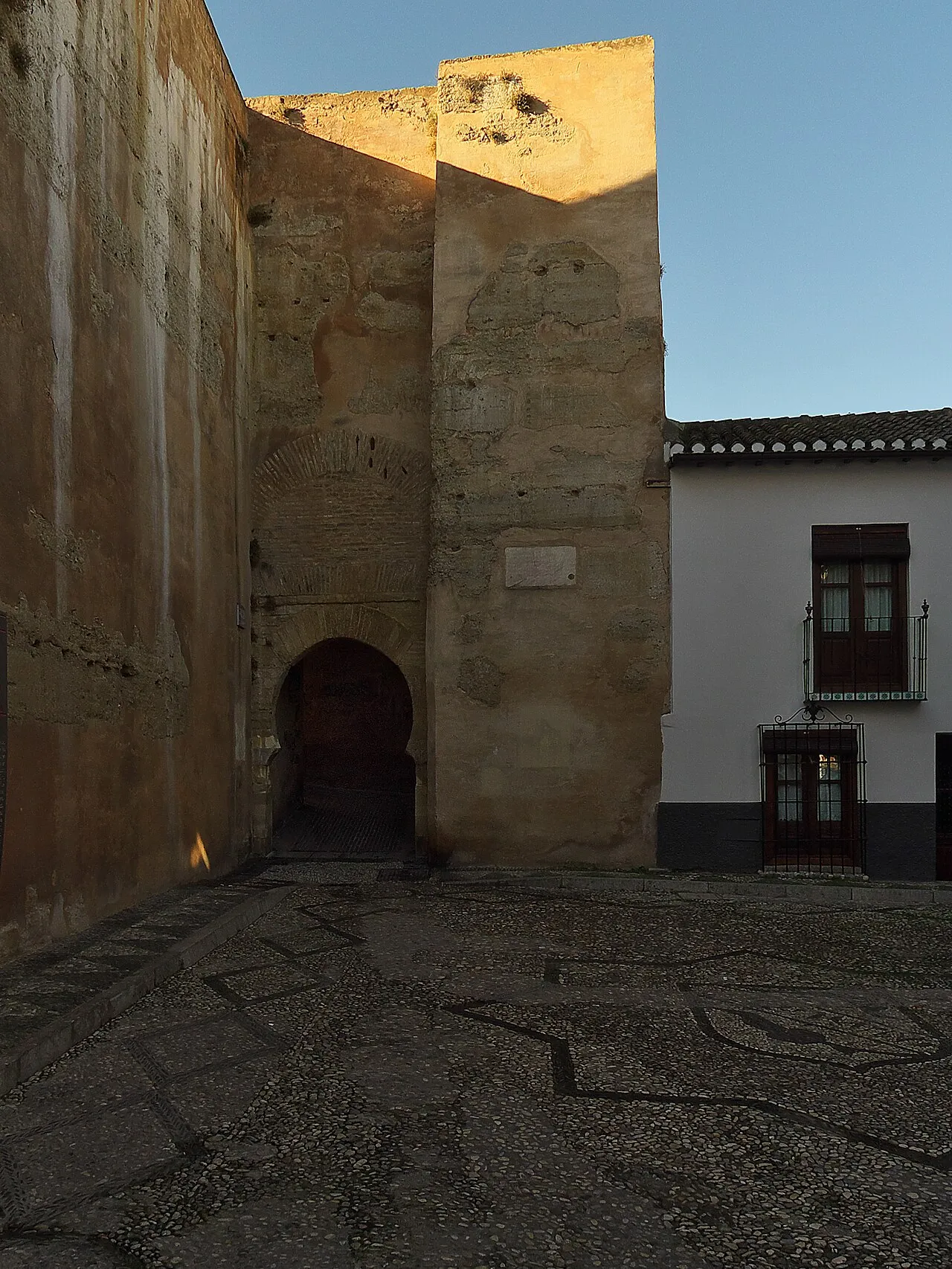
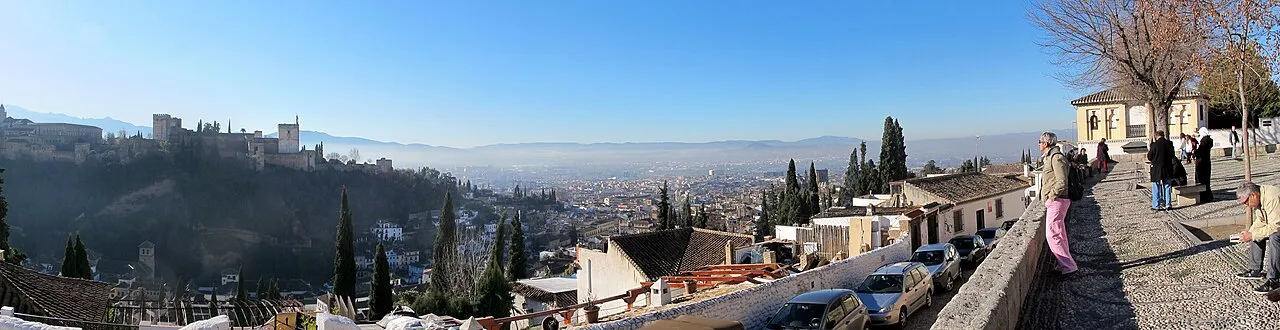
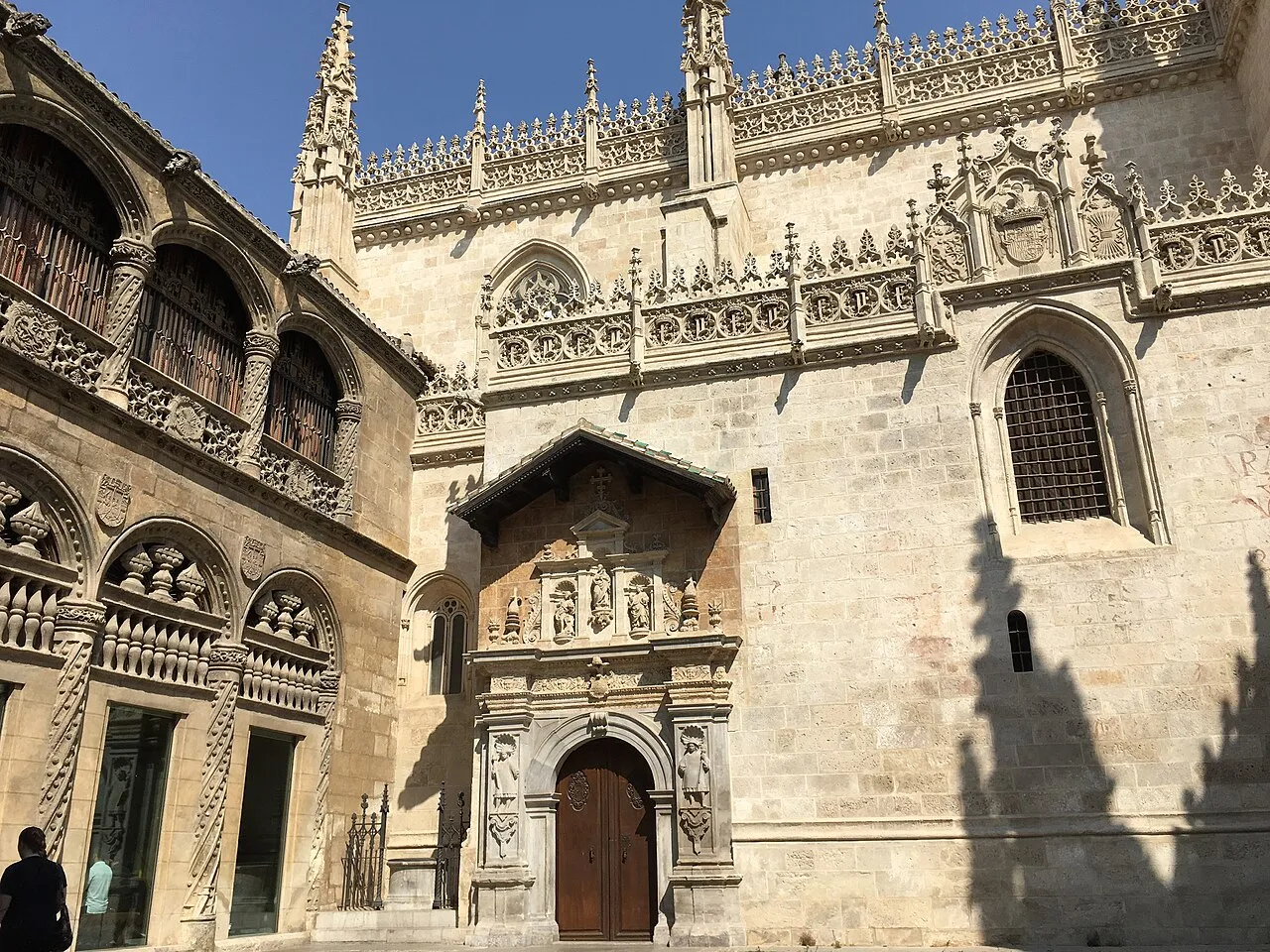
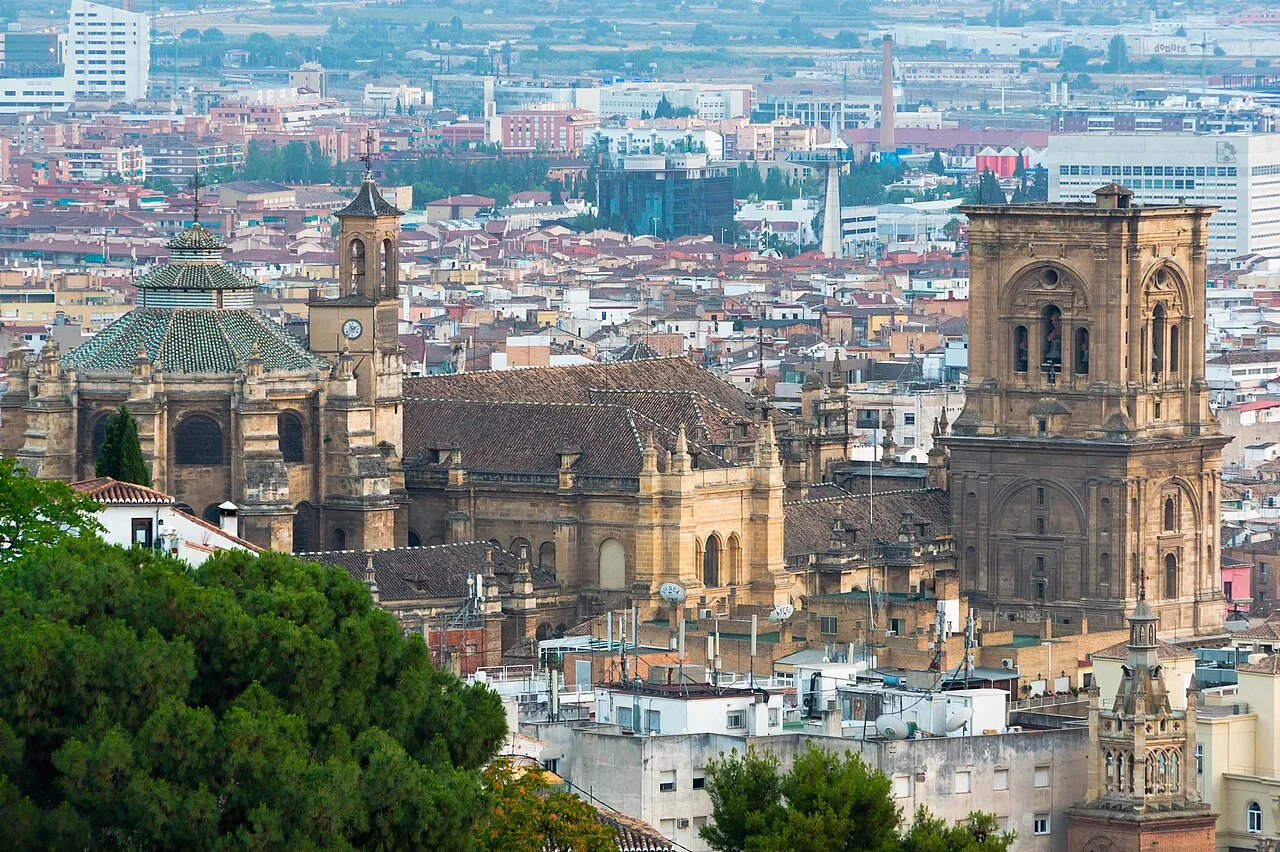
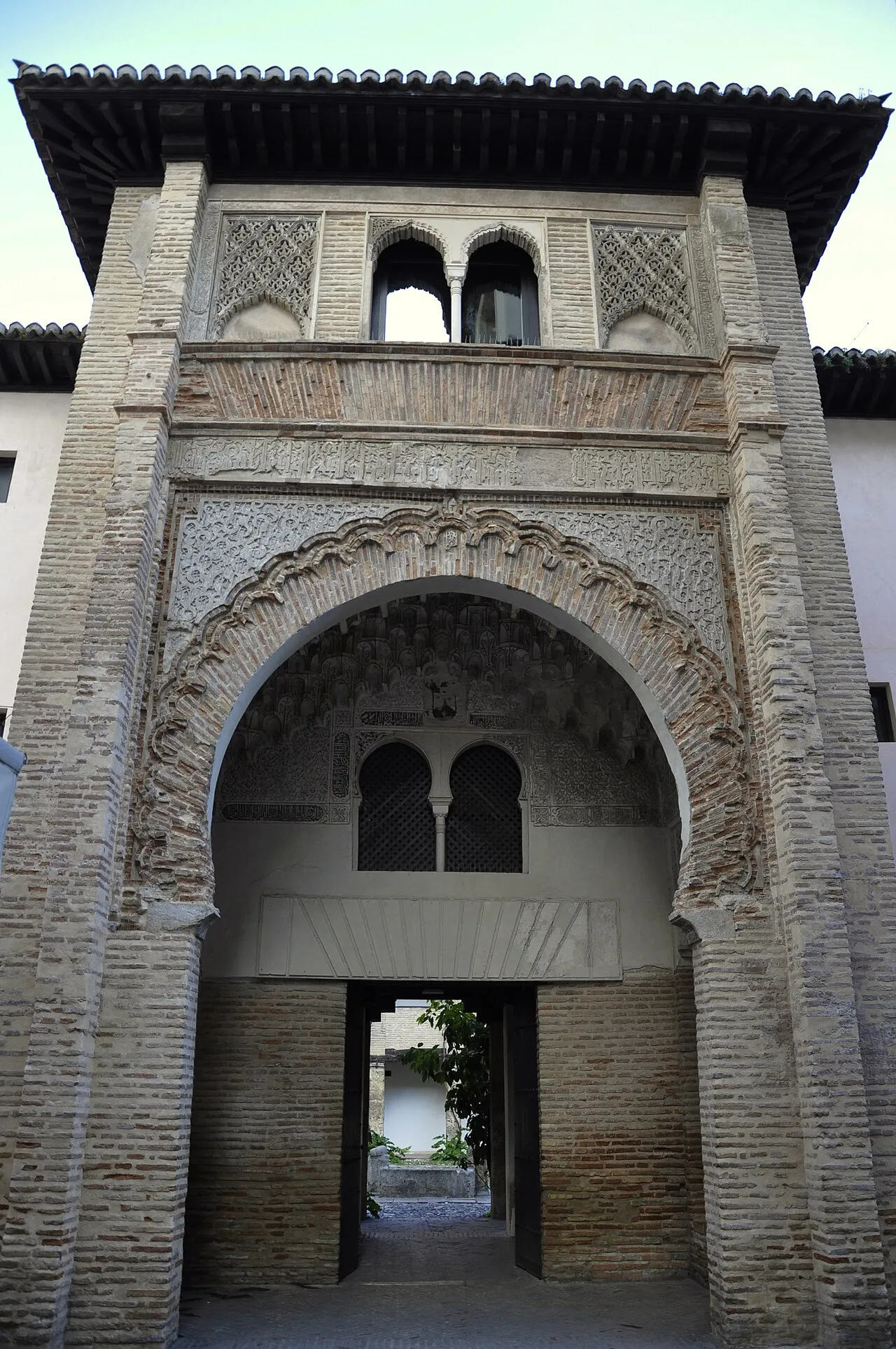
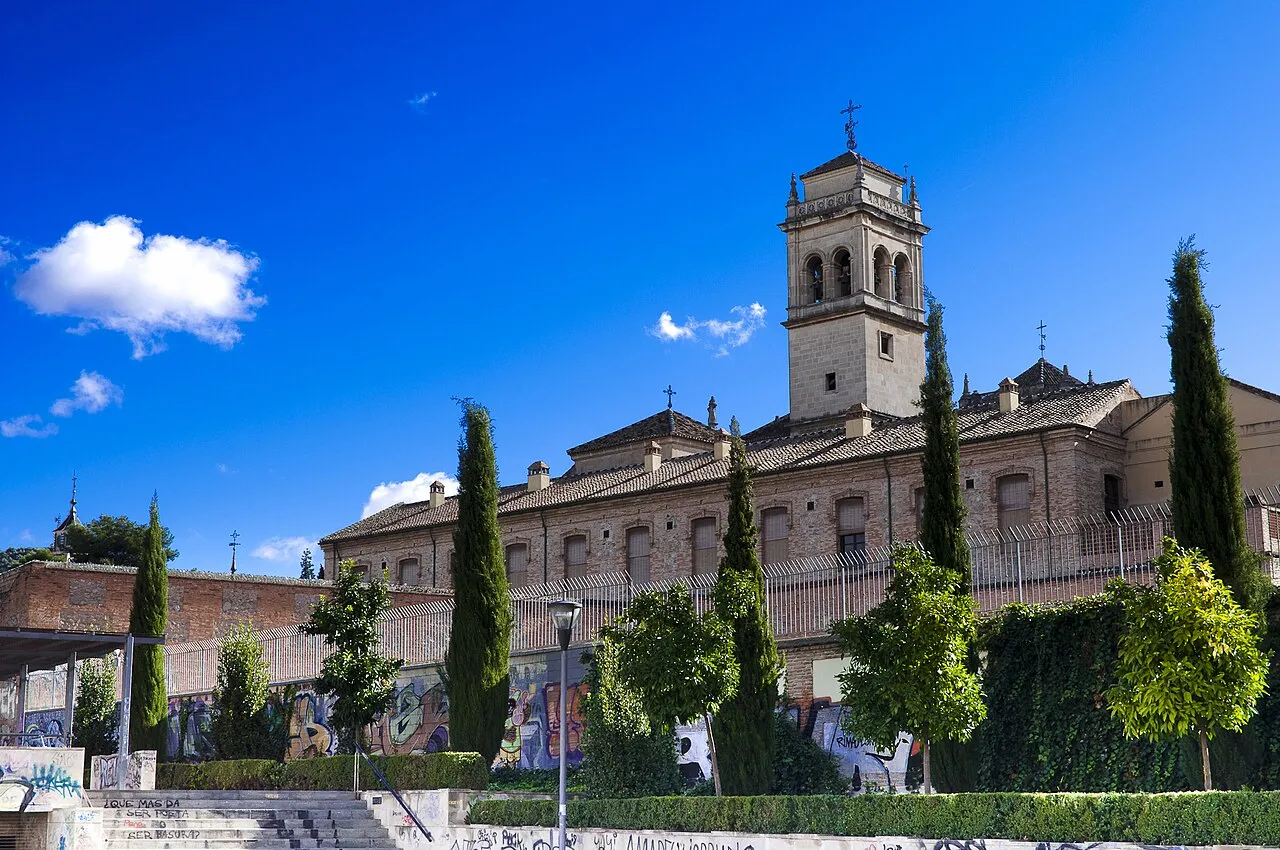
Granada is organised across three hills and a centre, and that geography rules over any itinerary. On one hill is the Alhambra, which requires a ticket booked weeks ahead and an exact, non-extendable time for the Nasrid Palaces. Opposite, the Albaicín, a labyrinth of slopes with the best viewpoints. And below, between the two, the Christian Granada of the cathedral and the Royal Chapel, plus the Andalusi remains that survived on the flat. This guide follows that order.
Frequently asked questions
How many days do you need to see Granada?
Two full days cover the essentials: one whole day for the Alhambra and the Generalife, which need between three and four hours plus the journey, and another for the Albaicín, the centre with the cathedral and the Royal Chapel, and the Realejo. With three days you can fit in the Sacromonte, the Charterhouse, San Jerónimo and time for tapas without watching the clock, which in Granada is half the visit.
How do you buy Alhambra tickets?
Online, on the official website, and weeks in advance: it is the most visited monument in Spain after the Sagrada Família and tickets sell out, especially in spring and autumn. The general ticket is around €19 and includes the Alcazaba, the Nasrid Palaces and the Generalife. The critical part is the time assigned to the Nasrid Palaces: it is exact, non-extendable, and if you arrive late it is lost with no refund. Everything else in the precinct is freely timed.
Is it true that tapas are free in Granada?
Yes, and it is one of the last Spanish cities where this holds generally: with every drink you are given a tapa at no cost, and in many places it improves in quality with each round. It is not a tourist promotion but a solid local custom, and the best places to practise it are the Realejo, the Elvira and Navas area, and the upper Albaicín. Three or four beers make a perfectly good dinner.
Can you walk up to the Alhambra?
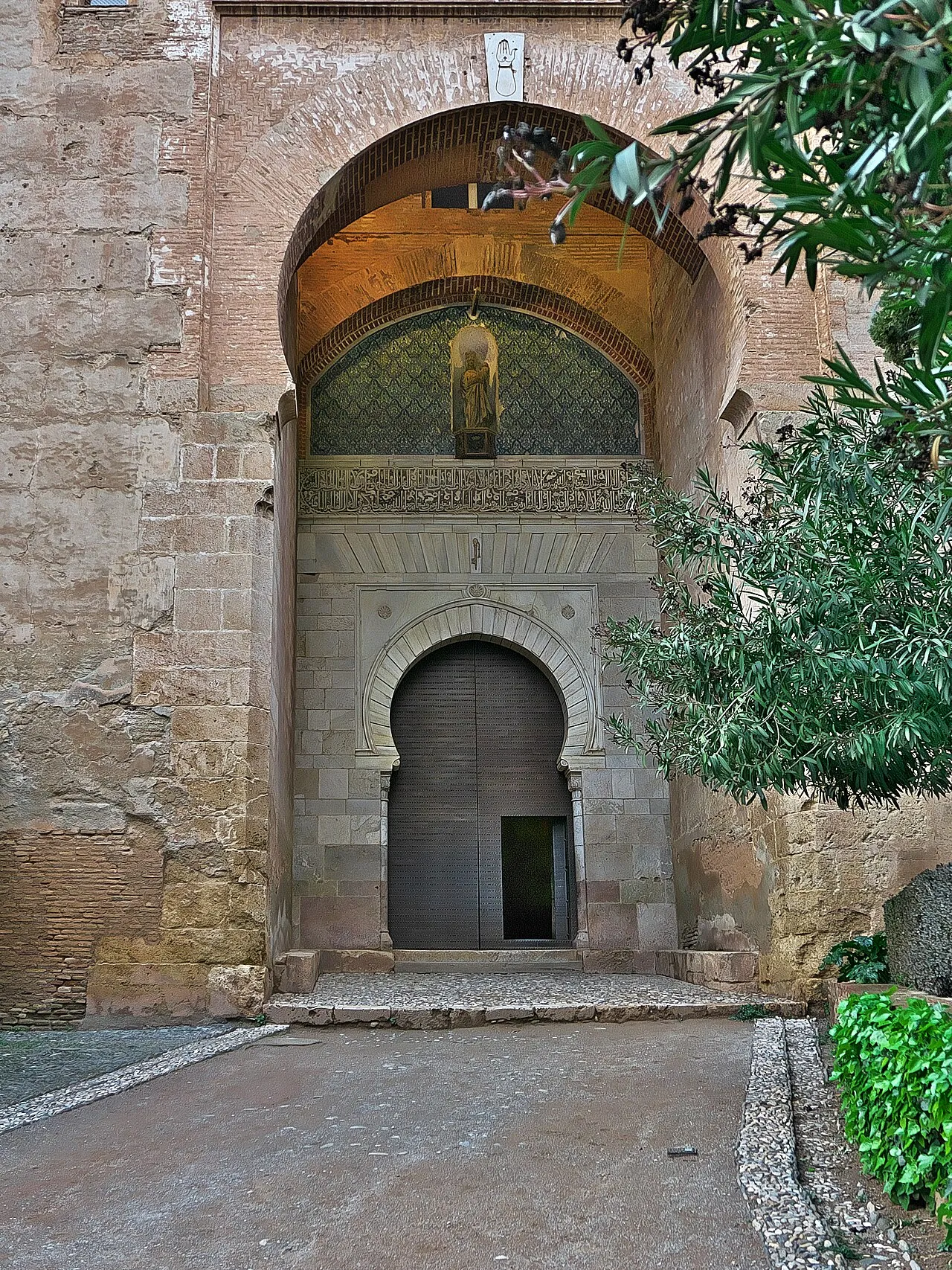
Yes, and it is the best way. From Plaza Nueva you climb the Cuesta de Gomérez, cross the Puerta de las Granadas and go through the woodland to the Gate of Justice: some twenty minutes of shaded climb, which is exactly the approach the complex was designed for. There are also buses, lines C30 and C32, which leave from Plaza Isabel la Católica and take less time but have no charm at all.
What is the Albaicín and is it worth it?
The oldest district of Granada, on the hill facing the Alhambra, listed as World Heritage along with it. It is a labyrinth of cobbled slopes, cármenes behind whitewashed walls and little squares that appear all at once, and it preserves the Andalusi street fabric. There is no route to follow: you climb without a plan and every slope ends up leading to some viewpoint. For many people it is the most memorable part of the visit.
When is the best time to travel to Granada?
Spring and autumn. In spring Sierra Nevada still has snow, which multiplies the view from the Albaicín, and in autumn the Alhambra woodland changes colour. Summer is very hot and the Alhambra precinct has very little shade. Winter is cold but bright, with the mountains white and the monuments empty, and it is probably the most underrated season for visiting the city.