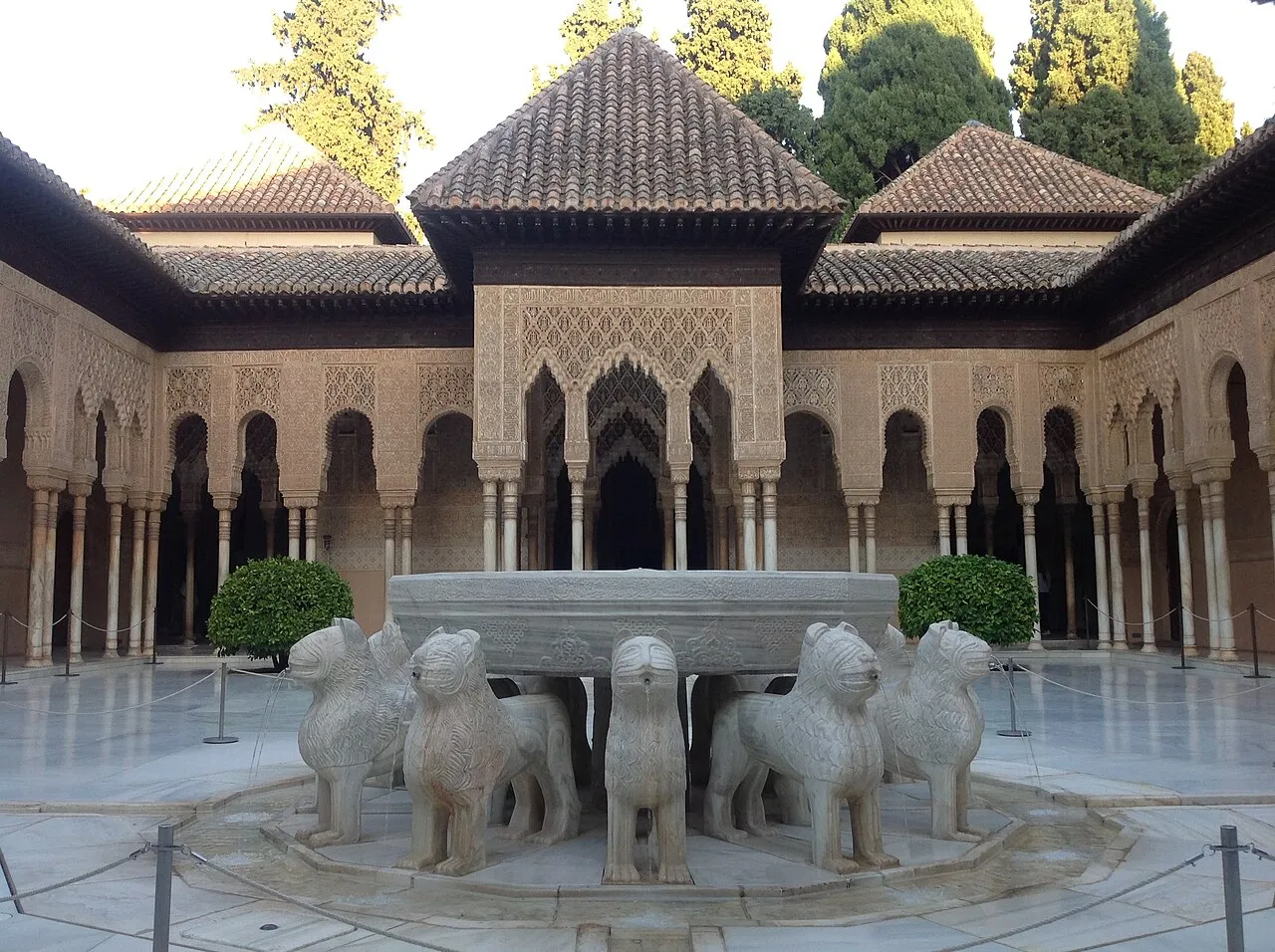
El Albaicín: the neighbourhood where Granada is still Andalusi
Neighbourhoods · Granada

El Albaicín: the neighbourhood where Granada is still Andalusi

Cobbled slopes, cármenes behind whitewashed walls, an eleventh-century bathhouse and the best viewpoints in the city. A World Heritage Site and, still, a lived-in neighbourhood.

9 min read · Updated for 2026
🎧 On the walk The Albaicín and the San Nicolás Viewpoint

El Albaicín keeps the street plan of Andalusi Granada: narrow streets that twist, dead ends, adarves, alleyways shared by the houses along them, small squares that appear out of nowhere and houses closed to the outside and open on the inside. There is no route to follow and you do not need one: the only useful rule is that going up always ends up taking you to a viewpoint. It is a World Heritage Site along with the Alhambra and, in its upper part, it is still a neighbourhood where people live.

A carmen is a Granada house with a kitchen garden and a high wall. From the street you see only the whitewashed wall; everything good is inside and is not shown. That discretion is the key to the neighbourhood.

Granada began here

Around the year 1013, the Berber Zirid dynasty moved its capital from Medina Elvira, down in the vega, to this hill, and built its fortress here: the Alcazaba Cadima, “the old one”. The Granada we know was born from that core, and everything else — including the Alhambra, two centuries later — came afterwards.

The neighbourhood grew as a full Islamic city, with its medina, its local mosques, its baths and its system of aljibes: more than twenty public cisterns spread through the streets, many still visible, which supplied the residents with water.

After the conquest, the mosques became churches — San Salvador keeps the ablutions courtyard of the neighbourhood's main mosque — and the Morisco population stayed until the Alpujarras rebellion and the expulsion of 1570. The layout, on the other hand, was never touched: it is what you walk today.

1El Bañuelo

El Bañuelo

📍 Carrera del Darro, 31

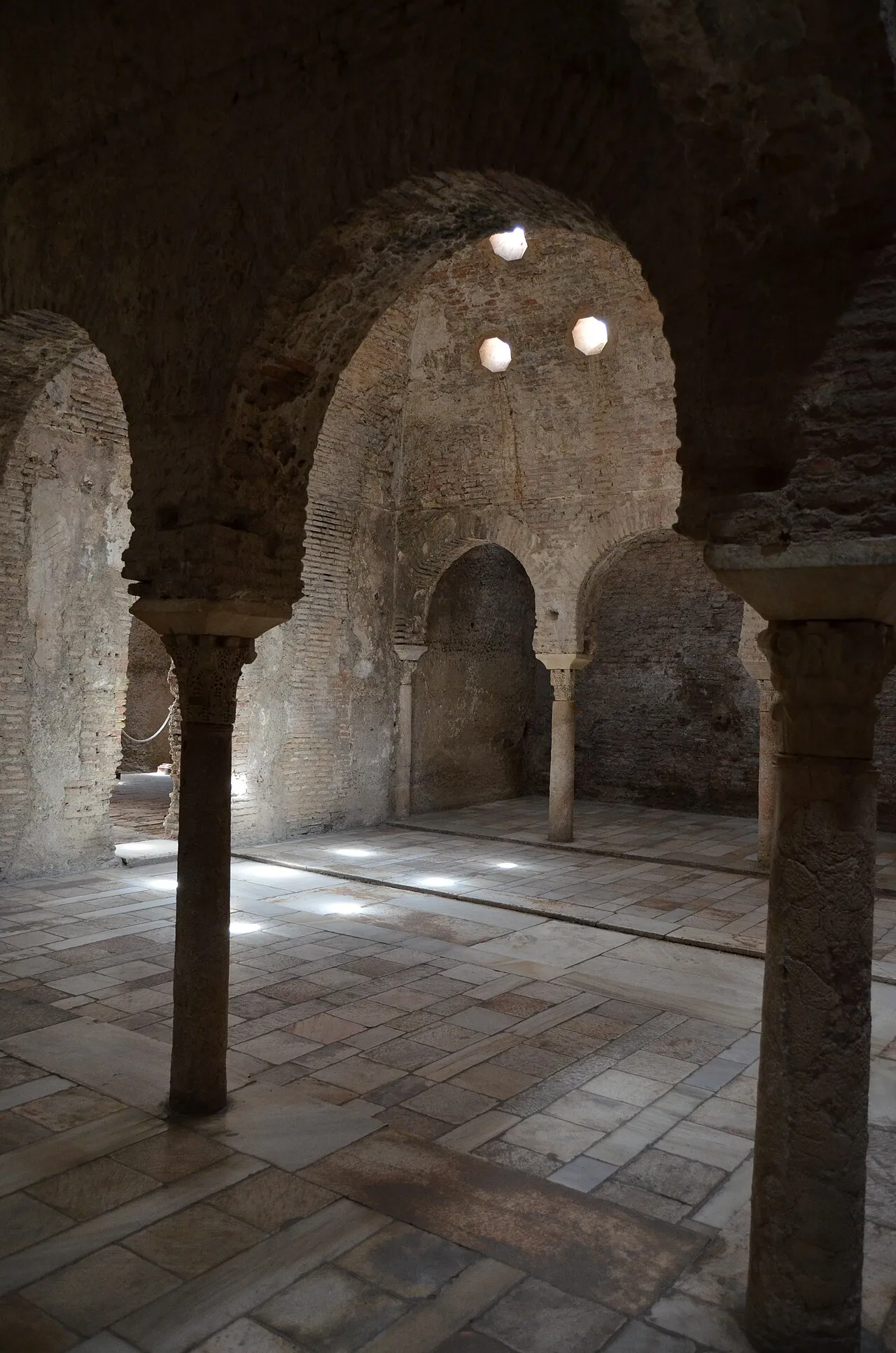
Eleventh-century Arab baths, two hundred years older than the Alhambra, with the roof pierced by eight-pointed star skylights through which the light fell onto the steam. The capitals are reused Roman, Visigothic and caliphal pieces. It costs very little and is usually included in the City Hall's combined ticket for Andalusi monuments.

2Plaza Larga and the Puerta de las Pesas

Plaza Larga and the Puerta de las Pesas

📍 Upper Albaicín

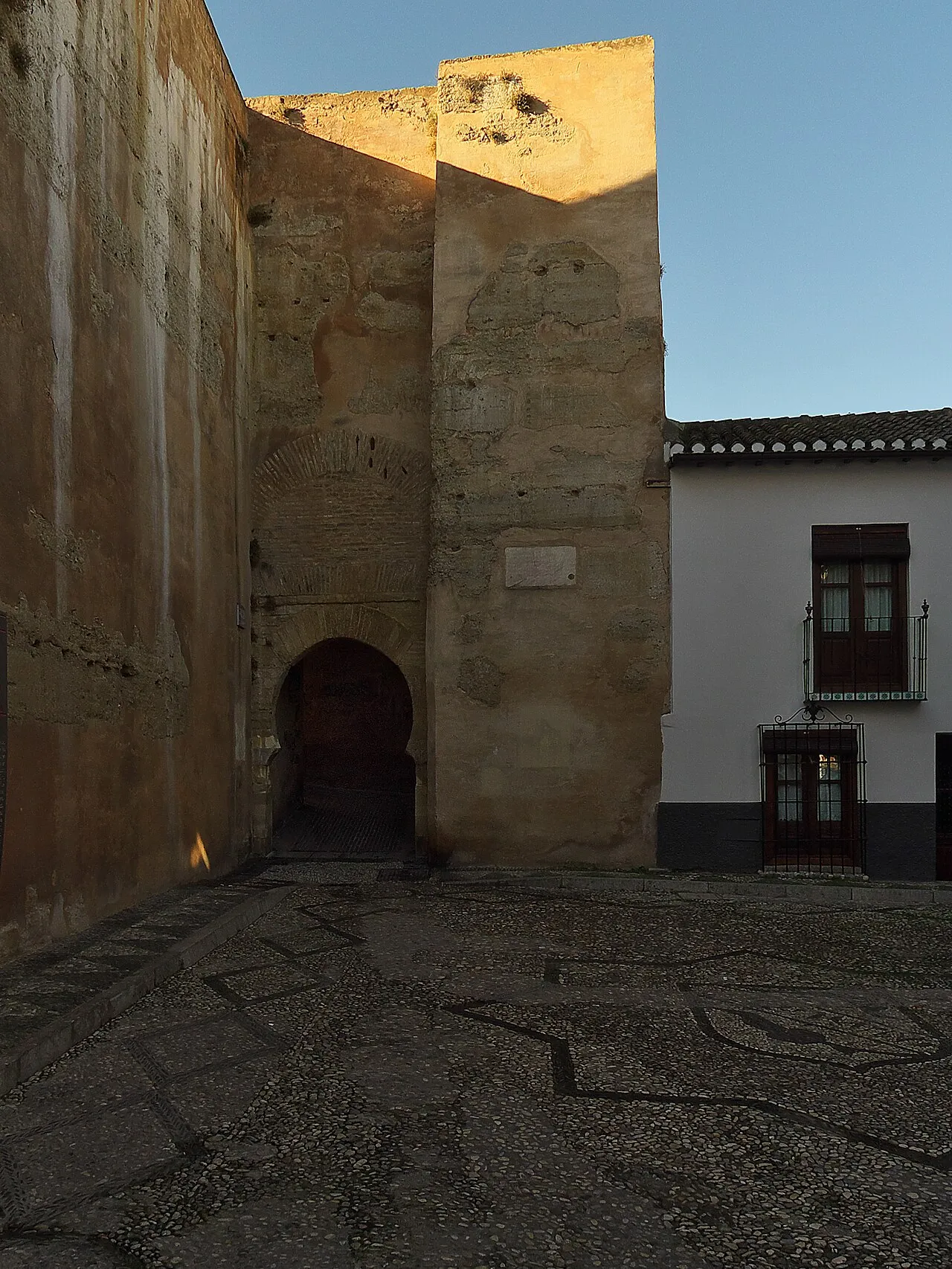
The main square of the upper Albaicín, with a street market in the mornings and bars with local regulars. Its arch belonged to the wall of the Alcazaba Cadima, the first fortress of Granada. You cross it on a bend, and under the vault you can still see the hooks from which the false weights confiscated from traders were hung.

3San Nicolás Viewpoint

San Nicolás Viewpoint

📍 Plaza de San Nicolás

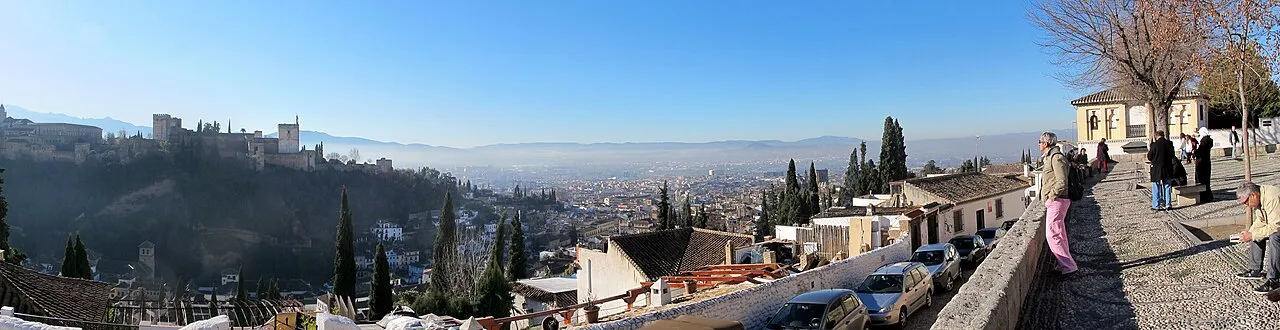
The view that turns up everywhere: the whole Alhambra in front of you, with Sierra Nevada behind. At sunset the stone goes from ochre to red in minutes, and that is also when there are most people. Next to it is the Mezquita Mayor de Granada, the city's main mosque, opened in 2003, with an open garden that has the same view and far smaller crowds.

🎧 With Viavoy

Explore Granada at your own pace

Download the app and discover Granada offline, whenever you like. Take the walking tour The Albaicín and the San Nicolás Viewpoint with a local guide in your ear.

Find out more about Viavoy →

How to walk it

With no plan, and uphill.

The natural way in is the Carrera del Darro, the street that follows the river at the foot of the hill from Plaza Nueva. It is one of the most beautiful walks in Spain: houses on one side, the Darro below, old bridges and the Alhambra appearing between the rooftops. On it you find El Bañuelo, the Casa de Zafra and the Archaeological Museum.

From there you climb wherever you feel like. The Cuesta del Chapiz, the Cuesta de San Gregorio and the Calderería — with its teterías, tea houses, and its Moroccan-style shops, the most commercial part of the neighbourhood — are the main routes, but the interesting ones are the side streets.

Higher up, the neighbourhood changes. The Placeta de San Miguel Bajo, with its terraces under the trees, is the best place to sit down. Plaza Larga has a street market and bars full of locals. And the Palacio de Dar al-Horra, the Nasrid residence of Boabdil's mother, is one of the calmest visits in Granada.

Walking down at dusk along the Paseo de los Tristes, with the Alhambra lit up above and the river below, is the obligatory finish. It is named after the sad ones because funeral processions passed along it on their way to the cemetery.

4Carrera del Darro

Carrera del Darro

📍 From Plaza Nueva

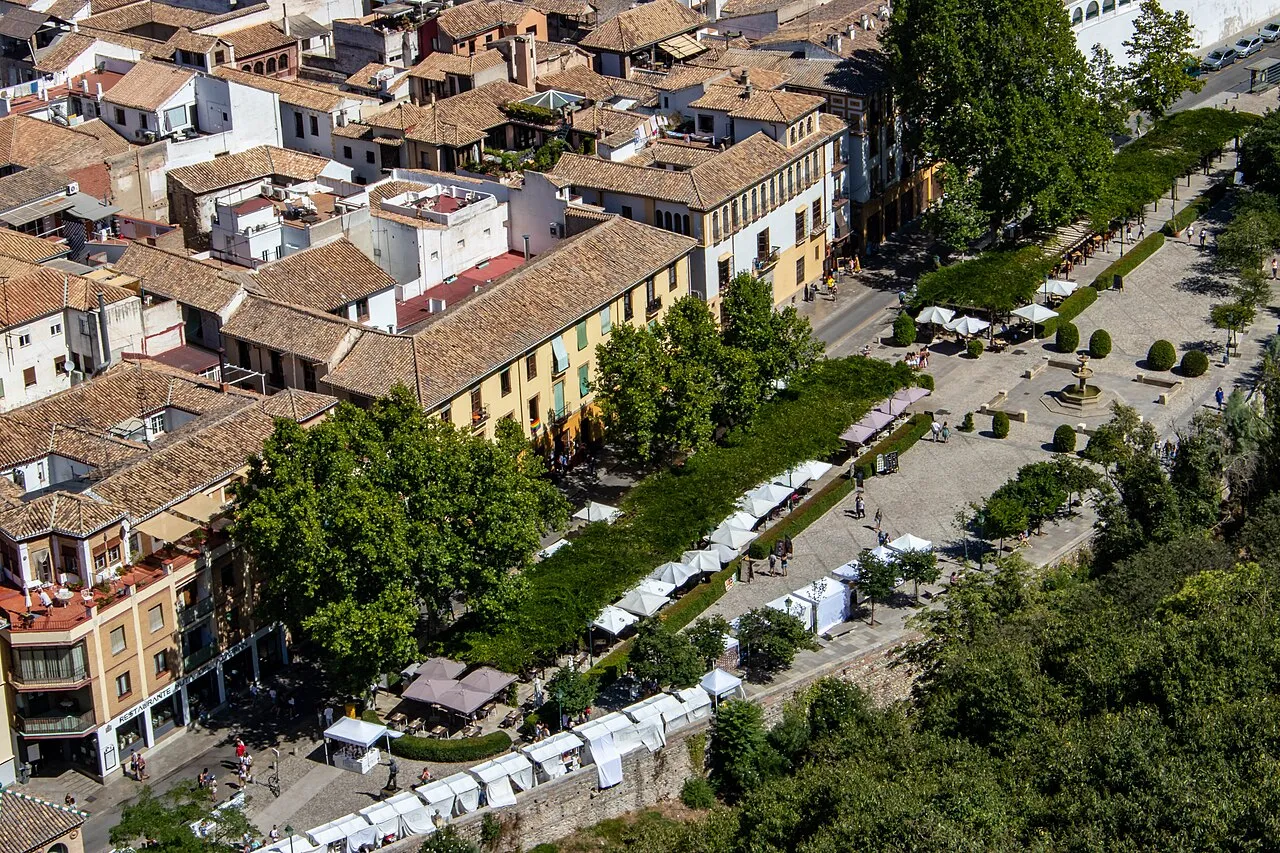
The way into the neighbourhood and one of the most beautiful walks in Spain: the river on one side, old houses on the other, stone bridges and the Alhambra showing between the rooftops. It gathers El Bañuelo, the Casa de Zafra and the Archaeological Museum, and comes out at the Paseo de los Tristes. It takes fifteen minutes and deserves forty.

5Palacio de Dar al-Horra

Palacio de Dar al-Horra

📍 Upper Albaicín

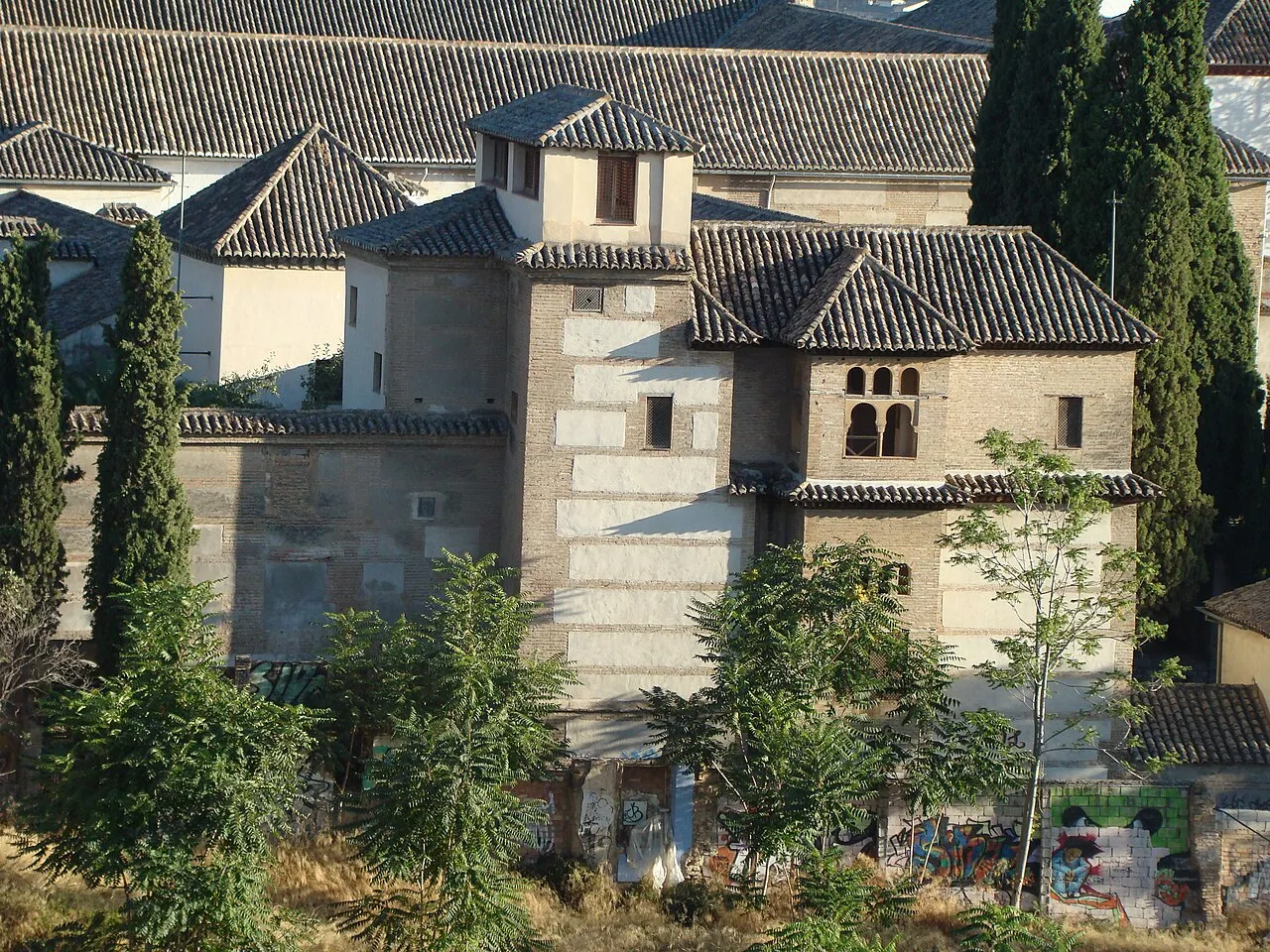
The Nasrid residence of Aixa, Boabdil's mother, one of the very few domestic Andalusi palaces that survive. It is small, silent and usually empty, with a courtyard and pool and a viewpoint looking over the Albaicín. It is included in the combined ticket for Andalusi monuments and almost nobody climbs up to it.

6Placeta de San Miguel Bajo

Placeta de San Miguel Bajo

📍 Upper Albaicín

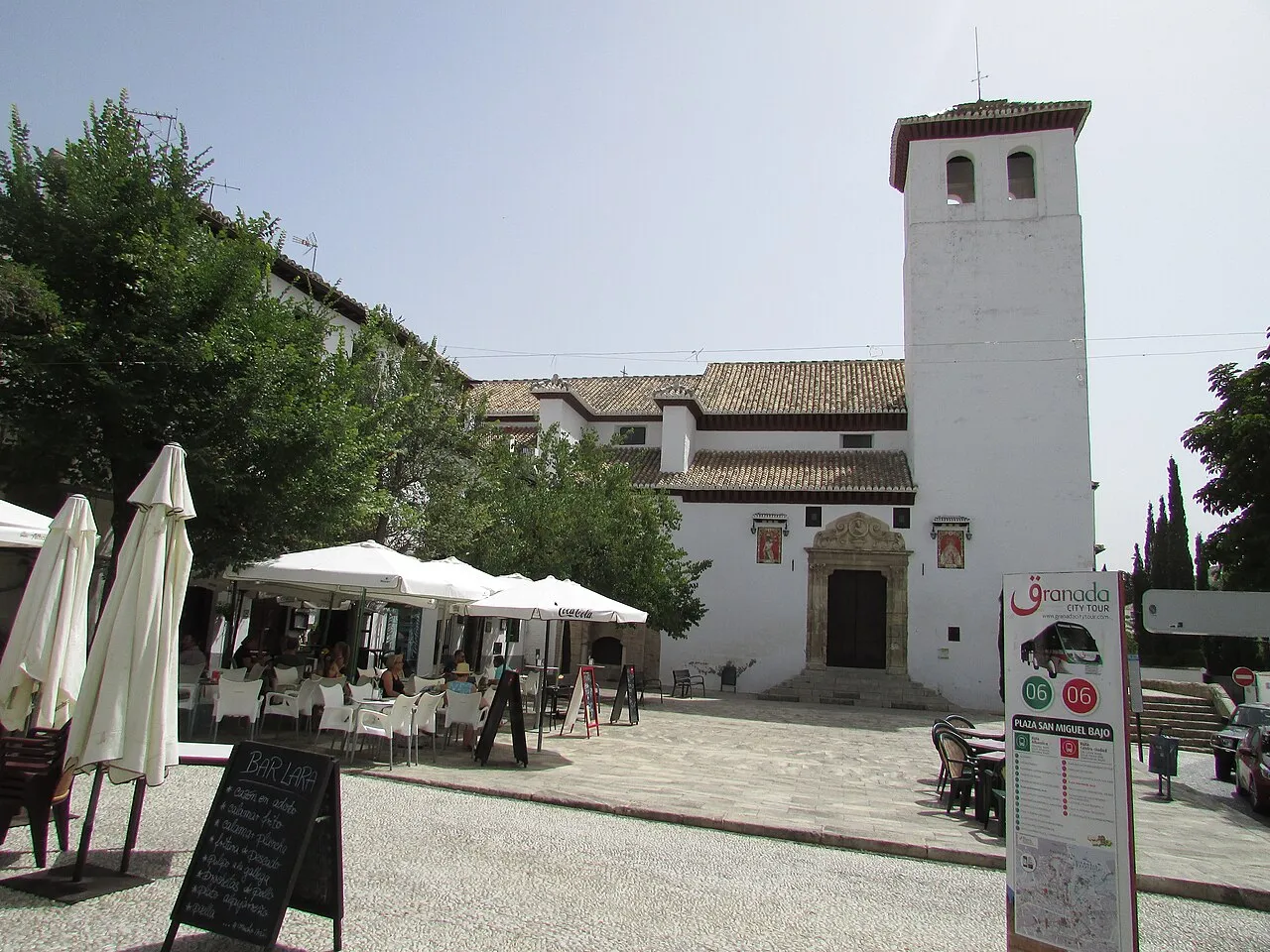
A small square with trees, a church at the far end and three or four terraces where the people of the neighbourhood spend the afternoon. It is the best place in the Albaicín to sit and do nothing, with local prices and none of the crowding of the viewpoints. In summer, the shade of the trees is worth more than any view.

Frequently asked questions

What is a Granada carmen?

A traditional Albaicín house with a kitchen garden or garden enclosed by a high wall, usually whitewashed. From the street you see only the wall; the whole life of the house happens inwards, around the courtyard and the garden, with views out only from the viewpoint on the top floor. It is a typology inherited from Andalusi architecture and it defines the landscape of the neighbourhood: those white walls that seem to hide nothing in fact hide almost everything.

What is there to see in the Albaicín in Granada?

El Bañuelo, an eleventh-century Arab bathhouse on the Carrera del Darro; the Casa de Zafra, a Nasrid house you can visit; the Palacio de Dar al-Horra, the residence of Boabdil's mother; Plaza Larga with its Nasrid arch, the Puerta de las Pesas; the church of San Salvador, which keeps the ablutions courtyard of the neighbourhood's old main mosque; and the viewpoints, starting with San Nicolás. And above all, the streets.

How do you get up to the Albaicín without walking so much?

With the C31 and C32 minibuses, which leave from Plaza Nueva and run through the neighbourhood up to the upper areas, including the surroundings of the Mirador de San Nicolás. They are small, they travel full and the route through impossibly narrow streets is an experience in itself. It is the sensible option if the slopes are a problem: the Albaicín has serious gradients over uneven cobbles and you cannot dodge them on foot.

Is the Albaicín safe at night?

The main streets, the squares and the viewpoints are well lit and busy until late, and pose no problems. The inner alleys of the upper part, by contrast, are badly lit and very narrow, and are better saved for daytime. As in any historic quarter of a tourist city, the usual care with wallets in crowded spots applies.

What is the difference between the Albaicín and Sacromonte?

They are two adjoining but different neighbourhoods. El Albaicín is the Andalusi city, with its medieval street plan, its cármenes and its viewpoints, and it is a World Heritage Site. Sacromonte is higher up and further along, on the slope of the Darro valley, and it is the neighbourhood of caves dug into the rock, historically home to the Roma community and the cradle of the Granada zambra. You can walk there from the Albaicín in twenty minutes.

Where should you eat in the Albaicín?

In the upper part, not the lower. The strip between the Carrera del Darro and the Calderería has turned into a tourist zone, with teterías and restaurants that charge for the location. Climb up to Plaza Larga or the Placeta de San Miguel Bajo and the prices are local, the tapa still comes free with your drink and the customers live here. The rule is simple: the higher you climb, the better and the cheaper.

The neighbourhood today

El Albaicín has two halves. The lower one, between the Carrera del Darro and the Calderería, has largely turned into a tourist zone, with teterías, souvenir shops and restaurants with a view. The upper one is still residential, with local shops, schools and neighbours who have been here for generations.

That difference shows in the prices and in the atmosphere. Eating or having a drink in the upper part costs half as much and you do it surrounded by people who live here. The rule is the one it always was: the higher you climb, the less touristy and the cheaper.

As in every historic Spanish neighbourhood, there is tension: tourist lets have put pressure on the housing market, and there is a debate about the balance between conserving the whole and the life of the neighbourhood. You will see banners.

And one practical detail that helps: the neighbourhood is badly lit in some upper areas and the streets are very narrow. At night the main streets and the squares are fine and busy; the inner alleys are better by day.

Practical information

Getting thereOn foot from Plaza Nueva along the Carrera del Darro; minibuses C31 and C32 from Plaza Nueva.
DurationA long half-day with viewpoints and stops.
What costs moneyEl Bañuelo, the Casa de Zafra and Dar al-Horra, all in the Andalusi combined ticket and for very little.
FootwearSteep, uneven cobbles. Here it matters more than anything else in your luggage.
Where to eatIn the upper part: Plaza Larga and Placeta de San Miguel Bajo. Half the price of down below.
The finishWalking down the Paseo de los Tristes at night, with the Alhambra lit up above.
On the map

🎧 With Viavoy

Walk Granada and listen at your own pace

Download Viavoy and walk Granada offline, whenever you like.

from 2,99 €· one-off payment
City Pass · 9,99 €3 days, all the tours in Granada
Find out more about Viavoy →
Viavoy app

Keep reading

More articles

Itineraries

Granada in 2 days: the Alhambra, the Albaicín and everything that fits in between

What to see

Visiting the Alhambra: tickets, timings and the mistake that ruins the visit

What to see

The best viewpoints in Granada: where to see the Alhambra without the crowds

Food & drink

Free tapas in Granada: how it works and where to go