The Granada of the Catholic Monarchs: 1492 and what was built afterwards
Culture · Granada

The Granada of the Catholic Monarchs: 1492 and what was built afterwards

A funerary chapel, a cathedral of light on top of the main mosque and a Renaissance palace planted inside the Alhambra. Three buildings that tell the same operation.

9 min read · Updated for 2026
🎧 On the walk The Cathedral, the Royal Chapel and the Center

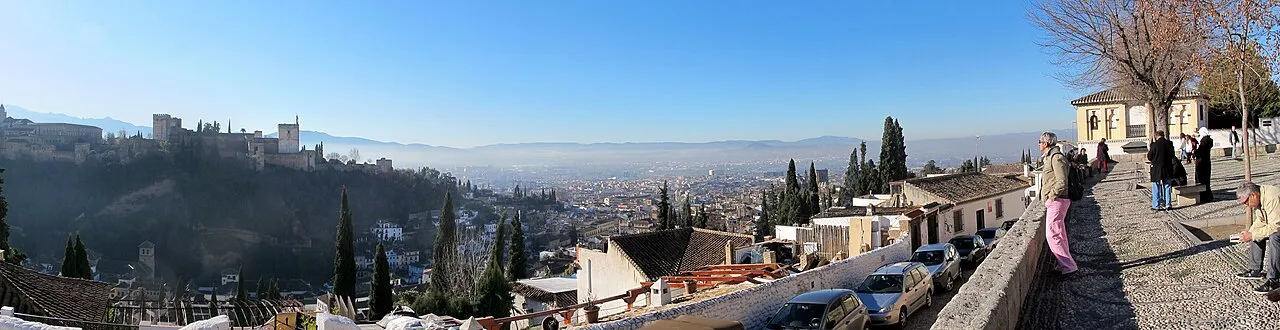
On 2 January 1492 Granada capitulated, and with it eight centuries of Islamic presence on the peninsula came to an end. What followed was not just a change of government: it was a very deliberate building programme, designed to leave physical proof of who was in charge now. Three buildings sum it up — the Royal Chapel, the cathedral and the Palace of Charles V — and all three can be seen in one morning.

Isabella chose Granada to be buried in, not Toledo or Seville. Being buried in the last city conquered was a way of fixing the meaning of a whole reign.

The decision to stay here

The Capitulations of Granada, signed in November 1491, guaranteed the Muslim population that they could keep their religion, their laws and their customs. That agreement was broken in less than a decade: forced conversions began in 1499 under Cardinal Cisneros and led to the Alpujarras rebellion and, finally, to the expulsion of the Moriscos in 1609.

In parallel, the city was transformed architecturally. The mosques became churches, the main mosque was pulled down to raise the cathedral and the Andalusi civil buildings gradually disappeared or changed use. What survived — the Alhambra, El Bañuelo, the Corral del Carbón — survived out of usefulness, not respect.

Isabella died in 1504 and left instructions that she be buried here. Her remains waited in a convent in the Alhambra until the Royal Chapel was finished, in 1517. Ferdinand died in 1516 and was moved here too. The choice was not sentimental: it was a statement.

1The Royal Chapel

The Royal Chapel

📍 Calle Oficios

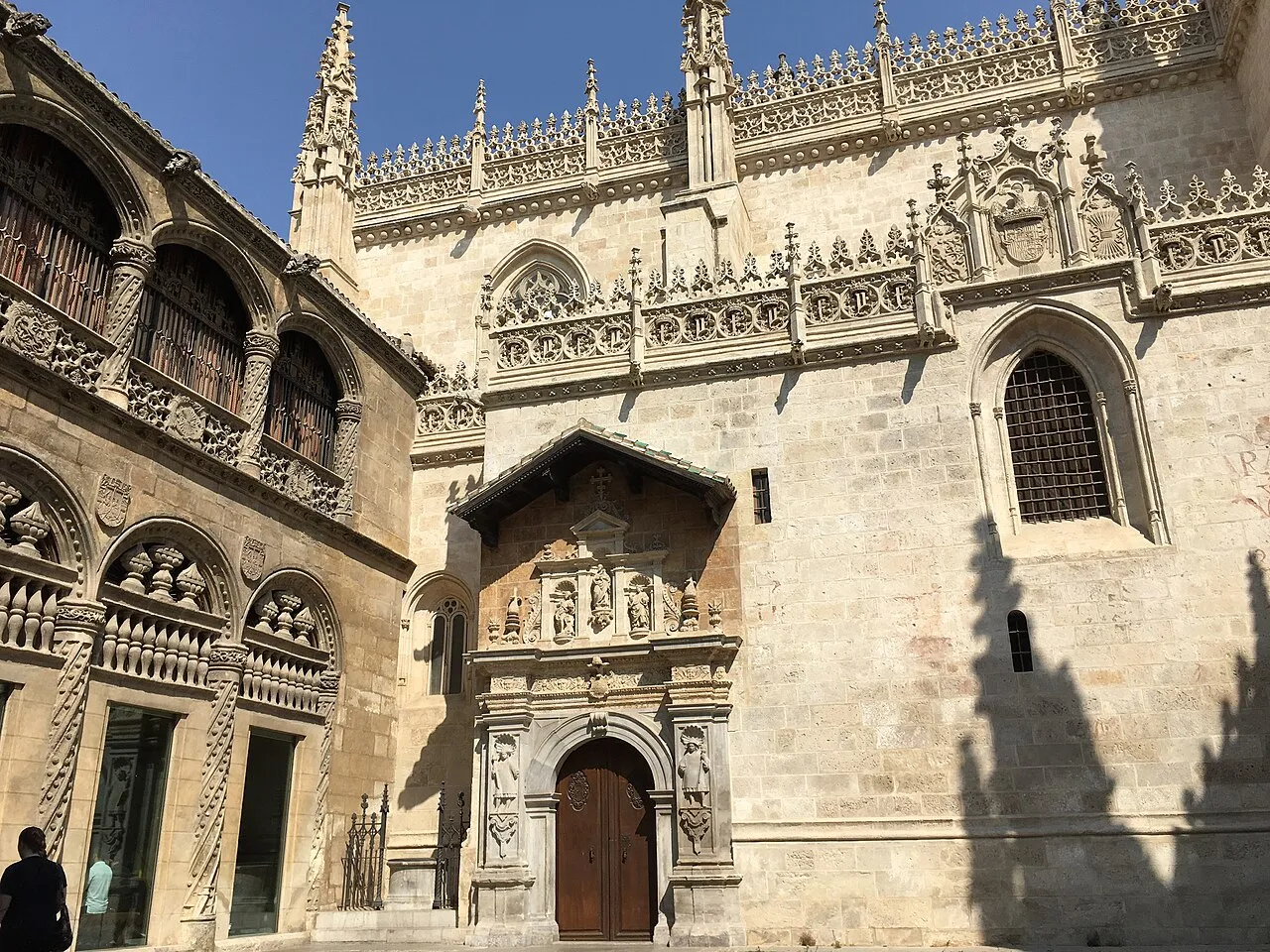
The pantheon of the Catholic Monarchs, built between 1505 and 1517 in Isabelline Gothic. Inside, a gilded iron screen by Maestro Bartolomé that ranks among the best in Europe, Carrara marble tombs by Fancelli and Ordóñez, and below, in the crypt, the plain lead coffins in full view. The museum holds Isabella's private collection of Flemish painting.

2Granada Cathedral

Granada Cathedral

📍 Gran Vía de Colón, 5

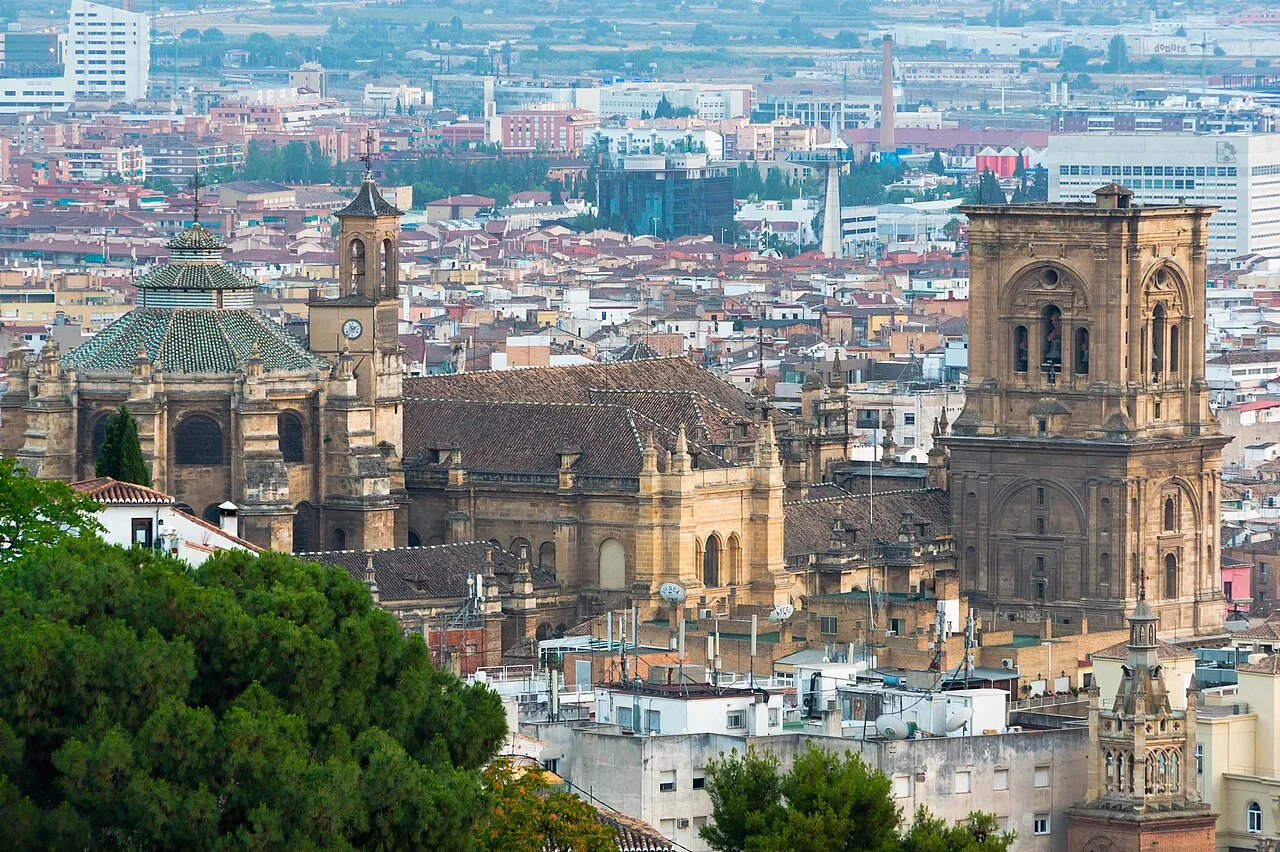
Raised on the site of the Nasrid main mosque, demolished for the purpose. Diego de Siloé redesigned it in 1528 as a Renaissance temple conceived as a hymn to light: dazzlingly white columns on tall pedestals and a circular main chapel twenty metres across inspired by the Holy Sepulchre. It took a hundred and eighty years to finish.

3Monastery of San Jerónimo

Monastery of San Jerónimo

📍 Calle Rector López Argüeta, 9

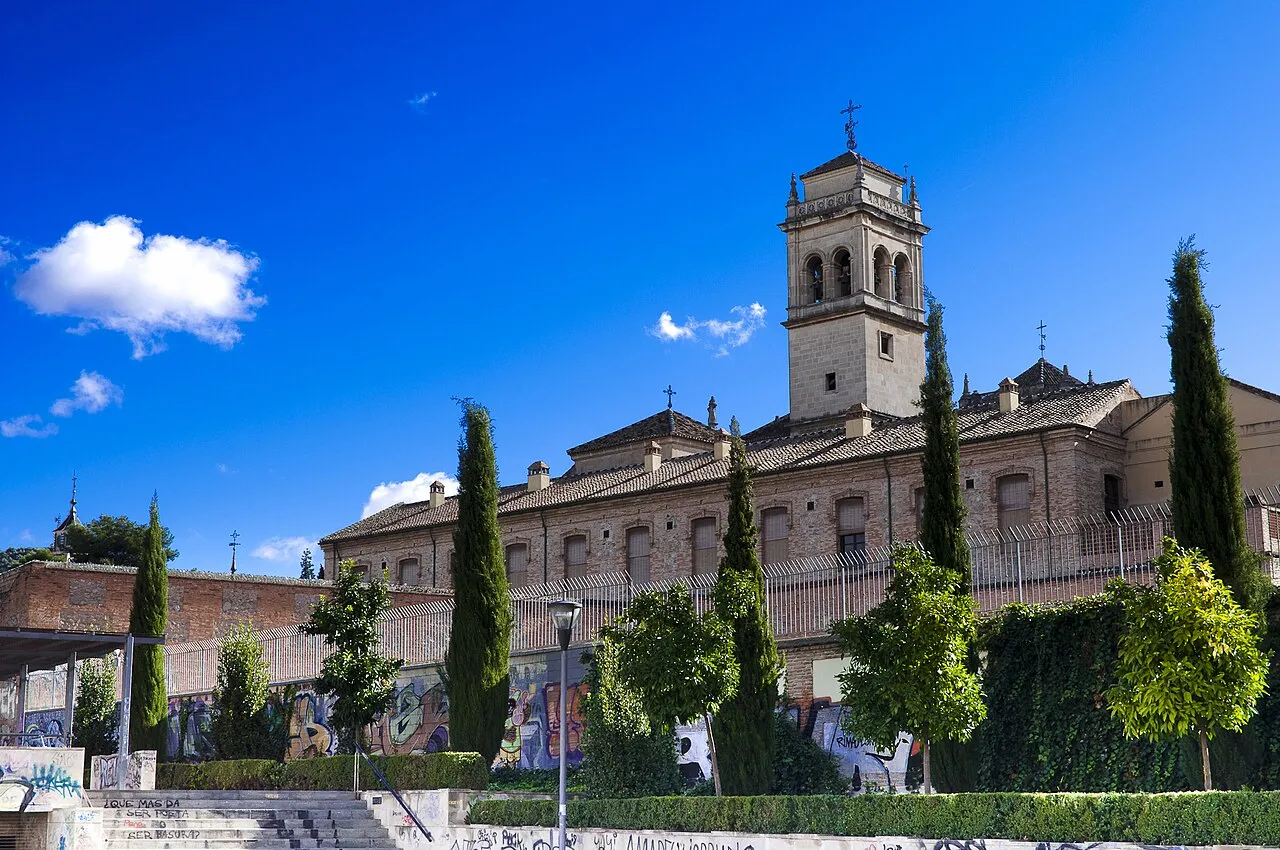
The first monastery founded in the city after the conquest, in 1492, and the mausoleum of the Gran Capitán, the soldier who reorganised the Spanish army and won Italy. Its main altarpiece is a mountain of gilded sculpture rising to the vault. The French blew up its tower to use the stone for a bridge. It is ten minutes from the centre and hardly anyone goes.

🎧 With Viavoy

Explore Granada at your own pace

Download the app and discover Granada offline, whenever you like. Take the walking tour The Cathedral, the Royal Chapel and the Center with a local guide in your ear.

Find out more about Viavoy →

Three ways of taking over a place

Replace, superimpose or insert.

The cathedral stands for the first strategy: replacing. The main mosque was pulled down and a completely new building was raised on top, keeping nothing. It is the most emphatic option and the one applied in most of the Andalusian cities conquered late.

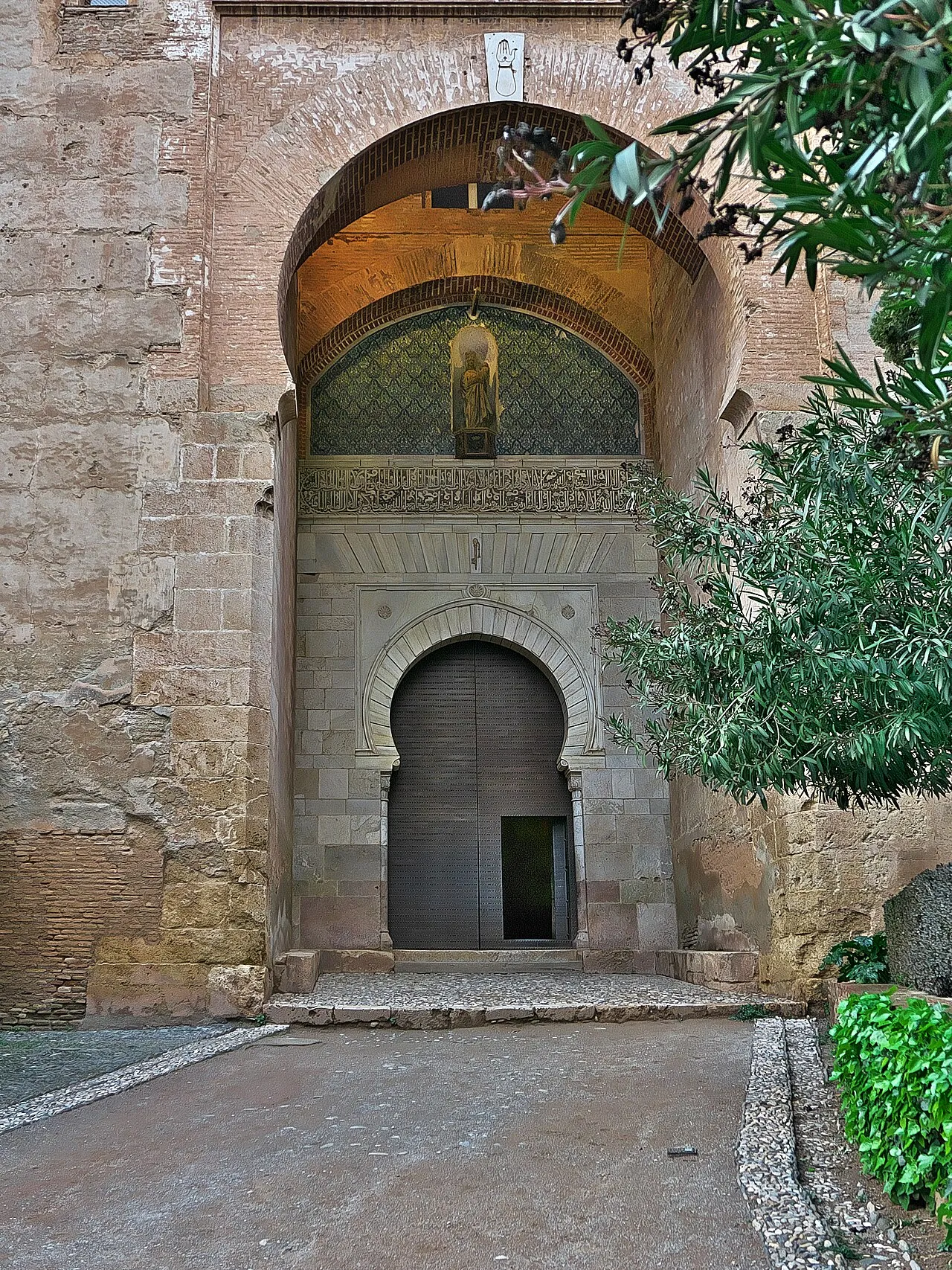
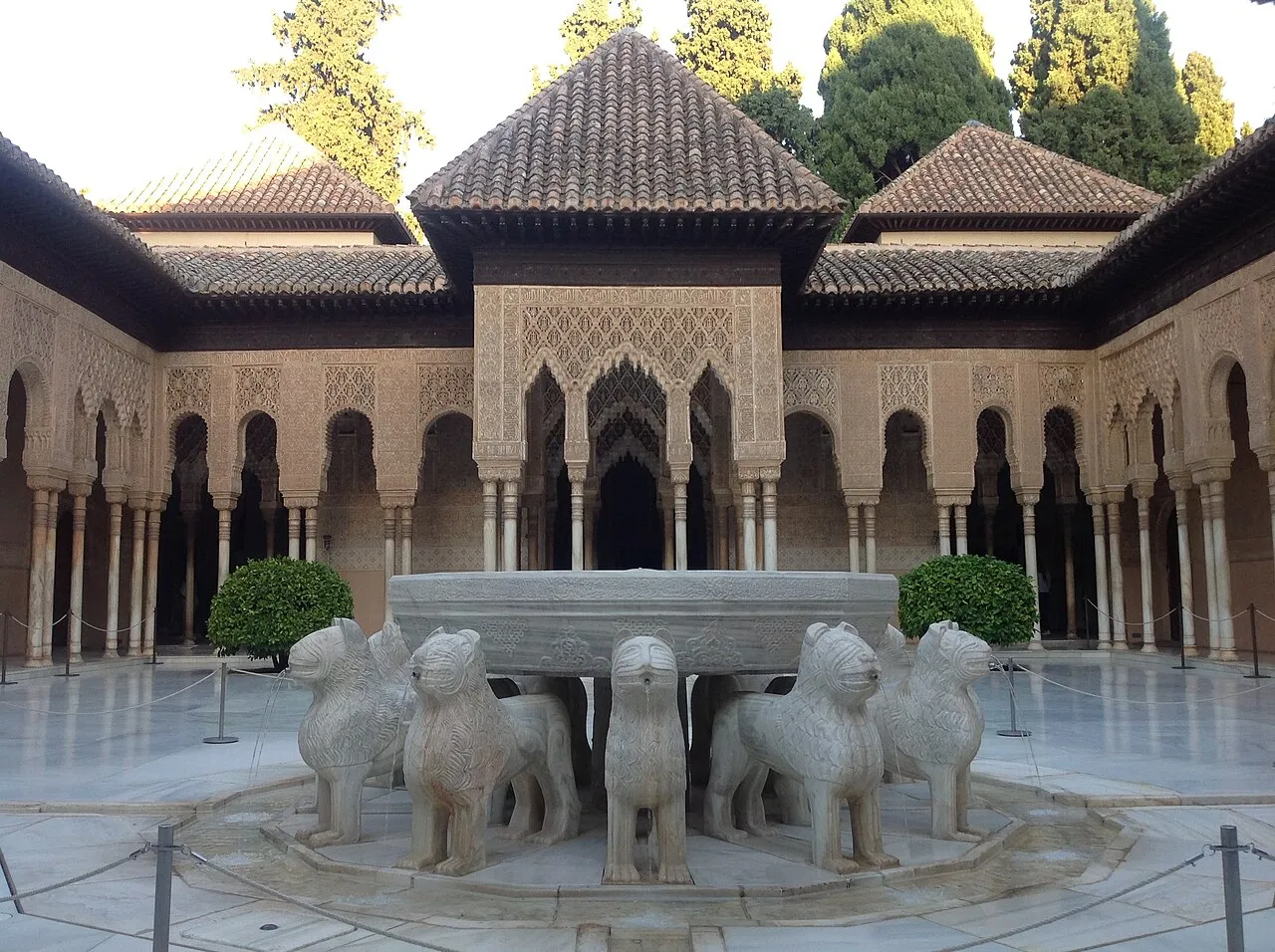
The Puerta de la Justicia of the Alhambra stands for the second: superimposing. The Catholic Monarchs placed a Virgin and Child above the second arch of the Nasrid gate, without removing the hand or the Arabic inscription. Adding without erasing, leaving both layers in view.

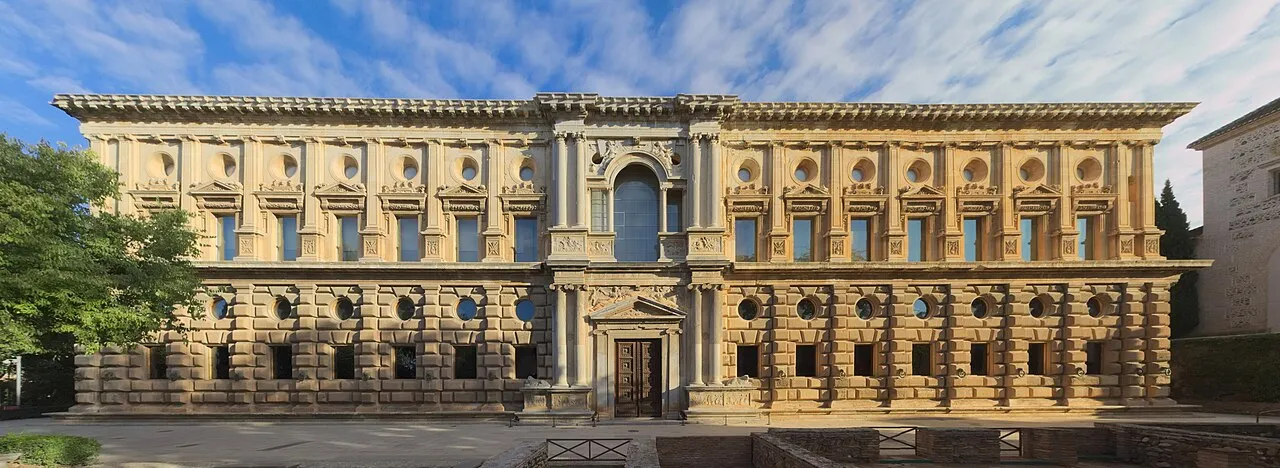
And the Palace of Charles V stands for the third: inserting. An Italian Renaissance building, with a circular courtyard inscribed in a square, planted literally inside the Nasrid complex, demolishing part of the palaces to make room for it. It is the most aggressive operation and also the one that produced the best architecture: it is the work of Pedro Machuca and has no equivalent in Spain.

The three attitudes coexist in the same city and sometimes in the same building. Seeing them one after another, in this order, explains the Spanish sixteenth century far better than any date.

4Gate of Justice

Gate of Justice

📍 Alhambra complex

The monumental Nasrid entrance of 1348, with the hand carved against the evil eye above the outer arch and, a few metres further in, the Virgin and Child that the Catholic Monarchs placed there around 1500 without removing anything of what was already there. Superimposing instead of replacing: both layers in view on the same wall.

5Palace of Charles V

Palace of Charles V

📍 Inside the Alhambra

A Renaissance cube with a circular courtyard inscribed in a square, planted inside the Nasrid complex and demolishing part of it to make room. The work of Pedro Machuca, who had worked in Italy, it is a building with no equivalent in Spain and the most aggressive gesture of the whole operation. Many consider it an intrusion; it is also architecture of the first rank.

6Corral del Carbón

Corral del Carbón

📍 Calle Mariana Pineda

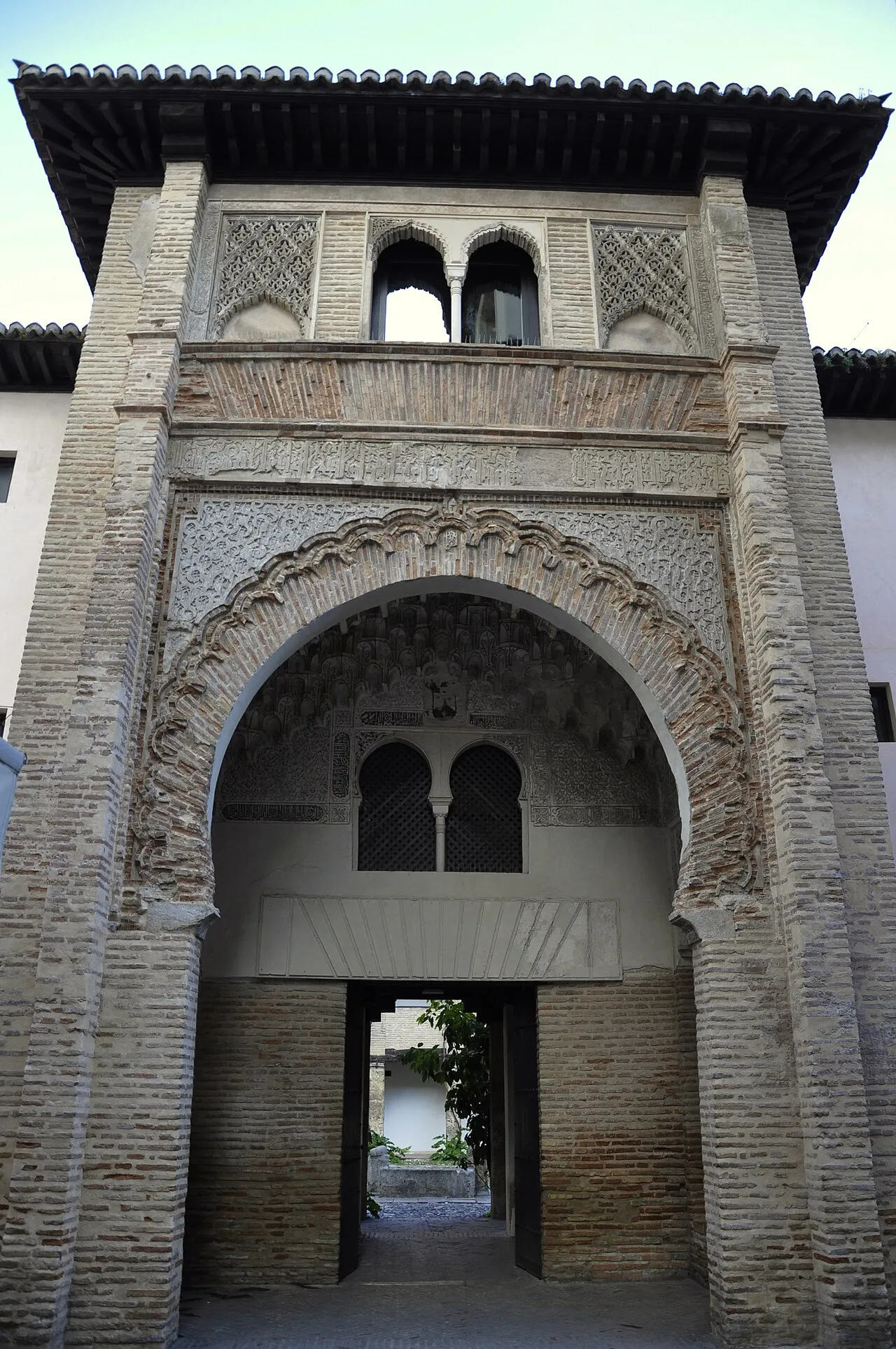
The other side of the coin: the only Nasrid alhóndiga that survives complete on the peninsula, and it survived precisely because it went on being useful for something — a coal store, a corral de comedias playhouse, a tenement. The Andalusi buildings that were left were not the most valuable but the most useful. Entry is free.

Frequently asked questions

Why are the Catholic Monarchs buried in Granada?

Because Isabella laid it down in her will, and the choice carried an obvious political charge: being buried in the last city conquered, the one that had put an end to eight centuries of Islamic presence on the peninsula, was a way of fixing the meaning of a whole reign. She could have chosen Toledo, Seville or Burgos. She died in 1504 and her remains waited in a convent in the Alhambra until the Royal Chapel was finished, in 1517.

What happened to the main mosque of Granada?

It was pulled down so that the cathedral could be raised on its site. It is the opposite strategy to the one used in Córdoba, where a cathedral was inserted inside the mosque and the mosque kept. In Granada complete replacement was chosen: nothing is left of that building. The city had no working mosque for more than five hundred years, until in 2003 the Mezquita Mayor de Granada opened next to the Mirador de San Nicolás.

What are the Capitulations of Granada?

The surrender agreement signed in November 1491 between Boabdil and the Catholic Monarchs, which guaranteed the Muslim population that they could keep their religion, their laws, their customs and their property. It was broken in less than a decade: forced conversions began in 1499 under Cardinal Cisneros, provoked the Alpujarras rebellion and finally led to the expulsion of the Moriscos in 1609.

Is the Palace of Charles V inside the Alhambra worth it?

Yes, even though it provokes rejection for what it stands for. It is a Renaissance building by Pedro Machuca, who had trained in Italy, with a circular courtyard inscribed in a square that has no equivalent in Spain and that surprises even those who arrive set against it. It was built by demolishing part of the Nasrid palaces to make room, so the intrusion is literal. Ten minutes are enough and they are worth it.

Which Andalusi buildings survive in Granada besides the Alhambra?

Far fewer than there once were, and almost all of them survived out of usefulness rather than respect. The main ones are El Bañuelo, an eleventh-century bathhouse on the Carrera del Darro; the Corral del Carbón, the only complete Nasrid alhóndiga on the peninsula; the Palacio de Dar al-Horra, in the Albaicín; the Cuarto Real de Santo Domingo, in El Realejo; and the Madraza, the old Nasrid university, which keeps its prayer hall. All of them can be visited and all of them are cheap.

What is celebrated on 2 January in Granada?

The anniversary of the Toma, the taking of the city by the Catholic Monarchs in 1492. It is a local holiday, with an official ceremony at the City Hall and the bell of the Torre de la Vela ringing all day long, heard across half of Granada. There is a popular tradition that an unmarried woman who manages to make it ring that day will marry before the year is out. The commemoration also sparks a public debate about its meaning every year.

How to see it in one morning

Start at the Royal Chapel, which opens early and is the smallest and the most intimate. Go down to the crypt: the contrast between the marble tombs above and the unadorned lead coffins below is the strongest moment of the whole morning.

Carry on to the cathedral, which is a separate building with its own entrance, and give time to the circular main chapel and to the canvases by Alonso Cano. Then five minutes to the Corral del Carbón, which is free and works as a counterpoint: what survived against what was built.

If you have time left, San Jerónimo is ten minutes away and is the most underrated monument in Granada. And the Monastery of La Cartuja, twenty minutes further on, has a Baroque sacristy reckoned among the most spectacular in Spain.

The Palace of Charles V is inside the Alhambra and you see it on the day you visit the complex. Set aside ten minutes for its circular courtyard: it is a space that surprises even those who arrive determined not to like it.

Practical information

The routeRoyal Chapel → cathedral → Corral del Carbón → San Jerónimo. One morning.
TicketsThe Royal Chapel and the cathedral are separate, around 6 € each. Corral del Carbón, free.
Key date2 January: the anniversary of the taking of the city, with the bell of the Torre de la Vela ringing all day.
The underratedSan Jerónimo and La Cartuja. Both almost empty and both extraordinary.
Inside the AlhambraThe Palace of Charles V, with its circular courtyard. Ten minutes and worth it.
ContextThe Capitulations of 1491 guaranteed the Muslim religion. They were broken in less than a decade.
On the map

🎧 With Viavoy

Walk Granada and listen at your own pace

Download Viavoy and walk Granada offline, whenever you like.

from 2,99 €· one-off payment
City Pass · 9,99 €3 days, all the tours in Granada
Find out more about Viavoy →
Viavoy app

Keep reading

More articles

Itineraries

Granada in 2 days: the Alhambra, the Albaicín and everything that fits in between

What to see

Visiting the Alhambra: tickets, timings and the mistake that ruins the visit

Neighbourhoods

El Albaicín: the neighbourhood where Granada is still Andalusi

Festivals & traditions

Holy Week in Granada: the silence of the Albaicín and the Cristo de los Favores