The Jewish Quarter of Segovia: walking on an absence
One of the most powerful Jewish neighbourhoods in Castile, with its street pattern intact and its owners gone five centuries ago. The synagogue that is now a church and the cemetery cut into the rock.
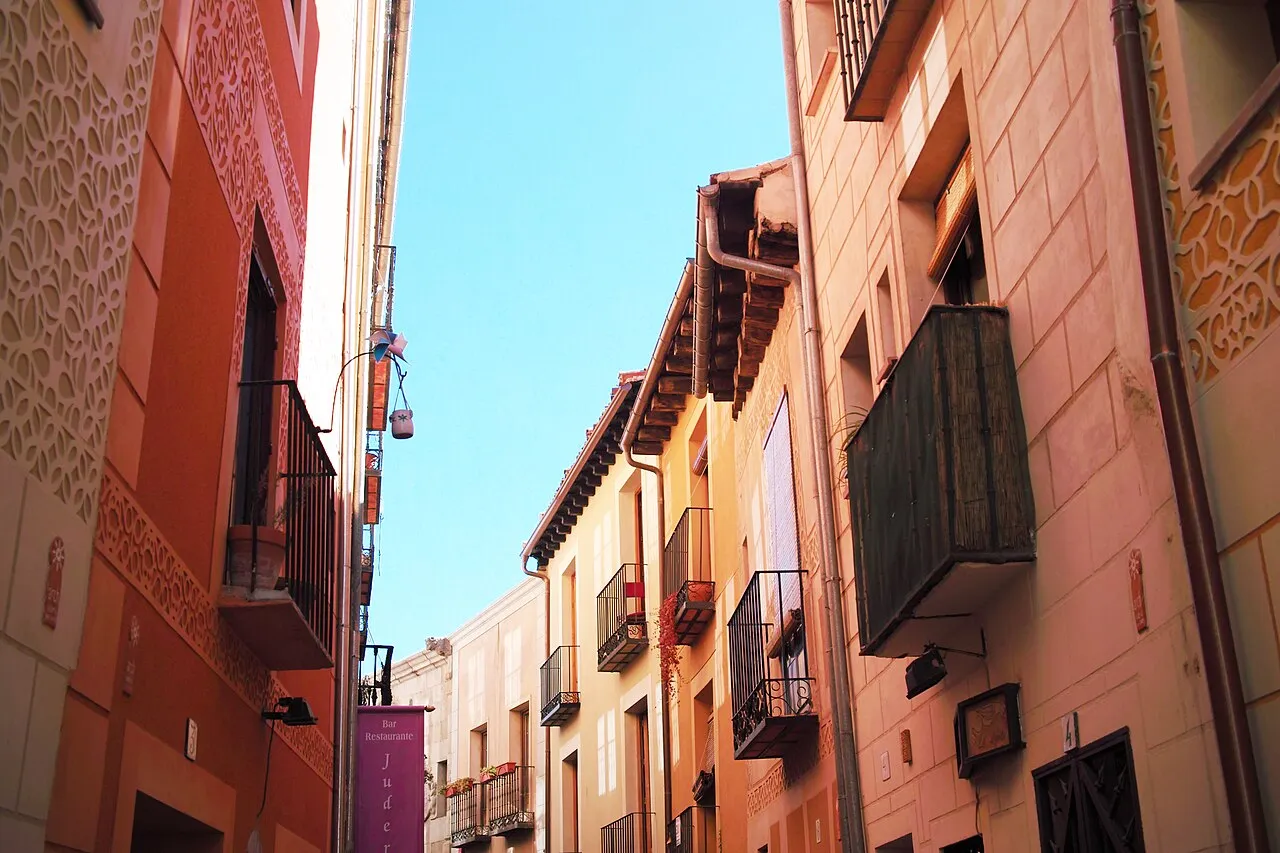
It is two minutes from the Plaza Mayor and the change is immediate: narrow sloping alleys, whitewashed houses and a thick silence. One of the most important Jewish communities in Castile lived here, and today you walk on an absence. The streets are still there with their names and their stone lintels, but their owners left more than five centuries ago.
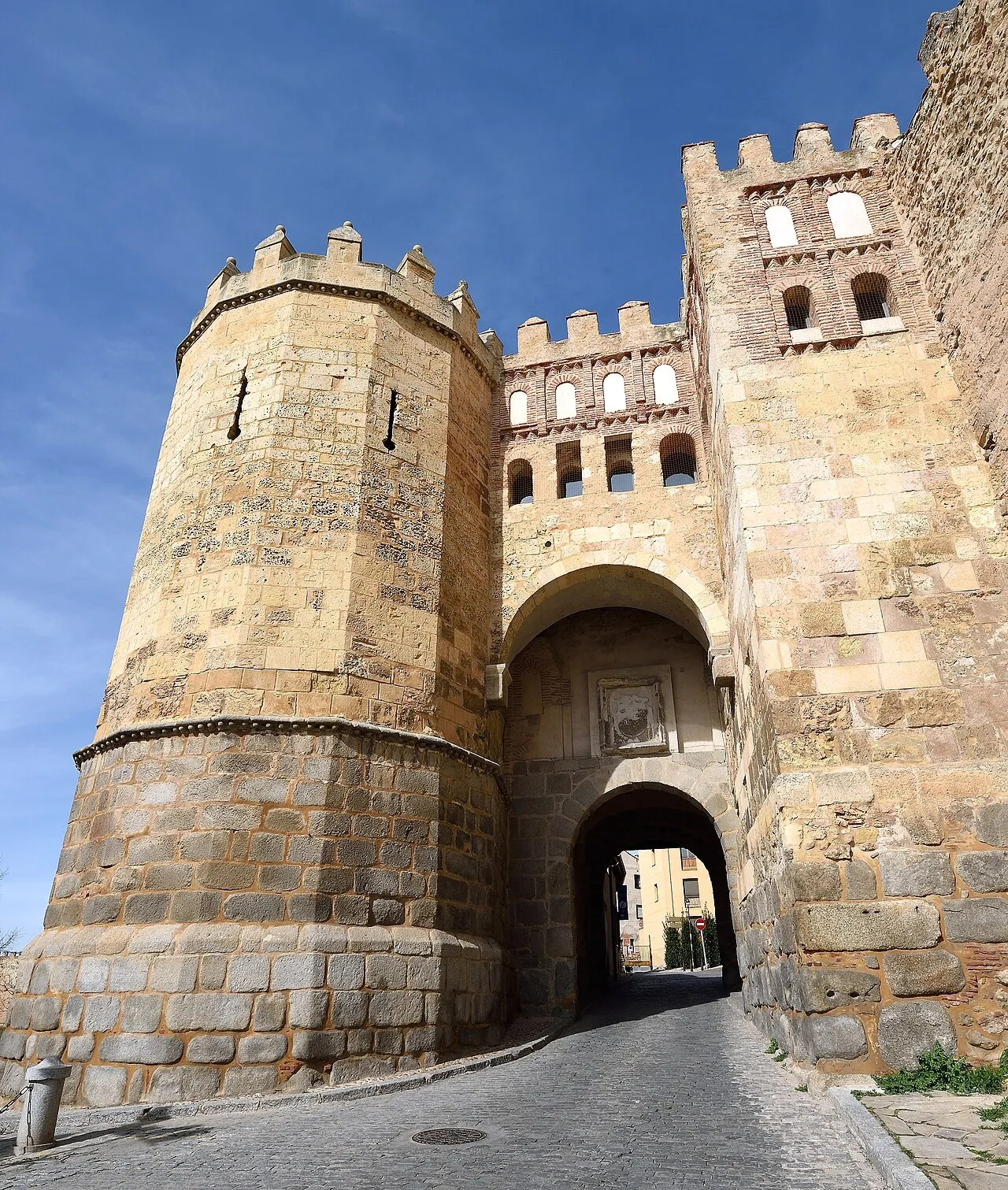
Going down through the Puerta de San Andrés you reach the Clamores valley, where the Jewish cemetery lies with its anthropomorphic graves cut into the rock. It is the most eloquent point of the route and almost nobody goes down.
A community at the centre of power
Moneylenders, doctors, translators and a royal treasurer.
Through the Middle Ages, Segovia was home to a large and prosperous Jewish quarter, packed into this maze of streets in the very heart of the old city, with workshops, several synagogues, a kosher butcher, schools and a hospital of its own. It was not a marginal ghetto: it was the economic centre of the city.
The community lent money to the crown, traded, practised medicine and knew Hebrew, Arabic and Latin at a time when the vast majority of the population could not read. That threefold linguistic competence made it indispensable to Castilian administration and diplomacy.
Abraham Seneor came from here, and rose to be chief rabbi of Castile and treasurer to the Catholic Monarchs, one of the most powerful men in the kingdom. He lived in these very streets, and his house today holds the Centro Didáctico de la Judería.
The quarter occupies the southern slope of the spur, between the cathedral and the wall, with narrow, broken streets dropping towards the Puerta de San Andrés. The medieval street pattern is practically intact, and it is the quietest and least walked area of the whole old town.
An open, free quarter, five minutes downhill from the Plaza Mayor. The Centro Didáctico, in what was Abraham Seneor's house, is small, cheap and very useful as an introduction before walking the streets. Go late in the day, when the quarter is empty.
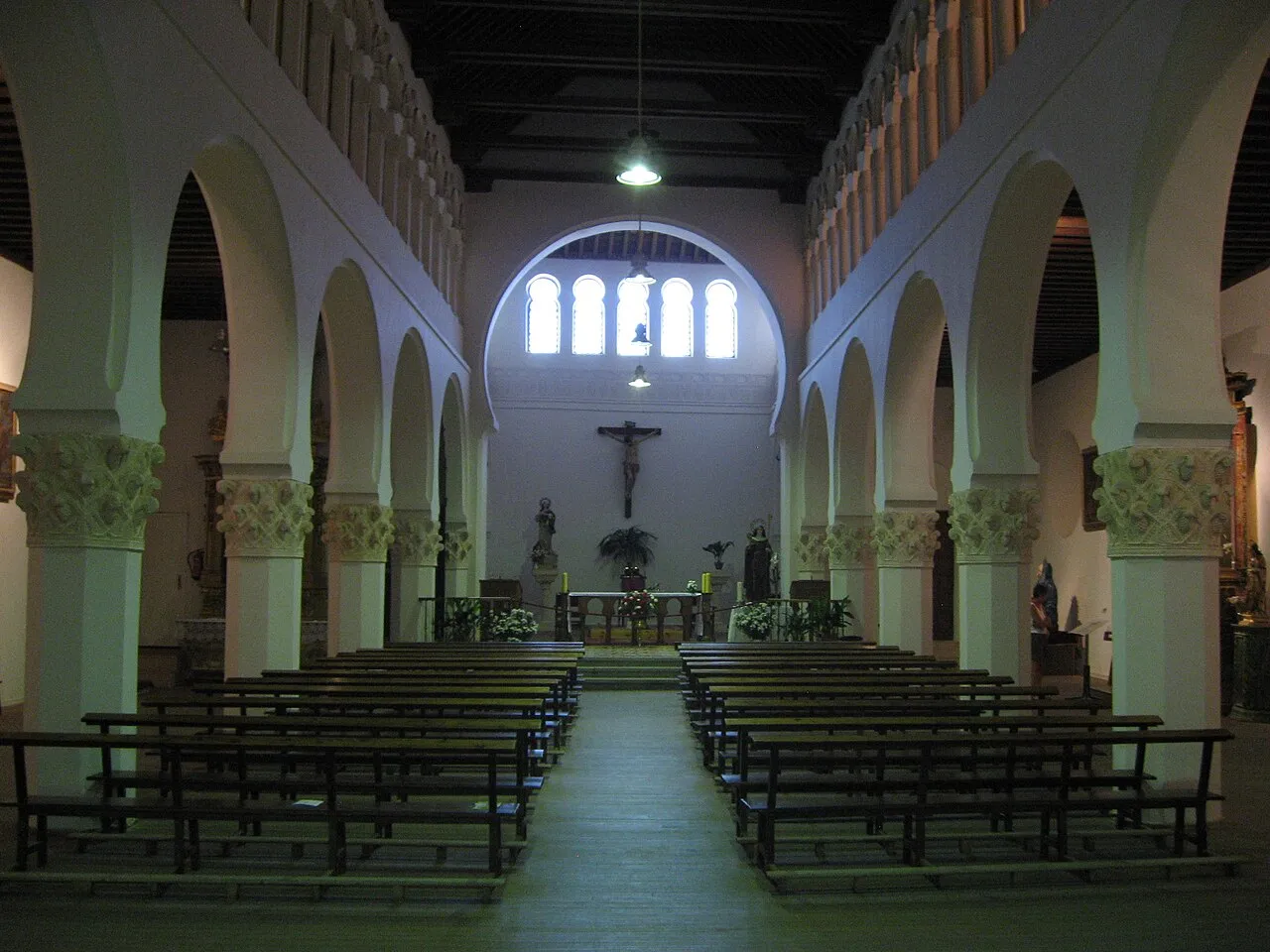
The church of Corpus Christi, the former Great Synagogue
📍 Calle del Corpus
The quarter's main synagogue, turned into a church around 1410-1420, long before the expulsion, and preserving its original structure beneath that function: a nave with horseshoe arches on octagonal pillars, very close to Santa María la Blanca in Toledo. Seeing that interior is understanding what was lost.
Everything broke with the edict of expulsion signed by the Catholic Monarchs. Anyone who would not convert had to leave, abandoning house, business, books, graves and memory, with very short deadlines and under forced-sale conditions that ruined most of them.
The quarter emptied at a stroke and the properties passed into Christian hands within months. The synagogues became churches or warehouses, and the street names were gradually replaced. What remains today is above all the street pattern and a few converted buildings.
The case of Abraham Seneor illustrates the dilemma of the moment. He, chief rabbi and royal treasurer, took the hardest decision: instead of leaving he was baptised that same year with the monarchs themselves as godparents and took the name Fernán Pérez Coronel. He kept his position, and many of his own people never forgave him.
On the slope opposite, on the other side of the Clamores valley, lies the cemetery, with anthropomorphic graves cut directly into the rock and plainly visible. You reach it by going down through the Puerta de San Andrés, access is free, and it is probably the place that says most on the whole route.
How to walk it
What works is to start at the Centro Didáctico, in Seneor's house, which explains in twenty minutes who lived here and how, and then to walk the quarter with that in your head. Without that context, the streets are just pretty narrow streets.
Then the church of Corpus Christi, which was the Great Synagogue and keeps its structure of a nave with horseshoe arches on octagonal pillars. Seeing that interior knowing what it was is what turns the visit into something more than a stroll.
And go down. Out through the Puerta de San Andrés into the Clamores valley, looking up at the walls and across at the cemetery slope. The contrast between the tight-packed city above and the emptiness of the valley explains rather well what all this is about.
Allow a good hour with the cemetery included. And go late in the afternoon: the quarter is empty, the low light over the valley does its work and the silence, which is half of what you come here for, is total.
3
Puerta de San Andrés
📍 Wall, southern exit of the Jewish Quarter
The gate through which the quarter opened onto the valley, with an albarrana tower and a wall-walk you can visit that commands the Clamores. It is also the start of the descent to the Jewish cemetery and to the path that circles the city outside the wall.
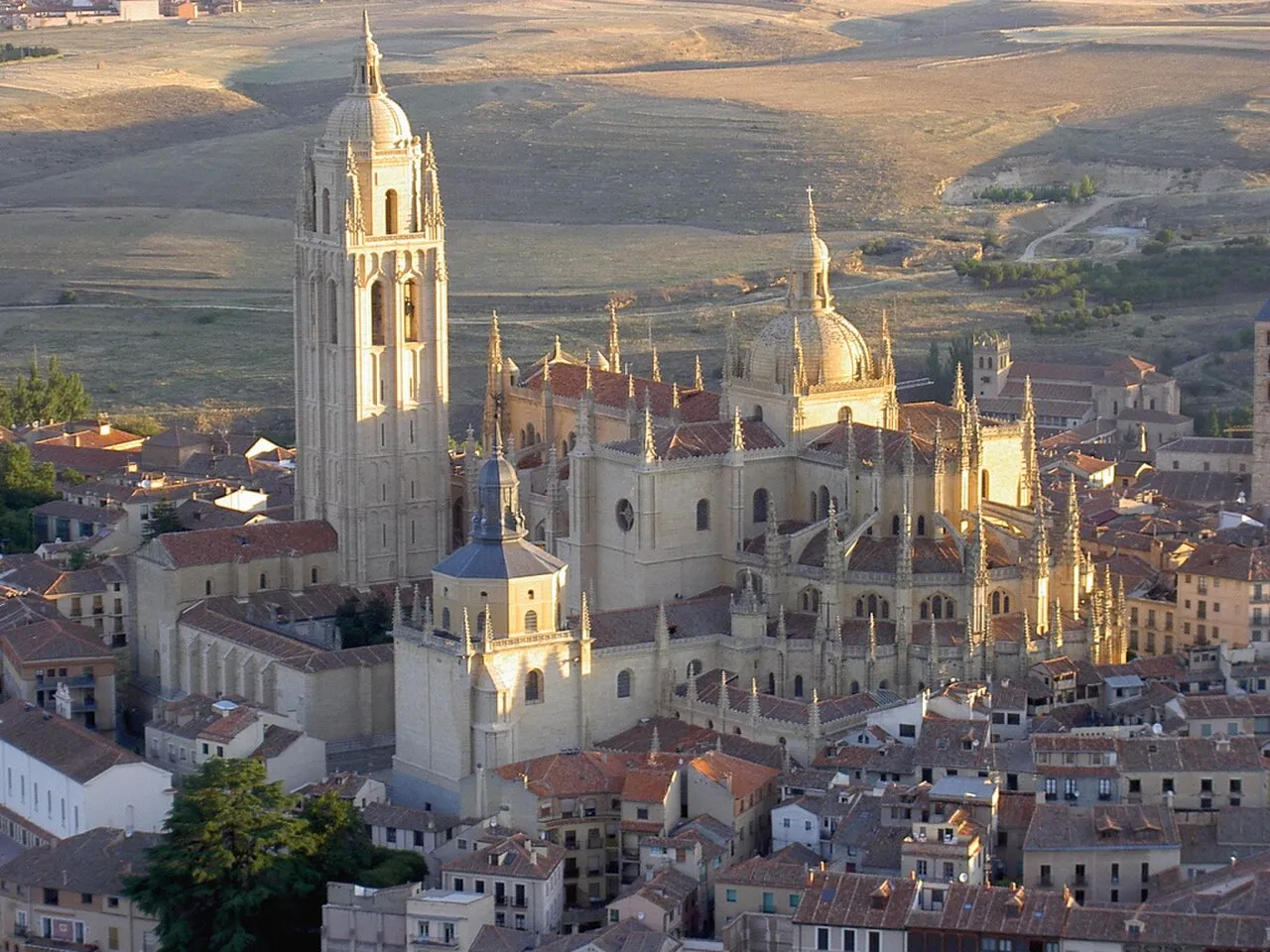
The starting point of the descent into the Jewish Quarter, five minutes away. It is worth seeing first, because the contrast between the scale of the cathedral and the narrowness of the quarter below says a good deal about how power was organised in the medieval city.
The medieval street pattern practically intact — narrow, broken streets dropping towards the wall — the former Great Synagogue turned into the church of Corpus Christi, Abraham Seneor's house which is today an interpretation centre, and the Jewish cemetery on the slope of the Clamores valley, with graves cut into the rock.
Who was Abraham Seneor?
Chief rabbi of Castile and treasurer to the Catholic Monarchs, one of the most powerful men in the kingdom, and a resident of this quarter. After the edict of expulsion of 1492 he chose to be baptised, with the monarchs themselves as godparents, and took the name Fernán Pérez Coronel. He kept his position, and many of his own people did not forgive him.
Can you visit the former synagogue?
Yes. The Great Synagogue became the church of Corpus Christi around 1410-1420, long before the expulsion, and preserves its original structure beneath that function: a nave with horseshoe arches on octagonal pillars, very close to Santa María la Blanca in Toledo. It has its own inexpensive entrance fee and reduced opening hours.
Where is the Jewish cemetery?
On the slope of the Clamores valley, opposite the wall, and you reach it by going down through the Puerta de San Andrés. The graves are cut directly into the rock, in anthropomorphic shapes, and are plainly visible. Access is free and it is the point that says most on the whole route, although almost nobody goes down.
How long does it take to walk the quarter?
A good hour including the Centro Didáctico, the church of Corpus Christi, the streets and the walk down to the cemetery. It is a small quarter but on a continuous slope, and it is worth taking slowly. The best thing is to do it late in the afternoon, when it is empty.
Is the Centro Didáctico worth it?
Very much so, and it is worth starting there. It is in what was Abraham Seneor's house, it is small, it is cheap and it explains in twenty minutes who lived in this quarter and how. Without that context, the streets are just narrow pretty streets; with it, the walk changes meaning completely.
Practical information
WhereSouthern slope of the old town, between the cathedral and the Puerta de San Andrés.
DurationA good hour with the cemetery included.
Start withThe Centro Didáctico, in what was Abraham Seneor's house. Small and cheap.
Don't missThe church of Corpus Christi, the former Great Synagogue, with its horseshoe arches.
Go downThrough the Puerta de San Andrés into the Clamores valley. The cemetery is free to enter.
Best timeLate in the afternoon: empty quarter, low light over the valley and total silence.
On the map
🎧 With Viavoy
Walk Segovia and listen at your own pace
Download Viavoy and walk Segovia offline, whenever you like.
from 3,99 €· one-off payment
City Pass · 9,99 €3 days, all the tours in Segovia