El Pilar and la Seo: the two cathedrals of Zaragoza
Two unsignposted domes by Goya, two bombs that did not go off, a Mudéjar wall on a side street almost nobody walks round and the best collection of Gothic tapestries in the world.
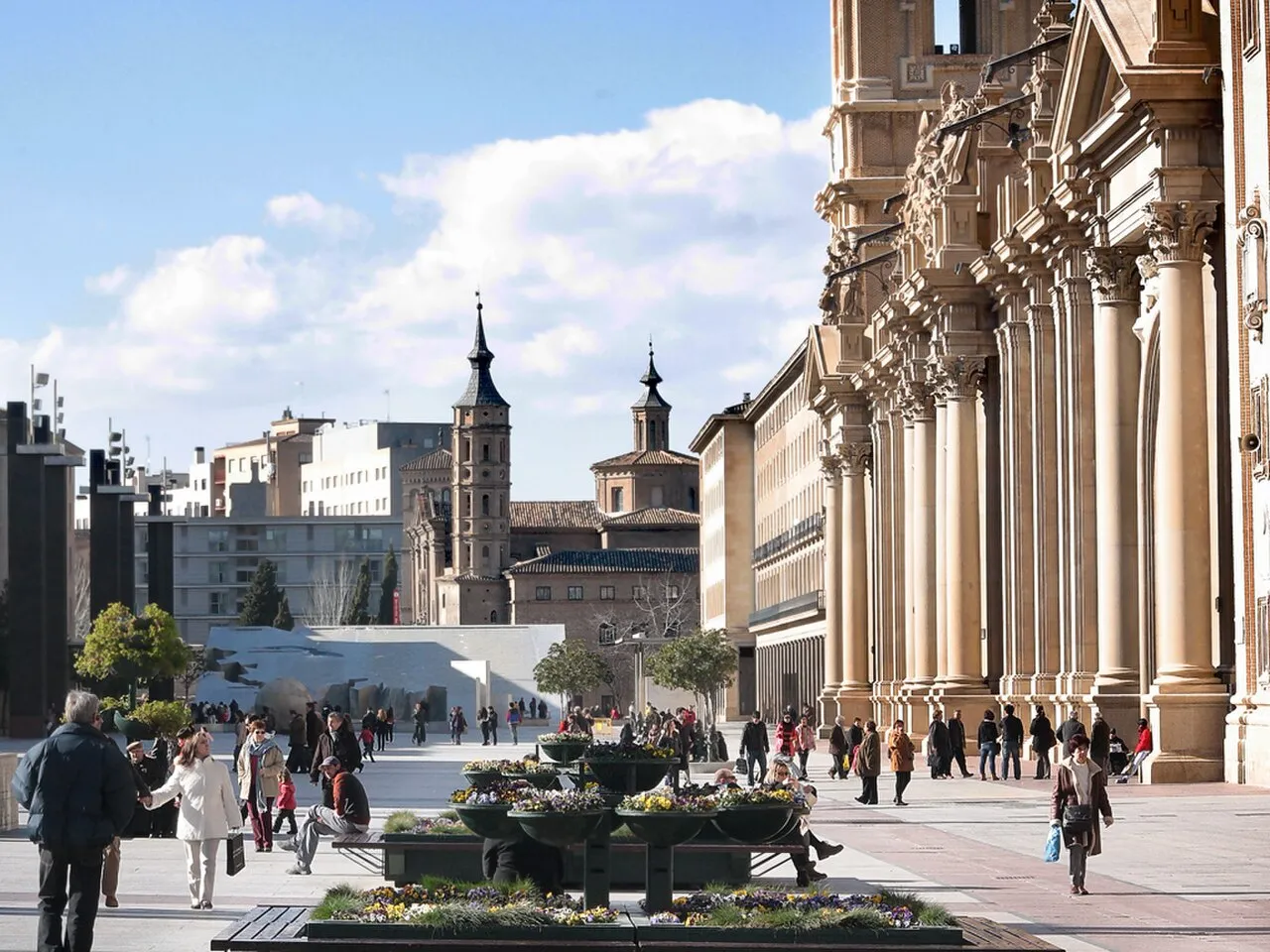
Zaragoza has two cathedrals at either end of the same square, and they have shared the title since the seventeenth century because of a dispute settled in Solomonic fashion: neither of the two gave way, so the chapter was unified and both are cathedrals. The famous one is the Pilar. The one almost everybody skips, and the one that pays off most, is la Seo.
The Mudéjar wall of la Seo, a World Heritage Site, is on the side that faces the street, not the square. A great many people go in and out of the building without seeing it, even though it is the most singular thing it has.
El Pilar: Goya, bombs and a date
Three things to look for inside.
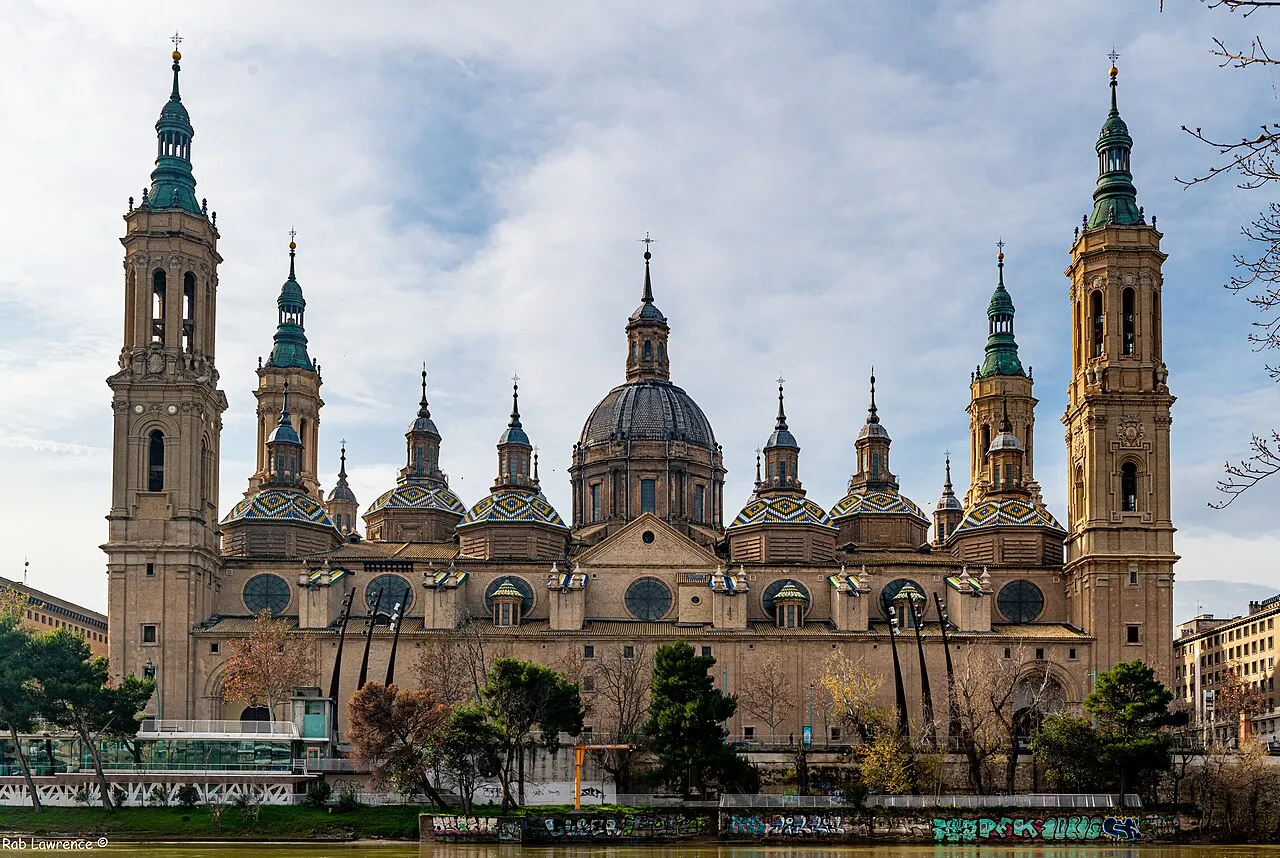
The present church was begun in 1681 and its towers were not finished off until the twentieth century, which explains why the whole thing reads as an accumulation: four towers, eleven domes of glazed tile in blue, white, green and yellow, and a central lantern tower over an enormous rectangle.
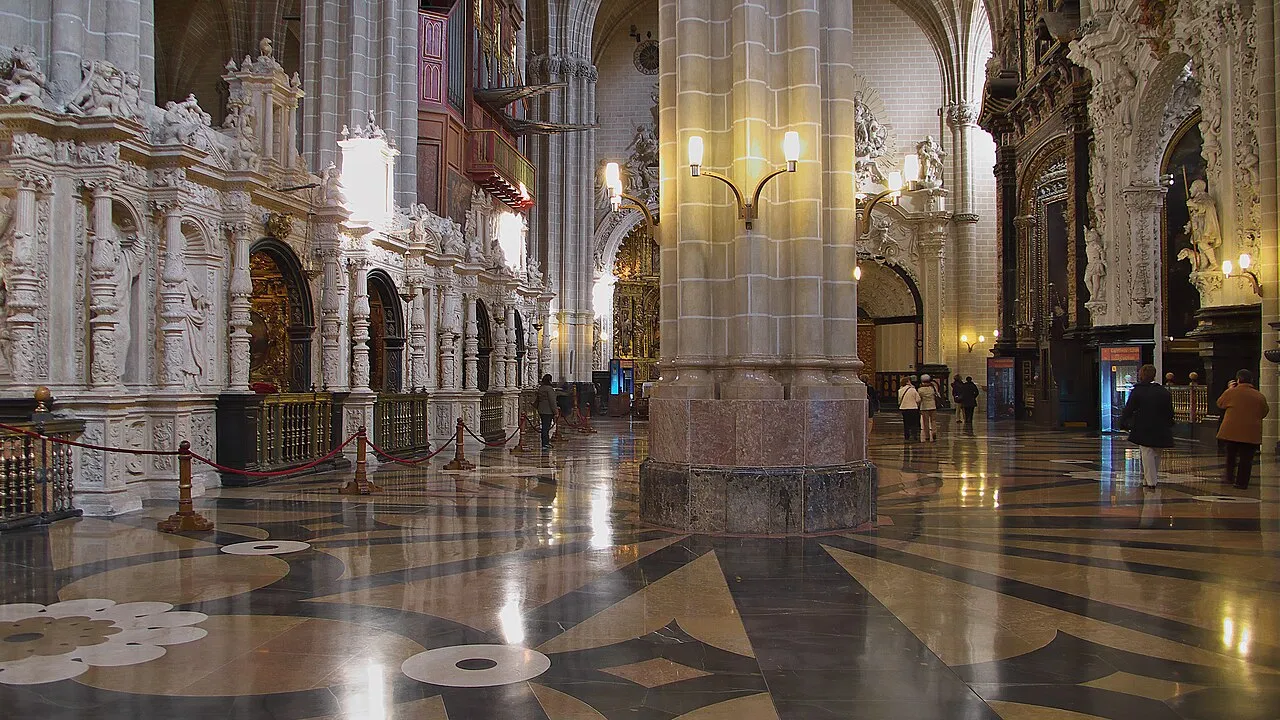
The first thing to look for inside are the domes painted by Goya. There are two, “Regina Martyrum” and the one over the coreto, and he painted them as a young Aragonese man, in one of the first important commissions of his career. They are not obviously signposted: you have to look up and find them.
The second is two aircraft bombs from the Civil War hanging from a pillar beside the Santa Capilla. They fell on the basilica in 1936 and never went off. The city kept them and put them on show, rusted and with their label, in one of the strangest gestures you can see in a Spanish church.
And the third is a date. On the 2nd, the 12th and the 20th of each month the column is shown without the embroidered mantle that covers it the rest of the year, letting you see its worked silver casing. It is a detail very few people know about and which, if your trip coincides, changes the visit.
The Santa Capilla, the marble and bronze shrine that holds the column, was designed by Ventura Rodríguez in the eighteenth century: it is a complete building inside the nave, with a dome of its own. The church is free to enter; the museum and the climb up the tower are paid for separately.
One of the largest in Europe, and its present shape is from the eighties: the blocks that separated the monuments were knocked down to join them into a single space. The complete view of the buildings was gained and historic fabric was lost. There is hardly any shade.
Download the app and discover Zaragoza offline, whenever you like. Take the walking tour El Pilar, La Seo and the Ebro riverfront with a local guide in your ear.
Before going in you have to walk round the building and look for the outer wall of the chapel of San Miguel, the parroquieta, the little parish church. It is a panel of brick and green and white glazed ceramic from the fourteenth century, with geometric interlace covering the whole surface like a tapestry, and it is a declared World Heritage Site.
The technique is what impresses: brick laid proud of the surface to create the design through shadow, combined with inlaid tiles. The whole effect is achieved with the cheapest material there is, and that is the foundation of Aragonese Mudéjar, born out of the lack of good stone in the Ebro valley.
Inside, five naves at the same height, on a hall-church plan, with an octagonal lantern tower decorated with Mudéjar plasterwork and a fifteenth-century high altarpiece in polychrome alabaster, the work of Pere Johan and Hans of Swabia. The building stands over the temple of the Roman forum and later over the main mosque.
But what makes la Seo unique is the Tapestry Museum: some sixty Flemish pieces from the fifteenth to the seventeenth centuries, many of them large-format, considered the best collection of Gothic tapestries in the world, above that of any national museum. It has survived here because the chapter never sold them.
And what lies underneath
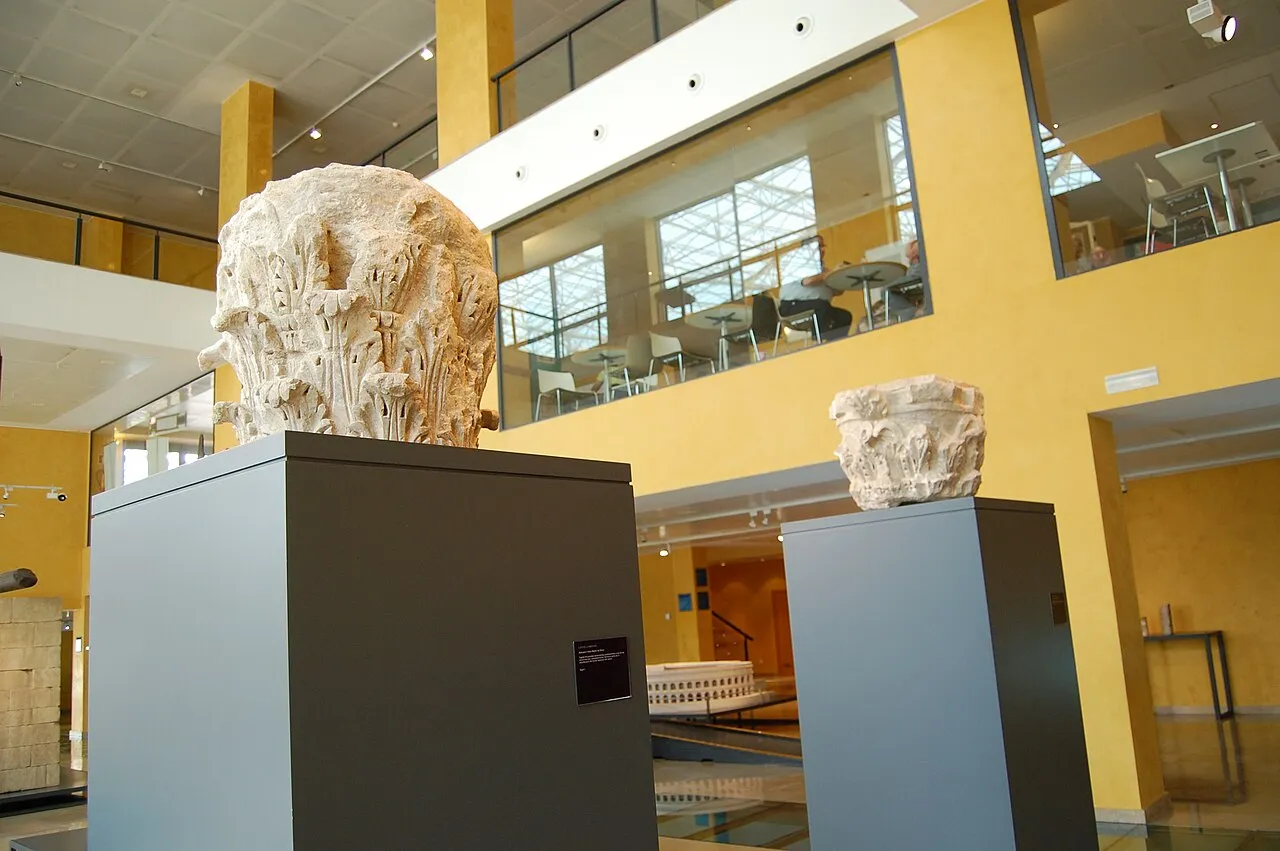
Between the two cathedrals, beneath the paving of the square, is the Museum of the Forum of Caesaraugusta. You go down a staircase from the ground itself and the Roman public square appears: foundations of the temple, remains of the porticoes, water channels and a walkable stretch of vaulted sewer.
The coincidence is remarkable: the public square of the Roman city and that of the present city occupy roughly the same place. Two thousand years later, the civic centre of Zaragoza is still exactly where Augustus's engineers put it.
And a few metres away, the Museum of the River Port, which documents something surprising: Zaragoza is three hundred kilometres from the sea and it had a port, because the Ebro was navigable this far up and river transport worked out incomparably cheaper than transport by land.
The four monuments on the square plus the two Roman museums comfortably fill a day. And when you go down to the river, the Puente de Piedra: cross it all the way and turn round from the other bank, which is where the image that sums up the city is.
The ticket, around 7 €, includes the Tapestry Museum, which is what justifies the visit: give it at least twenty minutes even if tapestries are not what you expected to find. Restricted hours during services.
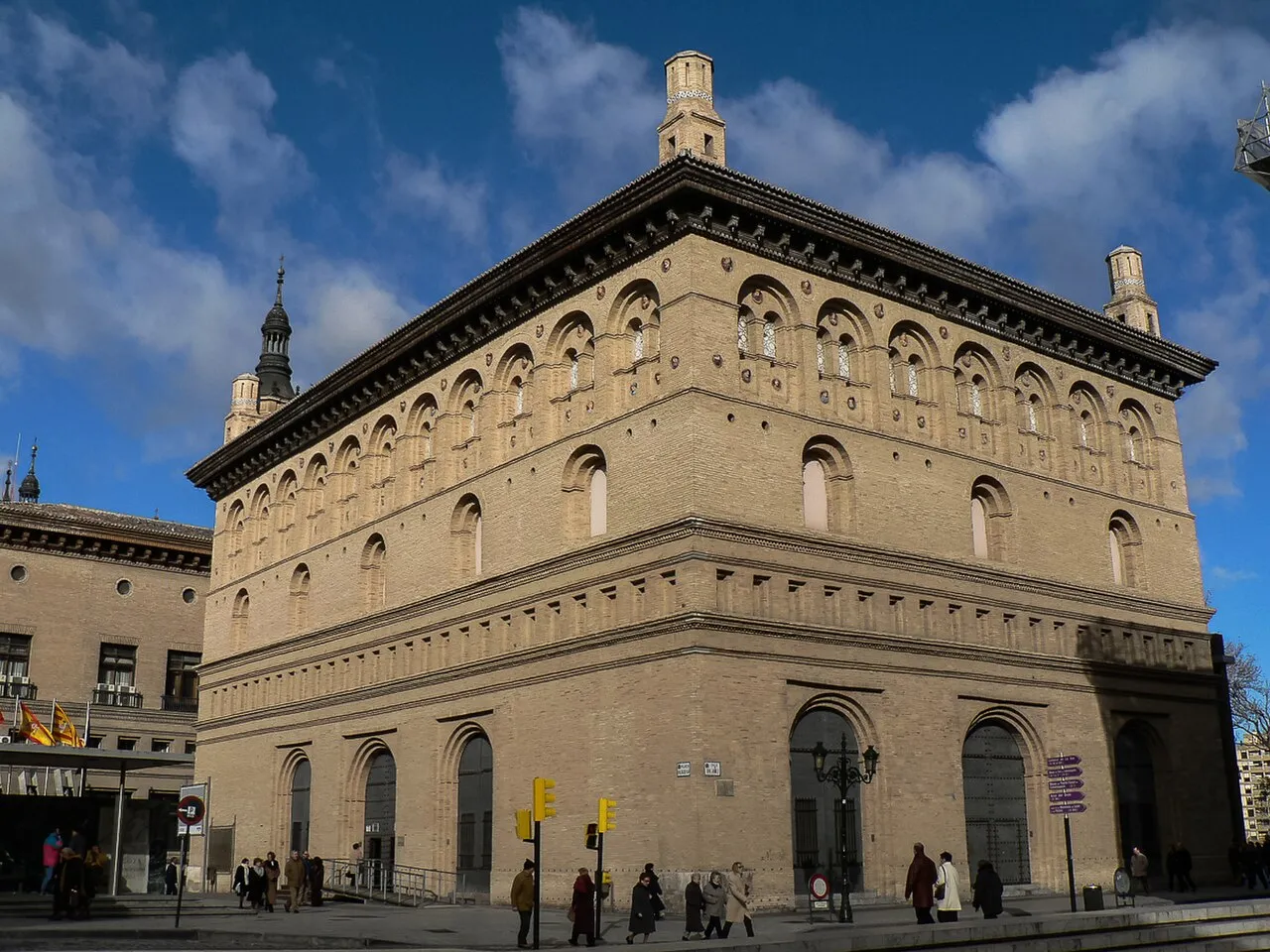
The fourth monument on the square, and the most overlooked despite being free. A great Renaissance hall with eight ringed columns and star vaults, built in the sixteenth century so that merchants could close their deals with witnesses and rules.
Included in the combined ticket for the Caesaraugusta Route, much cheaper than the four visits separately. Of the four Roman museums, it is the one that gives the best general context: it is worth doing first.
Because of a historic dispute between the chapters of the Pilar and of la Seo that was settled in the seventeenth century in Solomonic fashion: instead of one of them giving way, the chapters were unified and both kept cathedral rank. They stand at either end of the same square, five minutes' walk from one another.
Where are the Goya domes?
In the Basílica del Pilar, and they are not obviously signposted. They are “Regina Martyrum” and the one over the coreto, painted by Goya as a young man in one of the first important commissions of his career. You have to look up and find them, because nobody points them out from the floor.
Is the story about the bombs true?
Yes. Two aircraft bombs fell on the basilica in 1936, during the Civil War, and never went off. The city kept them and today they hang from a pillar beside the Santa Capilla, rusted and with their explanatory label. It is one of the most unlikely objects you can see in a Spanish church.
What is the Mudéjar wall of la Seo?
The outer face of the chapel of San Miguel, known as the parroquieta: a fourteenth-century panel of brick laid proud of the surface and green and white glazed ceramic, with interlace covering the whole surface. It is a declared World Heritage Site and it is on the side that faces the street, not the square.
Is the Tapestry Museum worth it?
Very much so, even if it is not what you expect to find in a cathedral. It brings together some sixty Flemish pieces from the fifteenth to the seventeenth centuries, many of them large-format, and it is considered the best collection of Gothic tapestries in the world. It has survived here because the chapter, unlike others, never sold them.
What are the 2nd, the 12th and the 20th?
The only days of the month when the column of the Pilar is shown without the embroidered mantle that covers it the rest of the time. It is a little-known detail worth bearing in mind when planning the trip, because it lets you see the column's worked silver casing, which most visitors never get to do.
Practical information
El PilarThe church is free. Museum and climb up the tower, around 3 € each.
La SeoAround 7 € with the Tapestry Museum included. Restricted hours during services.
What to look forThe two Goya domes and the 1936 bombs in the Pilar; the Mudéjar wall on the side of la Seo.
DatesOn the 2nd, the 12th and the 20th of each month the column is shown without its mantle.
FreeThe Lonja, on the same square, with a remarkable Renaissance interior.
DurationA day for the four monuments on the square and the Roman museums underneath.
On the map
🎧 With Viavoy
Walk Zaragoza and listen at your own pace
Download Viavoy and walk Zaragoza offline, whenever you like.
from 2,99 €· one-off payment
City Pass · 9,99 €3 days, all the tours in Zaragoza