1
Central Market
📍 Next to the Rambla
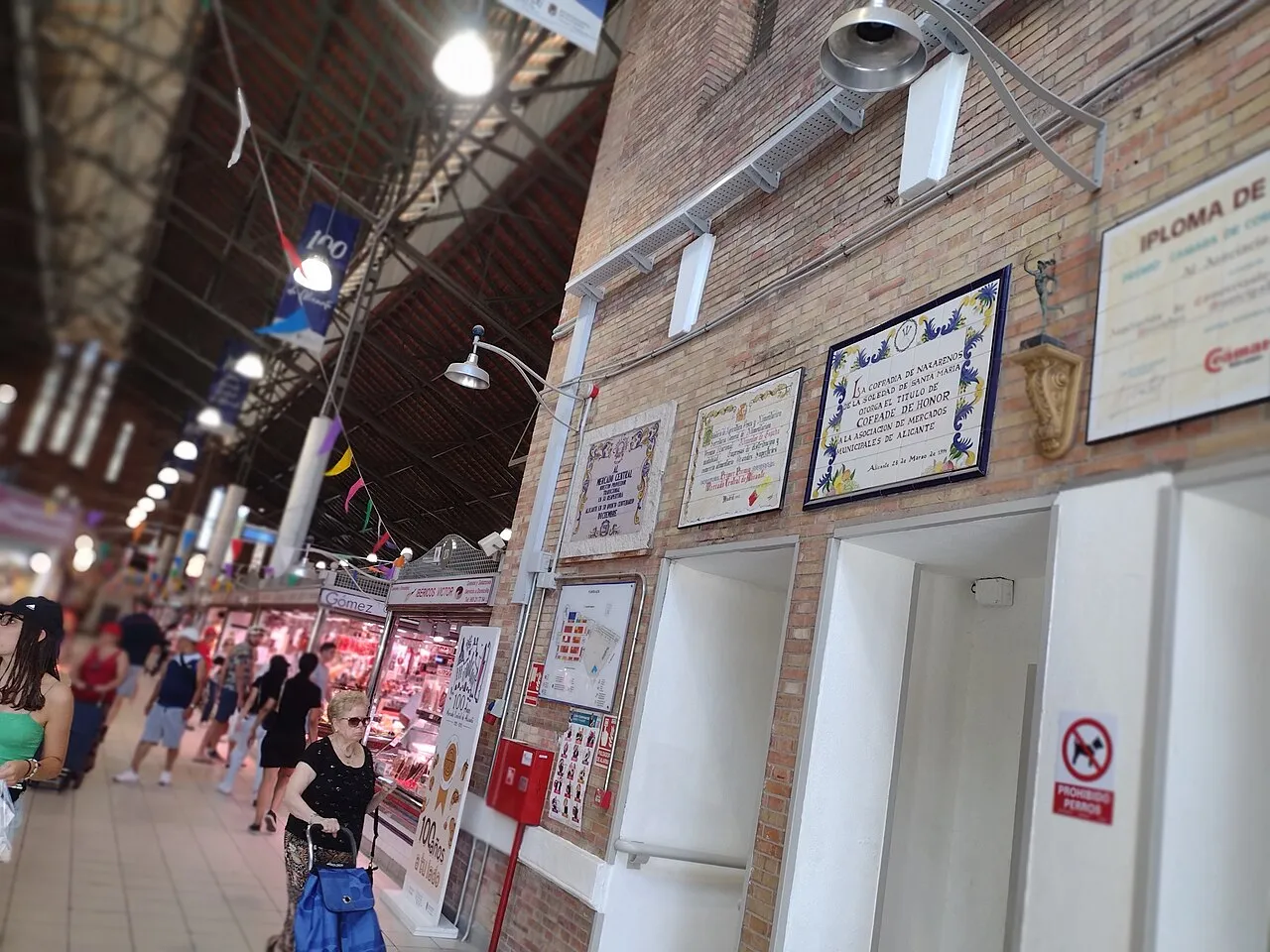
It still works as a market, with almost three hundred stalls and cheerful clamour every day. Go up the steps and look at the façade knowing what these walls saw on 25 May 1938, mid-morning.
The last big Republican city to fall, a bombing that was covered up for decades and a British ship that saved 2,638 people. A two-hour route that almost nobody walks.
🎧 On the walk The Explanada, the port and the PostiguetAlicante was the last big city of the Republic to fall, in March 1939, and that turned it into the point where everything in flight converged. Its urban centre holds four settings from that history which people cross every day without looking at them: a market, a square, a bullring and a quay.
That day, mid-morning, Italian bombers of the Aviación Legionaria, which Mussolini had placed at Franco's service, took off from their bases in Mallorca, crossed the sea and unloaded over the centre of Alicante. They arrived by surprise and there was barely time to raise the alarm.
They hit the Central Market, full of people doing their shopping, and a vegetable market in the neighbouring plaza de Balmes. The result was a massacre: more than three hundred dead, among them ten children, and close to a thousand wounded.
It is one of the bloodiest bombings of a civilian population in the whole war in Spain, and yet it barely appears in the general account of the conflict. For decades the dictatorship presented it as an accident, and that concealment explains its absence from collective memory.
Recognition came very late: the square changed its name in 2010 to carry the date engraved on it, and in 2013, on the seventy-fifth anniversary, a memorial was set into the ground. Every 25 May local residents gather there.
It still works as a market, with almost three hundred stalls and cheerful clamour every day. Go up the steps and look at the façade knowing what these walls saw on 25 May 1938, mid-morning.
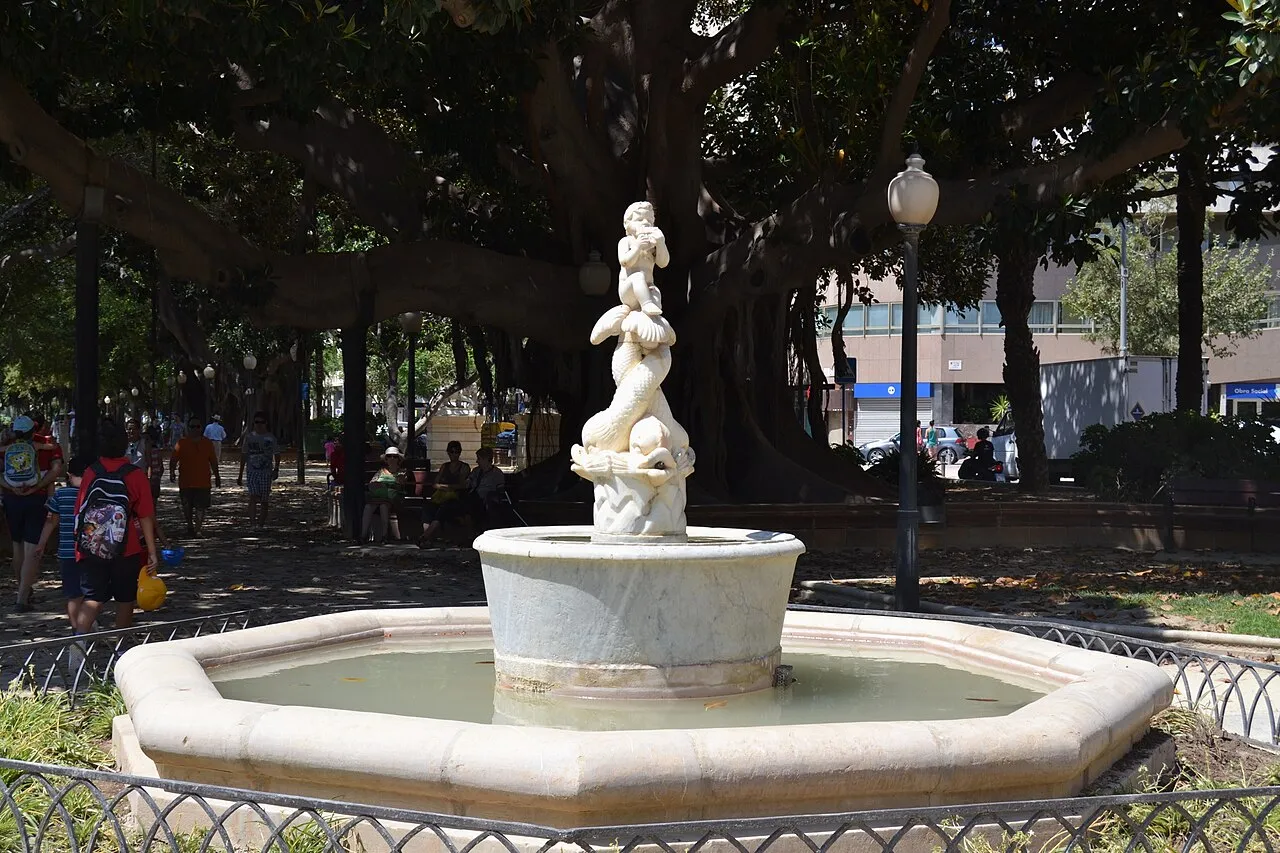
It used to be called plaza de Balmes and there was a vegetable market here. The memorial is set into the ground, the work of Elena Albajar and Ruth Céspedes, laid in 2013. Look down as you cross it.
Download the app and discover Alicante offline, whenever you like. Take the walking tour The Explanada, the port and the Postiguet with a local guide in your ear.
Find out more about Viavoy →When the rest of Spain was already occupied, Alicante was still holding out, and everyone in flight ran towards its port. They arrived from half of Spain with only the clothes they were wearing, with children in their arms, hoping to board before the troops came.
But the ships did not come. Thousands of people crowded onto the quays for days, without eating, without sleeping, watching the horizon. On 28 March one appeared: the Stanbrook, an old British collier whose captain, the Welshman Archibald Dickson, decided to disobey orders and take on board every person who would fit.
It sailed that night with 2,638 people packed in, even in the coal hold, the ship so low in the water that it looked as though it would go under. It was the last one that managed to leave. It reached Oran, in French Algeria, where the authorities kept the passengers crammed on board for almost a month without letting them disembark.
Dickson died months later, torpedoed along with his entire crew. When the news reached the camps of the exile, those refugees he had saved held a minute's silence for him.

Today it is a working port area, with a commemorative monument that took decades to be put up. What you see is a stretch of calm water: its interest lies precisely in that contrast.
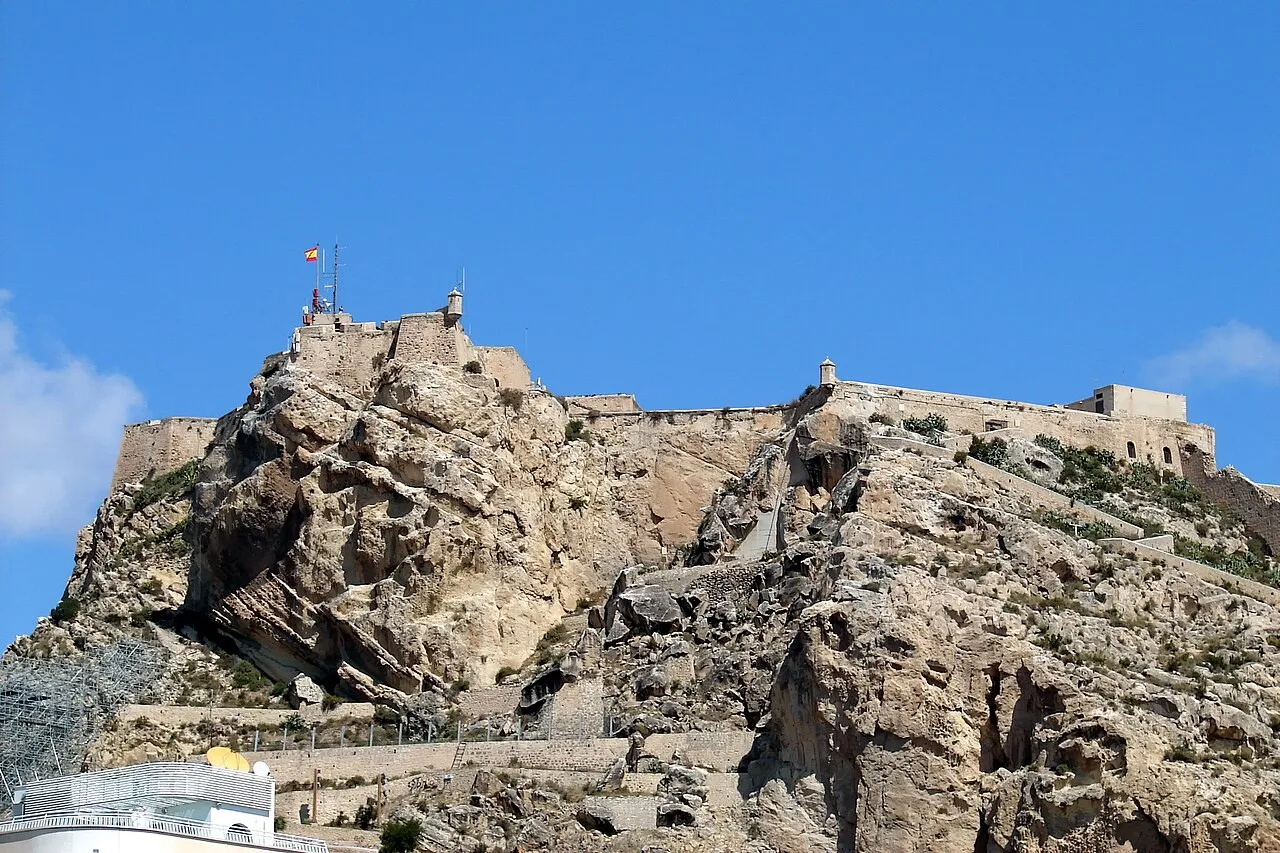
Those left on land, tens of thousands of them, were captured and packed into any available enclosure. The bullring worked as a concentration camp well into 1939, and so did the castillo de San Fernando, on top of the Tossal hill.
The most notorious was an improvised camp on the outskirts, under some almond trees, where thousands of people went hungry and thirsty in the open for weeks. It survives in literature thanks to Max Aub, who devoted a novel to it titled precisely Campo de los almendros, the field of almond trees.
That use of sporting and monumental enclosures as mass prisons was not unique to Alicante, but here the concentration was especially dense because it was the last point of resistance and the destination of everyone in flight.
The full route — Central Market, plaza del 25 de Mayo, bullring, port quays and, if you wish, the castillo de San Fernando — takes about two hours on foot and costs nothing.
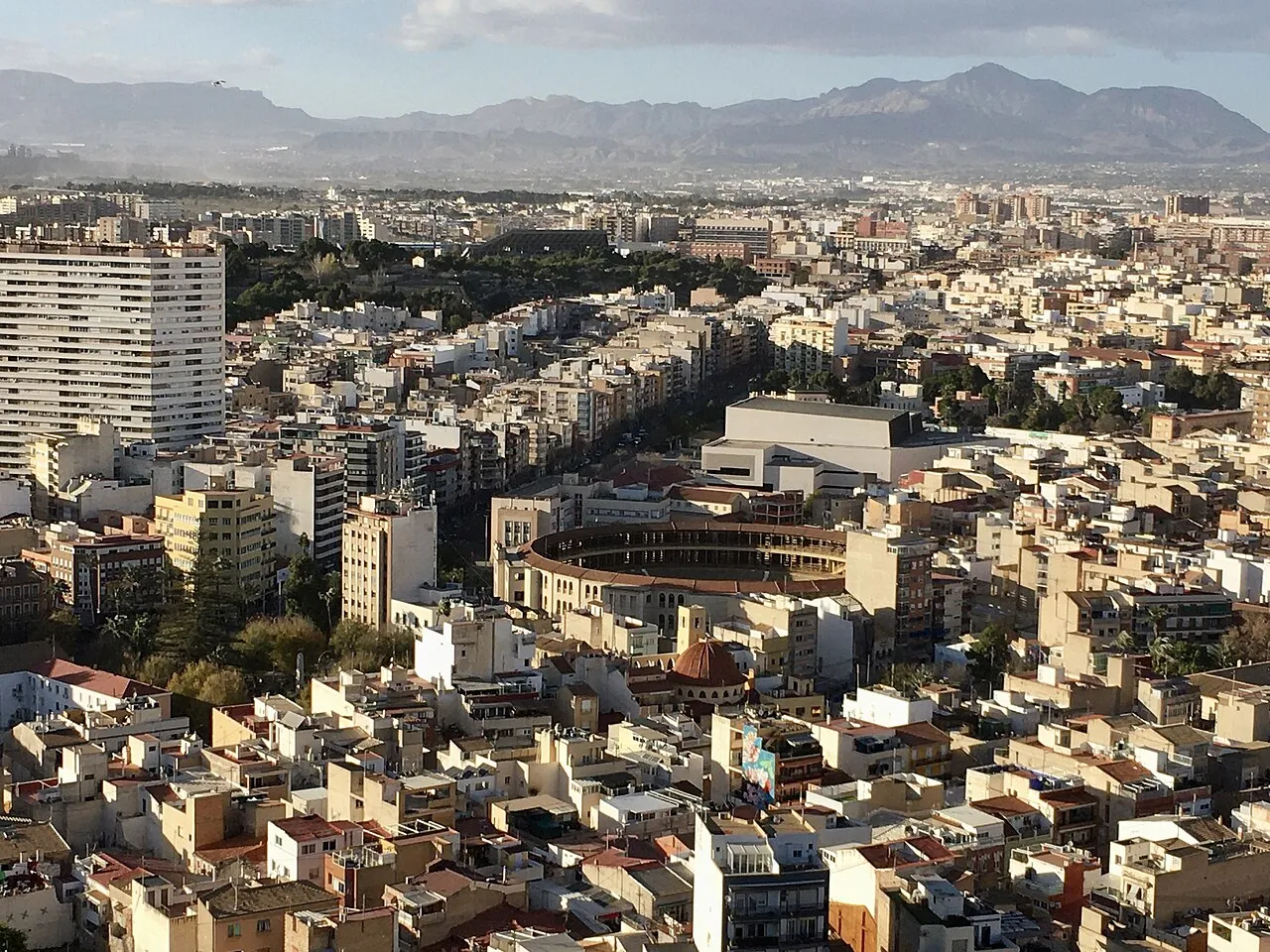
One of the oldest bullrings still standing in the Valencian Community, reopened in 1888 with Lagartijo and Guerrita. And a concentration camp in 1939. That a place designed for festivity ended up as a prison for the defeated says a good deal about those years.
Italian bombers of the Aviación Legionaria, based in Mallorca, attacked the centre of the city by surprise mid-morning, hitting the Mercado Central and a nearby vegetable market. More than three hundred people died, among them ten children, and close to a thousand were wounded. It was one of the bloodiest bombings of civilians in the war.
Because its scale is comparable to that of the bombing of Guernica while its impact, by contrast, was almost nil. For decades the dictatorship presented it as a simple accident, and that concealment explains why it barely appears in the general account of the conflict. The memorial was laid in 2013, seventy-five years later.
An old British collier whose captain, the Welshman Archibald Dickson, decided to disobey orders and take on board every person who would fit in the port of Alicante. It sailed on the night of 28 March 1939 with 2,638 people packed in, even in the coal hold. It was the last ship that managed to leave.
He died months later, when his ship was sunk by a submarine with the whole crew on board. When the news reached the camps of the exile in North Africa, those refugees he had saved held a minute's silence for him.
An improvised prisoner camp on the outskirts of the city, under some almond trees, where thousands of people captured after the fall of Alicante went hungry and thirsty in the open for weeks. It survives in literature thanks to Max Aub, who devoted a novel to it with precisely that title.
About two hours on foot, all within the centre and at no cost at all: Mercado Central, plaza del 25 de Mayo, the bullring and the port quays. If you want to complete it, the castillo de San Fernando, on the Tossal hill, also worked as a concentration camp and is half an hour away on foot.
Download Viavoy and walk Alicante offline, whenever you like.

Keep reading