Pintxos in San Sebastián: how to do the round properly
The rules of the poteo, why the best is not on the counter but on the blackboard and which neighbourhoods you eat best in. With what to order and at what time.
This city has one of the highest concentrations of Michelin stars per inhabitant in the world, but that is not what defines it at the table. What defines it is the pintxo: a counter full of small plates, a short glass, twenty minutes and on to the next. Doing it properly is no mystery, but it has rules, and the main one is that almost no outsider knows it: the best is not on display.
What is on the counter is the cold shop window. The good pintxos are ordered from the blackboard and made to order in the kitchen. Always ask what they have hot.
How the poteo works
Movement, not a table.
The poteo is the round of bars, and the word comes from pote, the short glass of wine. The logic is one of route: you go in, have one or two pintxos with a small drink, pay and move on. Four or five bars in an evening is normal, and sitting down at a table to make a dinner out of pintxos is the commonest mistake a visitor makes.
The drinks of the round are the zurito — a very small draught beer — txakoli, a sharp, slightly sparkling white that is poured from a height, and red wine from Rioja Alavesa. Ordering a full-size beer or a long drink breaks the rhythm and gives an outsider away more than anything else.
You pay at each stop, usually at the end, and the normal thing is for the barman to ask what you have had and trust the answer. In the bars under the most tourist pressure the tally is increasingly kept from the start, but the custom is still alive.
The hour rules: the aperitivo runs from one to three and the evening round starts around eight. Outside those windows the counters are half empty, however open the bar may be, and the experience bears no comparison.
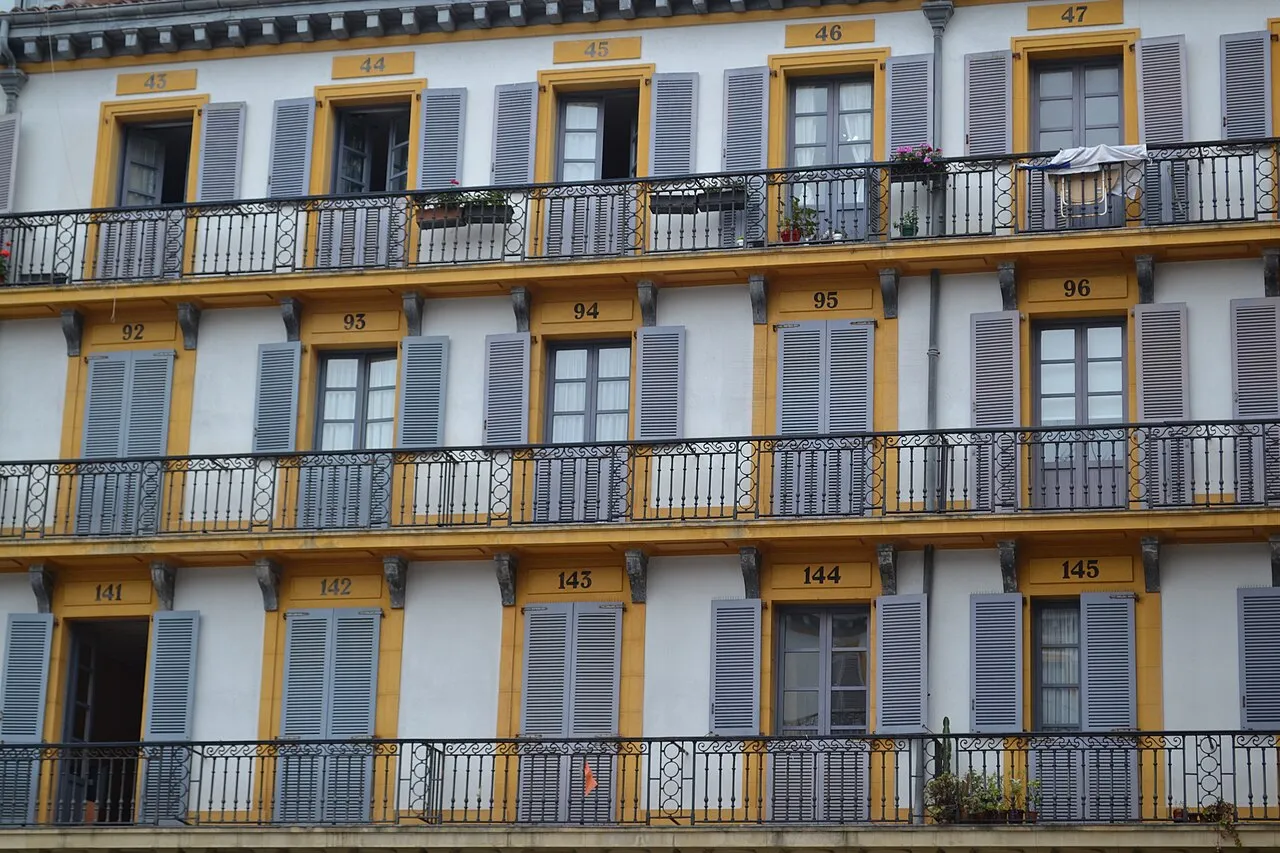
The classic starting point of any round, with the colonnades giving shelter when it rains, which here is often. From its four corners run the streets with the highest density of pintxo bars in the world. Go at aperitivo time or after eight.
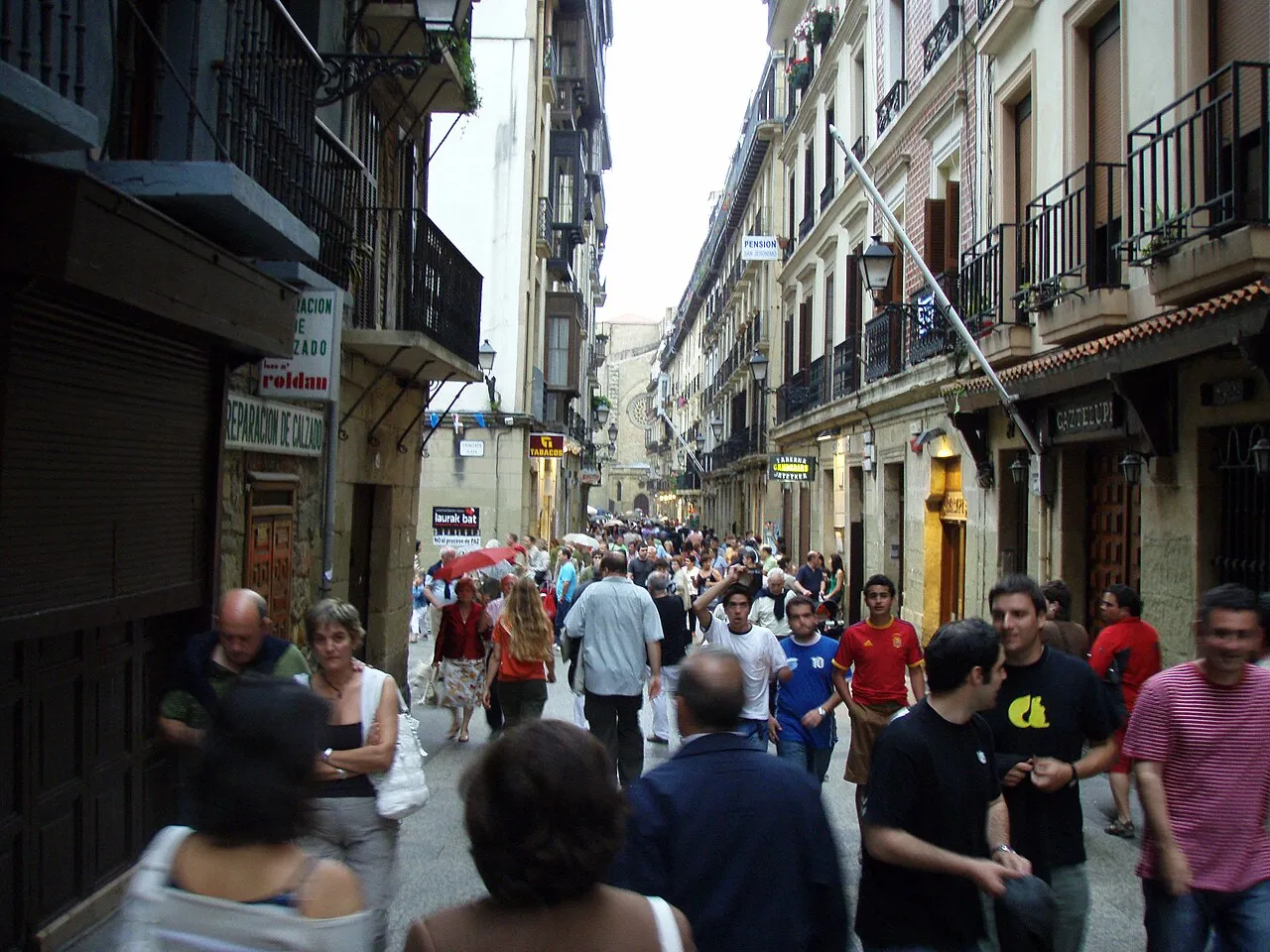
The street that survived the fire of 1813 today holds some of the most veteran and best known bars in the neighbourhood. It is also the busiest, so it is worth going in and out without settling: the round works precisely because you keep moving.
Download the app and discover San Sebastián offline, whenever you like. Take the walking tour The Parte Vieja and Monte Urgull with a local guide in your ear.
The gilda is the obligatory starting point: olive, anchovy and guindilla chilli on a cocktail stick. It was invented in a bar in this city and owes its name to the Rita Hayworth film, because the combination was considered verde and picante — green and spicy, and also risqué and hot. It is the acid test of any counter.
From the hot kitchen, what you should be hunting for. Kokotxas of cod or hake al pil-pil, that gelatinous part of the fish's throat that you only understand by trying it. The txuleta grilled over coals, from old cattle and with a salt crust. Txangurro, spider crab picked and gratinated. And griddled foie gras with apple, which here is a classic.
Among the cold ones that are worth it: Cantabrian anchovy salted to the right point, ham with grated tomato and txaka, a salad of crab sticks (surimi) with mayonnaise. The potato tortilla is judged severely and is a good indicator of the house.
To finish, the cheesecake, which in this city has a model of its own that is copied all over the world: set on the outside, almost liquid in the middle and baked at a very high temperature. And pastel vasco or cuajada as classic alternatives.
Which neighbourhoods to do the round in
The Parte Vieja is the densest and most famous circuit, and also the most crowded. It works very well outside high season and at early hours; in August and at weekends at night it becomes hard even to move. The axes are the Plaza de la Constitución and calle 31 de Agosto.
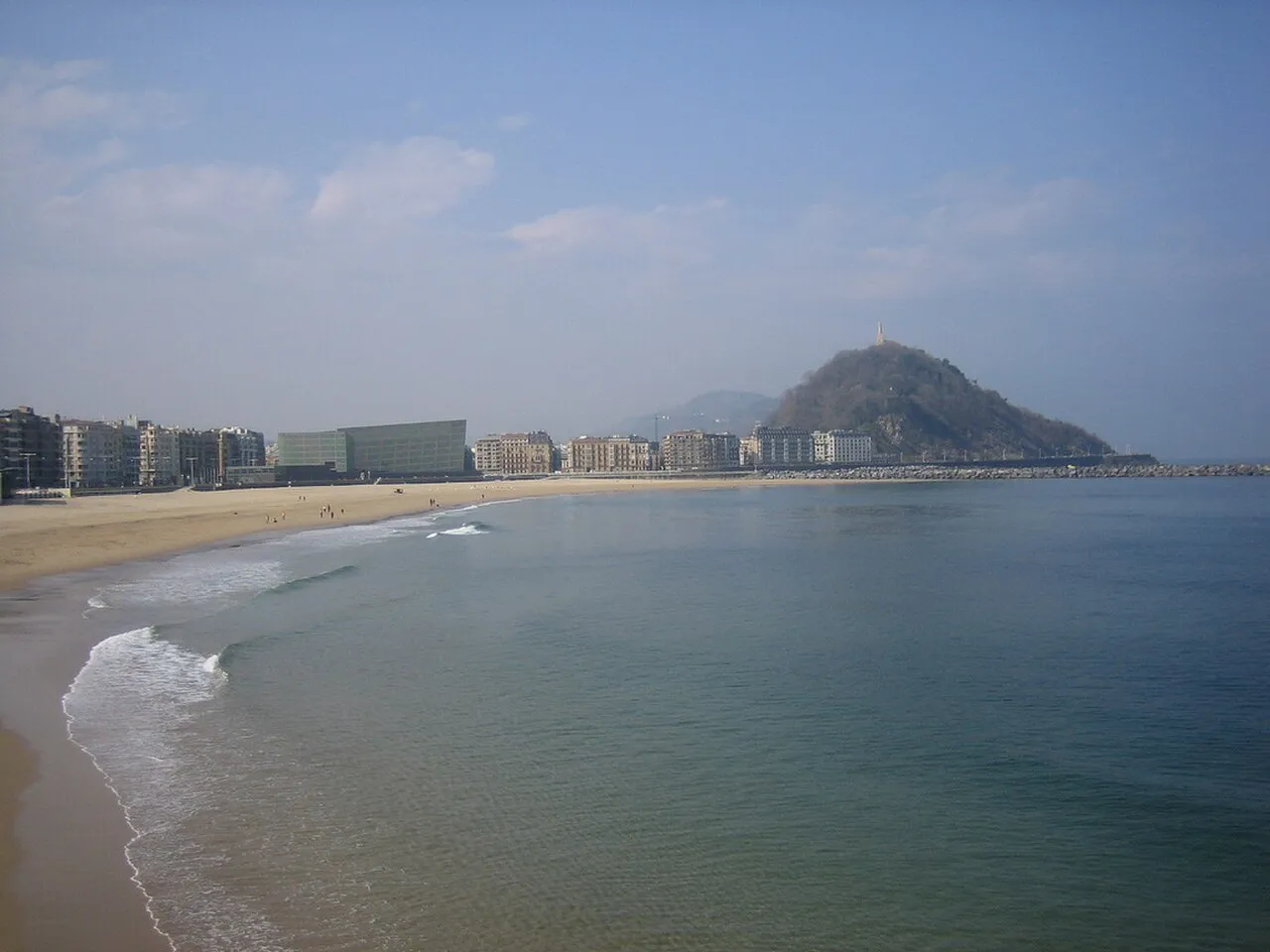
Gros, on the other side of the river, is the alternative almost everyone who lives here recommends. A more local crowd, slightly better prices, counters of a very high standard and considerably more space. The area around the plaza de Cataluña and calle Zabaleta and calle Bergara has the good ones.
The ensanche, around calle Hernani and calle San Marcial, is the third circuit: quieter, with an office crowd at midday and good value for money. It is the one tourists visit least and the one that works best for the aperitivo on weekdays.
A note on the calendar: many bars close one day during the week and in January or February there are holiday closures. And during the Tamborrada, in January, and the Film Festival, in September, the city fills up and it is worth booking anywhere that has tables.
The neighbourhood the people who live here recommend: a local crowd, slightly better prices and counters of a very high standard without the pressure of the Parte Vieja. The round is done around the plaza de Cataluña and calle Zabaleta and calle Bergara, five minutes from the bridge.
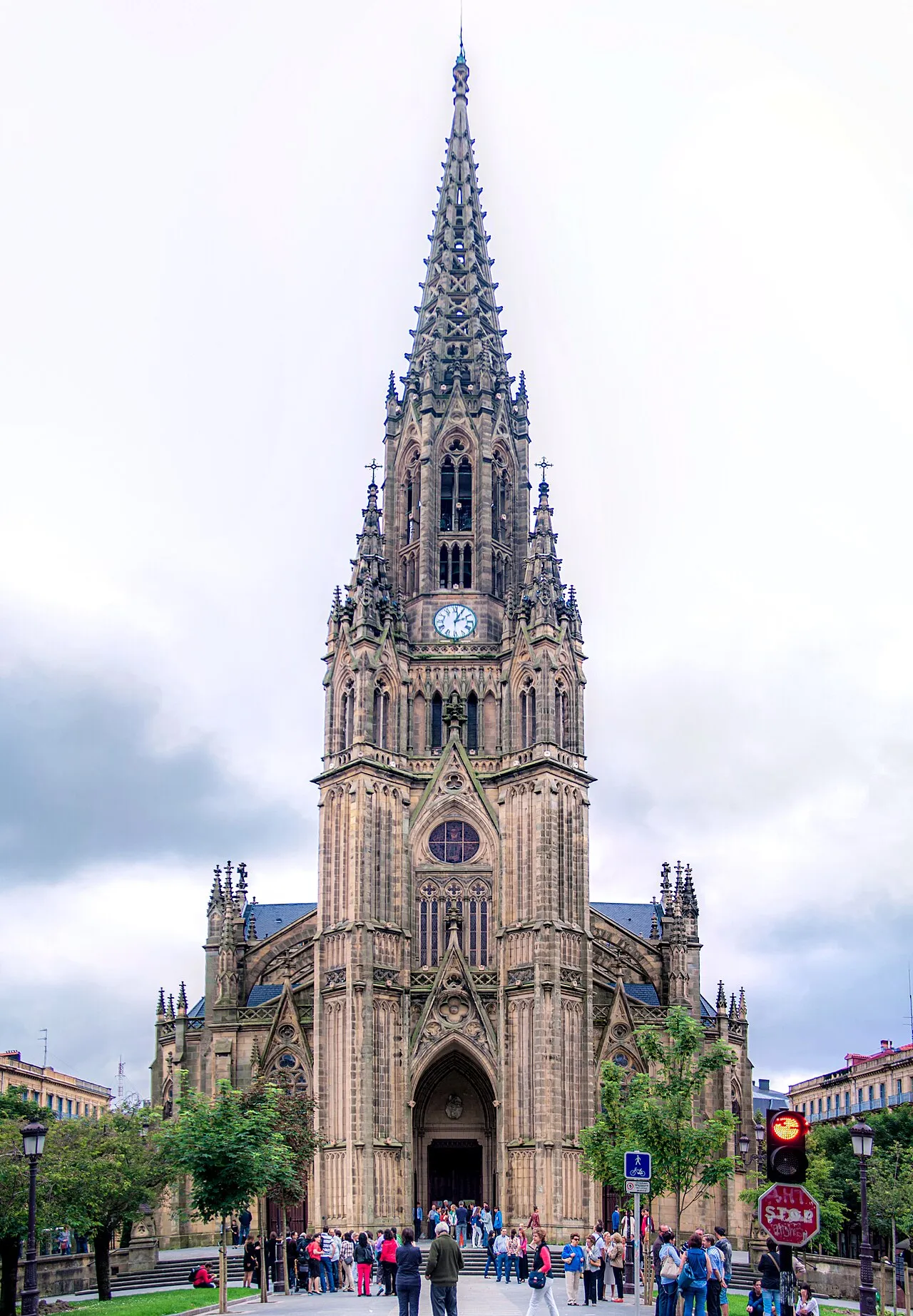
A landmark for finding your way in the third pintxo circuit, the one in the ensanche, around calle Hernani and calle San Marcial. Quieter, with an office crowd at midday and the best value for money in the city.
You go in, order a drink and one or two pintxos, and change bar. The cold ones are on show on the counter and are often taken straight from it, but the best are the hot ones, which are ordered from the blackboard and made to order in the kitchen. You pay at each stop, usually on the way out.
What is a zurito?
A very small draught beer, designed so you can have several over a round without wearing yourself out in the first bar. Along with txakoli and red wine it is the standard drink of the poteo. Txakoli is a sharp, slightly sparkling white that is poured from a height so that it picks up some fizz as it falls into the glass.
Which pintxos are essential?
The gilda — olive, anchovy and guindilla chilli — which was invented in this city, the potato tortilla as an indicator of the house and Cantabrian anchovy. From the hot kitchen, kokotxas al pil-pil, txuleta grilled over coals, gratinated txangurro and foie gras with apple. For dessert, the local cheesecake.
Where do you eat better, in the Parte Vieja or in Gros?
The Parte Vieja has more density and more fame, but also many more people. Gros, on the other side of the river, is what almost everyone who lives here recommends: a local crowd, slightly better prices, counters of a very high standard and room to move. The ensanche is the third option and the cheapest.
How much does a round of pintxos cost?
It depends a great deal on the kind. The cold ones on the counter are at contained prices and a round of four bars with a drink comes out reasonable. The hot ones from the blackboard, especially kokotxas, txuleta or foie gras, cost considerably more and push the bill up fast. San Sebastián is not a cheap city to eat in, and it is worth reckoning with that.
Do you have to book?
For the pintxo round, no: the bars work standing up and by rotation. It is worth booking anywhere with tables and in restaurants, especially during the Tamborrada in January and the Film Festival in September, when the city fills up. Many bars also close one day during the week.
Practical information
TimesAperitivo from 13:00 to 15:00; evening round from 20:00 onwards.
AreasParte Vieja (the most famous), Gros (the most local), ensanche (the best on price).
DrinkingZurito, txakoli or red wine. The full-size beer gives an outsider away.
HowOne or two pintxos per bar and move on. Do not sit down to make a dinner of pintxos.
The keyAsk what they have hot. The counter is the shop window, not the menu.
Watch outMany bars close one day during the week, and in January and February there are holidays.
On the map
🎧 With Viavoy
Walk San Sebastián and listen at your own pace
Download Viavoy and walk San Sebastián offline, whenever you like.
from 2,99 €· one-off payment
City Pass · 9,99 €3 days, all the tours in San Sebastián