La Axerquía: the other half of Córdoba, the one nobody visits
Neighbourhoods · Córdoba

La Axerquía: the other half of Córdoba, the one nobody visits

Fernandine churches, the only Castilian-style main square in Andalusia, the real tabernas and the Cristo de los Faroles. Ten minutes from the Mezquita and practically empty.

9 min read · Updated for 2026
🎧 On the walk Axerquía: Plaza del Potro, San Lorenzo and the Taverns

The Old Town of Córdoba has two halves: the Villa, to the west, with the Mezquita, the Jewish Quarter and the Alcázar, which takes practically every visitor; and La Axerquía, to the east, which is bigger, has half the interesting things in the city and is empty. An inner wall used to separate them. Today they are separated by ten minutes on foot and an invisible barrier that almost nobody crosses.

“Axerquía” comes from the Arabic al-sharquiyya, “the eastern one”. It was the suburb that grew outside the medina and came to be more populated than it.

The suburb that was bigger than the city

In Islamic times Córdoba had the walled medina — today's Villa — and, to the east, a set of suburbs that kept growing until they overtook it in population and that ended up surrounded by a wall of their own. That set is La Axerquía, and in the tenth century, when Córdoba was the most populated city in western Europe, a good part of that population lived here.

After the conquest of 1236, Ferdinand III divided the territory into colaciones, parish districts, each with its own church, and ordered the building of the so-called iglesias fernandinas, the Fernandine churches: sober Gothic-Mudéjar buildings, with archivolted doorways and square towers, raised in many cases over local mosques.

There are fourteen of them and most are in La Axerquía: San Lorenzo, Santa Marina, San Pedro, San Andrés, San Agustín, San Pablo. None is spectacular on its own, but walked together they draw a complete map of how the Christian city was organised on top of the Islamic one.

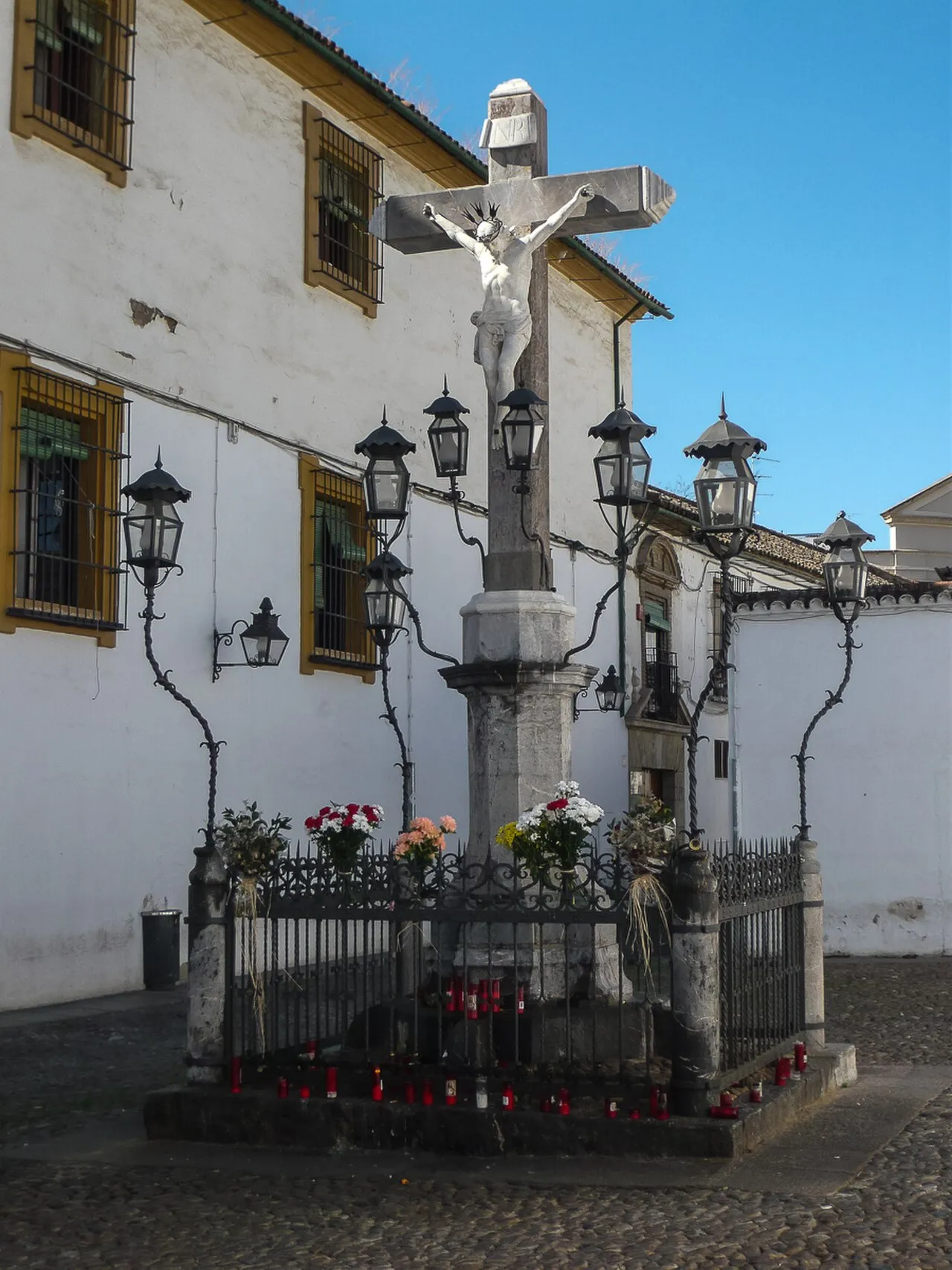
1Cristo de los Faroles

Cristo de los Faroles

📍 Plaza de los Capuchinos, Santa Marina

A bare, whitewashed square, with no balconies and no terraces, with a stone Christ from 1794 surrounded by eight iron lanterns. Its power lies in the emptiness: there is nothing to distract you. At nightfall, when they are lit, the whitewash gives the flame back and the whole square turns warm. People who come in lower their voices without being asked.

2Plaza de la Corredera

Plaza de la Corredera

📍 Heart of La Axerquía

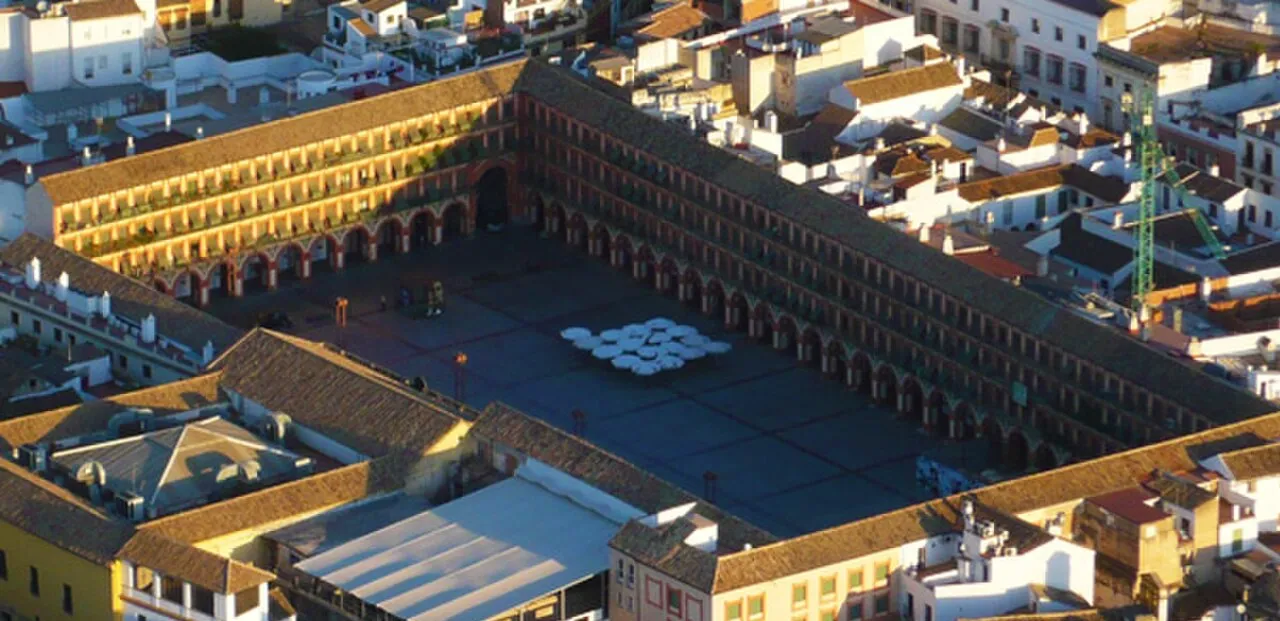
The only arcaded Castilian-style main square that exists in Andalusia, built in the seventeenth century and used for centuries for bullfights, markets and autos-da-fé. A spectacular Roman mosaic turned up beneath it, and is now in the Alcázar. Its arcades hold the terraces and there is a market in the mornings.

3Plaza del Potro

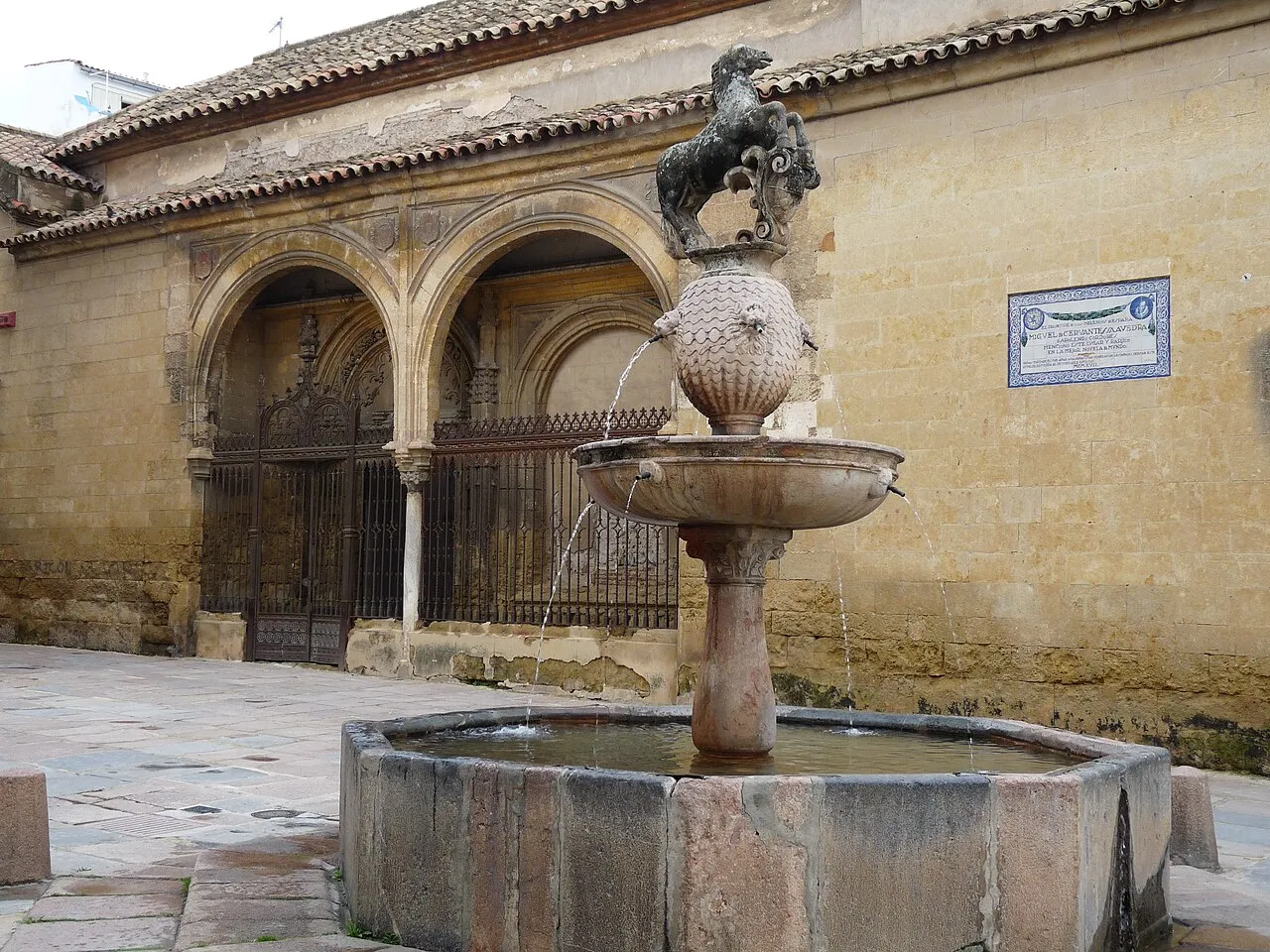
Plaza del Potro

📍 Southern Axerquía

A small square with a fountain crowned by a stone colt, mentioned by Cervantes in Don Quixote. On it stands the Posada del Potro, a fifteenth-century inn that today houses the Centro Flamenco Fosforito, free to enter and with one of the best exhibitions on flamenco in Spain. Opposite, the Museum of Fine Arts.

🎧 With Viavoy

Explore Córdoba at your own pace

Download the app and discover Córdoba offline, whenever you like. Take the walking tour Axerquía: Plaza del Potro, San Lorenzo and the Taverns with a local guide in your ear.

Find out more about Viavoy →

What there is here and not in the other half

Four things that make crossing worthwhile.

The Centro Flamenco Fosforito, in the Posada del Potro, is free and is one of the best exhibitions on flamenco anywhere: audiovisuals, instruments, historic recordings and a clear explanation of the palos, the flamenco forms. Córdoba has a considerable flamenco tradition and this is where it is told.

The Museum of Fine Arts and the Julio Romero de Torres Museum share a courtyard, opposite. The second is devoted to the most popular Córdoba painter of the twentieth century, who painted those portraits of dark-haired women with dark eyes that became the stock image of Andalusia. Whether or not you like his painting, it is a cultural phenomenon worth understanding.

The Palacio de Viana, a little further north, has twelve different patios, each from a different period and in a different style, and it is the best way to see Córdoba patios outside the May festival. There is an entrance fee and it is very much worth it.

And the tabernas. La Axerquía and Santa Marina hold the real Córdoba tabernas, with local regulars and normal prices: the Sociedad de Plateros, Bodegas Campos, the casas de comidas on the streets around San Lorenzo. It is where the city eats.

4Plaza de las Tendillas

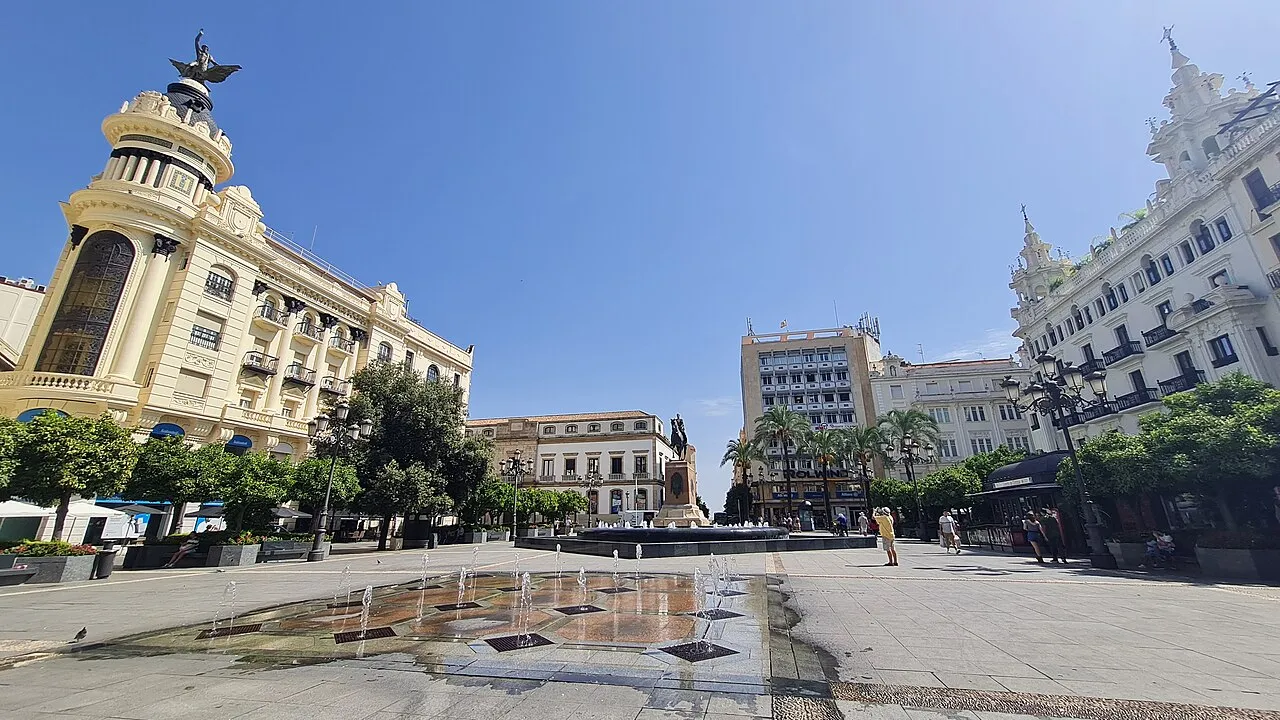
Plaza de las Tendillas

📍 Border between the two halves

The practical frontier between the Villa and La Axerquía, and the best starting point for crossing. From here you can walk to the Corredera in five minutes, to Santa Marina in ten and to the Palacio de Viana in twelve. And the streets to the north hold lifelong tabernas at prices that do not exist in the Jewish Quarter.

5Church of San Lorenzo

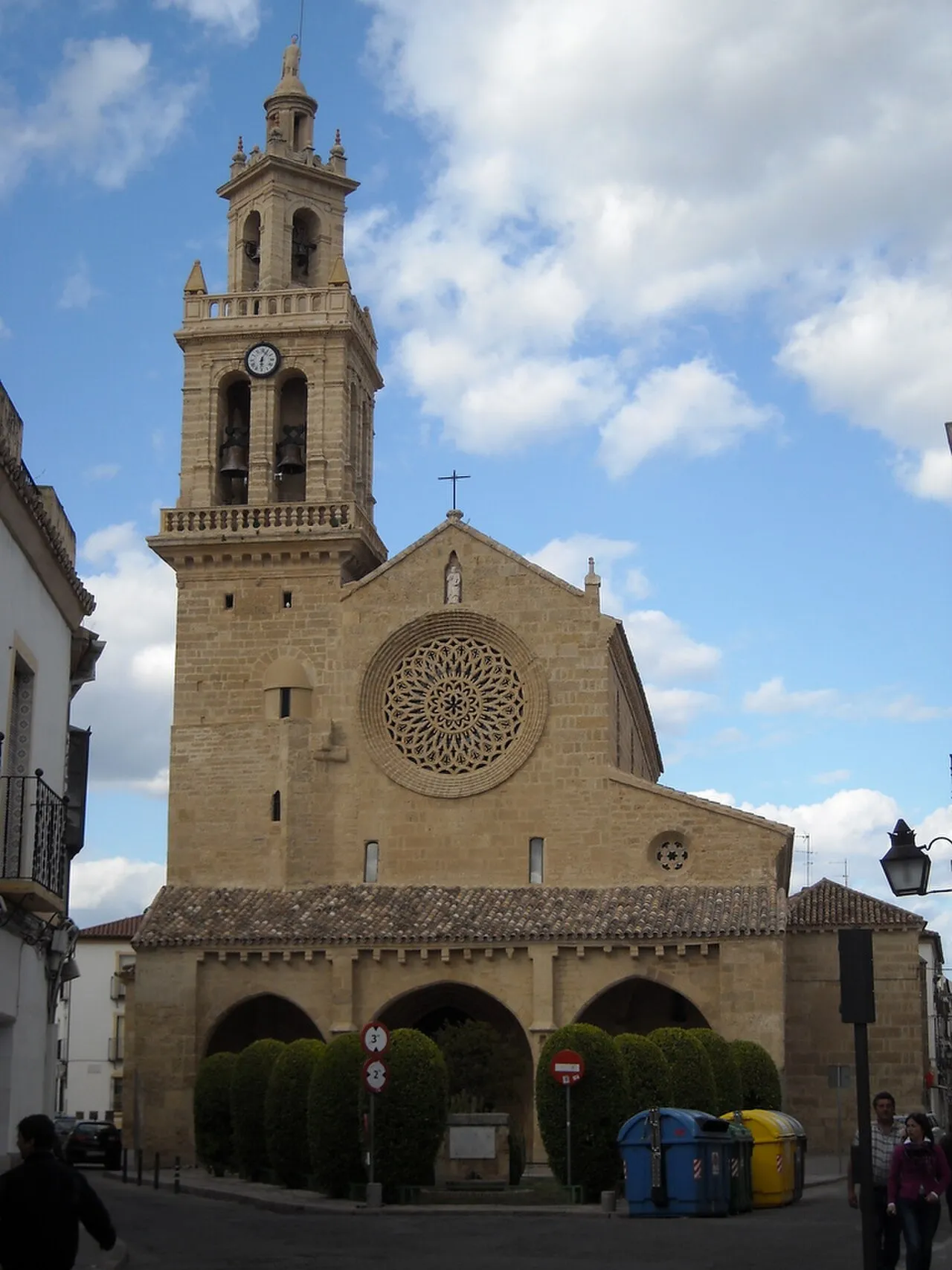
Church of San Lorenzo

📍 Barrio de San Lorenzo

One of the fourteen Fernandine churches that Ferdinand III had raised after the conquest of 1236, and probably the most beautiful: Gothic-Mudéjar, with a three-arched portico, an exceptional rose window and a tower you can see from half of La Axerquía. It gives its name to a barrio that holds competition patios and local tabernas.

6Bodegas Campos

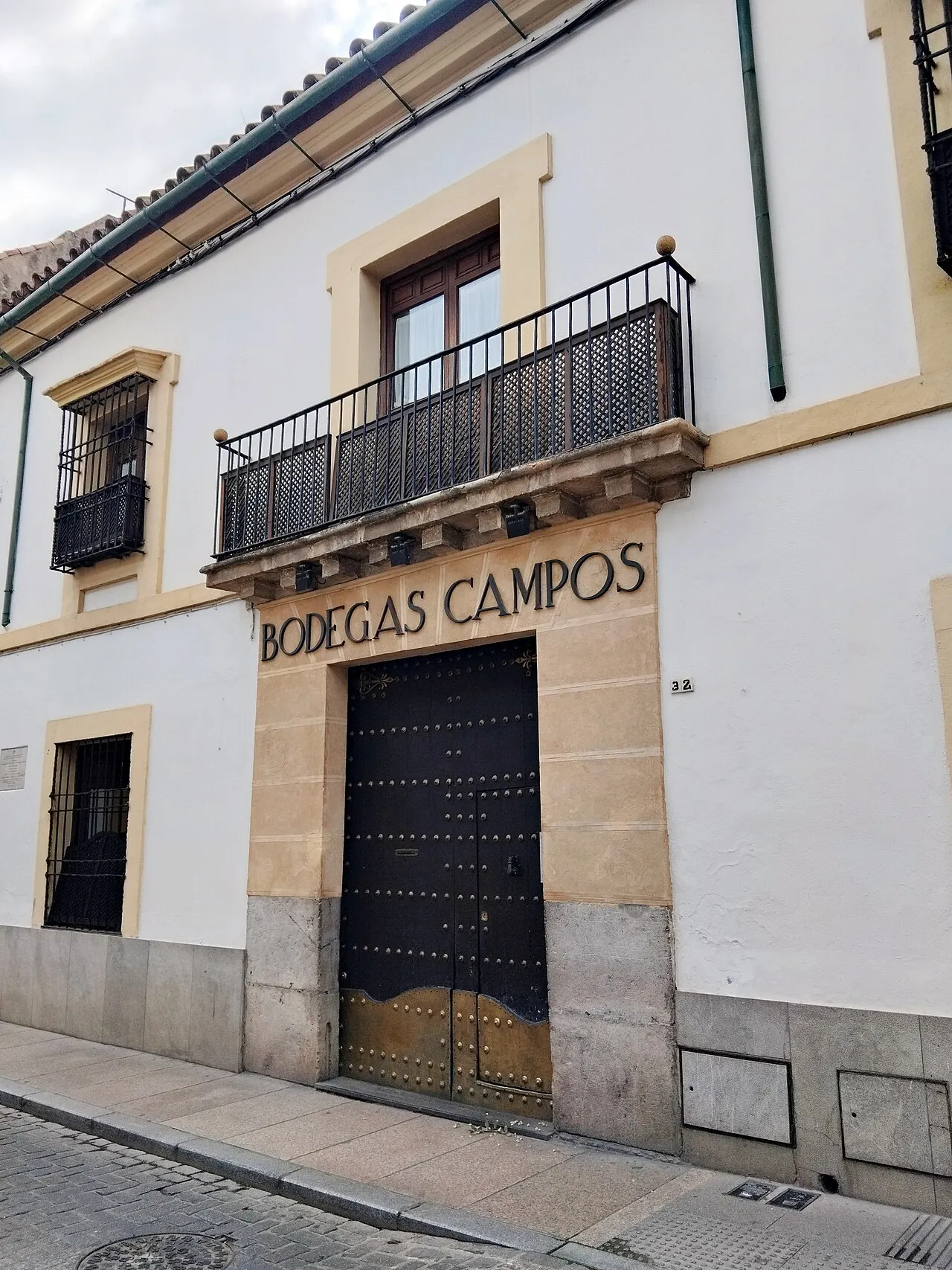
Bodegas Campos

📍 Calle Lineros

A wine cellar from 1908 turned into a restaurant, with several linked patios, barrels signed by illustrious visitors and the benchmark menu of classic Córdoba cooking. It is dearer than a local taberna and it is still one of the best tables in the city. It is worth booking.

Frequently asked questions

What is La Axerquía in Córdoba?

The eastern half of the historic centre, the suburb that grew outside the walled medina in Islamic times and came to overtake it in population. Its name comes from the Arabic al-sharquiyya, “the eastern one”. Today it holds the Plaza de la Corredera, most of the Fernandine churches, the Palacio de Viana, the real tabernas and the Cristo de los Faroles, and it receives a tiny fraction of the city's visitors.

What are the Fernandine churches?

The fourteen churches that Ferdinand III had built after the conquest of Córdoba in 1236, one for each colación or parish district into which the city was divided. They are Gothic-Mudéjar in style, sober, with archivolted doorways and square towers, and many were raised over local mosques. Most are in La Axerquía, and the most remarkable are San Lorenzo, Santa Marina, San Pablo and San Miguel.

Is the Palacio de Viana worth it?

Very much so, and especially if you travel outside May. It has twelve different patios, each from a different period and in a different style, from the medieval one to the twentieth-century one, plus the palace rooms with their collection of tapestries, tiles and cordobanes, embossed leather. It is the best way to see Córdoba patios without depending on the festival, there is an entrance fee and you need a long hour. It is in La Axerquía, twelve minutes from the Plaza de las Tendillas.

What is the Centro Flamenco Fosforito?

A museum devoted to flamenco housed in the Posada del Potro, a fifteenth-century inn mentioned by Cervantes in Don Quixote. Entry is free and the exhibition is one of the best there is on the subject: audiovisuals, instruments, historic recordings and a clear explanation of the palos and the places they come from. It is named after Antonio Fernández Díaz, Fosforito, a cantaor from Córdoba and holder of the Llave de Oro del Cante, the Golden Key of Flamenco Singing.

Why does La Axerquía receive so few visitors?

Because the Mezquita takes all the attention and almost every organised route sticks to the Mezquita-Jewish Quarter-Alcázar axis, which lies in the western half. La Axerquía is ten minutes' walk away but on the other side of an invisible frontier that almost nobody crosses. The result is that it has half the interesting things in Córdoba, its best tabernas and practically no groups.

What is the Plaza de la Corredera?

The only arcaded Castilian-style main square that exists in Andalusia, built at the end of the seventeenth century on a space that was already used for public events. For centuries it hosted bullfights, markets, festivities and autos-da-fé. Today its arcades hold the terraces and there is a market in the mornings. A spectacular Roman mosaic turned up under its paving, and is displayed in the Alcázar.

How to walk it

The logical route runs from south to north: Plaza del Potro with the Centro Flamenco, Plaza de la Corredera, the churches of San Pedro and San Andrés, San Lorenzo, Santa Marina and a finish at the Cristo de los Faroles at nightfall. It is about forty minutes of actual walking and three hours with stops.

You can add the Palacio de Viana, which demands a long hour on its own, and which is the best patio visit in Córdoba outside the festival.

The contrast with the other half of the Old Town is what stands out: there are no souvenir shops here, no touts at restaurant doors and no groups. They are the same white streets and the same patios, without any of what is surplus on the other side.

And an honest warning: La Axerquía is more uneven. There are restored stretches and stretches with buildings in poor condition, and it does not have the postcard uniformity of the Jewish Quarter. That is precisely why it looks more like a city and less like a stage set.

Practical information

Getting thereA 10-minute walk from the Mezquita. The Plaza de las Tendillas is the practical border.
DurationThree hours with stops. The actual walking is forty minutes.
FreeCentro Flamenco Fosforito, the Fernandine churches and the Cristo de los Faroles.
PaidPalacio de Viana (twelve patios), the Museum of Fine Arts and the Julio Romero de Torres Museum.
EatingThe best area in the city: the Corredera, San Fernando and the streets of San Lorenzo and Santa Marina.
The finishCristo de los Faroles at nightfall, when they light the lanterns.
On the map

🎧 With Viavoy

Walk Córdoba and listen at your own pace

Download Viavoy and walk Córdoba offline, whenever you like.

from 2,99 €· one-off payment
City Pass · 9,99 €3 days, all the tours in Córdoba
Find out more about Viavoy →
Viavoy app

Keep reading

More articles

Food & drink

Tabernas and salmorejo: how to eat in Córdoba away from the circuit

Itineraries

Córdoba in one day: the itinerary that makes every hour count

Culture

Roman Córdoba: the bridge, the temple and the theatre nobody visits

Festivals & traditions

The patios of Córdoba: when, where and how to see them without queues