El Cabanyal and La Malvarrosa: tiles, rice and a neighbourhood that saved itself
Neighbourhoods · Valencia

El Cabanyal and La Malvarrosa: tiles, rice and a neighbourhood that saved itself

Low houses with façades clad in ceramic tiles, a twenty-year residents' fight against demolition and the best rice in Valencia, which is not on the seafront promenade.

10 min read · Updated for 2026
🎧 On the walk El Cabanyal and Malvarrosa: The Sea, Paella and Colorful Houses

El Cabanyal is one of the most singular neighbourhoods in Spain and it very nearly disappeared. Its grid of low houses with façades covered in coloured tiles, a direct inheritance from the old fishermen's settlements of barracas, survived an urban plan that intended to drive an avenue through it and demolish hundreds of homes. The residents' fight lasted more than twenty years and won in 2015. Today the neighbourhood is being restored, with all the good and all the problems that brings.

Here you do not look for the seafood paella of the seafront promenade. You look for arròs a banda: fish stock, rice, and the fish served on the side. That one really is from the neighbourhood.

From barracas to tiled houses

El Cabanyal, El Canyamelar and El Grau were fishing settlements independent of Valencia until 1897, when they were annexed. Their houses were barracas: adobe buildings with a steeply pitched thatched roof, the traditional type of dwelling of the Valencian huerta and coast.

A devastating fire in 1796 razed a good part of the settlement and led to a ban on building barracas in the area. They were replaced by low masonry houses which nevertheless kept the proportions, the orientation and the structure of their predecessors: a single narrow, long bay, perpendicular to the sea.

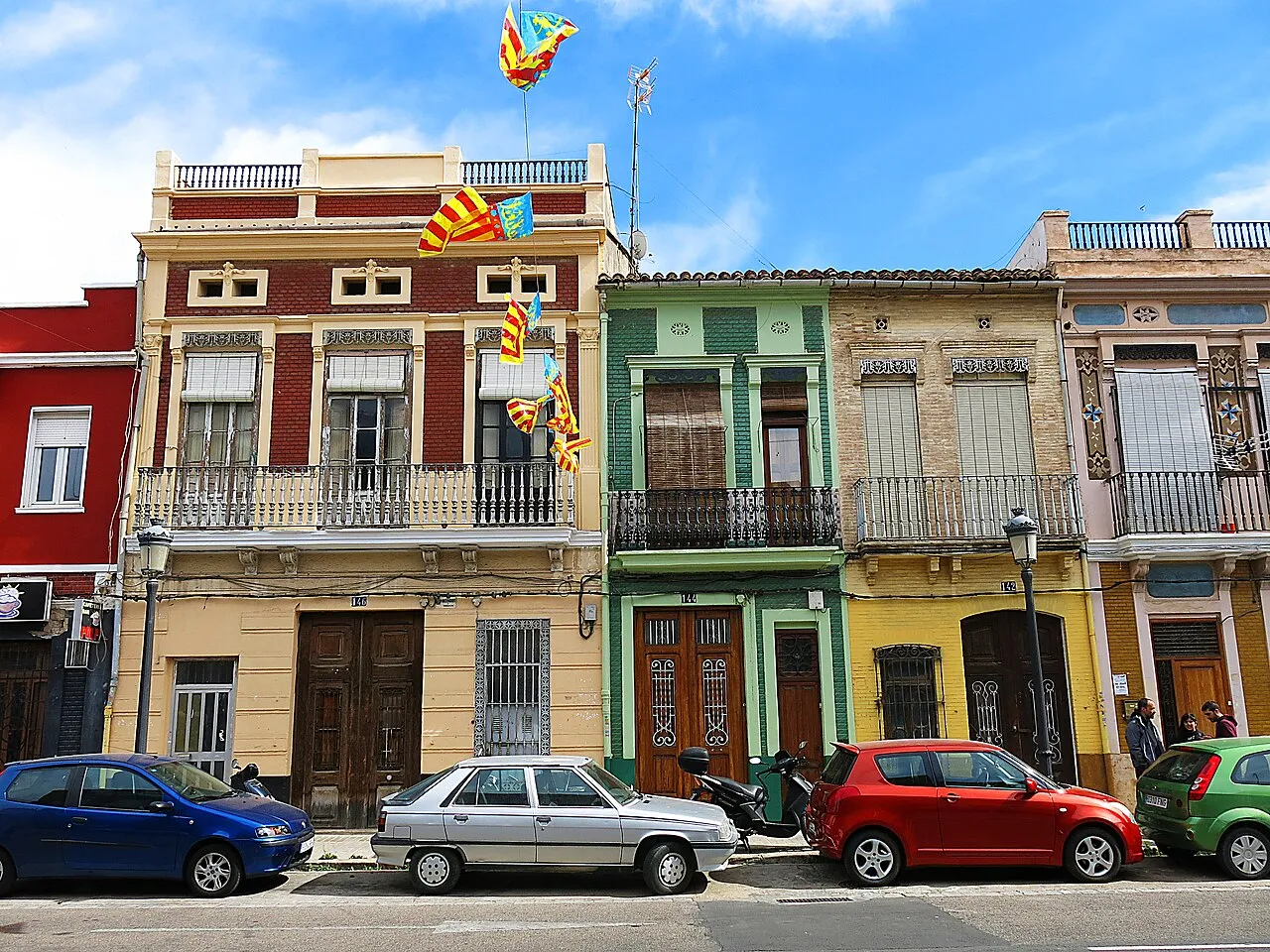
And those houses were given ceramics. In the late nineteenth and early twentieth centuries, with Manises and Onda producing cheap tiles, the residents clad their façades with coloured tiles, with dados, friezes and mouldings. The result is a grid of several blocks where practically no house resembles its neighbour and every one is dressed up.

1Las casas de colores de los pescadores

Las casas de colores de los pescadores

📍 Calles Progrés, Reina and Barraca

Façades clad in tiles from Manises and Onda, with dados, friezes and mouldings, on low single-bay houses set perpendicular to the sea. No two are alike. It is one of the most singular working-class grids in Spain and it came within a whisker of being demolished wholesale to extend an avenue.

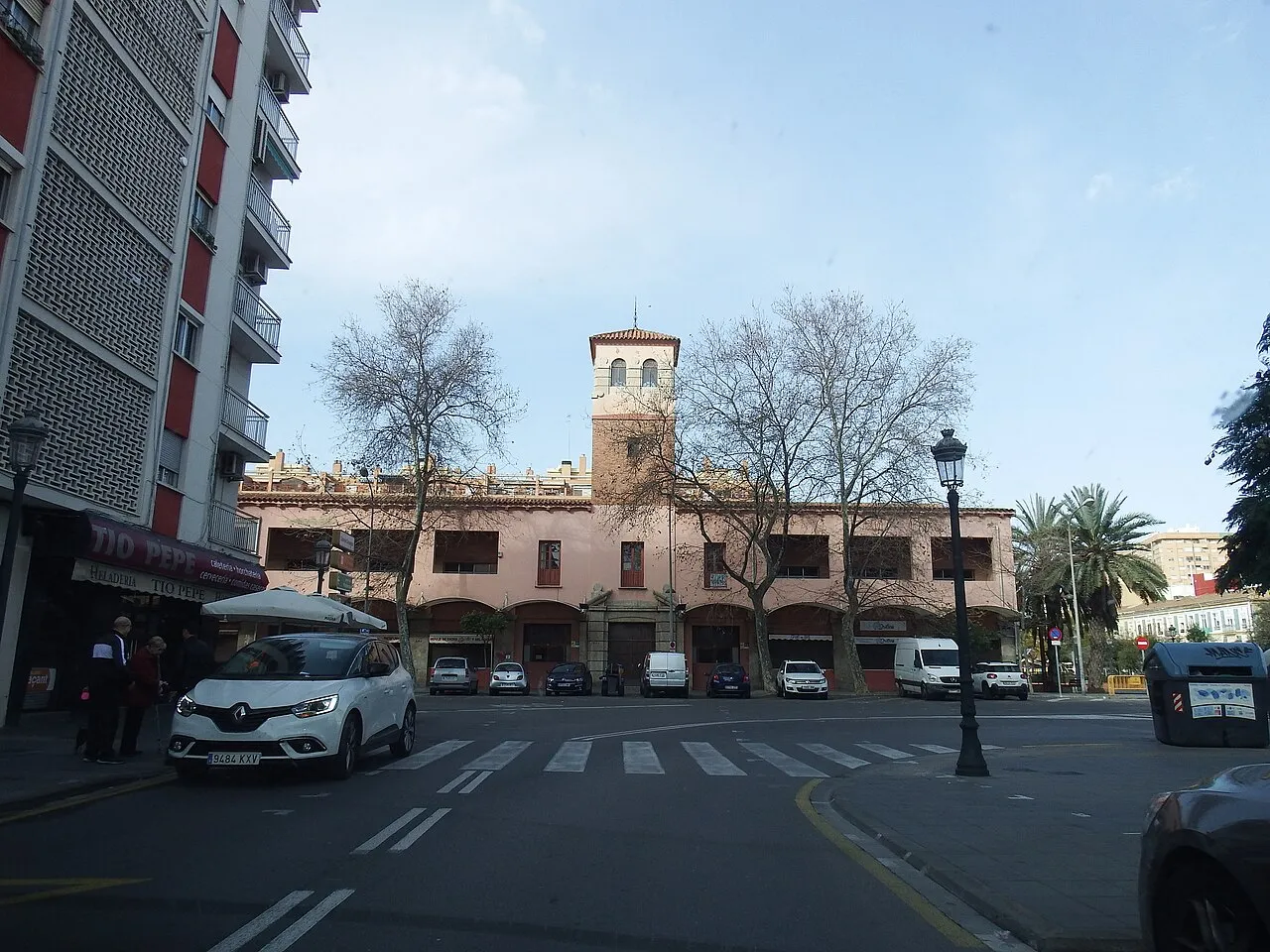
2Mercado del Cabanyal

Mercado del Cabanyal

📍 Carrer de Martí Grajales

The neighbourhood market, with fish from the auction hall next door and an entirely local clientele. It is smaller and far less well known than the Mercado Central, and precisely for that reason it keeps the character the latter has been losing. Mid-morning it is full of locals with their shopping trolleys.

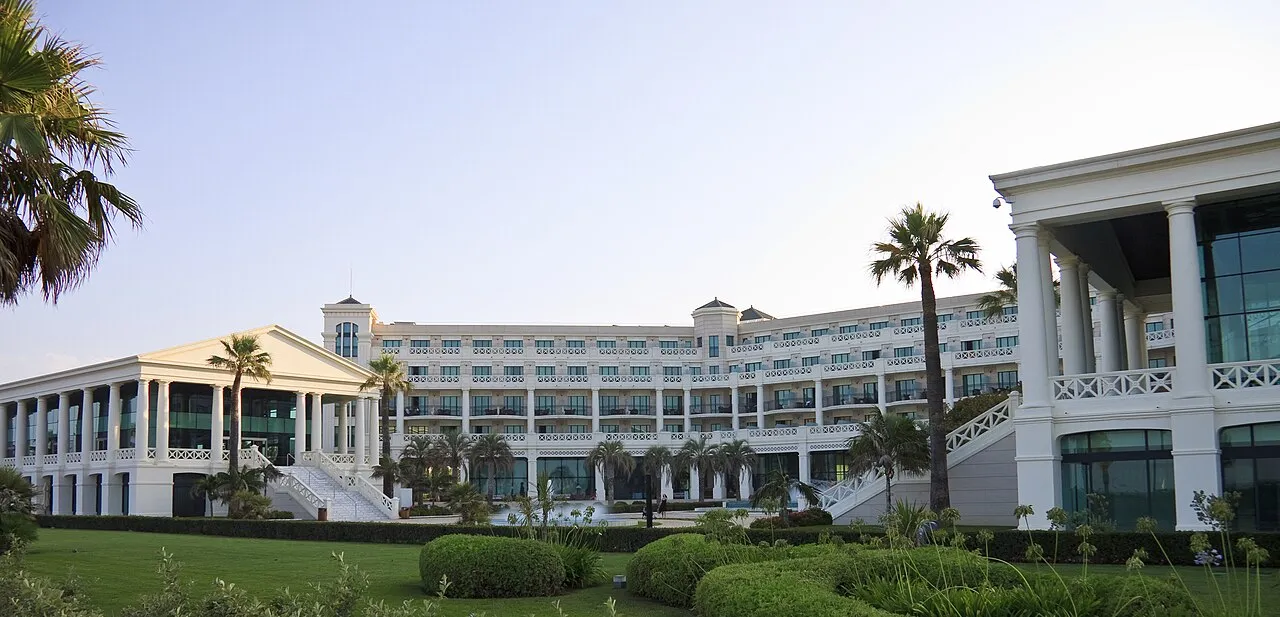
3Balneario de Las Arenas

Balneario de Las Arenas

📍 Seafront

A white façade with a colonnade and the air of a classical temple, opened in 1898 when bathing in the sea was almost a medical prescription and the bourgeoisie came by tram to take the waters. The present grand façade is from 1917, by Francisco Mora. It marks the exact boundary between the fishermen's neighbourhood and the summer-resort zone.

🎧 With Viavoy

Explore Valencia at your own pace

Download the app and discover Valencia offline, whenever you like. Take the walking tour El Cabanyal and Malvarrosa: The Sea, Paella and Colorful Houses with a local guide in your ear.

Find out more about Viavoy →

Twenty years of fighting not to disappear

The plan that was going to split the neighbourhood in two.

In 1998 the City Hall approved a plan to extend avenida Blasco Ibáñez down to the sea, straight through El Cabanyal. It meant demolishing more than four hundred buildings and cutting in two a grid declared an Asset of Cultural Interest in 1993.

The residents' response was one of the longest urban campaigns in Spain: the Salvem el Cabanyal platform, twenty years of demonstrations, legal appeals, accusations of deliberate blight — with buildings bought up and left to rot — and international campaigns. The neighbourhood filled with placards and bricked-up houses.

The plan was halted for good in 2015, after the change of municipal government, and a restoration process opened with public and European funds. Today the neighbourhood is halfway there: restored houses beside empty plots and ruined buildings, and an accelerating arrival of investment and holiday flats that worries those who won the previous battle.

It is worth knowing this as you walk. The bricked-up façades and the protest banners you will see are not picturesque: they are the scars of a conflict that lasted twenty years and has not entirely ended.

4Malvarrosa Beach

Malvarrosa Beach

📍 Passeig Marítim

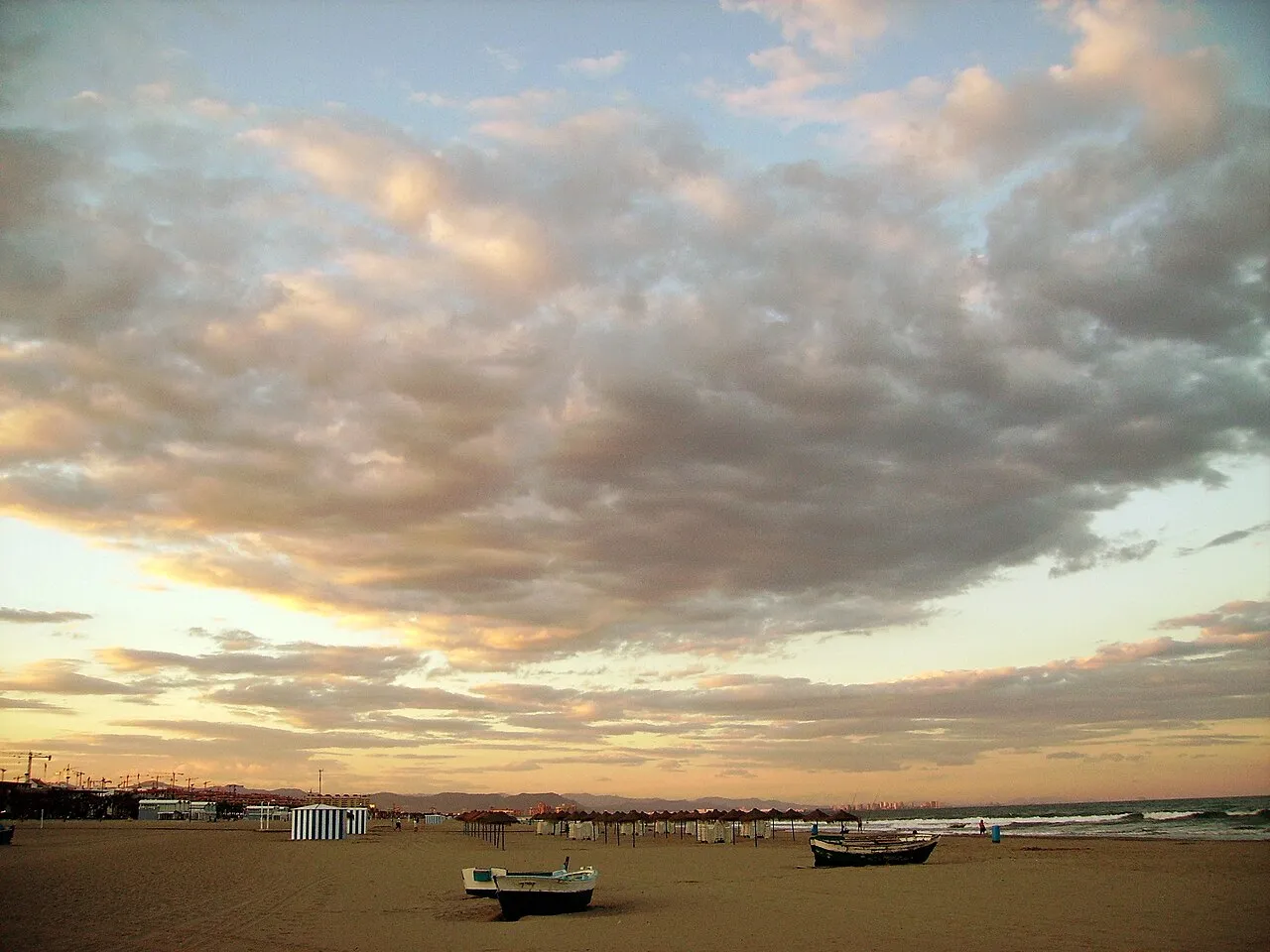
Valencia's great urban beach, wide and golden-sanded, with a long promenade running north. Here Sorolla painted a good part of his scenes of the sea and of children at the water's edge, and here the idea took hold that paella is a beach dish: it is not. The beach is fine; the neighbourhood behind it is the interesting part.

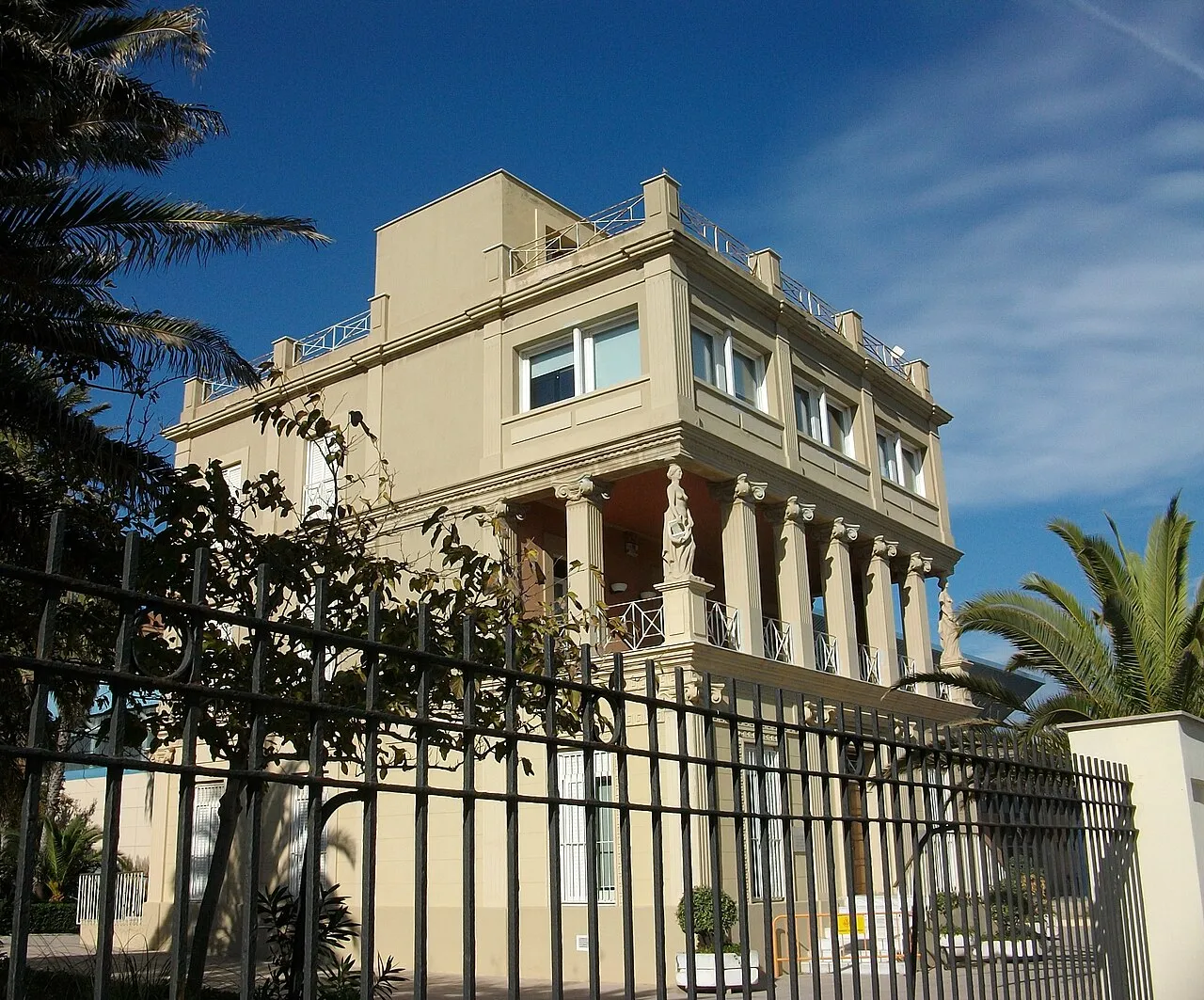
5Blasco Ibáñez House-Museum

Blasco Ibáñez House-Museum

📍 Carrer d'Isabel de Villena, 159

The villa the writer built himself facing the sea so he could write looking at these waves. Blasco Ibáñez turned this neighbourhood, the huerta and the Albufera into literature that reached Hollywood: “The Four Horsemen of the Apocalypse” launched Rudolph Valentino in 1921. Entry is free and almost nobody knows it.

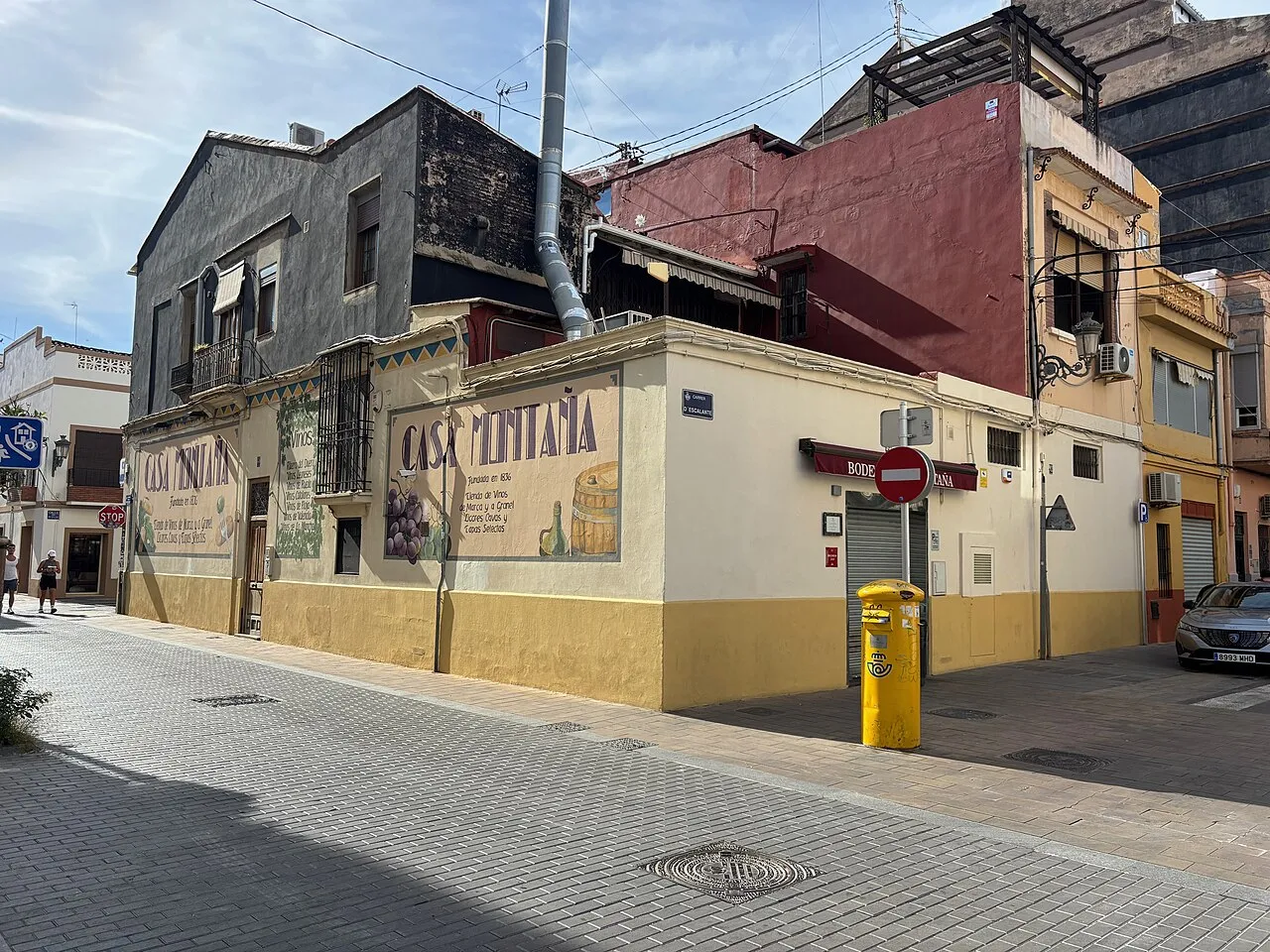
6Bodega Casa Montaña

Bodega Casa Montaña

📍 Carrer de Josep Benlliure, 69

A bodega opened in 1836, with wooden barrels, marble tables and a wine list that has made it a national reference. It is one of the few places in the neighbourhood that have been running for almost two centuries without interruption, and it remains as much a local as a gastronomic destination. Booking is advisable.

Frequently asked questions

What is El Cabanyal and why is it famous?

It is Valencia's old fishermen's neighbourhood, a grid of low houses with façades clad in coloured tiles, a direct heir of the barraca settlements. It has been an Asset of Cultural Interest since 1993 and is one of the most singular working-class grids in Spain. Its recent fame comes from the residents' fight of more than twenty years against an urban plan that intended to drive an avenue through it and demolish more than four hundred buildings.

Was El Cabanyal saved from demolition?

Yes. The plan to extend avenida Blasco Ibáñez down to the sea, approved in 1998, was halted for good in 2015 after the change of municipal government, and since then there has been a restoration process with public and European funds. Today the neighbourhood is halfway there: restored houses beside empty plots and buildings ruined during the years of blight, and an accelerating arrival of investment and holiday flats that is causing fresh concern among residents.

Where to eat rice in El Cabanyal?

One or two streets in from the seafront promenade, never on the front line. The neighbourhood dish is arròs a banda, cooked in fish stock and served without it, with the fish on the side. Three rules: you eat at lunchtime and not at night, you have to book and often order it in advance because it takes forty minutes, and the minimum serving is for two people. If a place has photos of paella by the door and waiters touting on the pavement, keep walking.

Is Malvarrosa beach worth it?

As an urban beach it is fine: it is wide, has fine sand, full facilities and a long seafront promenade. But the interesting thing about this area is not the sand but what lies behind it: El Cabanyal with its tiled façades, the neighbourhood market, the century-old bodegas and the Casa-Museo Blasco Ibáñez. If you come only for the beach, there are better and less crowded stretches to the north, at Patacona and Alboraya.

How do you get to El Cabanyal from the centre of Valencia?

By tram, lines 6 and 8, getting off at Les Arenes or Doctor Lluch; by metro, lines L5 and L7 to Marítim and about ten minutes on foot; or by bicycle from the centre along the Jardín del Turia and the seafront promenade, which is about thirty flat minutes and the most pleasant way. There are also several city bus routes. By car is the worst option: parking in the neighbourhood is complicated.

What is Sorolla's connection with La Malvarrosa?

Joaquín Sorolla, a Valencian, painted on these beaches a good part of the scenes that brought him international fame: children running along the shore, oxen hauling boats out of the water, the Mediterranean light of midday. He was the painter who fixed the luminous image of this coast, and many of his best-known works can be recognised walking around here. The Sorolla Museum is in Madrid, but the landscape he painted is at La Malvarrosa.

Eating here, and how not to get it wrong

This is the area where you eat the best rice in the city of Valencia, and it is not on the seafront promenade but one or two streets inland. The neighbourhood dish is arròs a banda: rice cooked in fish stock and served on its own, with the fish on the side, the way the sailors ate it, making use of the stock from the day's catch.

Also from here are arròs del senyoret — with the seafood already shelled, so you do not get your hands dirty — and fideuà, which according to tradition was invented in Gandía by swapping the rice for noodles. And for nibbling, esgarraet, titaina and the all i pebre of the Albufera.

The three rules that save you disappointment are always the same: you eat at lunchtime, not at night; you have to book and often order the rice in advance because it is cooked to order and takes forty minutes; and there is no such thing as a paella for one, it is made for a minimum of two.

If you see photos of paella by the door, menus with twenty different rice dishes and waiters touting for customers on the pavement, keep walking. The good places need none of those three things.

Practical information

Getting thereTram lines 6 and 8 to Les Arenes or Dr. Lluch; metro L5/L7 Marítim. By bike from the centre, 30 minutes.
DurationHalf a day: neighbourhood, beach and lunch. The walk itself is 40 minutes.
What to seeCalles Progrés, Reina and Barraca for the tiled façades. And the neighbourhood market.
Eating riceAt lunchtime, with a booking and a minimum of two. Arròs a banda, not the seafront's seafood paella.
Free entryCasa-Museo Blasco Ibáñez, at the end of the promenade. Forty minutes and no charge.
ContextA neighbourhood under restoration after twenty years of fighting a demolition plan. You will see bricked-up houses.
On the map

🎧 With Viavoy

Walk Valencia and listen at your own pace

Download Viavoy and walk Valencia offline, whenever you like.

from 2,99 €· one-off payment
City Pass · 9,99 €3 days, all the tours in Valencia
Find out more about Viavoy →
Viavoy app

Keep reading

More articles

Food & drink

Paella and rice dishes in Valencia: what to order, where and when

Itineraries

Valencia in 2 days: the itinerary that makes the most of the real city

What to see

The Jardín del Turia: the river Valencia turned into a park

Neighbourhoods

El Carmen: city walls, street art and the Valencia that was never planned