El Carmen: city walls, street art and the Valencia that was never planned
Neighbourhoods · Valencia

El Carmen: city walls, street art and the Valencia that was never planned

Two medieval towers at either end, two free cloisters in the middle and the highest concentration of murals in Spain. Valencia's oldest neighbourhood, and the one least like the rest.

9 min read · Updated for 2026
🎧 On the walk El Carmen: Walls, Street Art and Bohemia

El Carmen grew up between two city walls: the Islamic one, from the eleventh century, and the Christian one, from the fourteenth, and that double boundary explains its twisted shape and its alleys without logic. It is Valencia's oldest neighbourhood, the one that endured decades of neglect and the one that now concentrates the street art, the bookshops, the workshops and the nightlife of the centre. You can cross the whole of it from tower to tower in twenty minutes, and it is impossible to do so in a straight line.

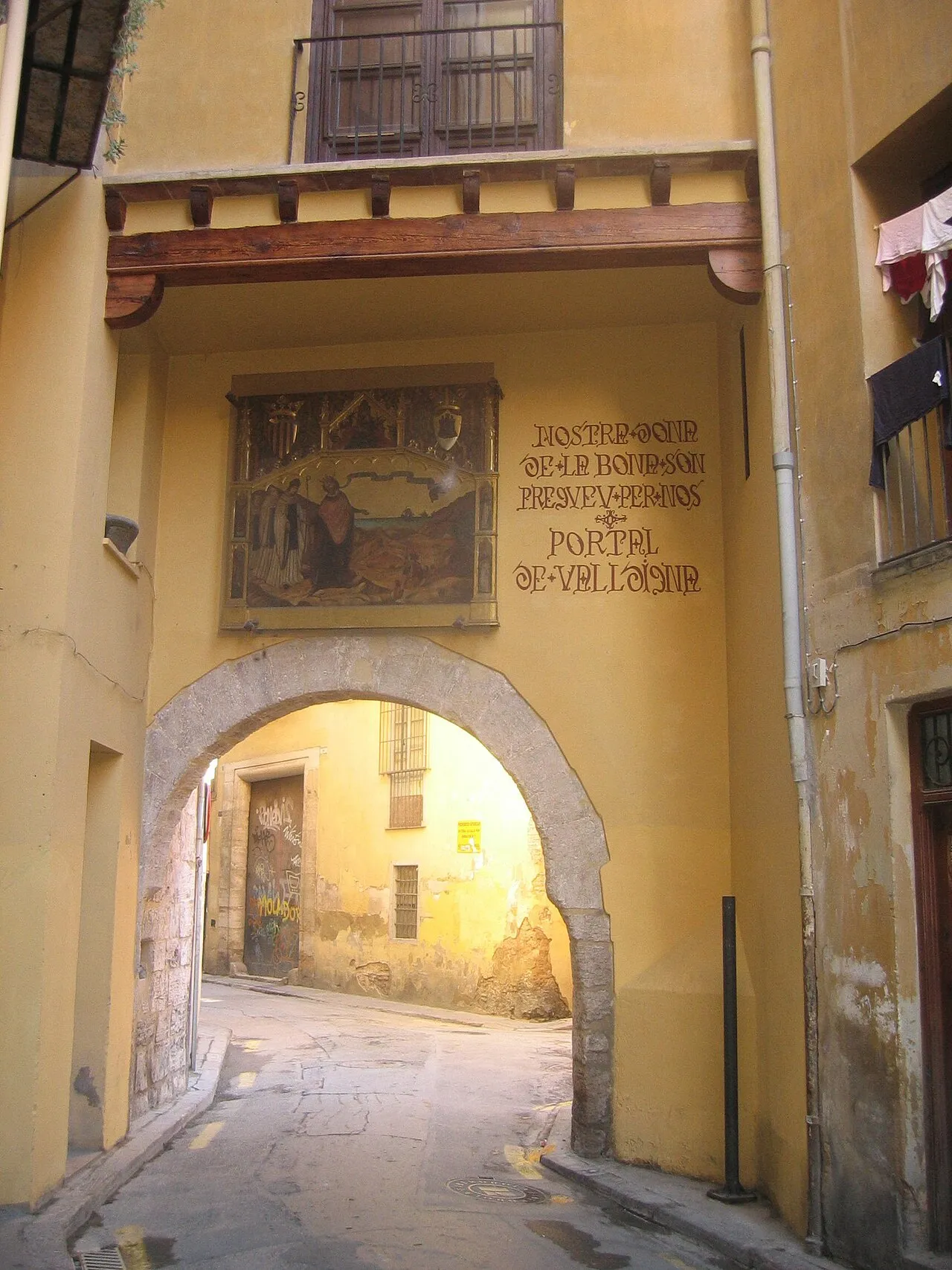
The Portal de la Valldigna is a fourteenth-century gate that cut through the inner Islamic wall. You pass beneath it without realising you are crossing from one city into another.

A neighbourhood between two walls

Valencia's first wall was Islamic, from the eleventh century, and it enclosed an area considerably smaller than today's old town. When the city grew, Pedro IV had a second, much wider wall built in the fourteenth century, and the space left between the two was built up any old how: no plan, no layout and no order.

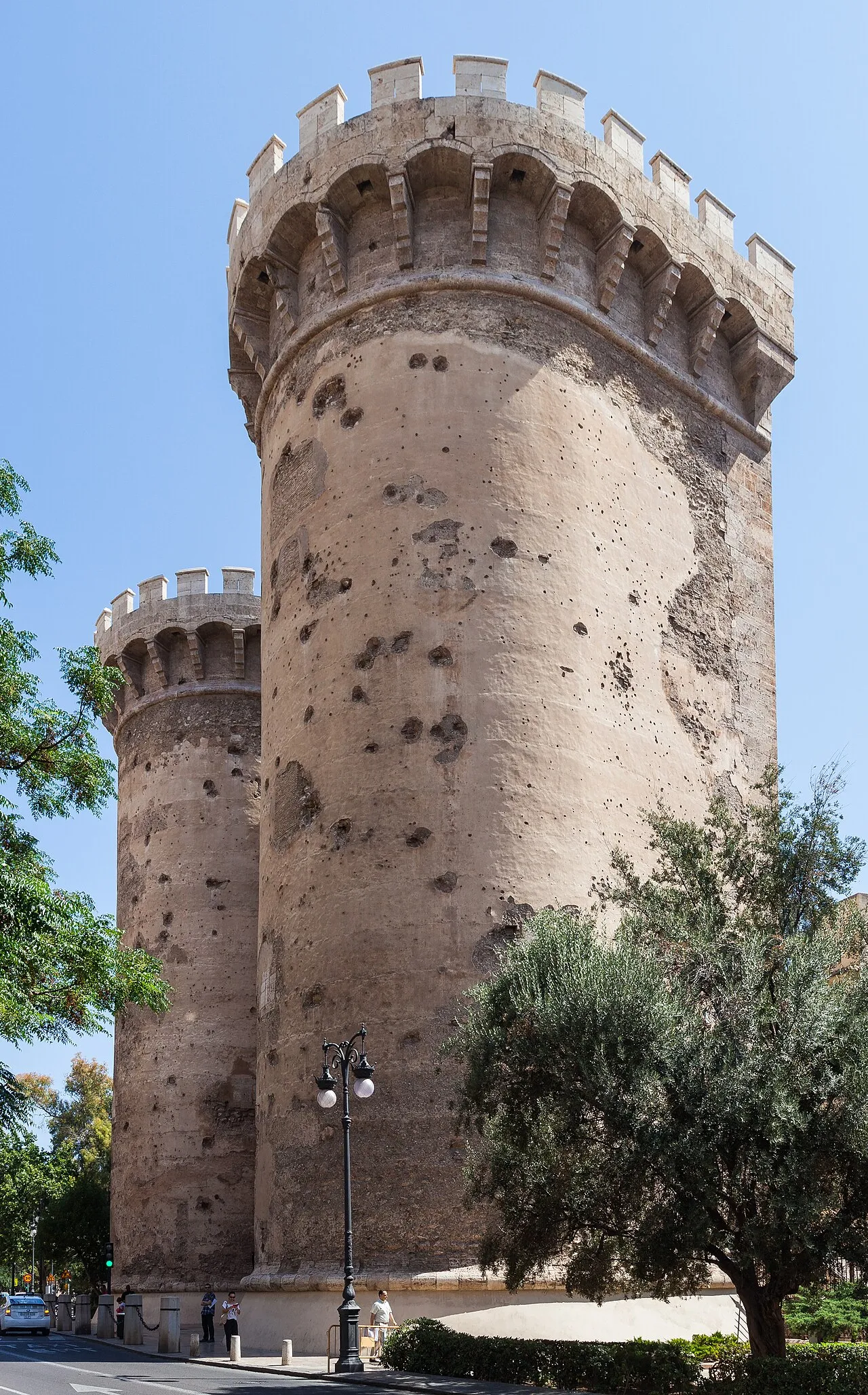
That space is El Carmen. Hence its narrow, broken streets, its irregular blocks and that feeling that no direction leads where it seems to. The Christian wall was demolished in 1865 and, of its twelve gates, only the Serranos Towers and the Quart Towers survived; today they mark the two ends of the neighbourhood.

Less remains of the Islamic wall, but something does: the Portal de la Valldigna, a fourteenth-century arch opened in the old wall, still stands in the middle of a street and you simply walk beneath it. There are also visible stretches in the basement of the IVAM and inside some buildings.

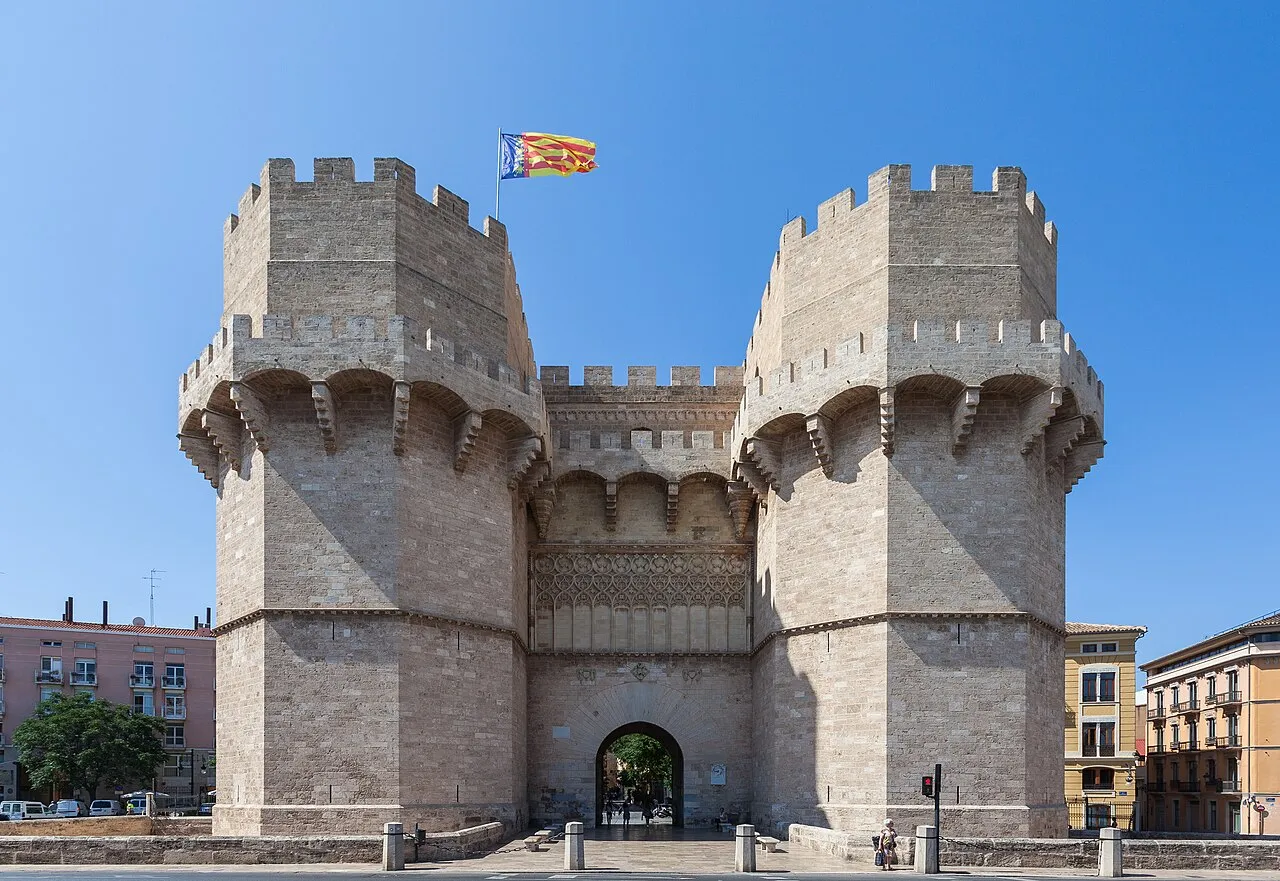
1Serranos Towers

Serranos Towers

📍 Northern end of the neighbourhood

The noble gate of the medieval wall, from the late fourteenth century, with its interior left open, without a rear wall, for tactical reasons. During the Civil War they sheltered the paintings of the Prado evacuated from Madrid. On the last Sunday in February they are the stage for the Crida, the proclamation that opens the Fallas.

2Centre del Carme Cultura Contemporània

Centre del Carme Cultura Contemporània

📍 Carrer del Museu, 2

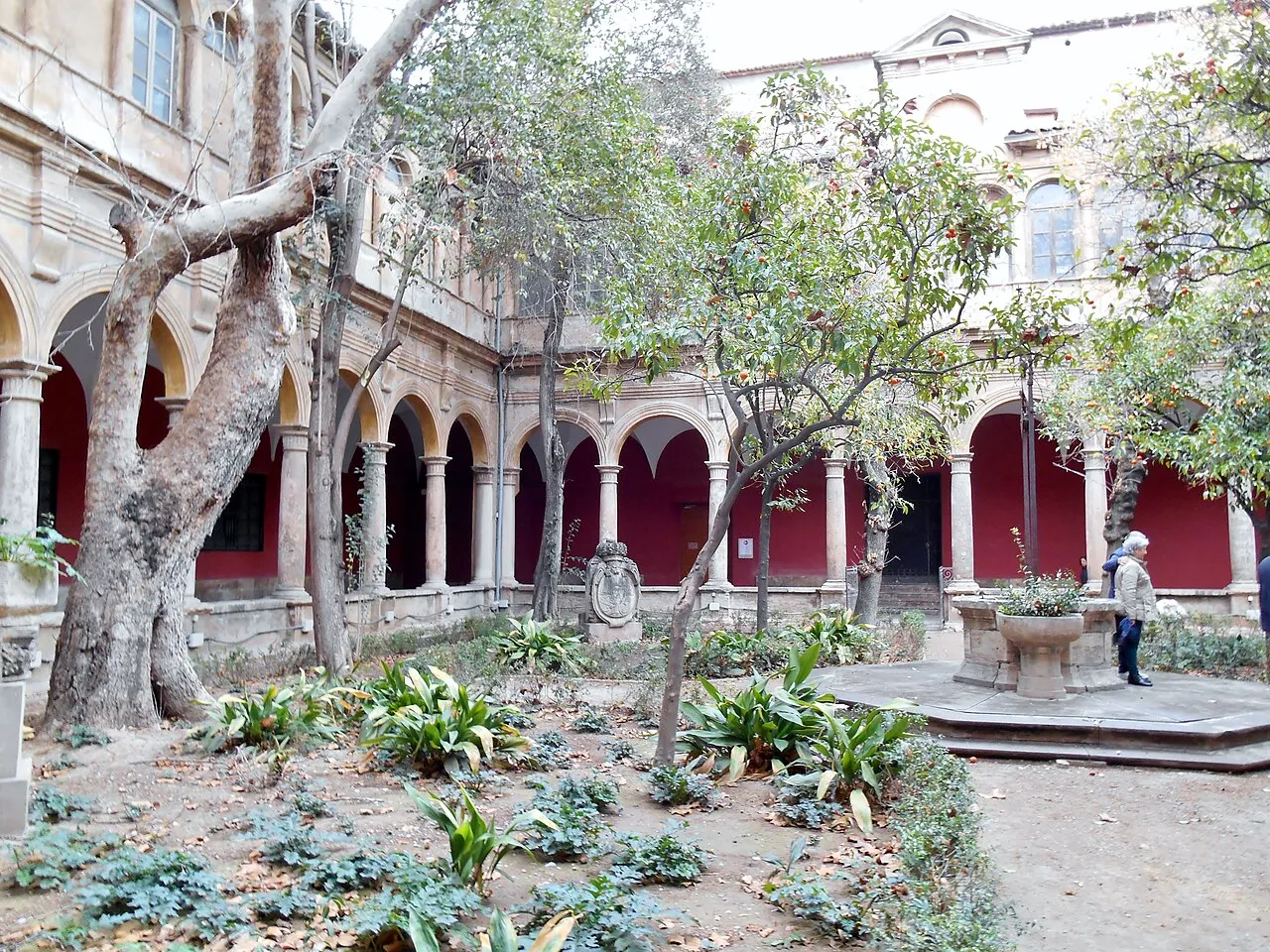
Two silent cloisters, one Gothic from the fourteenth century and one Renaissance from the sixteenth, with orange trees and a well, inside the old Carmelite convent. Free entry, a programme of contemporary art and, above all, the coolest spot in the old town in July. Almost nobody walking past on the street knows what is inside.

3Quart Towers

Quart Towers

📍 Western end of the neighbourhood

The other surviving gate, more massive and more military, built in the mid-fifteenth century on the model of the Castel Nuovo in Naples. Its façade is pitted with cannonball impacts from the French bombardment of 1808, and the city decided never to repair them. They served as a prison for centuries.

🎧 With Viavoy

Explore Valencia at your own pace

Download the app and discover Valencia offline, whenever you like. Take the walking tour El Carmen: Walls, Street Art and Bohemia with a local guide in your ear.

Find out more about Viavoy →

The painted neighbourhood

One of the largest concentrations of murals in Europe.

El Carmen spent decades in decline, with empty buildings, exposed party walls and open plots. That condition — blind walls and little surveillance — turned it, from the nineties onwards, into the territory of Valencian street art, and today it is one of the areas with the highest density of murals in Spain.

There is work by Blu, the Italian whose large-format murals cover entire party walls; by Escif, a Valencian and one of the international references of muralism with a message; by Julieta XLF, by Deih, by Hyuro. Many have disappeared with renovations and others have been painted over: the neighbourhood changes its paint every few years.

The streets with the most on show are calle Baja and calle Alta, the Tossal area and the surroundings of the Plaza del Carmen. Walking them is free and requires no route: just look up at the corners and check the party walls.

The process has its flip side, and the neighbourhood argues about it: renovation and tourist appeal have pushed up rents, multiplied holiday flats and begun to displace the residents who put up with the bad years. It is the same tension as in Lavapiés, the Raval or Triana.

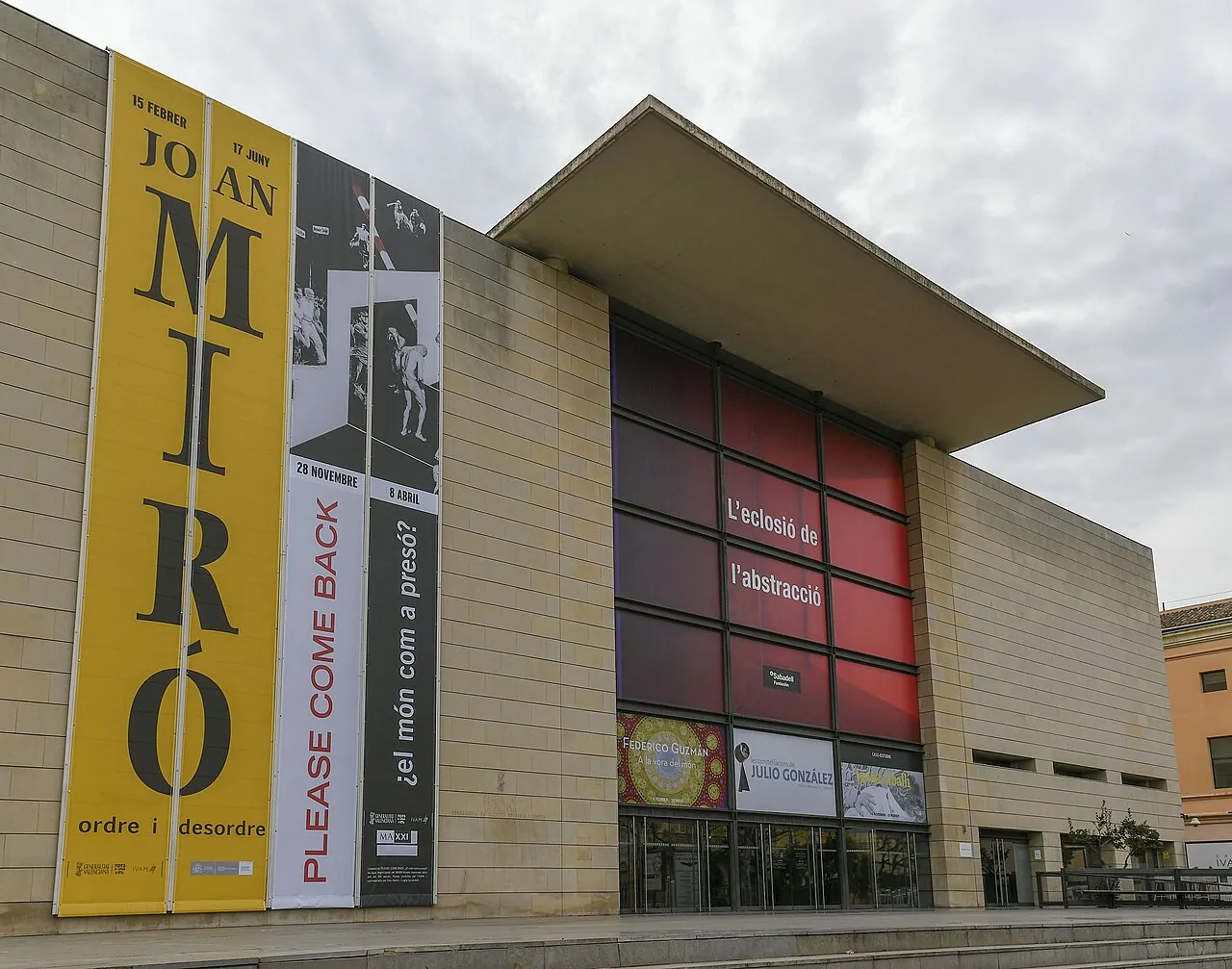
4IVAM Valencian Institute of Modern Art

IVAM Valencian Institute of Modern Art

📍 Carrer de Guillem de Castro, 118

One of the first Spanish museums built from scratch for contemporary art, opened in 1989. It holds a good part of the work of Julio González, the sculptor who taught Picasso to weld iron. And in the basement it keeps on view a stretch of the medieval wall that turned up when the foundations were dug: you walk right alongside a six-hundred-year-old wall.

5Portal de la Valldigna

Portal de la Valldigna

📍 Carrer de la Valldigna

A fourteenth-century arch opened in the inner Islamic wall, the one that separated the Andalusi city from the Christian extension. You walk beneath it on foot, with no eye-catching signage, and almost nobody notices they are passing from one city into another. It is among the oldest elements in the neighbourhood.

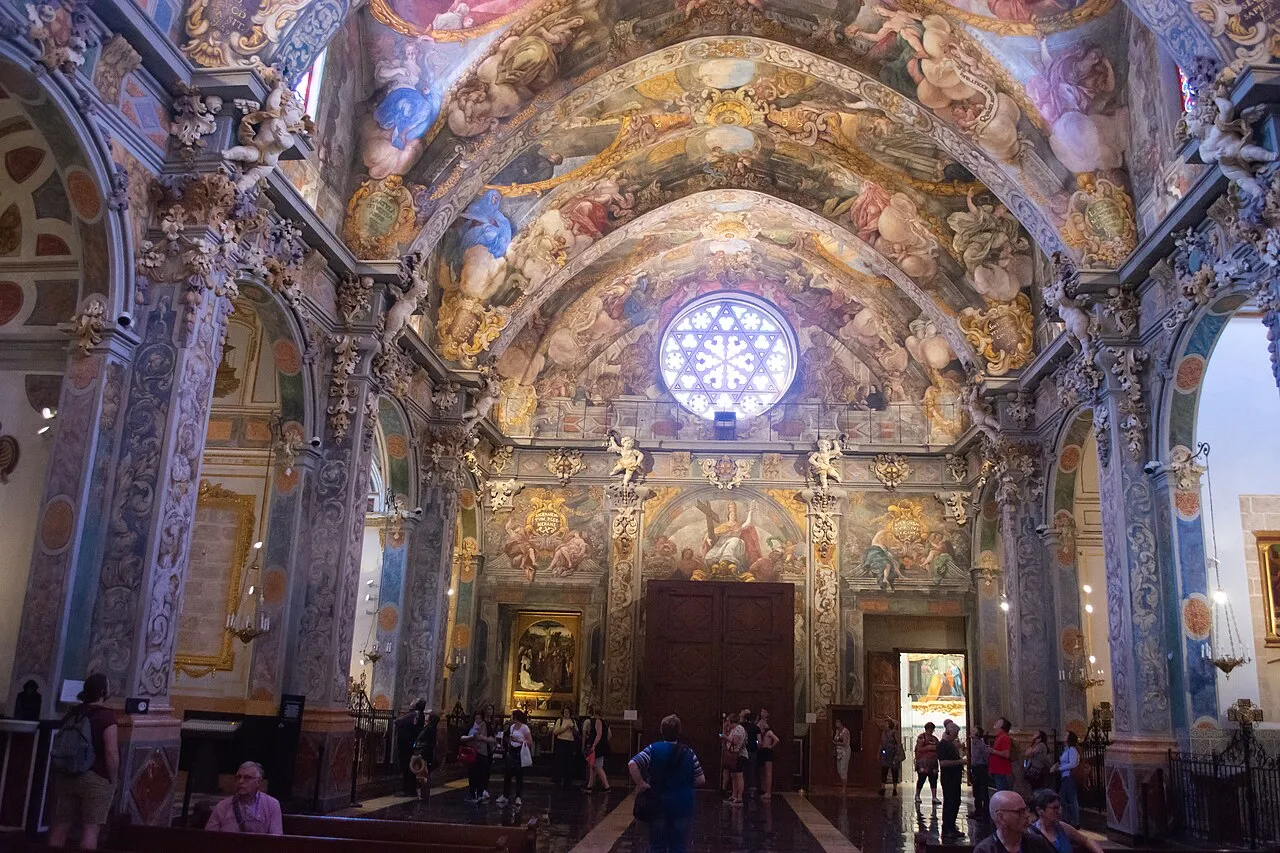
6San Nicolás de Valencia

San Nicolás de Valencia

📍 Carrer dels Cavallers, 35

The Valencian Sistine Chapel: two thousand square metres of vaulting covered in frescoes painted between 1697 and 1700 by Dionís Vidal to a design by Palomino, over a fourteenth-century Gothic structure. It spent three centuries blackened by smoke until the restoration of 2016. From the outside you would never guess a thing.

Frequently asked questions

What is there to see in Valencia's Barrio del Carmen?

The Torres de Serranos and the Torres de Quart, the only two gates left from the medieval wall; the Centre del Carme, with two free cloisters; the IVAM and its stretch of wall in the basement; San Nicolás, with its frescoed vault; the Portal de la Valldigna, an arch of the Islamic wall you walk through; and the street art of calle Baja and calle Alta. It all fits into two hours.

Why are the streets of the Barrio del Carmen so twisted?

Because it grew up in the space left between two walls. The first, Islamic and from the eleventh century, enclosed a small area; the second, Christian and from the fourteenth, was much wider, and the land in between was built up with no plan, no layout, as and when it was needed. The result is irregular blocks, alleys without logic and the impossibility of crossing the neighbourhood in a straight line.

Where is the street art in Valencia?

Mainly in the Barrio del Carmen, which concentrates one of the highest densities of murals in Spain. Calle Baja and calle Alta, the area around the Plaza del Tossal and the surroundings of the Plaza del Carmen are the ones with the most on show. There is work by Blu, Escif, Julieta XLF, Deih and Hyuro, among others. Watch out: the neighbourhood is repainted every few years and renovations have made famous murals disappear, so what you see today may not be there tomorrow.

Is the Barrio del Carmen safe at night?

Yes, it is a very busy area with plenty of nightlife, which over recent decades has gone from run-down to being one of the main leisure areas of the centre. As in any bar district of a big city, the usual care with wallets and with the quieter alleys in the small hours is advisable. The neighbourhood's real problem today is not safety: it is the conflict between the nightlife and the residents.

How much does it cost to go up the Torres de Serranos and the Torres de Quart?

Very little: entry to each is a matter of a few euros and there are days with free access, usually Sundays and public holidays. The Serranos towers are the most visited and have the best view over the old bed of the Turia; the Quart towers are more impressive from the outside, with the unrepaired French cannon impacts of 1808, and have far fewer people. It is worth climbing both.

What is the Portal de la Valldigna?

A fourteenth-century arch opened in Valencia's inner Islamic wall, the one that separated the original Andalusi city from the later Christian extension. It stands in the middle of a street in El Carmen and you walk beneath it, with hardly any signage, so most people pass through without realising they are crossing a thousand-year-old frontier. It is one of the oldest elements still on view in the neighbourhood.

How to walk it, and at what time

The logical route goes from tower to tower: start at Serranos, cross the neighbourhood from the inside past the Plaza del Carmen, the Centre del Carme and the Portal de la Valldigna, and finish at Quart. That is twenty minutes of actual walking and a good two hours with stops.

Calle Caballeros is the main artery and also the busiest; the ones that pay off are the streets beside it, narrower and with more murals. And the Plaza del Tossal, with its free underground archaeological gallery, is the knot where the neighbourhood changes pace.

El Carmen has two very different lives. By day it is quiet, with workshops, bookshops, small terraces and a fair amount of silence; by night it concentrates a good part of the centre's nightlife and fills up. Both versions deserve a visit, but they are not the same thing and it is worth choosing.

For eating, the area around the Plaza del Carmen and the streets towards the Tossal have neighbourhood bars and decent cooking. And for a leisurely drink, the Café Negrito, on its square, has been the neighbourhood's reference point for decades.

Practical information

Getting thereMetro L1/L2 Túria or Àngel Guimerà. From the Cathedral, 10 minutes on foot.
DurationTwo hours with stops. From tower to tower it is 20 minutes of actual walking.
What costs moneyThe two towers (a few euros, with free days), the IVAM and San Nicolás. The Centre del Carme is free.
Street artCalle Baja and calle Alta, the Tossal area and the surroundings of the Plaza del Carmen. Free and ever-changing.
Best momentBy day for the neighbourhood; by night for the atmosphere. They are two different places.
Don't missThe basement of the IVAM with the wall, and the Portal de la Valldigna, which you cross without noticing.
On the map

🎧 With Viavoy

Walk Valencia and listen at your own pace

Download Viavoy and walk Valencia offline, whenever you like.

from 2,99 €· one-off payment
City Pass · 9,99 €3 days, all the tours in Valencia
Find out more about Viavoy →
Viavoy app

Keep reading

More articles

Itineraries

Valencia in 2 days: the itinerary that makes the most of the real city

Culture

The silk route in Valencia: the Lonja, the guild and the weavers' neighbourhood

What to see

The Jardín del Turia: the river Valencia turned into a park

Neighbourhoods

El Cabanyal and La Malvarrosa: tiles, rice and a neighbourhood that saved itself