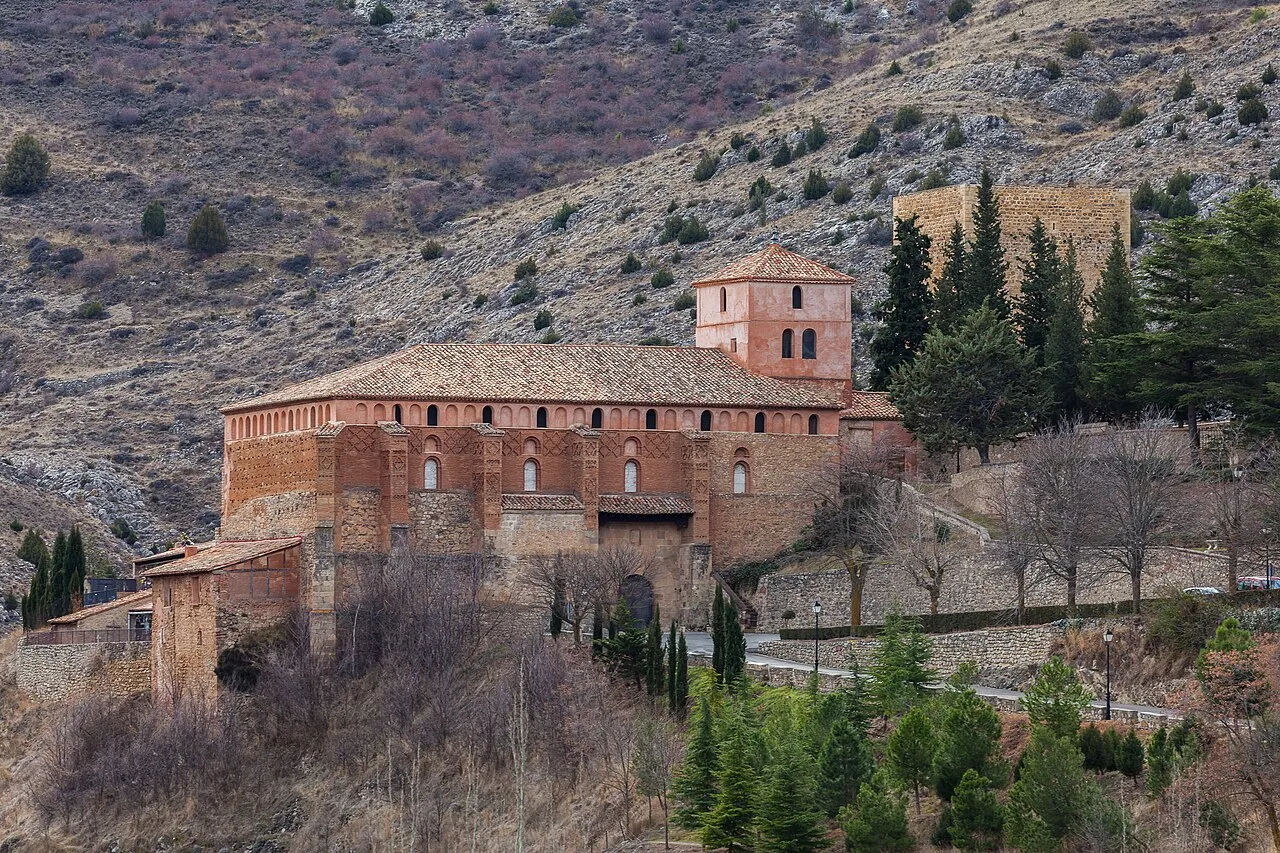
1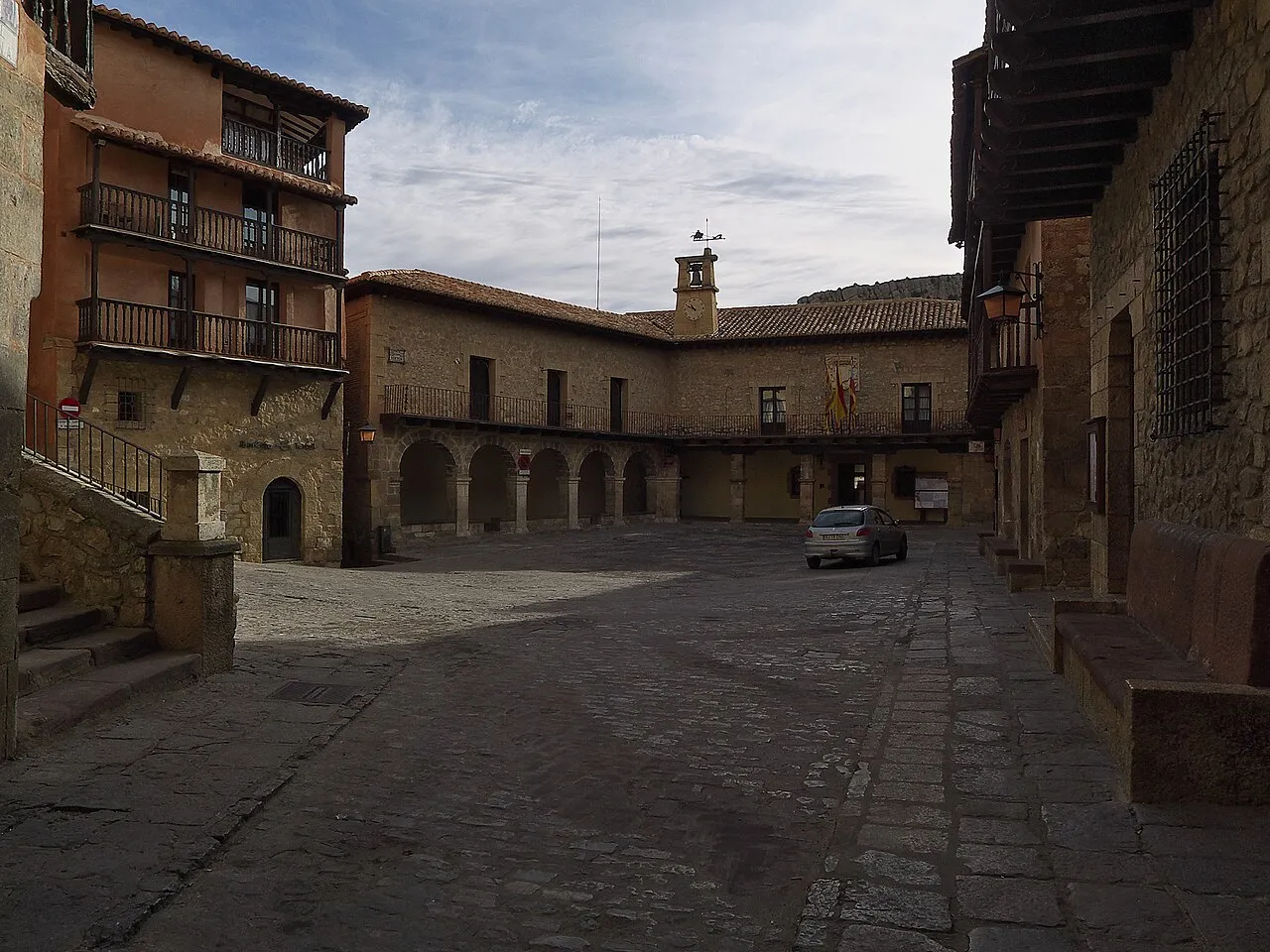
Plaza Mayor de Albarracín
📍 Centre of the village
The only flat ground in the village and where the bars and restaurants are. The natural base for the day, and the place to be at sunset.
A sierra of transhumant livestock farming, the first designation of origin for ham in Spain and dishes built for the cold. What to order in a village of a thousand people.
🎧 On the walk Red Albarracín: the village clinging to the rockAlbarracín sits at 1,170 metres of altitude, in a sierra that lived off livestock for centuries, and its cooking answers to that: meat, cured sausage and spoon dishes built for winter. The province of Teruel also holds the first designation of origin for ham ever created in Spain.
Jamón de Teruel is the star product. Its designation of origin, the first for ham in Spain, was recognised in 1984, and its character comes from the curing: dry, at altitude and in natural cold, which gives a milder and less salty product than other cured hams.
Ternasco de Aragón is the other great meat: young lamb from native breeds, with a protected geographical indication, which here is done roasted in the oven or over embers with little more than salt and garlic. In a sierra of transhumant livestock farming, that simplicity is the norm.
The cured sausages of the area — longaniza, chorizo, morcilla — are another chapter, and cecina, air-dried beef, and marinated cuts complete the larder. It all answers to the same logic: preserving meat in a cold, isolated place through the months of snow.
Albarracín lived off livestock for centuries, and off wool. That transhumant economy is what explains how a village like this came to have a cathedral, walls and palaces: there was money, and it came from the flocks.
The only flat ground in the village and where the bars and restaurants are. The natural base for the day, and the place to be at sunset.
Download the app and discover Albarracin offline, whenever you like. Take the walking tour Red Albarracín: the village clinging to the rock with a local guide in your ear.
Find out more about Viavoy →Migas are the mountain dish par excellence: stale bread crumbled and fried very slowly with garlic, oil and pork scratchings, sometimes with grapes or with chorizo. It was born as shepherd's food, made from leftovers, and it is still exactly that.
Gachas are the other subsistence recipe turned into a dish: flour, water or stock, oil, garlic and whatever there was. Every mountain region in inland Spain has a version, and the Aragonese one is among the tastiest.
After that, mushrooms in season — this sierra is a first-rate mushroom-picking area —, trout from the Guadalaviar and game stews. All of it local produce out of pure historical necessity.
For dessert, the suspiro de amante, a sweet typical of the area, and baked goods with almond. And the wine, from the Aragonese denominations: Cariñena, Somontano or Calatayud, with garnacha as the characteristic grape.
The restaurants cluster around the Plaza Mayor and in the streets immediately around it. In a village this size the choice is limited, so in high season and at weekends it is worth booking.
The village is covered in a long half-day, so the natural thing is to eat halfway round, after going up to the Torre del Andador and before coming down to the castle and the churches.
The Plaza Mayor is the only flat spot in the village — everything else is slope — and that is where the bars and restaurants are concentrated. It is also the best place for the sobremesa, the long sit after the meal, with the reddish stone all around.
Bear the altitude and the climate in mind: at 1,170 metres the winters are genuinely cold and many places cut their opening hours out of season. Check first if you are travelling midweek in winter.
And if you stay for sunset, which is what makes it worth it, have dinner here: with the façades set alight by the raking sun, the square is one of the best open-air dining rooms in Aragon.
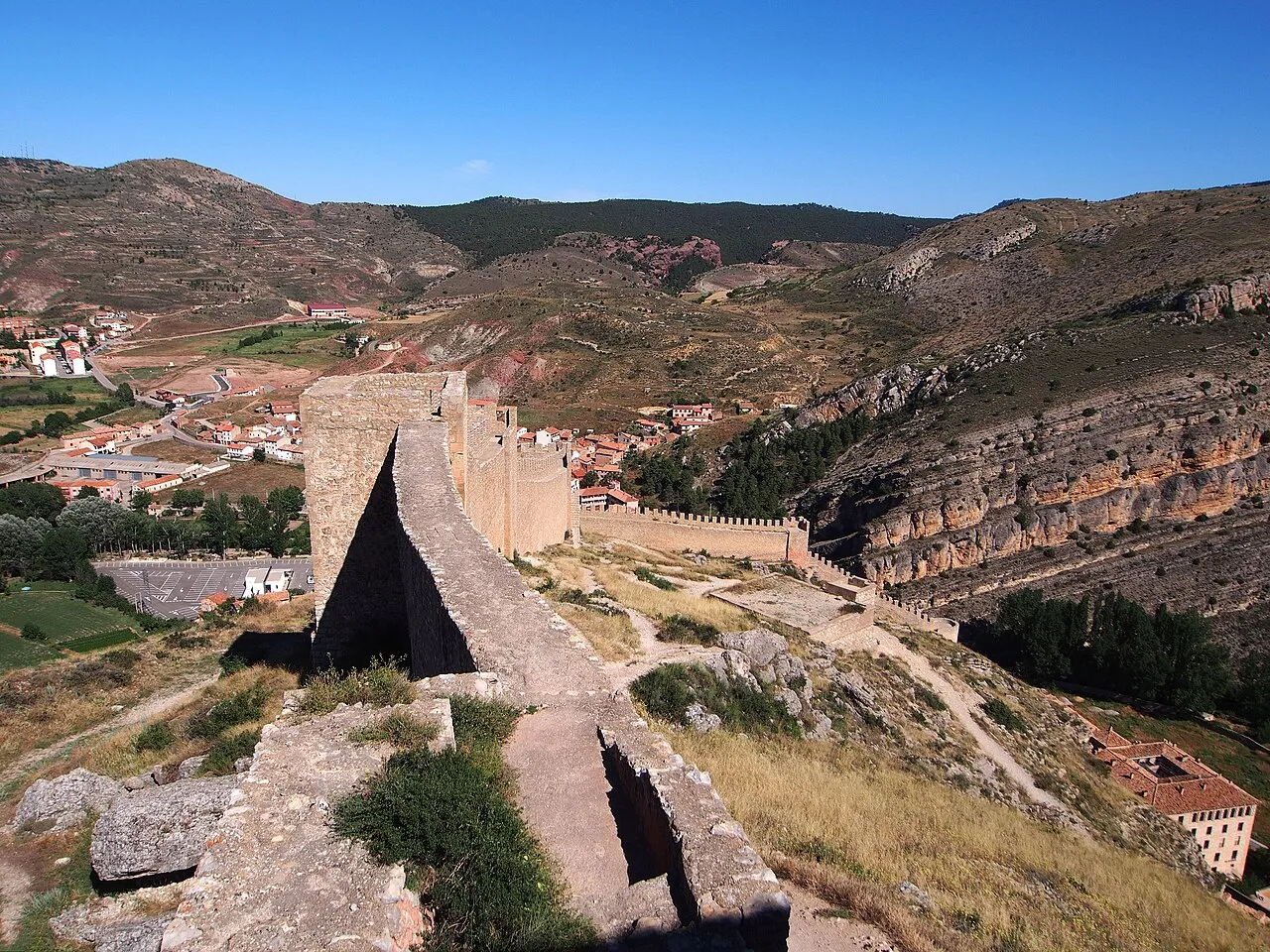
Climb it before lunch: twenty minutes of slope and the best viewpoint in the village. After that, the whole route runs downhill.
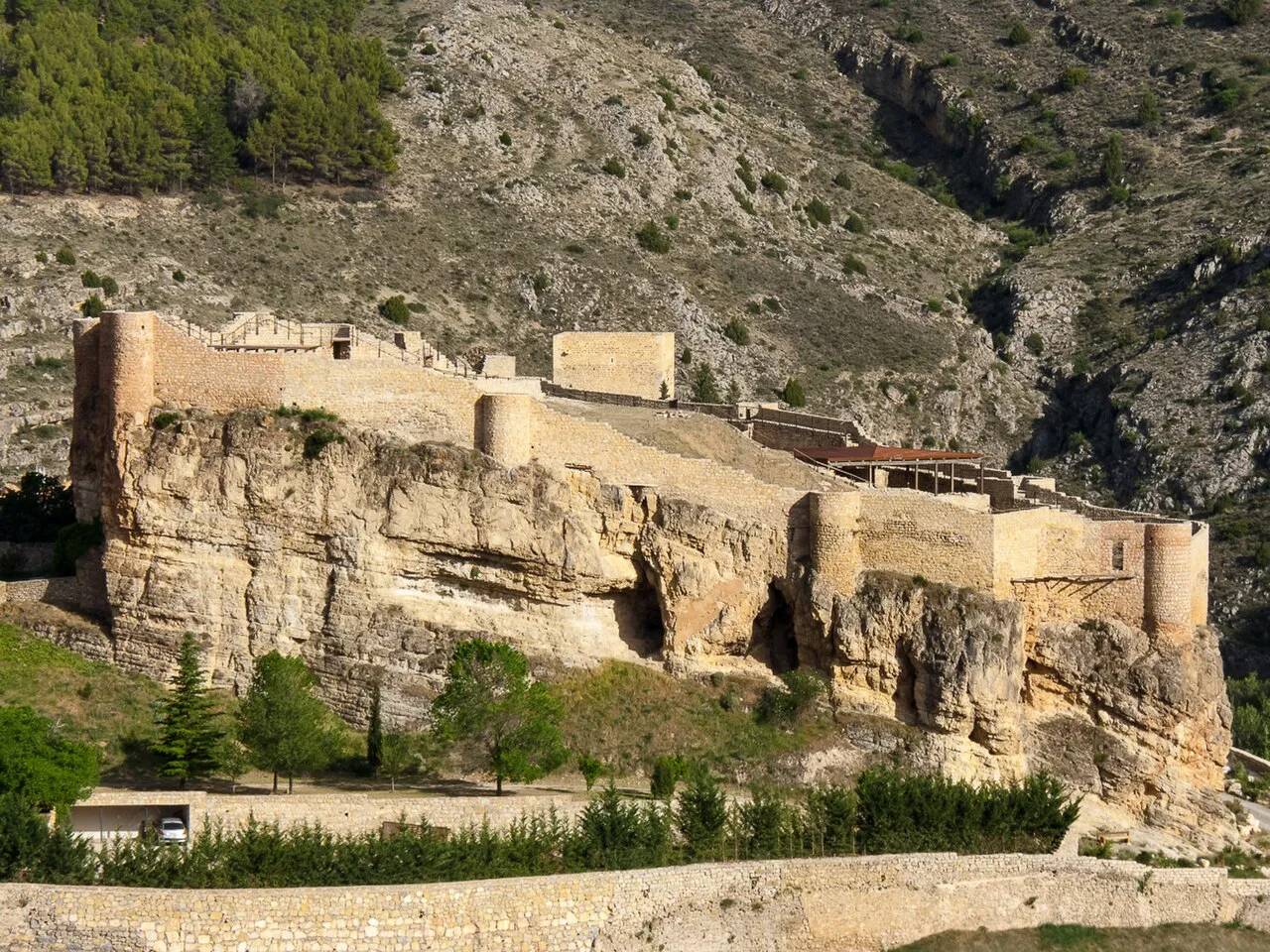
The after-lunch visit: the alcázar of the Banu Razín, with an Andalusi quarter and a bathhouse with a hypocaust. Forty-five minutes.
Jamón de Teruel, roast ternasco de Aragón and shepherd's migas. All three answer to the same logic: a livestock sierra at 1,170 metres of altitude, with hard winters and a larder based on meat and on preservation. In season, mushrooms and trout from the river as well.
It was the first designation of origin for ham recognised in Spain, in 1984. Its character comes from the curing: dry, at altitude and in natural cold, which gives a milder and considerably less salty product than other cured hams. You recognise it by the eight-pointed star stamped on the rind.
Young lamb from native Aragonese breeds, with a protected geographical indication. In this sierra it is prepared roasted in the oven or over embers with little more than salt and garlic: in an area of transhumant livestock farming, that simplicity is not gastronomic minimalism but tradition.
Stale bread crumbled and fried very slowly with garlic, oil and pork scratchings, sometimes with grapes or chorizo. It was born as shepherd's food, made from leftovers, and it is the mountain dish par excellence throughout inland Spain. The Aragonese version is one of the heartiest.
The restaurants cluster around the Plaza Mayor and in the streets immediately around it, which is also the only flat spot in the village. In a place of fewer than a thousand inhabitants the choice is limited, so in high season and at weekends it is worth booking in advance.
It can be. At 1,170 metres of altitude the winters are genuinely cold and many places cut their opening hours or close on some weekdays out of season. If you are travelling midweek in winter, it is worth checking beforehand what is open.
Wine from the Aragonese denominations: Cariñena, Somontano or Calatayud, with garnacha as the region's characteristic grape. They are full-bodied wines that go well with the meat and spoon cooking of the sierra, and they still offer excellent value for money.
Download Viavoy and walk Albarracin offline, whenever you like.