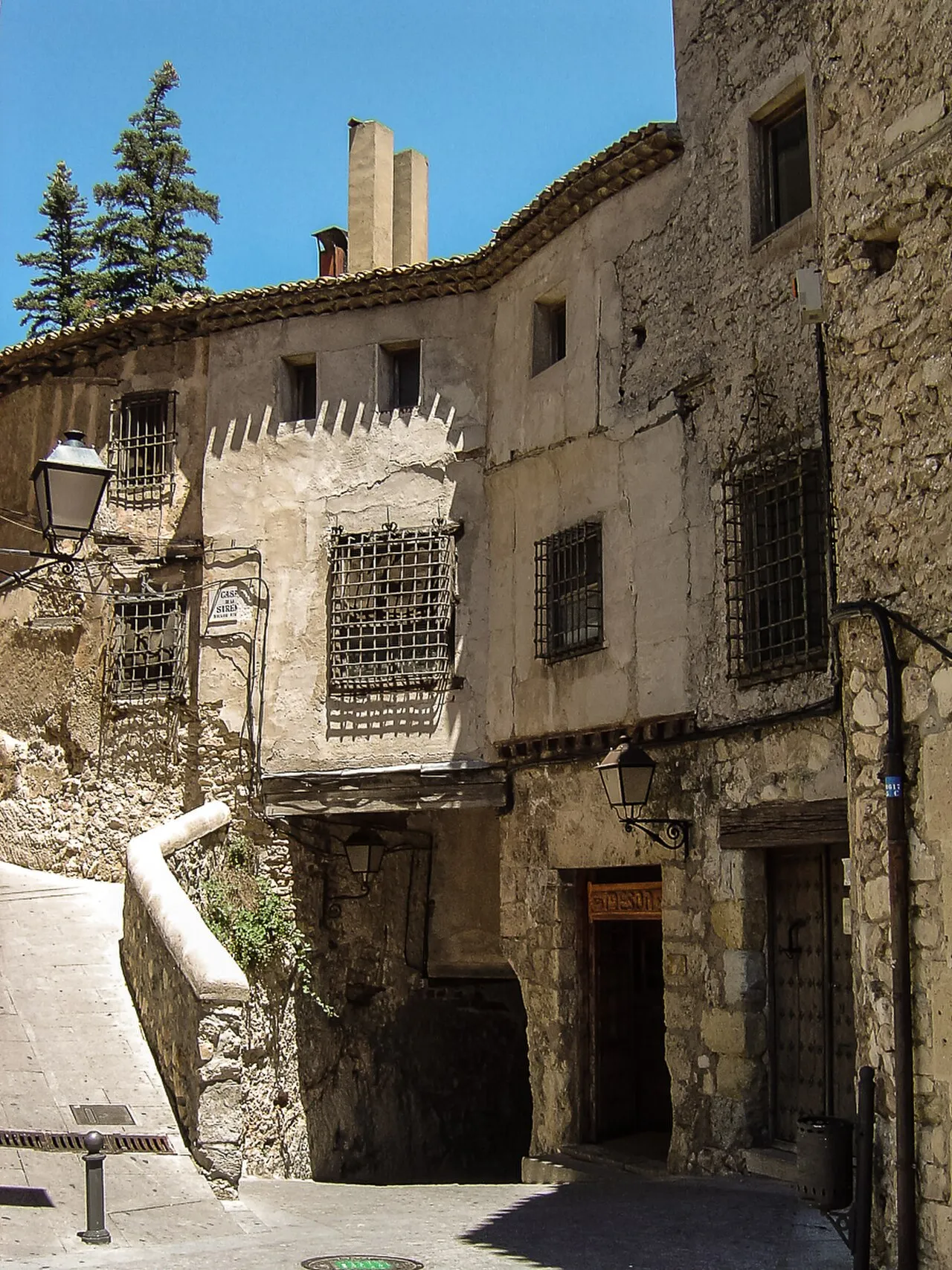
It is one of the most improbable stories in twentieth-century Spanish art: in the sixties, a group of abstract painters — frowned upon by the regime and without a market — began to settle in Cuenca, a small, provincial city three hours from Madrid. Sixty years later, the city has more square metres of contemporary art per inhabitant than almost any other in Spain.
The display of the Museum of Spanish Abstract Art, designed by the artists themselves in 1966, changed the way exhibitions were installed in Spain. It was a provincial capital that set the standard.
How the avant-garde reached a provincial city
In the Spain of the fifties and sixties, abstract art was an uncomfortable position: it neither fitted official taste nor had enough of a market to live from. The painters of the El Paso group and their contemporaries worked in Madrid with difficulty and were looking for cheap places to have a studio.
Cuenca offered half-abandoned old houses in a depopulated historic centre, silence, an extraordinary landscape and provincial prices. Gustavo Torner, born in Cuenca, was the connection; little by little others arrived, and the city became the meeting point of an entire generation.
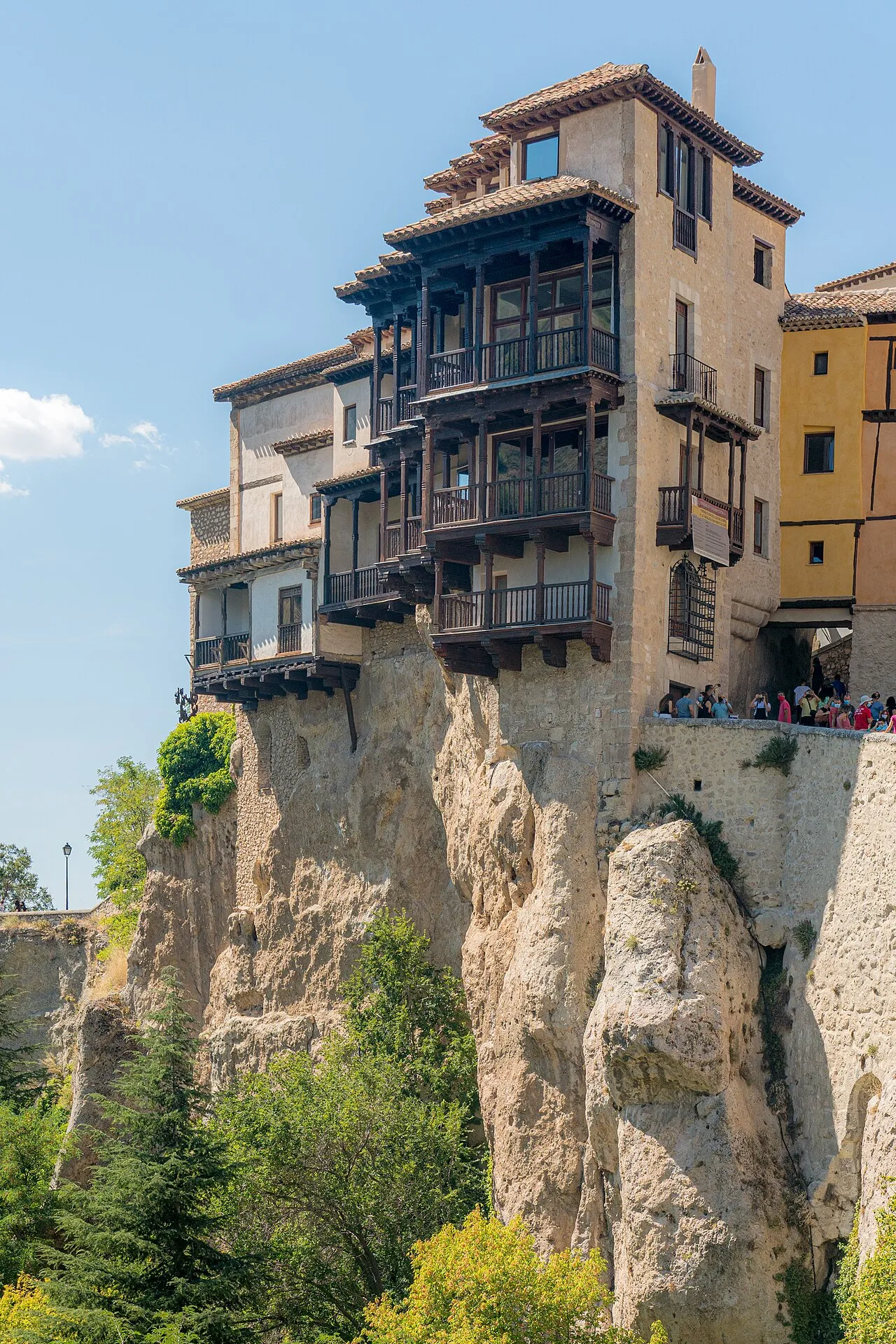
The decisive step was taken by Fernando Zóbel, a painter born in the Philippines who had spent years buying work from his friends and needed somewhere to bring it together. In 1966 he opened the Museum of Spanish Abstract Art in the Hanging Houses, and that changed the scale of everything.
Chillida, Tàpies, Millares, Saura, Torner, Rueda, Sempere, Oteiza and Zóbel himself, hung inside medieval houses suspended over the precipice. Free entry ever since Zóbel donated it to the Fundación Juan March in 1980.
The container is half the argument. Seeing abstract painting in fourteenth-century houses leaning over forty metres of void, with the windows giving onto the ravine, is an experience no big-city museum can reproduce.
What was truly influential about the museum was not the collection but how it was installed. The artists themselves — Torner and Gerardo Rueda above all, with Zóbel — designed the rooms playing with the natural light, the old wood of the beams, the white of the walls and the windows open onto the ravine.
Against the warehouse-museum of the time, with the works lined up and the labels as the only criterion, here each room was conceived as a space with its own rhythm: few pieces, plenty of air and the building forming part of the display instead of merely containing it.
The result was so new in the Spain of 1966 that it became an immediate reference. A good part of Spanish exhibition design in the following decades is explained by looking at Cuenca, something quite unusual for a small museum in a provincial capital.
And the city did not stop there. The initial impulse generated a fabric that is still working, with more collections, foundations and exhibition spaces than would correspond to a population of its size.
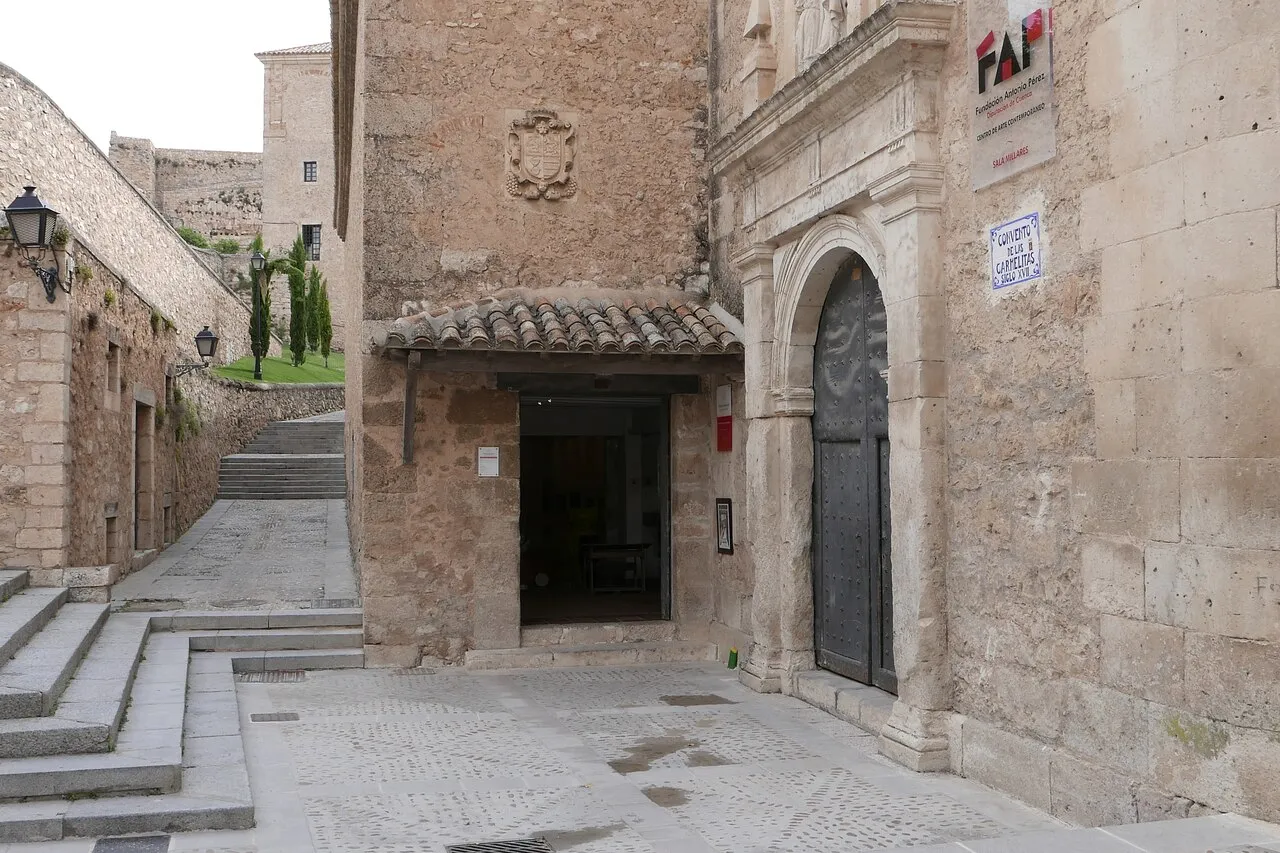
The city's other great collection, in a convent in the upper old town: contemporary art, found objects and a very notable collection of graphic work. Less well known than the Museum of Spanish Abstract Art and with considerably shorter queues.
Besides the Museum of Spanish Abstract Art, the city has the Fundación Antonio Pérez, housed in a former convent in the upper old town, with a very powerful collection of contemporary art, found objects and graphic work. It tends to be much emptier and deserves the same attention.
There is also the Espacio Torner, in the church of San Pablo, on the other side of the Puente de San Pablo, devoted to the work of Gustavo Torner, and the Science Museum, which although it is not art works very well and is the best option if you are travelling with children.
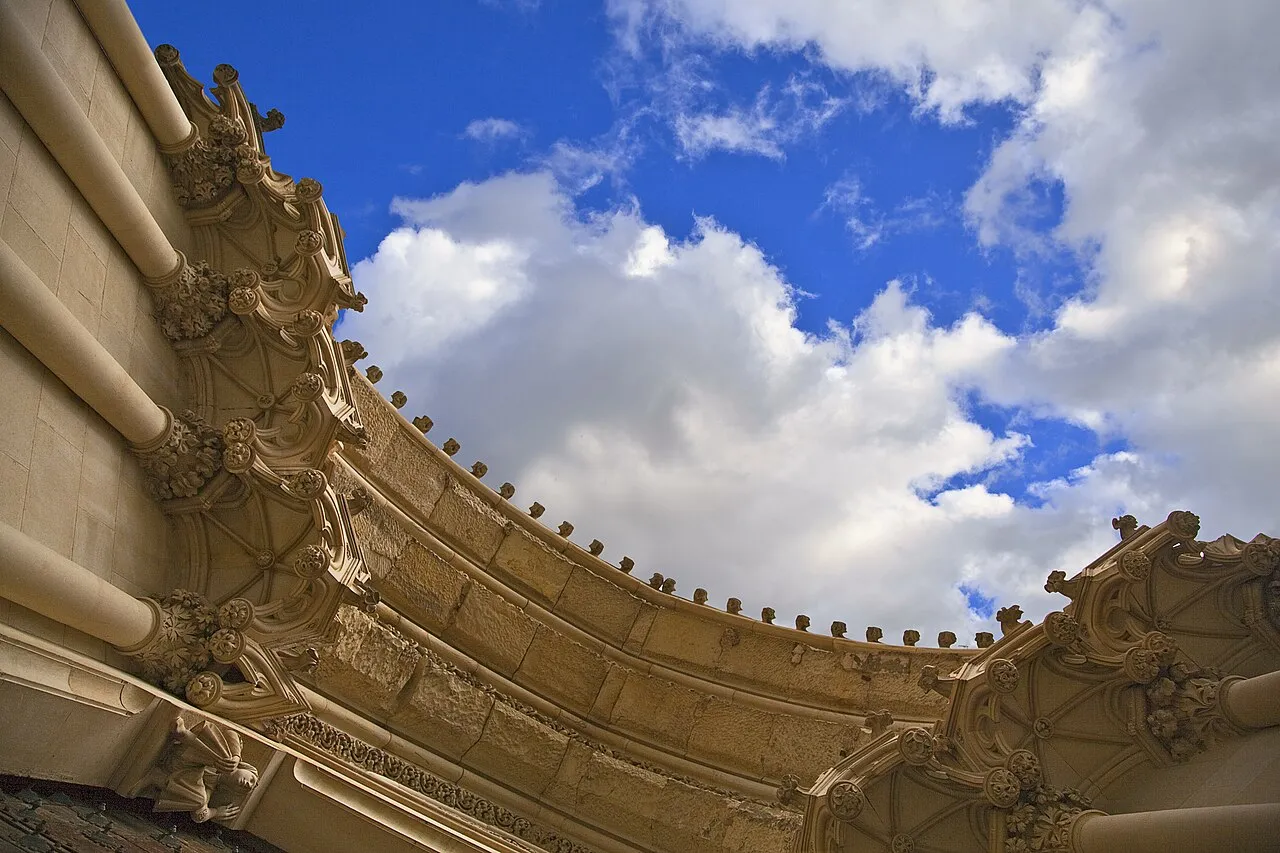
The contrast with the old is part of the appeal. The cathedral has abstract twentieth-century stained glass, commissioned from contemporary artists linked to the city, and seeing early Gothic lit by non-figurative stained glass is an experience no other Spanish cathedral offers.
That, in the end, is the argument of Cuenca: it is not a medieval city with a modern museum inside, but a place where the old and the contemporary have been living together naturally for sixty years.
A good part of its stained glass is abstract and from the twentieth century, the work of contemporary artists tied to the city. Early Gothic of Anglo-Norman influence lit by non-figurative stained glass: there is no other Spanish cathedral where anything like this happens.
Because in the fifties and sixties a group of Spanish abstract painters, with no market and no official support, looked for cheap places to have a studio and found here half-abandoned houses in a depopulated historic centre, silence and an extraordinary landscape. Gustavo Torner, born in Cuenca, was the connection, and everything else came out of that.
Who was Fernando Zóbel?
A painter born in the Philippines, of a Spanish family, who had spent years buying work from the Spanish abstract painters of his generation and needed somewhere to bring it together and make it public. In 1966 he opened the Museum of Spanish Abstract Art in the Hanging Houses, and in 1980 he donated it to the Fundación Juan March to secure its continuity.
What is special about the museum's display?
That the artists themselves designed it, playing with the natural light, the old wood of the beams, the white of the walls and the windows open onto the ravine. Against the warehouse-museum of the time, here each room was conceived as a space with its own rhythm: few pieces and plenty of air. It was an immediate reference for all Spanish exhibition design.
What other art museums are there in Cuenca?
The Fundación Antonio Pérez, in a former convent in the upper old town, with contemporary art, found objects and graphic work; and the Espacio Torner, in the church of San Pablo, devoted to Gustavo Torner. Both are considerably less busy than the Museum of Spanish Abstract Art and deserve the same attention.
Is the Museum of Spanish Abstract Art free?
Yes, entry has been free ever since Zóbel donated the museum to the Fundación Juan March in 1980. And it is also the only way to get inside the Hanging Houses and lean out of their windows over the precipice, so it pays off twice over. It is worth checking the weekly closing day before going.
Is the cathedral's stained glass old?
A good part of it is not: it is twentieth-century and abstract, commissioned from contemporary artists linked to the city. Seeing an early Gothic interior of Anglo-Norman influence lit by non-figurative stained glass is an experience no other Spanish cathedral offers, and it sums up the character of Cuenca well.
Practical information
The essential oneMuseum of Spanish Abstract Art, in the Hanging Houses. Free entry.
The secondFundación Antonio Pérez, in a convent in the upper old town. Considerably less busy.
AlsoEspacio Torner in the church of San Pablo, and the Science Museum if you are travelling with children.
BonusThe abstract stained glass of the cathedral, twentieth-century and non-figurative.
TimeA good hour for the Abstract Art museum; another hour for the Fundación Antonio Pérez.
Closing daysCheck the weekly closing day of each one before organising your day.
On the map
🎧 With Viavoy
Walk Cuenca and listen at your own pace
Download Viavoy and walk Cuenca offline, whenever you like.