1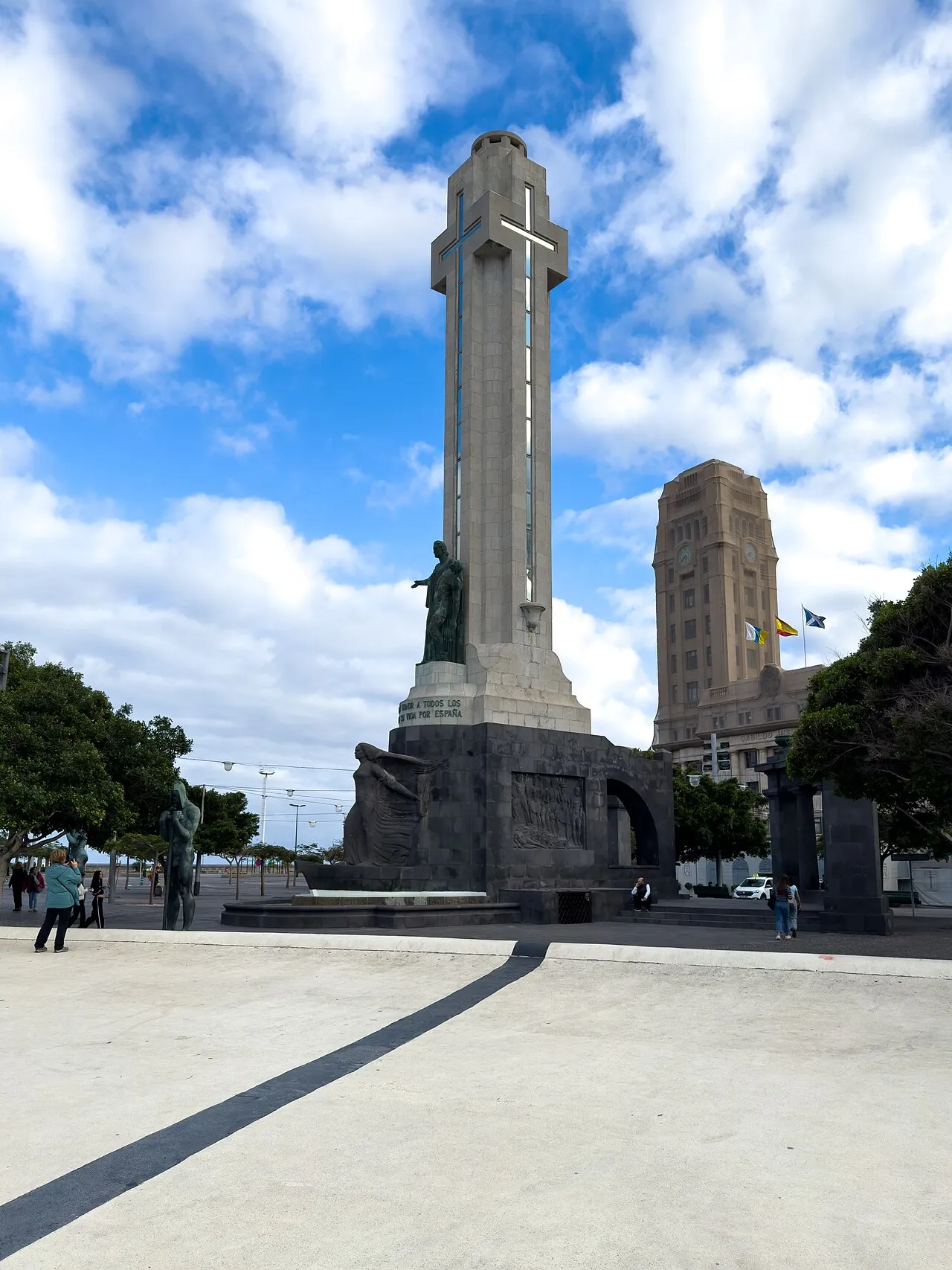
Plaza de España
📍 Centre, facing the harbour
The epicentre of the street carnival. The largest square in the Canary Islands turns into a seething mass on the big nights of February.
Twinned with Rio's, declared of International Tourist Interest in 1980 and capable of putting the entire city on the street for two weeks in February.
🎧 On the walk Plaza de España, La Concepción and the centreIt is considered one of the biggest carnivals on the planet and it is the event that defines this city. For two weeks in February Santa Cruz stops being a quiet administrative capital and becomes something else. This guide explains how it works, so that you do not arrive without understanding what you are looking at.
It was declared a Festival of International Tourist Interest in 1980 and it is twinned with the Carnival of Rio de Janeiro, a formal link that very few European festivals have and that gives you the measure of its scale.
The connection with America is not marketing. For centuries the Canary Islands were a compulsory stop on the way to the Caribbean and to the Río de la Plata, with constant emigration in both directions, and that circulation left its mark on the music, on the way people speak and on the way they celebrate. The Santa Cruz carnival sounds far more Caribbean than mainland.
The backbone is the murgas, groups that compete singing satirical lyrics about the political and social events of the year, and the comparsas, which bring the colour, the percussion and the dancing of Brazilian roots.
And the moment that sums it all up is the Entierro de la Sardina, the Burial of the Sardine, which closes the festivities: a mass parodic funeral, with professional mourners and widows in exaggerated black, that ends by burning a giant sardine. It is popular theatre in its purest state.
The epicentre of the street carnival. The largest square in the Canary Islands turns into a seething mass on the big nights of February.
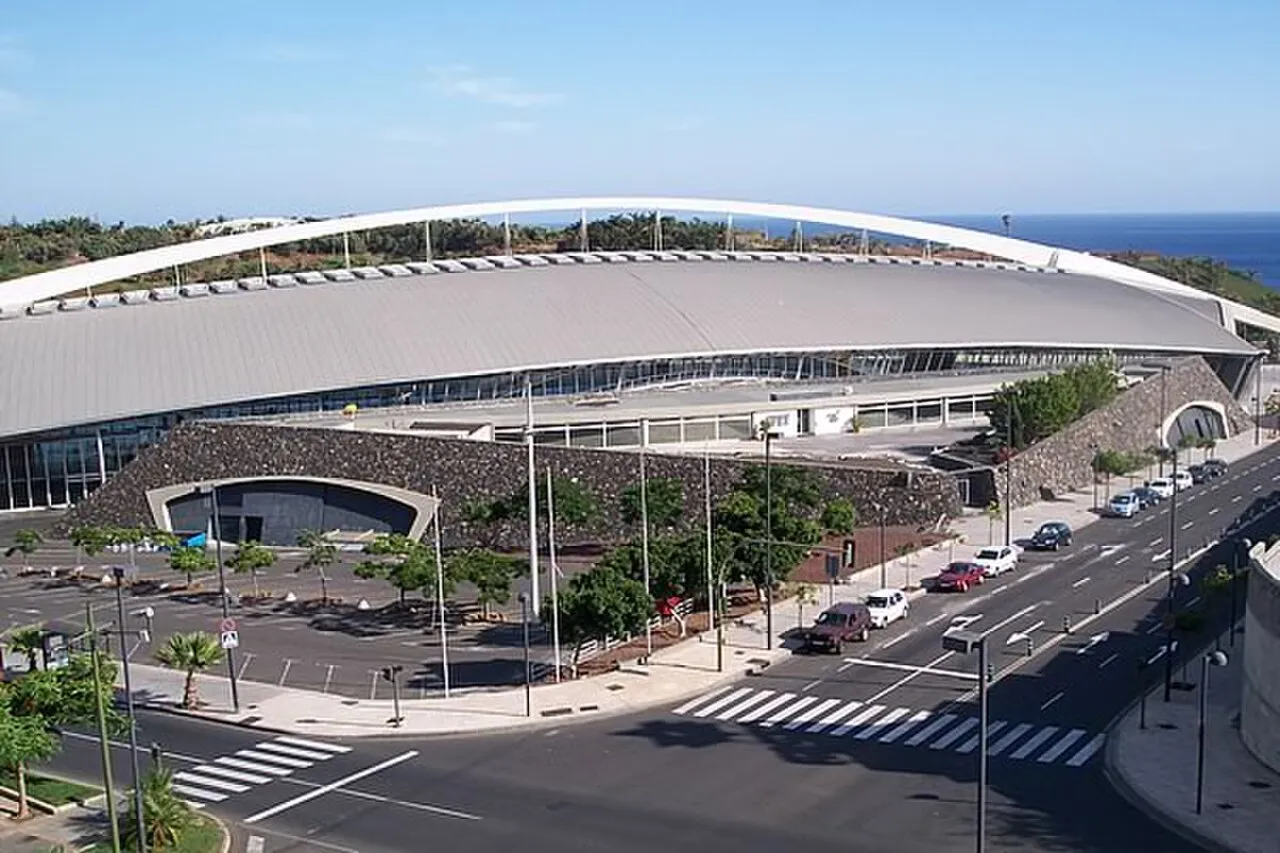
When rain threatens, the big galas take shelter under its vault of twelve thousand square metres without a single pillar. The largest covered space in the archipelago.
Download the app and discover Santa Cruz de Tenerife offline, whenever you like. Take the walking tour Plaza de España, La Concepción and the centre with a local guide in your ear.
Find out more about Viavoy →The dates move every year because they depend on the calendar of Lent, and the bulk of the festivities normally falls in February. Check the official programme as soon as it is published, because every day has its event and they are not all equally interesting.
Accommodation is the main problem. The city fills up completely and prices shoot up, so you have to book well in advance. A common alternative is to sleep in La Laguna, fifteen minutes away by tram, which keeps running on extended hours during the big nights.
Dress up. This is not a minor detail nor a tourist recommendation: at the street carnival practically everyone is in costume, and anyone who is not feels out of place. It does not need to be elaborate.
And if rain threatens, the big galas take shelter in the Recinto Ferial, that Calatrava building whose upper hall has twelve thousand square metres without pillars. Having a space like that is not a luxury in this city: it is critical infrastructure in February.
If you travel outside February, the city keeps traces of the carnival all year and they are worth looking for. The most obvious is the Recinto Ferial itself, which is where a good part of the official programme happens.
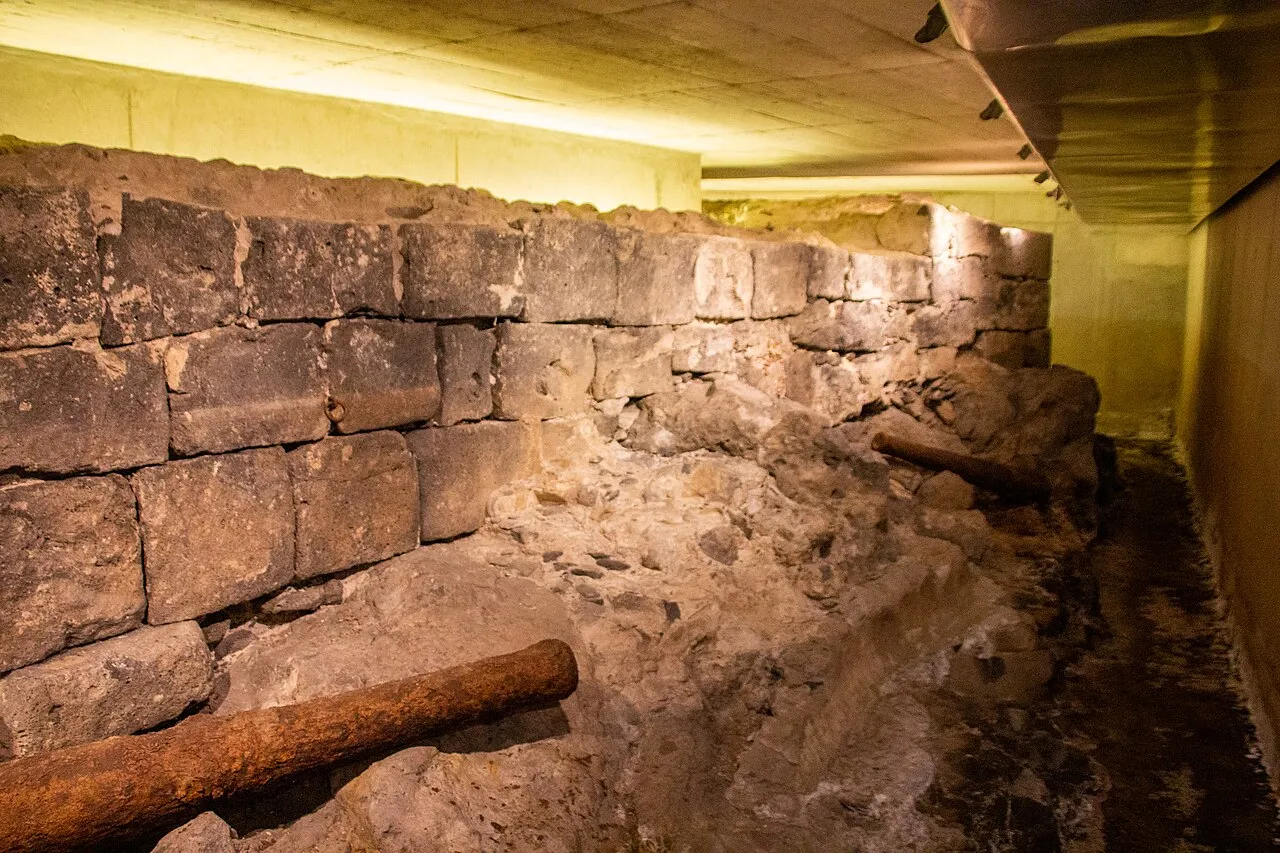
The rest of the city, without the carnival, is a quiet capital with a heritage that surprises: the sixteenth-century fortress buried under the Plaza de España, the Church of la Concepción with the cross that gave the city its name, the Masonic Temple and the Carta Palace.
And the Market of Nuestra Señora de África, which in the weeks before the carnival fills with people buying fabrics, accessories and everything the costumes need. Going in the morning in January or February is to see the city getting ready.
Aside from the carnival, the other great date in the local calendar is 25 July, when the Gesta de 1797, the great feat, is commemorated with ceremonies, gun salutes and historical re-enactments. It is a completely different celebration and also very much its own.
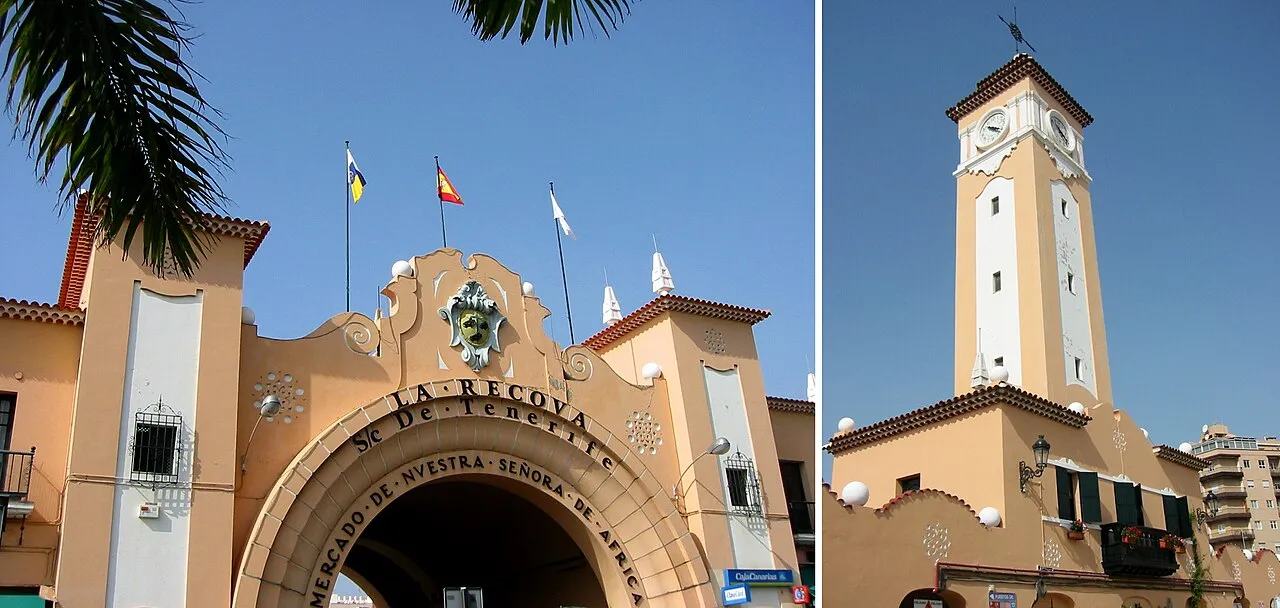
In the weeks before the carnival it fills with fabrics and accessories for costumes. Neocolonial, from 1944, with a central courtyard and arcaded galleries.
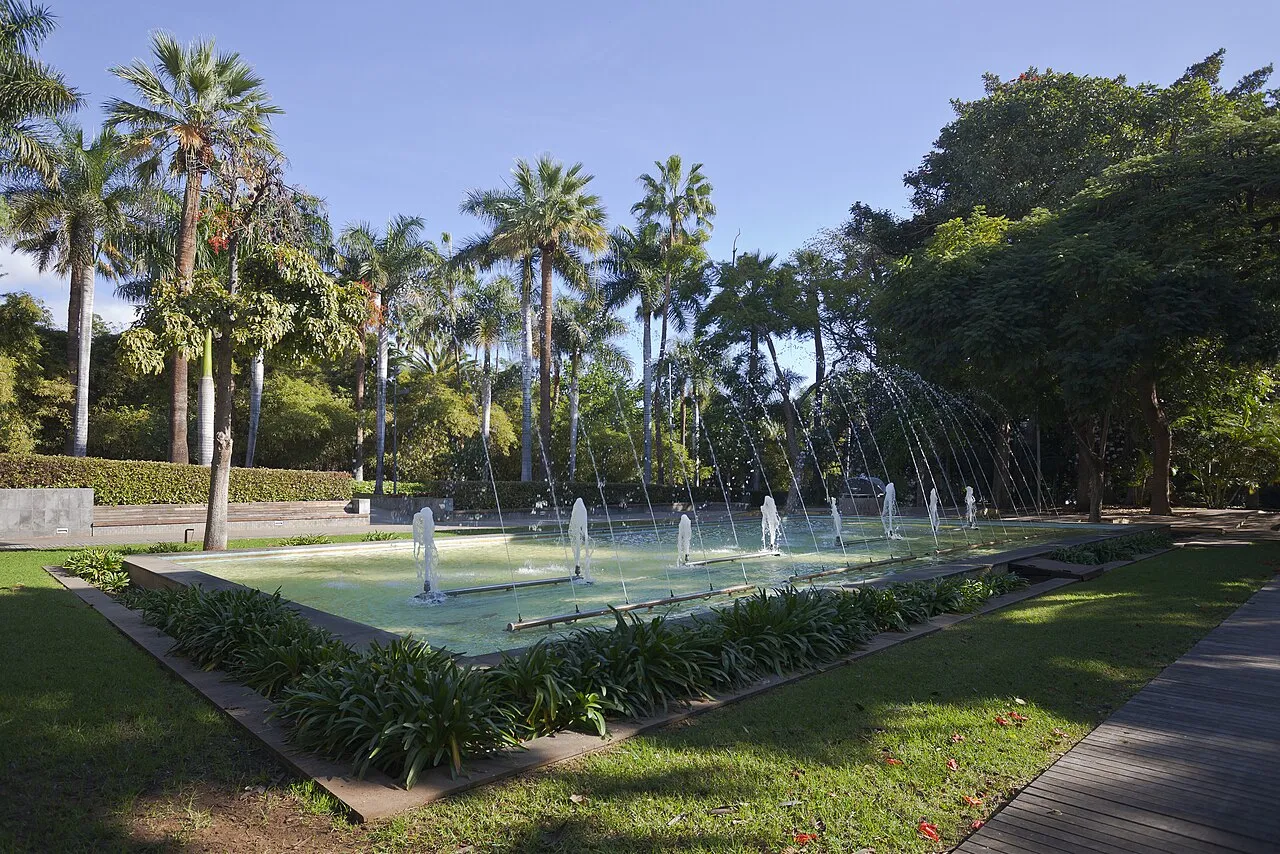
The largest urban garden in the Canary Islands, with contemporary sculptures among the trees. The green pause fifteen minutes from the bustle of the centre.
Normally in February, although the exact dates change every year because they depend on the calendar of Lent. The festivities run for about two weeks, with a dense official programme in which every day has its event. It is worth checking it as soon as it is published in order to choose which days to go.
Yes, it is a formal twinning, and very few European festivals have anything like it. It was also declared a Festival of International Tourist Interest in 1980. The connection with America is no accident: for centuries the Canary Islands were a compulsory stop on the way to the Caribbean and the Río de la Plata, and that circulation left its mark on the music and on the way people celebrate.
The murgas are groups that compete singing satirical lyrics about the political and social events of the year, with fairly sharp criticism. The comparsas bring the colour, the percussion and the dancing of Brazilian roots. Between them they form the backbone of the carnival's official competition.
The act that closes the festivities: a mass parodic funeral, with professional mourners and widows in exaggerated black weeping through the streets, that ends by burning a giant sardine. It is popular theatre in its purest state and, for many people, the most entertaining moment of the whole carnival.
At the street carnival, practically yes. Almost everyone is in costume and anyone who is not feels out of place. It does not need to be elaborate or expensive: in the weeks beforehand the whole city is selling fabrics and accessories, and the La Recova market fills with people putting theirs together.
The main problem is that the city fills up completely and prices shoot up, so you have to book well in advance. A very common alternative is to sleep in La Laguna, fifteen minutes away by tram, which also keeps running on extended hours during the big nights.
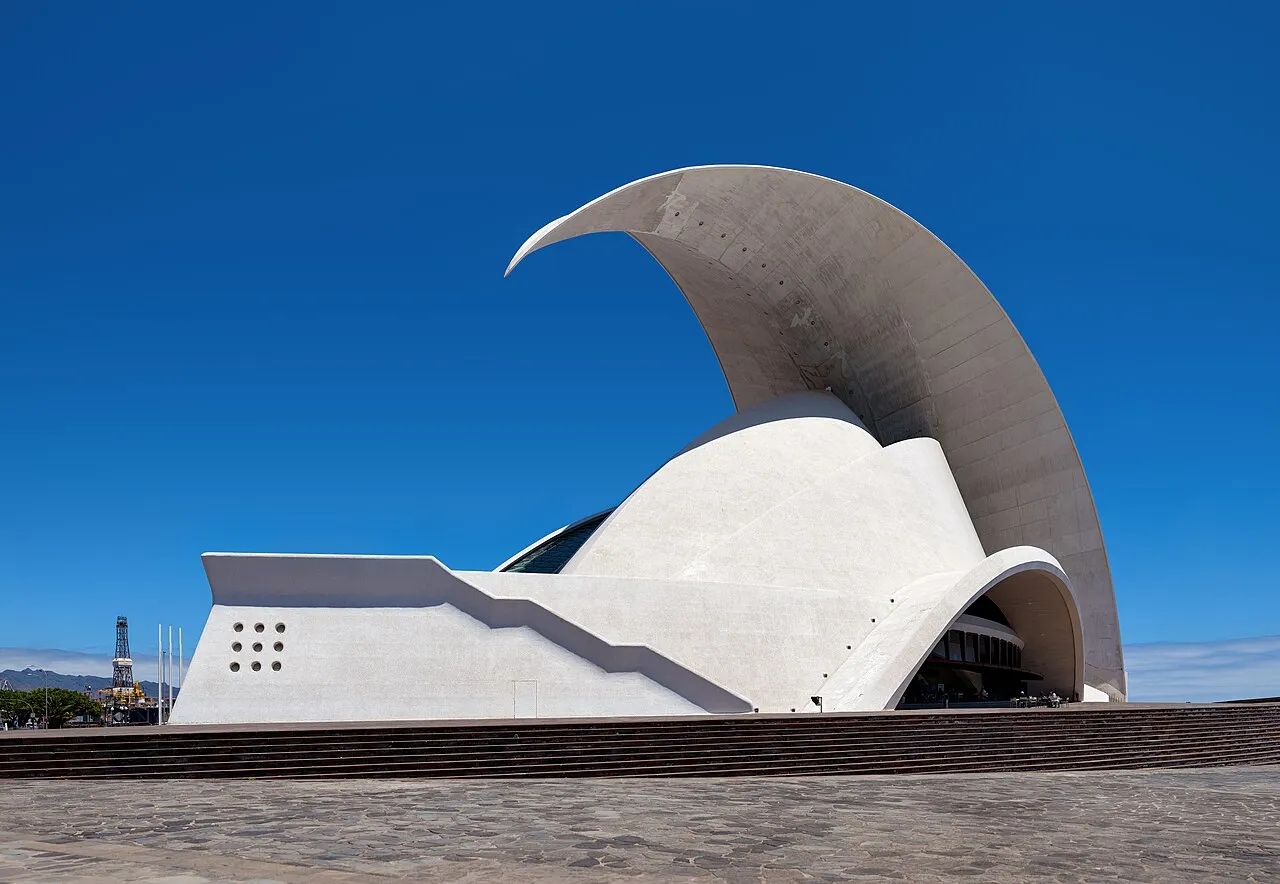
Very much. It is a quiet capital with a heritage that surprises: a sixteenth-century fortress you can visit under the main square, the largest Masonic temple there ever was in Spain, Calatrava's Auditorio, the largest urban garden in the Canary Islands and a botanical garden built on the old rubbish tip. And the other great local date is 25 July.
Download Viavoy and walk Santa Cruz de Tenerife offline, whenever you like.

Keep reading