1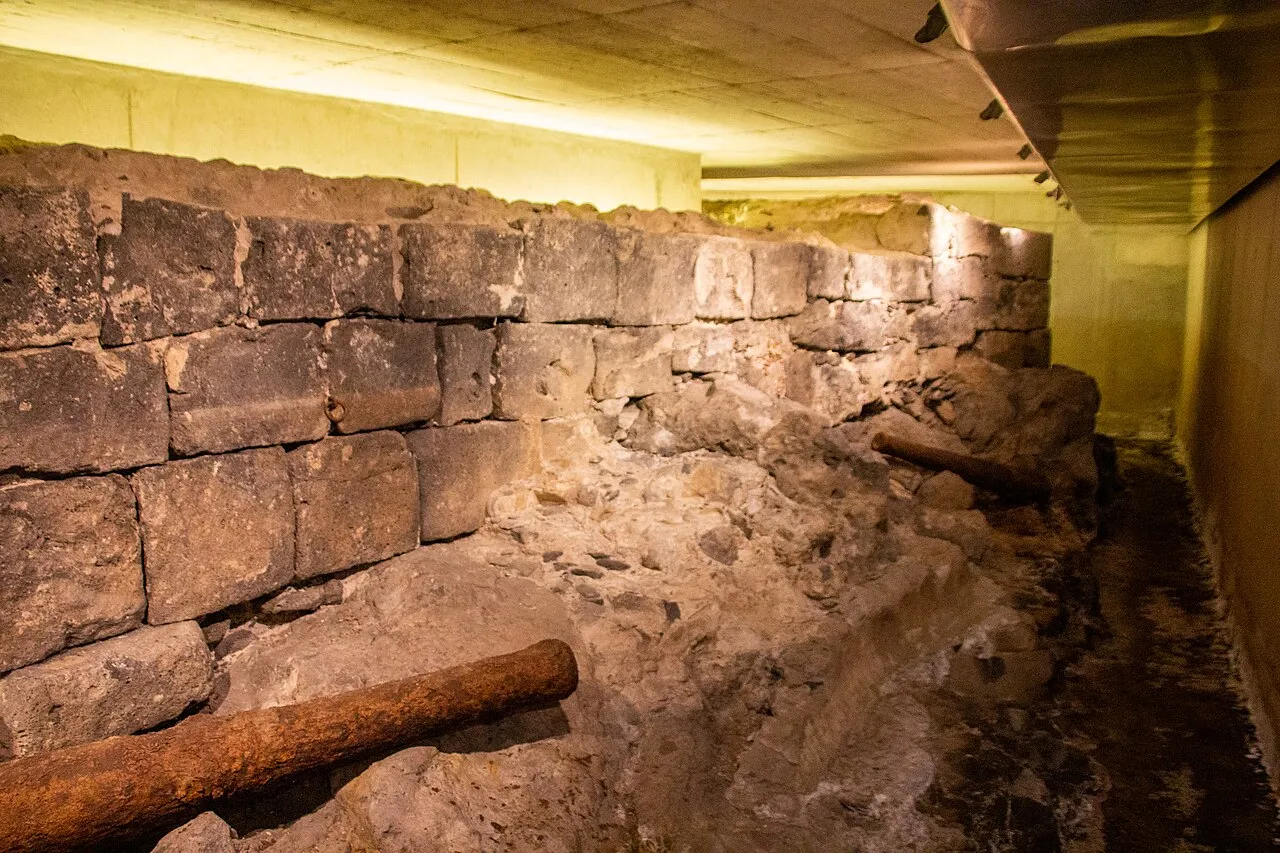
San Cristóbal Castle
📍 Under the Plaza de España
The main fortress of the defence, demolished in 1928 and found again in 2006. It is preserved in situ in an underground gallery, with the cannon El Tigre inside.
The most feared sailor in Europe attacked the city in 1797, failed and was left one-armed. And the next day he and the Spanish general exchanged beer, cheese and Canarian wine.
🎧 On the walk Plaza de España, La Concepción and the centreHoratio Nelson had an almost flawless career that ended at Trafalgar, and one of his very few defeats happened here, off this coast. In the small hours of 25 July 1797 he tried to take Santa Cruz de Tenerife, failed and lost his right arm. The city remembers it every year, and keeps the evidence in two museums.
Santa Cruz was not a symbolic target: it was the port of call of Spanish Atlantic traffic. The ships that came from America laden with silver passed through here, and taking the city meant cutting an artery and keeping whatever happened to be moored there.
Nelson arrived with a squadron and a fearsome reputation. The city, on the other hand, had a chain of small forts looking out to sea, local militias and general Antonio Gutiérrez in command, a veteran soldier of seventy who had spent a long time preparing for exactly this possibility.
The night landing of 25 July ran into crossfire from the fortifications and a defence better organised than expected. The English could not consolidate their positions and had to get back on board.
The shot that destroyed Nelson's right arm hit him during that landing. It was amputated that same night on board his ship, and he had to learn to write and to sign with his left hand. He recovered and was back at sea within a few months.
The main fortress of the defence, demolished in 1928 and found again in 2006. It is preserved in situ in an underground gallery, with the cannon El Tigre inside.
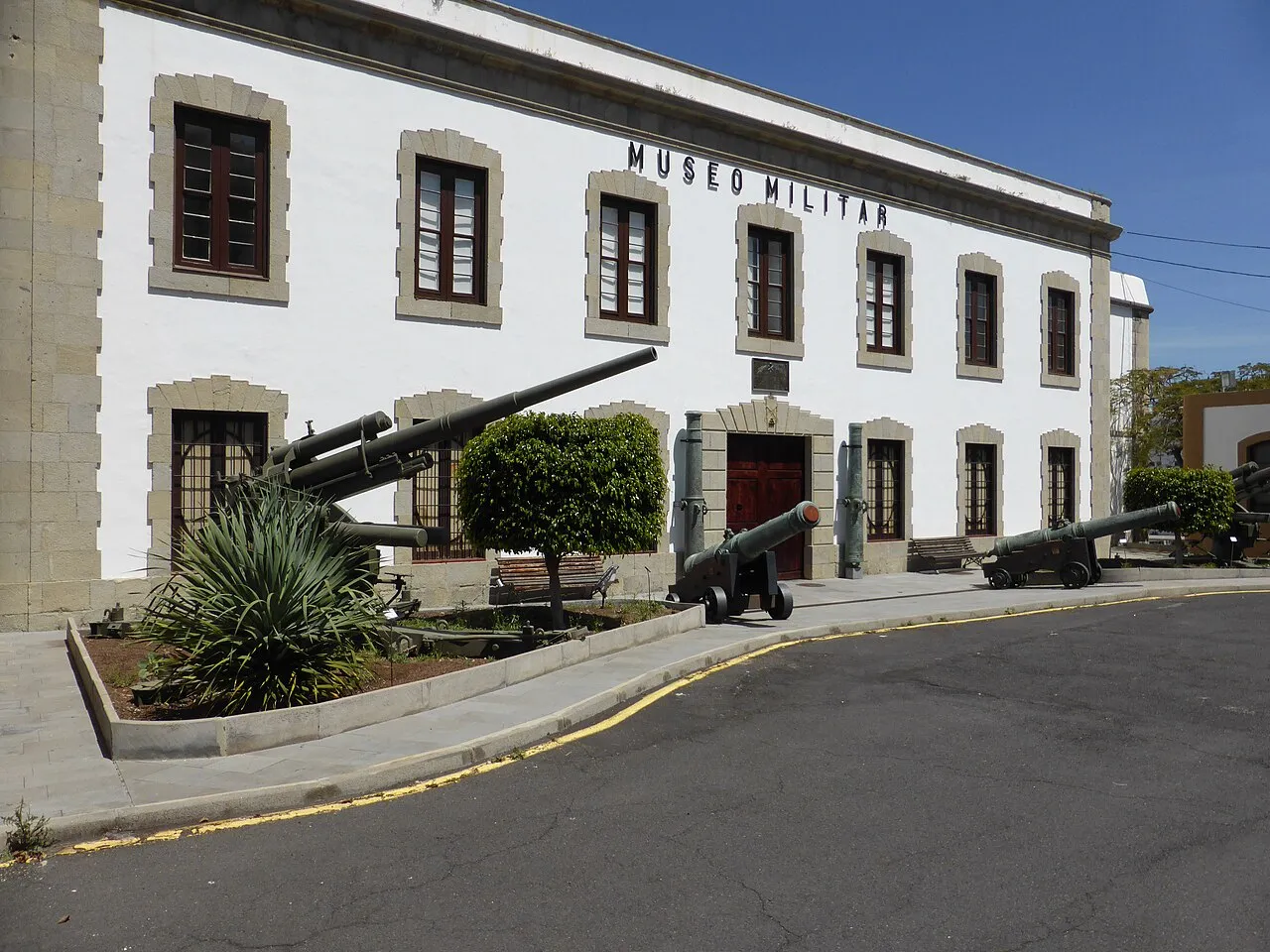
Here is the other piece that claims the shot at Nelson, and the full account of the Gesta. Entry usually free, with limited opening hours.
Download the app and discover Santa Cruz de Tenerife offline, whenever you like. Take the walking tour Plaza de España, La Concepción and the centre with a local guide in your ear.
Find out more about Viavoy →The most extraordinary thing about this story is not the battle, but what came afterwards. General Gutiérrez allowed the English to re-embark with honour, without pursuing or humiliating them, and cared for their wounded.
Nelson replied with a very courteous letter thanking him, accompanied by a cask of beer and a cheese. Gutiérrez responded with Canarian wine. Enemies in the morning, gentlemen in the afternoon.
That gesture belongs to an eighteenth-century code of war that today is almost incomprehensible: a notion of honour shared between officers that crossed enemy lines and that the total wars of the twentieth century wiped out completely.
The city has not forgotten it. Every 25 July it relives the Gesta, the great feat, with ceremonies, gun salutes and re-enactments, and it is one of the great dates in the city's calendar. An English admiral losing an arm off your coast is the kind of thing a city keeps with care.
The main stop is the San Cristóbal Castle, under the Plaza de España. It was the main fortress of the defence, it was demolished in 1928 and its black stone walls reappeared during the works of 2006, preserved in an underground gallery you go down to from the square.
Inside is El Tigre, the bronze cannon that local tradition points to as responsible for the shot. Curiously, the Military History Museum, in the Fuerte de Almeyda, displays another piece with the same claim. The two versions coexist with no apparent conflict.
The third point is the Church of la Concepción, where the flags seized from Nelson's troops are kept. Standards taken from the enemy were traditionally deposited in the main church as an offering, and here they still are, alongside the Cross of the Conquest of 1494.
The fourth, and the most discreet, is the San Juan Bautista Castle, the Castillo Negro, the black castle, one of the few small forts of that defensive chain that survived whole. It is seen from outside, on the coastal promenade.

It keeps the flags seized from the English in 1797 and the Cross of the Conquest of 1494. The mother church of the city, with the tallest tower in the capital.
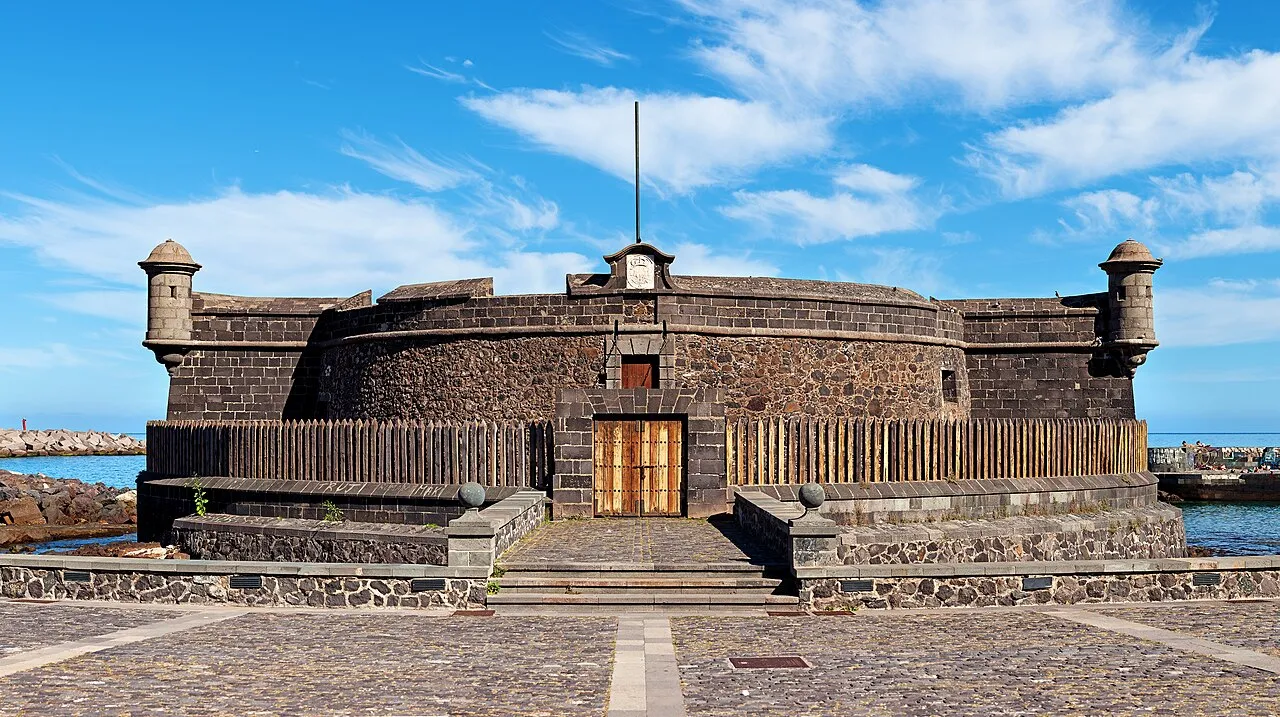
The Castillo Negro, from 1641-1644, with walls a metre and a half thick and up to five cannon. One of the few small forts of the defensive chain that made it through whole.
Yes. A blast of grapeshot — by tradition, from the cannon El Tigre — destroyed his right arm during the night landing of 25 July 1797, and it was amputated that same night on board his ship. He had to learn to write and to sign with his left hand, he recovered and was back at sea within a few months, but he never did take the city.
An eighteenth-century bronze cannon that local tradition points to as the one that fired the shot that hit Nelson. It is kept in the underground gallery of the Castillo de San Cristóbal, under the Plaza de España. Curiously, the Military History Museum in the Fuerte de Almeyda displays another piece with the same claim.
Precisely because of that night. The city drove off the attack of the most feared sailor in Europe, and the title of “Invicta” — never defeated — has been associated with Santa Cruz ever since. It is one of the very few defeats in Nelson's career, which would end with his death at Trafalgar eight years later.
Yes, and it is the most surprising part of the whole story. After the defeat, general Antonio Gutiérrez allowed the English to re-embark with honour and cared for their wounded; Nelson sent him a very courteous letter of thanks, along with a cask of beer and a cheese, and Gutiérrez replied with Canarian wine. An eighteenth-century code of war that today is almost incomprehensible.
Because it was not a symbolic target but an economic one. Santa Cruz was the port of call of Spanish Atlantic traffic, where the ships coming from America passed through. Taking the city meant cutting a commercial artery and keeping whatever happened to be moored there at that moment.
In four places: the underground gallery of the Castillo de San Cristóbal beneath the Plaza de España, with the cannon El Tigre; the Military History Museum in the Fuerte de Almeyda; the Church of la Concepción, where the flags seized from the English are kept; and the Castillo Negro on the seafront, which is seen from outside.
Every year. It is one of the great dates in the city's calendar, with ceremonies, gun salutes and historical re-enactments. If you travel to Santa Cruz at the end of July you will find the commemoration under way, and it is a good moment to see the places involved with more context than usual.
Download Viavoy and walk Santa Cruz de Tenerife offline, whenever you like.

Keep reading