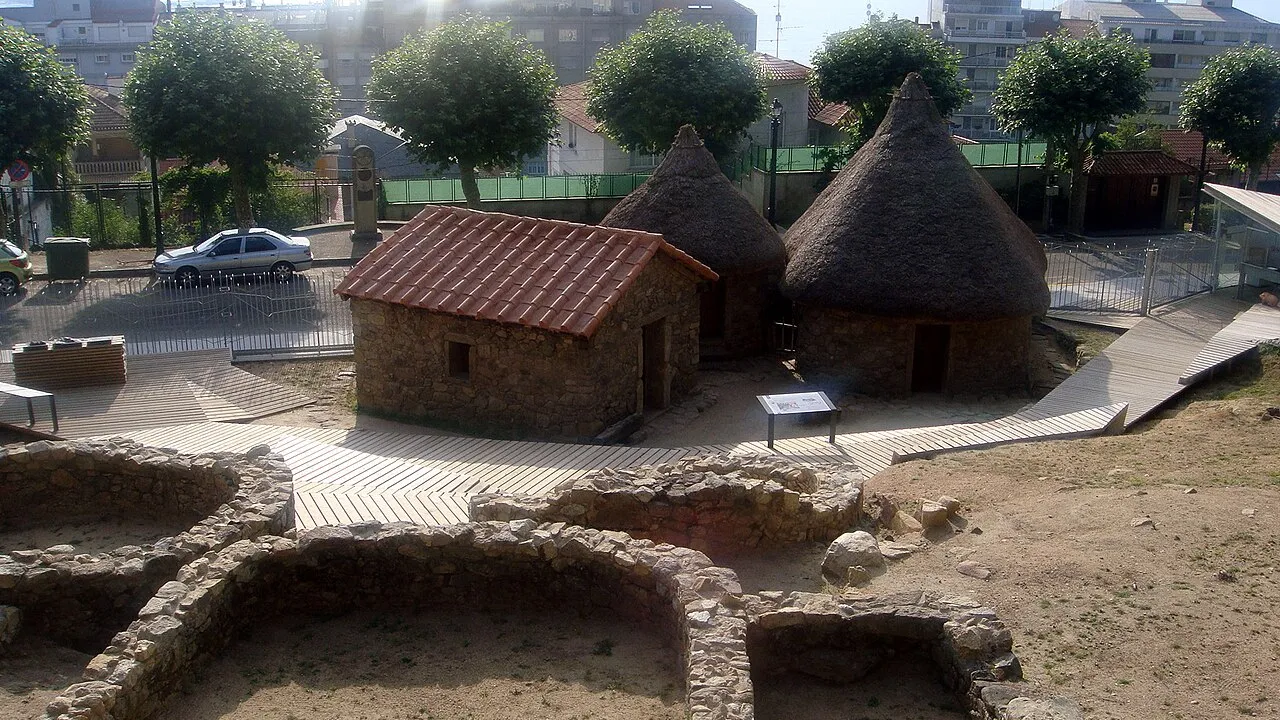
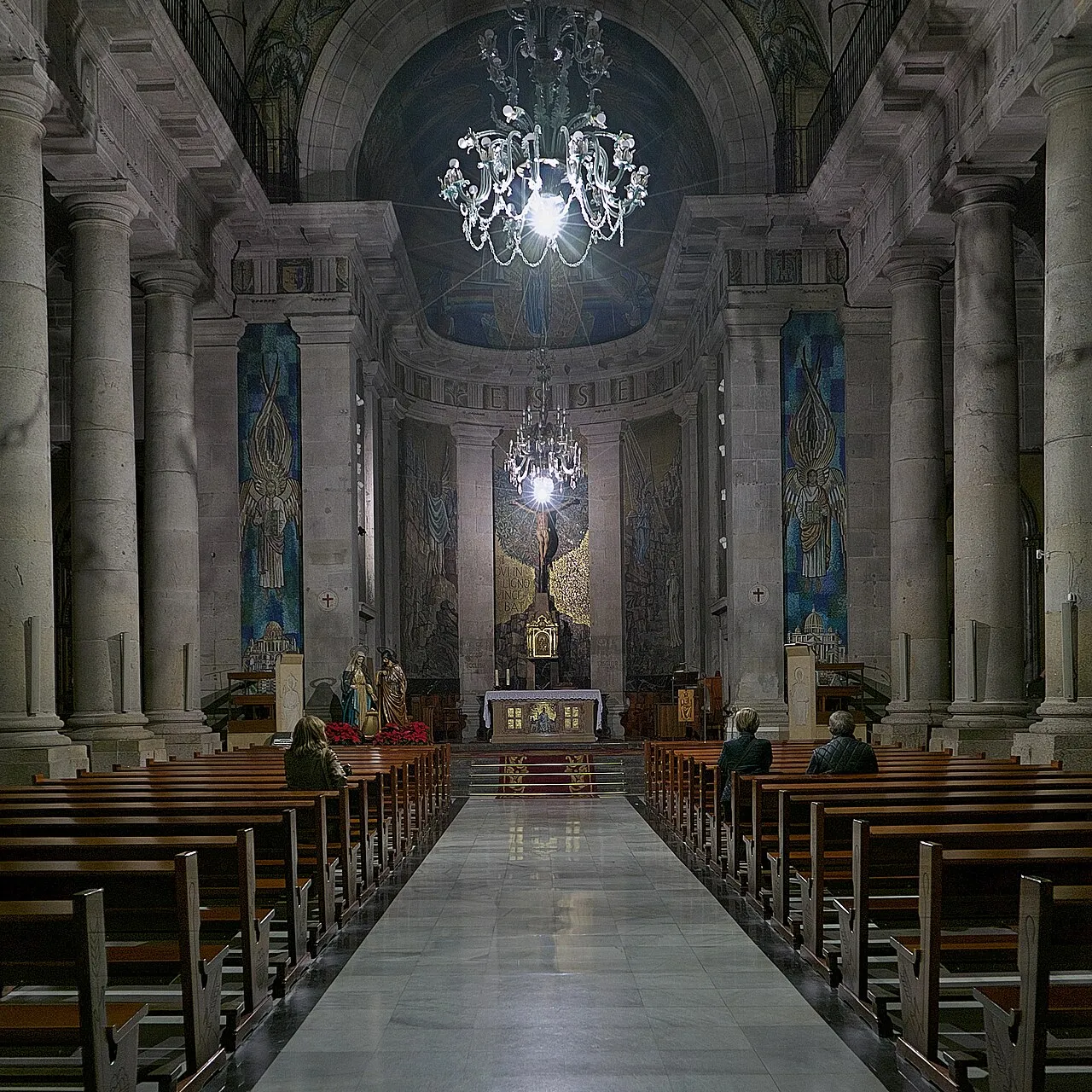
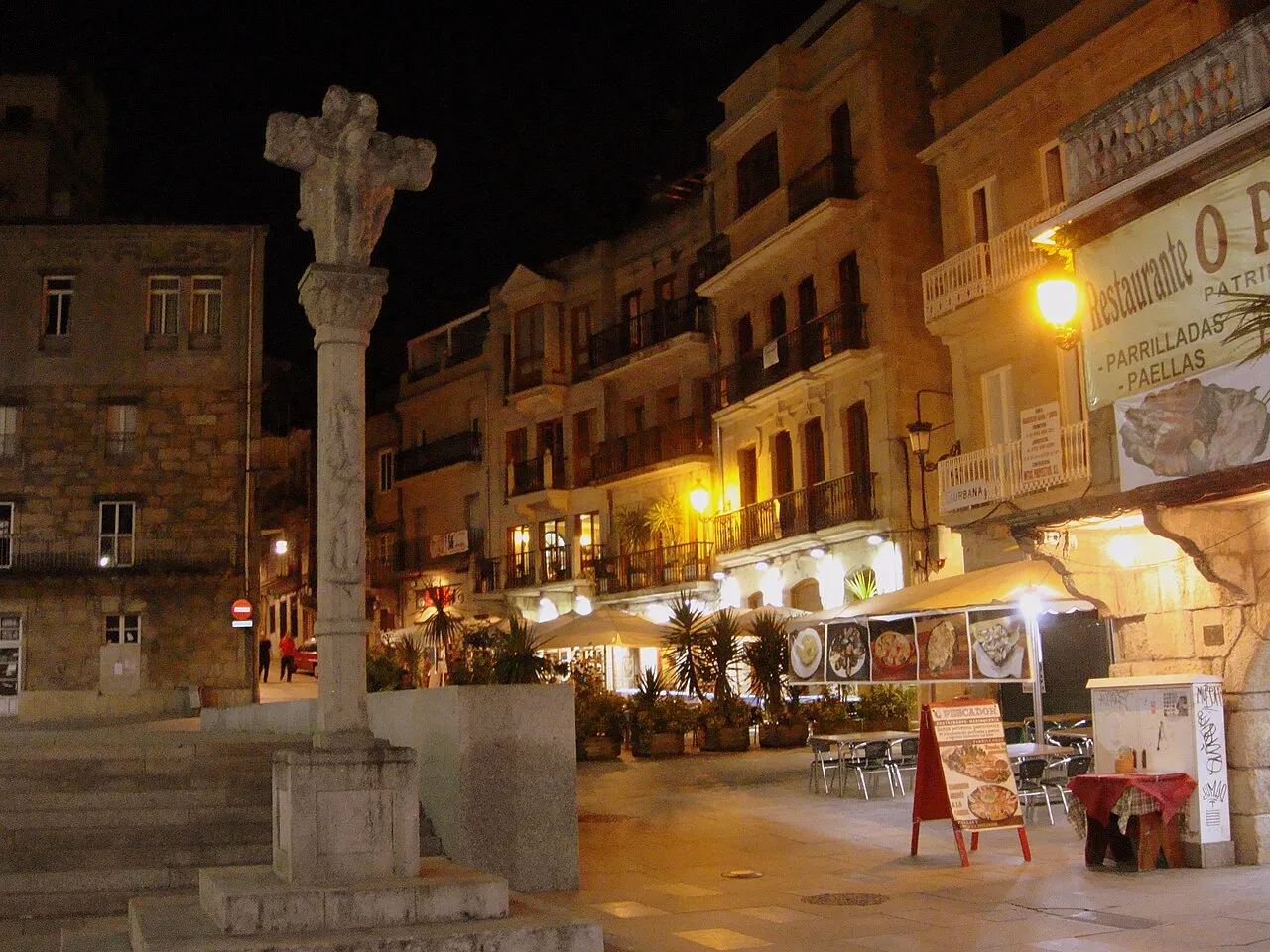
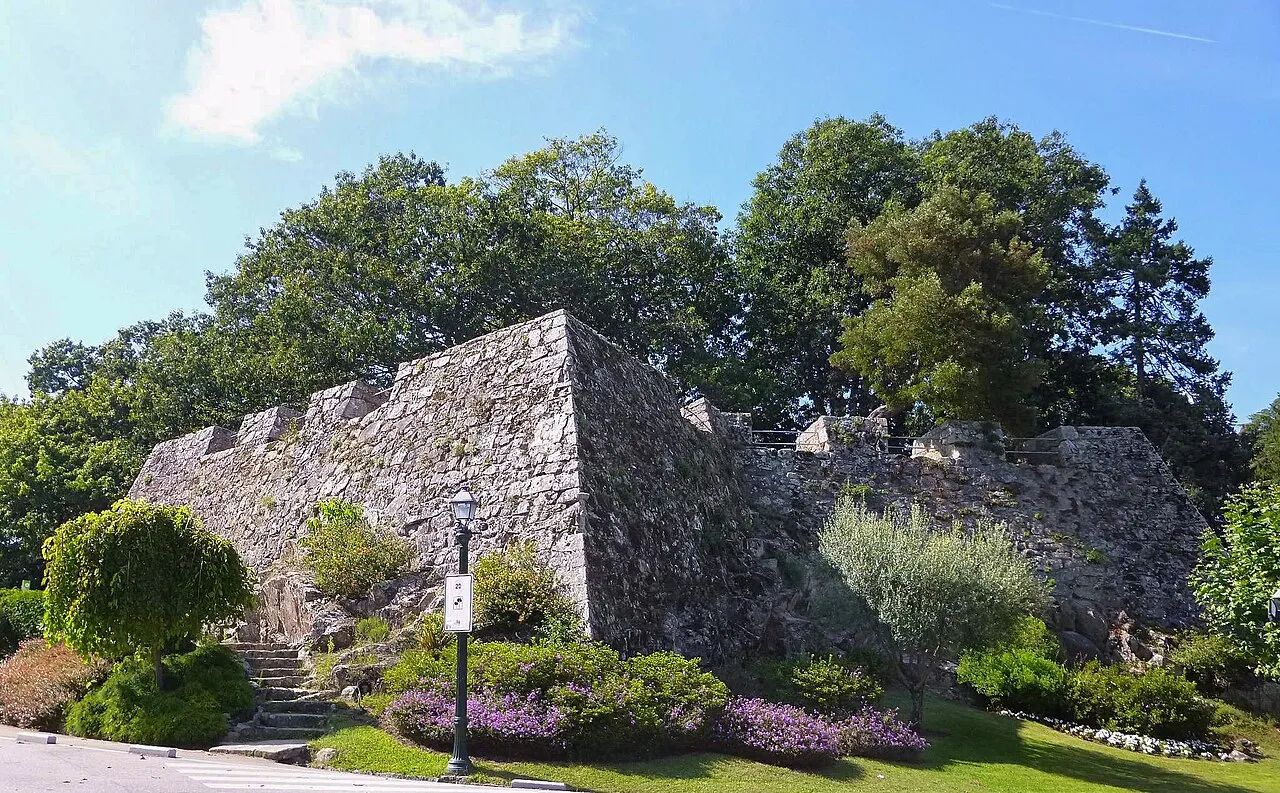
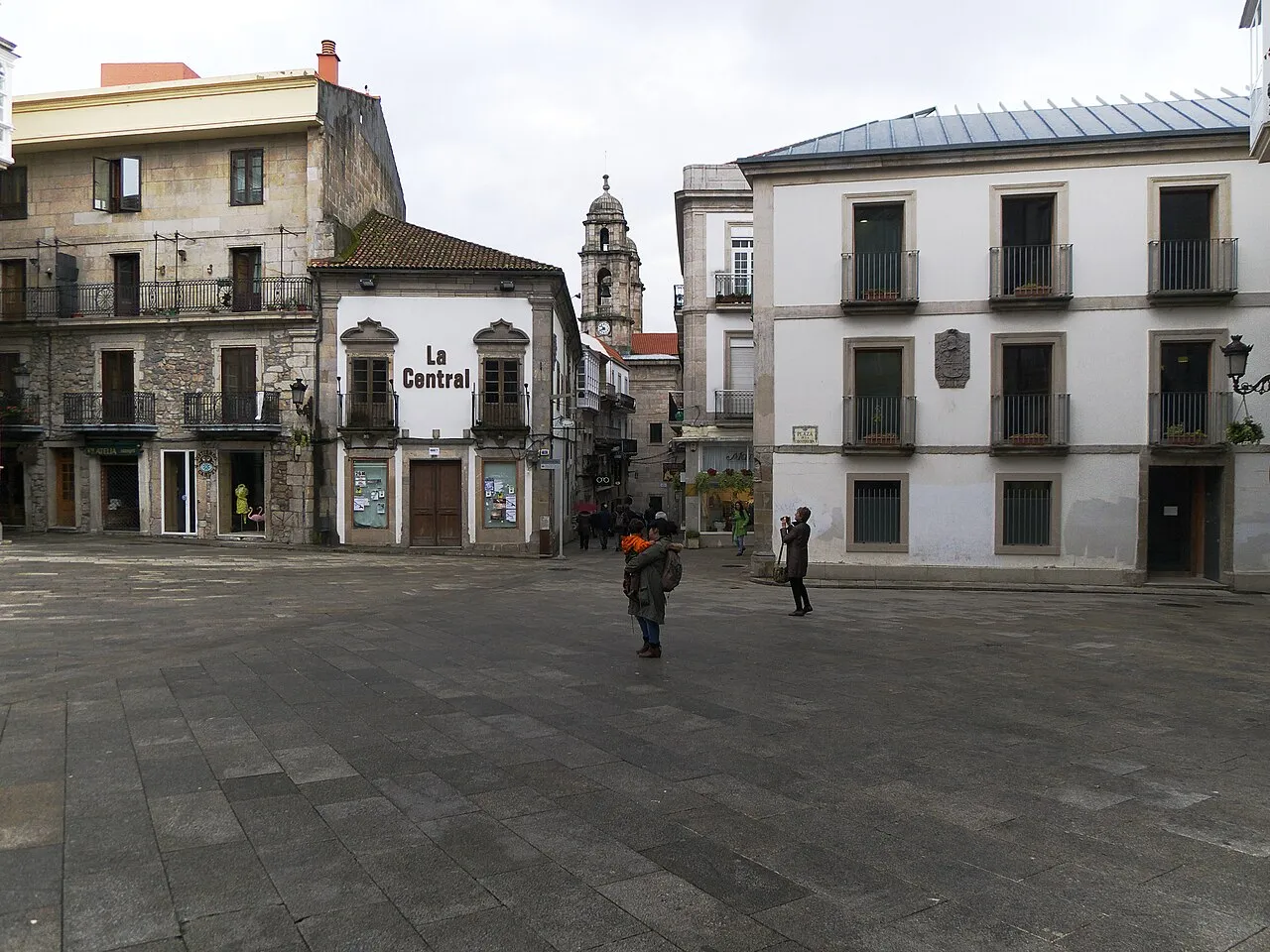
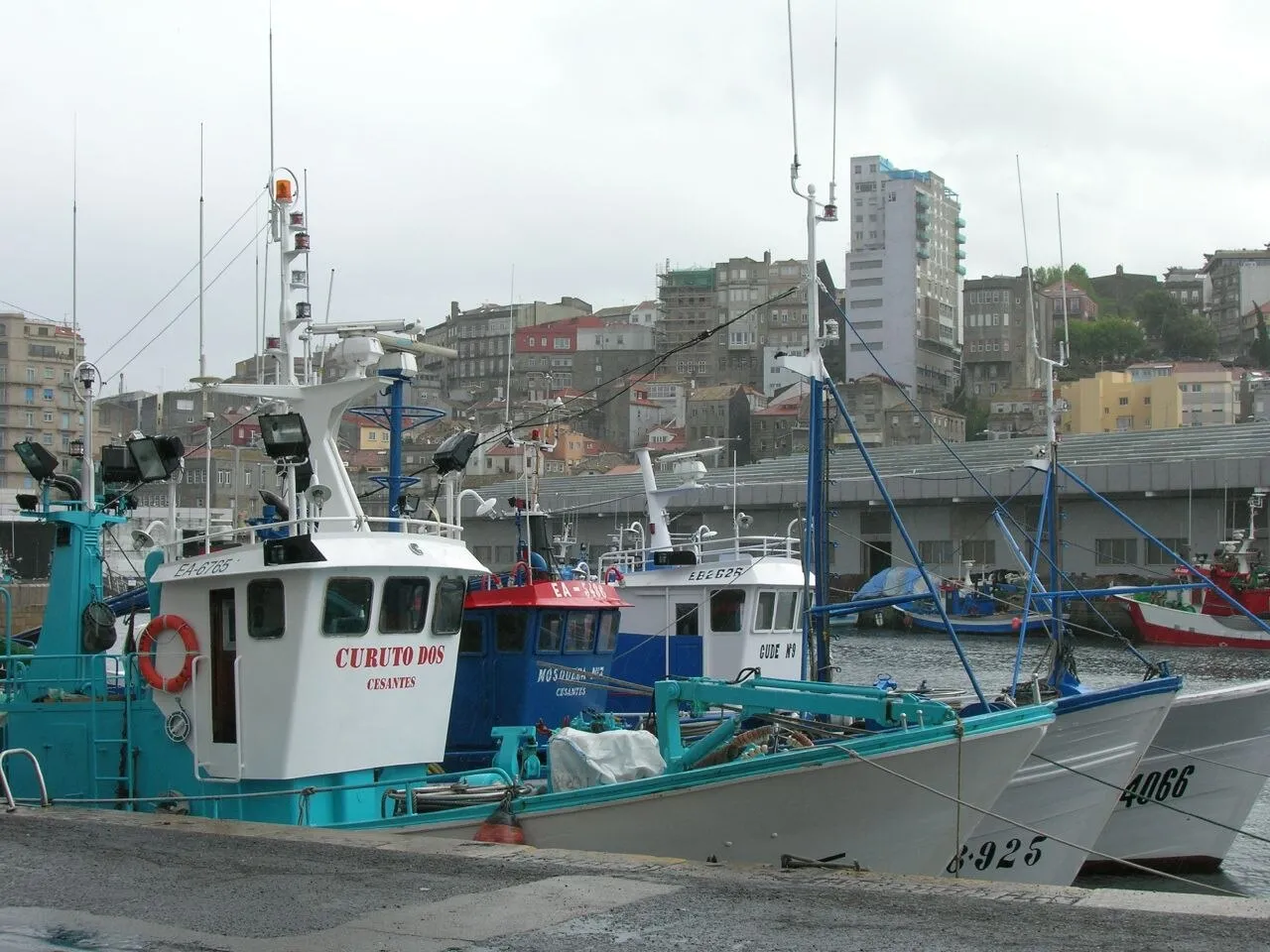
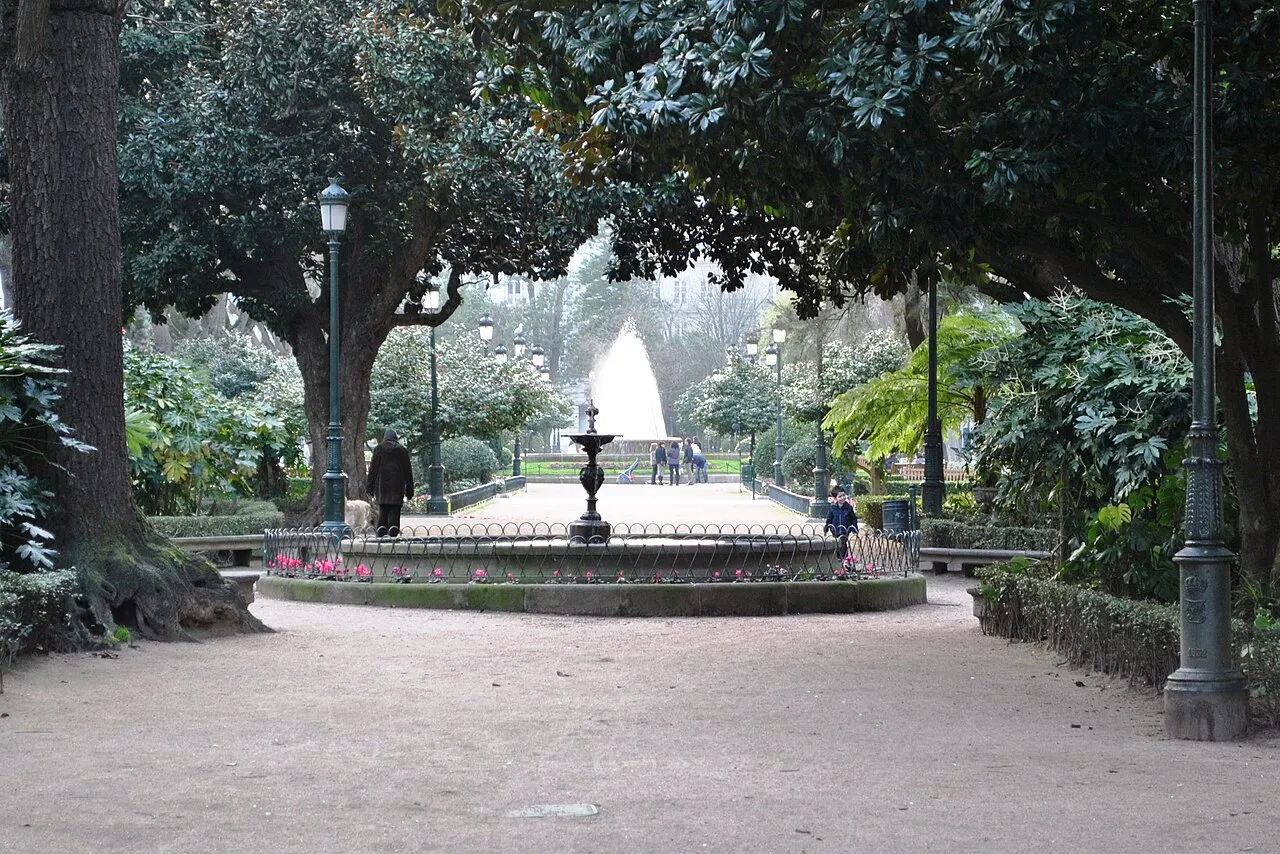
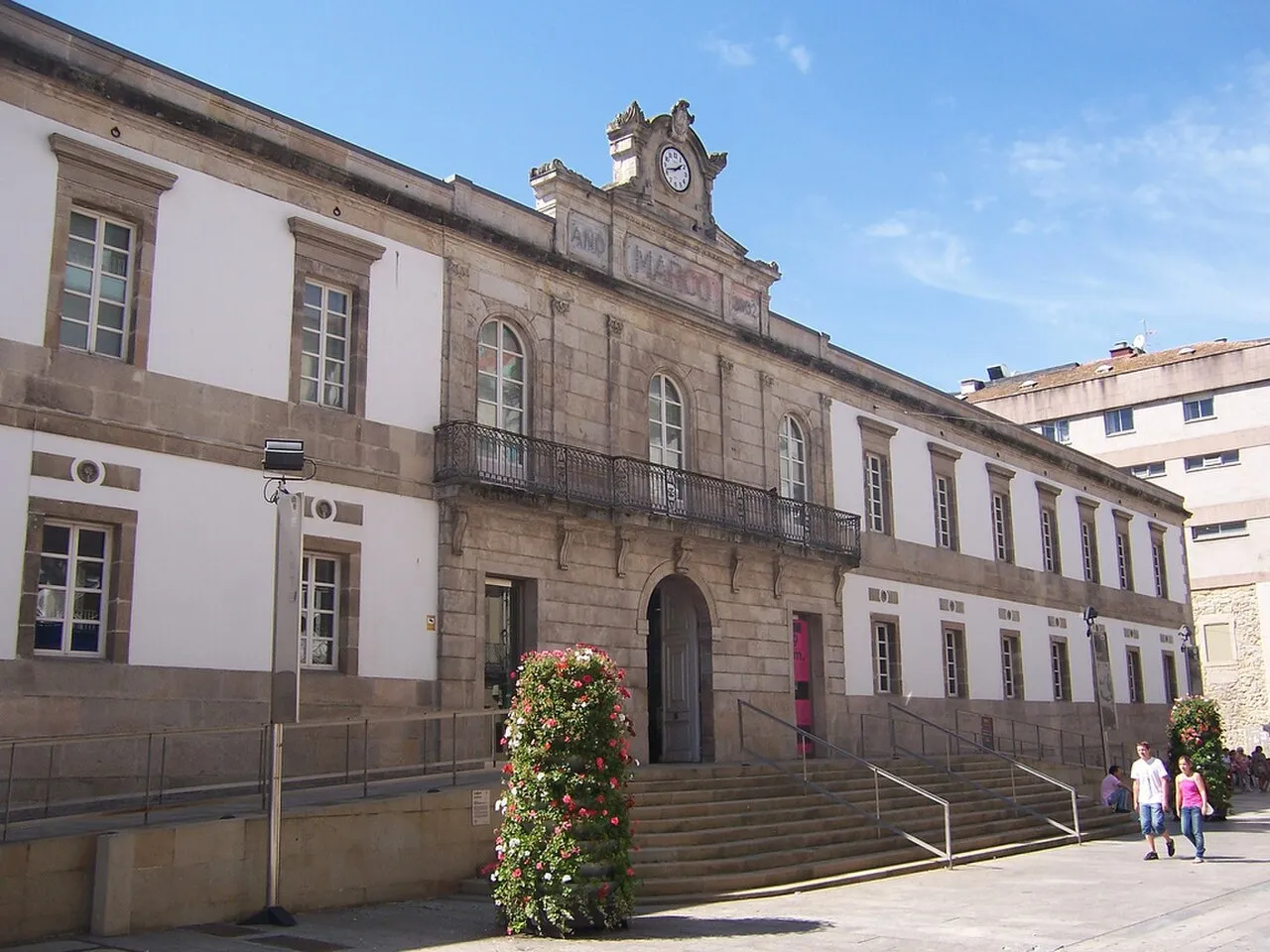
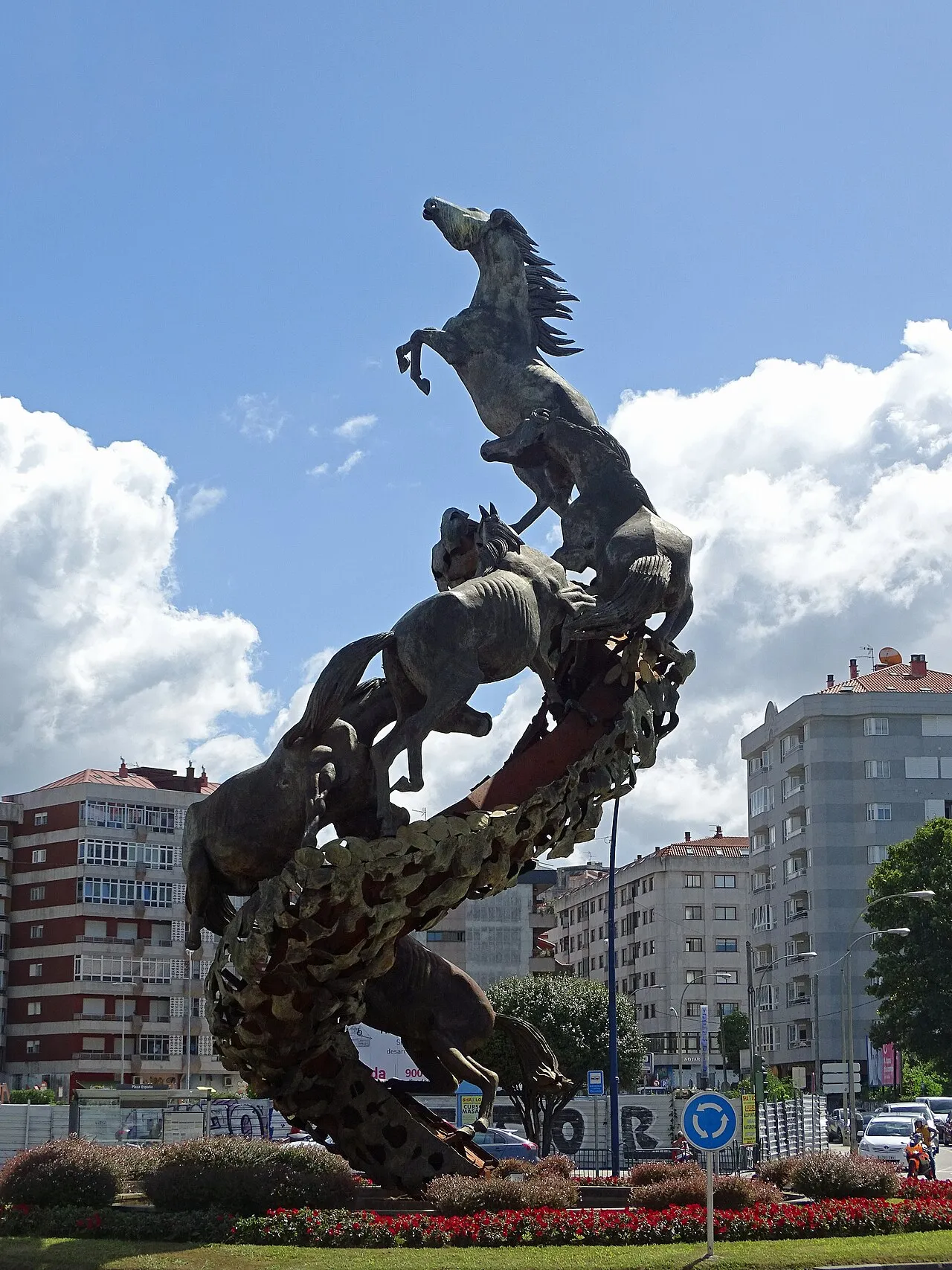
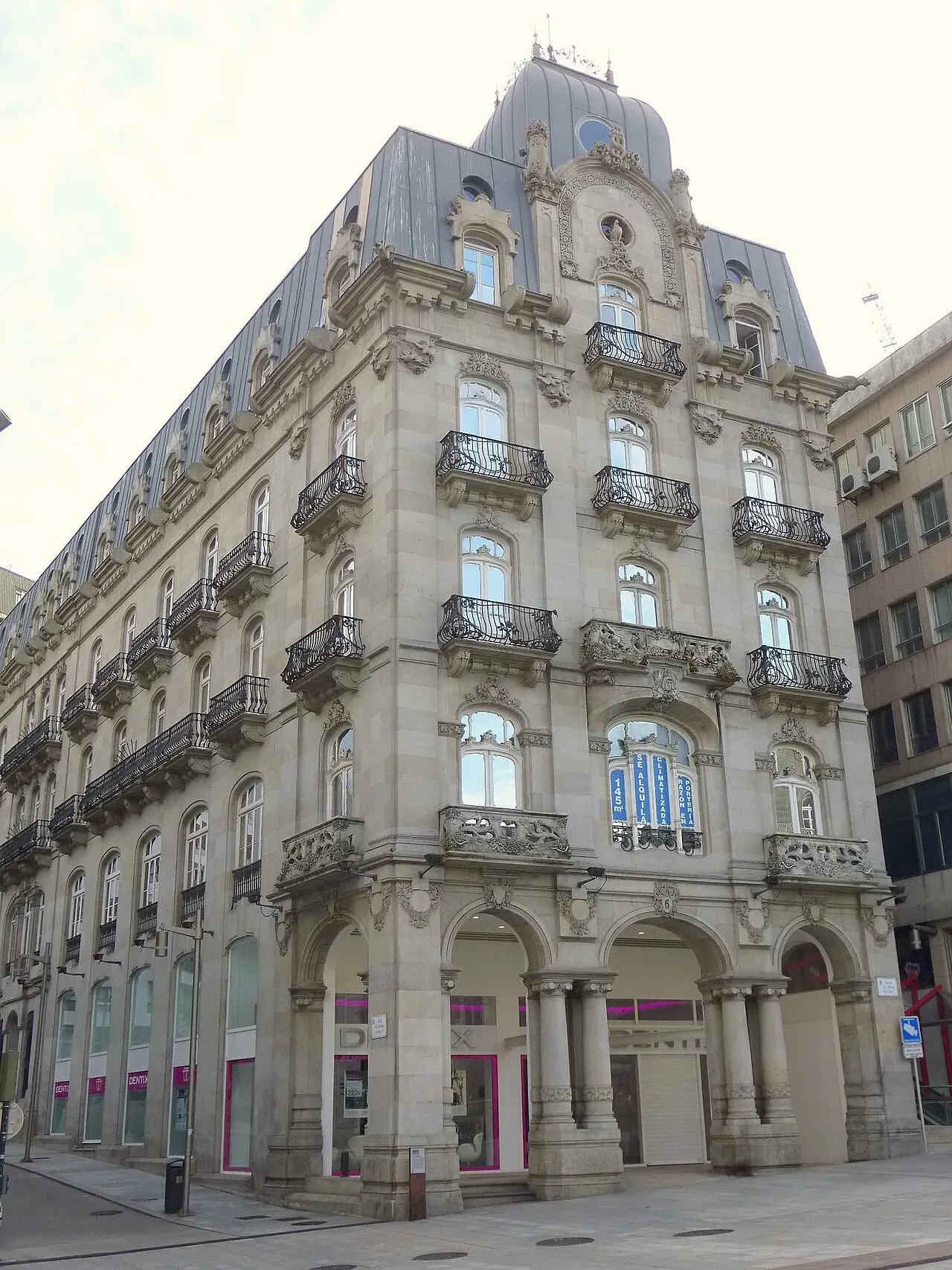
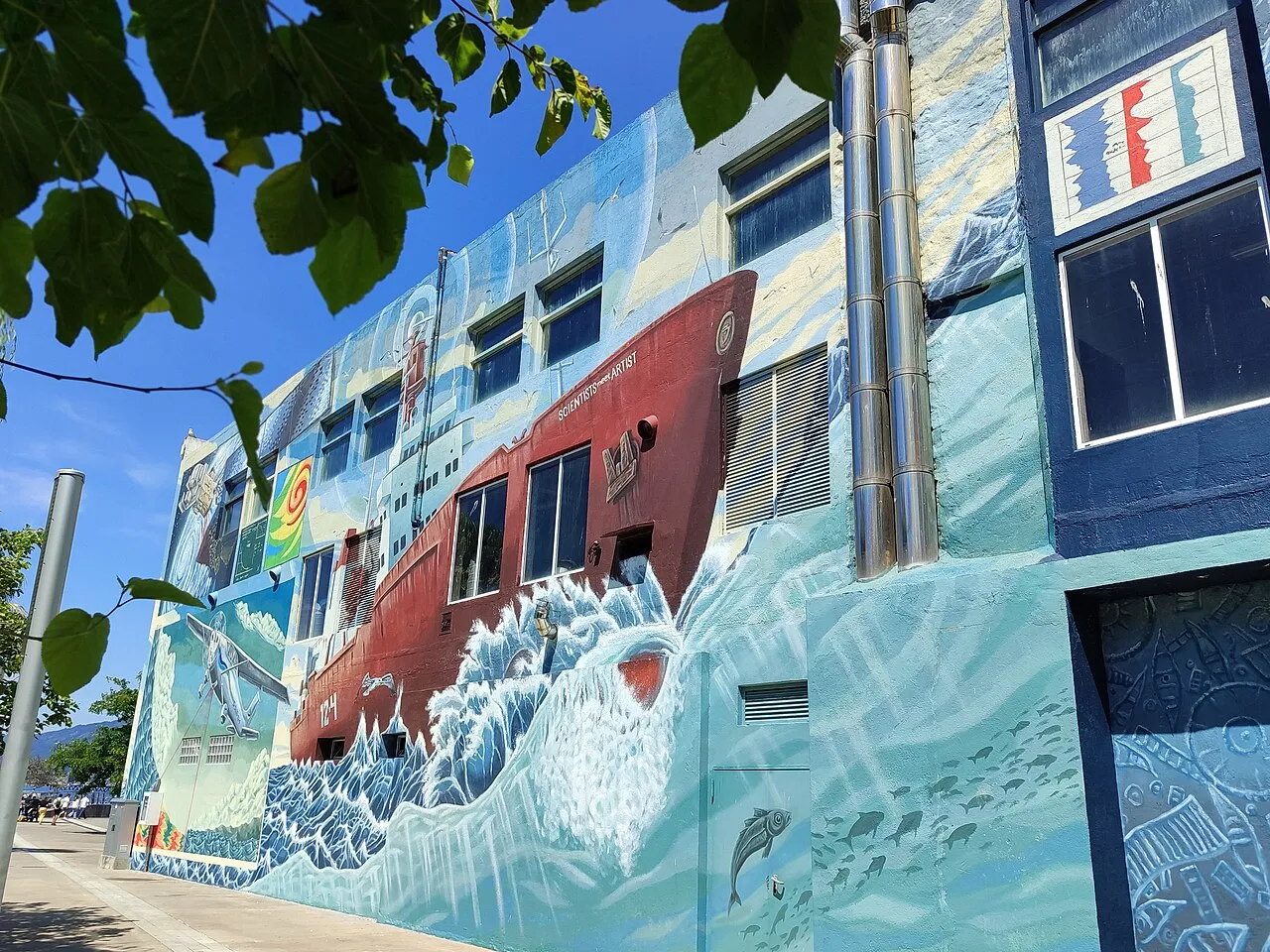
Vigo has a reputation as an industrial city you pass through, and it is one of the most interesting capitals in the north of Spain. Its origin is a castro settlement of two thousand six hundred years ago that you can walk on; its old town drops in slopes down to a fishermen's quarter with stone arcades; and on one of its streets, a group of women have been opening oysters on stone tables in the open air for more than a hundred years. All of that lives alongside the port that invented frozen fishing and the viewpoint from which you see the whole ría, with the mussel rafts floating and the Cíes islands closing the mouth.
Frequently asked questions
Is Vigo worth visiting?
Far more than its industrial reputation would suggest. It has a visitable Iron Age castro settlement at the top of the hill, a Baroque bastioned fortress, a seafaring old town with stone arcades, ostreiras opening oysters in the street for more than a century and the best viewpoint on the Galician coast. A long day covers all of it.
How many days do you need?
A full day lets you see the Monte do Castro, the Casco Vello with A Pedra and O Berbés, and the sea front with the Alameda and the port. If you have a second day, give it to the Cíes islands: it is the excursion that pays off most in the whole ría, though it requires a permit in advance and there is a limited daily quota.
Where do you eat oysters in Vigo?
On Rúa da Pescadería, which everybody calls the oyster street, in the A Pedra quarter. A group of women have been selling them on stone tables in the open air for more than a century. You buy a dozen, they open them for you there and then with a sharp flick of the knife, you squeeze lemon over them and eat them standing up looking out at the port.
How do you get to the Cíes islands?
By boat from the ría ferry terminal, on the sea front. They are a national park and not just anyone can land: a permit is needed and each day the number of people who set foot on the sand is limited. There are no cars and no hotels, only a campsite and footpaths. It is worth booking ahead in high season.
Where does the name Vigo come from?
From the Latin vicus, which means a village or small settlement. When the Romans reached this coast and lived alongside the people of the castros, that is what they called the settlement growing beside the sea. It is striking that one of the largest cities in the north-west of the peninsula should be called, literally, «village».
What is the Reconquista of Vigo?
On 28 March 1809 the people of Vigo rose against the Napoleonic troops occupying the city and stormed the walls through the Porta da Gamboa. Vigo became the first city in Spain to free itself from the invader. Every year, at the end of March, the Casco Vello dresses up in period costume for the Festa da Reconquista.
What do you eat in Vigo?
Shellfish from the ría above all: oysters, raft-grown mussels, razor clams, queen scallops and goose barnacles. Pulpo á feira, Galician empanada and fish of the day from the auction, which is one of the most important in the world. For wine, albariño from the Rías Baixas or ribeiro. And for pudding, tarta de Santiago or filloas.