Valladolid
Valladolid · What to see

What to see in Valladolid: the 15 essentials

The first arcaded plaza mayor in Spain, the secret wedding of the Catholic Monarchs, the cathedral that was never finished and the best sculpture collection in the country.

Valladolid was the capital of Spain twice and both times briefly, and that condition of near-capital explains everything. Philip II was born here, Columbus died here, Cervantes lived here when he published Don Quixote and Isabella and Ferdinand married here in secret, with a forged bull and the groom disguised as a servant. Its Plaza Mayor is the first regular arcaded square in Spain — Madrid's copied it half a century later — its cathedral was designed by Juan de Herrera and stopped at forty per cent, and the Museo Nacional de Escultura is here because this city was the world capital of carving in polychrome wood.

The 15 must-sees

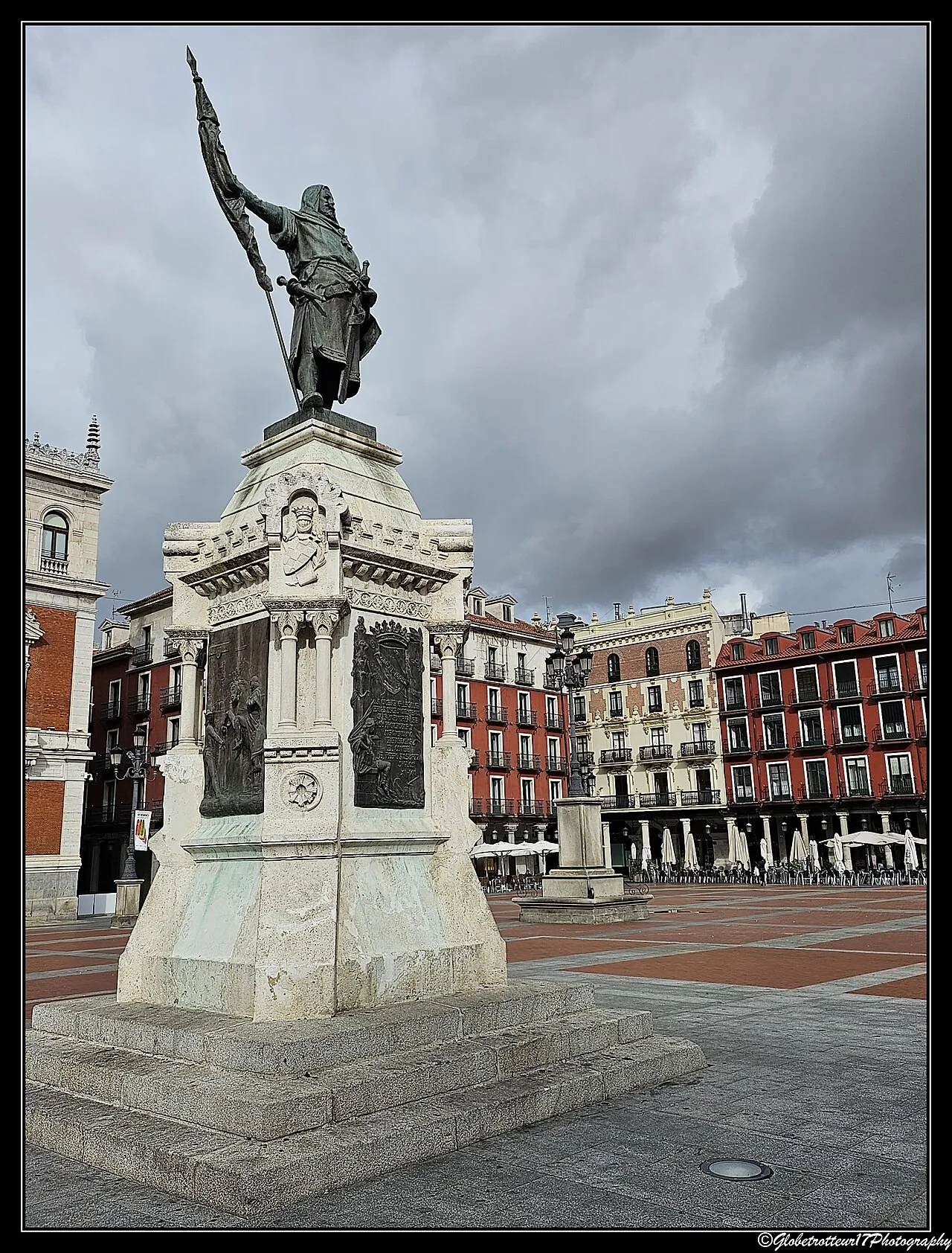
1Plaza Mayor de Valladolid

Plaza Mayor de Valladolid

The first regular, closed and entirely arcaded plaza mayor in Spain. It was remade around 1562 after a fire that razed four hundred and forty houses, and Philip II ordered it raised as a single piece of town planning. Madrid's arrived in 1617 and Salamanca's in 1729: this is the grandmother of them all.

🎧 The Plaza Mayor, the Cathedral and the centre📍 View on Google Maps
2San Gregorio College

San Gregorio College

One of the most astonishing façades in Spain: a wall of stone that looks embroidered, Isabelline Gothic of 1487-1496. And nobody knows for certain who designed it. Inside is the Museo Nacional de Escultura, with Berruguete, Juan de Juni and Gregorio Fernández, the three summits of Spanish carving.

🎧 San Pablo, San Gregorio and the Sculpture Museum📍 View on Google Maps
3Church of San Pablo

Church of San Pablo

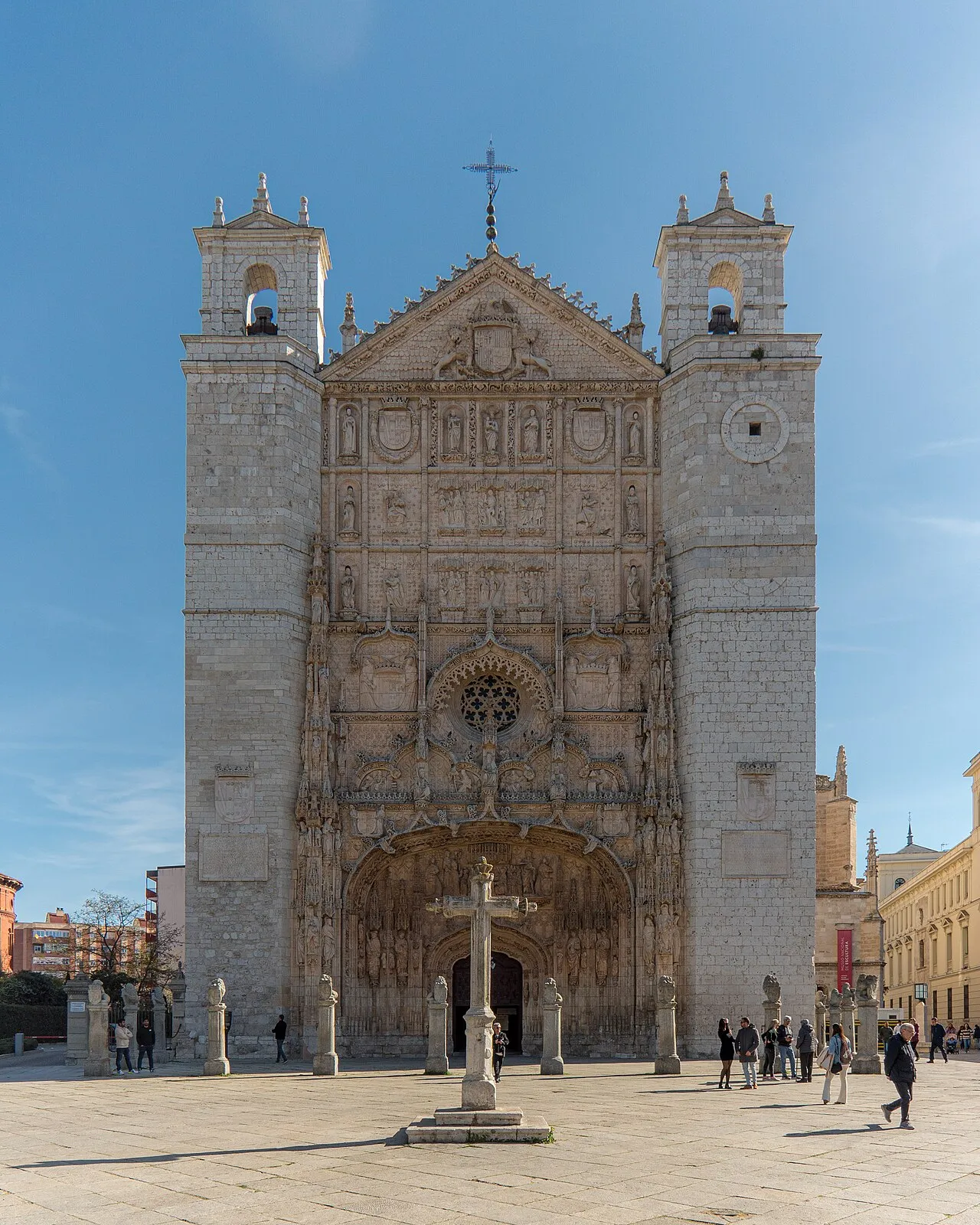
A mountain of stone carved to the last centimetre, a giant altarpiece stood upright in the open air. Philip II and Philip IV were christened here, both born a few metres away. It impresses more than the cathedral for a sad reason: this one was finished, and finished in style.

🎧 San Pablo, San Gregorio and the Sculpture Museum📍 View on Google Maps
4Valladolid Cathedral

Valladolid Cathedral

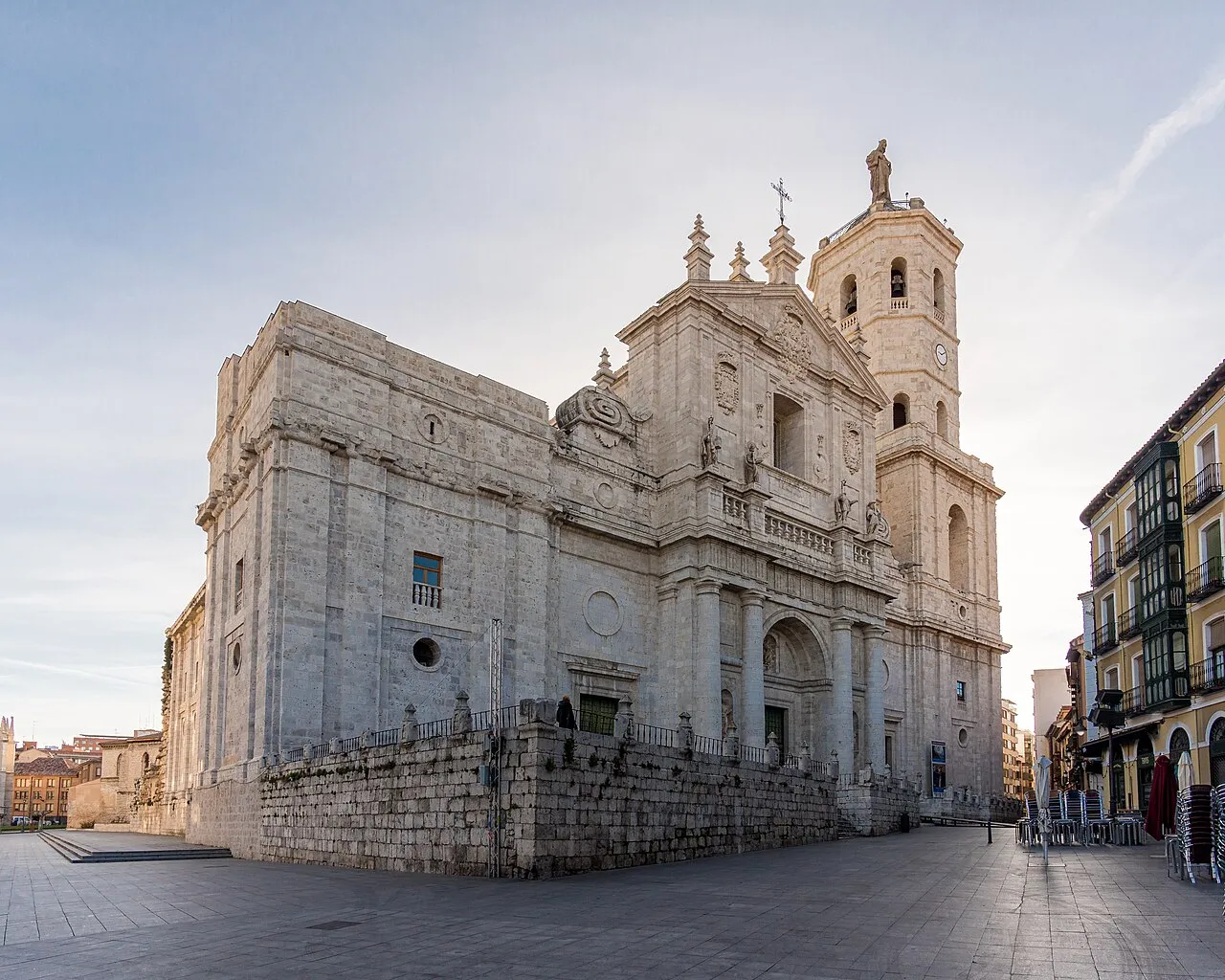
The fragment of a giant that never existed. Juan de Herrera designed it, the architect of El Escorial, as the greatest church in Christendom. But the Court left for Madrid, the money evaporated and today it is built to forty per cent. The original tower collapsed as well, in 1841.

🎧 The Plaza Mayor, the Cathedral and the centre📍 View on Google Maps
5Campo Grande

Campo Grande

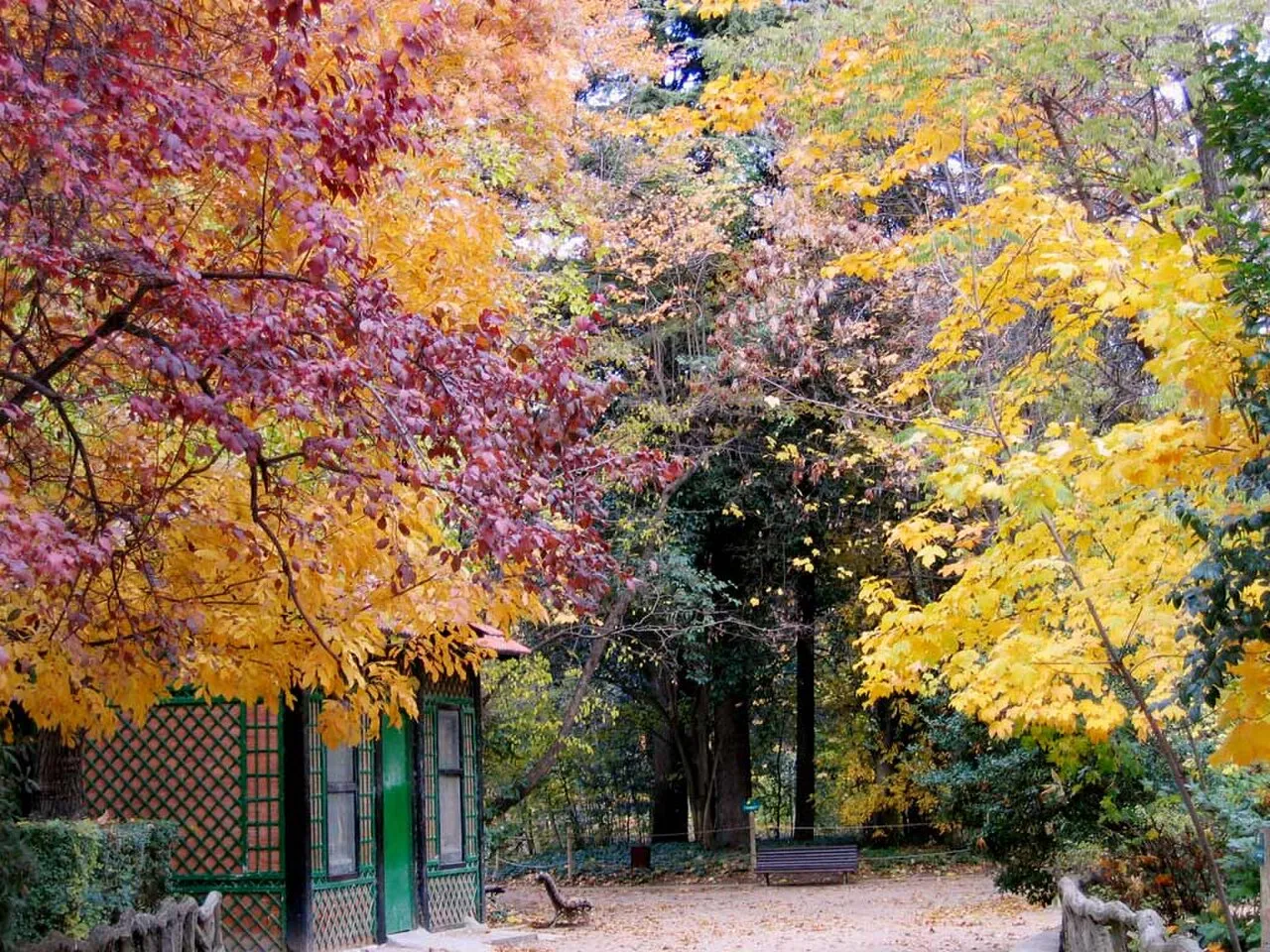
Eleven and a half hectares of garden in the centre, with peacocks running loose among the squirrels. It was a waste ground called the Campo de la Verdad, where those with a question of honour fought their duels. A mayor transformed it in 1877 with ideas brought from the parks of Paris.

🎧 Campo Grande, Zorrilla and the Acera📍 View on Google Maps
6Cervantes House

Cervantes House

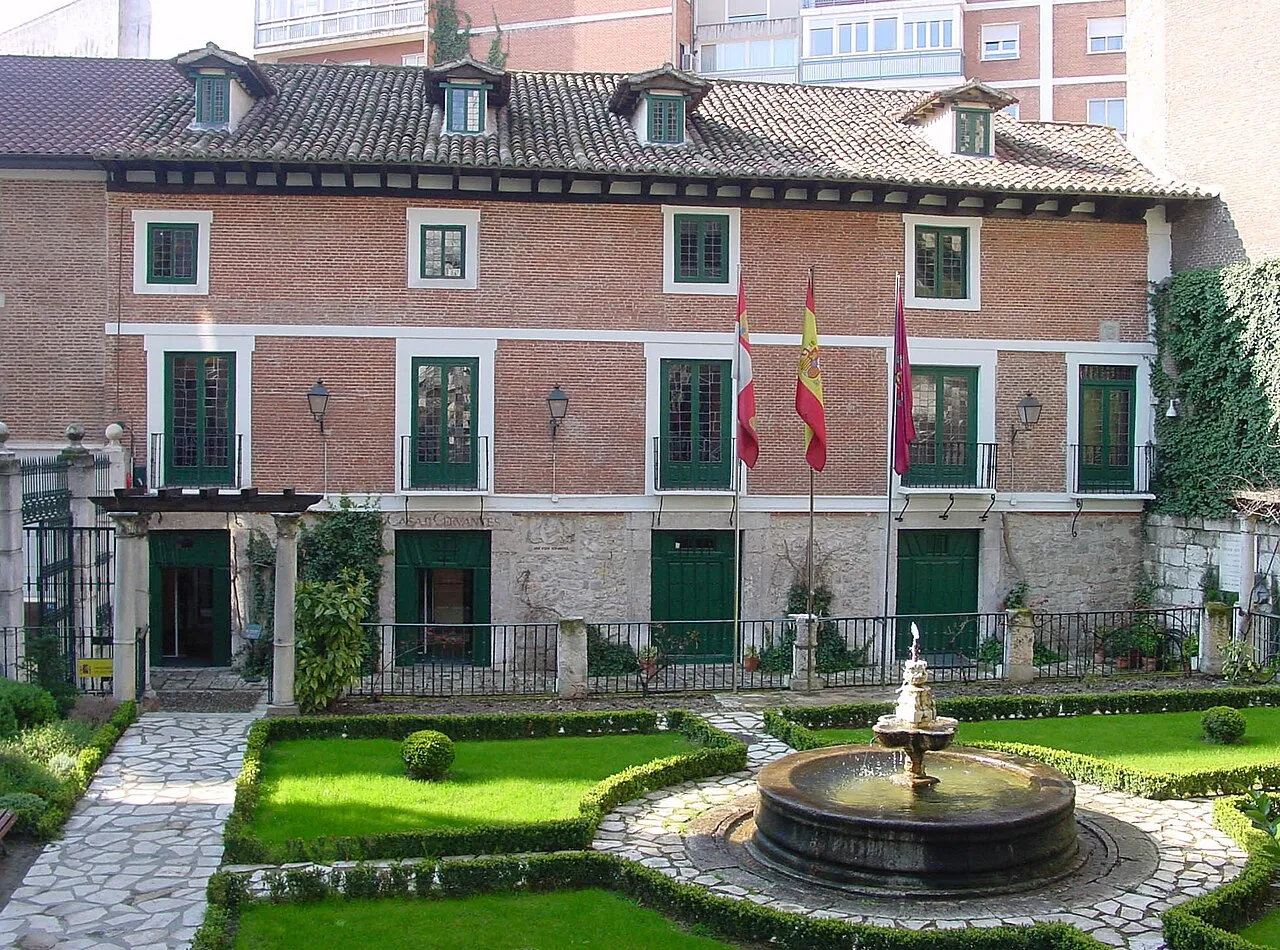
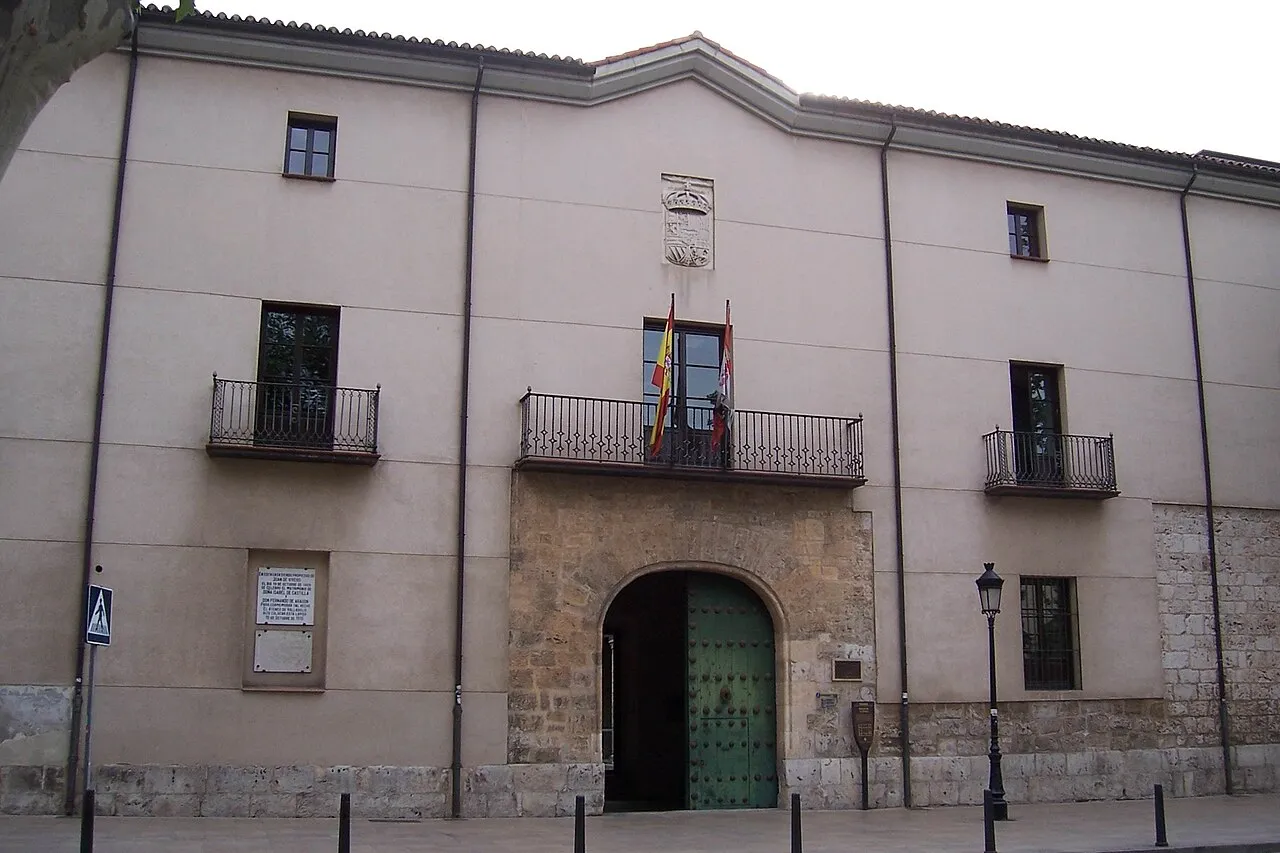
Cervantes lived here between 1604 and 1606, when the first part of Don Quixote came out. And here he ended up in prison: a gentleman was stabbed to death at the door next door and the law jailed him with his family simply for living beside it. Thanks to that case file we know this was his house.

🎧 Cervantes, Columbus and literary Valladolid📍 View on Google Maps
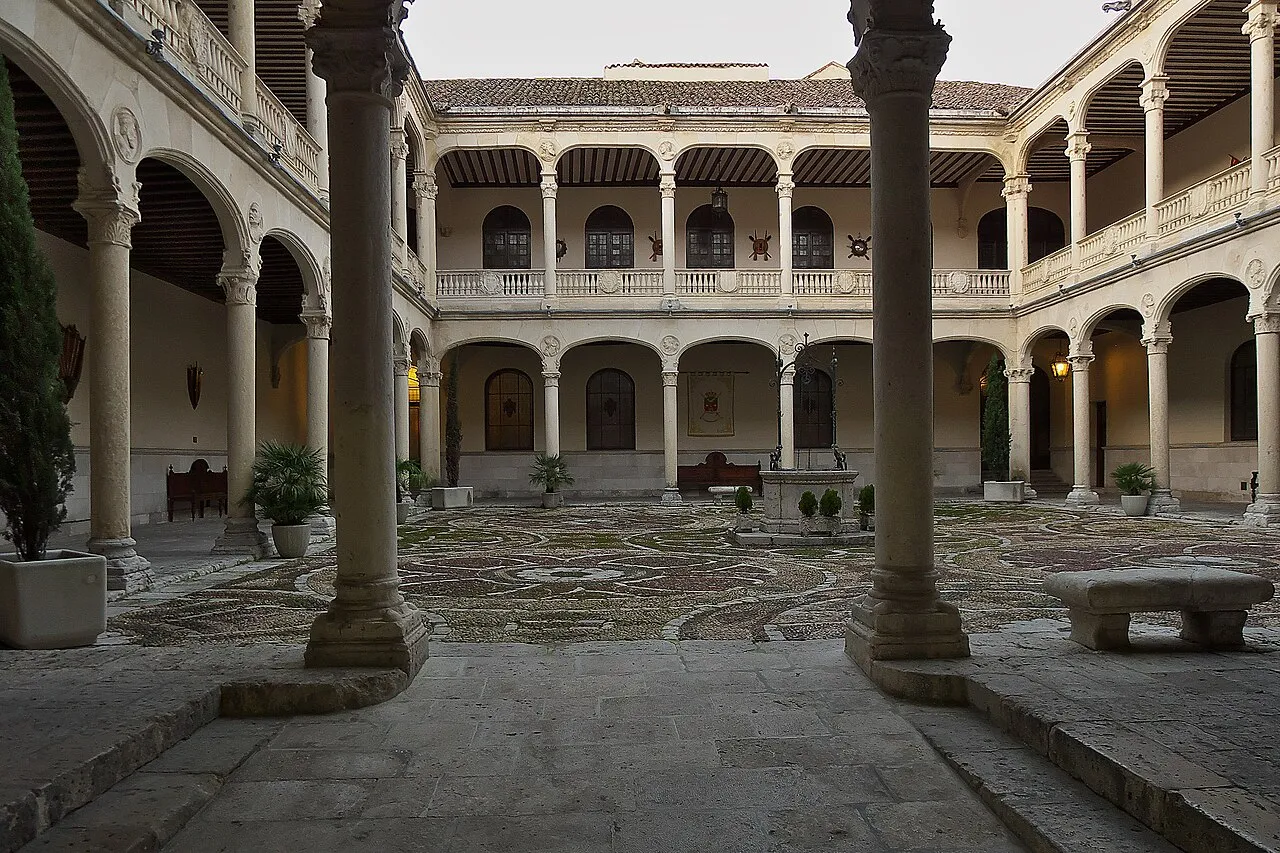
7Vivero Palace

Vivero Palace

On 19 October 1469 Isabella of Castile and Ferdinand of Aragon married here, almost in secret. Ferdinand had crossed Castile disguised as a servant, they were cousins and they used a forged papal bull. Out of that «I do» came the union of the two crowns, the germ of Spain.

🎧 San Pablo, San Gregorio and the Sculpture Museum📍 View on Google Maps
8University of Valladolid

University of Valladolid

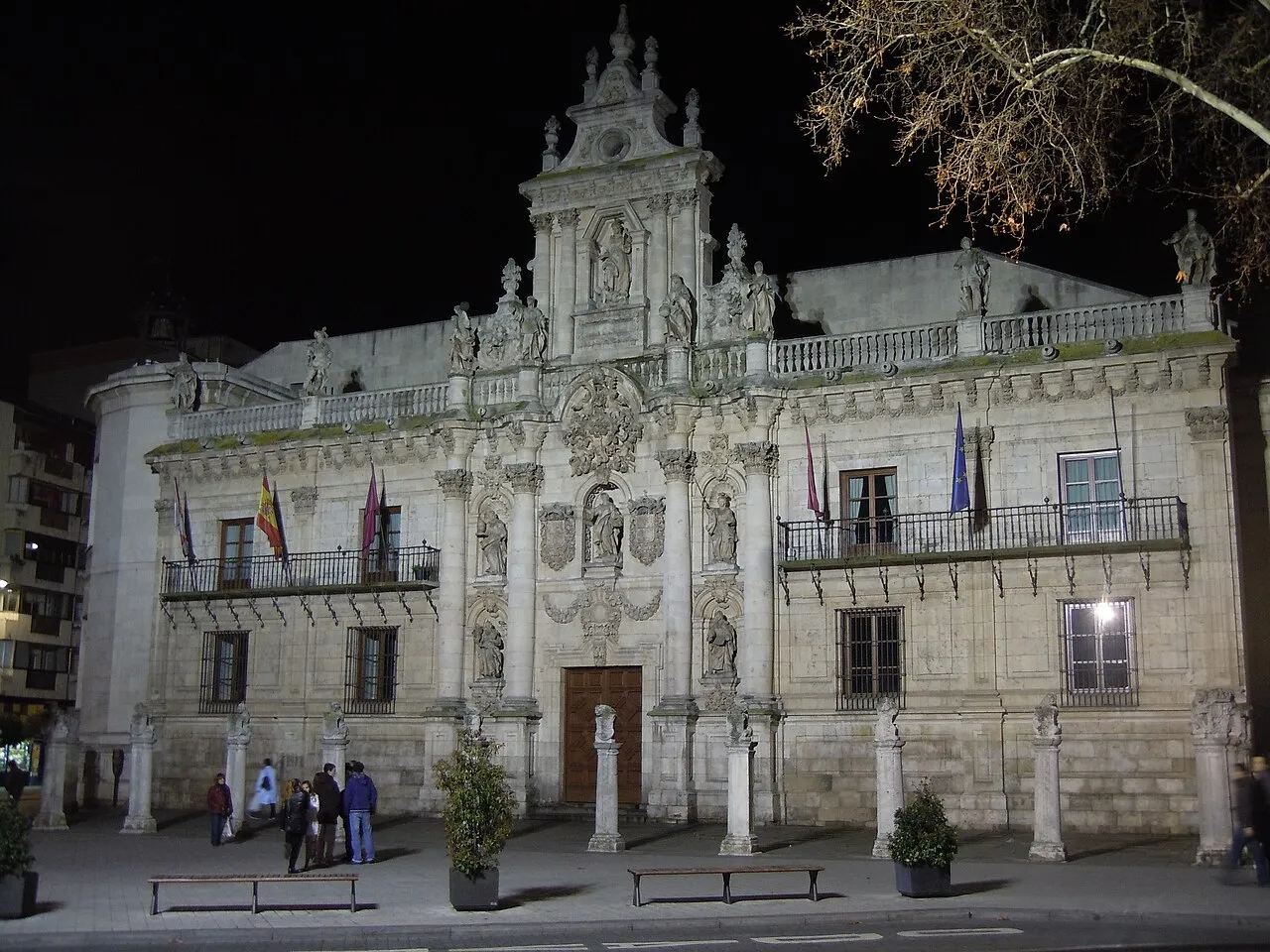
A Baroque doorway of 1715 that is literally a book in stone: four giant columns and figures representing the sciences, the virtues and learning. The university goes back to 1241, and the building behind was demolished in 1909: only this façade was saved, for being beyond repeating.

🎧 The Plaza Mayor, the Cathedral and the centre📍 View on Google Maps
9Plaza del Val and the Val Market

Plaza del Val and the Val Market

The oldest and loveliest market in the city, in iron and glass from 1878-1882, and the navel of one of the best tapas cultures in Spain. It is called del Val for the hollow of the Esgueva, a river that crossed Valladolid split into arms and that ended up buried beneath the streets.

🎧 Pasaje Gutiérrez, the Pisuerga and the tapas📍 View on Google Maps
10Pimentel Palace

Pimentel Palace

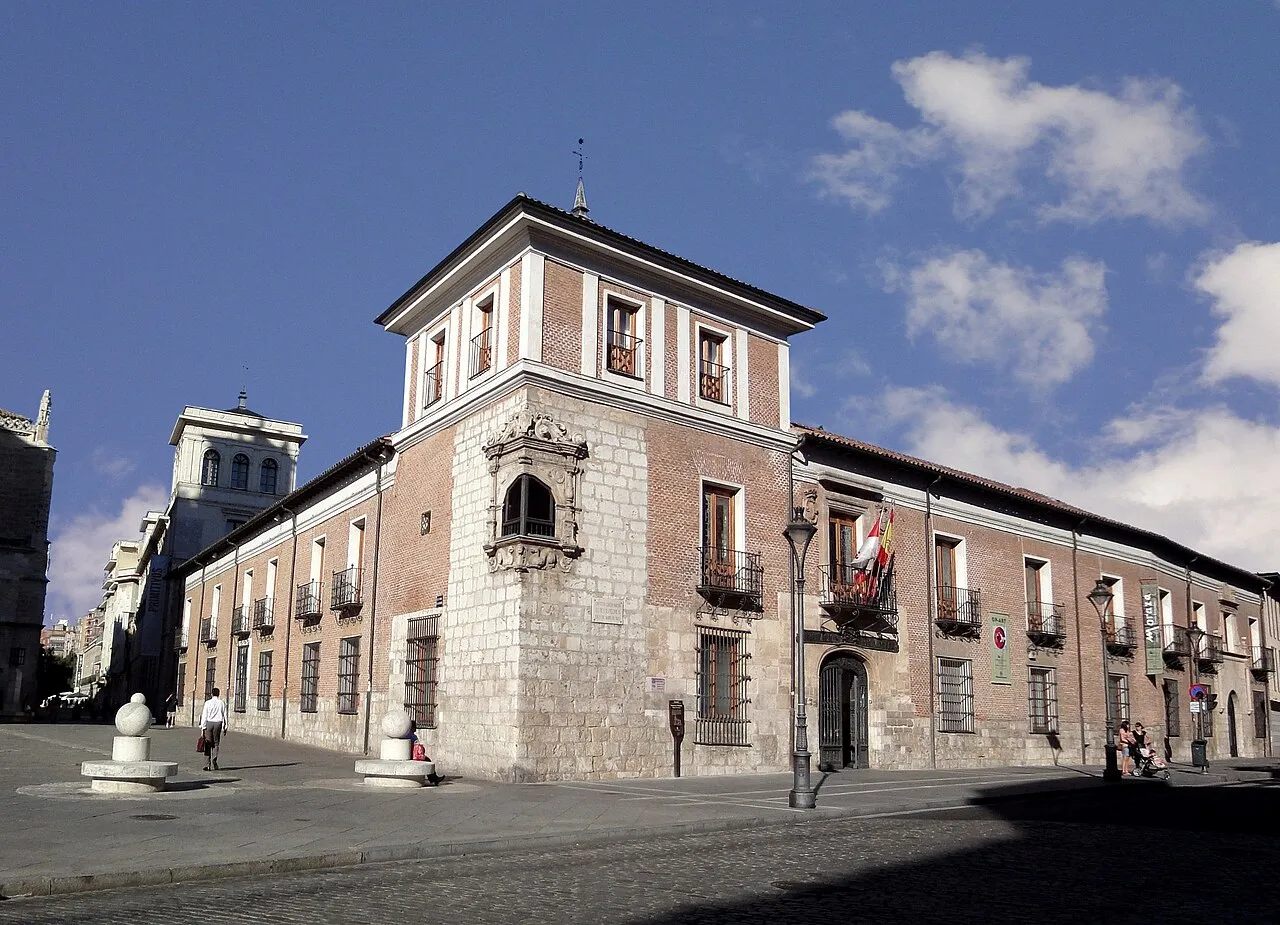
Philip II was born here on 21 May 1527, between humble mud walls faced in brick. It is not a palace of marble: it is sturdy and Castilian to the marrow. And it holds an irony: it was precisely he who in 1561 fixed the capital in Madrid for good.

🎧 San Pablo, San Gregorio and the Sculpture Museum📍 View on Google Maps
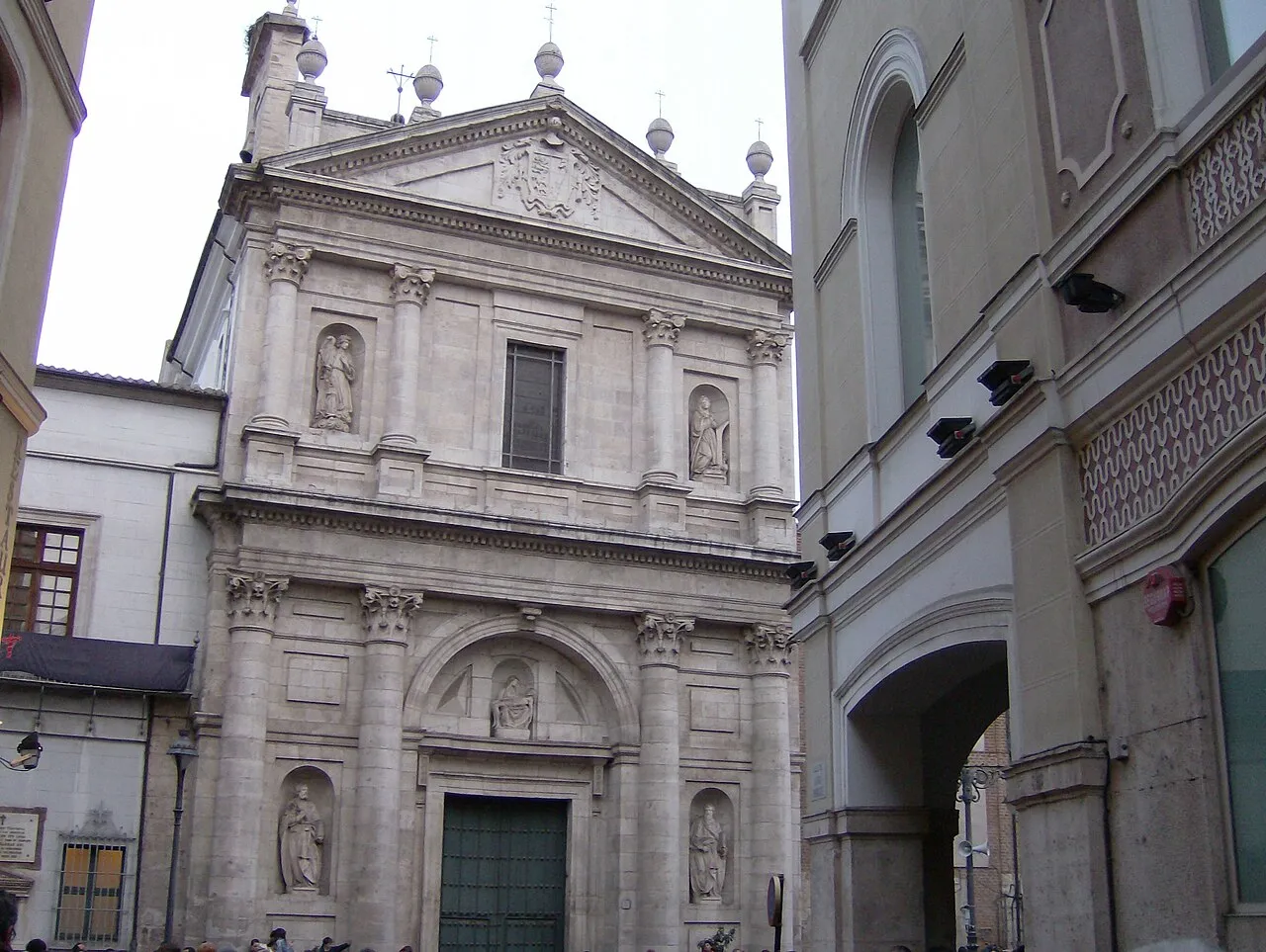
11Church of Nuestra Señora de las Angustias

Church of Nuestra Señora de las Angustias

It holds the Virgen de los Cuchillos, which Juan de Juni carved around 1561, with seven swords piercing her breast. It is one of the most impressive images in Spain and one of the keys to the Holy Week of Valladolid, declared of International Tourist Interest.

🎧 Pasaje Gutiérrez, the Pisuerga and the tapas📍 View on Google Maps
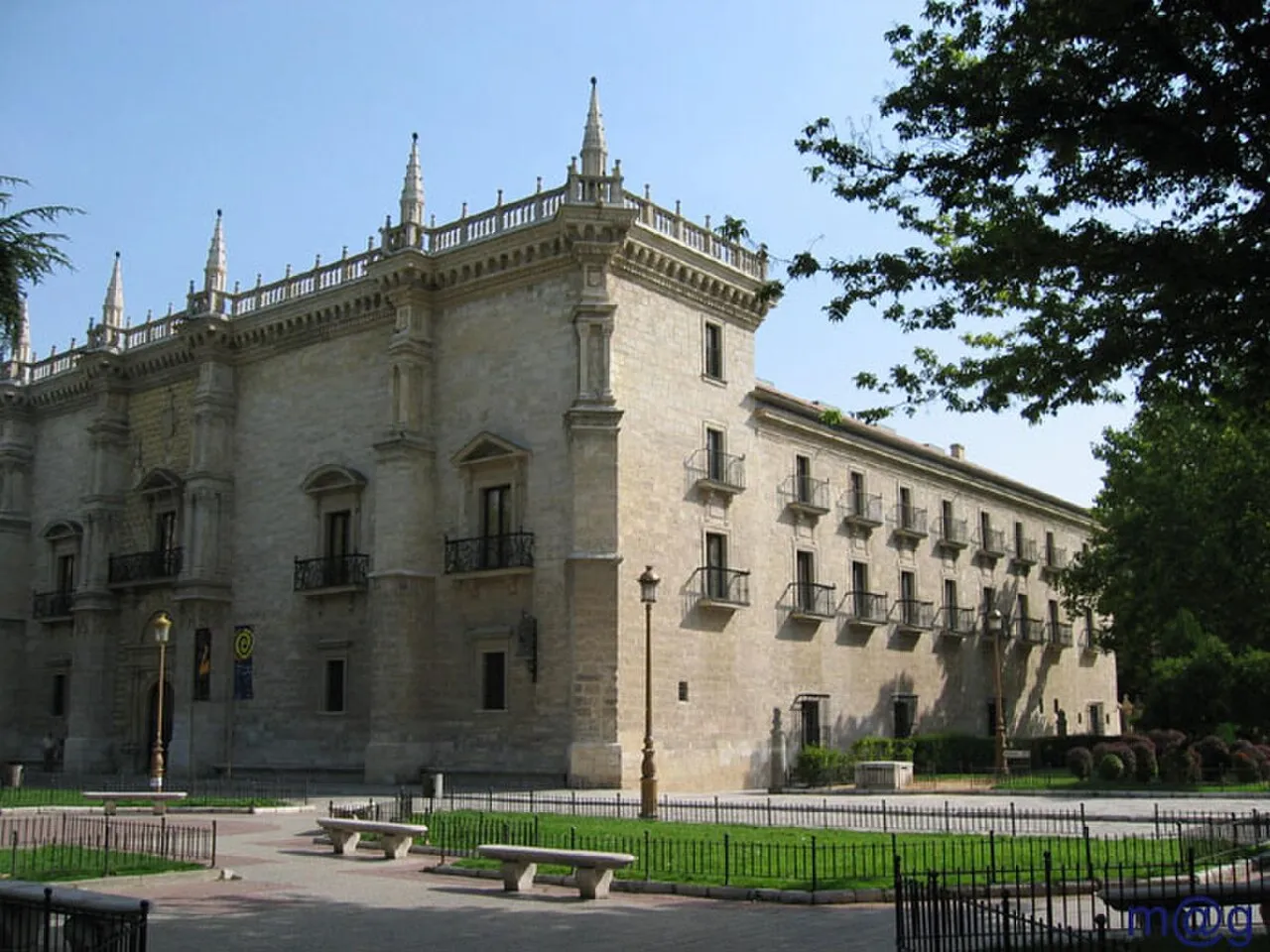
12Santa Cruz Palace

Santa Cruz Palace

For most specialists, the first Renaissance building in Spain. Cardinal Mendoza, «the third king», ordered the Gothic work halted in 1488 and instructed that it continue in the new style arrived from Italy. Inside there is an extremely rich historic library and a Christ by Gregorio Fernández.

🎧 The Plaza Mayor, the Cathedral and the centre📍 View on Google Maps
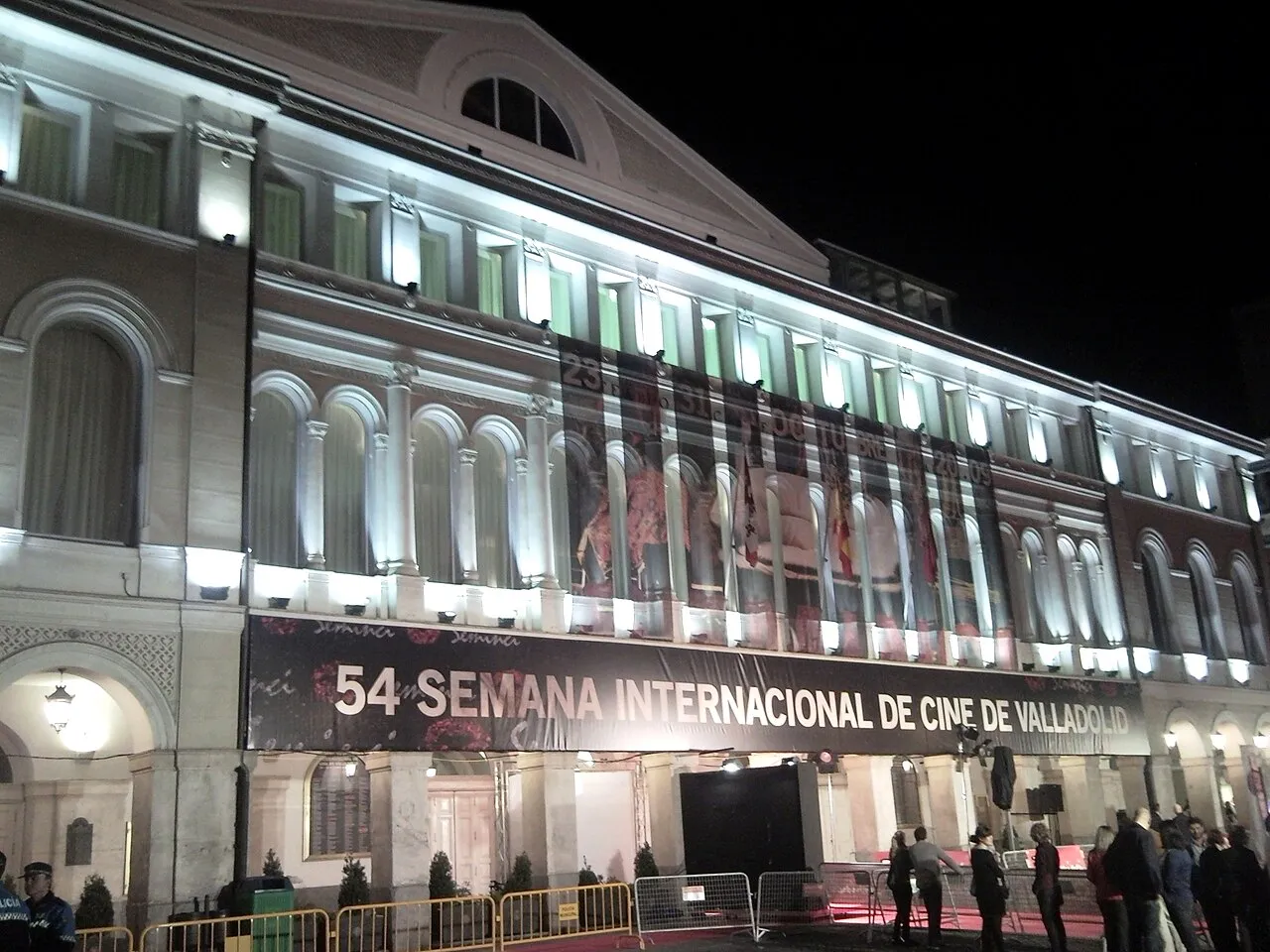
13Calderón Theatre

Calderón Theatre

Opened in 1864 on the site of the palace of the Admirals of Castile, with a chandelier of a thousand kilos and thirty thousand pieces of glass hanging from the ceiling. Every autumn it hosts the Seminci, which was born in 1956 as a Week of Religious Cinema and today is one of the most prestigious auteur festivals in Europe.

🎧 The Plaza Mayor, the Cathedral and the centre📍 View on Google Maps
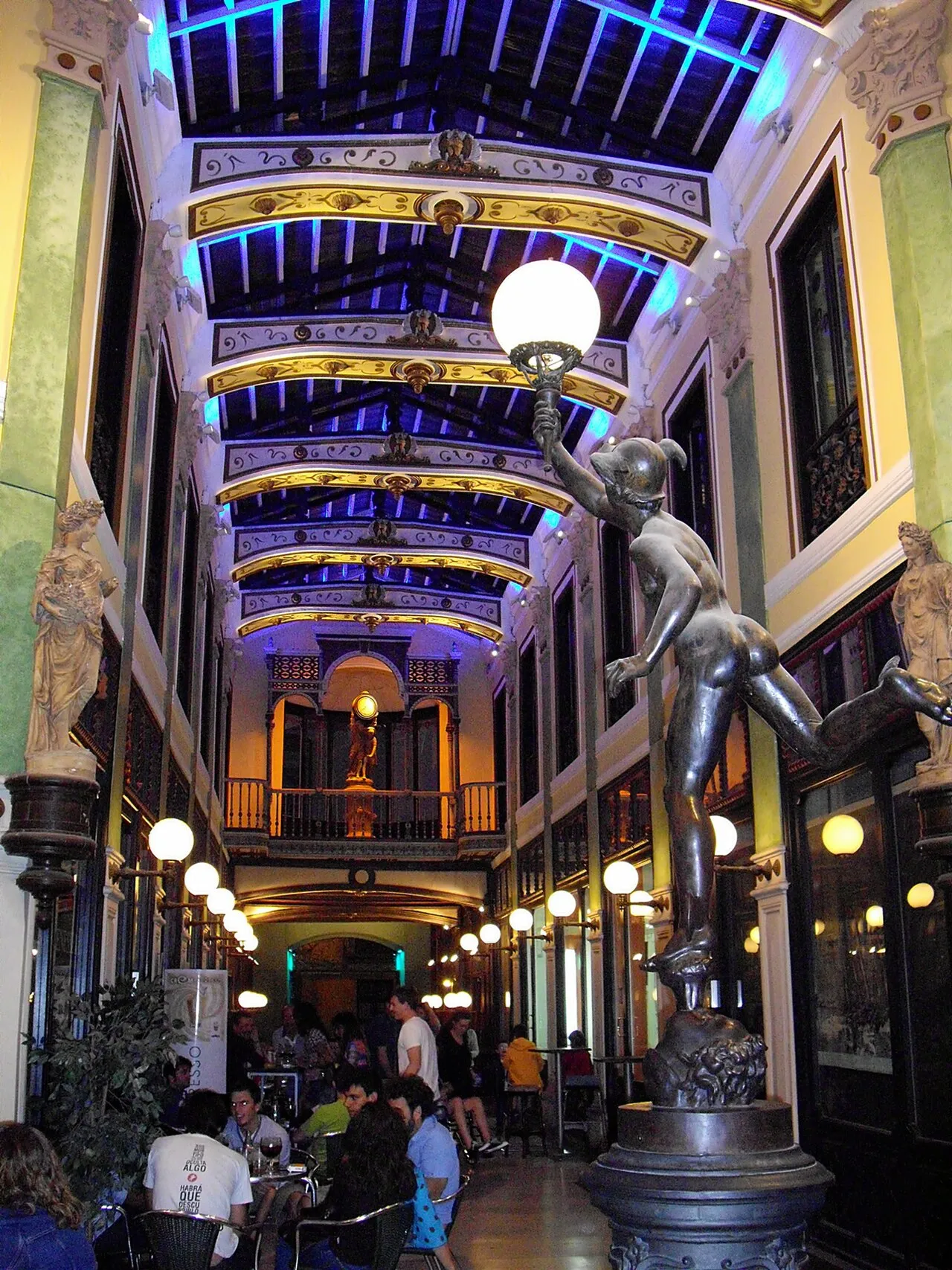
14The Iron and Glass Gallery

The Iron and Glass Gallery

A shopping passage of 1886 with a roof of iron and glass, copied from the Paris arcades and lit at the time by gas. Its promoter's dream did not take: it declined shortly after opening because the Valladolid of the day was not ready for such display. It was recovered at the end of the twentieth century.

🎧 Pasaje Gutiérrez, the Pisuerga and the tapas📍 View on Google Maps
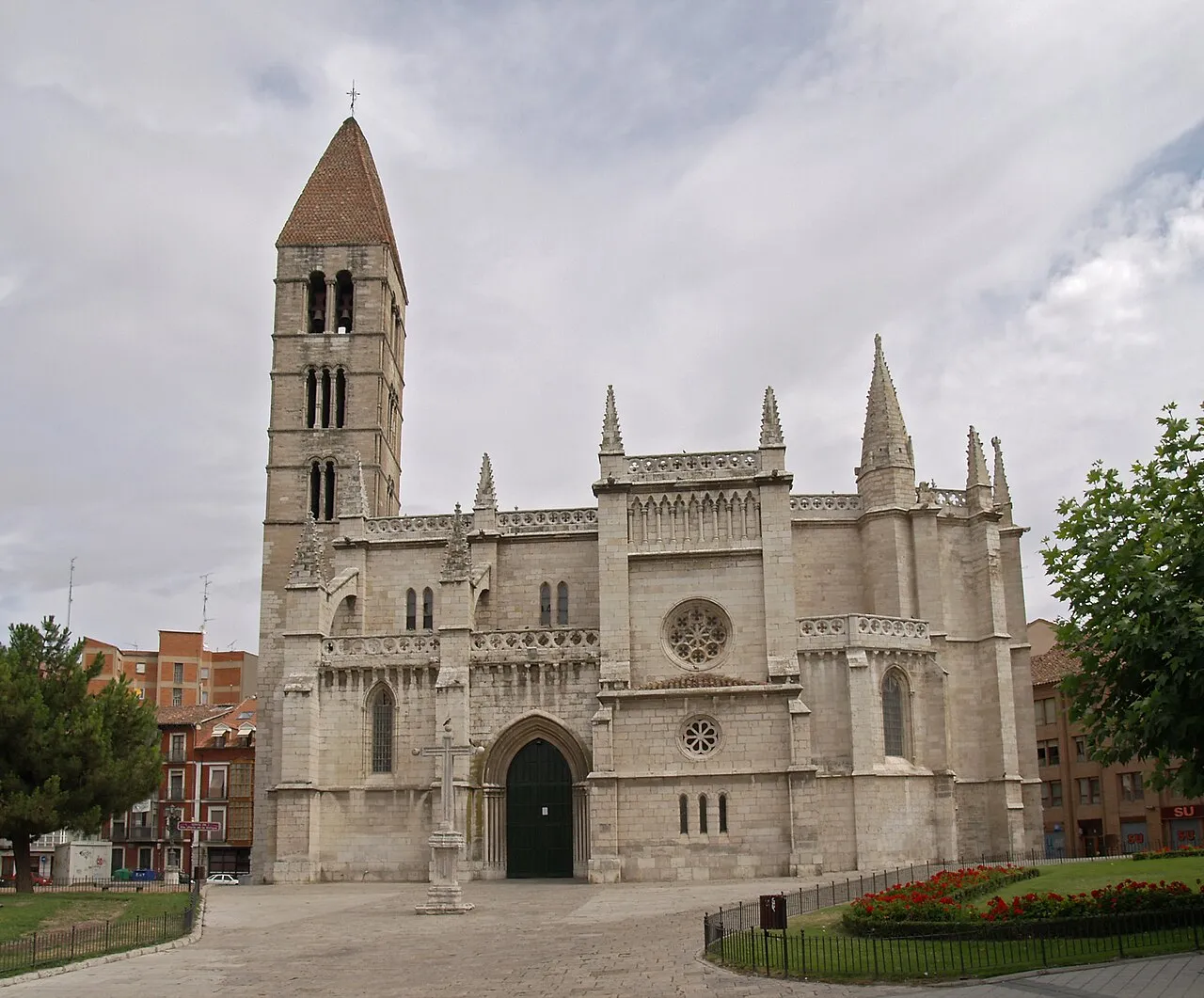
15Church of Santa María la Antigua

Church of Santa María la Antigua

Its Romanesque tower from the end of the twelfth century, at almost fifty metres, is one of the tallest Romanesque bell towers in Spain. The rest of the church is neo-Gothic of 1918-1934: the Gothic naves were so ruinous that they were demolished and remade around what was worth keeping.

🎧 The Plaza Mayor, the Cathedral and the centre📍 View on Google Maps

Walking tours in Valladolid

🎧 Campo Grande, Zorrilla and the Acera · Cervantes, Columbus and literary Valladolid · Pasaje Gutiérrez, the Pisuerga and the tapas · San Pablo, San Gregorio and the Sculpture Museum · The Plaza Mayor, the Cathedral and the centre

Frequently asked questions

Is it true that Valladolid was the capital of Spain?

Twice, and both times briefly. It was the usual seat of the Castilian court through much of the sixteenth century, and official capital between 1601 and 1606, when the Duke of Lerma persuaded Philip III to move the court from Madrid. In 1606 it went back to Madrid and never returned.

Why is the cathedral unfinished?

Because Juan de Herrera designed it around 1582 as the greatest church in Christendom, when the city was capital of the monarchy. Philip II raised it to cathedral status in 1595, but the court left for Madrid and the money evaporated. Today it is built to barely forty per cent, and its original tower collapsed as well, in 1841.

Where did the Catholic Monarchs marry?

In the Palacio de los Vivero, on 19 October 1469, in an almost clandestine wedding: Ferdinand had crossed Castile disguised as a servant, they were cousins and needed a papal dispensation, so they used a forged bull. The genuine one did not arrive until 1471.

What is Cervantes's connection with Valladolid?

He lived here between 1604 and 1606, with the court installed in the city, and it was exactly then that the first part of Don Quixote came out. His house survives and is a museum. And he ended up in prison: a gentleman was stabbed to death at his door and the law jailed him with the women of his family for living beside it.

Why is the Museo Nacional de Escultura here?

Because in the Golden Age this city was the capital of sculpture in polychrome wood. Alonso Berruguete, Juan de Juni and Gregorio Fernández worked here, the three greatest names in the genre. Gathering the national collection in the city where those works were made has every logic.

How many days do you need?

A full day covers the essentials: the Plaza Mayor, the cathedral, the University, the San Pablo quarter with the Museo Nacional de Escultura and the tapas area. Two days bring in the Casa de Cervantes, the Casa de Colón, the Campo Grande and the riverside walk.

What do people eat in Valladolid?

Roast milk-fed lamb, suckling pig, blood sausage, Castilian soup and sheep's cheese. And above all tapas: the city has one of the best tapas cultures in Spain, with a national competition of its own. For wine, four denominations less than an hour away: Ribera del Duero, Rueda, Toro and Cigales.
Valladolid on the map

The 15 must-sees, point by point.

🎧 With Viavoy

Walk Valladolid and listen at your own pace

Download Viavoy and walk Valladolid offline, whenever you like.

from 2,99 €· one-off payment
City Pass · 9,99 €3 days, all the tours in Valladolid
Find out more about Viavoy →
Viavoy app

In the Magazine

Keep discovering Valladolid

Food & drink

Eating in Valladolid: the best tapa in Spain and four wine denominations an hour away

Art

The capital of sculpture: why the National Museum is in Valladolid and not in Madrid

History

When Valladolid was the capital: a forged wedding, two kings born here and five years of court

Itineraries

Valladolid in one day: the city that was the capital twice, and both times briefly