Albarracin
Albarracin · What to see

What to see in Albarracín: the village hanging off the rock

A lordship that obeyed no king, a cathedral in a village of shepherds and a wall that grips the hill. All in red stone and inside a meander.

Albarracín is one of those places that look invented. It is coiled inside a meander of the Guadalaviar, almost like an island of rock, with a wall that climbs the hill and a tenth-century tower at the very top. And its history is stranger still: it was a Muslim taifa governed by the Banu Razin, from whom it takes its name; then a Christian lordship whose owner declared himself the vassal of the Virgin alone so as to obey neither Castile nor Aragon; and it won a bishopric of its own in 1172, which is why a village of shepherds has a cathedral. All of it is walked in half a day, uphill and downhill, over a reddish stone that catches fire at dusk.

The 5 must-sees

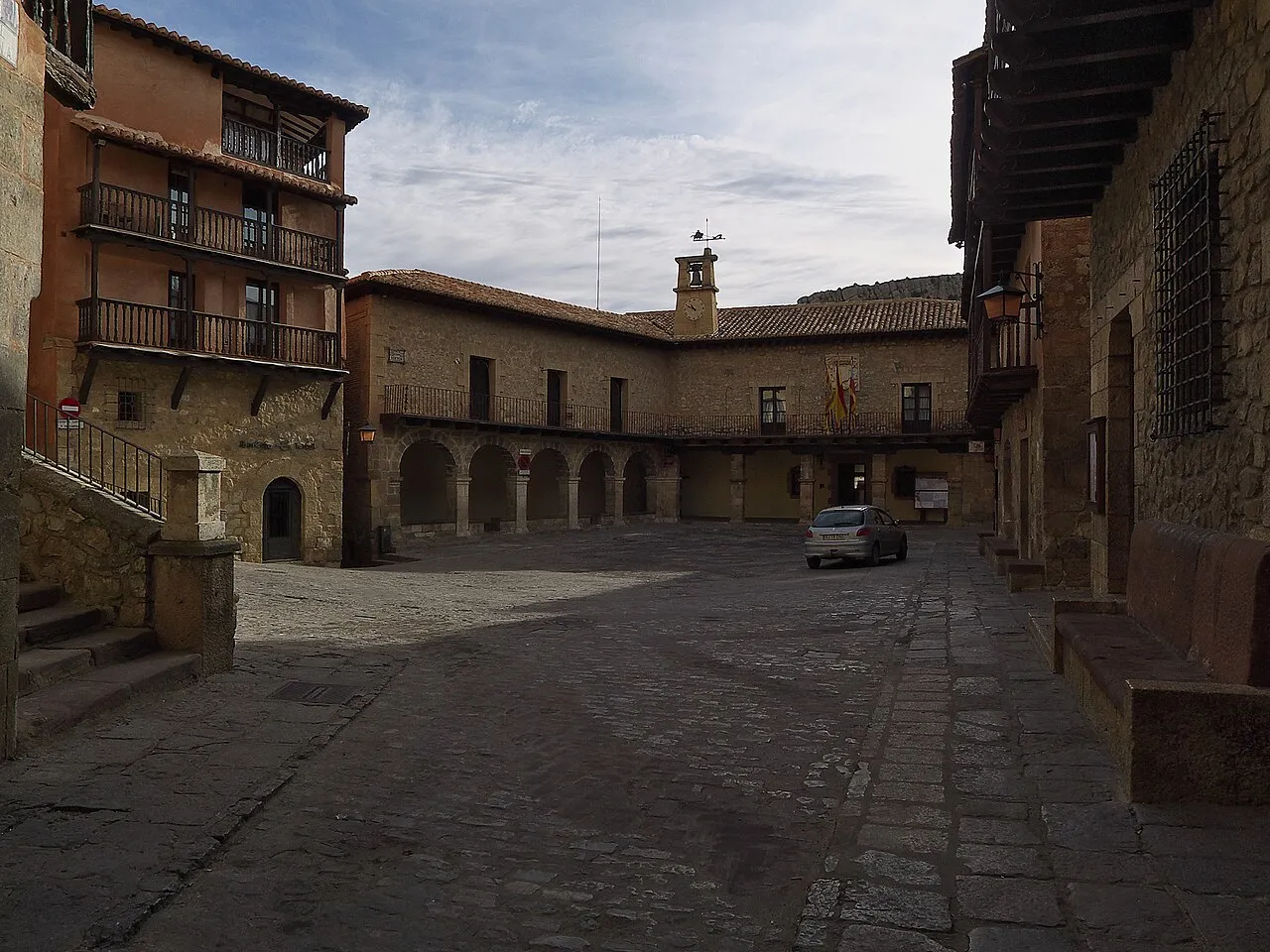
1Plaza Mayor de Albarracín

Plaza Mayor de Albarracín

The heart of the village and the only flat place: everything here is slope except this breathing space. It occupies the site of the old Muslim souk and keeps a wooden gallery on timber posts from which news was proclaimed. At dusk, the low sun sets the reddish stone of the fronts alight.

🎧 Red Albarracín: the village clinging to the rock📍 View on Google Maps
2Albarracín Castle

Albarracín Castle

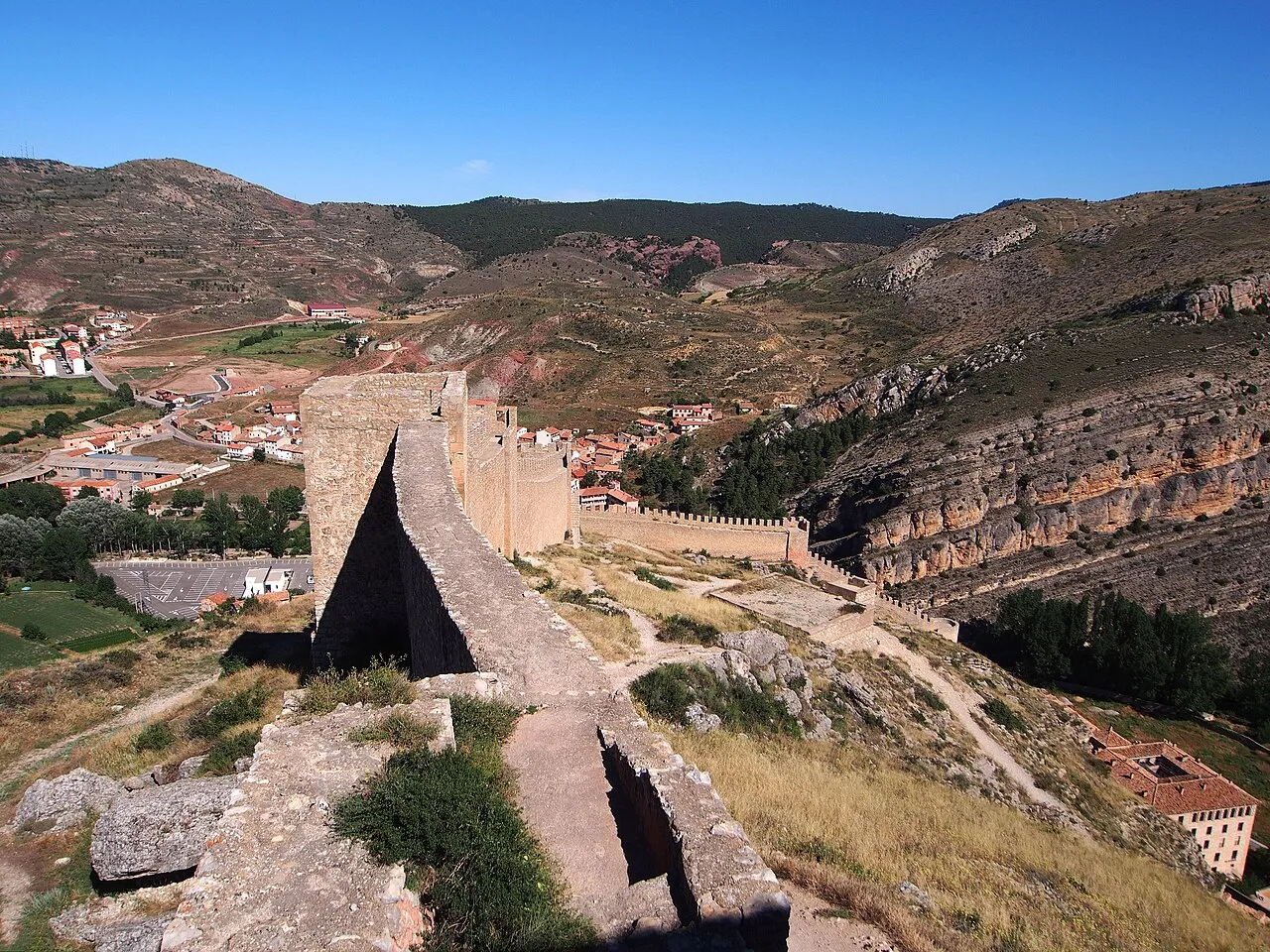
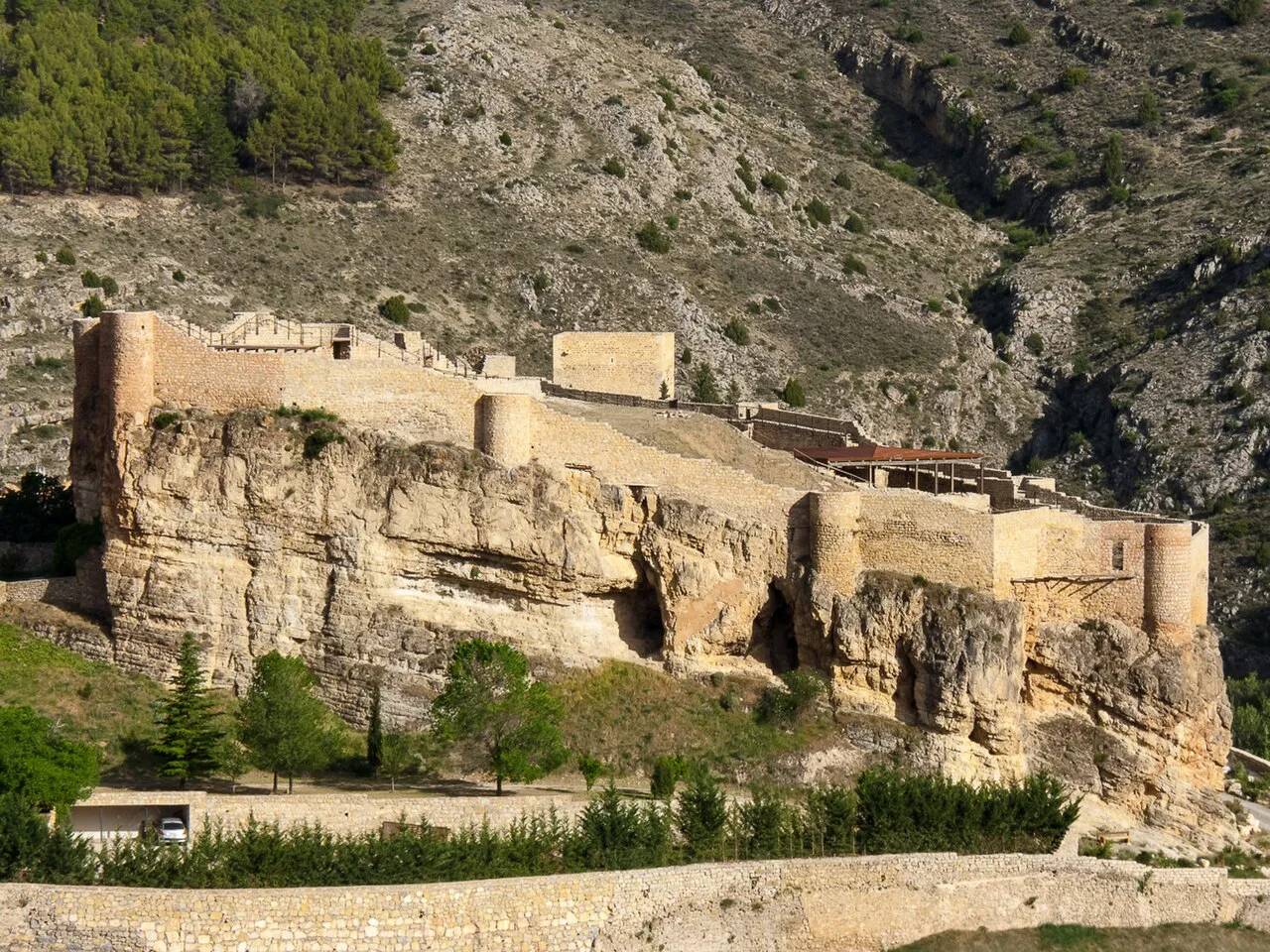
This is where it all began: the Muslim alcázar above the meander, more than a thousand years ago. In the eleventh century it was the taifa of the Banu Razin, and from «Al Banu Razin» comes the name of the village. Excavations brought to light an Andalusi quarter with a hammam and its hypocaust, the underfloor heating system.

🎧 Red Albarracín: the village clinging to the rock📍 View on Google Maps
3Andador Tower

Andador Tower

The highest point in the village and the oldest stone: the Muslims raised it in the tenth century, in the time of the caliphate. Its name comes from the walkway along which sentries went round the wall at night. From the top you see the whole meander and grasp the village at a glance.

🎧 Red Albarracín: the village clinging to the rock📍 View on Google Maps
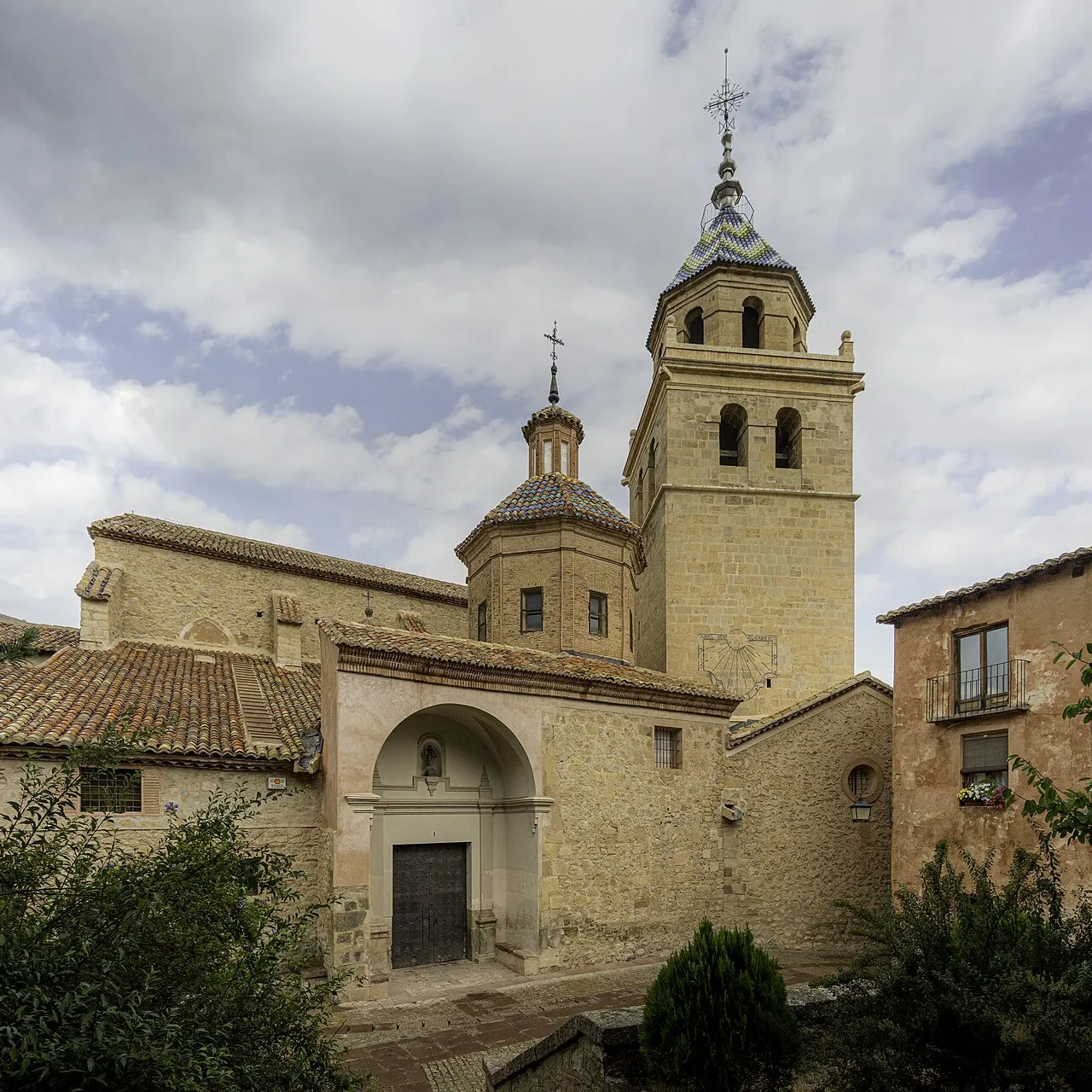
4Cathedral of the Saviour

Cathedral of the Saviour

What is a cathedral doing in a village of shepherds? Albarracín won a bishopric of its own in 1172, and that guaranteed independence in religious matters too. The present building is from the 16th century, with vaults by Pierres Vedel, the French engineer who brought water to Teruel. It holds Gothic paintings that were once hidden.

🎧 Red Albarracín: the village clinging to the rock📍 View on Google Maps
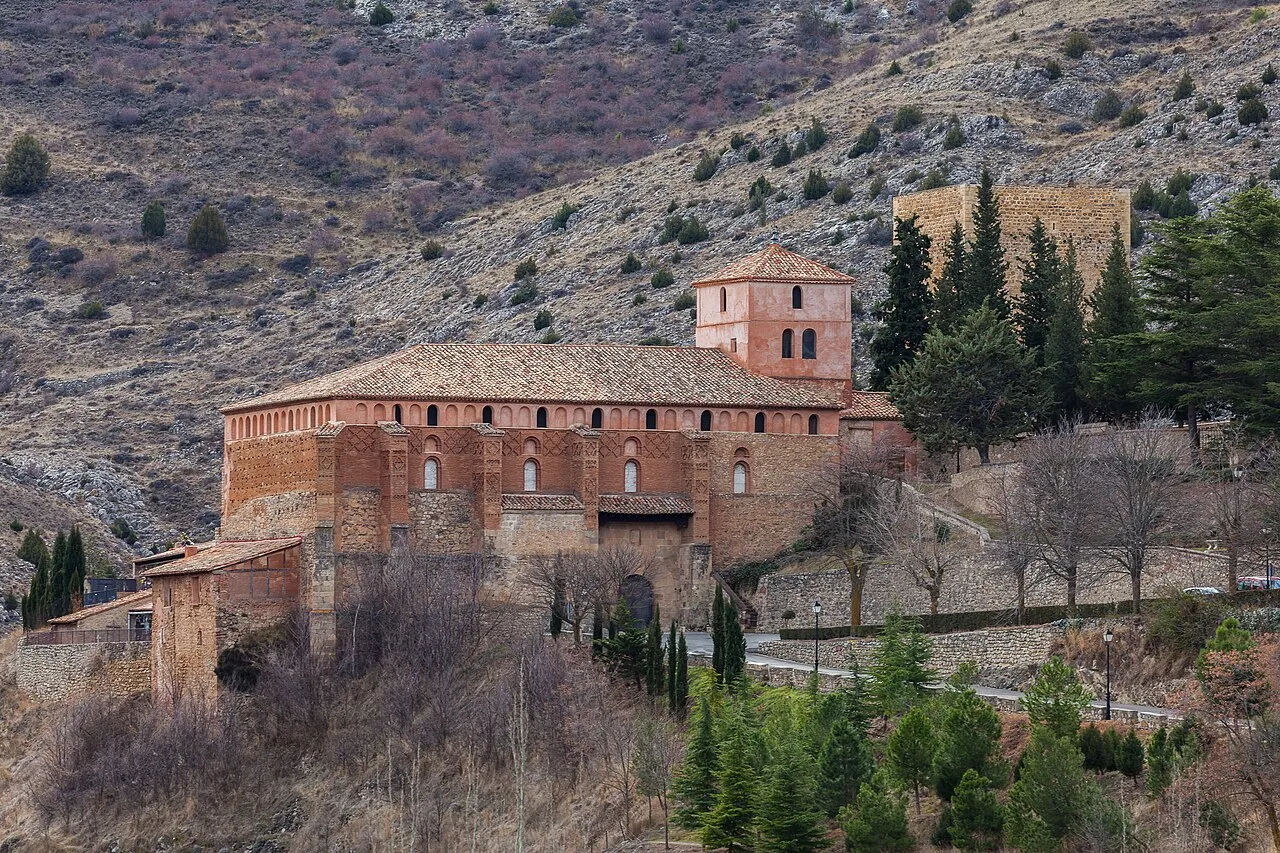
5Church of Santa María

Church of Santa María

Its name is a political declaration. When Pedro Ruiz de Azagra became lord of Albarracín in the twelfth century, he declared himself the vassal of Santa María alone so as to submit to no king of flesh and blood. And it formed part of the defensive belt: it prays and defends at once, very much of a frontier town.

🎧 Red Albarracín: the village clinging to the rock📍 View on Google Maps

Walking tours in Albarracin

🎧 Red Albarracín: the village clinging to the rock

Frequently asked questions

How long do you need to see Albarracín?

A long half day covers the whole village: the Plaza Mayor, the climb up the Torre del Andador along the walls, the castle with its Andalusi quarter, the cathedral and the church of Santa María. If you stay to eat and to watch the sunset on the red stone, a full day, which is what most people end up doing.

Where does the name Albarracín come from?

From the Banu Razin, a Berber family who governed a taifa here in the eleventh century. «Al Banu Razin», the land of the Razin, was worn down in people's mouths until it became Albarracín. Every time the village is named, those Arab lords are named too, without anyone realising.

Why does such a small village have a cathedral?

Because it was a bishop's seat. The lordship won a diocese of its own in 1172, when Pedro Ruiz de Azagra obtained a bishop for his land: having a cathedral meant independence in religious matters too, since neither Castile nor Aragon ruled here. It was one of the smallest dioceses in Spain.

Is it true that he was a vassal of the Virgin?

Yes, and it was a brilliant political move. So as to submit neither to the king of Castile nor to the king of Aragon, Pedro Ruiz de Azagra declared himself the vassal of Santa María alone. By recognising no monarch of flesh and blood, he guaranteed his independence. The lordship kept it until 1284.

Why is the village red?

Because of the rodeno, the red sandstone characteristic of this sierra, used both to raise the houses and to render them with tinted plaster. That tone gives the whole a very particular warm light, especially at dusk, when the low sun sets the fronts alight.

Is it very steep?

Fairly. The village grips a hill inside a meander and practically everything is on a slope, with steep streets and steps. The only flat part is the Plaza Mayor. Nothing is impossible, but comfortable shoes are advisable and it is worth planning the circuit from the top down: climb the Andador first and come down afterwards.

Can you get there by public transport?

There is a bus from Teruel, but with very limited services, so in practice almost everybody arrives by car. It is some 40 kilometres from Teruel by mountain road. There is parking at the entrance to the village, and from there the whole old town is walked.
Albarracin on the map

The 5 must-sees, point by point.

🎧 With Viavoy

Walk Albarracin and listen at your own pace

Download Viavoy and walk Albarracin offline, whenever you like.

from 2,99 €· one-off payment
City Pass · 9,99 €3 days, all the tours in Albarracin
Find out more about Viavoy →
Viavoy app

In the Magazine

Keep discovering Albarracin

Itineraries

Albarracín in a day: the village that obeyed no king

Food & drink

Eating in Albarracín: jamón de Teruel, ternasco and mountain cooking at 1,170 metres

History

The strange history of Albarracín: a Berber taifa, a Wolf King and a vassal of the Virgin

Architecture

The walls of Albarracín: a village inside a river bend and a tenth-century tower