The Sieges of Zaragoza: two blockades and a razed city
A stronghold with no bastions that held out against Napoleon's army for months, with the civilian population fighting house by house. What is still standing today and where you can touch what happened.
In 1808 the French army arrived at Zaragoza expecting to take it in a matter of days: the city had an old medieval enclosure, with no modern bastions, and a small garrison. It was wrong. The resistance lasted months, it was organised as it went along with the civilian population fighting house by house, and the episode has marked the identity of the city ever since.
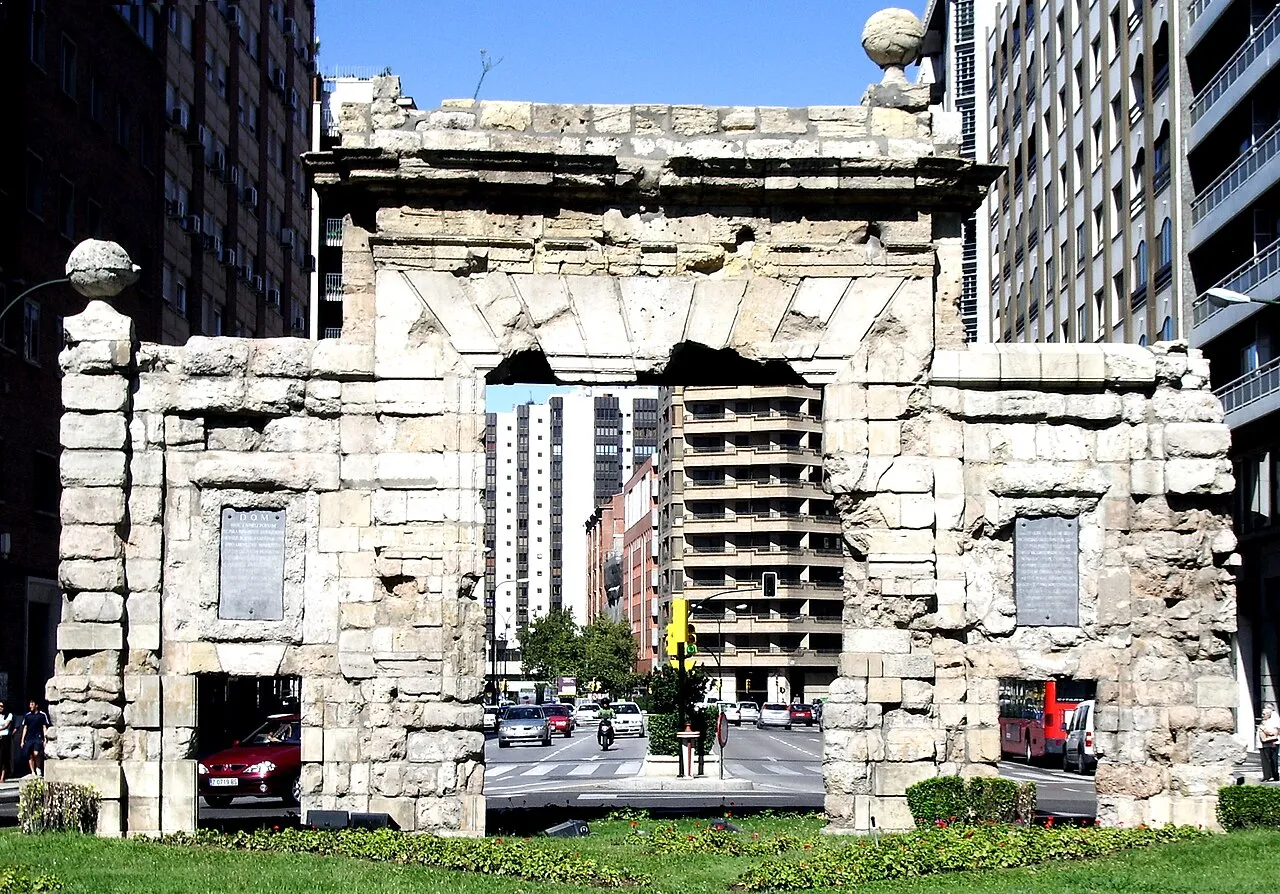
At the Puerta del Carmen, the last gate left of the enclosure, the bullet and shrapnel impacts of 1809 are still in the ashlar, unrepaired. It is the only place where you can physically touch what happened.
Two very different sieges
1808 and 1808-1809.
The first siege began in June 1808. The French expected a stronghold that would give way quickly and found an improvised but tenacious defence, with fighting in the streets and in the convents turned into strongpoints. After two months and several failed attempts at storming it, they lifted the blockade.
The second, between December 1808 and February 1809, was completely different. The French had learned: they changed tactics and advanced block by block, blowing up the buildings with mines instead of storming positions. The war turned into systematic demolition.
Meanwhile, inside the city a typhus epidemic was spreading, helped along by overcrowding, the lack of food and the impossibility of burying the dead. When the stronghold capitulated in February 1809 tens of thousands of people had died, most of them civilians and from disease.
General José de Palafox directed the defence and his figure became attached to the episode, although the real organisation was far more collective than the later propaganda suggested. The city was left practically destroyed and took decades to recover.
A neoclassical arch of three openings built a few decades before the Sieges, today isolated on a roundabout. That orderly, enlightened language contrasts with what happened to it afterwards, and that contrast is what makes the monument work. Go up to the side that faces the open country.
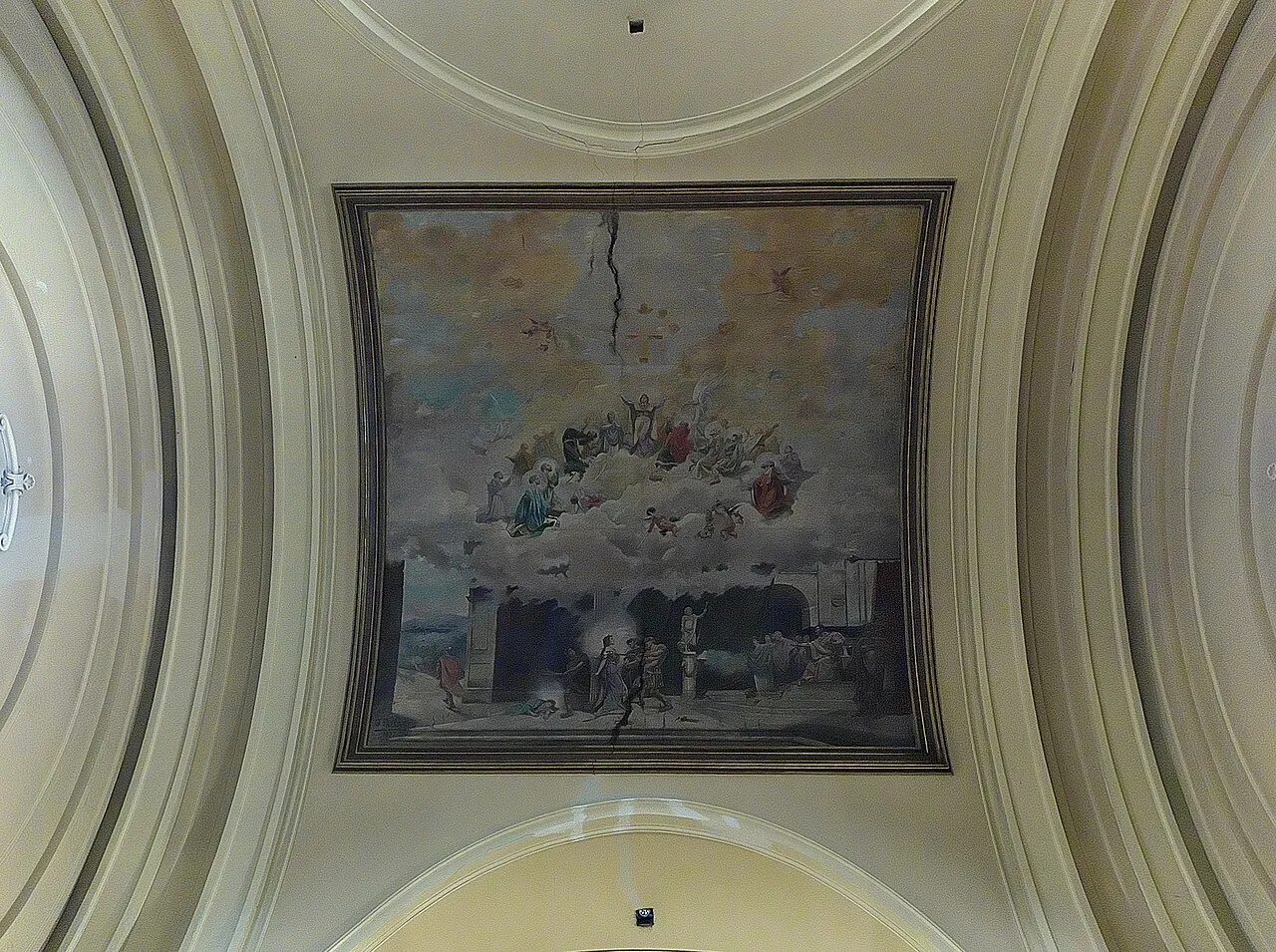
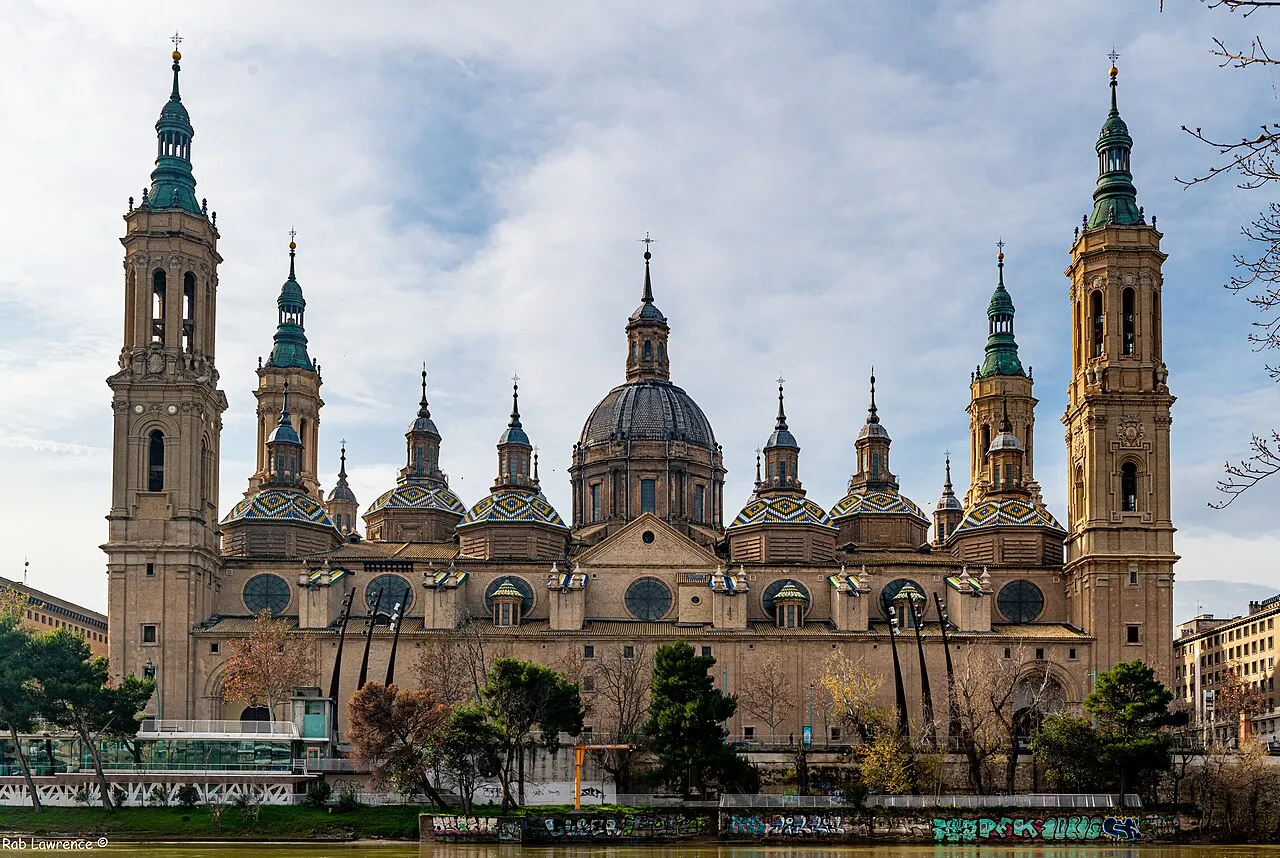
Its monastery was blown sky-high during the first siege and all that was left standing was the Plateresque alabaster doorway, later built into the present church. In the crypt are Early Christian sarcophagi from the fourth century that survived everything.
Download the app and discover Zaragoza offline, whenever you like. Take the walking tour Los Sitios, Goya and the Parque Grande with a local guide in your ear.
Agustina Zaragoza Domenech existed and her episode is documented. During the first siege, at the Portillo battery, with the gunners dead or fallen back and the French troops advancing, she took up the match and fired a cannon. That gesture briefly stopped the assault.
From there, the construction of the myth was quick and very effective. War propaganda, Romantic literature, engravings and later the cinema turned a particular woman into a national icon a long way from her real biography.
Because her biography goes on: she stayed attached to the army for the rest of the war, reached military rank, was taken prisoner and managed to escape, and died many years later in Ceuta. That later life, far more interesting than the scene with the cannon, is almost never told.
Goya, who was Aragonese, came to Zaragoza during the Sieges, commissioned by Palafox, to see and document the ruins. The print series “The Disasters of War” is directly related to what he saw here and in other settings of that conflict, and its tone is anything but heroic: it is an accusation.
What is left today
Physically, little, and that is the consequence of a siege that consisted of demolishing the city block by block. The most eloquent thing is the Puerta del Carmen, the only gate of the enclosure that survived the later demolitions, with the bullet and shrapnel impacts kept unrestored.
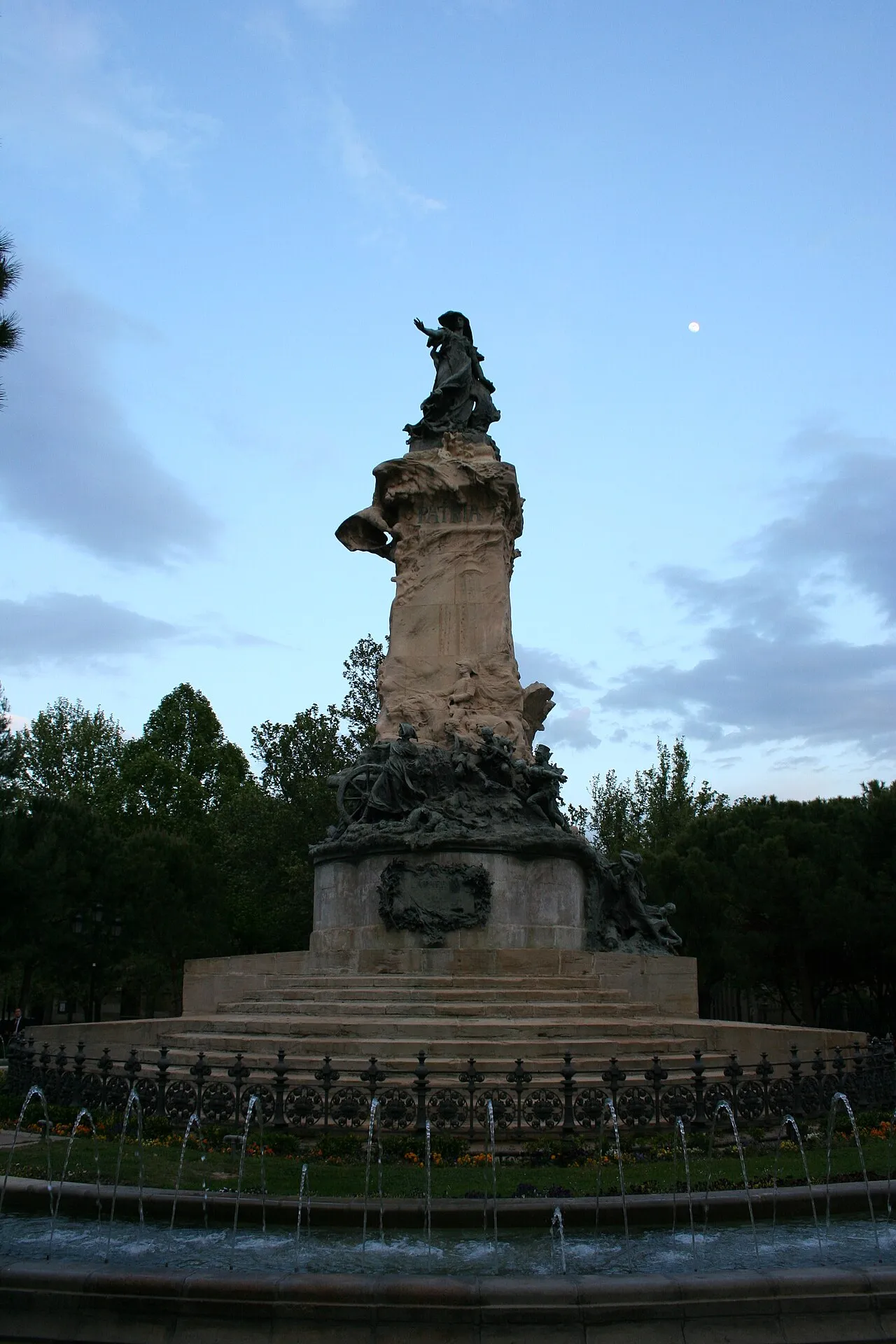
At the opposite end of the old town, the Plaza de los Sitios commemorates the episode with a monument from the beginning of the twentieth century. The whole square was laid out in 1908 for the Hispano-French Exhibition marking the centenary, so that commemorating a military defeat ended up producing a neighbourhood.
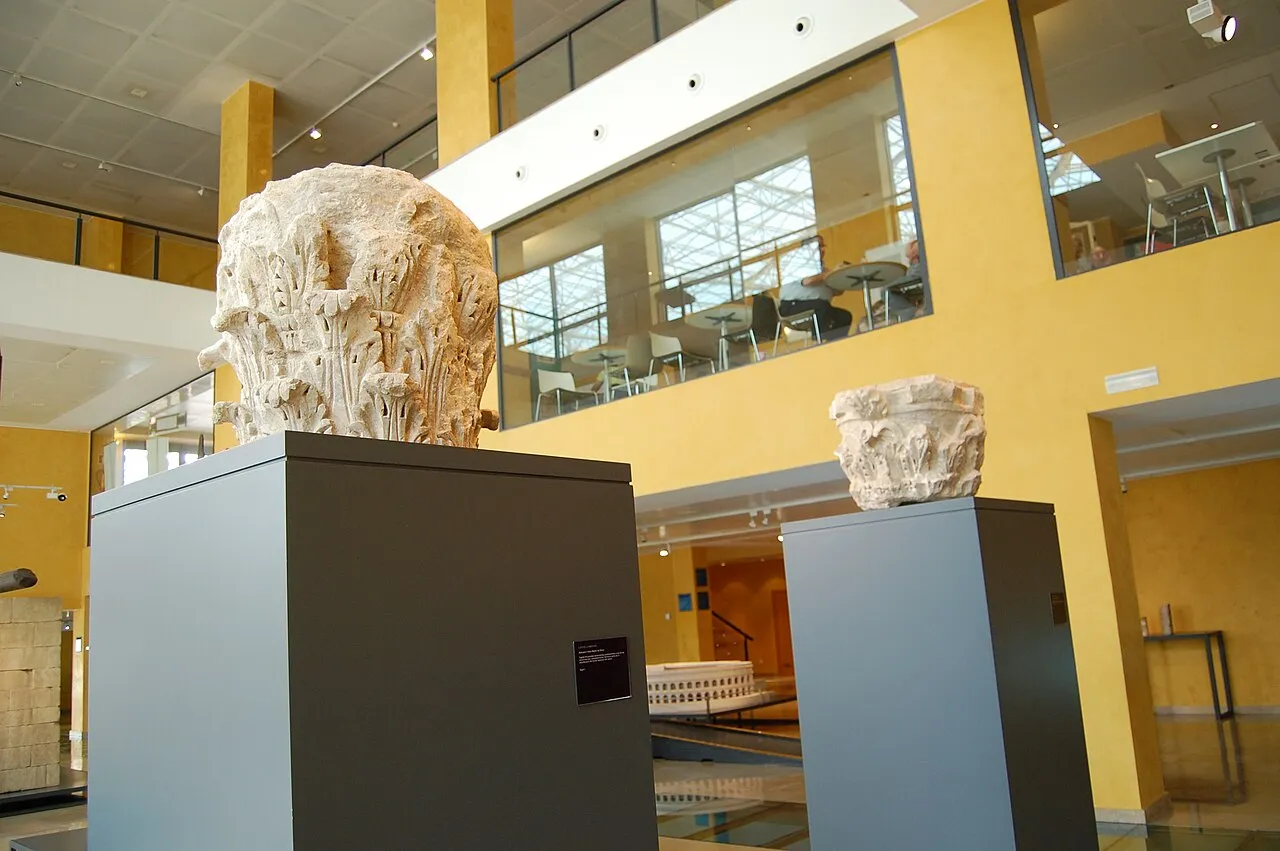
On that same square is the Museum of Zaragoza, free, with a room devoted to Goya holding original work as well as its Roman archaeological collection. It is probably the best way to close the route through this episode.
And there is a less obvious trace: a good part of the city's religious heritage disappeared in those months. Whole convents, churches and monasteries were blown up or left unusable, and that explains why a city with this much history has relatively few buildings left from before the nineteenth century.
The monument, by Agustín Querol, was raised for the centenary of 1908, and with it the whole square was laid out for the Hispano-French Exhibition. Several of those pavilions are still standing and today house the Museum of Zaragoza and the School of Arts.
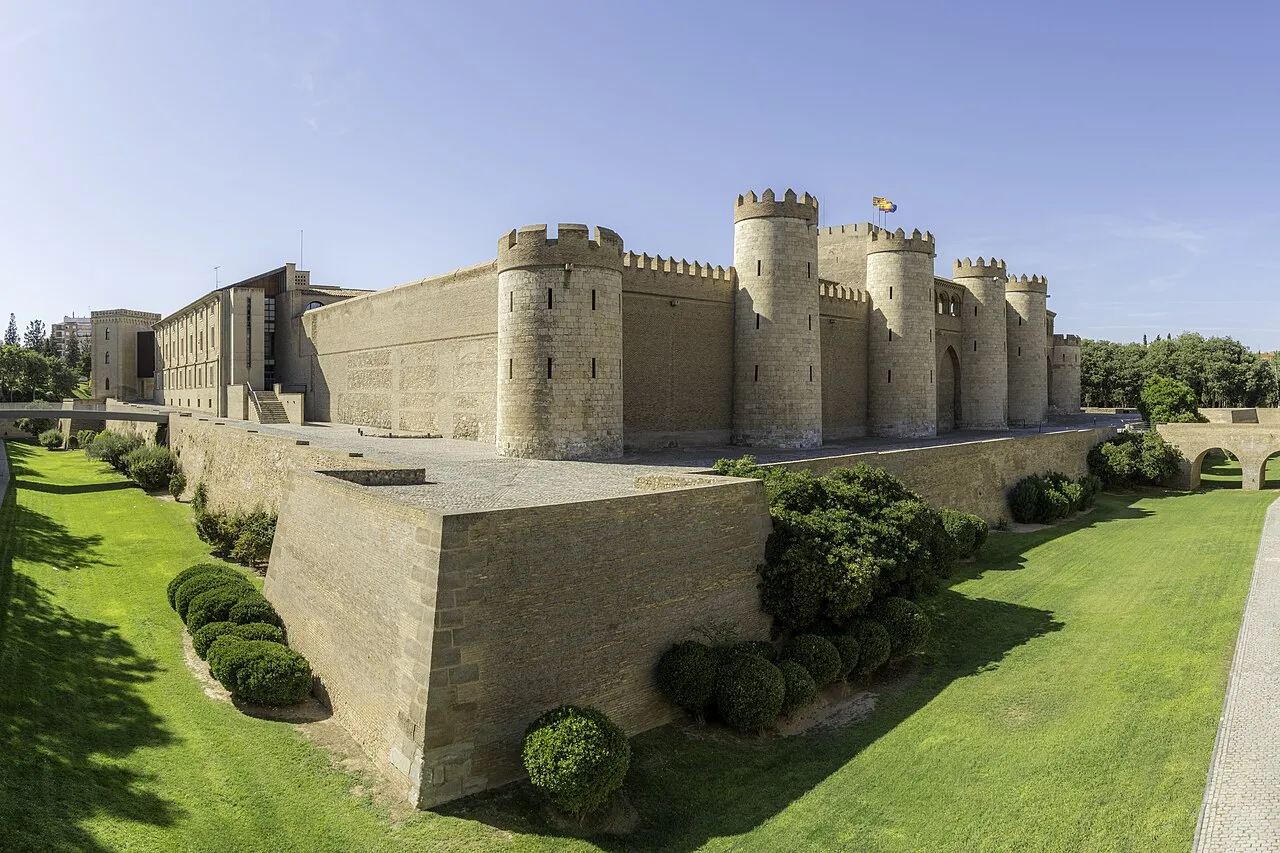
The eleventh-century Islamic palace also suffered during the Sieges, in its spell as a military barracks, and that damage came on top of what it had already been carrying since its use as the seat of the Inquisition. It is on the way from the Puerta del Carmen.
Two blockades the city went through during the Peninsular War. The first, in 1808, was lifted after two months. The second, between December 1808 and February 1809, ended with the capitulation and with tens of thousands dead, most of them civilians and from a typhus epidemic helped along by overcrowding.
Why did a city with no modern walls hold out so long?
Precisely because of that: with no effective defensive enclosure, the defence was organised inside, street by street and house by house, with the civilian population involved and the convents turned into strongpoints. That kind of urban resistance was very costly for a regular army used to storming positions.
Who was Agustina de Aragón?
Agustina Zaragoza Domenech, whose episode is documented: during the first siege, at the Portillo battery, with the gunners fallen, she took up the match and fired a cannon, briefly stopping the assault. She stayed attached to the army for the rest of the war, reached military rank and died years later in Ceuta.
Where can you see the traces today?
Above all at the Puerta del Carmen, the only gate of the enclosure that survived, whose ashlar keeps the bullet and shrapnel impacts of 1809 unrestored. Also at the basilica of Santa Engracia, whose monastery was blown up during the first siege leaving only the doorway, and on the Plaza de los Sitios, which is already commemorative.
What has Goya got to do with the Sieges?
Goya, an Aragonese, came to Zaragoza during the conflict commissioned by General Palafox to see and document the ruins. The print series “The Disasters of War” is directly related to what he saw here and in other settings, and its tone is anything but heroic: it is an accusation against war itself.
Why is there so little heritage left from before the nineteenth century?
Because the second siege consisted literally of demolishing the city: the French advanced block by block, blowing up the buildings with mines. Whole convents, churches and monasteries disappeared or were left unusable, and that explains why a city with this history has relatively few old buildings still standing.
Practical information
WhenFirst siege in 1808; second between December 1808 and February 1809.
The physical traceThe Puerta del Carmen, with the impacts of 1809 unrepaired. Free and out in the open.
The commemorationPlaza de los Sitios, with a monument from 1908 and the Museum of Zaragoza, free.
GoyaHe came to document the ruins for Palafox. A room with original work in the Museum of Zaragoza.
Santa EngraciaIts monastery was blown up in the first siege. Only the Plateresque doorway was left.
RoutePuerta del Carmen and La Aljafería to the west; Plaza de los Sitios and Santa Engracia to the south-east.
On the map
🎧 With Viavoy
Walk Zaragoza and listen at your own pace
Download Viavoy and walk Zaragoza offline, whenever you like.
from 2,99 €· one-off payment
City Pass · 9,99 €3 days, all the tours in Zaragoza