Las Fallas in Valencia: what they are, when to go and how to survive the mascletà
Festivals and traditions · Valencia

Las Fallas in Valencia: what they are, when to go and how to survive the mascletà

Hundreds of monuments set up in the streets and burnt in a single night, gunpowder at two in the afternoon every day and a city that runs by other rules for a week.

11 min read · Updated for the season
🎧 On the walk The Cathedral, the Miguelete and the Plaza de la Virgen

Las Fallas are on UNESCO's Intangible Cultural Heritage list and are probably the hardest festival in Spain to explain. For a week, Valencia fills with hundreds of monuments of cardboard and wood up to twenty metres tall, many of them considerable works of art, built over a whole year to burn completely in a single night. Along the way there is daily gunpowder at two in the afternoon, a two-day flower offering and a city that becomes something else.

The festival runs from 15 to 19 March, but it starts much earlier: the Crida is on the last Sunday in February and the daily mascletàs begin on 1 March.

Where the Fallas come from

The most accepted origin lies with the carpenters. On the eve of St Joseph — the guild's patron saint, 19 March — the workshops burnt their wood offcuts in the street along with the parots, the stands from which oil lamps hung during the winter. With spring approaching they were no longer needed, and they were burnt with everything else.

At some point in the eighteenth century, those bonfires began to be dressed up: old clothes were put on them, they were given human form and they became effigies caricaturing a neighbour, an official or a current affair. That is where the essence of the festival is born: satire.

From there to today's monuments there are two centuries of escalation. Today there are some four hundred falla committees in the city, each with its large falla and its children's falla, built by professional artists in specialised workshops, with budgets that in the special section run past hundreds of thousands of euros. And they all burn.

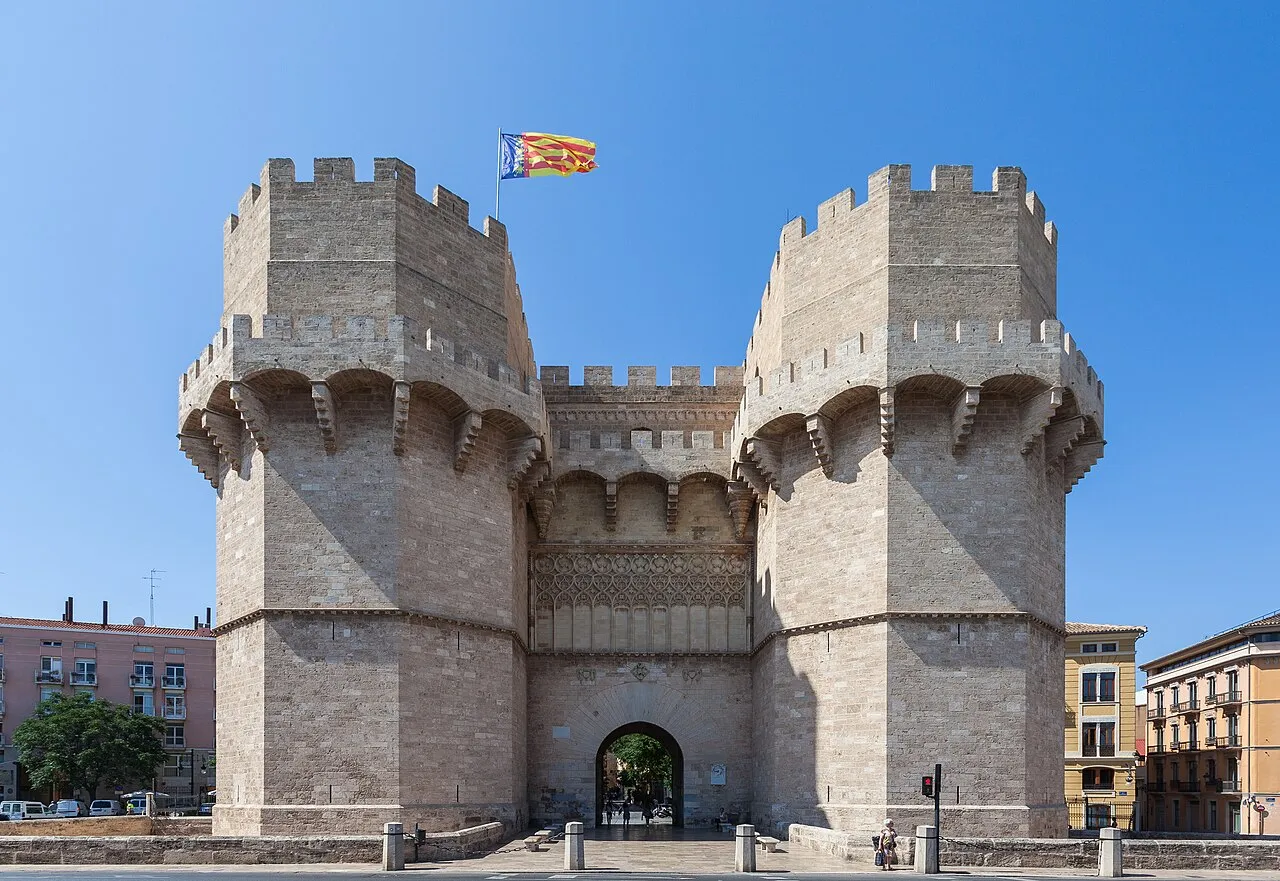
1Serranos Towers

Serranos Towers

📍 Plaça dels Furs

The stage of the Crida, on the last Sunday in February: the Fallera Mayor calls from these towers on the city and the world to come to the Fallas, with fireworks over the medieval gate. It is the official starting gun and the moment Valencia goes into festival mode for three weeks running.

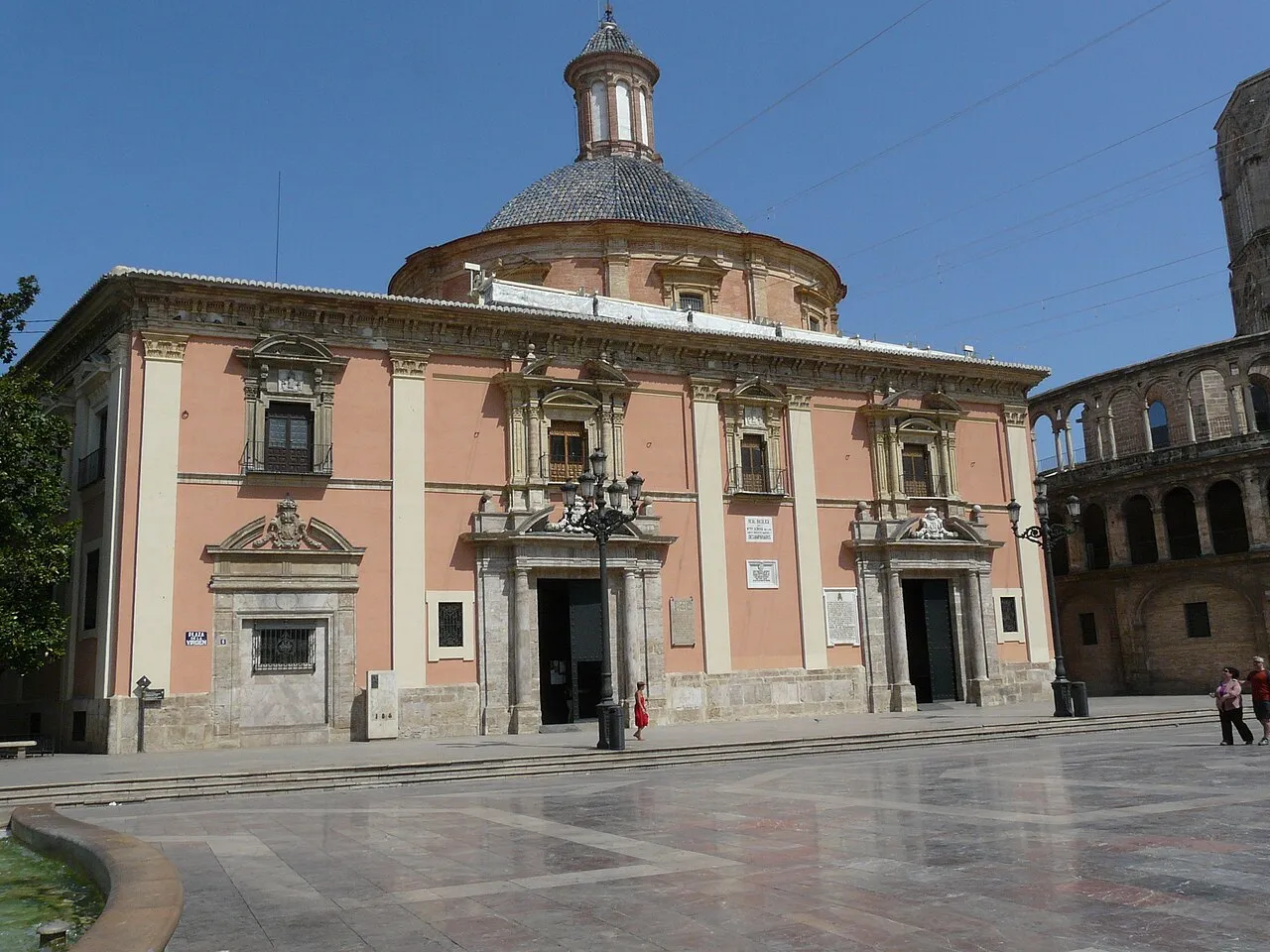
2Basilica of the Virgen de los Desamparados

Basilica of the Virgen de los Desamparados

📍 Plaça de la Mare de Déu

On 17 and 18 March, this square is the stage of the Ofrenda: two whole days of falla committees parading with bouquets of flowers that are pinned onto a giant structure until they compose the Virgin's mantle. Tens of thousands of people take part and it runs on into the small hours. It is the most impressive part of the festival even if you are not a believer.

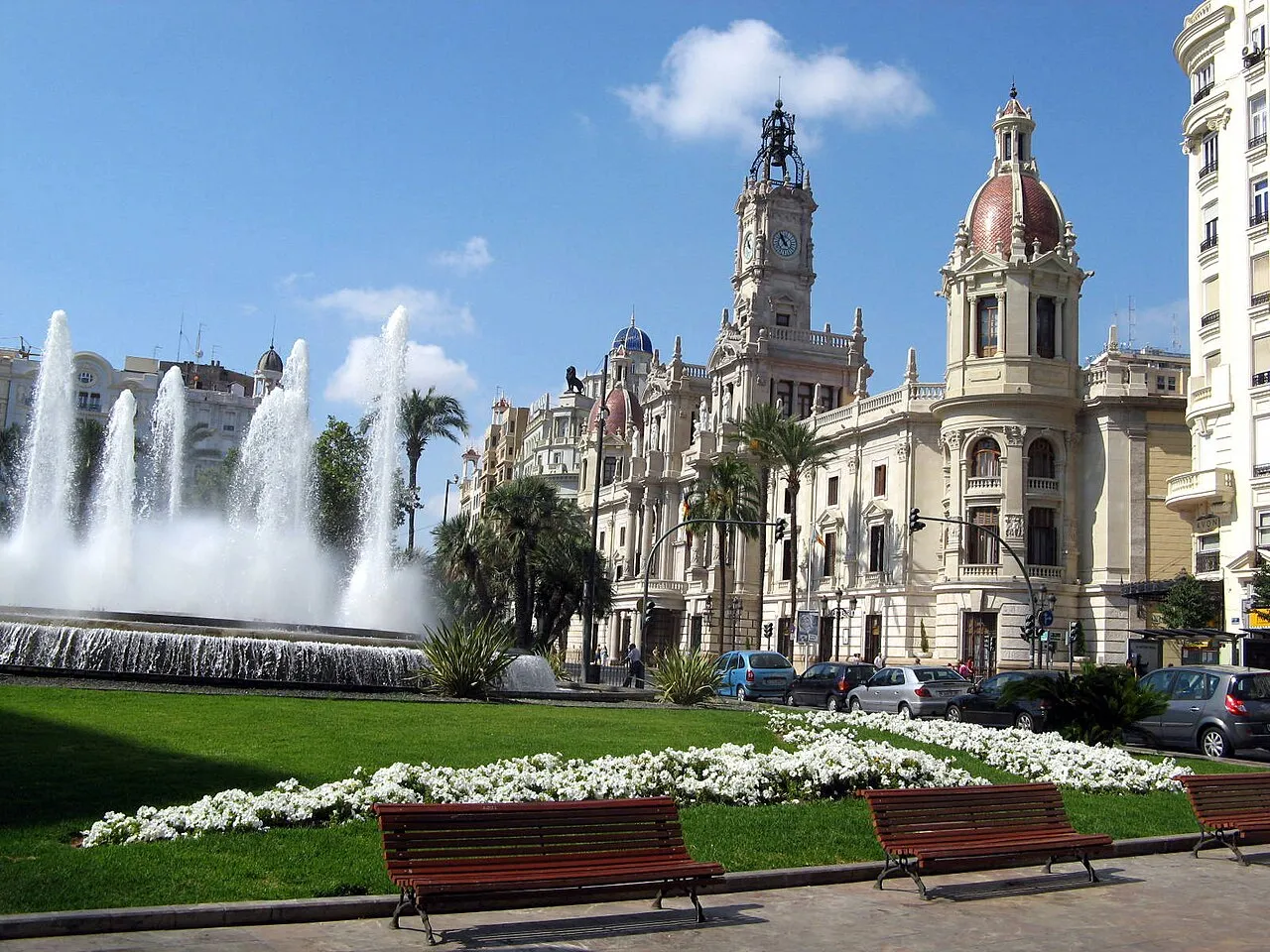
3Plaza del Ayuntamiento

Plaza del Ayuntamiento

📍 Centre of Valencia

This is where the mascletà is fired every day at two in the afternoon, from 1 to 19 March: about five minutes of chained gunpowder designed not to be seen but to be felt, with a rhythm that builds to a final earthquake. The square fills up an hour beforehand. It is the most physical experience of the whole festival.

🎧 With Viavoy

Explore Valencia at your own pace

Download the app and discover Valencia offline, whenever you like. Take the walking tour The Cathedral, the Miguelete and the Plaza de la Virgen with a local guide in your ear.

Find out more about Viavoy →

The calendar, day by day

What happens and when, so you are not late for anything.

The Crida, on the last Sunday in February, at the Torres de Serranos, officially opens the cycle. From 1 to 19 March there is a daily mascletà at two in the afternoon in the Plaza del Ayuntamiento: about five minutes of chained gunpowder, designed to be felt in the chest more than seen.

The Plantà, on the night of the 15th to the 16th, is when the monuments are finally raised in the streets. Dawn breaks on the 16th and the city has changed overnight: there is a falla on every corner. It is the best day to walk round them at leisure.

The Ofrenda takes up the 17th and the 18th: two days of continuous parade by the committees carrying flowers to the Plaza de la Virgen, in traditional silk costumes, with a giant structure that is gradually covered until it forms the mantle. The Nit del Foc, in the small hours of the 18th to the 19th, is the biggest firework display of the year, in the Turia riverbed.

And the Cremà, on the night of the 19th: the children's fallas are burnt first, then those of the special section and last the City Hall's. Everything built over a year burns in a few hours. Only one ninot is saved by popular vote, and it is kept in the Museo Fallero.

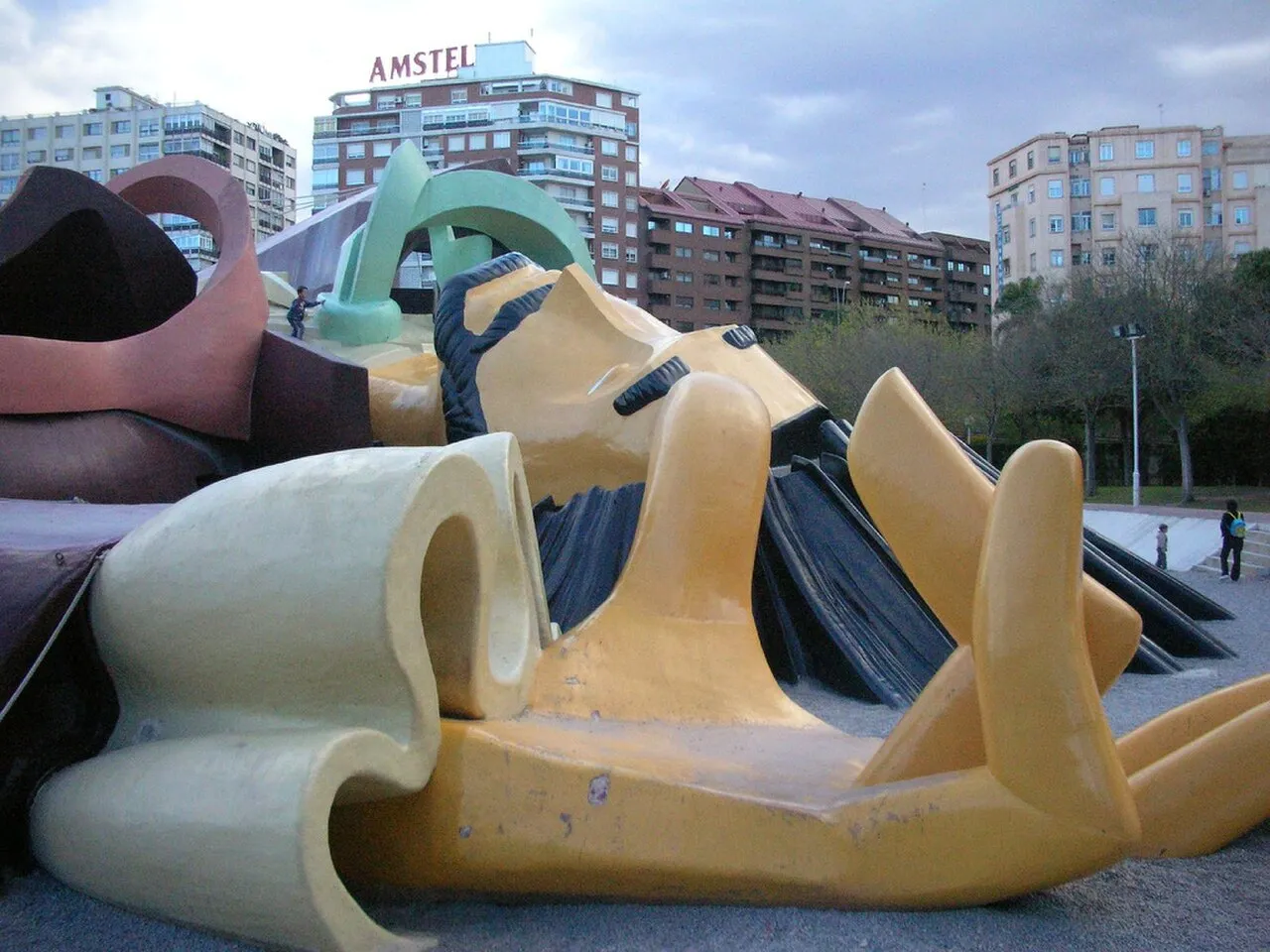
4Jardín del Turia

Jardín del Turia

📍 Riverbed

The stage of the night-time firework displays, including the Nit del Foc in the small hours of the 18th to the 19th, the biggest of the year. The riverbed, wide and free of buildings, allows large-calibre shots and gathers hundreds of thousands of people along several kilometres of bank.

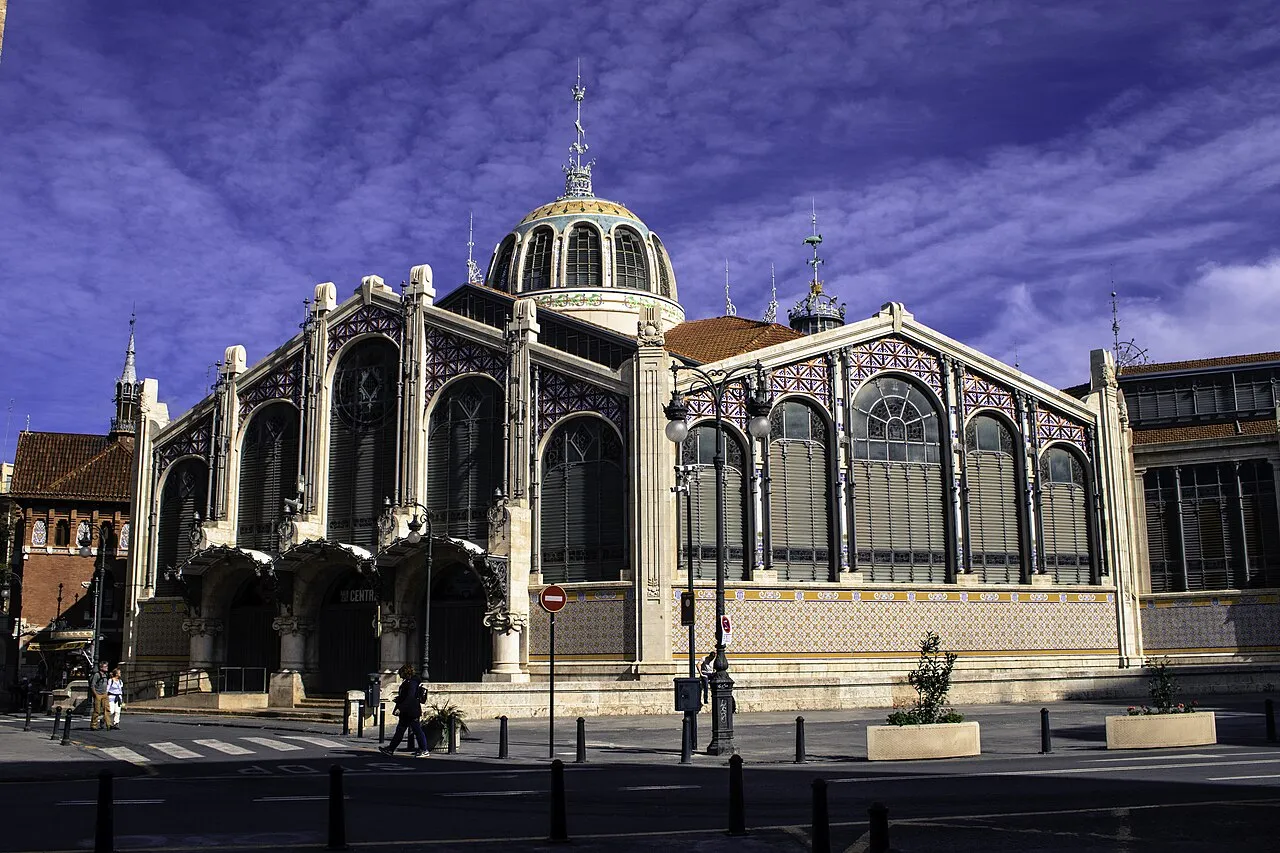
5Central Market

Central Market

📍 Plaça de la Ciutat de Bruges

During Fallas, the market and its surroundings become one of the liveliest daytime spots, with the stalls working flat out and the buñuelos and chocolate stands set up in the streets around it. Pumpkin buñuelos fried on the spot are the festival's official street food.

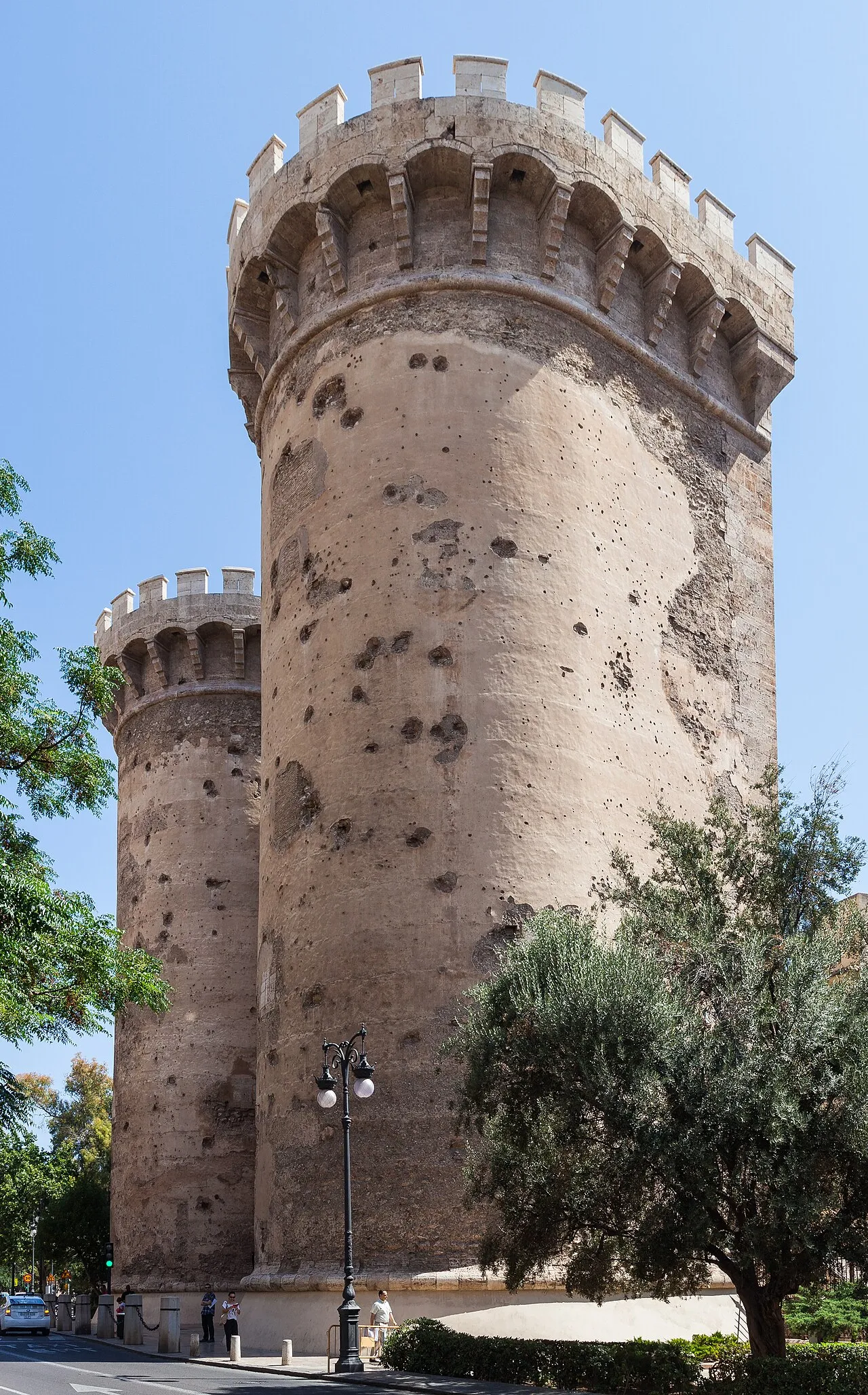
6Quart Towers

Quart Towers

📍 Barrio del Carmen

During Fallas, El Carmen concentrates some of the most veteran committees and those with the longest satirical tradition, with monuments that are usually the most critical and the most talked-about. Walking the neighbourhood on the 16th, with the fallas freshly set up and without the crush of the final days, is the best plan of the whole festival.

Frequently asked questions

When are the Fallas in Valencia?

Officially from 15 to 19 March, every year, ending on the night of St Joseph. But the cycle begins much earlier: the Crida, the proclamation that opens the festival, is held on the last Sunday in February at the Torres de Serranos, and from 1 March there is a daily mascletà at two in the afternoon in the Plaza del Ayuntamiento. If you want the atmosphere without the maximum chaos, the first days of March are a very reasonable option.

What is a mascletà?

A gunpowder display designed to be heard and felt, not seen: about five minutes of chained firecrackers with a rising rhythm that ends in a final roar called the terremoto, the earthquake. It is fired every day at two in the afternoon, from 1 to 19 March, in the Plaza del Ayuntamiento, and exceeds 120 decibels. The square fills up an hour beforehand. It is the most physical experience of the whole festival and resembles nothing else.

Are all the fallas burnt?

All of them, without exception, on the night of 19 March. The children's fallas are burnt first, then the large ones and last the City Hall's, which closes the festival in the small hours. Only one ninot — one of the figures that make up the monument — is saved, chosen by popular vote, pardoned and kept in the Museo Fallero. Everything else, including monuments that have cost hundreds of thousands of euros and a year of work, burns in a few hours.

Is it worth travelling to Valencia during Fallas?

It is worth it if you go knowing what it is. It is one of the most impressive festivals in Europe and is inscribed on UNESCO's Intangible Cultural Heritage list. But the city runs by other rules: constant noise from first thing, streets closed off, accommodation at three or four times the price, museums with altered hours and journeys that take three times as long. It is not a normal tourist trip with a festival added on top.

What is the Ofrenda de flores?

The most crowded event of the Fallas: over two days, 17 and 18 March, all the falla committees parade to the Plaza de la Virgen with bouquets of flowers, dressed in the traditional silk costumes. The flowers are pinned onto a giant structure until they compose the mantle of the Virgen de los Desamparados. Tens of thousands of people take part and the parade runs on into the small hours. It is impressive even for those with no religious connection at all.

What is the best day to see the Fallas?

16 March, if what you want is to see the monuments as works of art: they are freshly set up, you can walk round them at leisure and the bulk of visitors has not yet arrived. The night of the 19th, if what you are after is the Cremà and the image of the city burning, which is the most impressive and also the most chaotic. And any day at two in the afternoon for the mascletà, which is an experience in itself.

How to survive the week

Earplugs are not a soft recommendation: they are necessary. The mascletà exceeds 120 decibels, there are firecrackers in every street from first thing in the morning and children throw them continuously. If you are travelling with small children or are sensitive to noise, this information changes the trip.

Accommodation is booked months in advance and prices multiply. Many visitors stay in nearby towns and come in by train or metro, which works well because transport lays on extra services and the centre is closed to traffic.

Do not count on visiting museums and monuments as normal: many change their hours, the centre is closed off, the streets are occupied by the monuments and getting around takes three times as long. Fallas is not a normal tourist trip with a festival on top; it is another thing entirely.

And the advice people are most grateful for: the best day to see the fallas as works of art is the 16th, with everything freshly set up and before the bulk of visitors arrive. The night of the 19th is the most impressive and the most chaotic. If you can only choose one, choose according to what you are looking for.

Practical information

WhenFrom 15 to 19 March. The Crida is on the last Sunday in February and the mascletàs run from the 1st to the 19th.
MascletàEvery day at 14:00 in the Plaza del Ayuntamiento. Arrive an hour early and bring earplugs.
Ofrenda17 and 18 March, Plaza de la Virgen. Continuous parade into the small hours.
CremàNight of the 19th: first the children's fallas, then the special section and finally the City Hall's.
Where to stayBook months in advance. Alternative: nearby towns with a train or metro link.
EssentialEarplugs. The mascletà exceeds 120 decibels and there are firecrackers all day.
On the map

🎧 With Viavoy

Walk Valencia and listen at your own pace

Download Viavoy and walk Valencia offline, whenever you like.

from 2,99 €· one-off payment
City Pass · 9,99 €3 days, all the tours in Valencia
Find out more about Viavoy →
Viavoy app

Keep reading

More articles

Itineraries

Valencia in 2 days: the itinerary that makes the most of the real city

Neighbourhoods

El Carmen: city walls, street art and the Valencia that was never planned

Festivals & traditions

Semana Santa Marinera: Valencia's other festival, the one of the seaside quarter

Culture

The silk route in Valencia: the Lonja, the guild and the weavers' neighbourhood