La Latina and the Rastro: a guide to Madrid at its most castizo
Neighbourhoods · Madrid

La Latina and the Rastro: a guide to Madrid at its most castizo

Medieval squares, century-old taverns and the oldest open-air flea market in Spain, Sunday after Sunday.

10 min read · Updated for 2026
🎧 On the walk Tapas: La Latina & El Rastro

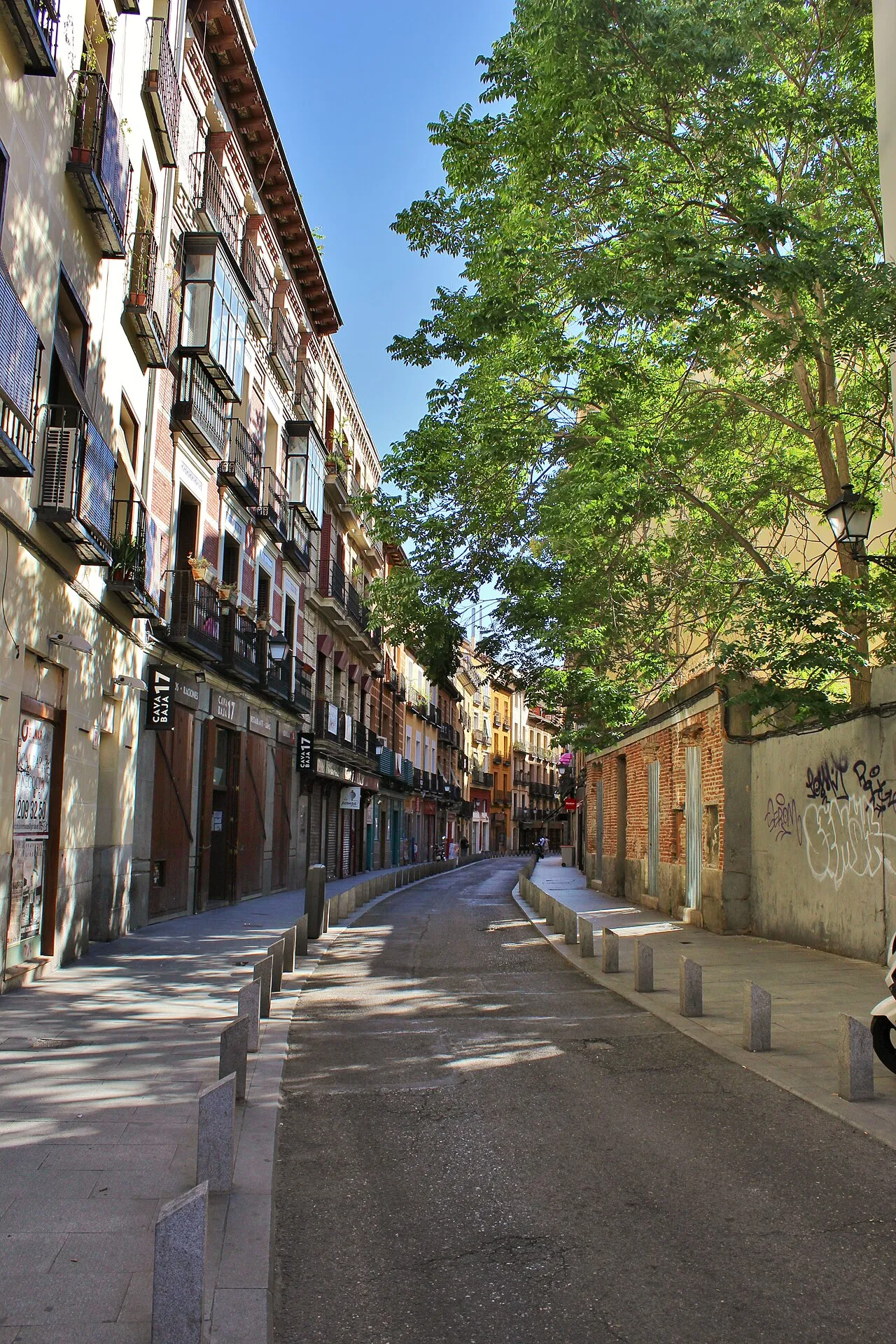
La Latina is the neighbourhood where Madrid was born and where it still behaves like a big village. Its streets slope down towards the river without a single right angle, its squares are genuinely medieval and its taverns have been serving the same things for generations. And on Sunday mornings something happens that happens in no other European capital: two hundred years of open-air flea market, El Rastro, take over the slope of Ribera de Curtidores and half the neighbourhood, and at three o'clock sharp everyone goes off for a vermut.

El Rastro opens on Sundays and public holidays from 9:00 to 15:00. The antiques galleries on Ribera de Curtidores also open on weekdays, and are far quieter.

Why it has that name (and what it was before)

The neighbourhood owes its name to a woman, and a brilliant one: Beatriz Galindo, a humanist who knew so much Latin that she earned the nickname “la Latina” and went on to become tutor to Queen Isabella the Catholic. With her husband she founded a hospital near here, and people began saying “I'm going to la Latina” until the name stuck to the whole neighbourhood. So, without knowing it, every time you say La Latina you are naming a fifteenth-century scholar.

El Rastro has a far less charming origin. This is where the city's slaughterhouses and tanneries stood, and down this very slope ran the trail of blood from the cattle dragged towards the river. That trail — rastro — gave the market its name, and the hides that were worked here gave the street its name: Ribera de Curtidores, the tanners' bank. The slaughterhouses eventually moved south, to Legazpi, to an enormous brick complex that is today Matadero Madrid, one of the city's most active cultural centres. From blood to culture.

As a flea market, El Rastro has been running every Sunday for more than two centuries, barely missing a week, which makes it one of the oldest and liveliest in Europe. It so fascinated the writer Ramón Gómez de la Serna that he devoted an entire book to it in 1915: for him, that chaos of second-hand objects was a disorderly museum of people's lives.

🎧 With Viavoy

Explore Madrid at your own pace

Download the app and discover Madrid offline, whenever you like. Take the walking tour Tapas: La Latina & El Rastro with a local guide in your ear.

Find out more about Viavoy →

What to see in La Latina

From medieval Madrid to the largest dome in Spain, in one kilometre.

This route works any day of the week and is especially lovely on a weekday morning, when the neighbourhood is quiet and the squares are empty. Start in the Plaza de la Cebada, climb towards the Plaza de la Paja and then head down towards the Rastro.

1Plaza de la Cebada

Plaza de la Cebada

📍 Metro La Latina

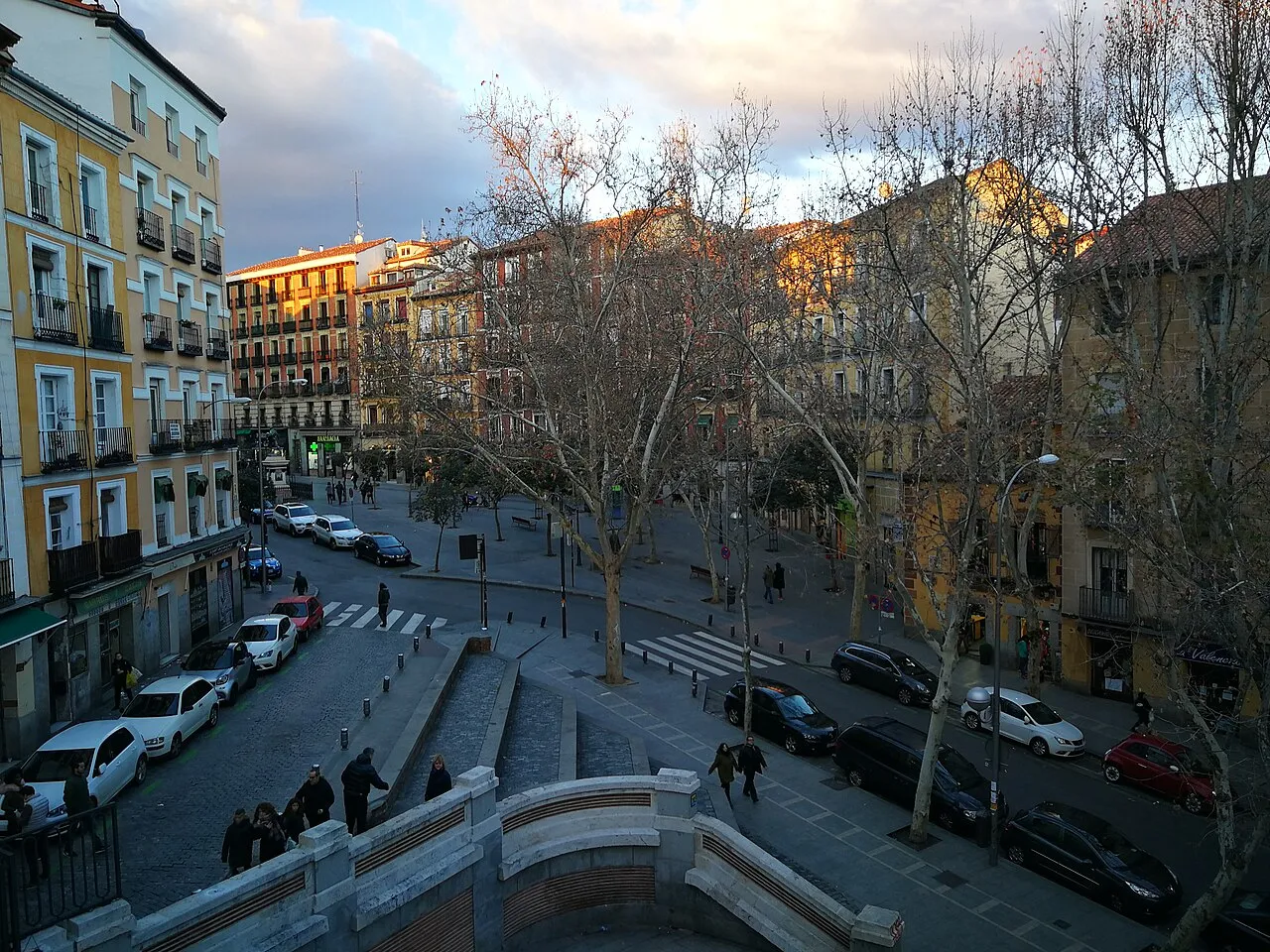
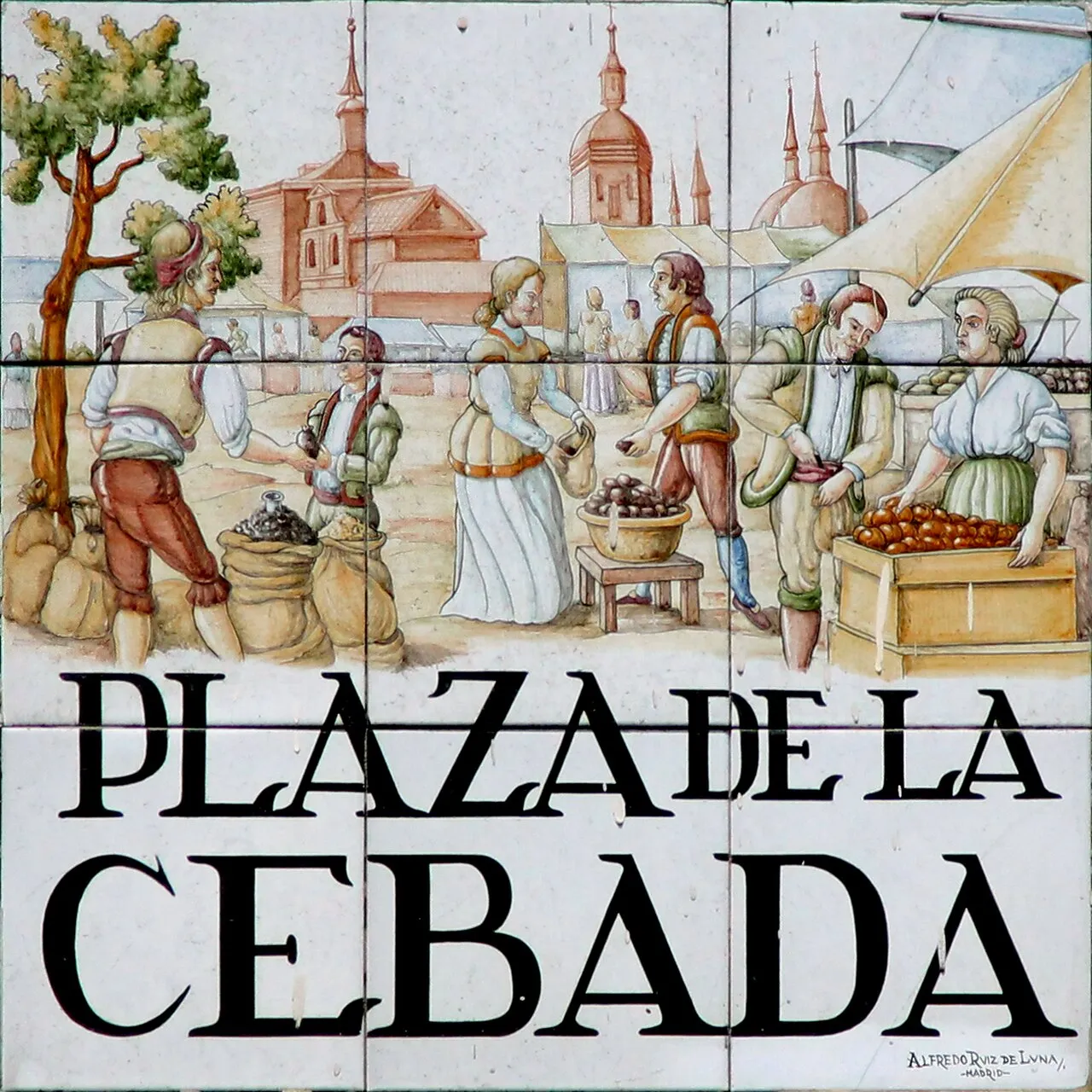
The most castizo heart of the neighbourhood, where Madrid has been eating for centuries: the name comes from the barley (cebada) sold for animals when this was the gateway for grain entering the town. The iron-and-glass market inherits the nineteenth-century pavilions, and around it stand bars that cannot keep up at midday. A fact to sour the vermut: this was the site of Madrid's public scaffold, and in this very square General Riego was executed in 1823 — his hymn would end up as the anthem of the Republic.

2Plaza de la Paja

Plaza de la Paja

📍 La Latina

The prettiest medieval square in old Madrid and the true centre of the town before the Plaza Mayor existed. It slopes, it has not a single right angle, and its name comes from the tithe of straw (paja) that residents paid to the Bishop's Chapel. Sit on the steps at sunset, as the locals do. To one side stands the Capilla del Obispo, a Gothic-Renaissance jewel built by the Vargas family in the sixteenth century, which was closed for decades and could not be visited again until 2010.

3Jardín del Príncipe de Anglona

Jardín del Príncipe de Anglona

📍 Príncipe de Anglona, 3

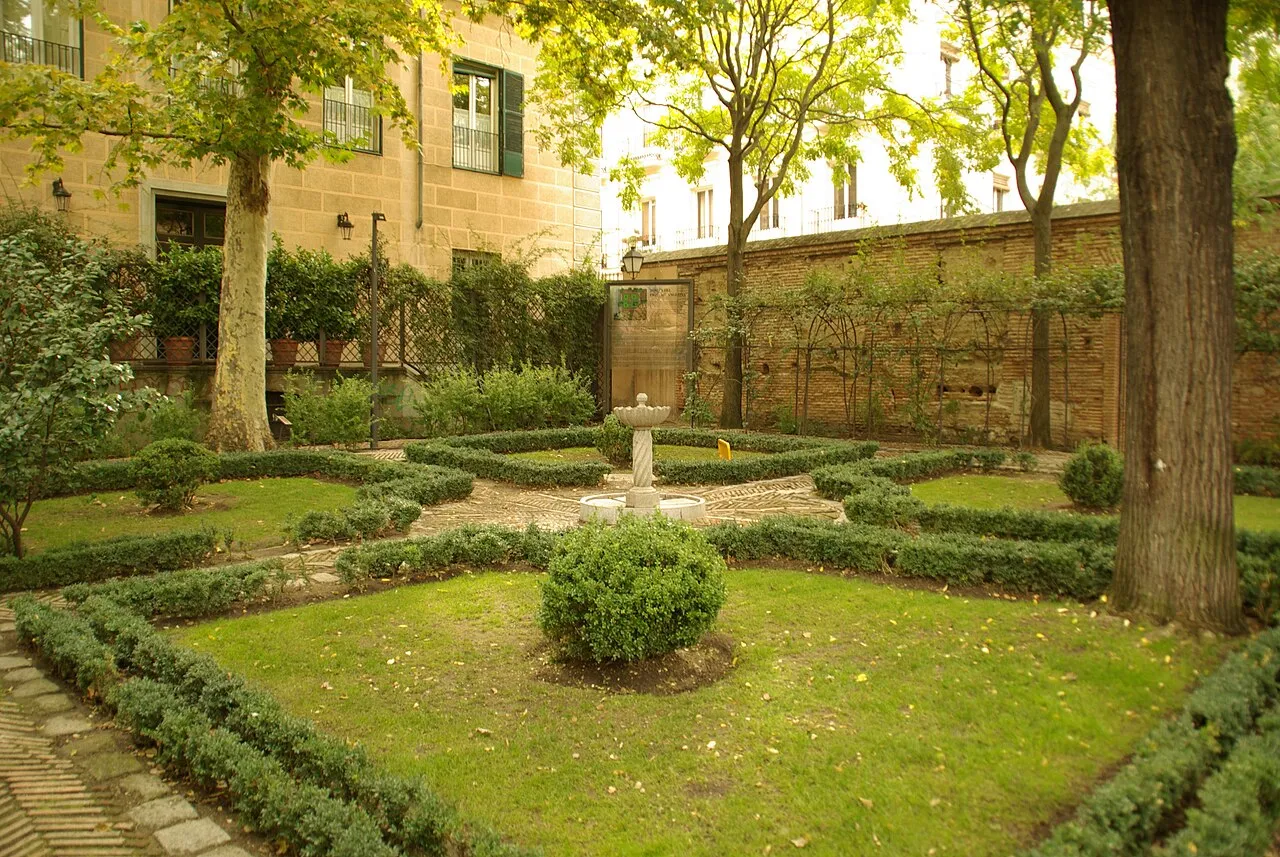
Push the gate and the bustle disappears: clipped box hedges, a little fountain and the smell of damp earth. It is the only eighteenth-century garden to survive in the Madrid of the Habsburgs, hidden in plain sight next to the Plaza de la Paja, and almost nobody knows it exists. It was the private garden of the palace of the Téllez-Girón, of the House of Osuna. Free entry, closes at dusk and is the best spot in the neighbourhood to sit for five minutes doing nothing.

4Iglesia de San Andrés

Iglesia de San Andrés

📍 Plaza de San Andrés

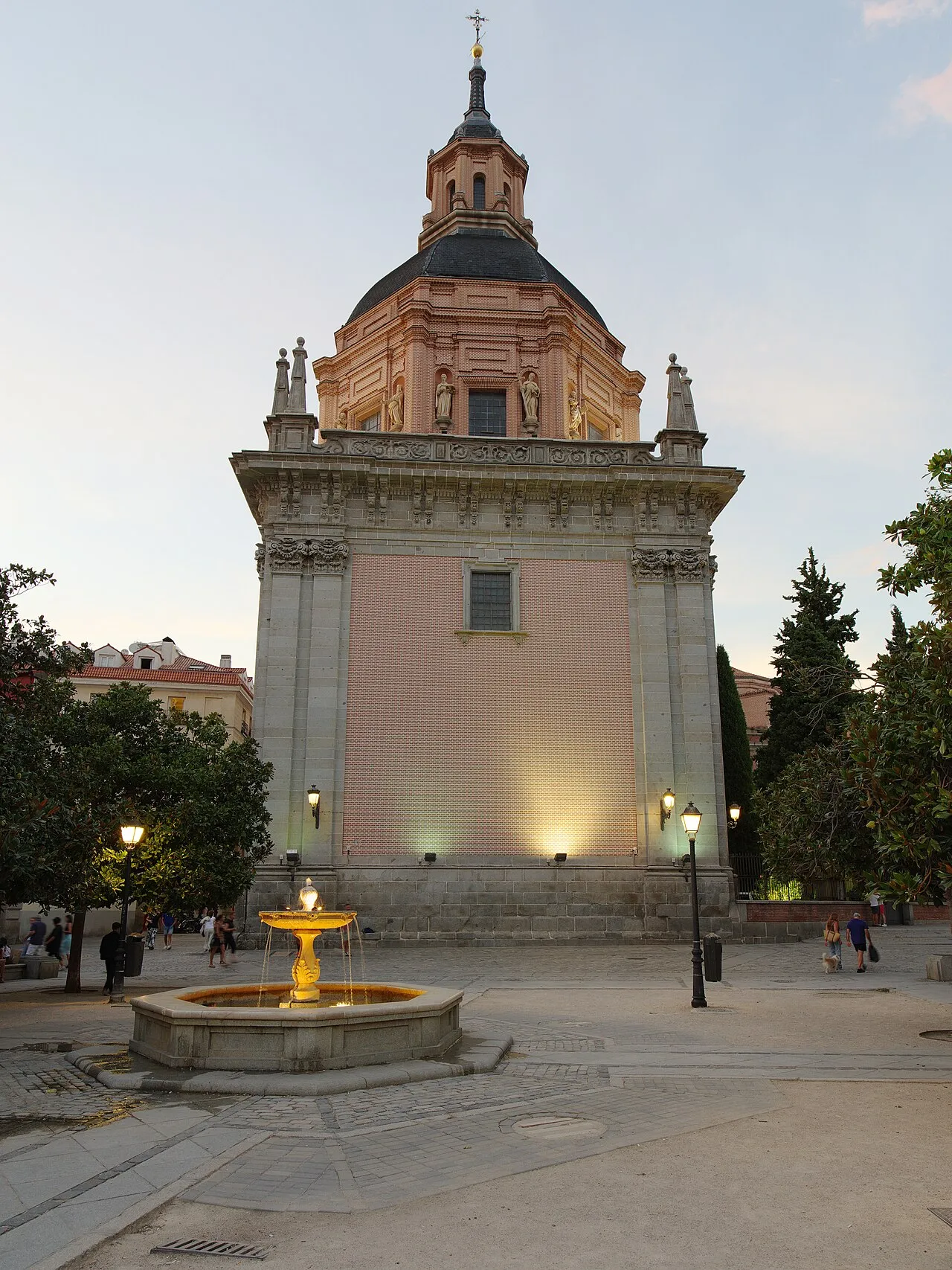
A sturdy dome of brick and slate that seems to have been watching over the neighbourhood for a thousand years, and one of Madrid's oldest parishes. According to tradition, this is where San Isidro lived and prayed, the twelfth-century farm labourer who is the city's patron saint, which is why the church holds a special affection among madrileños. His body, however, rests today in the Colegiata de San Isidro, on calle de Toledo. Walk slowly around the church: every façade changes its face and the whole ensemble smells of centuries.

5Basílica de San Francisco el Grande

Basílica de San Francisco el Grande

📍 San Buenaventura, 1

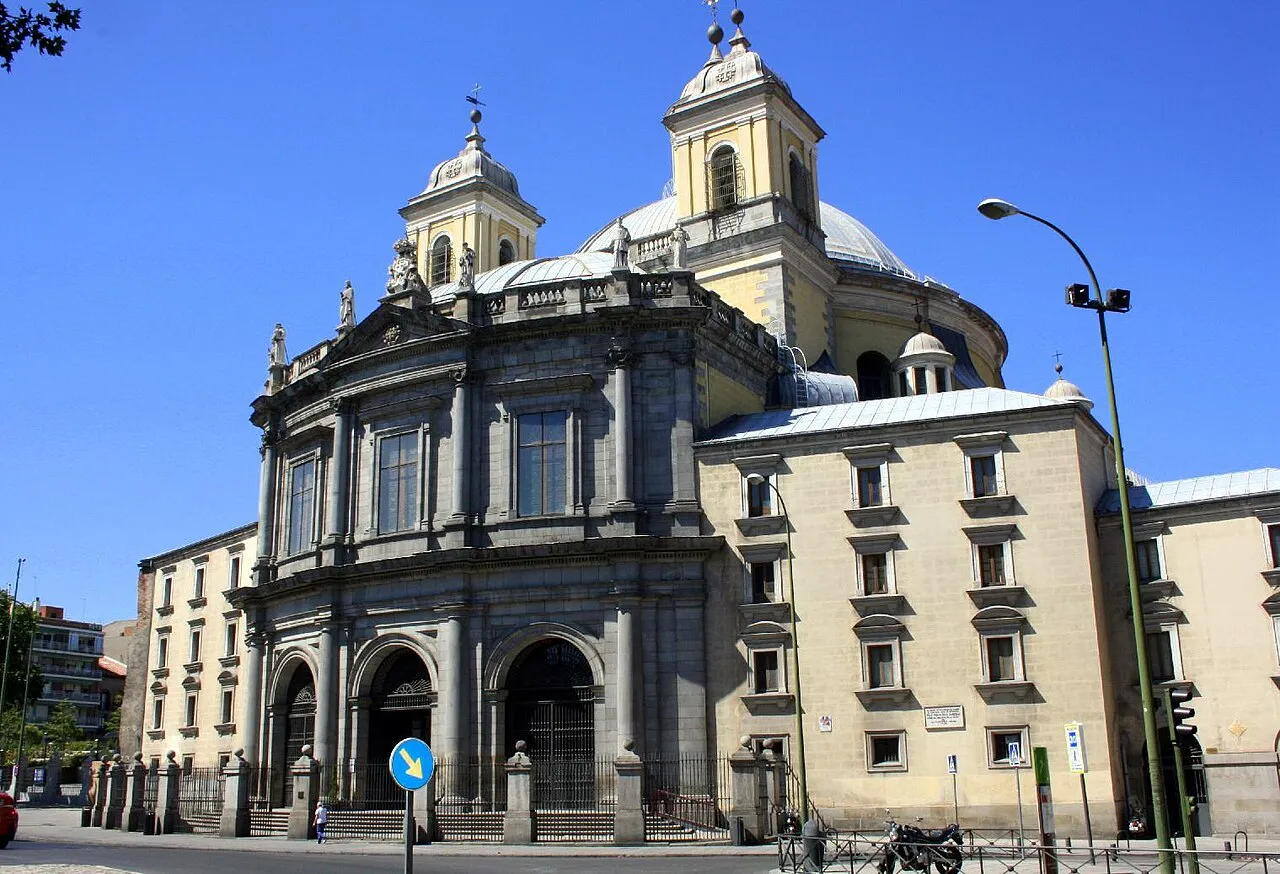
The largest dome in Spain and one of the largest in Europe: thirty-three metres in diameter, painted like a sky, wider than that of St Paul's in London. It was begun in the eighteenth century by a friar with more faith than craft, Francisco Cabezas, and Sabatini had to come and finish it. In the nineteenth century it came close to becoming the National Pantheon. In a side chapel hangs a young Goya, “Saint Bernardino of Siena”, in which the painter portrayed himself looking straight at you from one side of the canvas. Token entry fee and limited hours outside Mass.

6Cava Baja

Cava Baja

📍 La Latina

The street with more taverns per metre than any other in Spain. It was the moat of the Christian wall and then a cart track, with inns where the muleteers arriving in town slept; today's bars descend from those inns. You do it bar to bar without sitting down, two tapas per stop at most, and it costs between 3 and 5 € per bar. If there are more than four of you, split up: big groups do not fit at the good counters. Start early at weekends, around seven.

7San Miguel Market

San Miguel Market

📍 Plaza de San Miguel

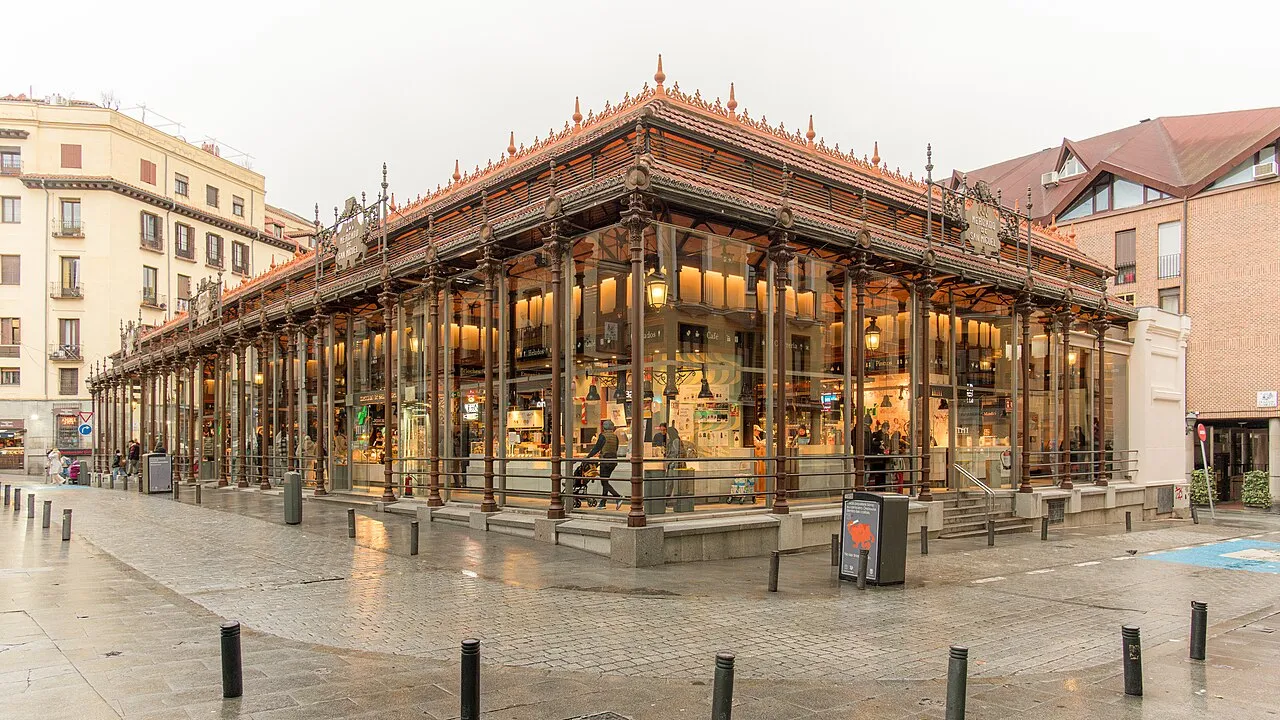
The northern edge of the neighbourhood, where La Latina meets the Plaza Mayor. An iron-and-glass cage from 1916, a lifelong neighbourhood market until, early this century, it became a temple of tapas. Beautiful, yes, but expensive and touristy: madrileños rarely come. Go in for a glass of vermut watching the bustle and then walk down the Cava de San Miguel, whose houses hide up to eight storeys on the ravine side, the tallest in old Madrid.

Las Vistillas at sunset
The neighbourhood's viewpoint

Las Vistillas at sunset

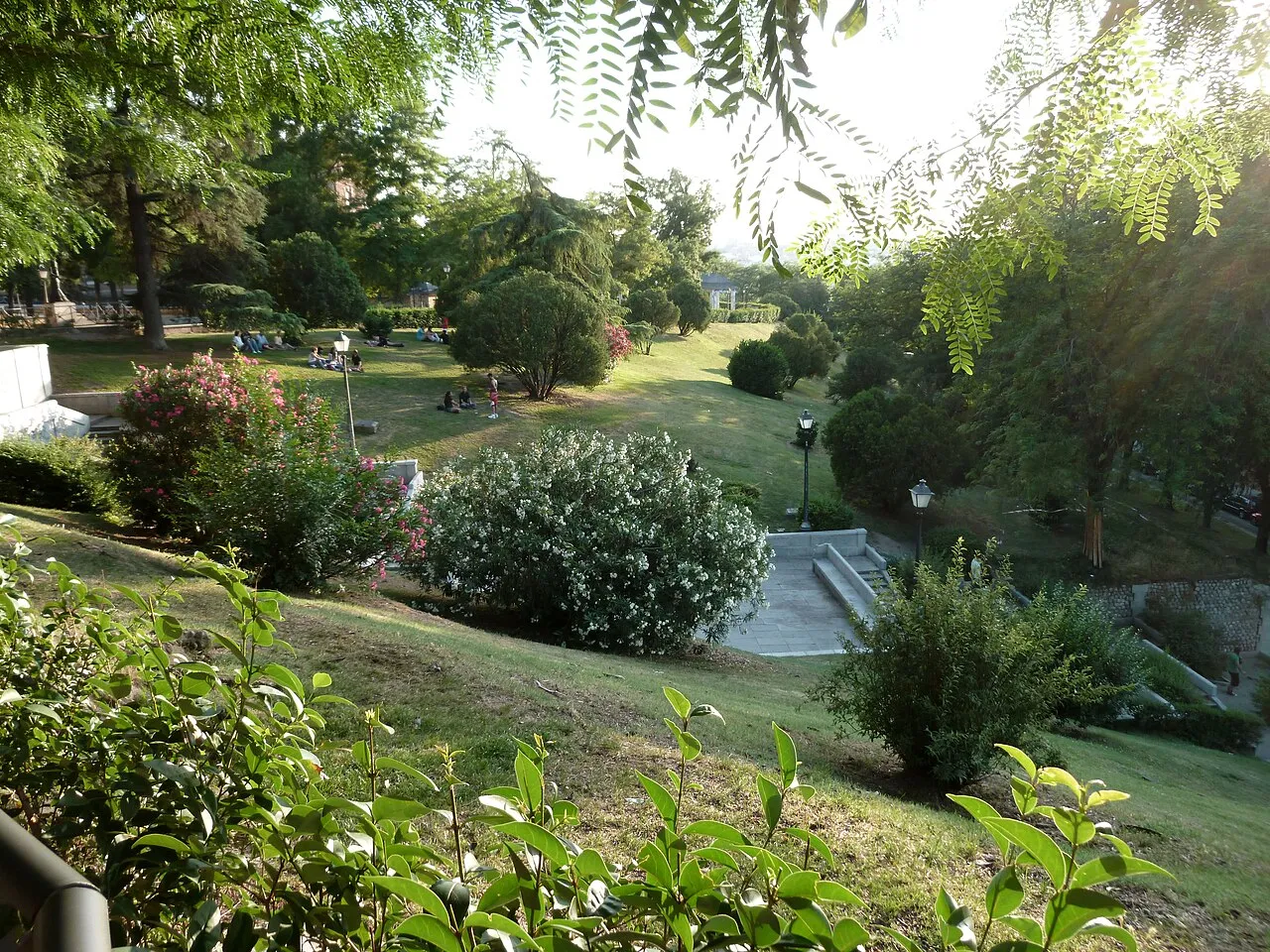
Climb the Carrera de San Francisco to the Jardines de Las Vistillas, perched on the cornisa, and lean on the railing: in front of you are the Almudena Cathedral, the viaduct over calle Segovia and, on clear days, the bluish outline of the Sierra de Guadarrama. It is one of those viewpoints that tourists almost never reach and madrileños adore. On summer nights, and above all during San Isidro, it fills with barrel organs, terraces and dancing: one of the few places where the Madrid of the zarzuela still beats.

🎧 On the tour Historic & Royal Madrid (Habsburg Quarter)

El Rastro, Sunday after Sunday

How it works, what you find and where to escape the crowds.

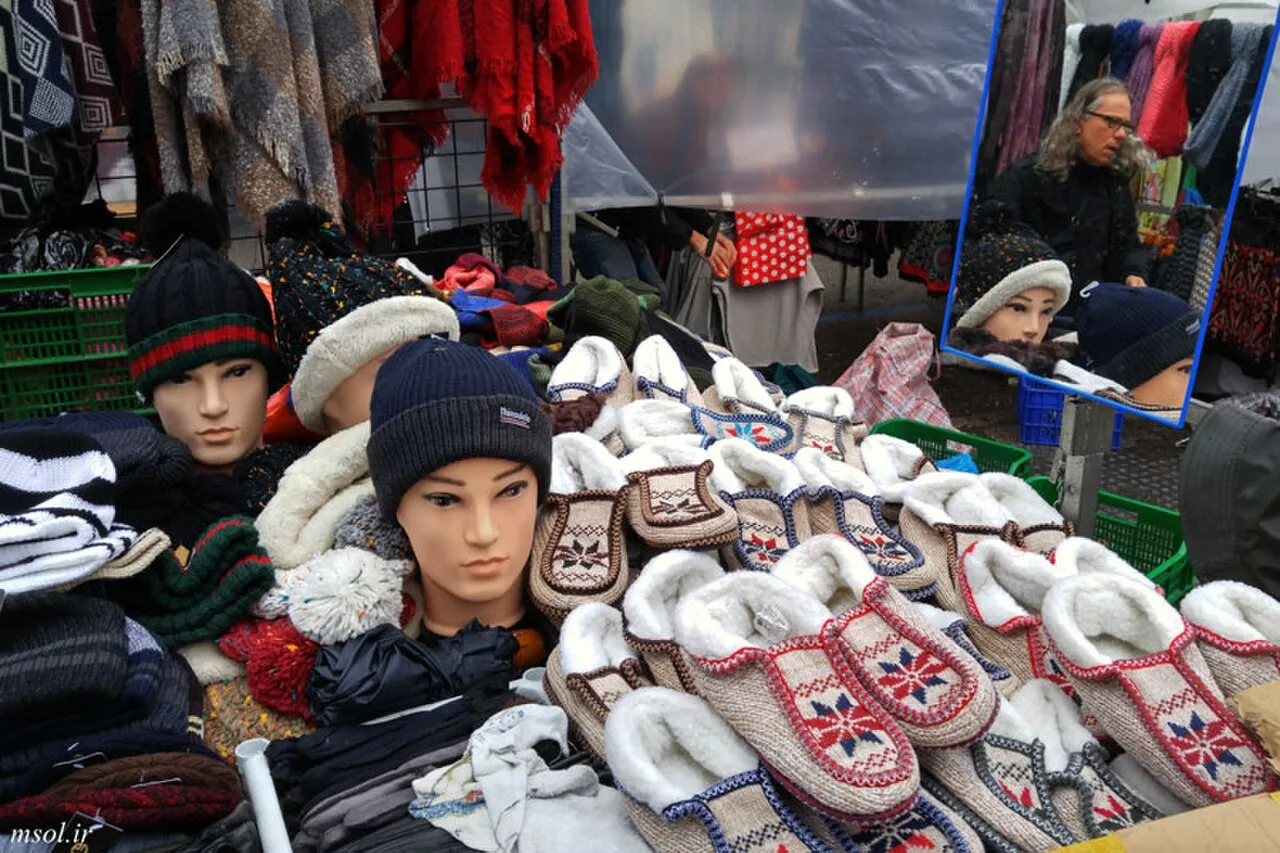
The flea market unfolds every Sunday and public holiday from 9:00 to 15:00, from the Plaza de Cascorro downhill, along the Ribera de Curtidores and some twenty side streets. There are more than a thousand stalls and everything imaginable: clothes, records, coins, paintings, tools, impossible junk and the odd treasure hidden among the rest.

The trick is in the timing. Go down early, around ten, when you can still look at a stall without being shoved. From twelve onwards the main slope is a human river where you can only move forward. And do not look for anything in particular: the Rastro is enjoyed by getting lost, and half the charm is in the side squares — Plaza del Campillo, Plaza de General Vara del Rey — and in the antiques galleries, which are covered, quiet and open on weekdays too.

Two practical warnings. One: you haggle, but with a smile and without overdoing it; it is part of the game and the sellers expect it. Two: on Sunday mornings this is the area with the most pickpockets in Madrid. Keep your phone in front of you, your backpack closed and nothing in your back pockets.

8Plaza de Cascorro

Plaza de Cascorro

📍 Embajadores

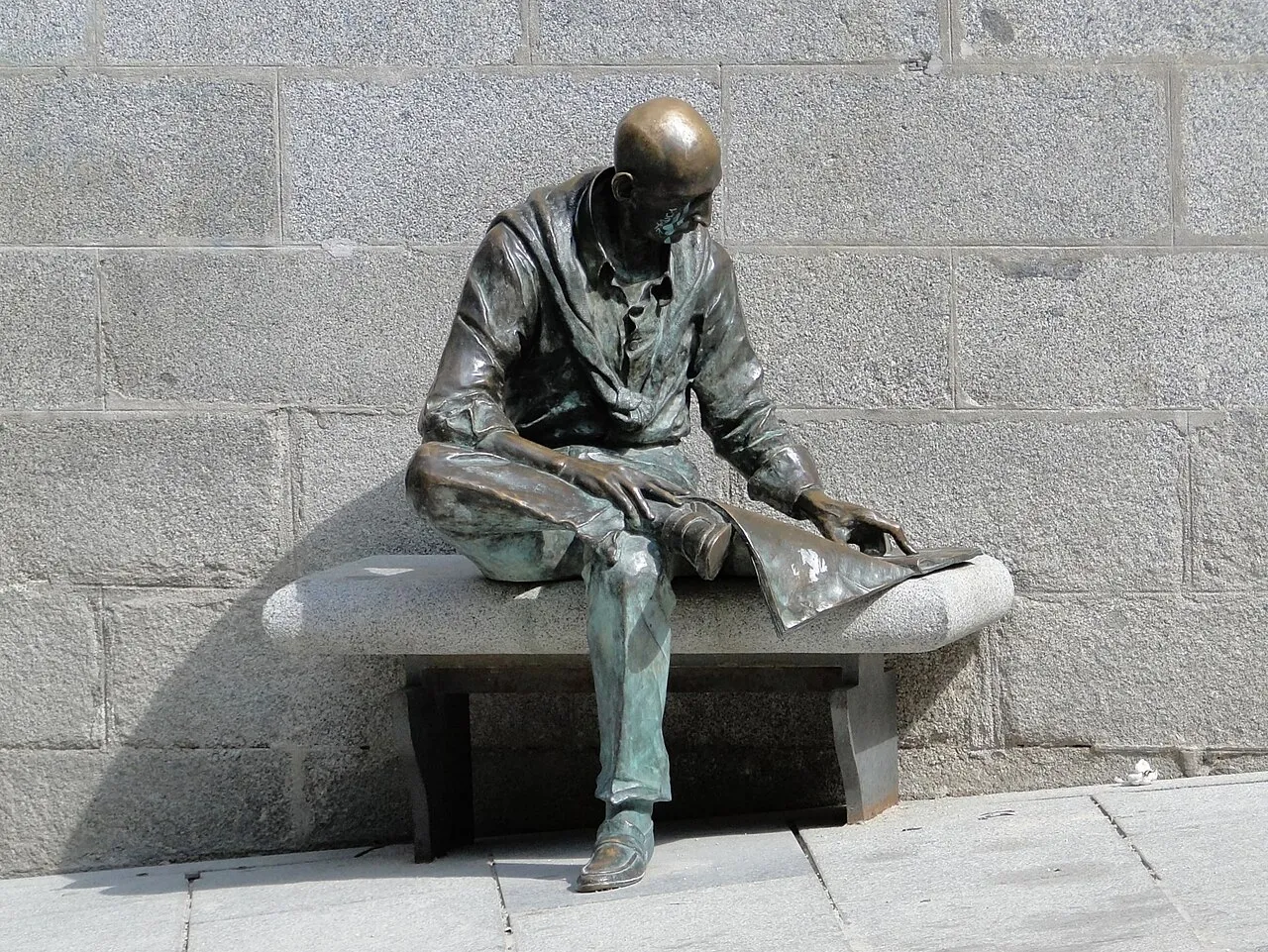
The gateway to the Rastro, where the city and the flea market shake hands. The bronze hero with the rifle on his shoulder is Eloy Gonzalo, the soldier who in 1896 volunteered in Cuba to burn down an enemy position, tying a rope around his waist so they could recover his body; at his feet, the sculptor carved the petrol can and the rope. Cascorro is not a Madrid name: it is the Cuban village where the feat took place. “See you at Cascorro” is still the neighbourhood's phrase.

9Ribera de Curtidores

Ribera de Curtidores

📍 El Rastro

The backbone of the flea market: a long slope covered in stalls that you hear before you see — sellers calling out prices, radios, the rattle of hangers and boxes. The lifelong “rastreros” have spent decades on the same metre of pavement and know exactly what they have. Along the sides of the street are the antiques galleries, with furniture, lamps and collectors' pieces at real prices, open Monday to Saturday as well and far, far quieter.

10Casa Amadeo “Los Caracoles”

Casa Amadeo “Los Caracoles”

📍 Plaza de Cascorro, 18

The compulsory Sunday stop since 1942: Madrid-style snails stewed with chorizo, ham, tomato and chilli until the sauce thickens and calls for bread. You eat them standing at the bar, with a well-poured caña, and a portion is around 10-12 €. It is the most castizo aperitif of the Rastro and peaks in May, during the San Isidro festivities, when the snail becomes the city's unofficial dish. No bookings and no hurry.

11La Tabacalera

La Tabacalera

📍 Embajadores, 51

Two streets from the Rastro, the former Royal Tobacco Factory, where for more than two centuries thousands of cigarreras rolled cigars by hand and organised themselves before almost any other workers' collective in Spain; when the machines arrived in the nineteenth century, they took to them with their fists. Today part of it is a self-managed social centre: you cross the gate and find courtyards and halls covered in murals from floor to ceiling, constantly repainted. Free entry, nobody asks anything of you and no two visits are the same.

Frequently asked questions

When is the Rastro in Madrid held?

Every Sunday and public holiday, from 9:00 to 15:00, on the Ribera de Curtidores and the surrounding streets, with more than a thousand stalls. The antiques galleries on the Ribera de Curtidores itself also open Monday to Saturday, and are the best option if you are after collectors' pieces without the crowds.

What can you buy at the Rastro?

Practically everything: new and second-hand clothes, records, books, coins and stamps, paintings, tools, antiques and decorative objects. The best is in the side squares and the antiques galleries, quieter than the main slope. You haggle, with a smile, and it is worth carrying some cash.

Why is the neighbourhood called La Latina?

After Beatriz Galindo, “la Latina”, a fifteenth-century humanist who knew so much Latin that she earned the nickname and went on to become tutor to Queen Isabella the Catholic. With her husband she founded a hospital in the area, and people began saying “I'm going to la Latina” until the name stuck for the whole neighbourhood.

Where to have a vermut in La Latina?

On the Cava Baja, the street with more taverns per metre than any other in Spain, in the Plaza de la Cebada and on the Carrera de San Francisco. The ritual begins at half past one on Sunday, when the Rastro closes. A glass costs between 2.50 and 4 € and is drunk standing up: if you want a table, book days in advance.

What is there to see in La Latina besides the Rastro?

The Plaza de la Paja, the prettiest medieval square in old Madrid; the Jardín del Príncipe de Anglona, the only eighteenth-century garden to survive in the old town; the church of San Andrés, linked to San Isidro; the Basílica de San Francisco el Grande, with the largest dome in Spain; and the Jardines de Las Vistillas at sunset.

Can you explore the neighbourhood with a local guide?

Yes. With Viavoy you download the route “Tapas: La Latina & El Rastro” and do it whenever you like, with no group and no connection: it tells you the story of every square and every tavern as you walk, and you can stop to eat and pick it up again afterwards.

Where to eat, drink and when to come

Vermut is the neighbourhood institution. From half past one on Sunday, when the Rastro dissolves, everyone heads up to the Cava Baja, the Plaza de la Cebada or the Carrera de San Francisco for vermut on tap with its olive and its slice of orange, between 2.50 and 4 € a glass. No need to book if you are drinking it standing up; if you want a table to eat, book days ahead.

For eating, three safe options. The first, tapas bar to bar along the Cava Baja: 20-25 € per person and four stops. The second, sitting down in one of the taverns on the Plaza de la Paja or the Cava Alta, quieter and better value than those on the main street. And the third, if you fancy something memorable: beneath the Arco de Cuchilleros is Botín, open since 1725 and recognised as the oldest continuously operating restaurant in the world, famous for its wood-fired roast suckling pig: 45-60 € per person and book weeks in advance.

When to come? Sunday morning if you want the Rastro and the atmosphere at full tilt. A Tuesday or Wednesday morning if you prefer to see the neighbourhood at rest: the squares empty, the churches open and the taverns without queues. In May, during San Isidro, La Latina is the epicentre of the festivities and runs on another level, with verbenas in Las Vistillas and music until the small hours. And in August, watch out, many family taverns close for holidays: check before making a pilgrimage to a specific one.

How to plan it

Sunday · morningCascorro at 10:00 → El Rastro along Ribera de Curtidores and the side squares → antiques galleries → snails at Casa Amadeo (12:30).
Sunday · middayVermut on the Cava Baja or in the Plaza de la Cebada from 13:30. Tapas lunch, bar to bar.
Weekday · morningPlaza de la Cebada → Plaza de la Paja → Jardín de Anglona → San Andrés and the Capilla del Obispo → San Francisco el Grande.
Any day · eveningCarrera de San Francisco → Las Vistillas at sunset → down to the Cava Baja for a tapas dinner.

Practical information

When the Rastro opensSundays and public holidays, from 9:00 to 15:00. Best between 10:00 and 12:00; after that the main slope is impassable.
Getting thereMetro La Latina (L5) or Tirso de Molina (L1) for the neighbourhood; Embajadores (L3·L5) for the lower part of the Rastro and La Tabacalera.
What it costsVermut 2.50-4 €, caña with a tapa 3-5 €, a portion 10-16 €. The Rastro, the squares and Las Vistillas are free.
BookingNeeded for a sit-down meal at the weekend on the Cava Baja, and weeks in advance for Botín.
SafetyIt is the area with the most pickpockets in Madrid on Sunday mornings. Phone in front of you and backpack closed.
Watch out forAugust: many family taverns close for holidays. And the slopes: the whole neighbourhood runs downhill to the river.
On the map

🎧 With Viavoy

Walk Madrid and listen at your own pace

Download Viavoy and walk Madrid offline, whenever you like.

from 2,99 €· one-off payment
City Pass · 9,99 €3 days, all the tours in Madrid
Find out more about Viavoy →
Viavoy app

Keep reading

More articles

Food & drink

Tapas routes in Madrid: three bar-to-bar crawls

Festivals & traditions

San Isidro: the most Madrid day of the year

What to see

The Madrid of the Habsburgs on foot: a route through the old town

Itineraries

A weekend in Madrid: from Friday to Sunday