A weekend in Madrid: from Friday to Sunday
Itinerary · Madrid

A weekend in Madrid: from Friday to Sunday

Three days at the city's real rhythm: rooftops on Friday, neighbourhoods on Saturday and the Rastro with a vermut on Sunday.

10 min read · Updated for 2026
🎧 On the walk Tapas: La Latina & El Rastro

A weekend in Madrid is nothing like two loose days: it has a script of its own. On Friday afternoon the city decompresses and heads up to the rooftops; Saturday is the day for pounding the neighbourhoods and dining very late; and Sunday has a sacred ritual that brooks no argument: the Rastro in the morning and a vermut at midday. This itinerary is designed for anyone arriving on Friday after lunch and leaving on Sunday afternoon, and it puts atmosphere ahead of the catalogue of monuments.

If you can only pick one day, make it Sunday: Rastro, vermut and Retiro is the most Madrid plan there is, and almost all of it is free.

Friday afternoon · landing with a view from above

The city looks better from the seventh floor.

You arrive with your suitcase and no appetite for museums. Perfect: Friday in Madrid is for getting your bearings from above and letting night fall. The city has a density of urban viewpoints unusual in Europe — hotel rooftops, terraces of cultural centres, the tower of a city hall — and almost all of them open until late.

The natural walk climbs from Cibeles along calle de Alcalá to the Gran Vía and ends in Plaza de España. It is twenty minutes by the clock, but it will take you two hours, which is the whole point.

1Viewpoint of the Palacio de Cibeles

Viewpoint of the Palacio de Cibeles

📍 Plaza de Cibeles, 1

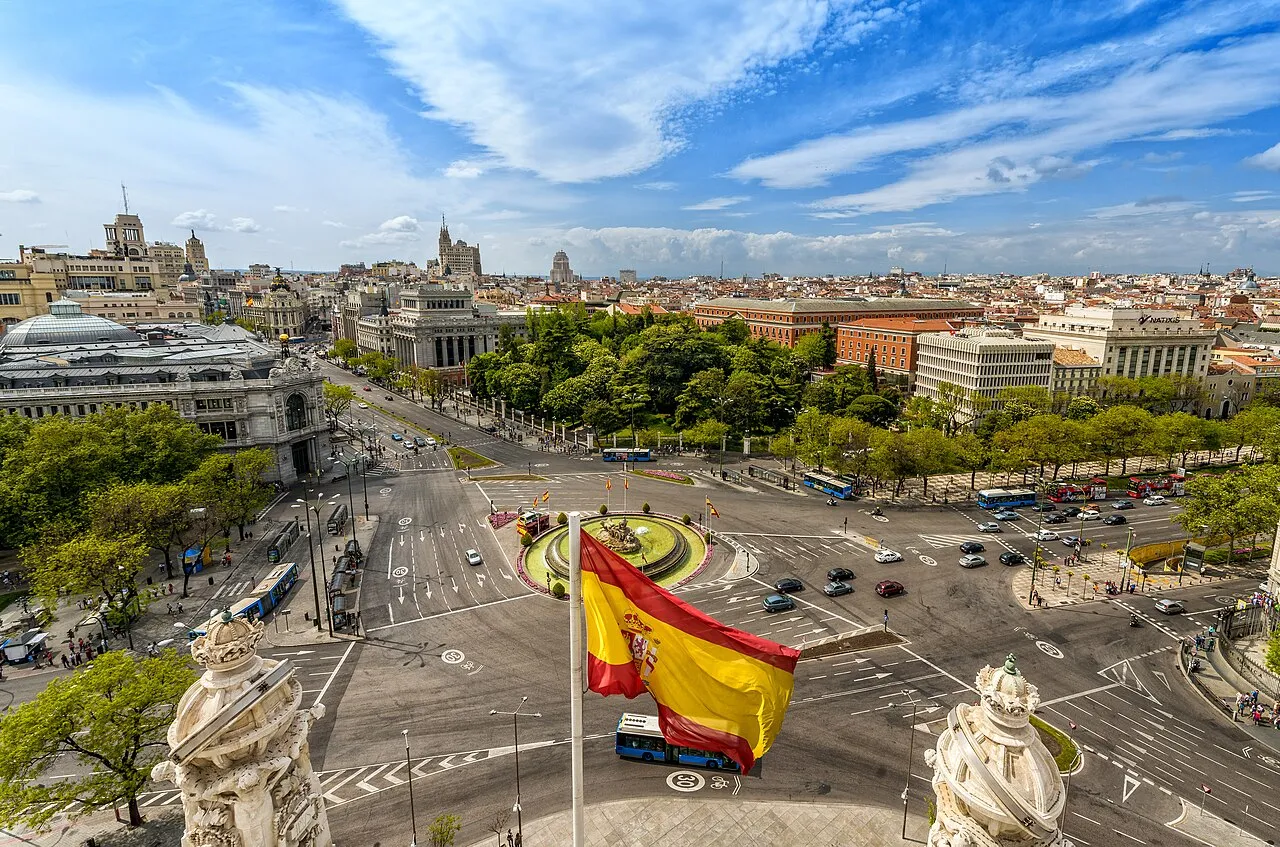
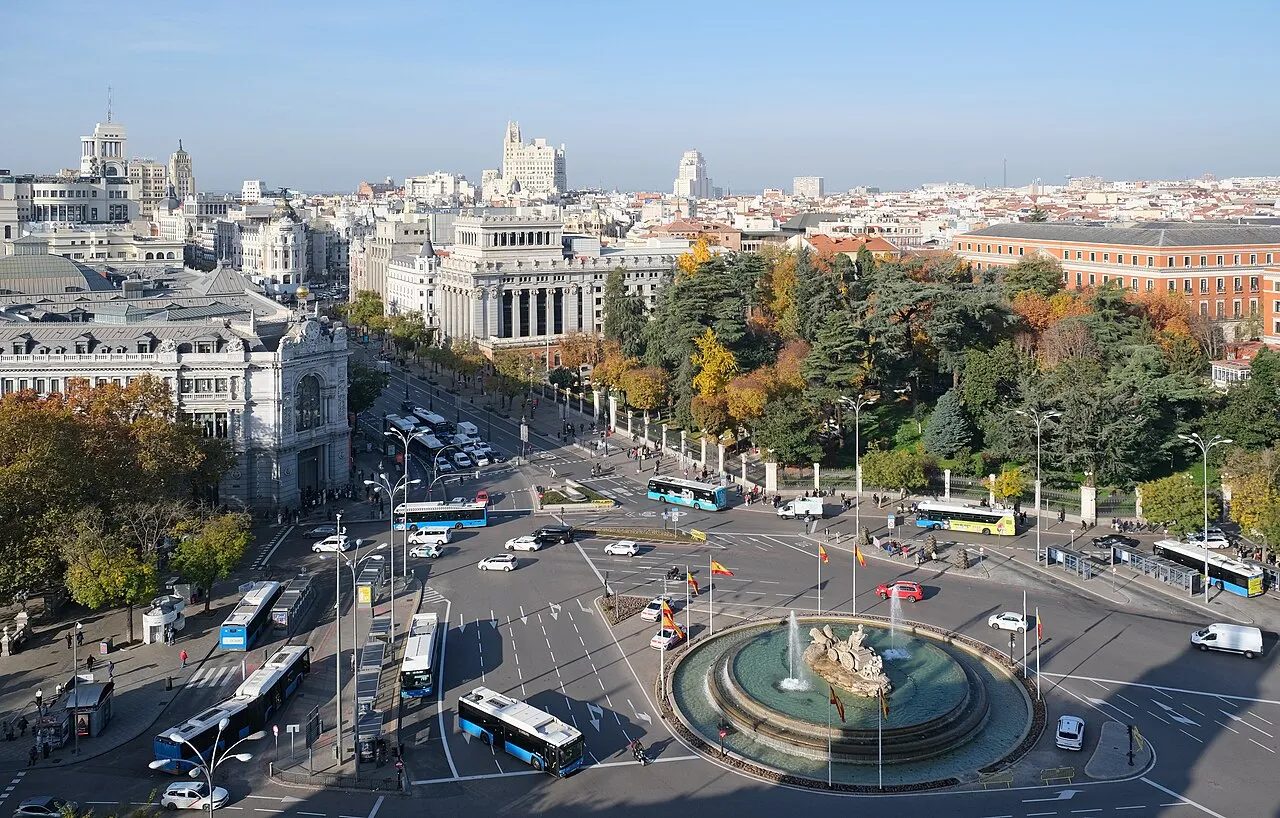
The first eyeful. This white palace of spires and pinnacles that looks like a cathedral was built between 1907 and 1919 for something as prosaic as the Post Office — madrileños mockingly called it “Our Lady of Communications” — and today it is City Hall. In the central tower there is a viewpoint at 70 metres, open to the public for around 3 €, from which the Paseo del Prado unrolls in full like a green carpet. It closes on Mondays and it is worth booking online at weekends.

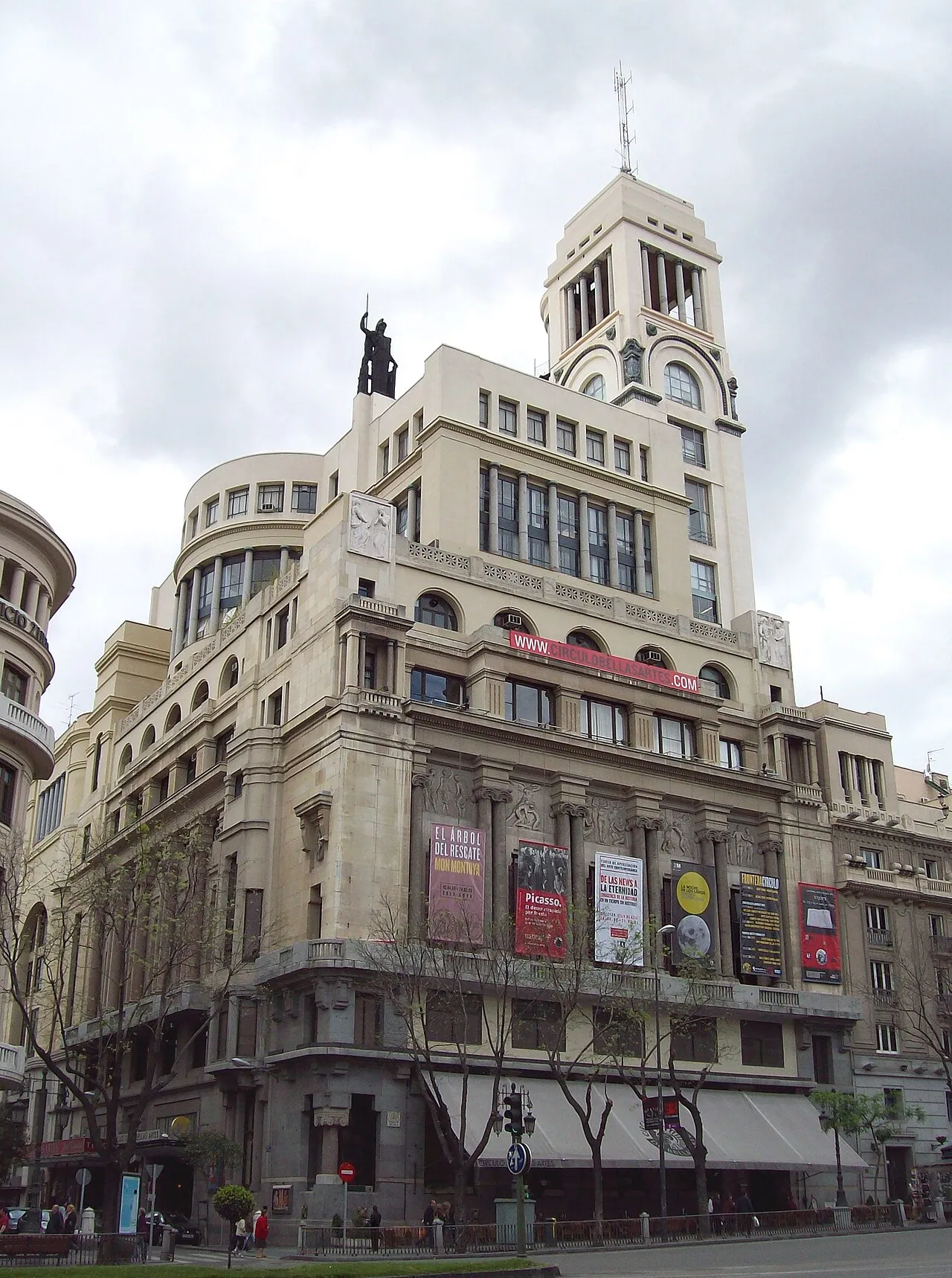
2Rooftop of the Círculo de Bellas Artes

Rooftop of the Círculo de Bellas Artes

📍 Alcalá, 42

Two hundred metres further up is the most famous terrace in the centre, in a building by Antonio Palacios finished in 1926 that inside is a labyrinth of salons, a legendary café called La Pecera and even a swimming pool. From the rooftop you see the whole of the Gran Vía, the golden dome of the Metrópolis and the mountains in the background. Around 6 € to get in, and the bar upstairs serves drinks until late. If you take a single photo of Madrid, take it here at sunset.

3Plaza del Callao and the Edificio Carrión

Plaza del Callao and the Edificio Carrión

📍 Gran Vía

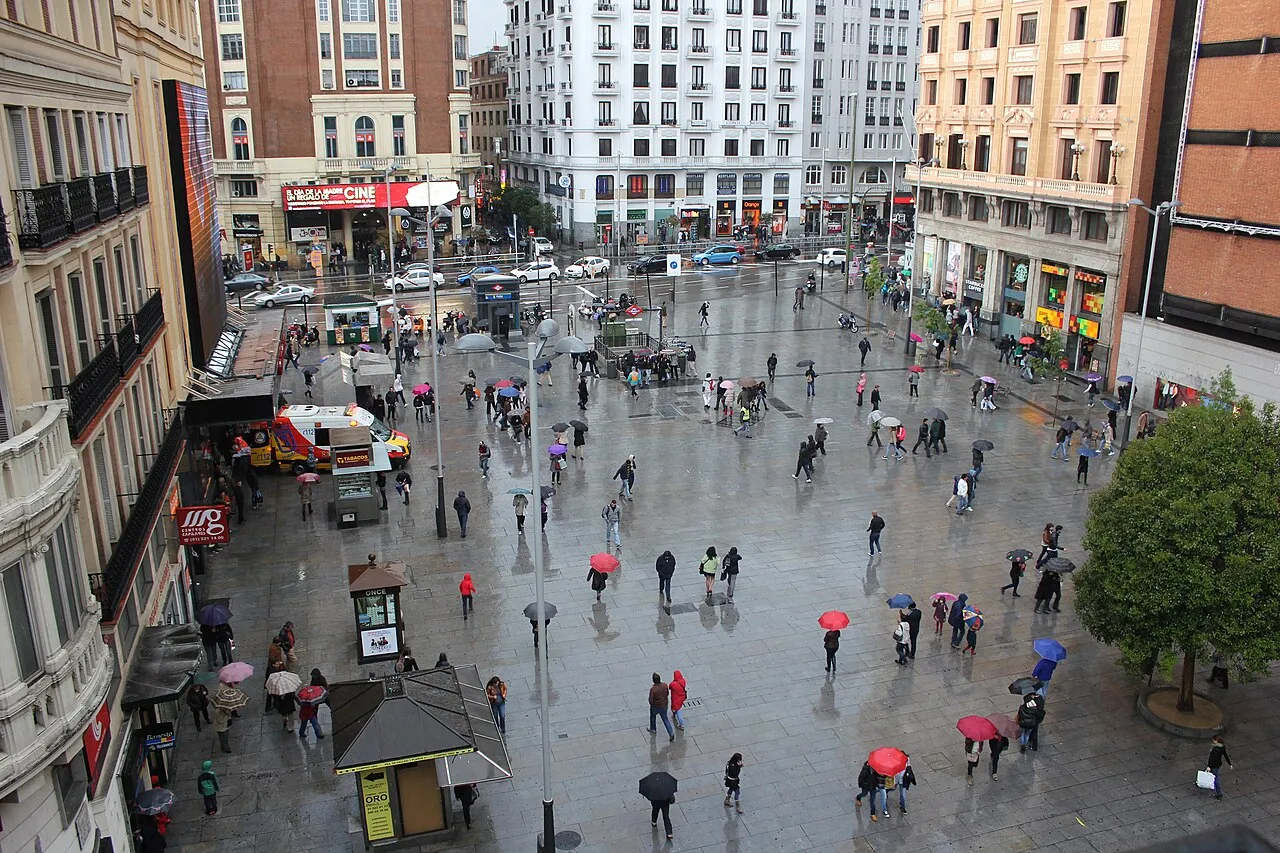
Madrid's Times Square: screens, neon signs and a river of people with shopping bags. Here stands the Carrión Building, that white prow from 1933 crowned by the Schweppes neon sign that has been lit since 1972 and is so protected by popular affection that nobody can take it down any more. Local trick: the ninth floor of El Corte Inglés at Callao has a food terrace with free views over the rooftops of the Gran Vía. You only pay for what you consume.

4Plaza de España

Plaza de España

📍 Plaza de España

The end of the Gran Vía, redeveloped a few years ago to bury the traffic and give the space back to pedestrians. In the centre, the monument to Cervantes with Don Quixote and Sancho in bronze; around it, two brick giants from the 1950s, the Edificio España and the Torre de Madrid, which in its day was the tallest reinforced-concrete building in the world. From the rooftop of the hotel that now occupies the Edificio España you see the whole city from 27 floors up, with paid entry.

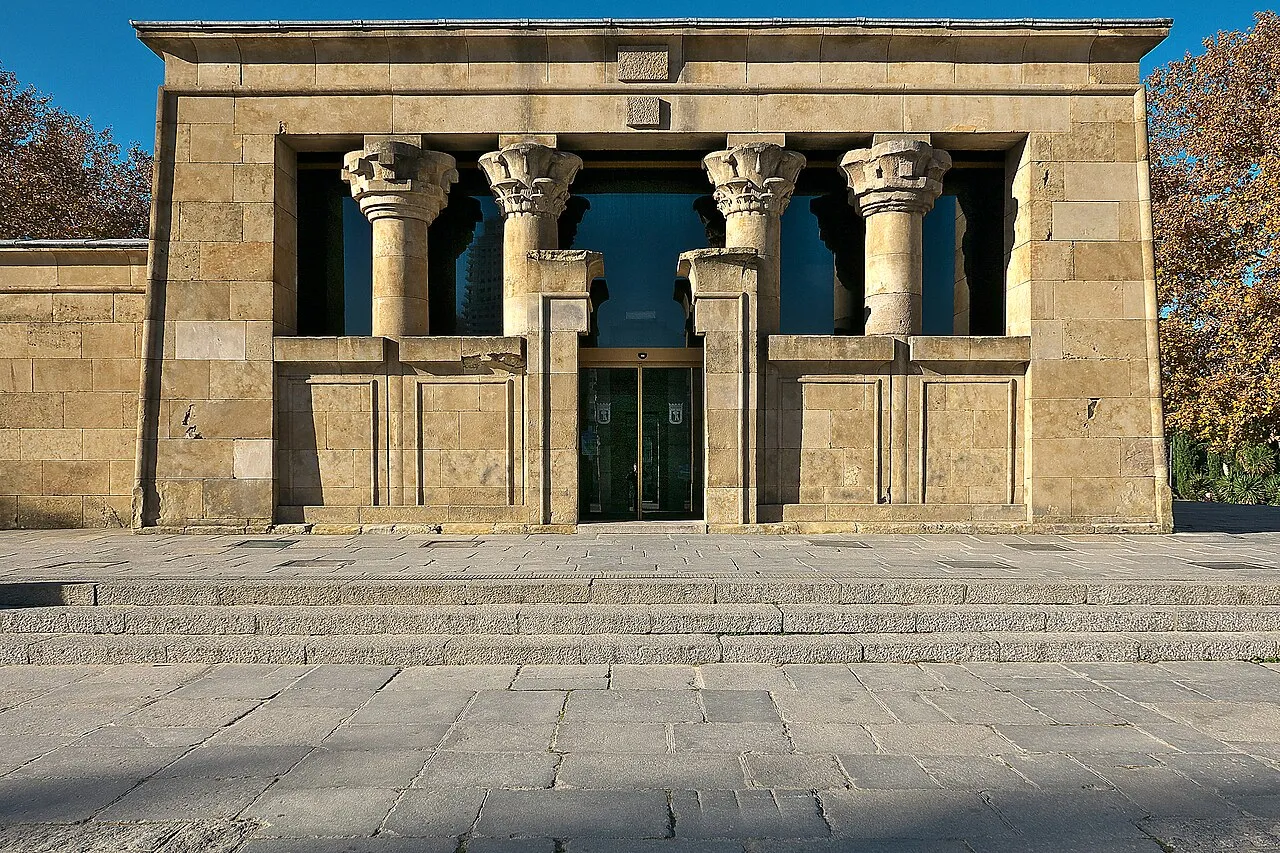
Sunset at the Templo de Debod
Friday's finale

Sunset at the Templo de Debod

Five minutes' walk from Plaza de España, a 2,200-year-old Egyptian temple is reflected in a sheet of water. It is the best free sunset in Madrid and the place madrileños take friends visiting from out of town. Arrive with time to spare — the lawn on the western side fills up — and stay until the sky turns pink behind the silhouette of the mountains. Afterwards, go down to Malasaña for dinner: it is a quarter of an hour on foot and at that time it is starting to stir.

🎧 On the tour Gran Vía & Modern Madrid📍 View on Google Maps
🎧 With Viavoy

Explore Madrid at your own pace

Download the app and discover Madrid offline, whenever you like. Take the walking tour Tapas: La Latina & El Rastro with a local guide in your ear.

Find out more about Viavoy →

Saturday · the essentials in the morning, neighbourhoods in the afternoon

The Austrias quarter until lunchtime; Malasaña and Chueca when the sun goes down.

On Saturday you need to get up a little early, because the old town between ten and twelve is another thing entirely: markets opening, Mass at San Ginés, terraces still empty. Keep the morning for the Madrid of the Habsburgs and leave it at midday, when the coaches arrive.

The afternoon changes register and heads north of the Gran Vía. Malasaña and Chueca are two adjoining and very different neighbourhoods: one alternative and with a rebellious memory, the other festive and proud. You can cover them in a couple of hours from terrace to terrace.

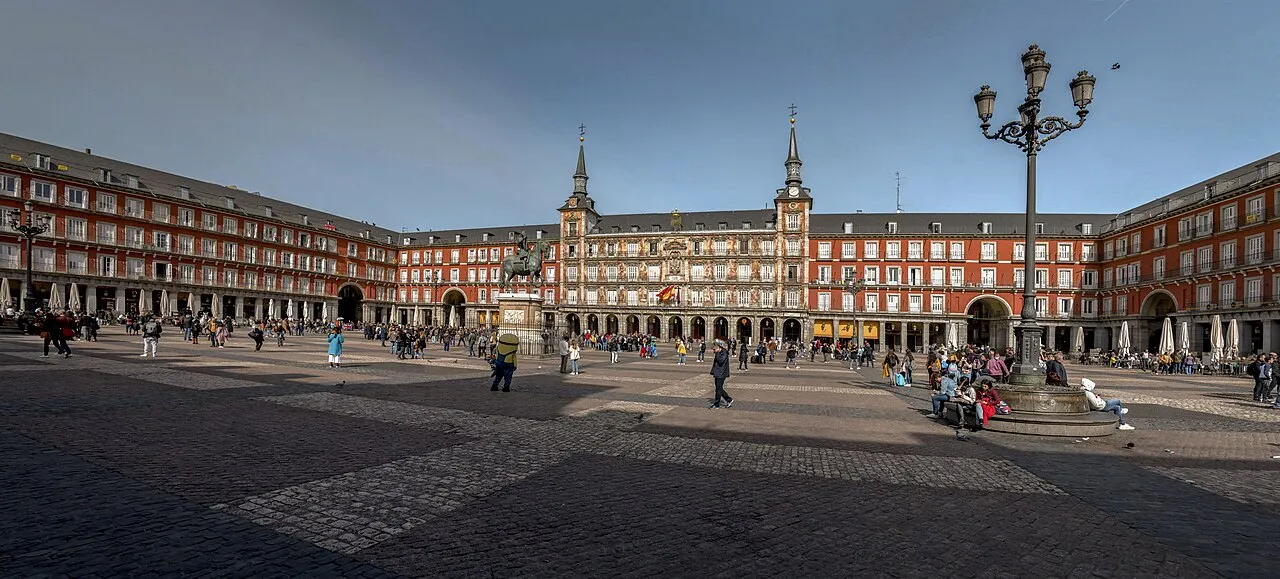
5Plaza Mayor first thing

Plaza Mayor first thing

📍 Centro

Madrid's great open-air drawing room, finished in 1619, works best at nine in the morning: no queues, no human statues and the light slanting in beneath the arcades. On Saturday mornings, moreover, the stamp and coin collectors' market sets up under the arches, a tradition going back almost a century. Then cross beneath the Arco de Cuchilleros and go down the Cava de San Miguel, where the houses hide up to eight storeys down the slope.

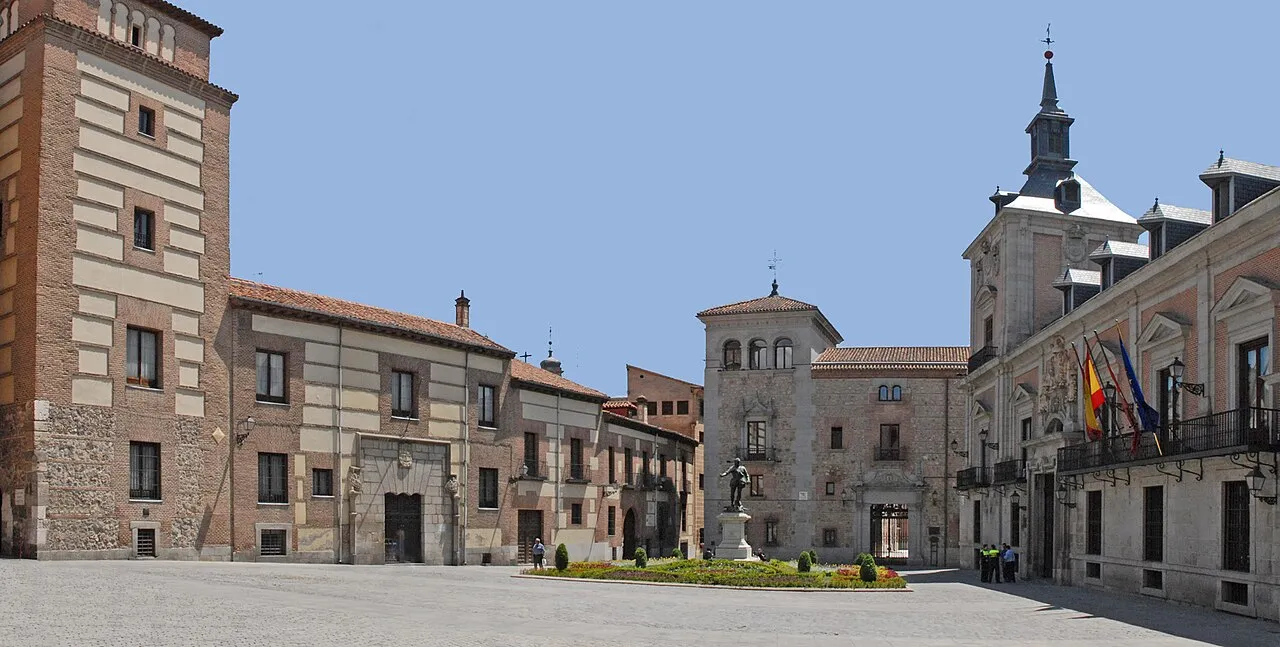
6Plaza de la Villa and calle del Codo

Plaza de la Villa and calle del Codo

📍 Los Austrias

Three buildings from three centuries around a secluded square: the seventeenth-century Casa de la Villa, the sixteenth-century Plateresque Casa de Cisneros and the fifteenth-century Torre de los Lujanes, one of the oldest civil buildings still standing in Madrid; legend has it that King Francis I of France was held prisoner there after the Battle of Pavia. A step away, calle del Codo — Elbow Street — bends at a right angle and keeps a priceless anecdote about Quevedo. It is the least photographed and most authentic corner of the centre.

7Plaza de Oriente and the Royal Palace

Plaza de Oriente and the Royal Palace

📍 Ópera

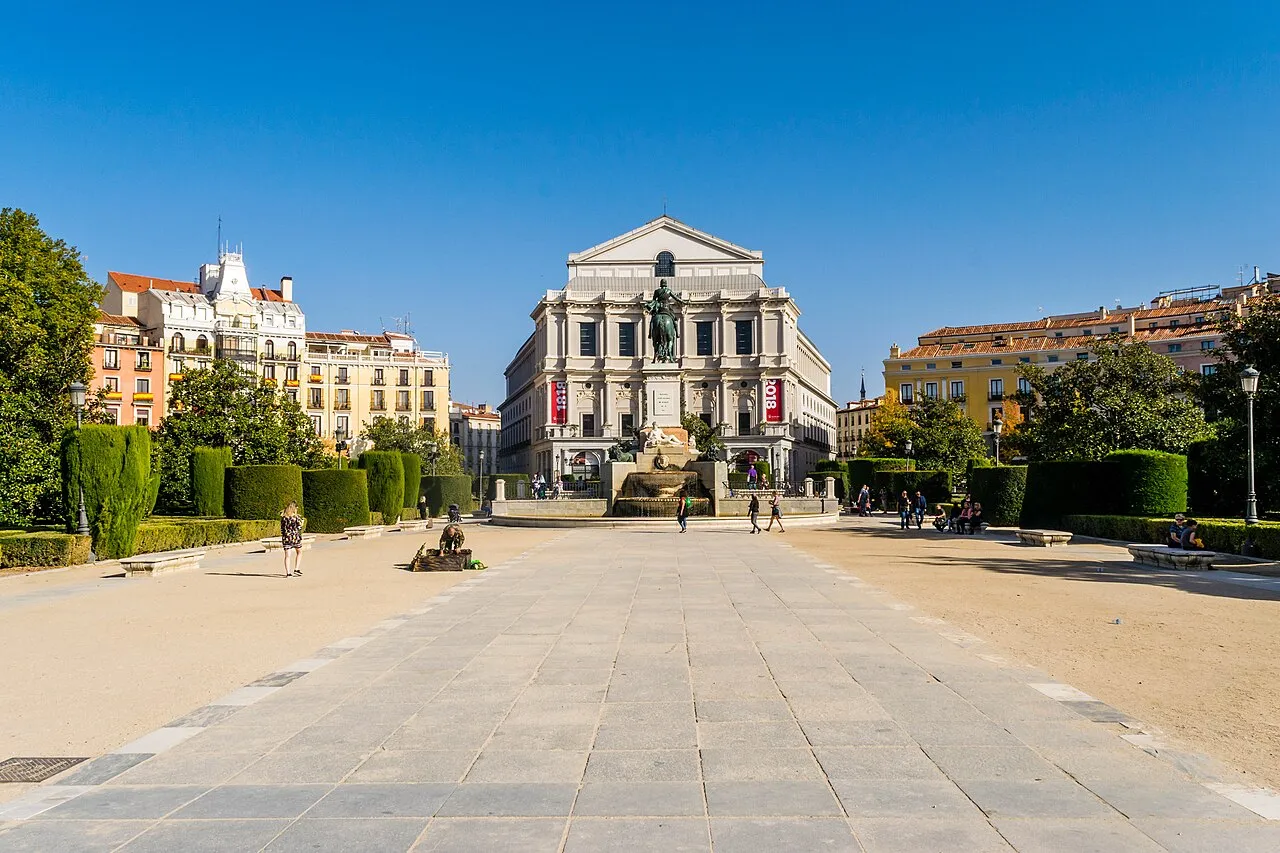
The landscaped semicircle between the palace and the Teatro Real, with the statues of Gothic kings at eye level and Philip IV on horseback in the centre, the first equestrian statue in the world to stand on its hind legs alone (they say Galileo was consulted to solve the balance). If you are not going into the Royal Palace, at least look in on the Sabatini Gardens, on the north façade: they are free and mid-morning they are almost empty.

8Plaza del Dos de Mayo

Plaza del Dos de Mayo

📍 Malasaña

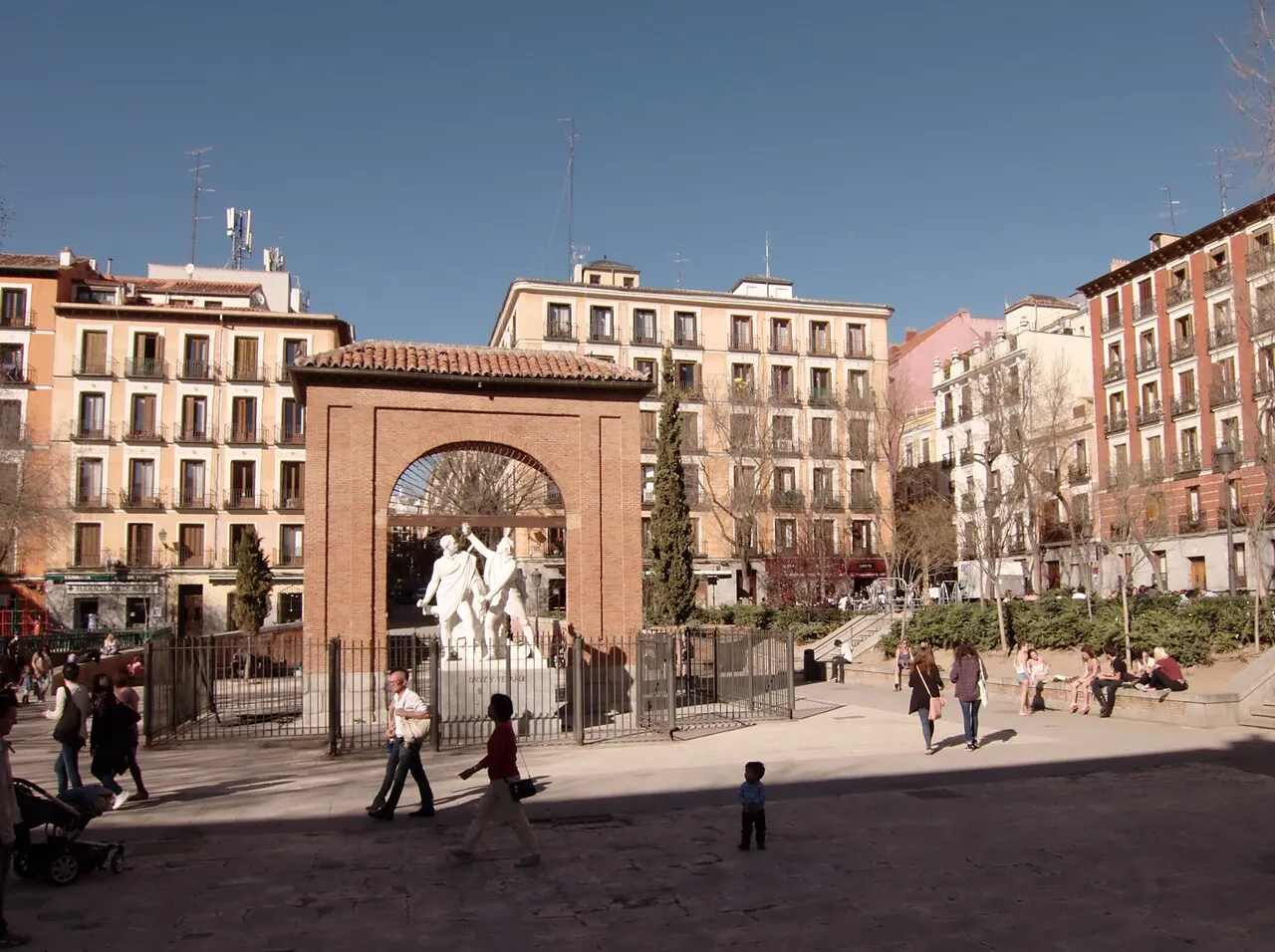
The heart of Malasaña and the best place in Madrid to understand what a neighbourhood square is: children in the sandpit, terrace chairs, someone tuning a guitar. That brick arch in the middle is the only remnant of the Monteleón Barracks, the barracks where on 2 May 1808 Captains Daoíz and Velarde handed out cannon to the locals and stood up to Napoleon's army. Today it is Saturday vermut on the very ground where a war began.

9Calle del Espíritu Santo and Calle de la Palma

Calle del Espíritu Santo and Calle de la Palma

📍 Malasaña

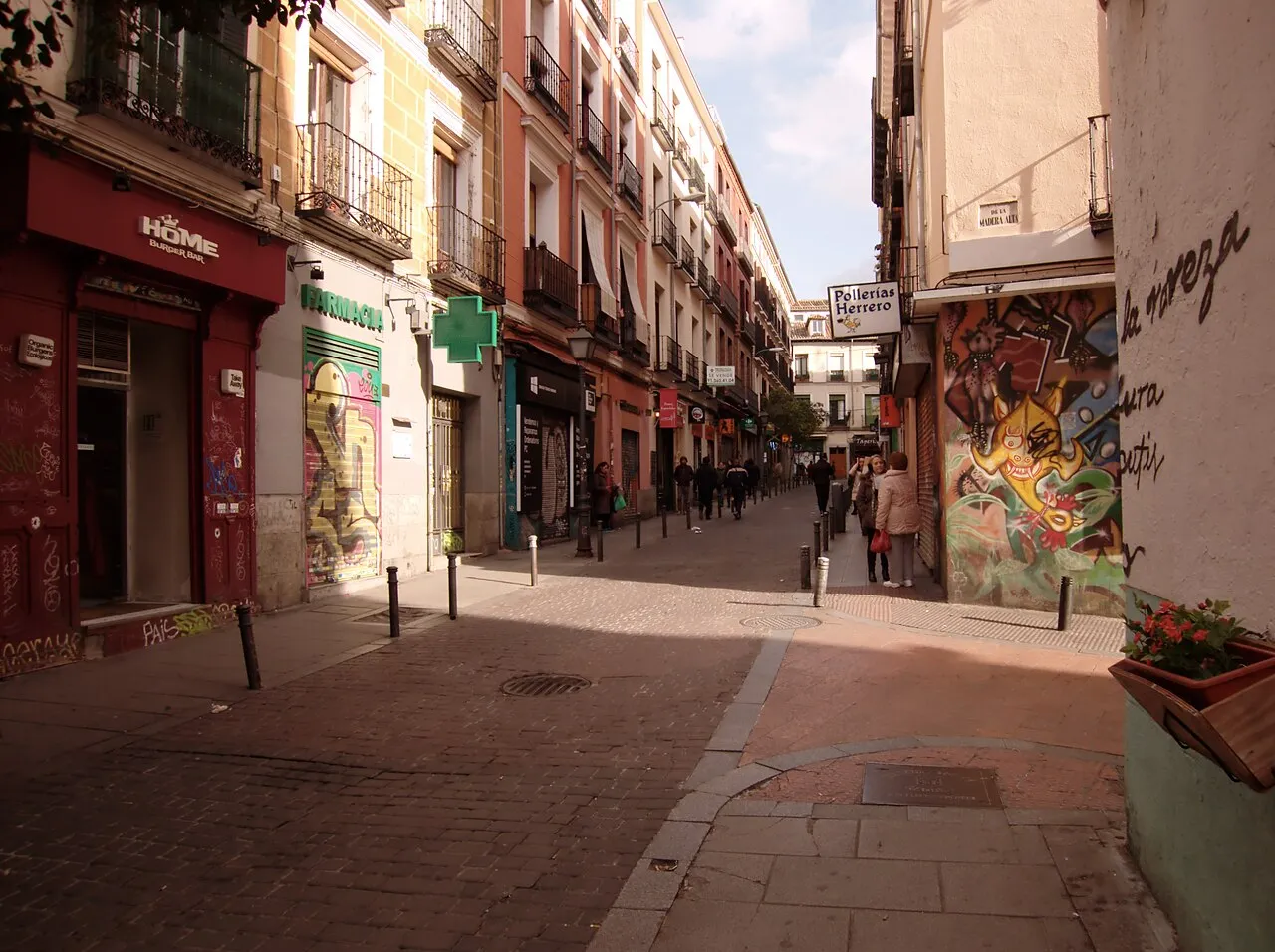
The two streets that best sum up the neighbourhood: murals that change every season, shutters turned into canvases, record shops, bakeries that have always been there and bars where the waiter recognises you on your second visit. A good number of the murals were born at Pinta Malasaña, a neighbourhood festival that since 2015 has covered the façades with live art in a single day. On Calle de la Palma, El Penta holds out, one of the headquarters of La Movida, its walls lined with memories of 1980.

10Chueca and the Mercado de San Antón

Chueca and the Mercado de San Antón

📍 Chueca

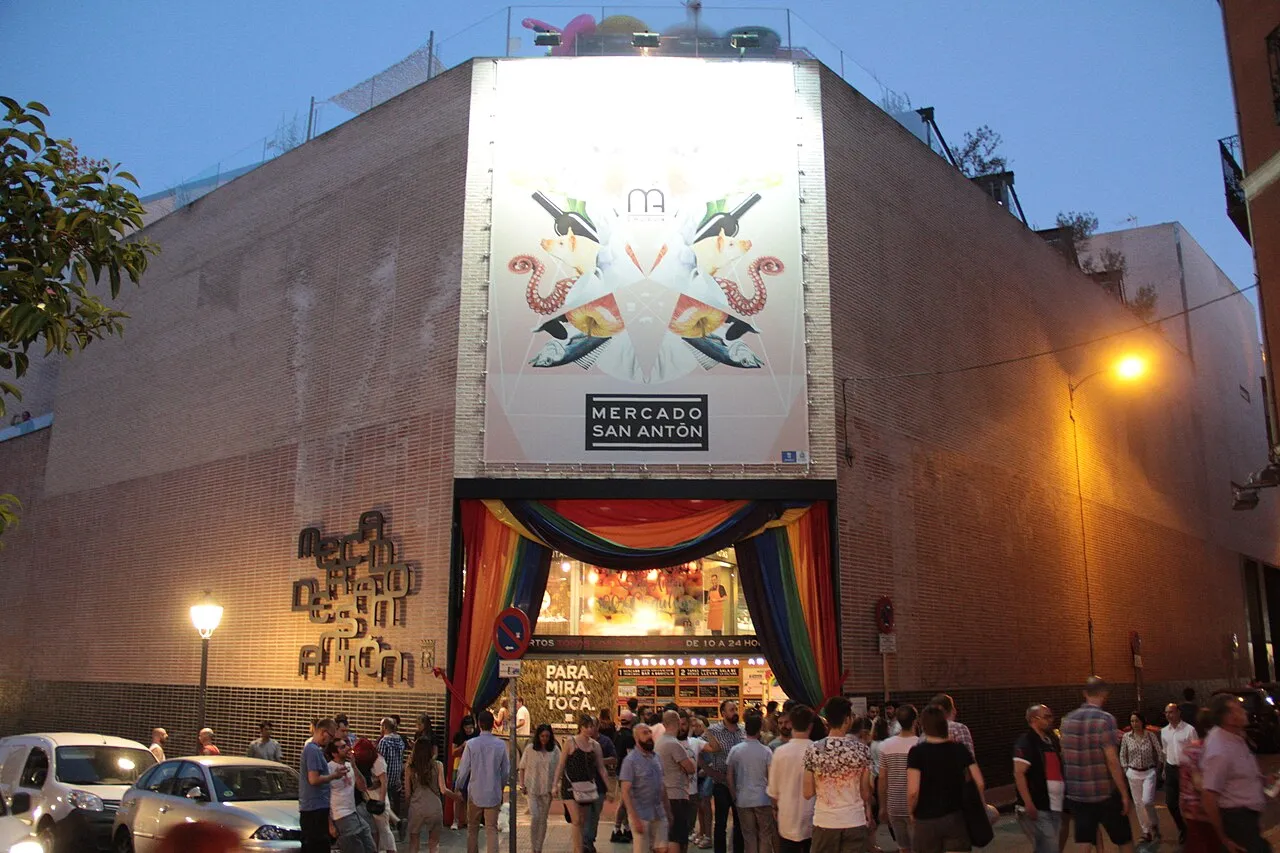
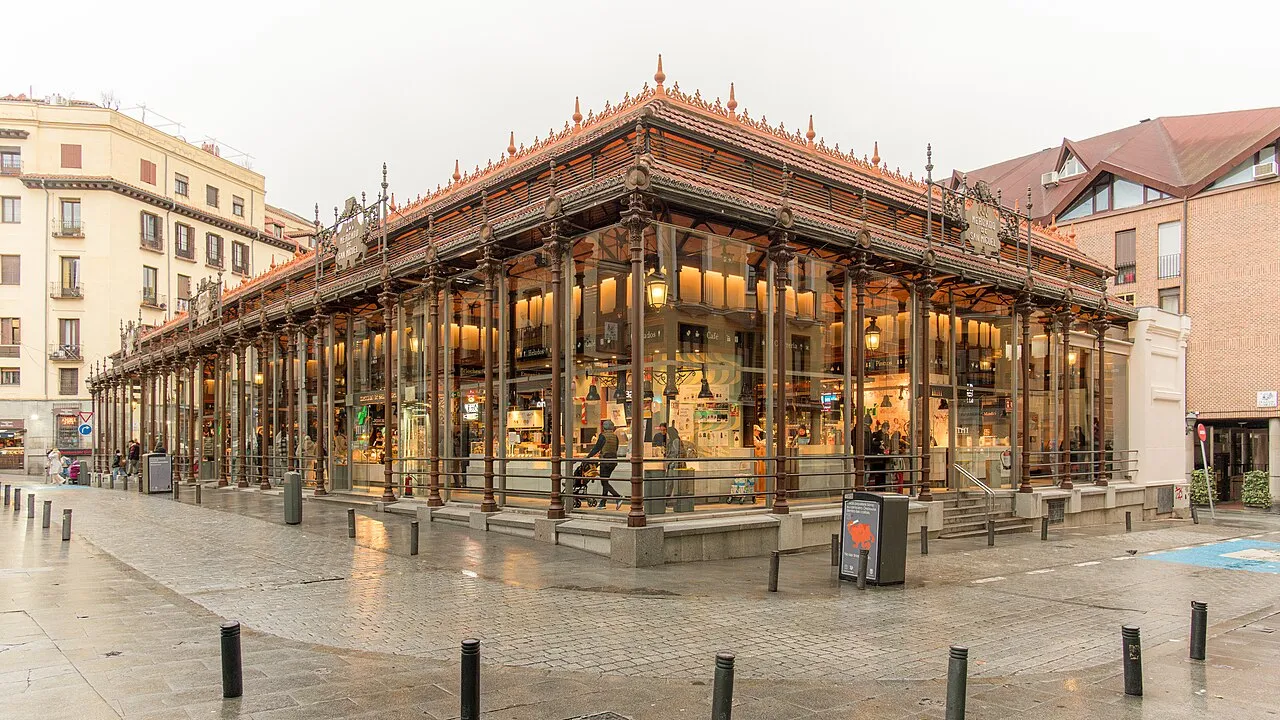
Cross calle Fuencarral and the air changes: Chueca is the neighbourhood that reinvented itself, from run-down area in the eighties to a reference for LGBT pride across Europe. The Plaza de Chueca is small and always full; the Mercado de San Antón, a minute away, has fresh-produce stalls downstairs, tapas counters on the middle floor and a rooftop with views over the roofs. Go up with a vermut at sunset: it is one of the best free terraces in the centre.

Manuela Malasaña and the memory of La Movida
Saturday night

Manuela Malasaña and the memory of La Movida

The neighbourhood bears the surname of a seventeen-year-old embroiderer shot in 1808 for carrying a pair of sewing scissors. A century and a half later, these same streets exploded again, but with freedom: Alaska DJing at sixteen, Almodóvar filming with a borrowed camera, a mayor egging on the party from the stage. On calle Velarde, La Vía Láctea is still open, and on la Palma, El Penta: they are not museums, they are bars with the same attitude. Start the night with wine along calle del Pez and let yourself be carried along.

🎧 On the tour Malasaña & La Movida📍 View on Google Maps

Sunday · Rastro, vermut and Retiro

The Madrid ritual par excellence, and almost all free.

Sunday in Madrid has a fixed choreography: at ten, El Rastro; at one, vermut in La Latina; in the afternoon, the Retiro. Generations have been doing it this way and it works.

The flea market sets up every Sunday and public holiday from 9:00 to 15:00 on the Ribera de Curtidores and its side streets. Go down early, because from twelve onwards the main slope is a human river in which you cannot even look at a stall.

11Plaza de Cascorro

Plaza de Cascorro

📍 La Latina

The gateway to the Rastro, crowned by the statue of Eloy Gonzalo, the soldier who in Cuba volunteered to burn an enemy position, tying a rope around his waist so that his body could be recovered. Madrid turned him into a legend and gave him this square; at his feet, the sculptor carved the petrol can and the rope. “See you at Cascorro” is a phrase as old as the neighbourhood, and it is still the best meeting point to start the morning.

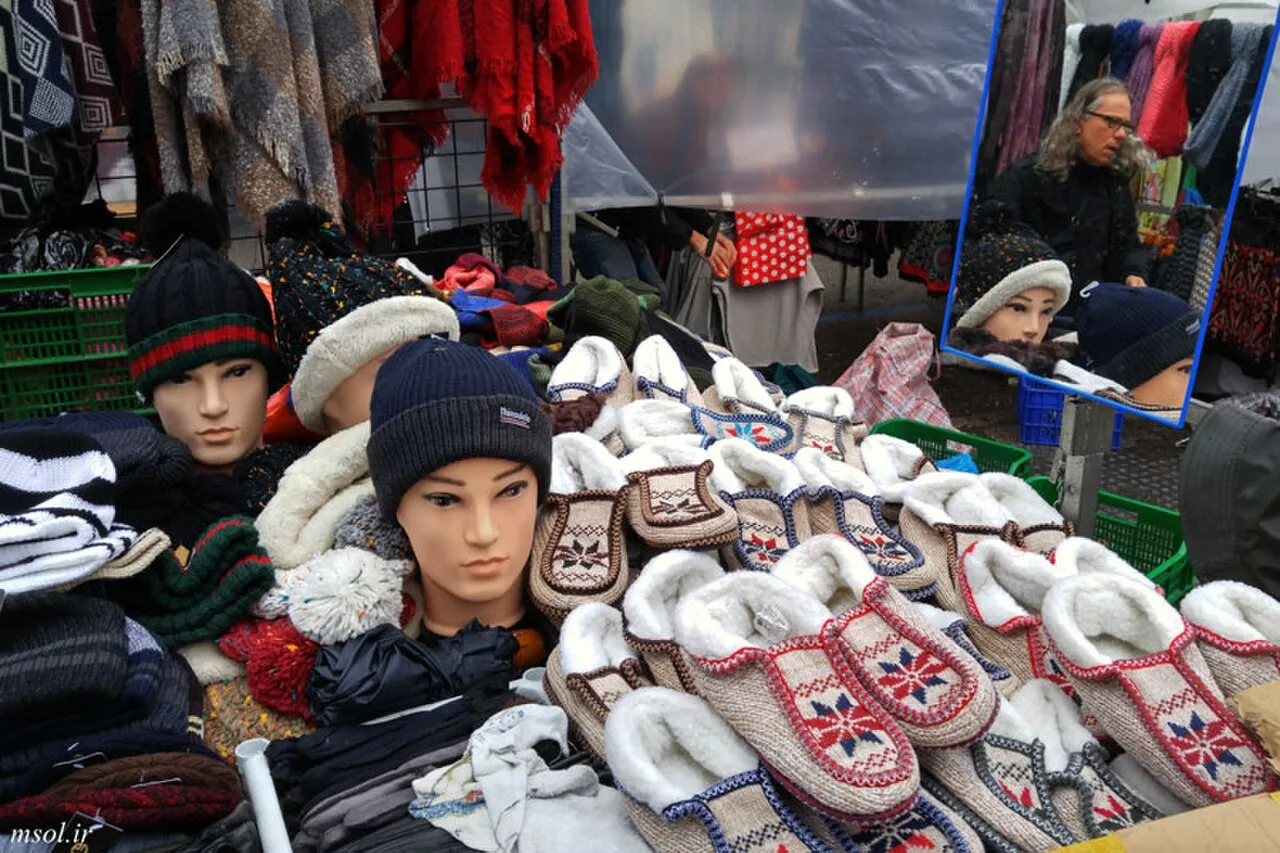
12Ribera de Curtidores · El Rastro

Ribera de Curtidores · El Rastro

📍 Embajadores

The oldest and most famous open-air flea market in Madrid: more than two centuries opening every Sunday, hardly ever missing one. The name comes from the slaughterhouses and tanneries that stood here, and from the trickle — the rastro — that ran down towards the river. Local secret: while the main street is pure jostling, the side squares and the antiques arcades — open on weekdays too — keep the good stuff and are quiet. Haggle with a smile, because here it is part of the game, and watch your pockets in the crowd.

13La Tabacalera

La Tabacalera

📍 Embajadores, 51

Two streets from the Rastro, the former Royal Tobacco Factory, where for more than two centuries thousands of women, the cigarreras, rolled cigars by hand and organised themselves before almost any other group of workers in Spain. Today part of it is a self-managed social centre and art space: you go through the gate and find courtyards with murals from floor to ceiling that are endlessly repainted. Entry is free, nobody will ask you for anything, and it is the perfect stop to slow down before the vermut.

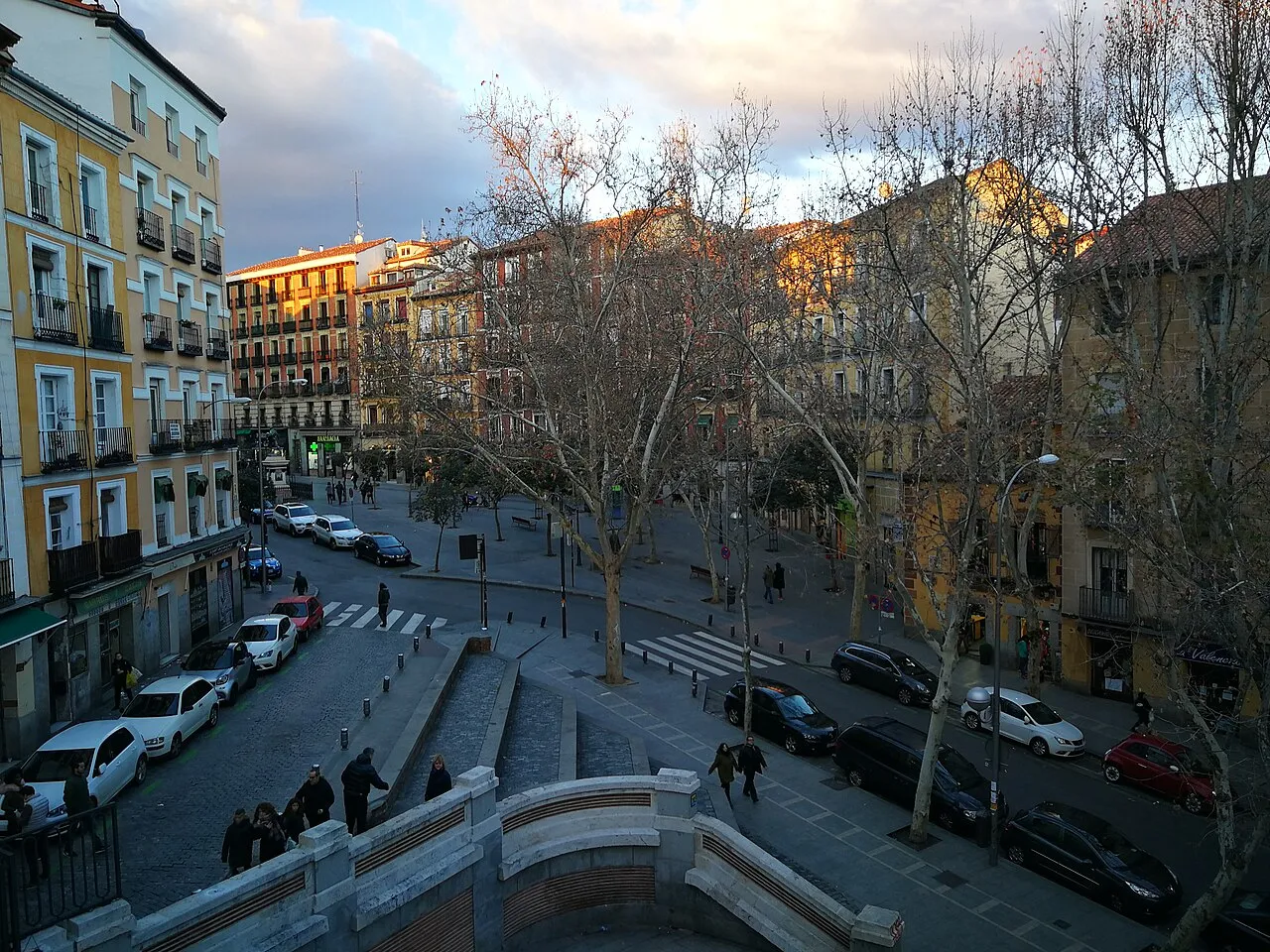
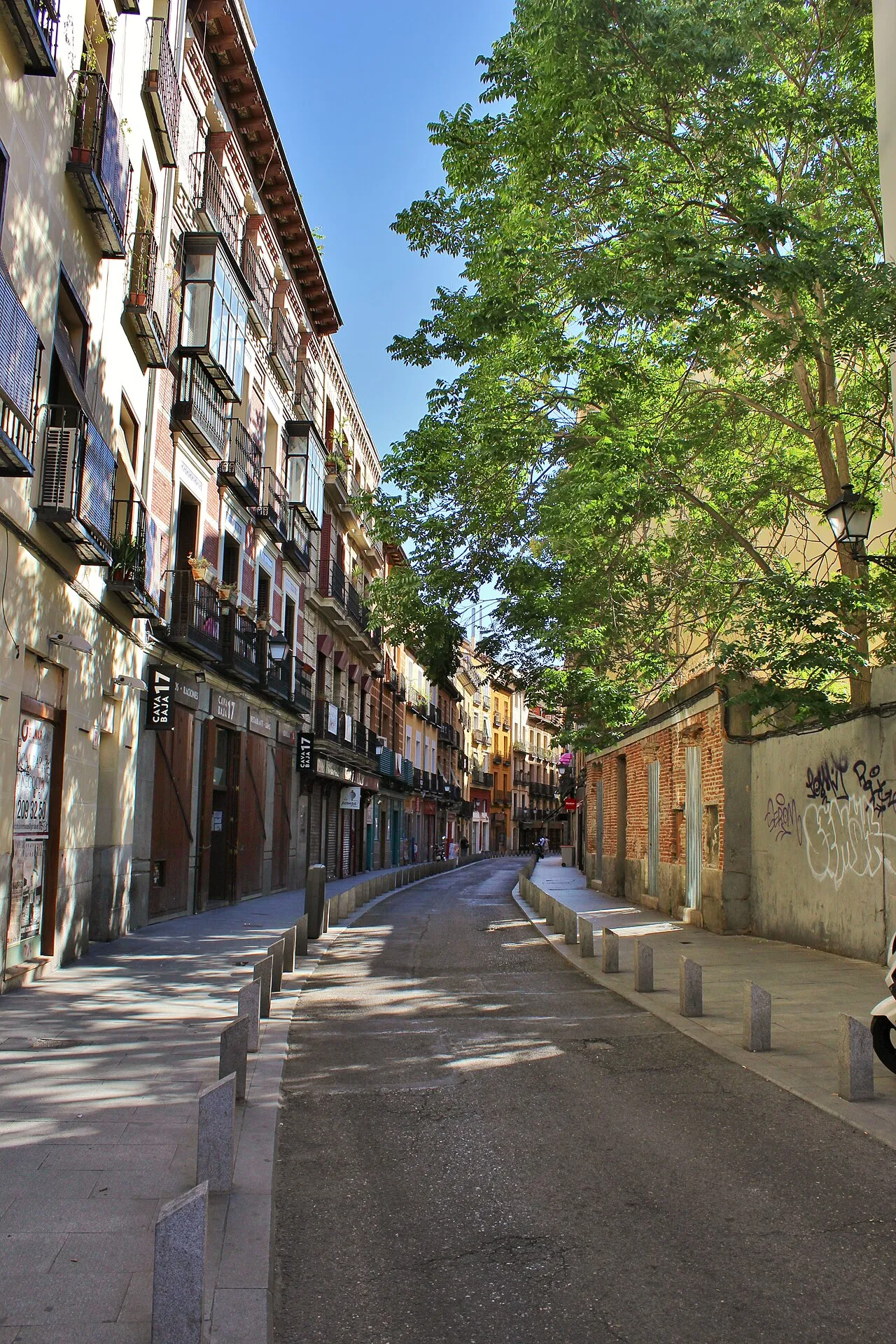
14Vermut on the Cava Baja

Vermut on the Cava Baja

📍 La Latina

At half past one the Rastro dissolves and the whole neighbourhood climbs to the Cava Baja, a narrow curve that was the moat of the wall and later a muleteers' road, and which today packs in more taverns per metre than any other street in Spain. You do it standing up, bar by bar, without sitting down: a caña or a vermouth on tap with its olive and slice of orange, a tapa, and on to the next. Reckon on 3-5 € per stop; if there are four of you, book a table or don't sit down anywhere.

15The Retiro in the afternoon

The Retiro in the afternoon

📍 Parque del Retiro

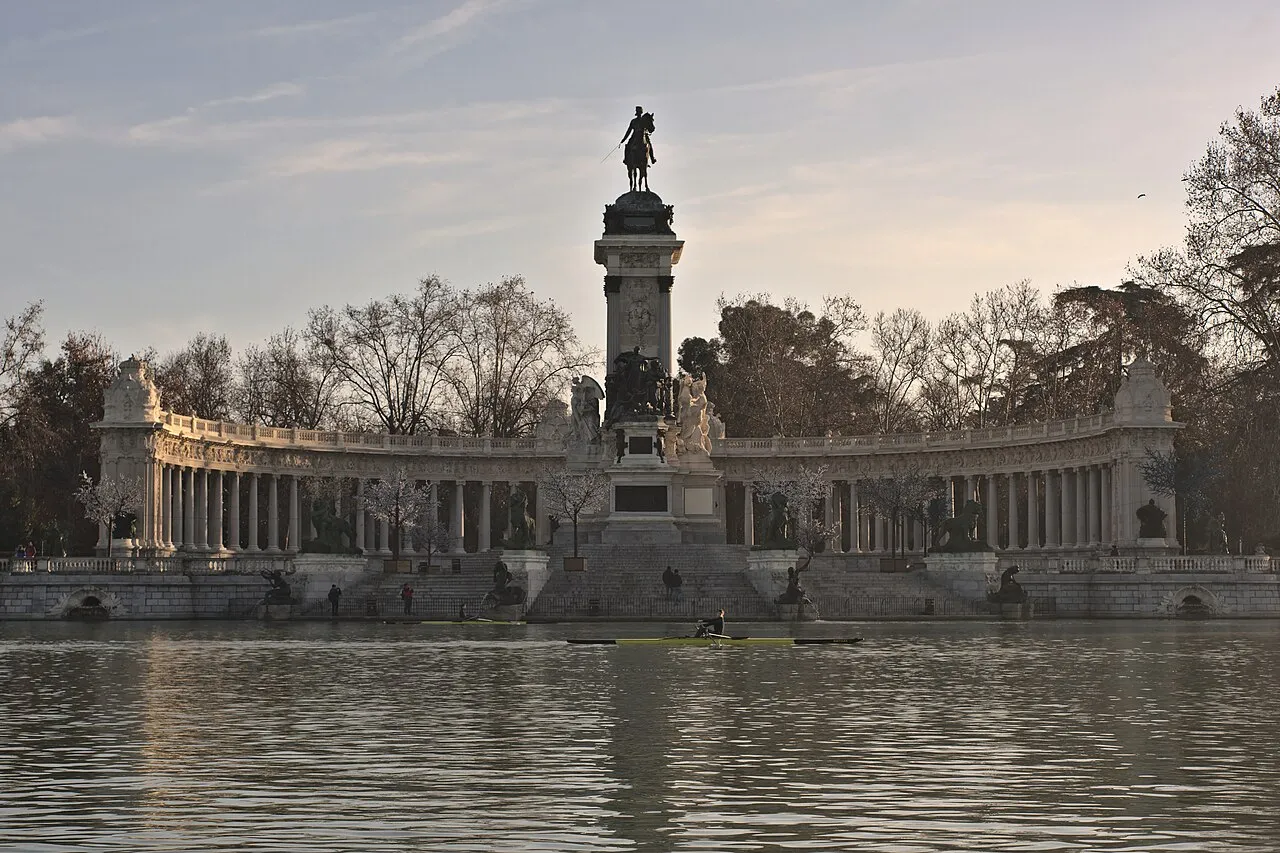
On Sunday afternoon the Retiro is Madrid's living room: rowing boats on the Estanque Grande, puppeteers, drum circles near the monument to Alfonso XII and whole families picnicking. It was the kings' private garden until 1868, when the revolution that dethroned Isabella II opened it to the people and never gave it back. Enter by the Puerta de Alcalá, cross to the Crystal Palace and leave by the Cuesta de Moyano, where the second-hand book stalls have been open since 1925.

Frequently asked questions

How many days do you need to see Madrid?

With two full days you see the essentials (that is how our Madrid in 2 days itinerary is built); with three, which is what a real weekend gives you, you also fit in the neighbourhoods, the Rastro and an afternoon of terraces without watching the clock. From the fourth day onwards there is room for excursions such as Toledo or El Escorial.

Is the Rastro worth it?

Yes, even if you buy nothing: it is a social phenomenon more than a flea market, with more than two centuries of history and an atmosphere you won't find on any other day of the week. Go between 10:00 and 12:00, dive into the side squares and finish with a vermut in La Latina, which is half the plan.

What can you do in Madrid on a Sunday?

The classic plan is the Rastro in the morning, vermut at midday and the Retiro in the afternoon. Add that the Reina Sofía opens free on Sunday mornings and that the Templo de Debod, Las Vistillas and the Sabatini Gardens cost nothing. The shops close, but the bars and museums don't.

Where to stay for a weekend?

To get around on foot, the ideal is the triangle between Sol, Ópera and the Barrio de las Letras. Malasaña and Chueca come out somewhat cheaper and have better nightlife; La Latina is perfect for Sunday but noisy at the weekend. Avoid staying beyond the M-30 ring road however tempting the price: you will lose an hour a day in transport.

How much do tapas cost in Madrid?

A caña with a tapa costs between 3 and 5 € in a neighbourhood bar; a ración to share, between 10 and 16 €. A route of three or four stops along the Cava Baja works out at 20-25 € per person. You will find it all in detail in our guide to tapas routes in Madrid.

How to explore the neighbourhoods with a local guide without joining a group?

With Viavoy you carry the route downloaded on your phone and start it whenever you like: you stop for a drink, pick up where you left off and it works offline. For this weekend, “Tapas: La Latina & El Rastro” fits on Sunday and “Malasaña & La Movida” on Saturday afternoon.

How to fit the weekend together without the stress

Three warnings that change the trip. First: book Saturday's dinners. Madrid dines from half past nine and the good places in the centre fill up; if you turn up without a table at ten, you will end up at the first free terrace, which is almost never the best. Second: the big museums open on Sunday mornings with free entry in the last hours and long queues, so if you want a museum on Sunday, go to the Reina Sofía first thing and leave the Rastro for another trip. Third: on Sunday afternoon many shops close, but the bars don't; don't schedule any shopping.

If you have half a day to spare, there are two short getaways that fit into a weekend. Toledo is 33 minutes by high-speed train from Atocha, and El Escorial an hour away by Cercanías commuter train. Both can be done in a long half-day, but they are whole-city plans: if this is your first time in Madrid, better save them for next time and keep strolling.

And a neighbourhood recommendation for the last meal: instead of looking for a restaurant in the centre, head up to Lavapiés. Calle de Argumosa, which the locals call “el Ave María”, has the most pleasant terraces in the city under enormous plane trees, and you eat well and cheaply looking at the wall of the Reina Sofía.

How to plan it

Friday afternoonViewpoint of the Palacio de Cibeles (17:00) → rooftop of the Círculo de Bellas Artes → Gran Vía on foot → Callao → Plaza de España → sunset at Debod → dinner in Malasaña.
Saturday morningPlaza Mayor at 9:00 → Cava de San Miguel → Plaza de la Villa and calle del Codo → Ópera, Plaza de Oriente and the Sabatini Gardens → lunch on the Cava Baja.
Saturday afternoon and eveningMalasaña: Dos de Mayo, Espíritu Santo, calle del Pez → Chueca and the rooftop of the Mercado de San Antón → dinner booked from 21:30.
SundayRastro from 10:00 (Cascorro and Ribera de Curtidores) → La Tabacalera → vermut on the Cava Baja (13:30) → Retiro in the afternoon → Cuesta de Moyano before catching the plane.

Practical information

When the Rastro opensSundays and public holidays, from 9:00 to 15:00. The antiques arcades on Ribera de Curtidores also open on weekdays and are much quieter.
BookingEssential for dinner on Saturday and for lunch on Sunday in La Latina. The Cava Baja fills up from half past one.
Getting aroundMetro La Latina (L5) for the Rastro, Tribunal or Bilbao (L1·L10) for Malasaña, Chueca (L5) for Chueca. Everything else on foot.
BudgetA weekend of bars and viewpoints works out at 45-60 € a day without accommodation. The Rastro, the Retiro, Debod and Las Vistillas are free.
With childrenThe boats in the Retiro, the tropical garden at Atocha and the Templo de Debod work at any age. The Rastro with a pushchair, better not.
Watch out forPickpockets at the Rastro and on the metro on Sunday mornings. Keep your phone in front of you and your backpack closed.
On the map

🎧 With Viavoy

Walk Madrid and listen at your own pace

Download Viavoy and walk Madrid offline, whenever you like.

from 2,99 €· one-off payment
City Pass · 9,99 €3 days, all the tours in Madrid
Find out more about Viavoy →
Viavoy app

Keep reading

More articles

Itineraries

Madrid in 2 days: the perfect itinerary

Neighbourhoods

La Latina and the Rastro: a guide to Madrid at its most castizo

Neighbourhoods

Malasaña: what to see and do in the neighbourhood of the Movida

Food & drink

Tapas routes in Madrid: three bar-to-bar crawls