El Raval: Barcelona's most mixed neighbourhood, without the clichés
Neighbourhoods · Barcelona

El Raval: Barcelona's most mixed neighbourhood, without the clichés

A thousand-year-old church, a white museum turned into a skate spot, bars where Gaudí and Hemingway drank and the neighbourhood with the most languages per square metre in Spain.

10 min read · Updated for 2026
🎧 On the walk El Raval: Art, Mixture and Life

Half the guides to Barcelona dismiss the Raval with a warning and a recommendation not to go in at night. It is lazy advice: the Raval is the liveliest neighbourhood in central Barcelona, the one with the oldest church in the city, a contemporary art museum with the most famous skate square in the world and a density of population and of languages that exists nowhere else in Spain. Yes, you need to keep your wallet well tucked away. But you need to go.

For decades the Raval was called the “barrio chino”, the Chinese quarter, a name invented by a journalist in the twenties that had absolutely nothing to do with China or with a Chinese population.

From fields to the densest city in Europe

For centuries the Raval was exactly what its name says: the arrabal, the outskirts, the land of market gardens and convents that lay outside the city. That is where you put what you did not want inside: hospitals, monasteries, cemeteries. The fourteenth-century wall took it in, but it remained countryside until well into the eighteenth century.

Industrialisation changed everything. From 1800 onwards, the textile factories set up here, and with them came thousands of workers who crammed into blocks built without plan or hygiene. By the end of the nineteenth century, the Raval had reached population densities that are among the highest ever recorded in Europe.

Everything came out of that: the most powerful workers' and anarchist movement in Spain, a legendary nightlife of cabarets and prostitution, and a bad reputation that in the twenties earned it the nickname “barrio chino”, coined by the journalist Francisco Madrid by analogy with the slums of San Francisco. There was never a Chinese population: it was a journalistic label that lasted a century.

1Sant Pau del Camp

Sant Pau del Camp

📍 Carrer de Sant Pau, 101

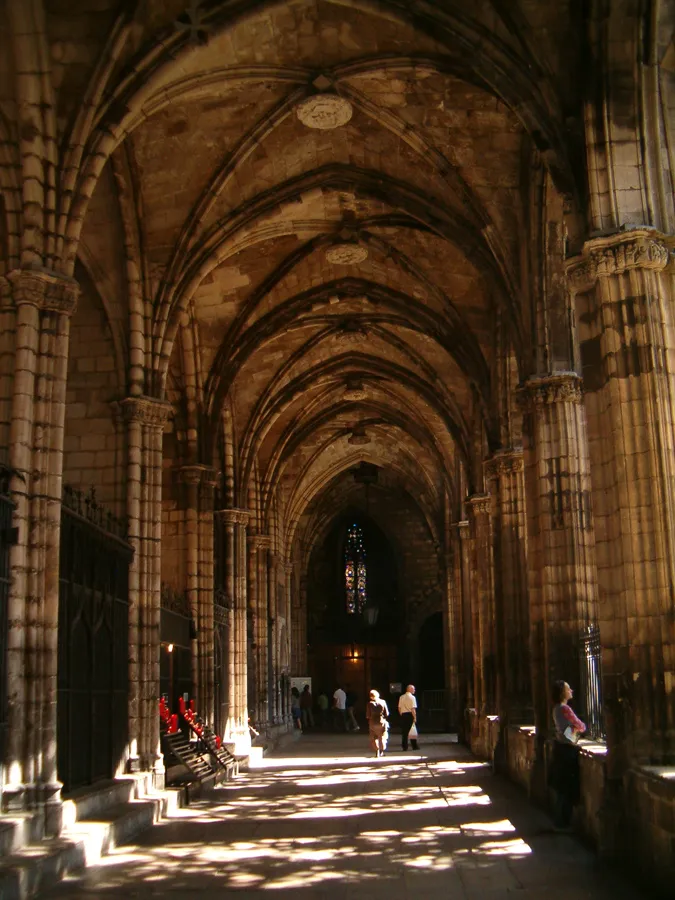
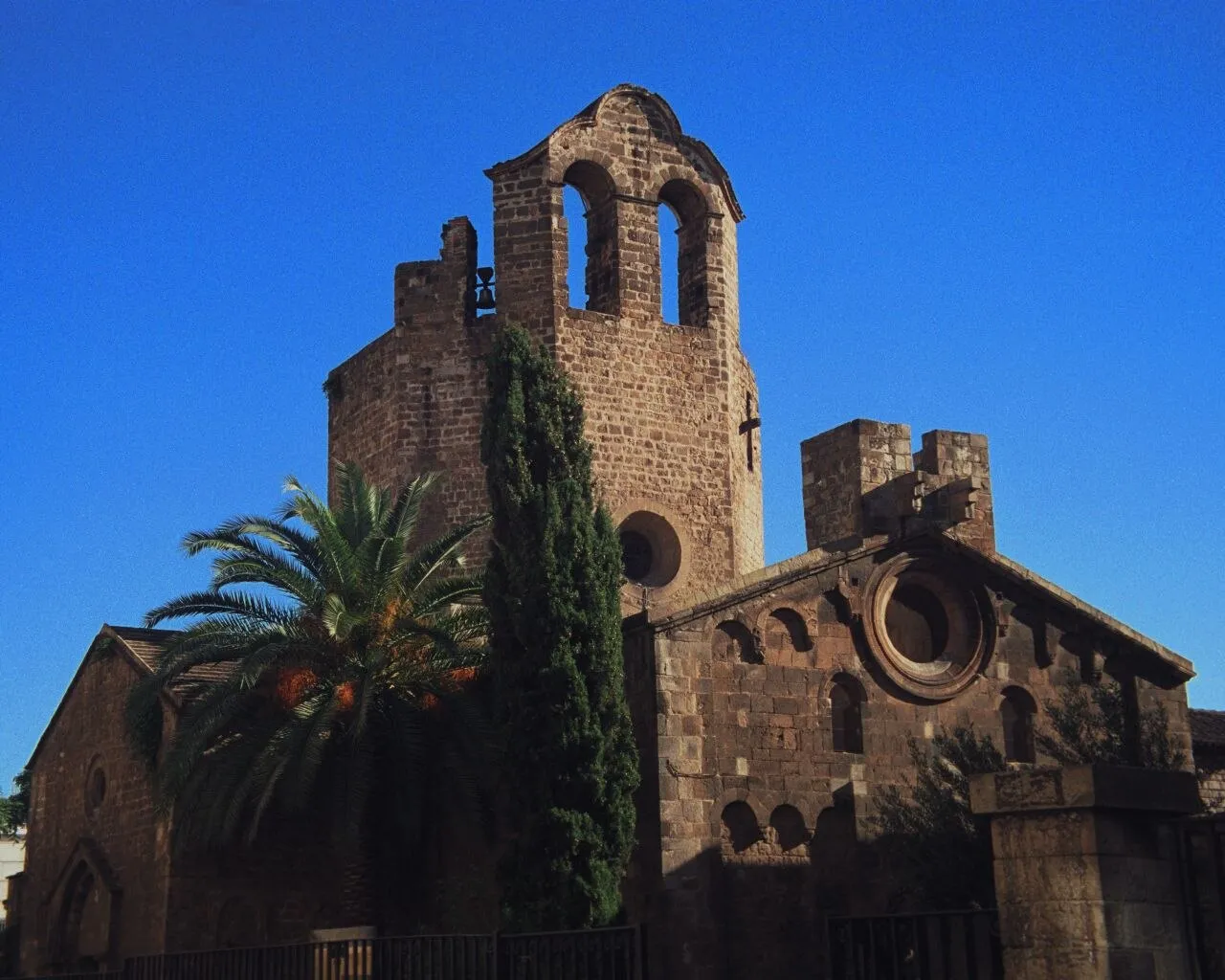
The oldest church still standing in Barcelona, documented as early as the year 911 by the gravestone of Count Guifré Borrell, which is preserved inside. It was called “del Camp”, of the field, because there were market gardens here outside the walls. Its jewel is a tiny cloister with multifoil arches of Andalusi flavour, an absolute rarity in Catalan Romanesque. It costs very little to enter and it is five minutes from La Rambla.

2Antic Hospital de la Santa Creu

Antic Hospital de la Santa Creu

📍 Carrer de l'Hospital, 56

A fifteenth-century Gothic hospital with a courtyard, orange trees and benches, today the seat of the Biblioteca de Catalunya. Gaudí died here in 1926, taken by mistake to the paupers' ward because nobody recognised him. The courtyard is free to enter, it is always quiet and it is one of the most beautiful and least known spaces in central Barcelona.

3MACBA and the Plaça dels Àngels

MACBA and the Plaça dels Àngels

📍 Plaça dels Àngels, 1

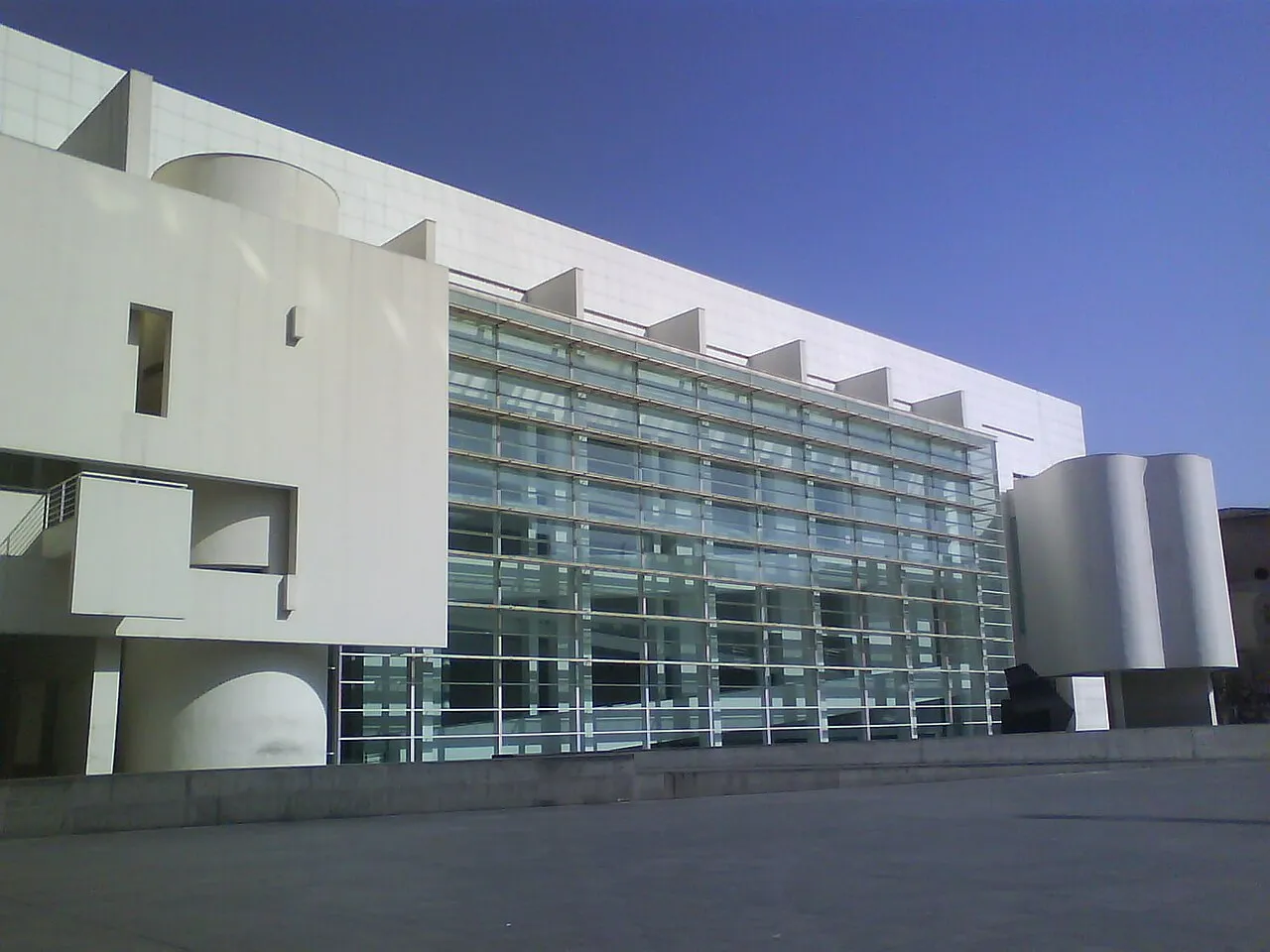
Richard Meier's white box, opened in 1995, with its façade looking pointedly at the neighbourhood. Its forecourt turned itself into one of the most famous skate spots on the planet, and that mix — impeccable white, skateboards, washing hung out, four languages at once — is the best summary of the Raval. Next door, the CCCB occupies an eighteenth-century almshouse.

🎧 With Viavoy

Explore Barcelona at your own pace

Download the app and discover Barcelona offline, whenever you like. Take the walking tour El Raval: Art, Mixture and Life with a local guide in your ear.

Find out more about Viavoy →

The redevelopment that opened up the neighbourhood

And what was gained and lost with it.

In the eighties and nineties, the City Council launched an intervention on an enormous scale: it demolished whole blocks to open up squares and streets, installed large cultural facilities — the MACBA, the CCCB, the Filmoteca — and opened the Rambla del Raval, a wide promenade created by demolishing five blocks of houses.

The declared aim was sanitary and urban: to give light and air to the densest neighbourhood in Europe. The effect, still debated today, was also social: part of the population displaced, rising rents and a permanent tension between the neighbourhood that lives and the neighbourhood that gets visited.

On the Rambla del Raval stands Botero's cat, a two-tonne bronze sculpture that has become the informal symbol of the neighbourhood. The residents have moved it several times and it has always come back: today it is here and everyone has their photo taken on top of it.

The other face of the Raval is the one that does not appear in the guides: it is the neighbourhood with the greatest diversity of origins in Barcelona, with established Pakistani, Filipino, Moroccan, Bangladeshi and Dominican communities, and a food scene that runs from biryani to ceviche by way of the best samosas in the city, all within two blocks.

4Rambla del Raval and the Gat de Botero

Rambla del Raval and the Gat de Botero

📍 Rambla del Raval

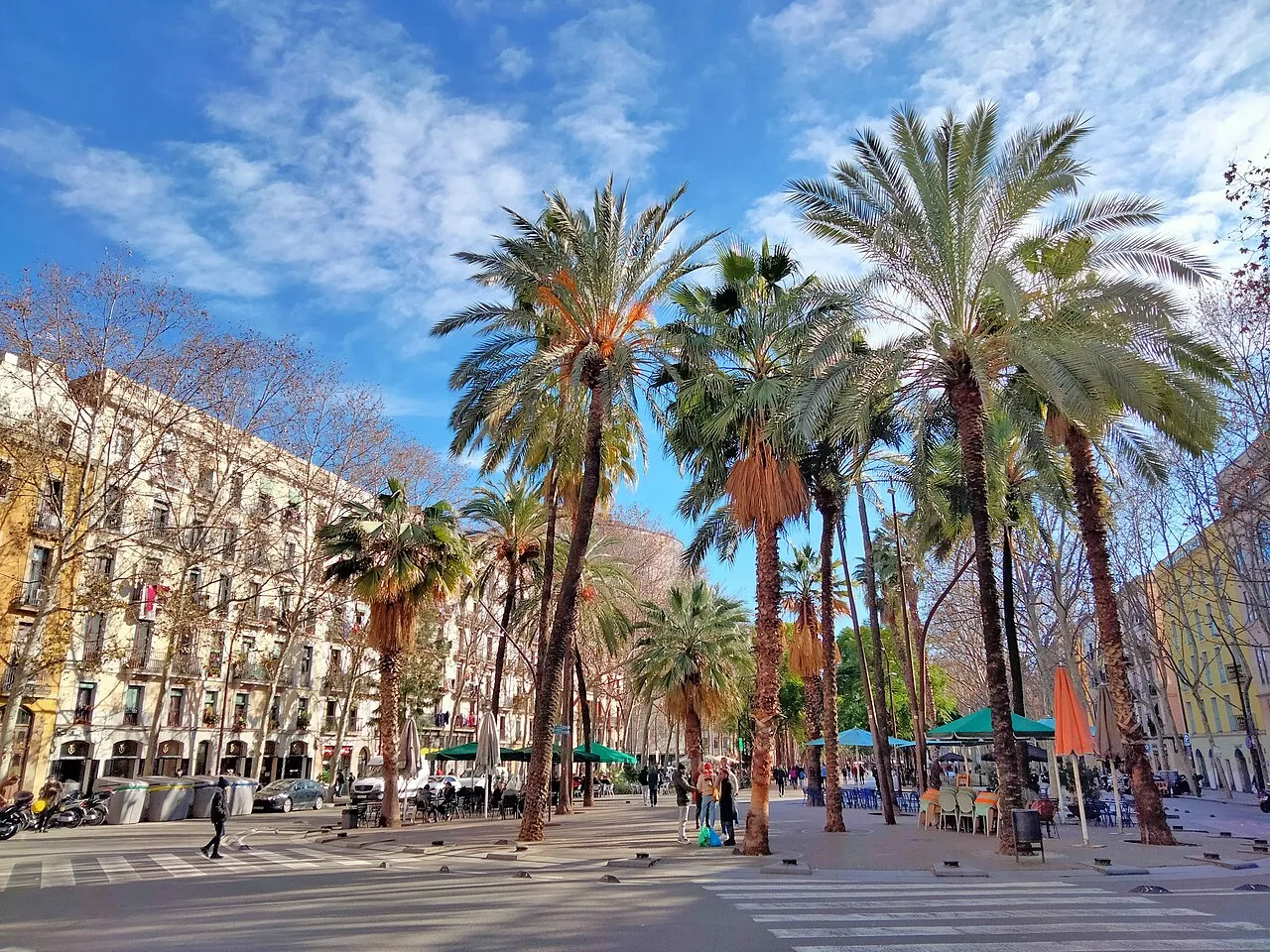
A wide promenade opened in 2000 after demolishing five blocks of houses, with palm trees and terraces. In the middle, the bronze cat by Fernando Botero, two tonnes of sculpture that the residents have adopted as the symbol of the neighbourhood and that moved several times before settling here. It is the spot where the Raval lives its life in the open air.

5Palau Güell

Palau Güell

📍 Carrer Nou de la Rambla, 3-5

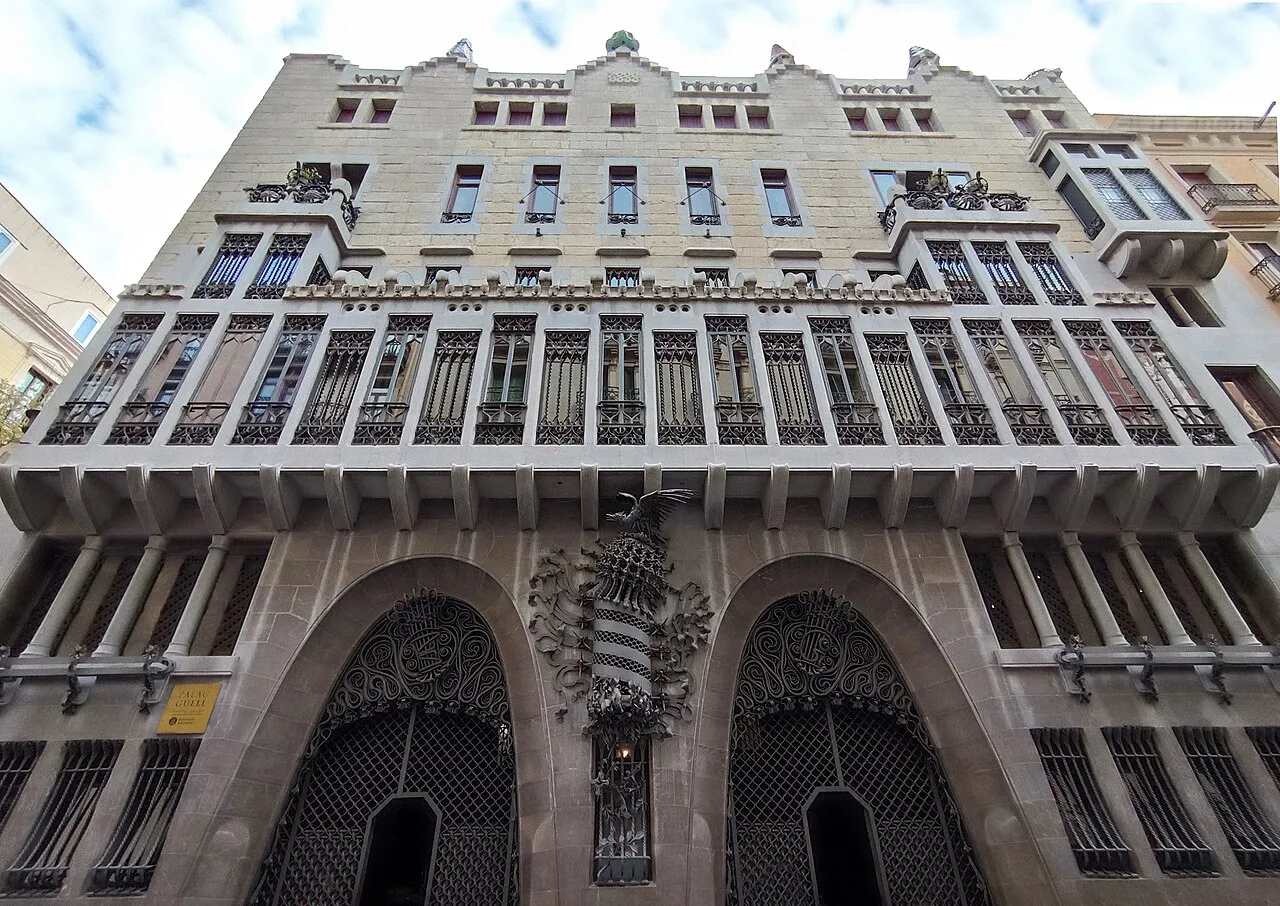
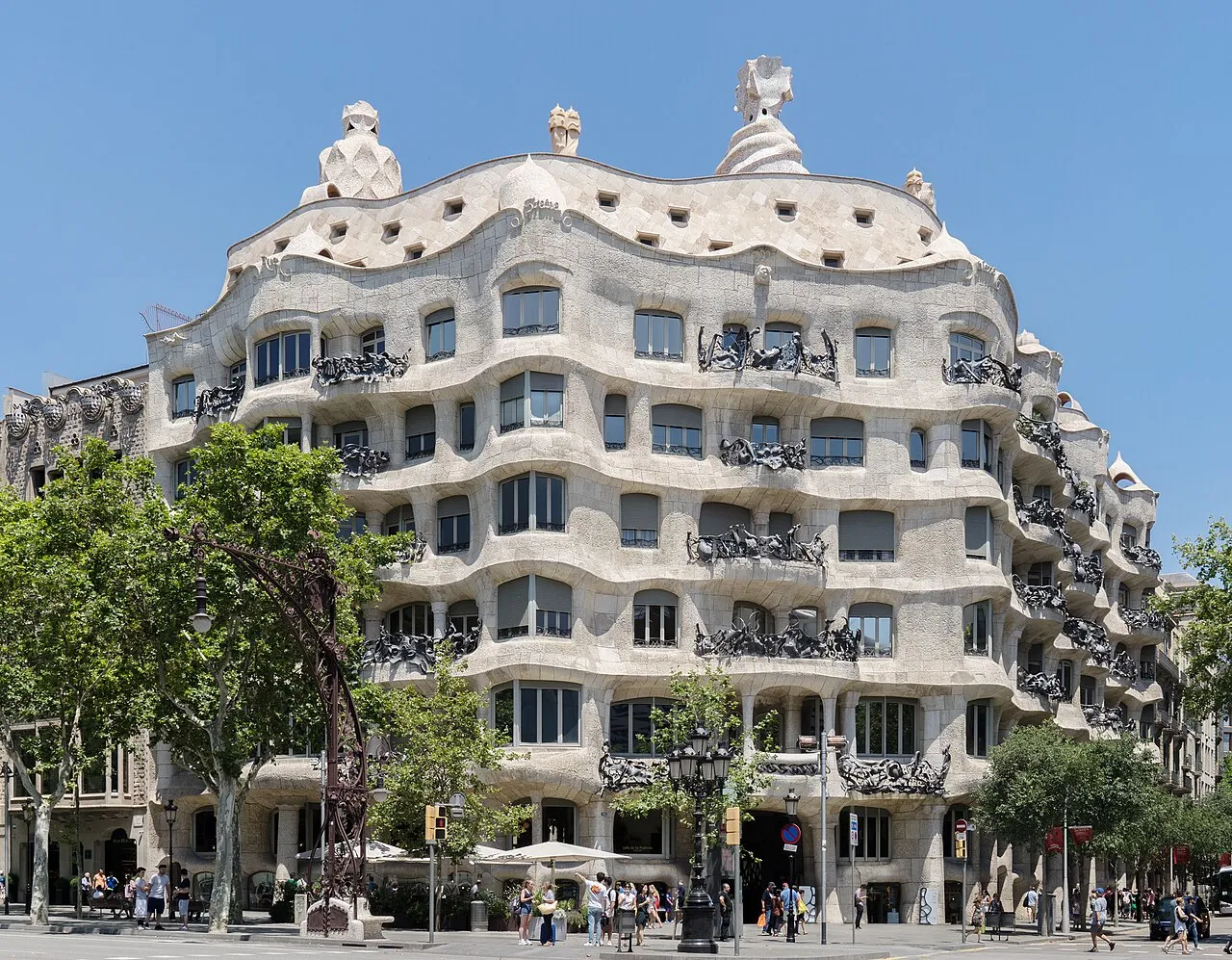
The commission that changed Gaudí's career: Eusebi Güell gave him freedom and budget to raise an urban palace with a central hall beneath a perforated dome that simulates a starry sky. The rooftop of trencadís chimneys is the first rehearsal of what he would later do at La Pedrera. A World Heritage Site, and with far fewer people than the houses in the Eixample.

6Bar Marsella

Bar Marsella

📍 Carrer de Sant Pau, 65

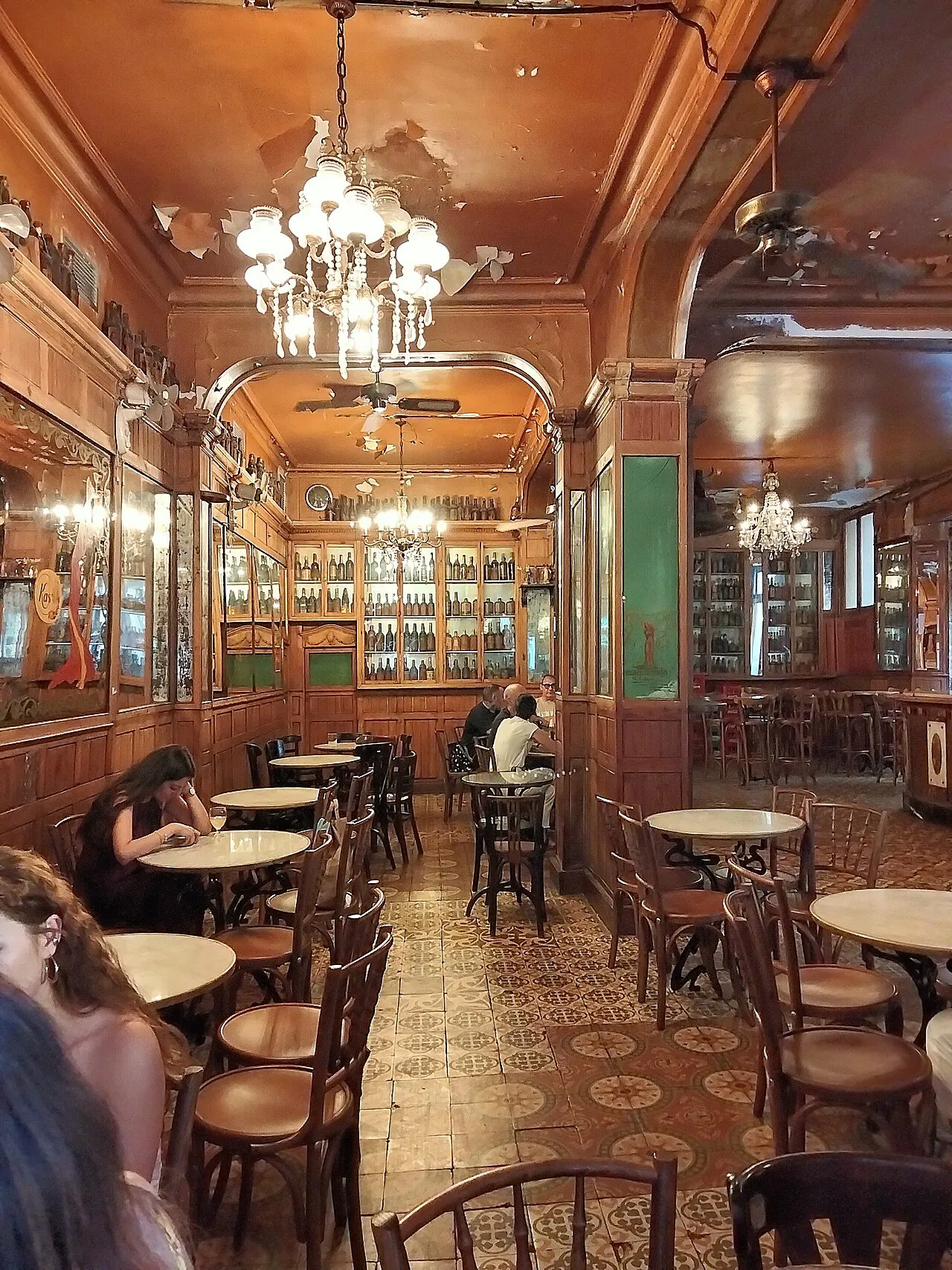
Opened in 1820 and probably the oldest bar still operating in Barcelona: rusted mirrors, dusty lamps and bottles that have not moved from the shelf in decades. It is the place where you drink absinthe with the ritual of sugar and water, and through which everyone from Hemingway to half of European bohemia passed. It is not a stage set: it remains exactly the same.

Frequently asked questions

Is the Raval in Barcelona dangerous?

It has a real problem of pickpocketing and petty theft, concentrated in the streets that open onto La Rambla and in the small hours, but violence against visitors is rare and the neighbourhood is walked by day with complete normality. The sensible recommendation is the same as for any dense area of a big European city: wallet in your front pocket, phone put away and attention in crowds. Going by day and until midnight along the streets with life poses no problems.

Why was the Raval called the “barrio chino”?

Because of a journalistic label. In the twenties, the journalist Francisco Madrid began calling the lower part of the Raval that, by analogy with the slums of San Francisco, which did have a Chinese population. Here there was none: the name was simply a way of designating a neighbourhood of cabarets, brothels and nightlife on the margins. The label became so popular that it lasted a century, and there are still people who use it.

What to see in the Raval in an afternoon?

Start in the Plaça dels Àngels with the MACBA and the CCCB, carry on along the Carrer de la Riera Baixa and its second-hand shops, go into the Gothic courtyard of the Antic Hospital de la Santa Creu — which is free and always quiet — head down the Rambla del Raval to Botero's cat and finish at Sant Pau del Camp, the oldest church in Barcelona. If you have time, add Gaudí's Palau Güell.

Where did Gaudí die?

In the Hospital de la Santa Creu, in the heart of the Raval, three days after being hit by a tram on the Gran Via on 7 June 1926. He was dressed so poorly that nobody recognised him and they took him to the paupers' ward; when they identified him and wanted to move him to a clinic, he refused. The building is today the Biblioteca de Catalunya and its Gothic courtyard can be visited freely.

Where to eat in the Raval?

It is probably the neighbourhood with the best value for money in central Barcelona and by far the most varied: there is neighbourhood Pakistani and Indian cooking, Filipino, Moroccan, Dominican and Peruvian, as well as Catalan bodegas that have been there forever. For drinking, the Bar Marsella, opened in 1820 and practically untouched, and the Bar Muy Buenas, with its Modernista marble counter. The streets around the Carrer de Joaquín Costa concentrate a good part of what is on offer.

Is the MACBA worth it if I am not interested in contemporary art?

The collection is demanding: a lot of conceptual art and quite a bit of material that requires context, so if contemporary art says nothing to you, you may well come out bewildered. But the building itself deserves the stop, and the square in front — with the skaters, the Convent dels Àngels next door and the neighbourhood all around — is free and says more about Barcelona than many galleries. The CCCB, wall to wall with it, usually has more accessible exhibitions.

How to walk it, honestly

The logical route heads south from the Plaça dels Àngels: MACBA and CCCB, the Carrer de la Riera Baixa with its second-hand shops, the Antic Hospital de la Santa Creu and its courtyard, the Rambla del Raval with the cat, and Sant Pau del Camp at the end. That is about forty minutes of walking and two hours with stops.

On safety, without exaggeration or paternalism: the Raval has a real problem of pickpocketing and petty theft, especially in the streets that open onto La Rambla and in the small hours. Violence against visitors is rare. The sensible recommendation is the same as for any dense neighbourhood in a big city: wallet in your front pocket, phone put away, and attention in crowds.

For eating, this is probably the best neighbourhood in Barcelona for value for money, and by far the most varied. There is neighbourhood Pakistani and Indian cooking, Filipino, Moroccan and Peruvian, as well as Catalan bodegas that have been there forever. And historic bars: the Marsella, from 1820, and the Muy Buenas, with its Modernista marble counter.

The best moment is the evening, between six and nine, when the neighbourhood is out in the street. In the dead of night, the liveliest areas are still pleasant and the emptiest ones are best avoided: it is exactly the same criterion you would apply in any city.

Practical information

Getting thereMetro L3 Liceu, L1/L2 Universitat or L3 Paral·lel. The whole neighbourhood can be crossed on foot in twenty minutes.
DurationTwo hours with stops. Forty minutes if you only walk.
What costs moneyMACBA, CCCB and Palau Güell. Sant Pau del Camp costs very little; the courtyard of the Antic Hospital is free.
Where to eatThe neighbourhood with the best value for money in the centre: Pakistani, Filipino and Moroccan cooking and Catalan bodegas.
Historic barsBar Marsella (1820) for absinthe and Bar Muy Buenas for its Modernista marble counter.
SafetyReal pickpocketing in the streets that open onto La Rambla and in the small hours. Wallet at the front, phone put away, common sense.
On the map

🎧 With Viavoy

Walk Barcelona and listen at your own pace

Download Viavoy and walk Barcelona offline, whenever you like.

from 2,99 €· one-off payment
City Pass · 9,99 €3 days, all the tours in Barcelona
Find out more about Viavoy →
Viavoy app

Keep reading

More articles

Itineraries

Barcelona in 2 days: the itinerary that actually works

What to see

Las Ramblas and the Boqueria: how to see them without being taken for a ride

Neighbourhoods

Barcelona's Gothic Quarter: what to see and what is really medieval

What to see

The Gaudí route in Barcelona: what to see, in what order and what to book