Las Ramblas and the Boqueria: how to see them without being taken for a ride
The most famous promenade in Spain is the bed of a torrent, the fountain that obliges you to come back is a promise from 1888 and the market has two halves: the one for photos and the one for real food.
La Rambla has become the place everyone warns you about: too many people, absurd prices, pickpockets. All of that is true and even so it is still one of the most interesting streets in Europe, provided you know what you are looking at and at what time. Here are the five things genuinely worth stopping for, the two halves of the Mercat de la Boqueria and the specific traps worth dodging.
The Boqueria has two zones: the one at the entrance, aimed at visitors and expensive, and the back, where the locals and the restaurants shop. Walk forty metres further and everything changes.
A street that was a river
La Rambla was not planned as a promenade: it is the bed of a riera, a seasonal torrent that came down from Collserola and ran outside the medieval wall, carrying water only when it rained. The word comes from the Arabic “ramla”, meaning sandy ground, a bed of sand.
From the fifteenth century, with the wall extended, the bed was gradually built up: first convents and colleges along its edges, then the trees and the paving. The result is a promenade of a kilometre and a bit that runs straight down to the sea, with exactly the shape the water gave it.
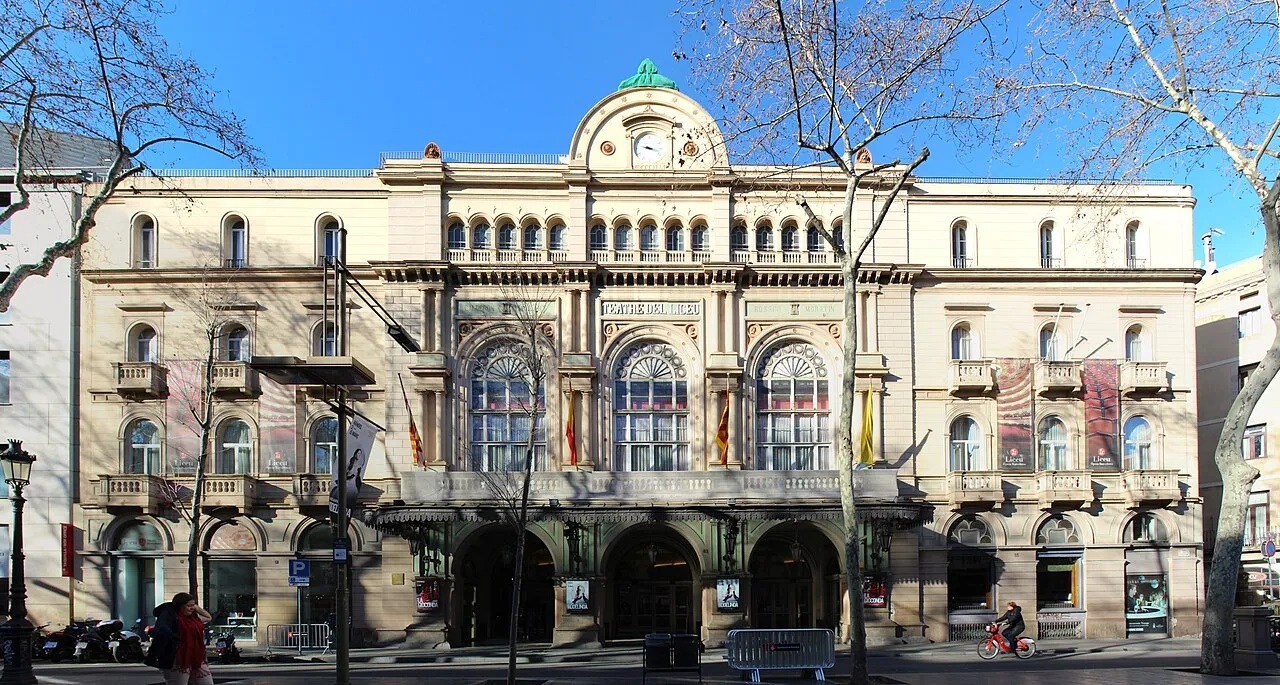
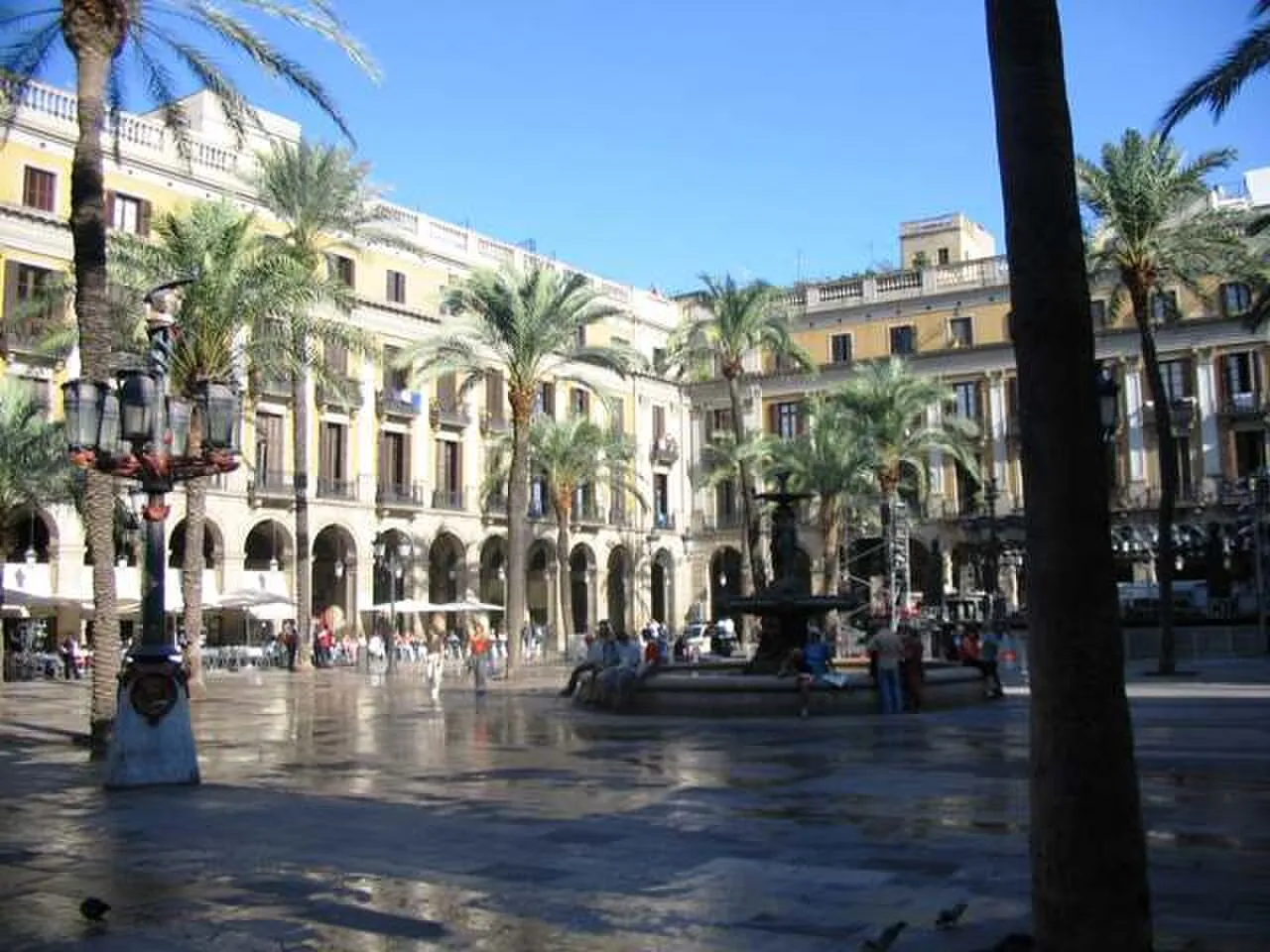
When the nineteenth-century disentailments emptied the convents, their plots made room for the buildings that define it today: the Gran Teatre del Liceu on the Trinitarian convent, the Mercat de la Boqueria on that of Sant Josep, the Plaça Reial on that of the Capuchins. Today's Rambla is, literally, what was left when the convents were demolished.
1
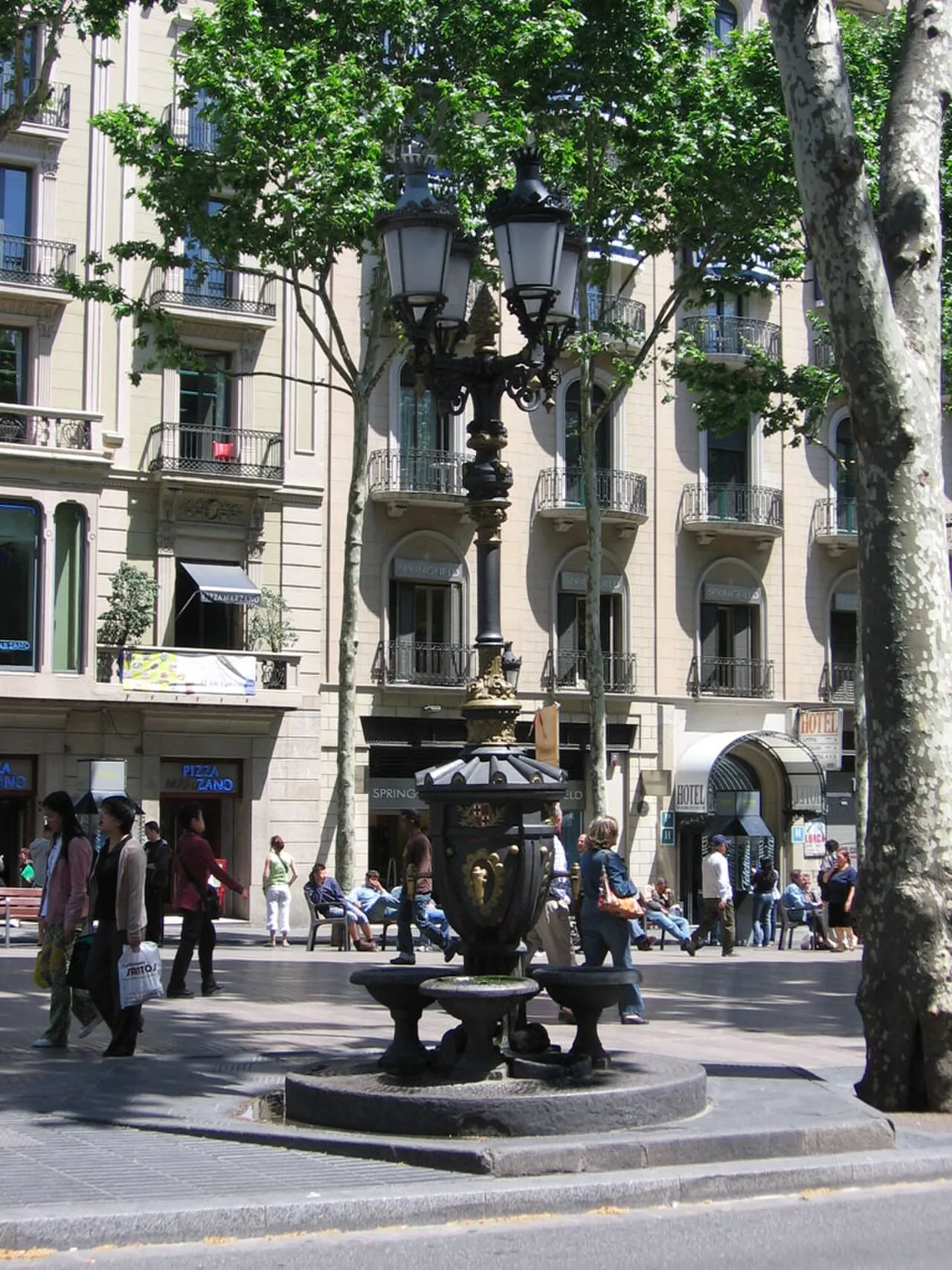
Font de Canaletes
📍 Start of La Rambla
An iron fountain from 1888 with a promise attached: whoever drinks from it returns to Barcelona. It is also the place where Barça supporters have celebrated titles for decades, and where for a good part of the twentieth century football was argued over so vehemently that the corner was called “la peña de Canaletes”. The legend of the water is nineteenth-century marketing that worked.
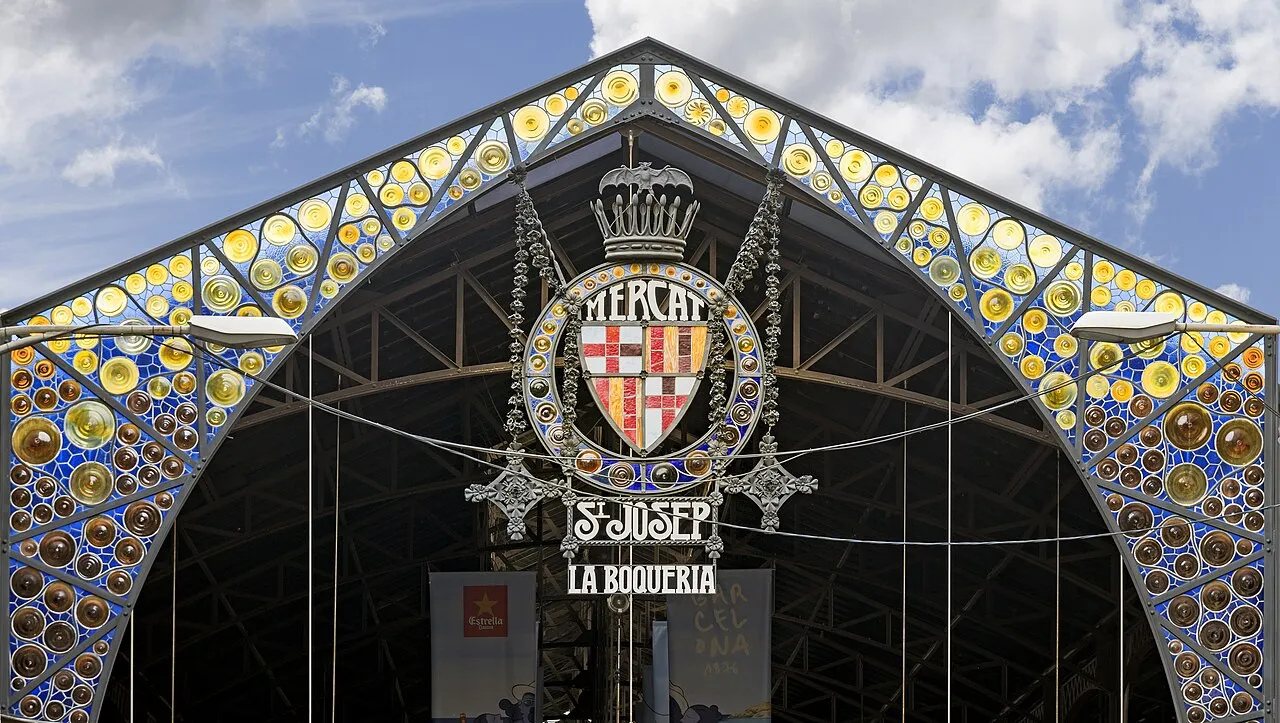
Documented since the thirteenth century as an open-air market and covered with an iron structure from 1840. It is the most famous market in Spain and also the most strained: the area at the entrance has been turned towards the visitor, with juices and cones of ham at souvenir prices. The back, on the other hand, is still the real market, with fishmongers and offal stalls where the restaurants shop.
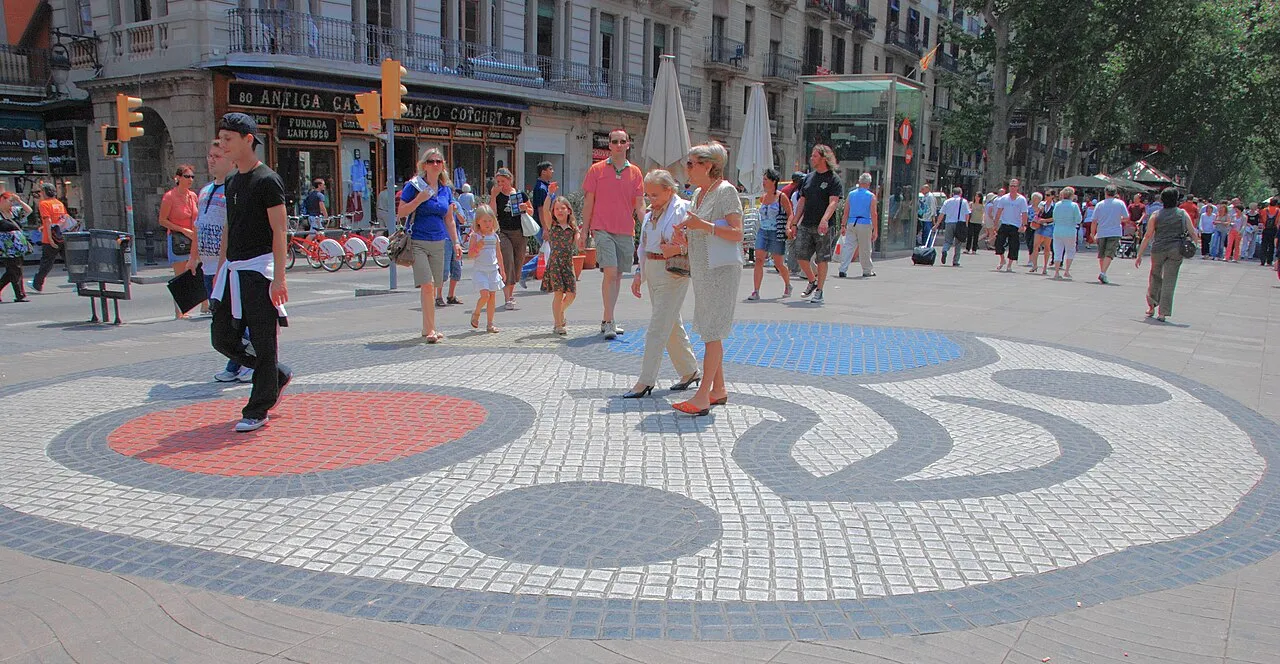
A circular mosaic by Joan Miró set into the paving in 1976, in red, blue, yellow and black, at exactly the midpoint of the promenade. It is signed on one of its tiles and tens of thousands of people walk over it every day without seeing it. Miró placed it here on purpose: he wanted to welcome those arriving from the port with a work at ground level.
Download the app and discover Barcelona offline, whenever you like. Take the walking tour Las Ramblas and the Boquería Market with a local guide in your ear.
The Gran Teatre del Liceu, opened in 1847 and rebuilt twice after two fires, the last in 1994. It was the theatre of the Catalan industrial bourgeoisie and it is still one of the great opera houses of Europe. It is visited on a guided tour and the Saló dels Miralls, which survived both fires, is the piece you need to see.
The Plaça Reial, entered through a passage from La Rambla: arcaded, with palm trees and a central fountain, and with two lampposts designed by Gaudí in 1879, when he was a newly qualified architect. They were his first municipal commission, and almost nobody looks at them.
The Palau Güell, fifty metres from La Rambla along the Carrer Nou de la Rambla: the work that established Gaudí, with its rooftop of trencadís chimneys and a hall beneath a perforated dome that simulates a starry sky. It is a World Heritage Site and has a fraction of the queue of the houses in the Eixample.
And the Mirador de Colom at the end, where La Rambla reaches the sea. Its lift goes up to a platform from which you see the whole promenade from top to bottom: it is the only point in the city where you can appreciate its shape as a riverbed.
4
Gran Teatre del Liceu
📍 La Rambla, 51-59
Opened in 1847 as the theatre of the Catalan industrial bourgeoisie, it burned in 1861 and again in 1994, and both times it was rebuilt by subscription among its own members. The Saló dels Miralls survived both fires and is what you need to see on the guided visit. In 1893 it also suffered an anarchist bombing during a performance, one of the harshest episodes of the Barcelona of the time.
An arcaded square with palm trees and a fountain, raised on the plot of a disentailed convent. Its two six-armed lampposts were designed by Antoni Gaudí in 1879, newly qualified: it was his first commission from the City Council and almost nobody sitting on the terraces around knows they are there. At night it concentrates a good part of the neighbourhood's nightlife.
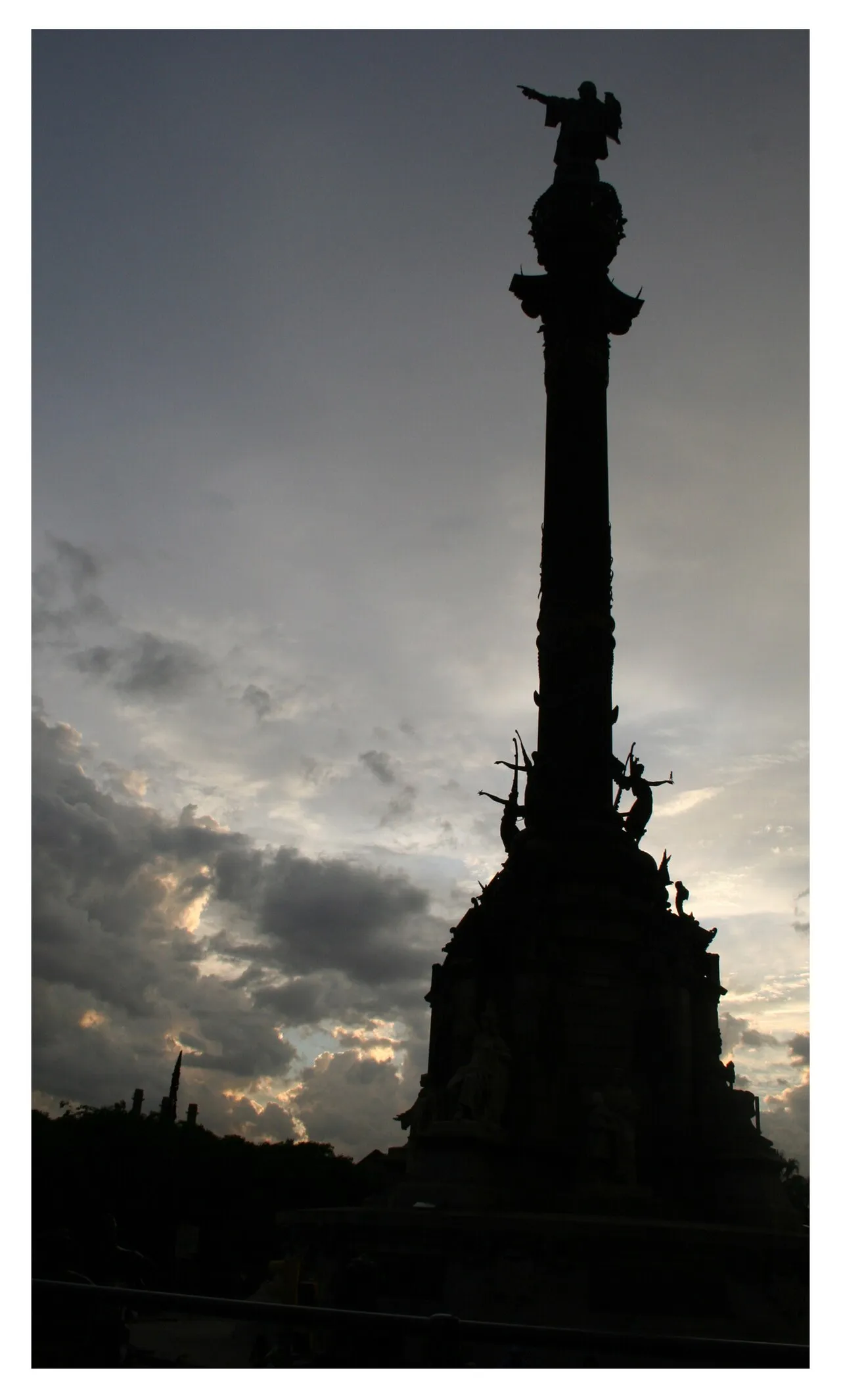
Sixty metres of column crowned by a bronze Columbus, raised for the Universal Exhibition of 1888. The local joke is now part of the monument: the arm points to the Mediterranean, not to America. Its lift goes up to a viewing platform from which you see the whole of La Rambla up to Plaça de Catalunya, the only point where you can appreciate its shape as a riverbed.
The terraces on La Rambla. They charge for the location and serve food that on any other street would cost half. There is no restaurant on the promenade itself that justifies sitting down for its cooking; the ones there are justify themselves by the view, and the view is a street full of people.
The juices and the cones of ham at the entrance to the Boqueria. They are designed for the photo and for eating on the move, and the price reflects it. Forty metres further in, the same stalls sell fruit and ham at market prices, and there are counters where you eat very well: El Quim and the stalls at the back.
The pickpockets. It is the spot in Spain with the highest recorded incidence and they operate professionally: group distractions, fake shoves, unsolicited help. Backpack on your front, phone in your front pocket and no wallet in the back one solve ninety per cent of it.
And the human statues: they are no longer there. The City Council removed them from the promenade years ago and relocated them, so if someone offers you a photo for money on La Rambla, it is not what you think.
Frequently asked questions
Is it worth seeing Las Ramblas in Barcelona?
Yes, if you know what to look at and go at the right time. As a shopping promenade it is saturated and expensive, but it concentrates five things worth stopping for: the Mercat de la Boqueria, the Gran Teatre del Liceu, the Miró mosaic in the paving, the Plaça Reial with Gaudí's lampposts and the Mirador de Colom at the end. Go before nine in the morning: from eleven onwards it is a continuous river of people.
Why is it called La Rambla?
Because it was the bed of a riera, a seasonal torrent that came down from the Collserola hills outside the medieval wall and only carried water when it rained. The word comes from the Arabic “ramla”, meaning sandy ground or a bed of sand. From the fifteenth century the bed was gradually built up, first with convents along its edges and then with trees and paving, but the straight shape sloping down to the sea is the one the water gave it.
Is the Boqueria expensive?
The area at the entrance, yes: the juices, the cones of ham and the fast-food stalls aimed at visitors have tourist-souvenir prices. But the Boqueria has two halves. Forty metres further in is the real market, with fishmongers, offal stalls and greengrocers where the locals and the city's restaurants shop, and with counters where you eat very well at normal prices. The difference is literally walking a little further.
What happened to the human statues on Las Ramblas?
The City Council removed them from the promenade. For years they were one of La Rambla's hallmarks, with dozens of performers working on the central stretch, but the saturation, the disputes over pitches and the complaints about the promenade being taken over led first to limits and then to relocation. If today someone offers you a photo for money on the promenade, be wary: it is not part of the regulated activity.
Is it true that if you drink from the Canaletes fountain you return to Barcelona?
It is a nineteenth-century legend, and it worked extraordinarily well as marketing: today every guide in the world repeats it. The iron fountain dates from 1888, from the same drive as the Universal Exhibition. What is true and verifiable is its other function: it is the place where Barça supporters have celebrated titles for decades, and where for a good part of the twentieth century football was argued over daily.
Are there many pickpockets on Las Ramblas?
It is the spot in Spain with the highest recorded incidence, and they operate in an organised way: group distractions, fake shoves, unsolicited help with luggage or with a stain on your clothes. It involves no risk of violence, but it does involve the risk of losing your wallet, phone or documents. With your backpack on your front, your phone in your front pocket and nothing in the back one, most of the problem is solved.
Practical information
Getting thereMetro L3 Catalunya, Liceu or Drassanes, all three on the promenade itself.
DurationAn hour and a half walking down with stops. With the Liceu and the Palau Güell, half a day.
What costs moneyThe Liceu (guided visit), the Palau Güell and the Mirador de Colom. The Boqueria and the Plaça Reial are free.
The BoqueriaMonday to Saturday in the morning. Closed on Sundays. Go to the back, do not stay at the entrance.
Best timeBefore nine in the morning. From eleven onwards the promenade is a continuous river of people.
SafetyThe highest incidence of pickpocketing in Spain. Backpack on your front, phone in your front pocket.
🎧 With Viavoy
Walk Barcelona and listen at your own pace
Download Viavoy and walk Barcelona offline, whenever you like.
from 2,99 €· one-off payment
City Pass · 9,99 €3 days, all the tours in Barcelona