El Born: the Barcelona of the merchants and of 1714
Neighbourhoods · Barcelona

El Born: the Barcelona of the merchants and of 1714

Gothic palaces with open courtyards, the best church in the city, a razed neighbourhood that appeared beneath a market and the century-old shops still trading.

10 min read · Updated for 2026
🎧 On the walk El Born, Santa Maria del Mar and Picasso

For centuries El Born was the richest neighbourhood in Barcelona: this is where the merchants and shipowners lived who made the city a Mediterranean power, and with that money they built a whole street of palaces and a basilica that is still the best of Catalan Gothic. Then came 1714, and part of the neighbourhood literally disappeared from the map. The two stories, that of splendour and that of demolition, can be walked today in twenty minutes.

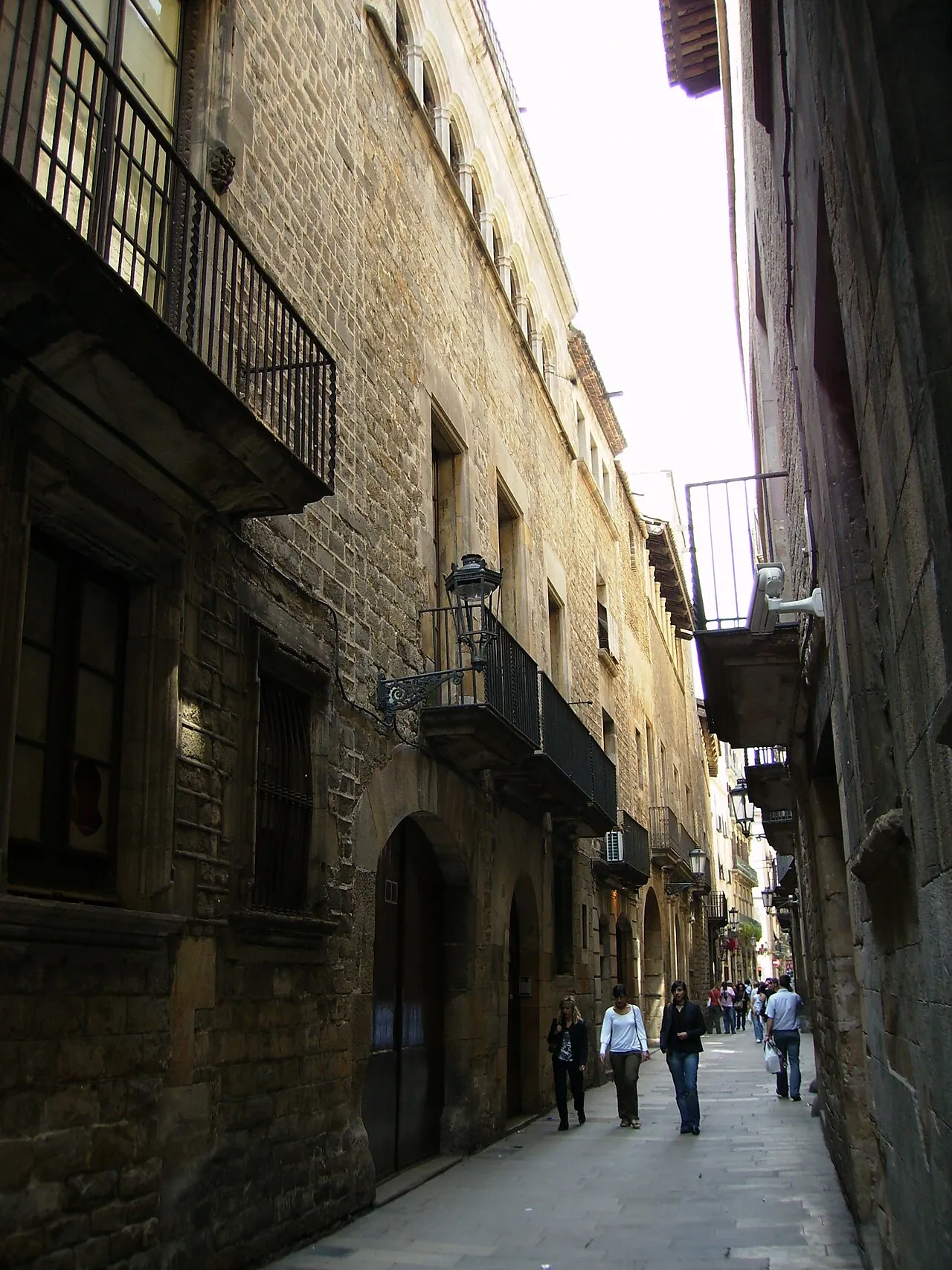
The courtyards of the palaces on the Carrer de Montcada usually have their gates open during the day. Nobody invites you in and nobody stops you: it is the best and the freest thing in the neighbourhood.

The money from the sea

Between the thirteenth and fifteenth centuries, Barcelona controlled trade routes across the whole Mediterranean, and the Ribera neighbourhood — what we now call El Born — was where those who financed them lived. The Consolat de Mar, the maritime commercial court that drew up one of the first codes of commercial law in Europe, operated a few metres from here.

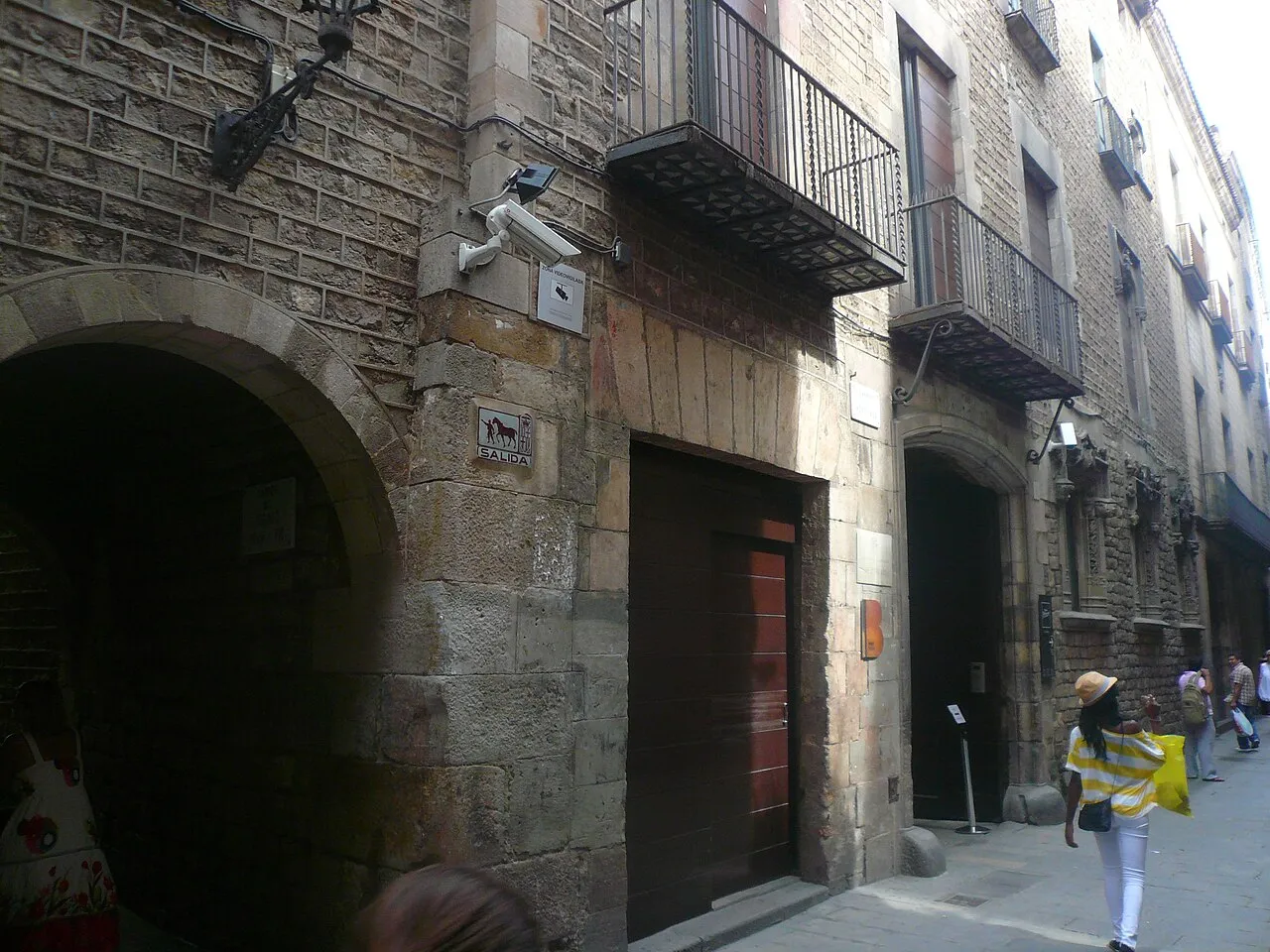
That money shows on the Carrer de Montcada: enormous gateways, courtyards with open staircases climbing to the piano nobile, and a scheme repeated house after house. It is Catalan civil Gothic in its purest state, so well preserved that in 1947 the whole street was declared a historic-artistic monument.

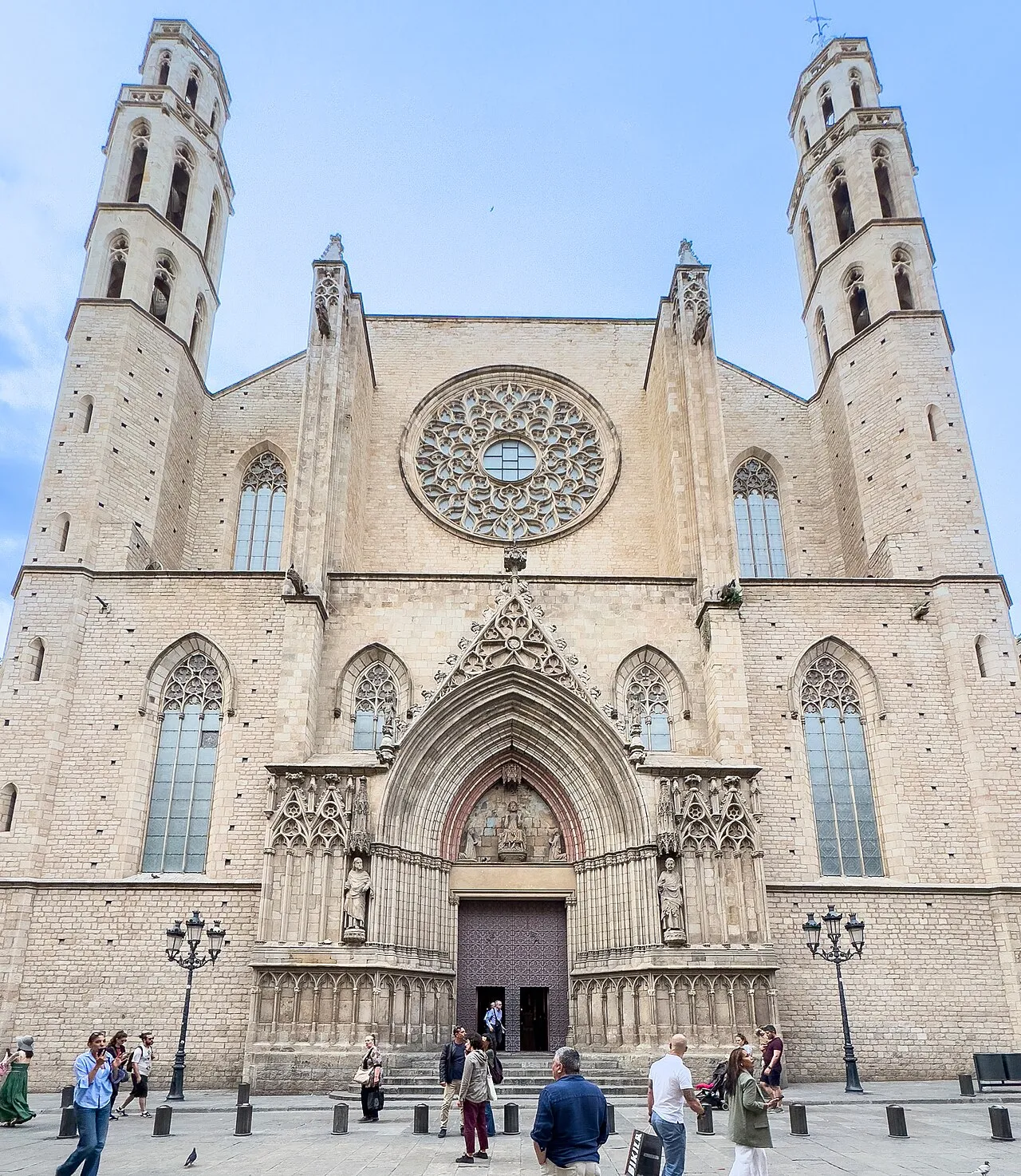
And it shows, above all, in Santa Maria del Mar, financed by the guilds and built in only fifty-five years. Its technical feat — thirteen metres between columns, the widest span in European Gothic — produces an interior that resembles no other church. And carved on its bronze doors are the bastaixos, the port's dockers who carried the stones on their shoulders from Montjuïc.

1Santa Maria del Mar

Santa Maria del Mar

📍 Plaça de Santa Maria

The summit of Catalan Gothic, raised between 1329 and 1384 by the neighbourhood itself. Its decisive feature is structural: thirteen metres between columns, the widest span in all of European Gothic, which turns the interior into something like a forest. In 1936 it burned for eleven days and the fire took the added Baroque with it; the bare Gothic that impresses today is partly a consequence of the blaze.

2Carrer de Montcada

Carrer de Montcada

📍 The Born's main axis

The civil Gothic street par excellence: gateways, shaded courtyards and open staircases to the piano nobile, repeated palace after palace since the thirteenth century. Behind those façades there are five museums, the Baroque staircase of the Palau Dalmases and two institutions that have been here for more than a century: El Xampanyet, from 1929, and Casa Gispert, from 1851, with its original wood-fired oven.

3Picasso Museum

Picasso Museum

📍 Carrer de Montcada, 15-23

Five Gothic palaces joined together inside and more than four thousand works centred on the painter's formative years: the teenager who lived ten minutes away and still signed as Pablo Ruiz. Here is “Science and Charity”, finished at fifteen, and the complete series of the 58 variations on Las Meninas, which cannot be seen together anywhere else in the world.

🎧 With Viavoy

Explore Barcelona at your own pace

Download the app and discover Barcelona offline, whenever you like. Take the walking tour El Born, Santa Maria del Mar and Picasso with a local guide in your ear.

Find out more about Viavoy →

1714 and the neighbourhood that disappeared

Three stops in three hundred metres tell the same story.

Barcelona withstood thirteen months of siege in the War of Succession and fell on 11 September 1714 to the troops of Philip V. The repression that followed was not only political — abolition of the Catalan institutions, a ban on the official use of Catalan — it was also urban.

To build a military citadel that would watch over the city from within, an entire neighbourhood was razed: more than a thousand families were expelled and their houses demolished, largely by the residents themselves, who were forced to do it. That neighbourhood was right here, and it disappeared within months.

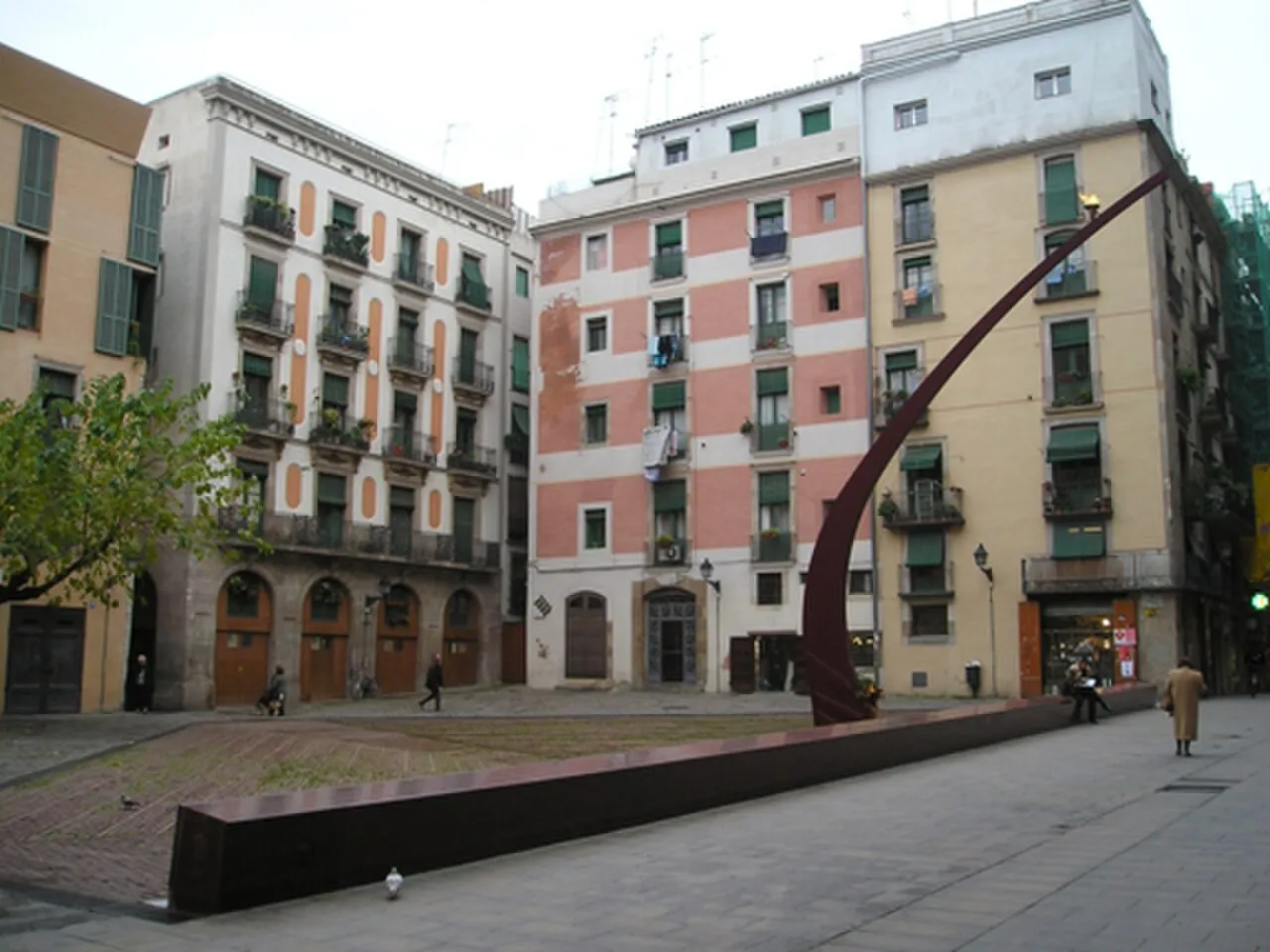
The Fossar de les Moreres, beside Santa Maria del Mar, is where the fallen of the siege were buried; today it is an austere square with a flame that never goes out and the verse by Frederic Soler engraved on the base. And three minutes away, El Born Centre de Cultura i Memòria preserves the excavated streets and houses of that neighbourhood, which appeared by accident when the old market was being refurbished.

To close the circle, cross over to the Parc de la Ciutadella: the park occupies the ground where the fortress stood, which was demolished in 1869 and turned into a public garden. Of the punishment castle there remain today the chapel, the governor's residence and the arsenal, which is the seat of the Parlament de Catalunya.

4Fossar de les Moreres

Fossar de les Moreres

📍 Beside Santa Maria del Mar

A deliberately bare square with a permanent flame over the cemetery of the defenders who fell in 1714. Engraved on the brazier is the verse by Frederic Soler: “no traitor is buried here”. Every 11 September it fills with flowers. Franco banned the commemoration; it did not become official again until 1980.

5El Born Centre de Cultura i Memòria

El Born Centre de Cultura i Memòria

📍 Plaça Comercial, 12

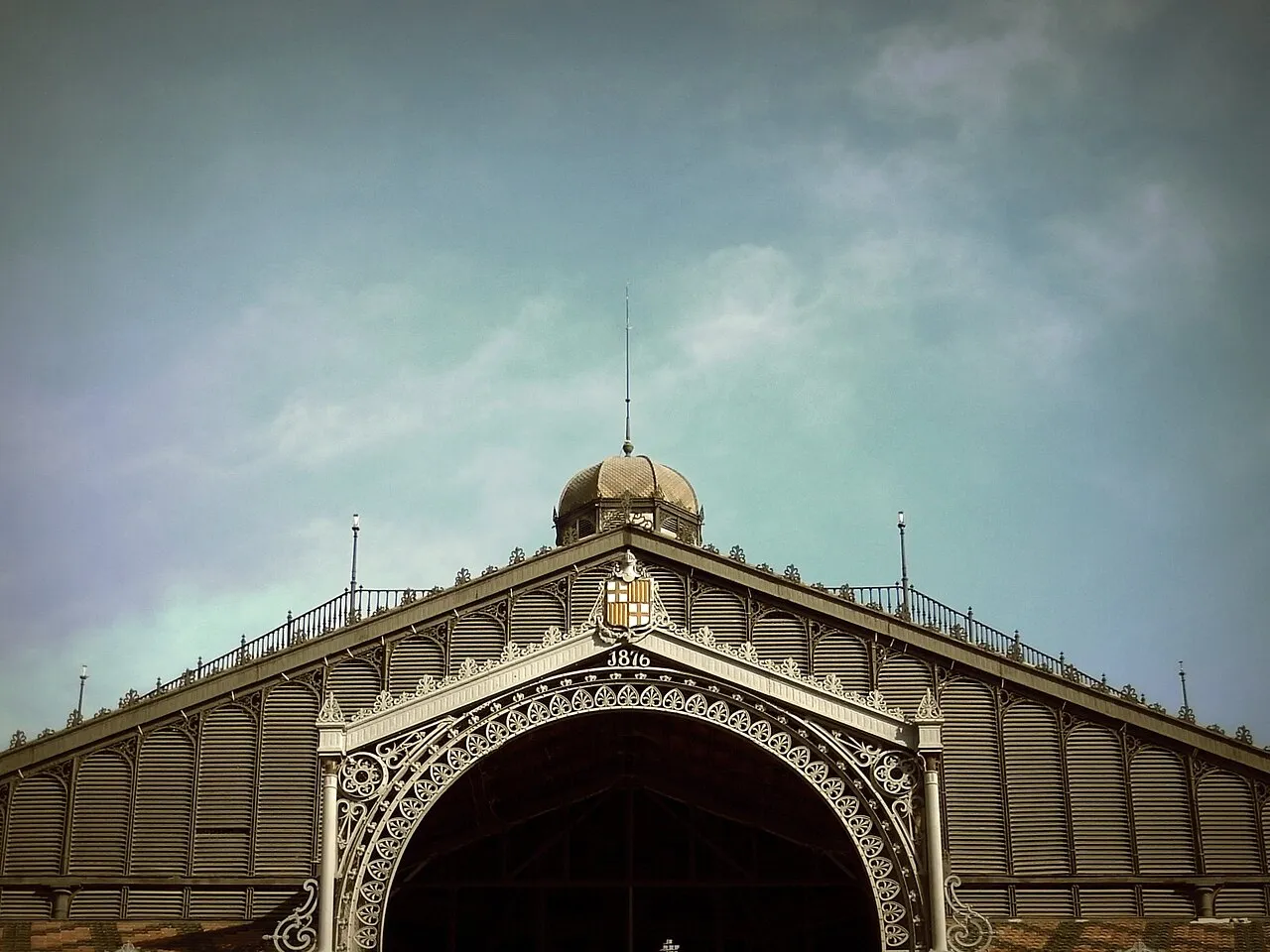
Eight thousand square metres of roofless neighbourhood from 1700, beneath an iron hall from 1876. You walk through it on walkways suspended over the streets, the wells and the workshops. They appeared while digging to turn the market into a library, and they are the houses that Philip V's troops razed. It opened on 11 September 2013.

6Mercat de Santa Caterina

Mercat de Santa Caterina

📍 Av. de Francesc Cambó, 16

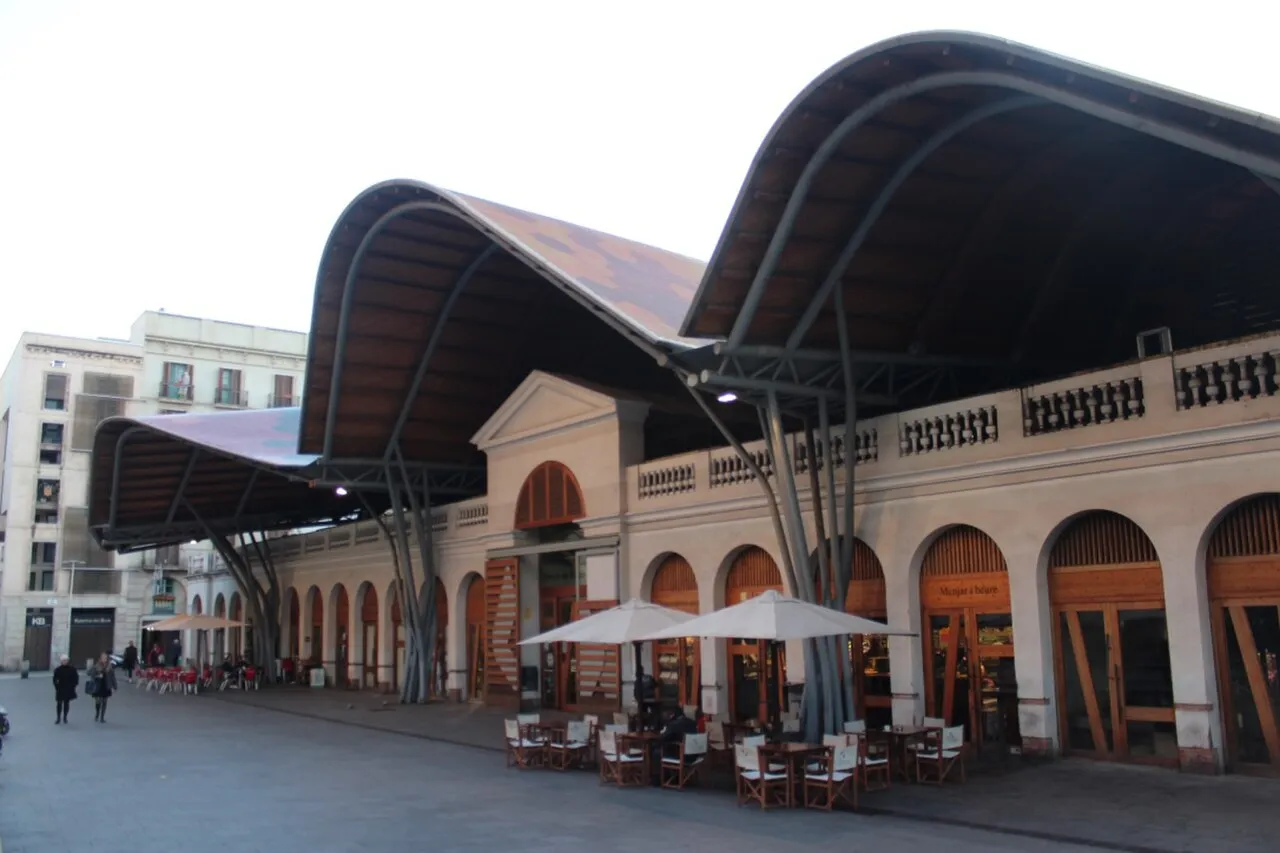
The oldest covered market in Barcelona, refurbished by Miralles and Tagliabue with a roof of 325,000 ceramic hexagons in 67 colours that draws a still life seen from the sky. Beneath it appeared the foundations of the Gothic convent the city burned down in 1835, visible inside today. And it is still a real market, with neighbourhood prices.

Frequently asked questions

What to see in El Born, Barcelona?

Santa Maria del Mar, the summit of Catalan Gothic; the Carrer de Montcada with its palaces and open courtyards; the Museu Picasso; the Fossar de les Moreres with its permanent flame; El Born Centre de Cultura i Memòria, with the neighbourhood of 1700 excavated beneath an iron market; and the Mercat de Santa Caterina with its ceramic roof. All of it fits into a good two hours and the neighbourhood can be crossed on foot in ten minutes.

What is the difference between El Born and the Gothic Quarter?

A single avenue separates them, the Via Laietana, opened in 1908 through the medieval fabric. The Gòtic is the Barcelona of Rome and of power — wall, cathedral, city hall, Generalitat —; El Born is the Barcelona of trade and the sea, where the merchants who financed the Mediterranean routes lived. The Gòtic receives many more visitors; El Born has more neighbourhood life and considerably better food.

Why is 1714 important in El Born?

Because the neighbourhood was the direct stage for the consequences of the siege. Barcelona held out for thirteen months and fell on 11 September 1714; afterwards, to raise a military citadel for surveillance, an entire part of the neighbourhood was razed and more than a thousand families were expelled. The Fossar de les Moreres commemorates the dead, El Born CCM preserves the excavated demolished houses and the Parc de la Ciutadella occupies the ground of that fortress.

Can you enter the palaces on the Carrer de Montcada for free?

The courtyards, yes, in most cases: the gates are usually open during the day and nobody stops you going in to look at the courtyard and the staircase. What you pay for is access to the museums that occupy those palaces: the Museu Picasso and the Museu de Cultures del Món. The Palau Dalmases, with its Baroque staircase, works as a venue for concerts and flamenco, so you get in by ordering a drink.

Is El Born Centre de Cultura i Memòria worth it?

Very much so, and besides, access to the hall and to the general view of the site is free, so you can peek in without paying anything. What requires a ticket are the exhibitions and the guided route inside the excavation, which is what turns the visit into something more than a photo from the railing. Allow an hour if you do the full route.

Where to eat in El Born without falling into traps?

Get away from the Passeig del Born and the Plaça de Santa Maria, which are the areas where you pay for the view. The inner streets — Banys Vells, Sombrerers, Flassaders — have considerably better bars and bodegas. El Xampanyet, opened in 1929, is the neighbourhood institution: cava, anchovies and tinned delicacies standing up, no reservations. And the Mercat de Santa Caterina, five minutes away, sorts out any meal at neighbourhood prices.

How to walk it and where to eat

El Born is small and the logical route takes a good two hours: Mercat de Santa Caterina, Carrer de Montcada with its courtyards, Museu Picasso, Santa Maria del Mar, Fossar de les Moreres and the Born CCM. From there you come out directly into the Parc de la Ciutadella or cross to the Gothic Quarter over the Via Laietana.

The streets that reward you most are the ones that lead nowhere famous: the Carrer dels Banys Vells, the Carrer dels Sombrerers, the Carrer de l'Argenteria. They keep their medieval width and many of their shops are small workshops, not franchises.

For eating and drinking, the rule is the usual one: the Passeig del Born and the Plaça de Santa Maria are the expensive areas; one street further in changes the price. El Xampanyet, from 1929, with its walls lined in tiles, is an institution where you order cava and anchovies standing up and there are no reservations. Casa Gispert, from 1851, sells nuts roasted in a wood-fired oven.

And the best moment in the neighbourhood is a weekday night, when the groups have gone, the shops are closed and the narrow streets are left with their original width and very few people.

Practical information

Getting thereMetro L4 Jaume I, in the centre of the neighbourhood. From the Cathedral, 8 minutes on foot.
DurationA good two hours with stops. The whole neighbourhood can be crossed on foot in ten minutes.
What costs moneyThe Museu Picasso and the exhibitions at the Born CCM. Santa Maria del Mar, the Fossar and the Montcada courtyards are free.
BookingMuseu Picasso online: the ticket-office queues are long all year round.
Where to eatEl Xampanyet (1929) and the inner streets. Avoid the Passeig del Born and the Plaça de Santa Maria.
Best momentA weekday night. The streets recover their medieval width and there is nobody about.
On the map

🎧 With Viavoy

Walk Barcelona and listen at your own pace

Download Viavoy and walk Barcelona offline, whenever you like.

from 2,99 €· one-off payment
City Pass · 9,99 €3 days, all the tours in Barcelona
Find out more about Viavoy →
Viavoy app

Keep reading

More articles

Itineraries

Barcelona in 2 days: the itinerary that actually works

Neighbourhoods

Barcelona's Gothic Quarter: what to see and what is really medieval

Food & drink

Tapas and markets in Barcelona: where the city really eats

Neighbourhoods

El Raval: Barcelona's most mixed neighbourhood, without the clichés