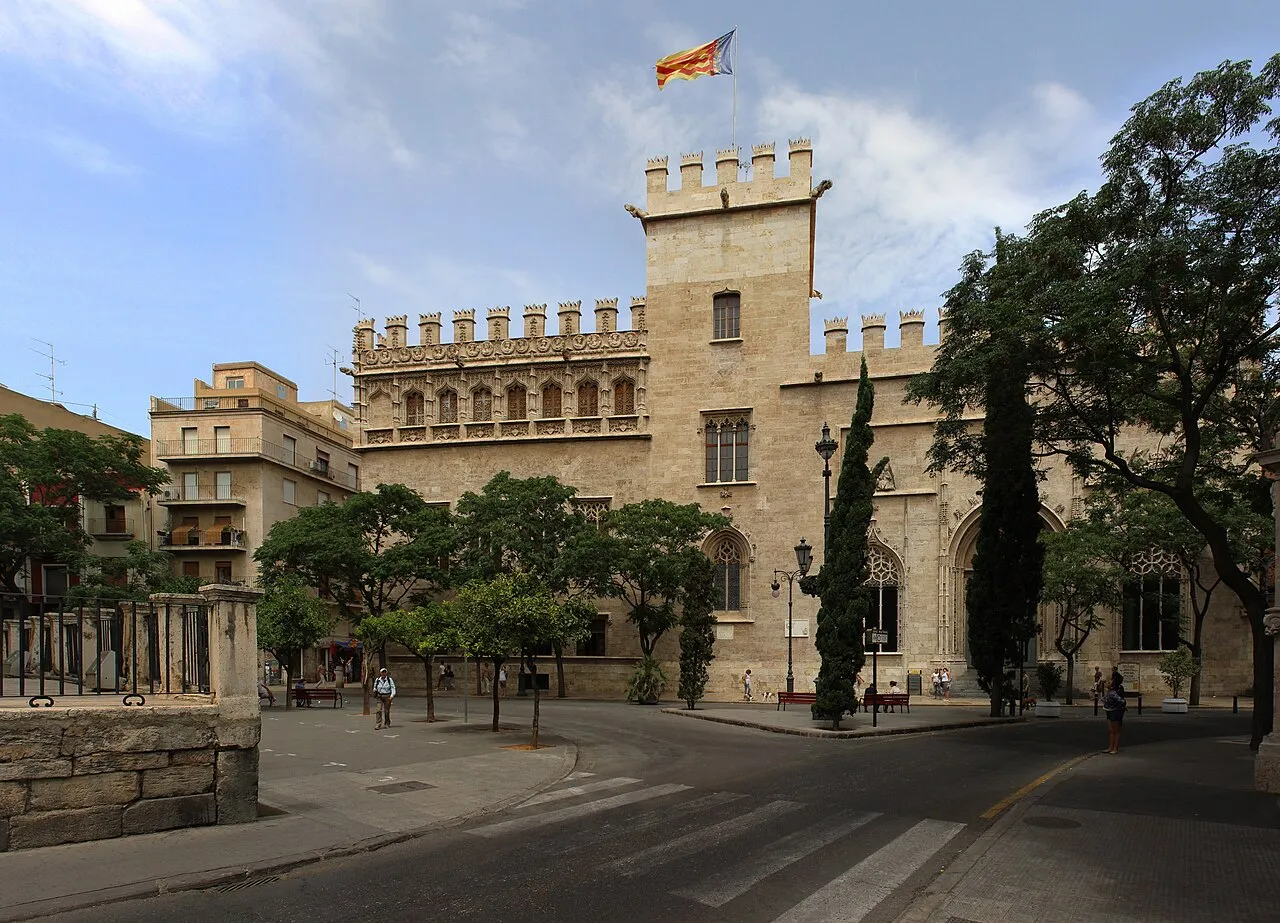
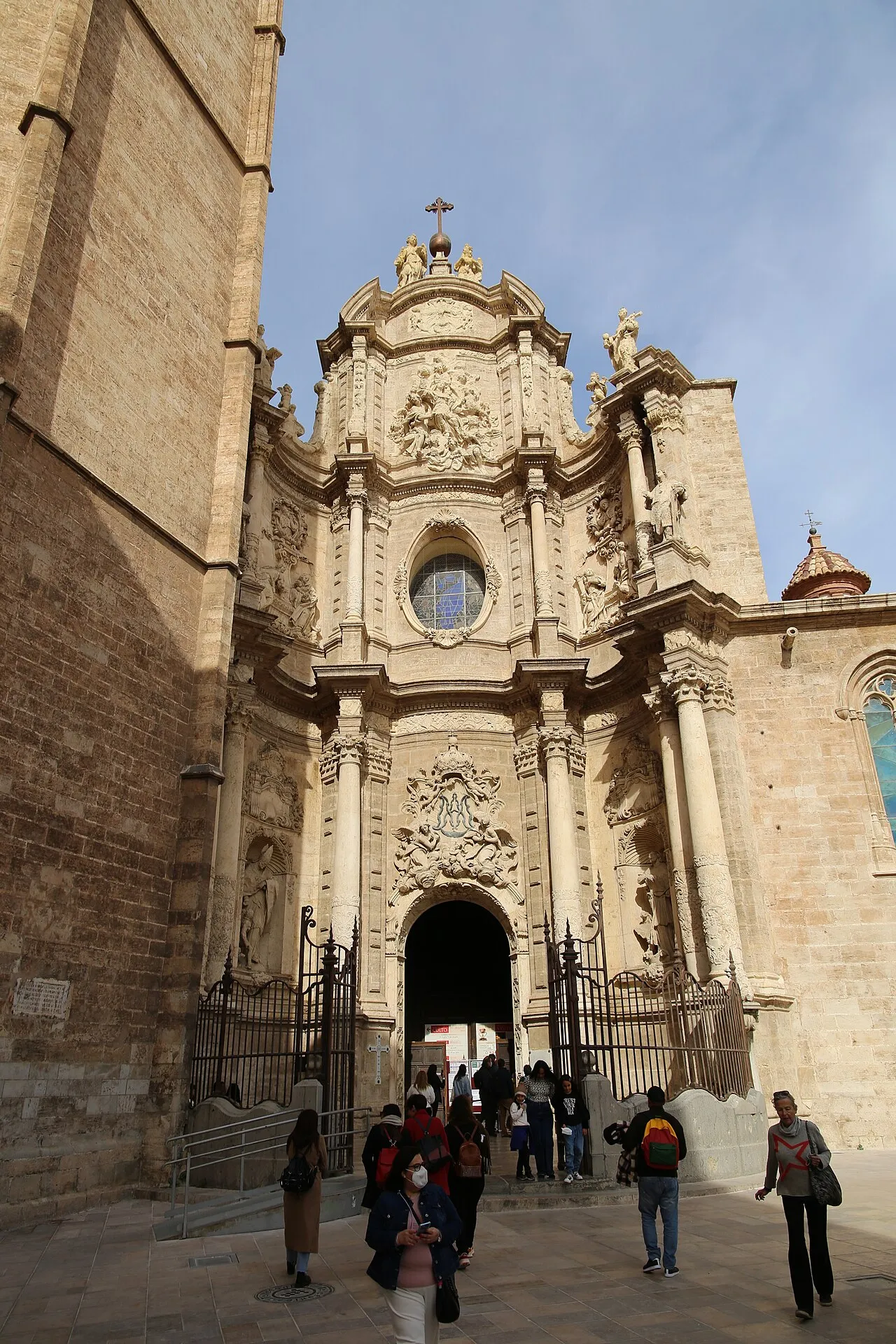
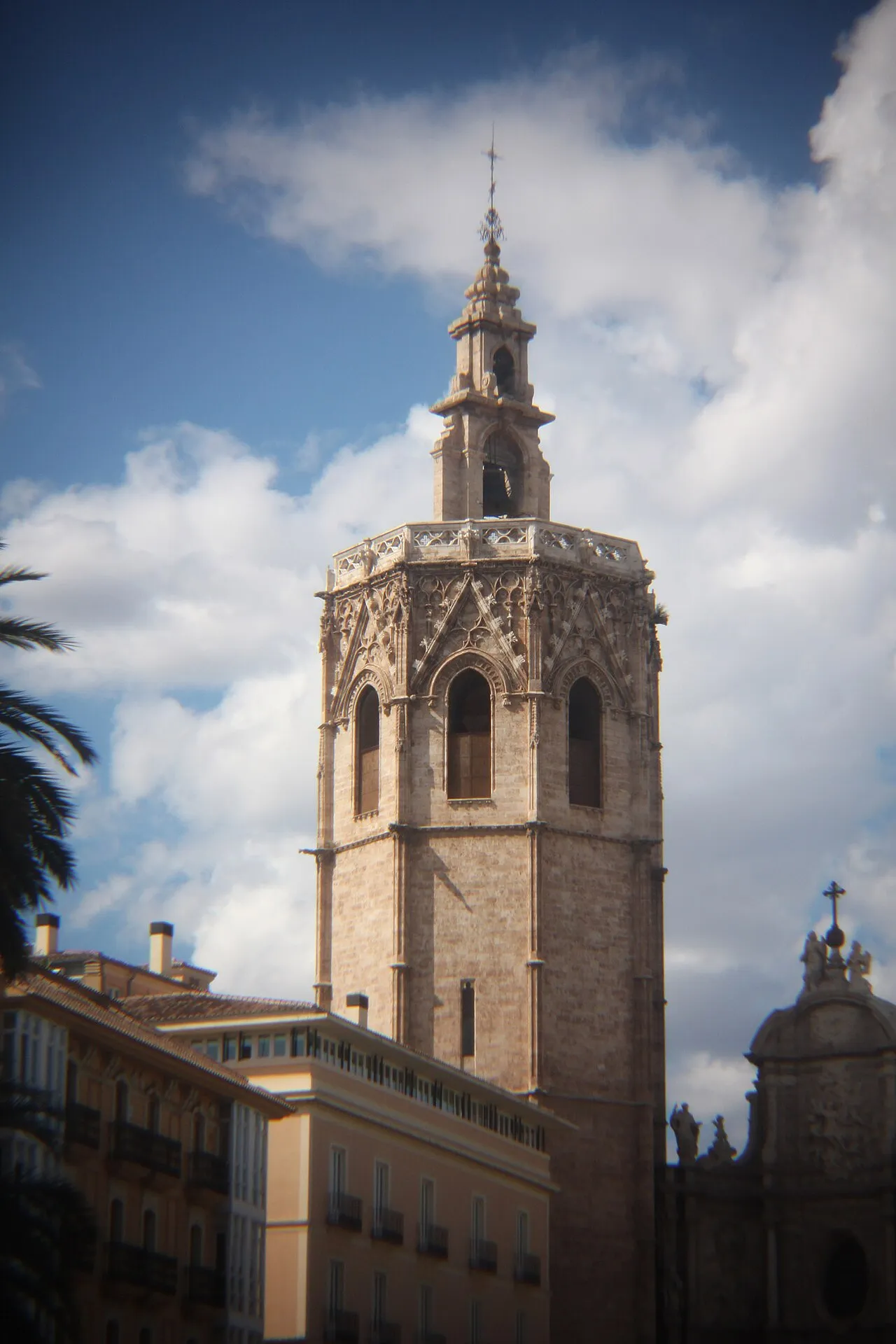
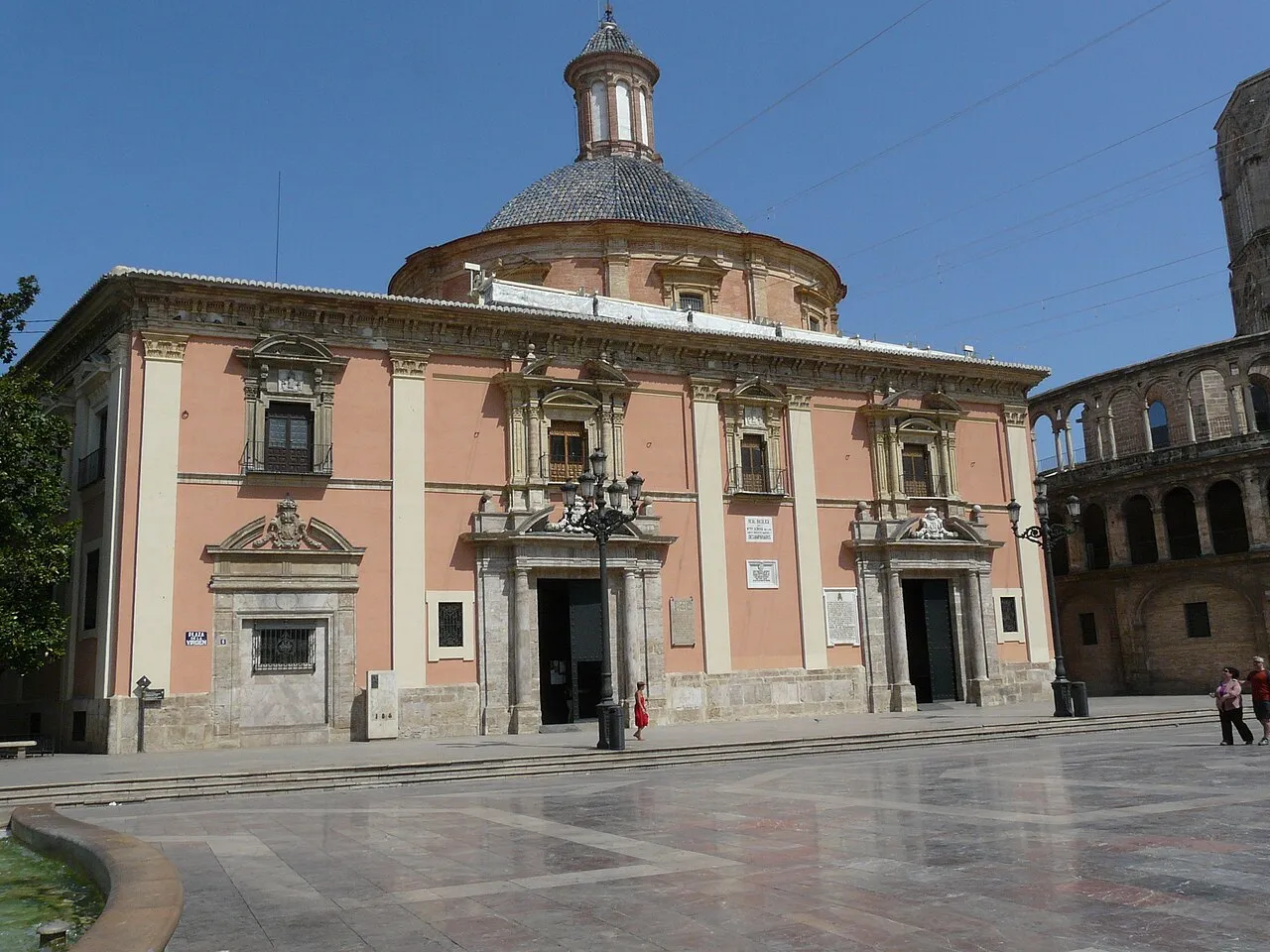
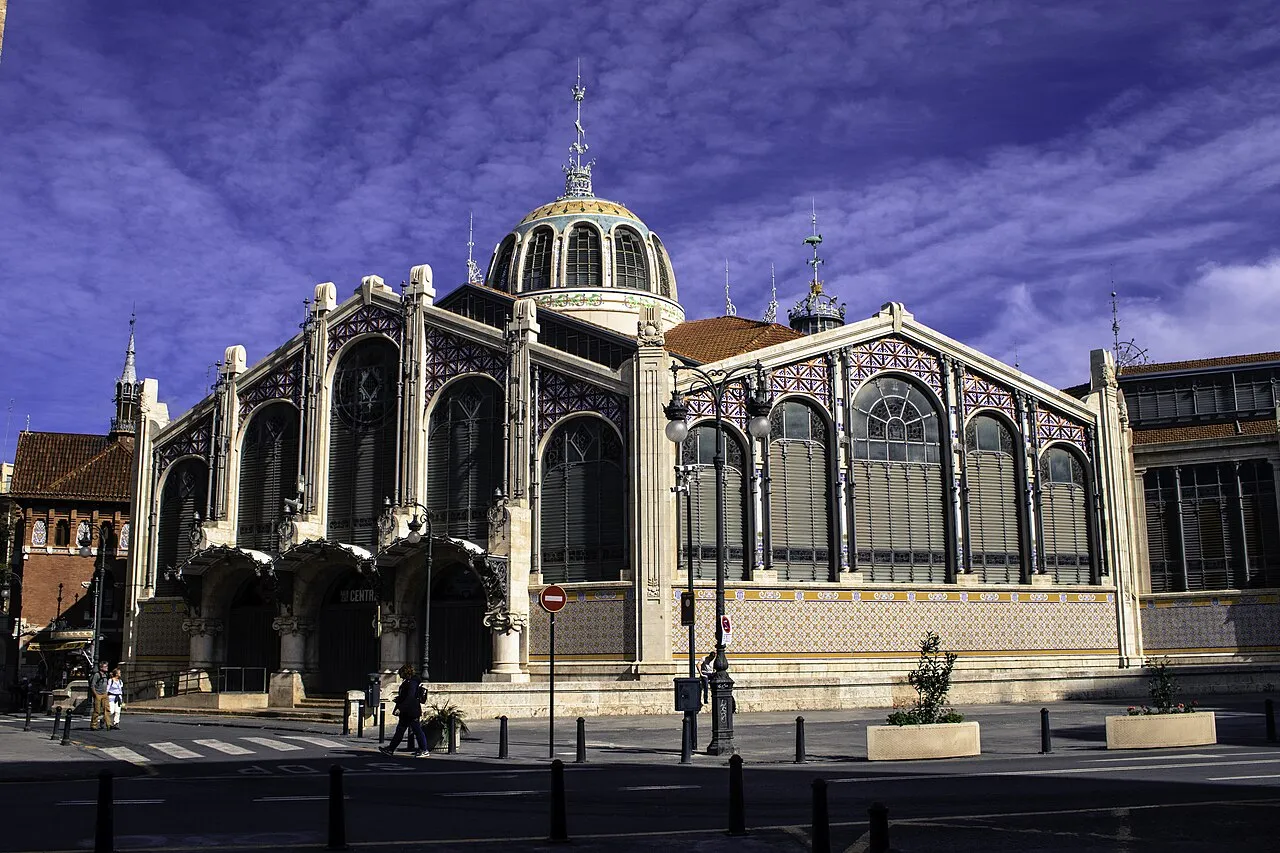
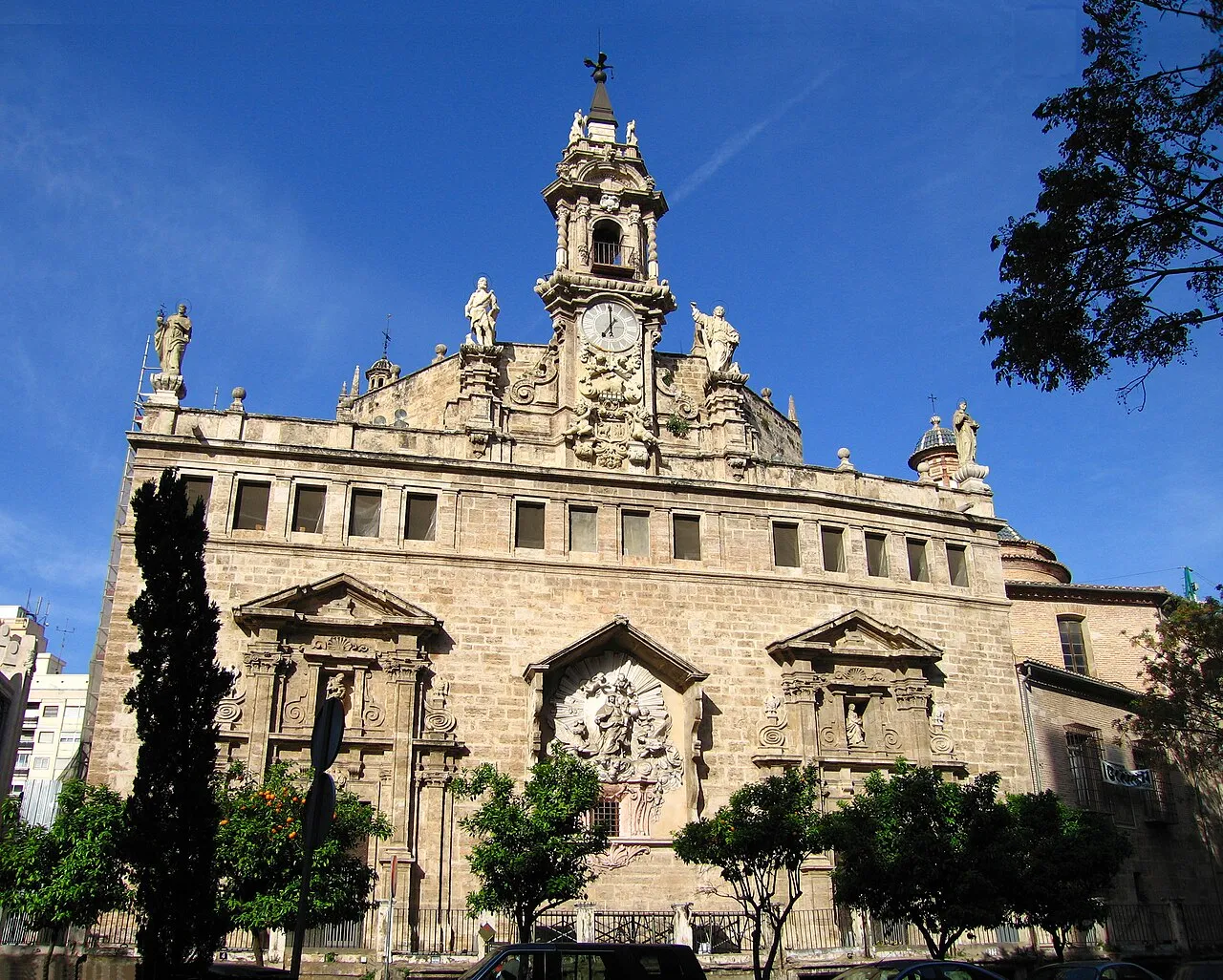
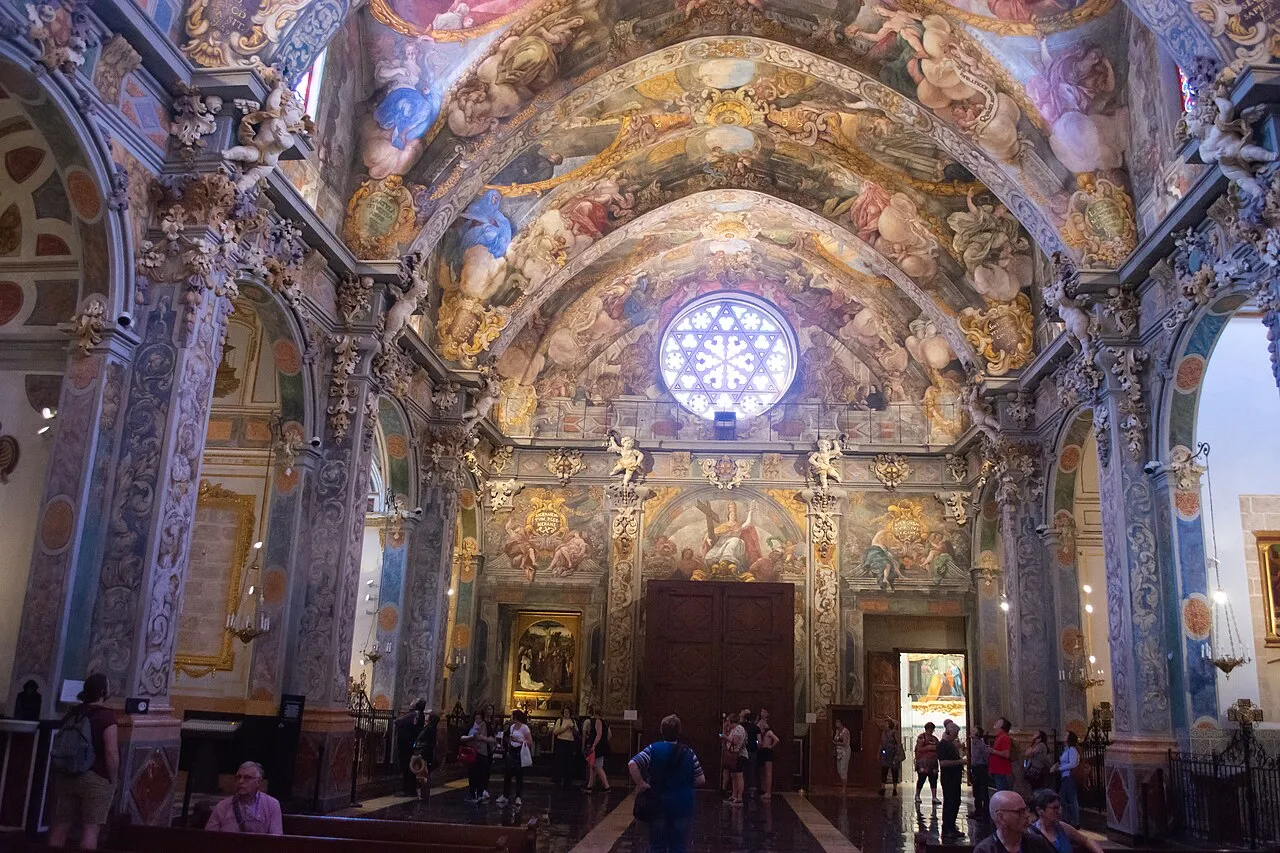
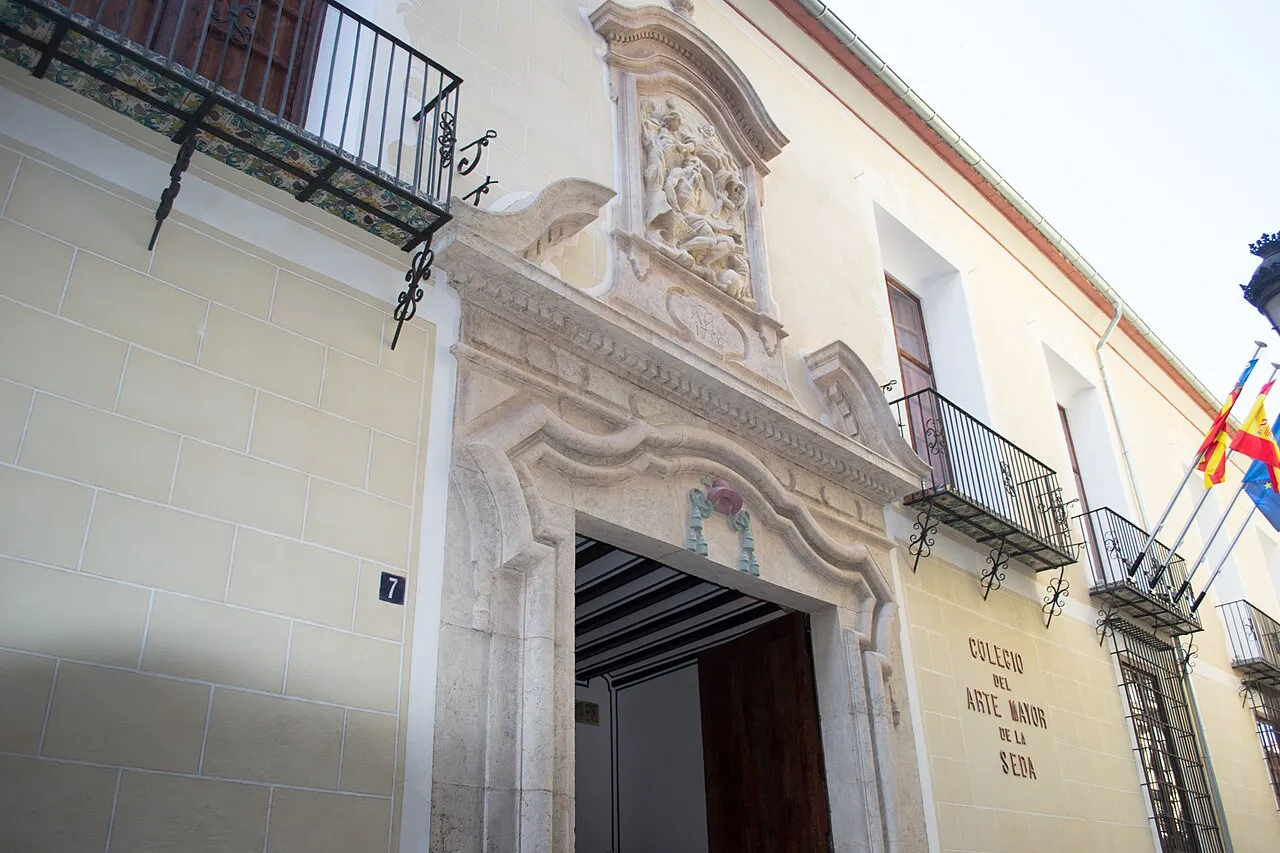
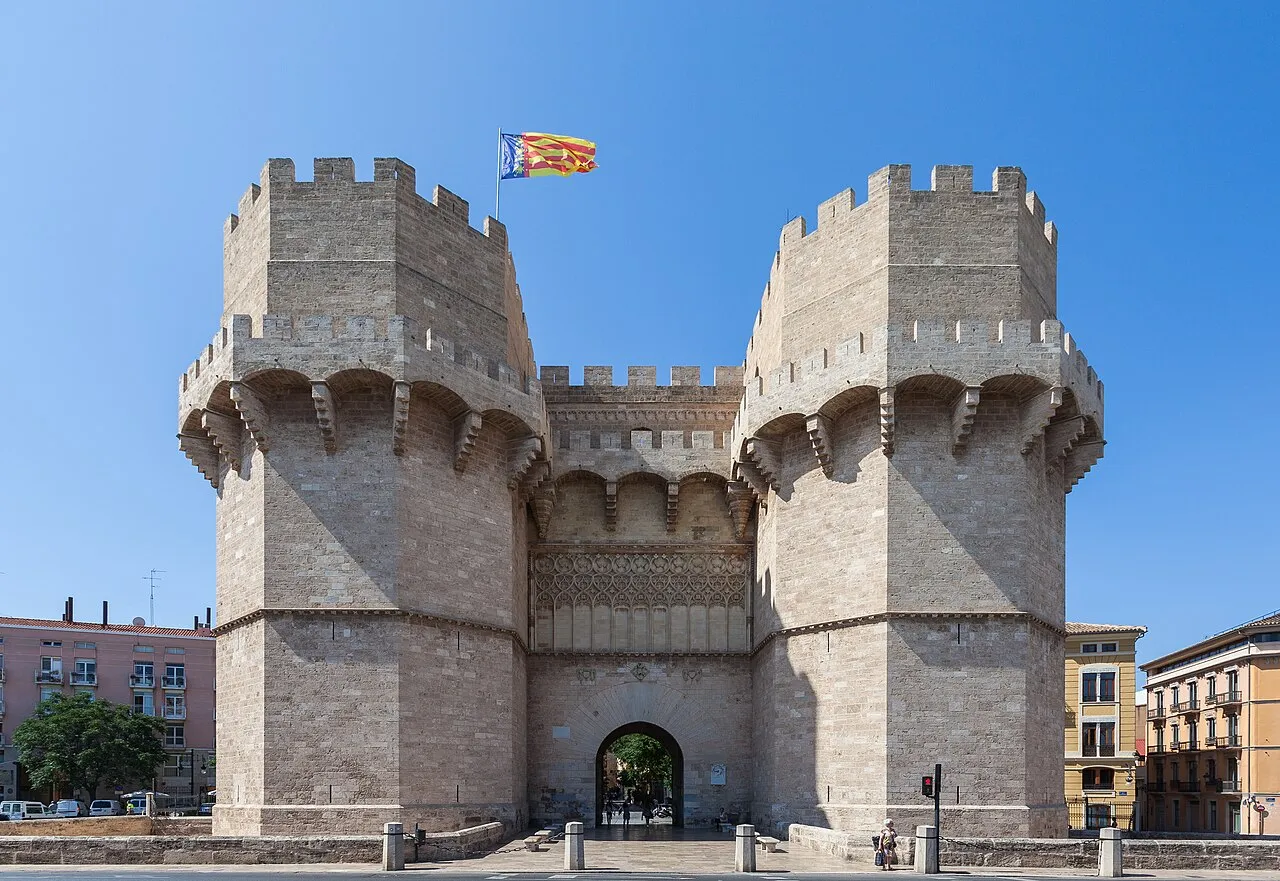
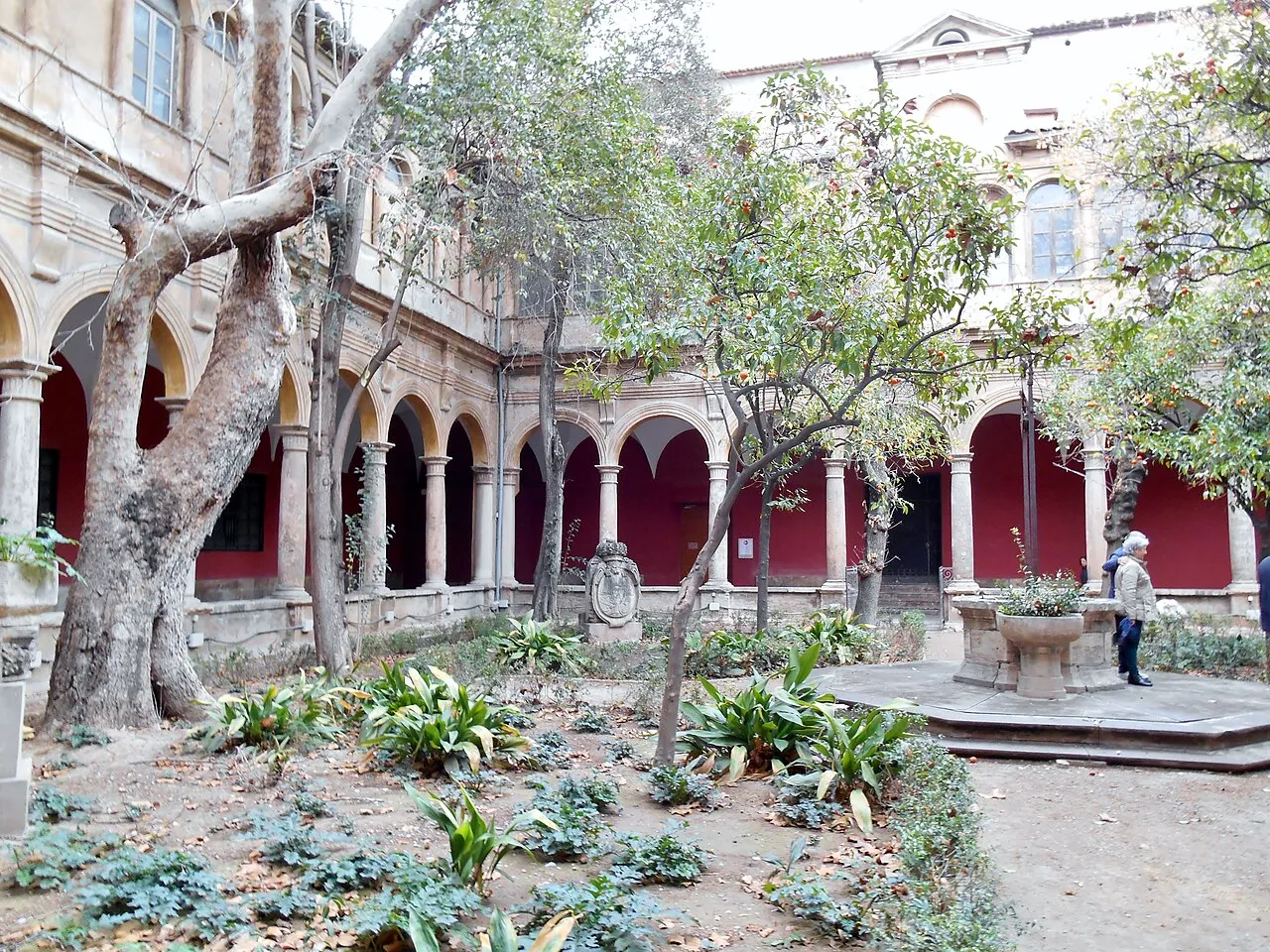
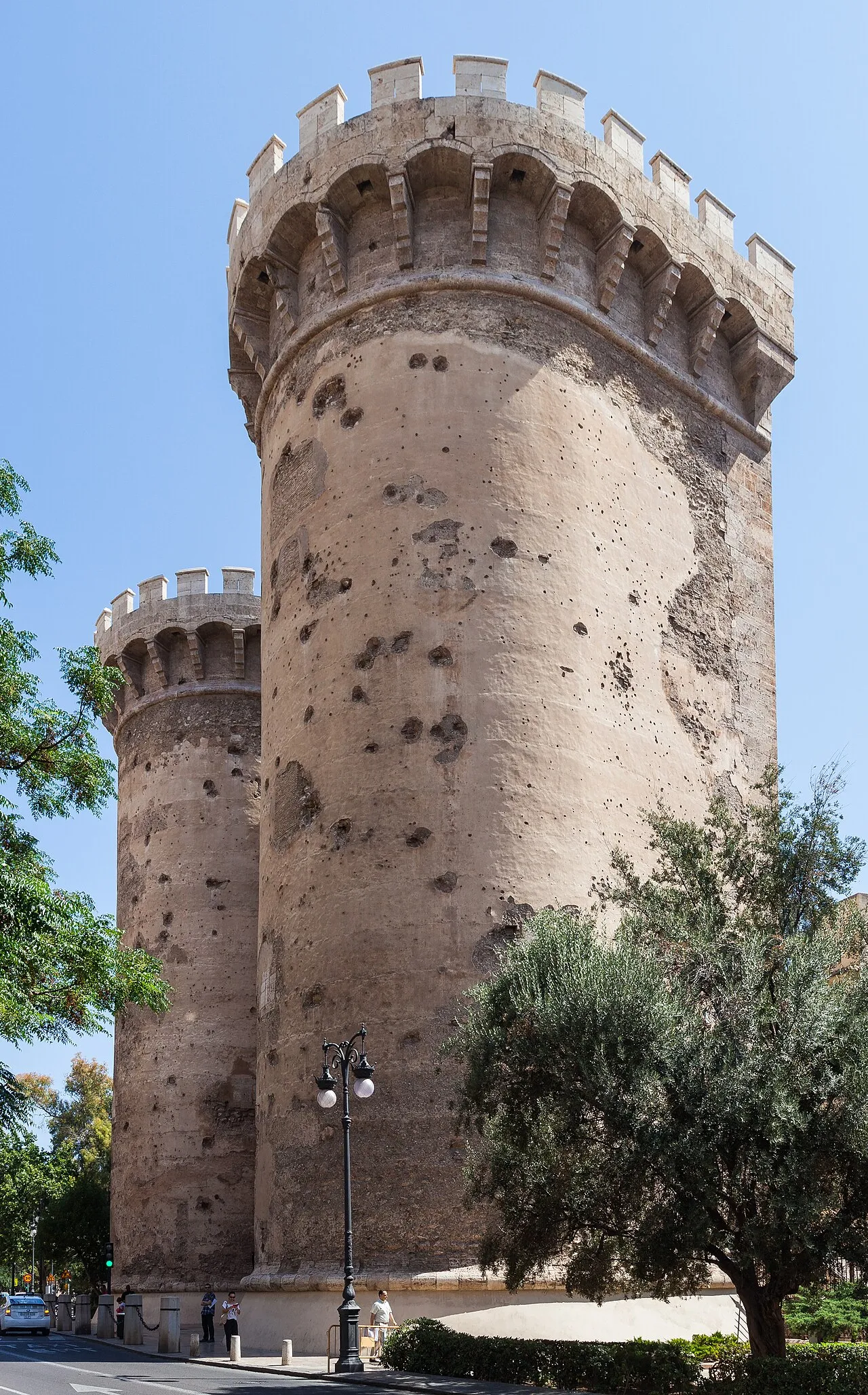
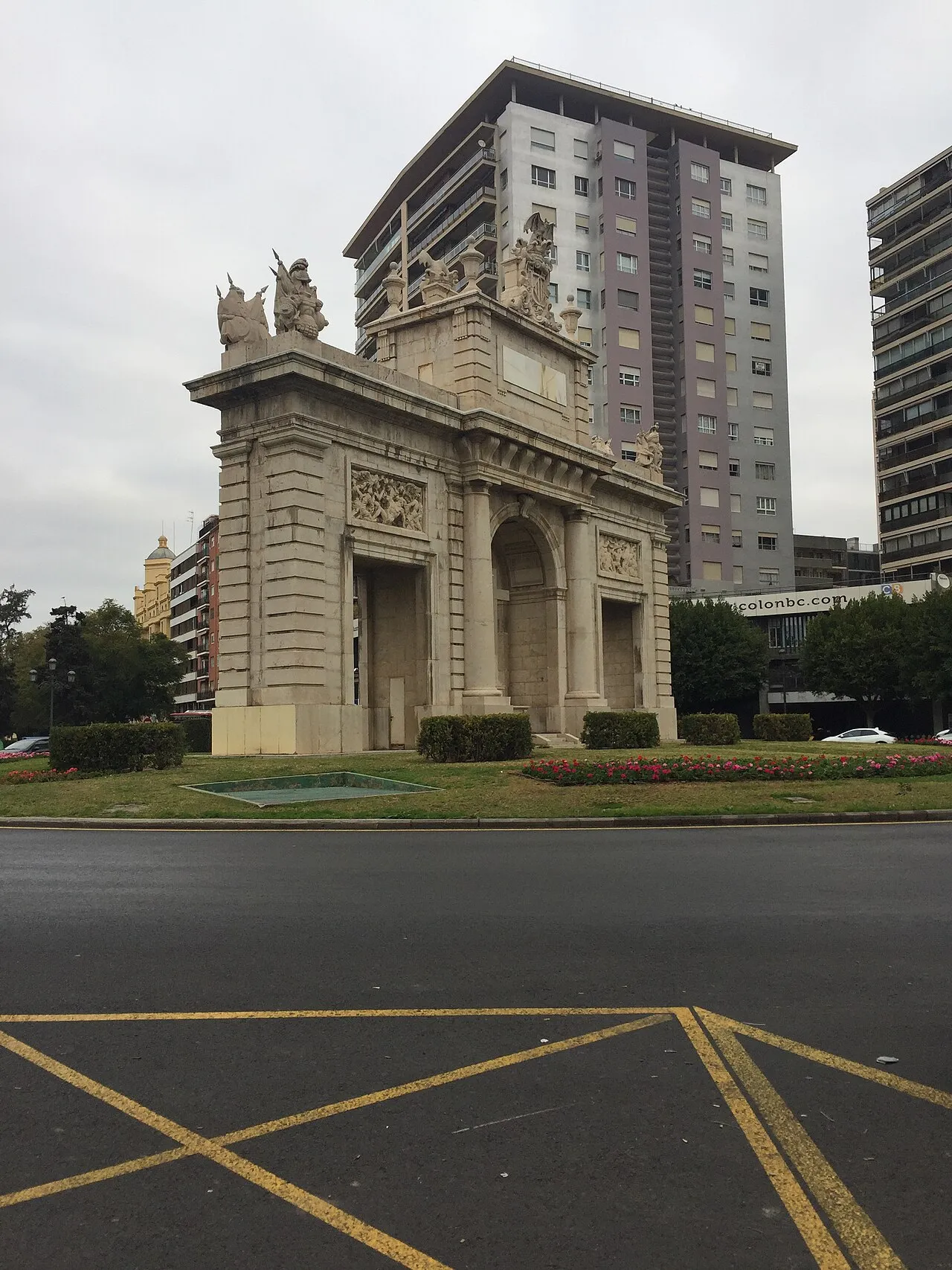
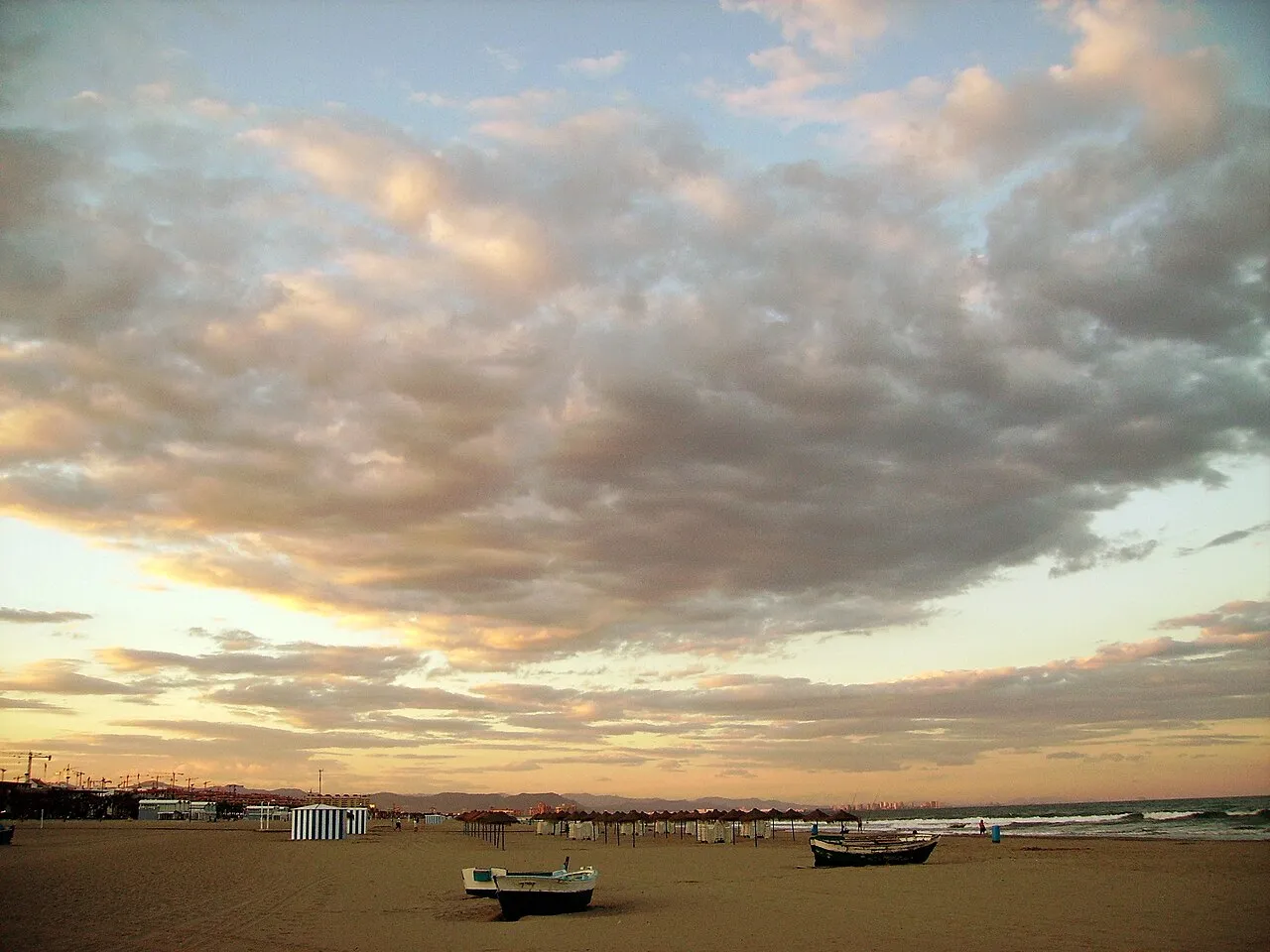
Valencia has a very clear shape and is very easy to get round. At the centre, a compact old town holding the cathedral, the Lonja, the market and the Barrio del Carmen, all less than fifteen minutes apart on foot. Around it, the bed of the old Turia turned into a nine-kilometre park that threads the city from the walls to the sea. And at the end, the City of Arts and the beach. This guide follows that line — centre, riverbed, sea — which is exactly how you walk it.
Frequently asked questions
How many days do you need for Valencia?
Two full days cover the essentials: the whole old town on the first — cathedral, Miguelete, Lonja, market and Barrio del Carmen, all on foot — and the second for the Jardín del Turia, the City of Arts and the sea. With three days you can fit in the Cabanyal, the modernista Eixample with the Mercado de Colón and a trip to the Albufera. Valencia is a very walkable city and considerably smaller than it looks on the map.
What is the Jardín del Turia and why does it matter so much?
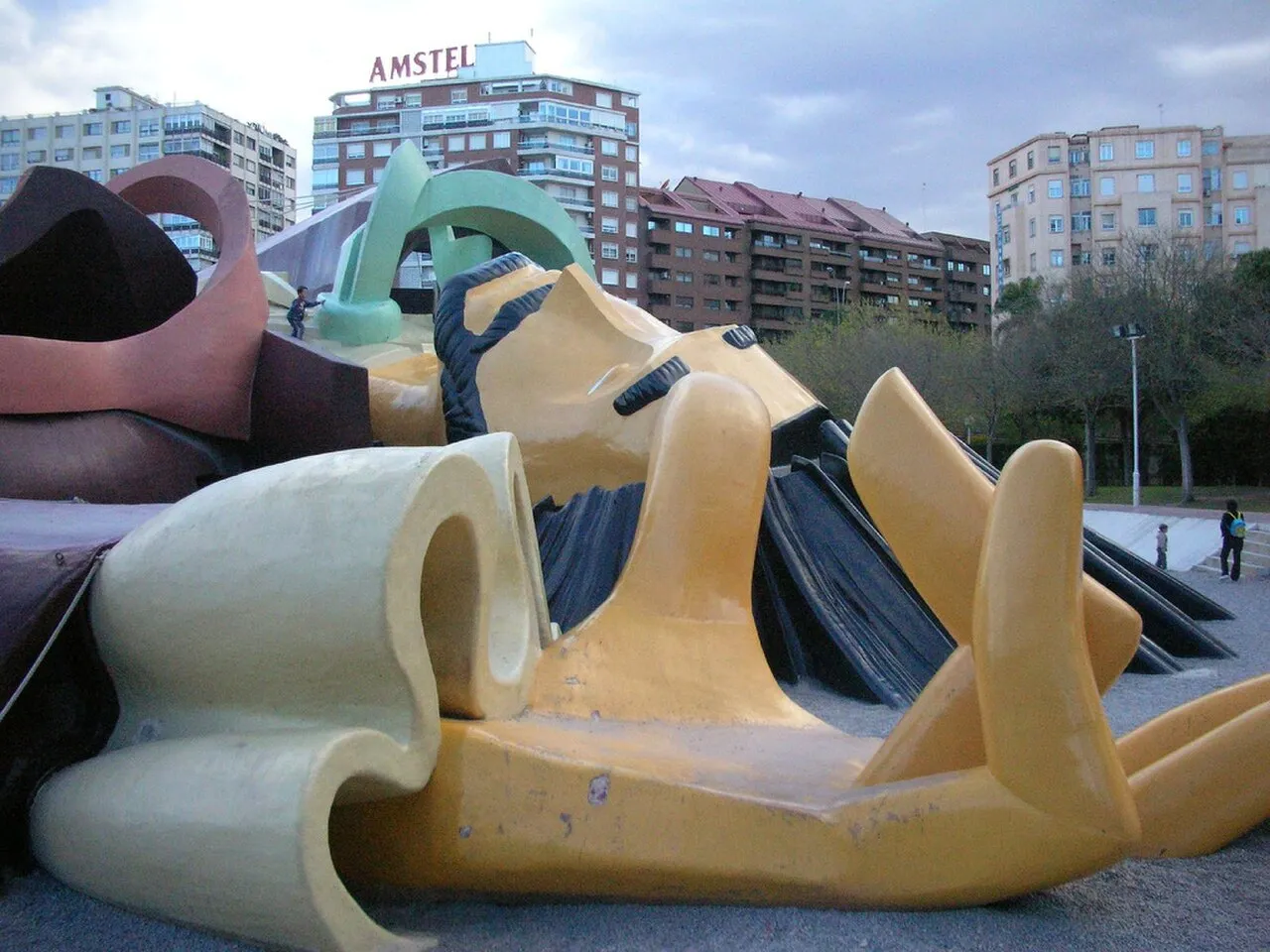
It is the park that occupies the bed of the river Turia, diverted after the flood of 1957 that inundated the city. The plan in the sixties was to turn it into an urban motorway, and the city mobilised against it with the slogan «el llit del Túria és nostre i el volem verd». It won. Today it is nine kilometres of continuous garden crossing the whole of Valencia, spanned by eighteen historic bridges, with a cycle lane and themed gardens. Riding it by bicycle is the best plan in the city.
Is the City of Arts and Sciences worth it?
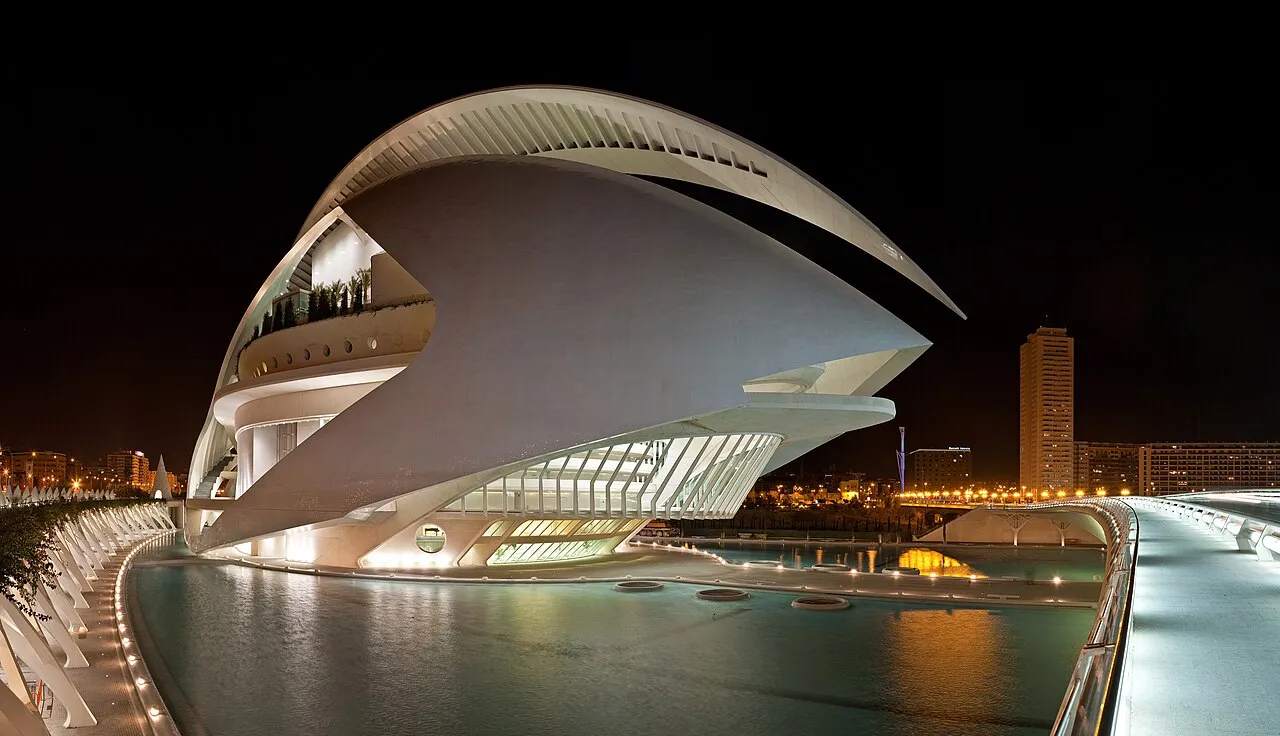
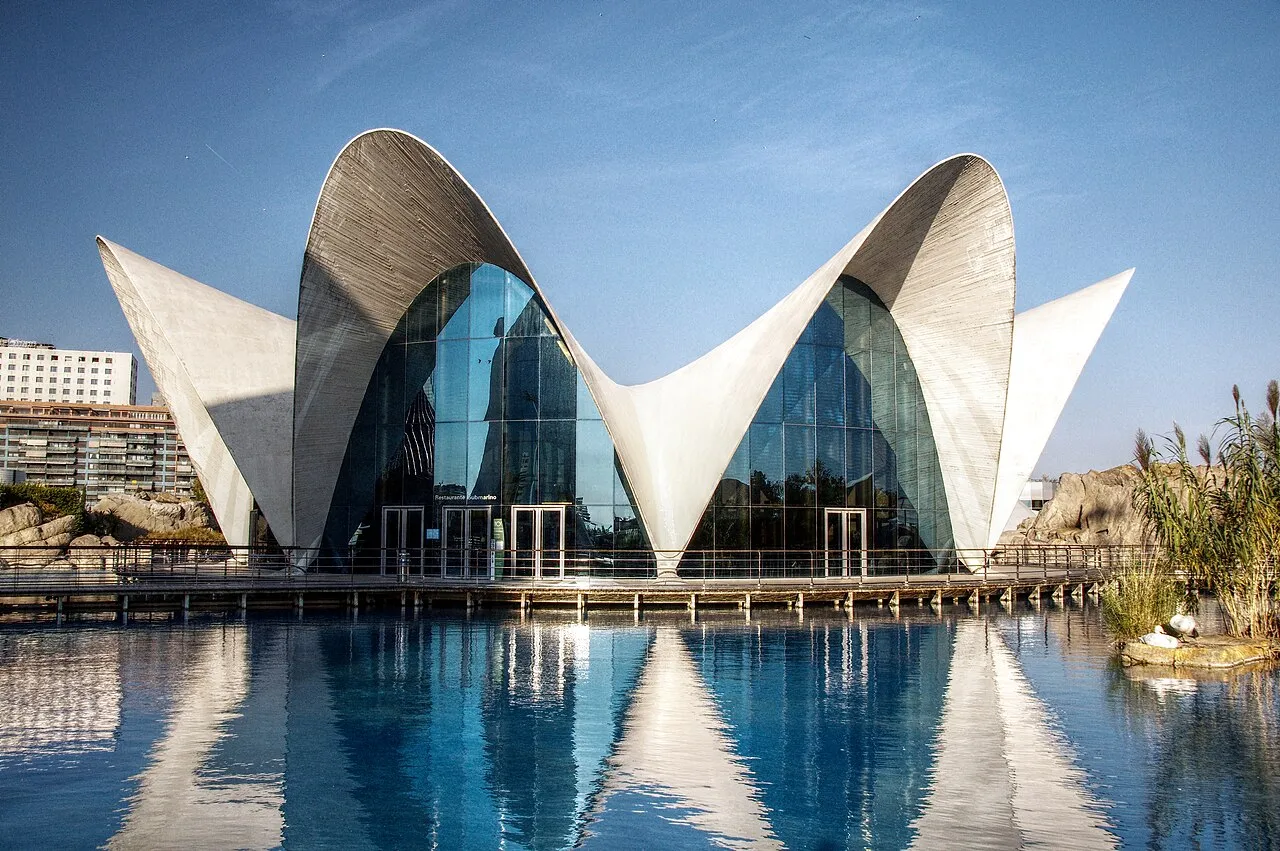
Yes, though it is worth knowing what you are going for. It is an architectural complex by Calatrava and Candela meant to be walked from outside, between sheets of water, and that part is free and spectacular, especially at dusk. Inside there are three paid visits: the Oceanogràfic, the largest aquarium in Europe; the Museu de les Ciències, interactive and very good with children; and the Hemisfèric, with projections. There are combined tickets that work out considerably better value.
Where do you eat the best paella in Valencia?
Not on the seafront promenade, which is where almost everybody looks for it. Paella is a dish of the market gardens, not of the beach, and the best rice dishes are eaten in the Cabanyal, in the market gardens around the city and in El Palmar, beside the Albufera. Three rules that save disappointment: it is eaten at midday and not in the evening, you have to book or order it in advance because it is cooked to order, and a paella for one does not exist: it is made for a minimum of two.
When are the Fallas and is it worth travelling then?
From 15 to 19 March, with events from the beginning of the month. It is one of the most striking festivals in Europe: hundreds of large monuments planted in the streets, daily mascletàs at two in the afternoon, the Ofrenda to the Virgin and the final Cremà, when everything burns in a single night. The drawback is that the city is overwhelmed, prices shoot up, the noise is constant and many museums change their hours. It is worth it, but it is not a normal tourist trip.
Is Valencia a city for cycling?
It is probably the best in Spain for it. It is flat, it has a wide network of cycle lanes and, above all, it has the Jardín del Turia: nine kilometres of continuous car-free route crossing the city from end to end and connecting the old town with the City of Arts and with the sea. There is a public bike-sharing service and dozens of hire places. Riding the whole riverbed costs less than ten euros and is the best plan in the city.