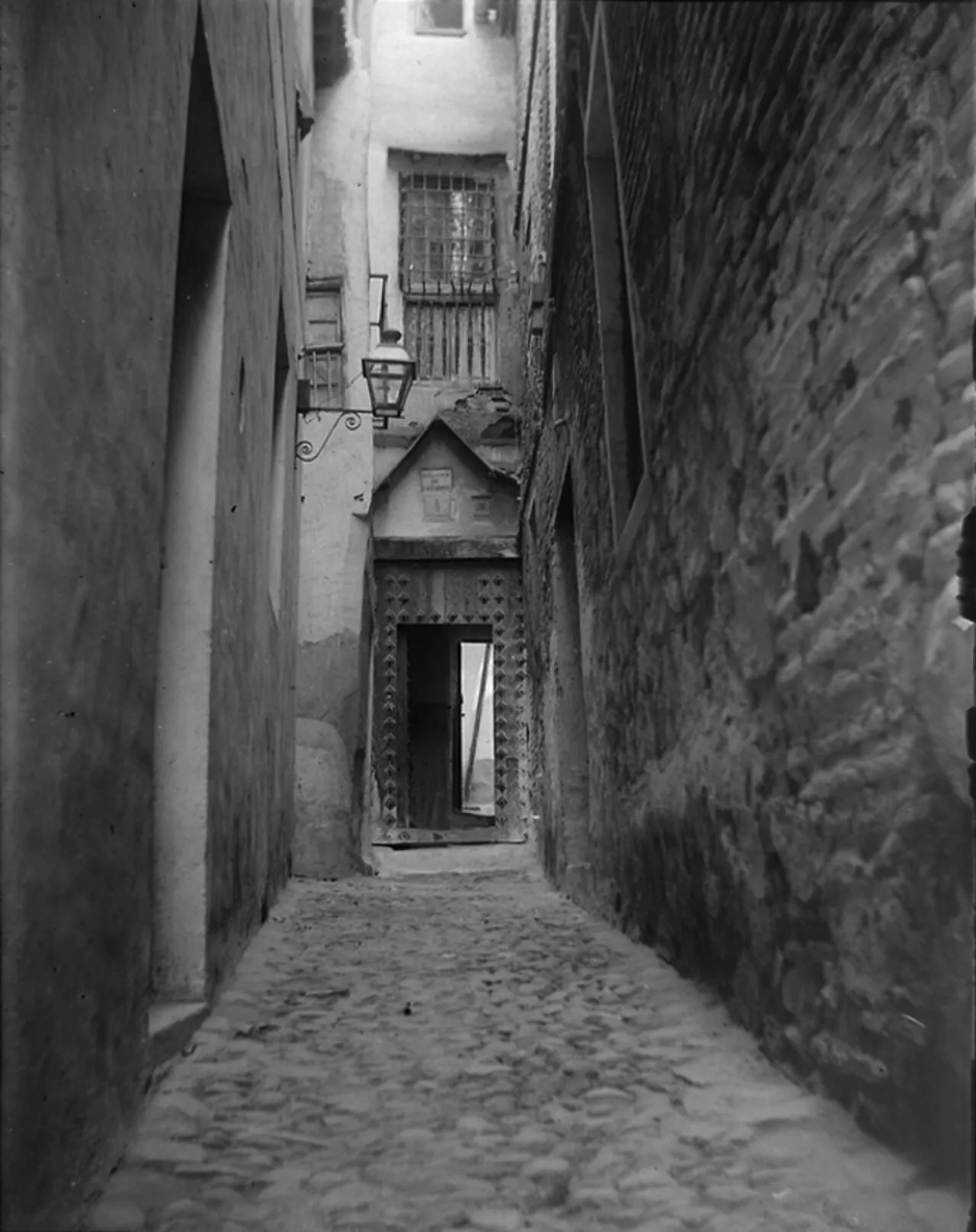
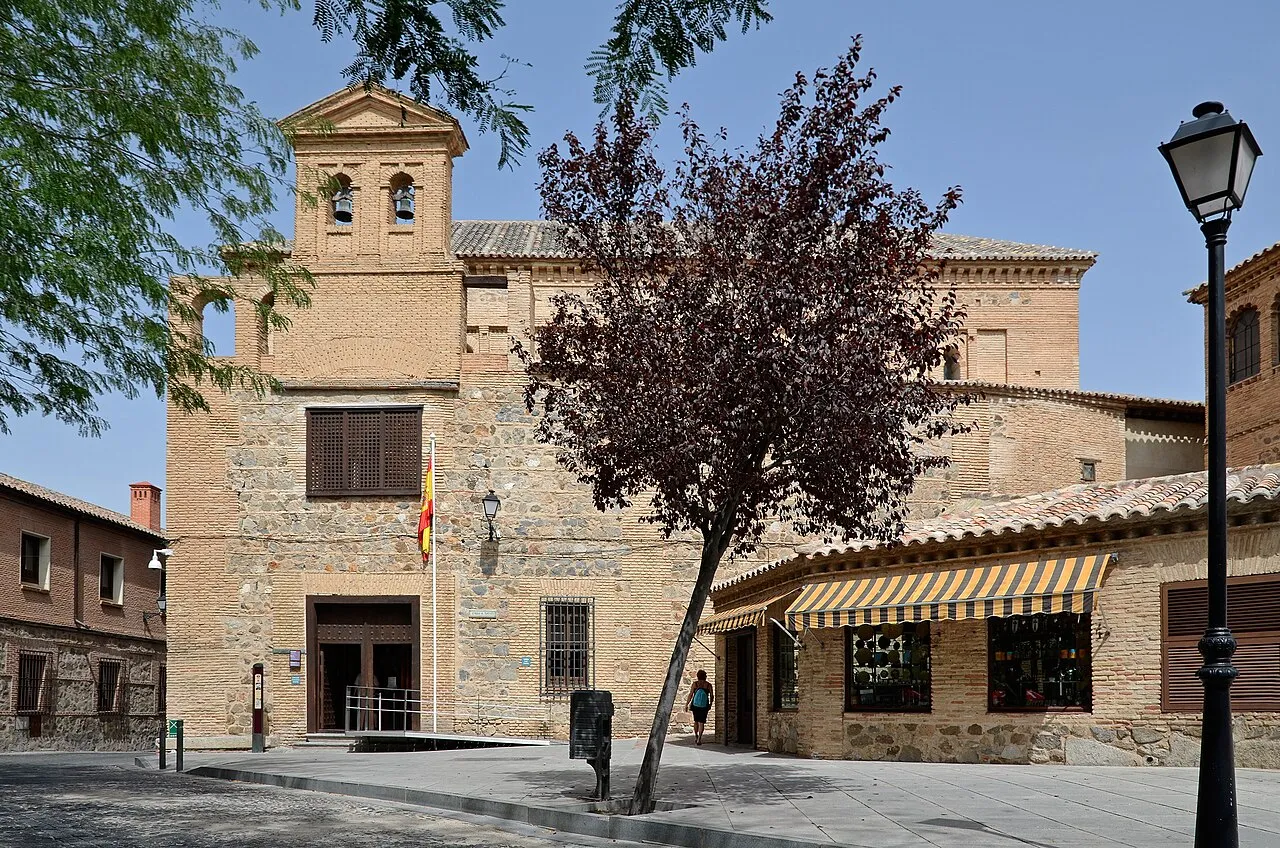
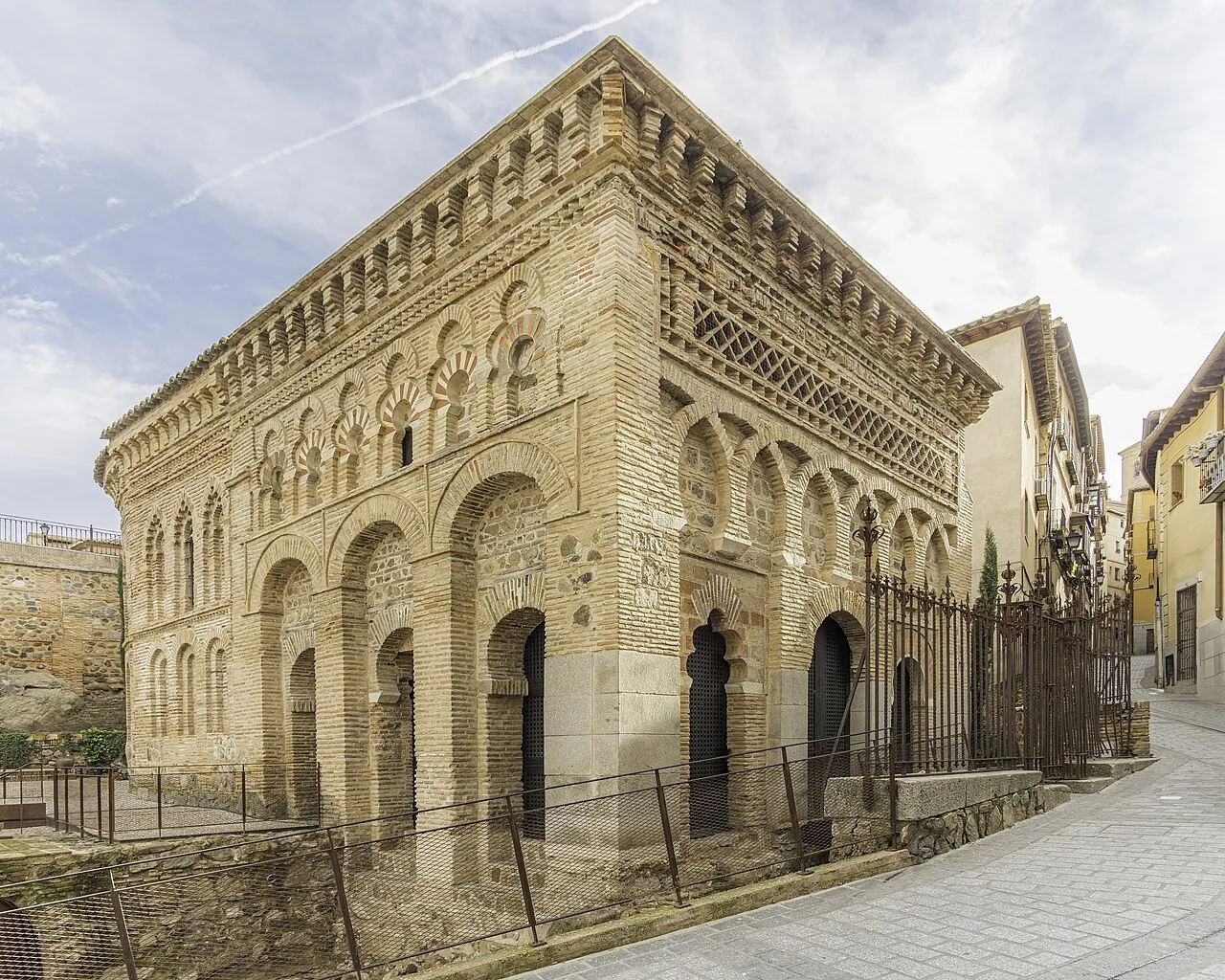
Toledo is the Spanish city where the three cultures stopped being a tourist formula and became something you can point at with a finger: there is a wall where psalms in Hebrew live alongside verses in Arabic and decoration made by Muslim craftsmen for a Jewish temple under a Christian king. To that are added the Visigothic capital, the strongest ecclesiastical power in Castile and the empire of Charles V. All of it fits on a hill ringed by a meander of the Tagus that can be walked, though none of it is level.
Frequently asked questions
Can Toledo be seen in a day?
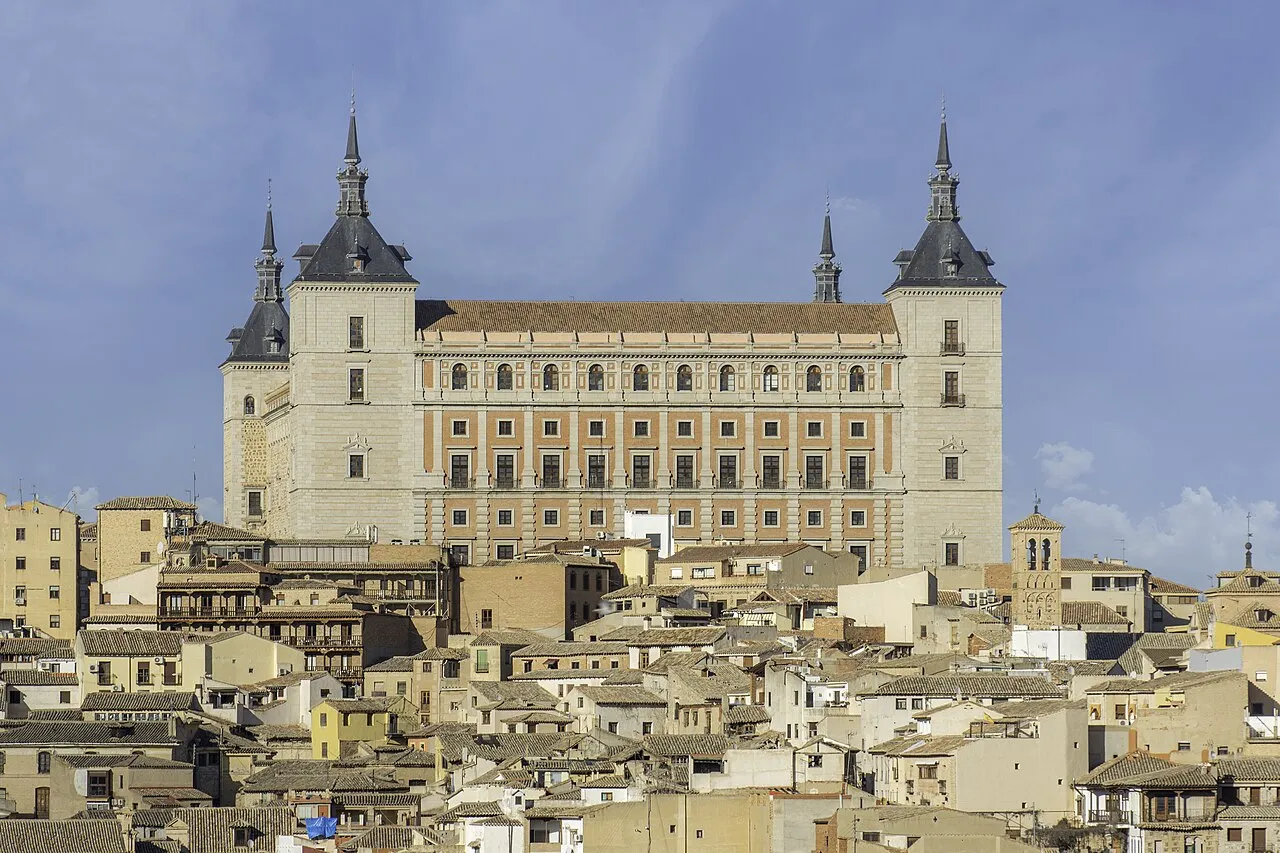
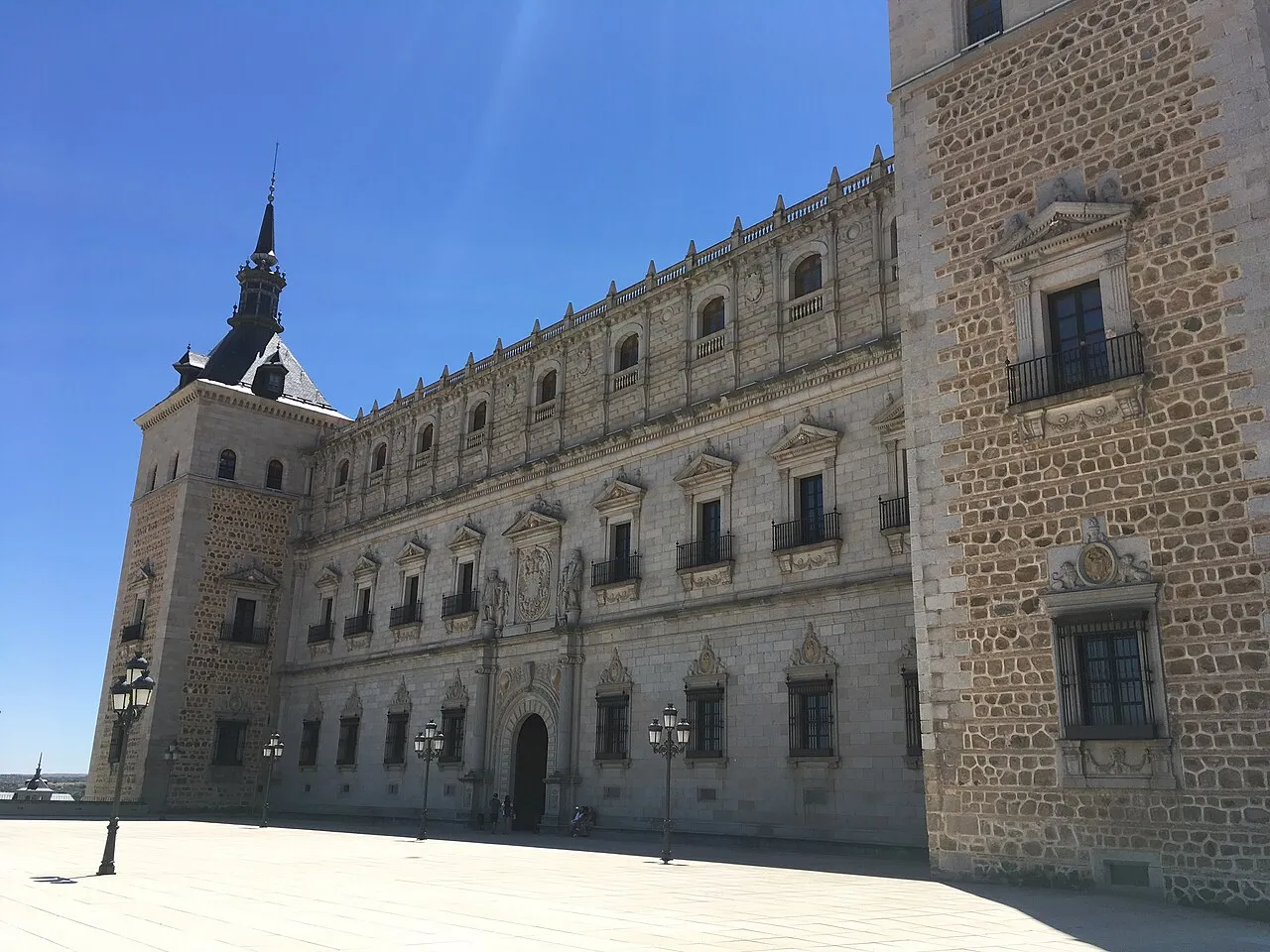
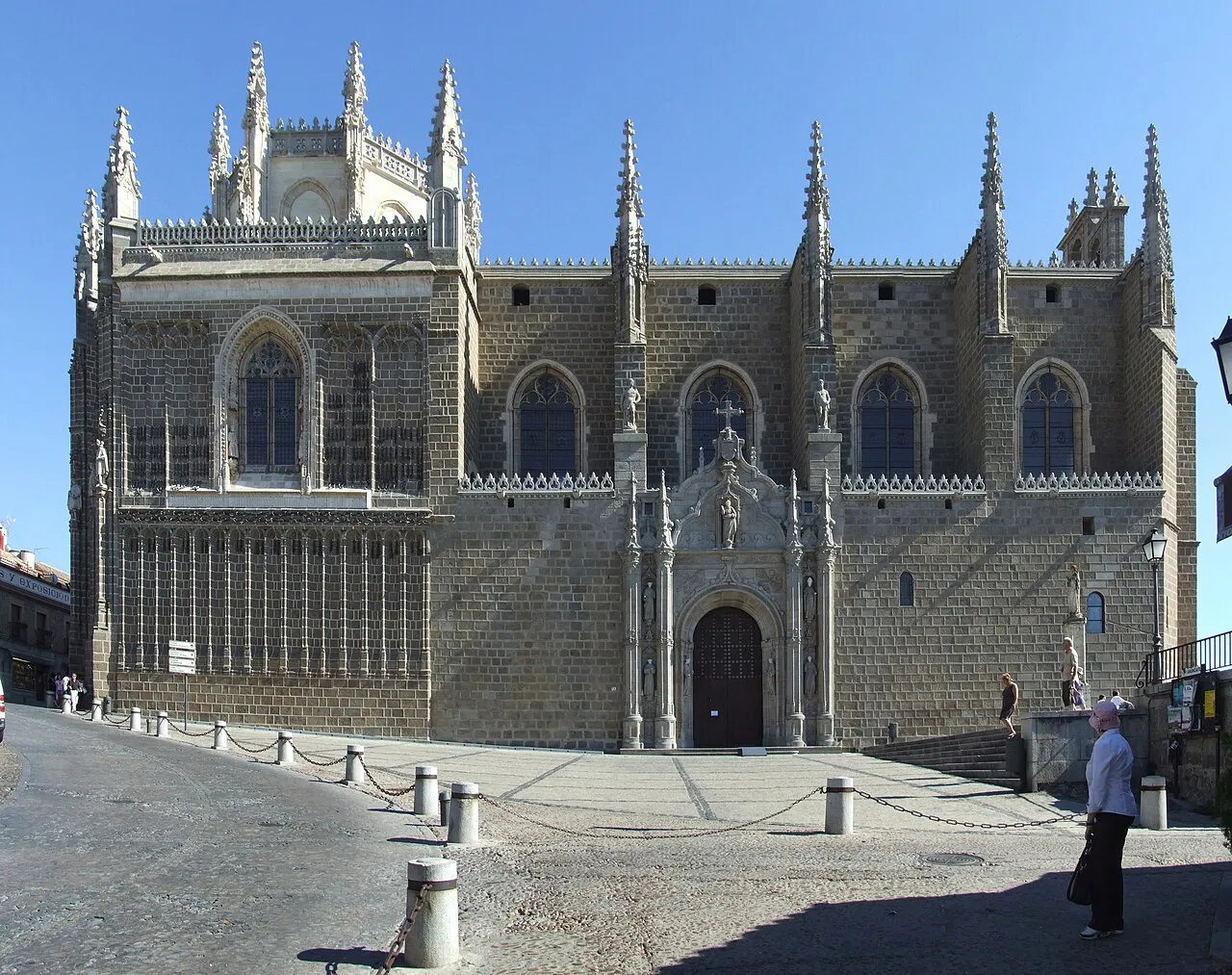
Yes, the essentials fit into one long day: the cathedral, the Alcázar from outside, the axis of the Jewish quarter with Santo Tomé, the Tránsito and San Juan de los Reyes, and the mosque of the Cristo de la Luz. What does not fit is going into everything at leisure or walking round the city on the far side of the river. With two days it can be done without hurrying, and you can sleep inside the old town.
Is the tourist wristband worth it?
Yes, if you are going to see three or more monuments on the circuit, which includes among others San Juan de los Reyes, Santa María la Blanca, the Cristo de la Luz and several churches. It pays for itself from the third visit on. The cathedral and the Alcázar go separately and are not included.
What is the best view of Toledo?
From the far side of the river, on the Carretera del Valle, which gives the classic panorama with the whole city on its hill and the Tagus below. Inside the old town, the viewpoint on the Cuesta de Carlos V and the one that looks over the river from the Jewish quarter are the two best, and both are free.
Is it very steep?
Quite. Toledo is built on a granite hill and there is not one level street; the difference in height between the river and the Alcázar is more than a hundred metres. There are public escalators from the Safont car park and from the Recaredo one that save a good part of the climb into the old town, and they are free.
How do you get there from Madrid?
By high-speed train from Atocha in a little over half an hour, with several services a day, or by bus from Plaza Elíptica in a little under an hour. Toledo's railway station, neo-Mudéjar of 1919, is in itself one of the beautiful things in the city and is twenty minutes on foot from the old town.
When is the best time to visit?
Spring and autumn. The Castilian summer frequently passes forty degrees and the old town has no shade on the slopes, which makes visiting at midday very hard. At any time of year, the city empties completely after seven in the evening, when the day trips leave: sleeping inside changes the experience.