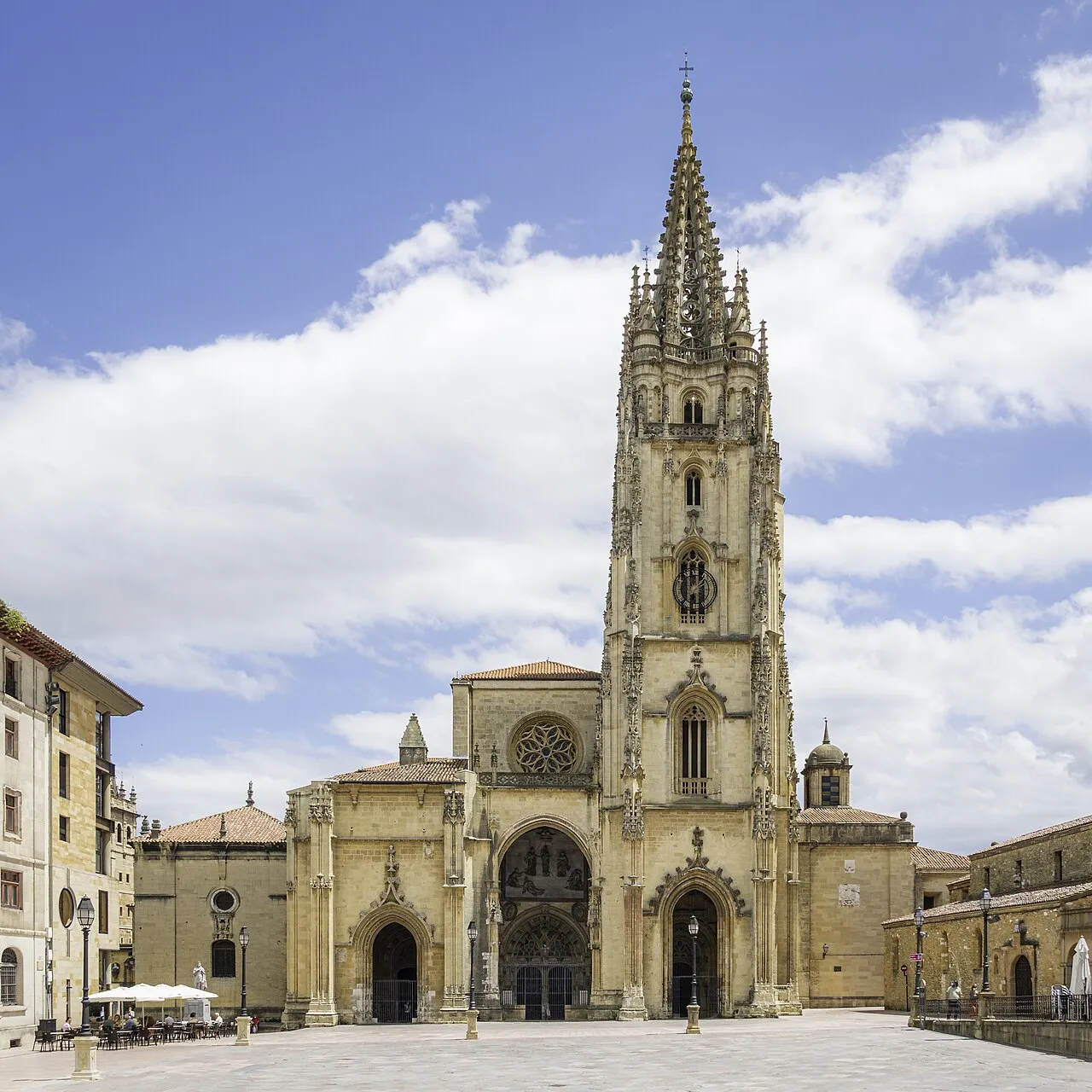
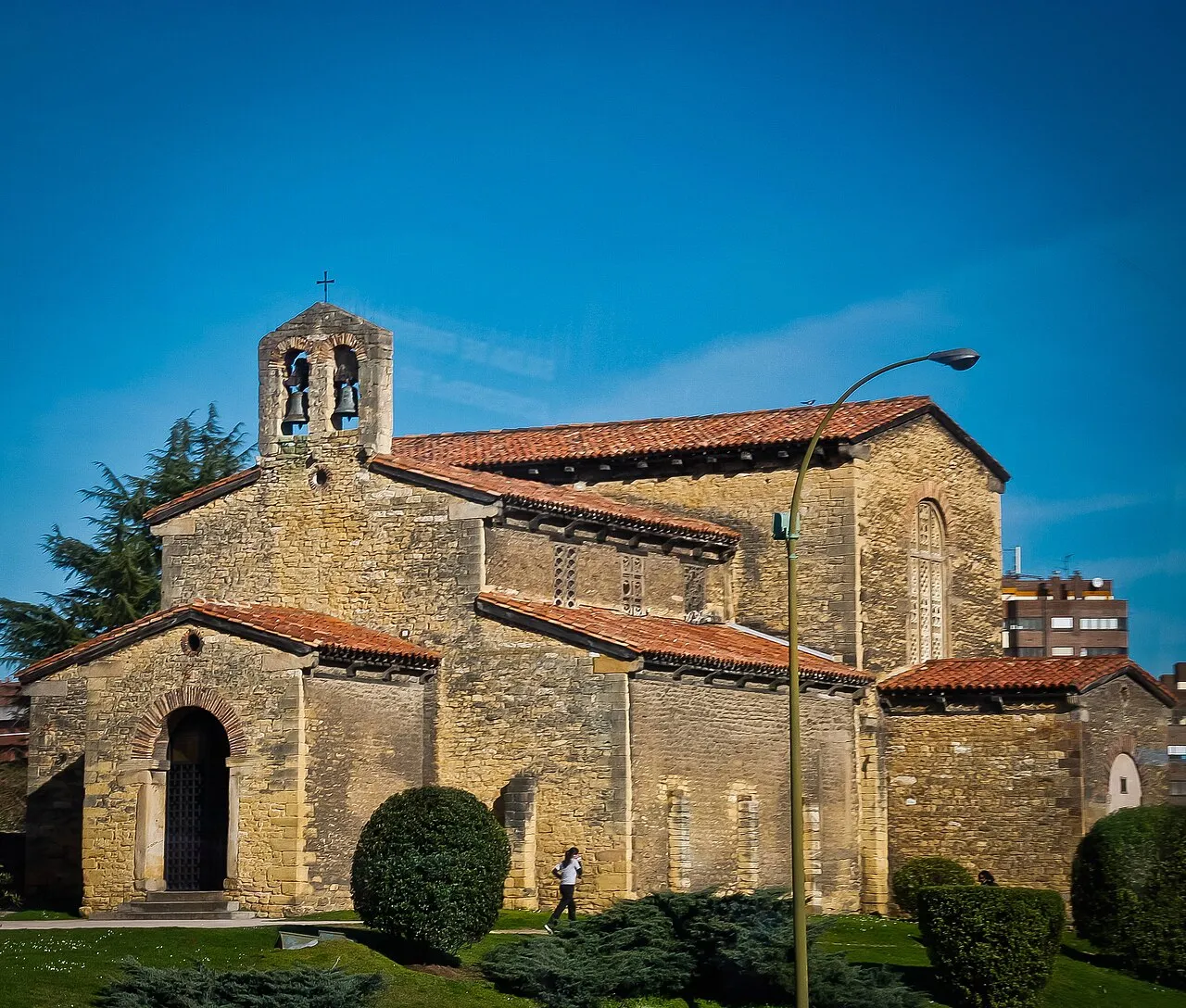
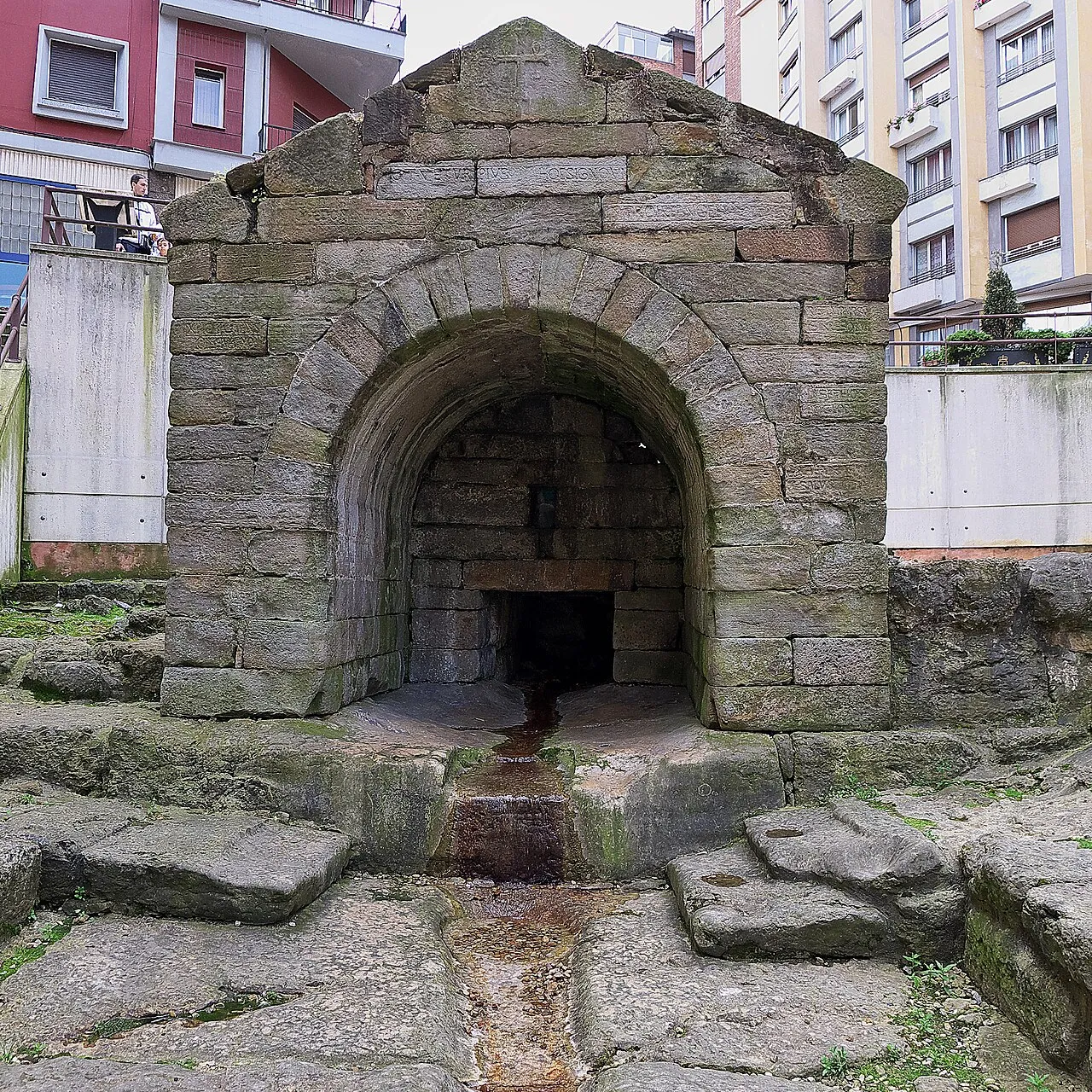
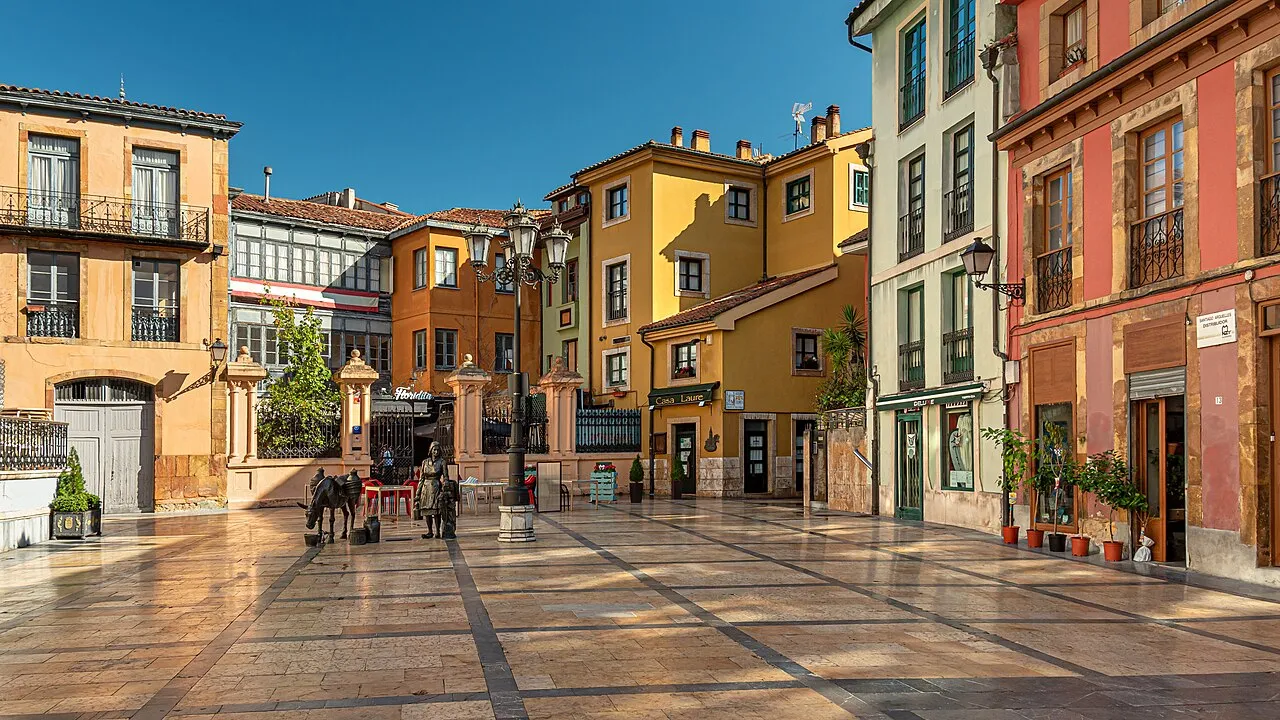
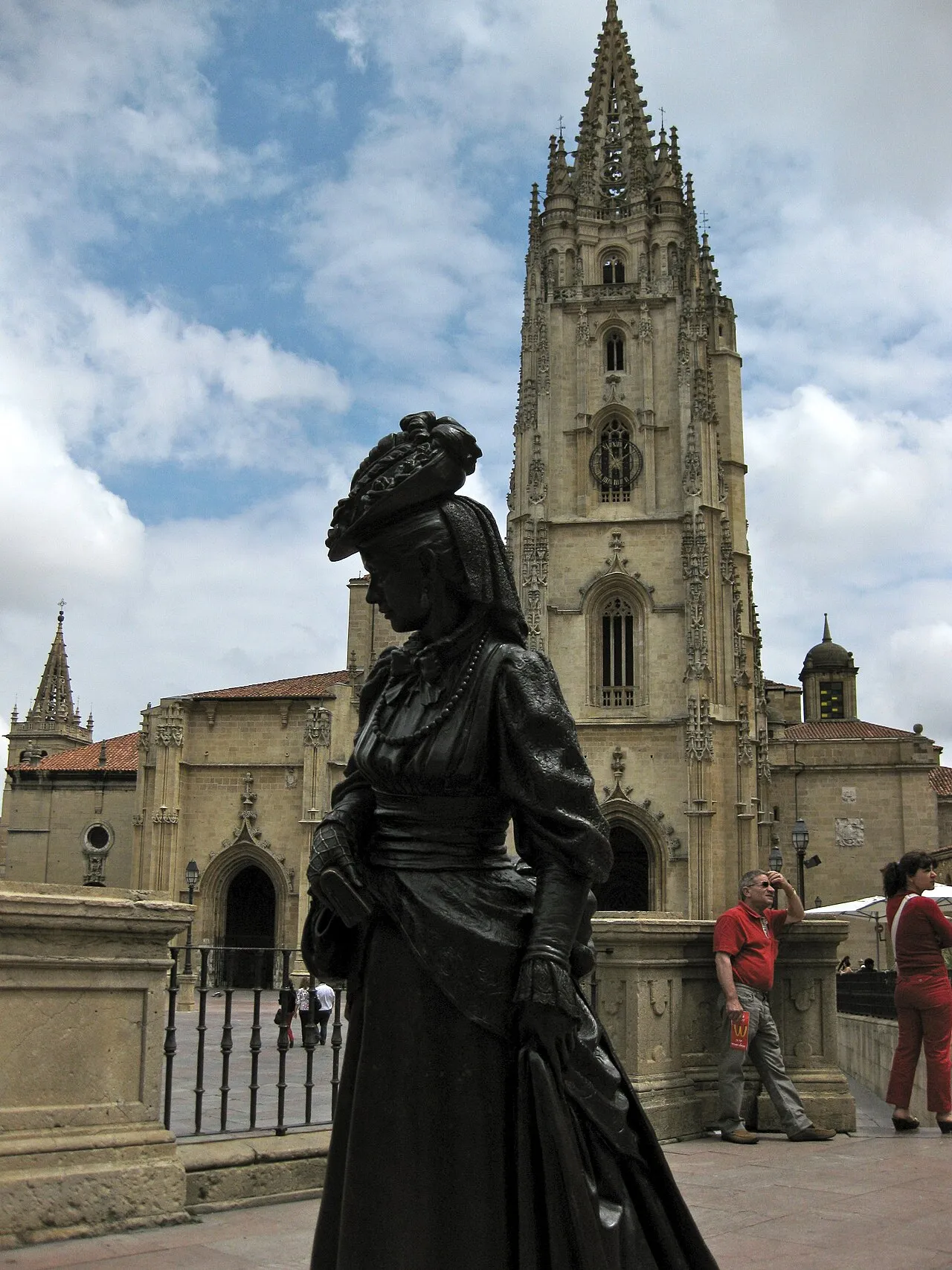
Oviedo is small and proud of it: it can be walked end to end in a day. But into that day fit things that exist nowhere else. Here Alfonso II founded the capital of the kingdom of Asturias in the eighth century, and from here the first pilgrim in history set out in person towards Santiago. Its pre-Romanesque frescoes at San Julián de los Prados are the most important wall ensemble in Europe in their category, and la Foncalada is the only civil work of public use surviving from the whole of the European Early Middle Ages. To that are added an old town with more than a hundred open-air sculptures, two first-rate free museums and an entire street devoted to cider.
Frequently asked questions
How many days do you need to see Oviedo?
A full day covers the old town with the cathedral, the two free museums, el Fontán and calle Gascona. With two days you fit in San Julián de los Prados, the University, the Campo de San Francisco and the sculpture route, as well as the pre-Romanesque monuments on Mount Naranco.
What is the Asturian pre-Romanesque?
The court art of the kingdom of Asturias between the eighth and tenth centuries, unique in Europe and a World Heritage Site. Oviedo preserves San Julián de los Prados, with the most important ensemble of pre-Romanesque wall painting on the continent, and la Foncalada, the only civil work of public use from the whole of the European Early Middle Ages.
Why is Oviedo called Vetusta?
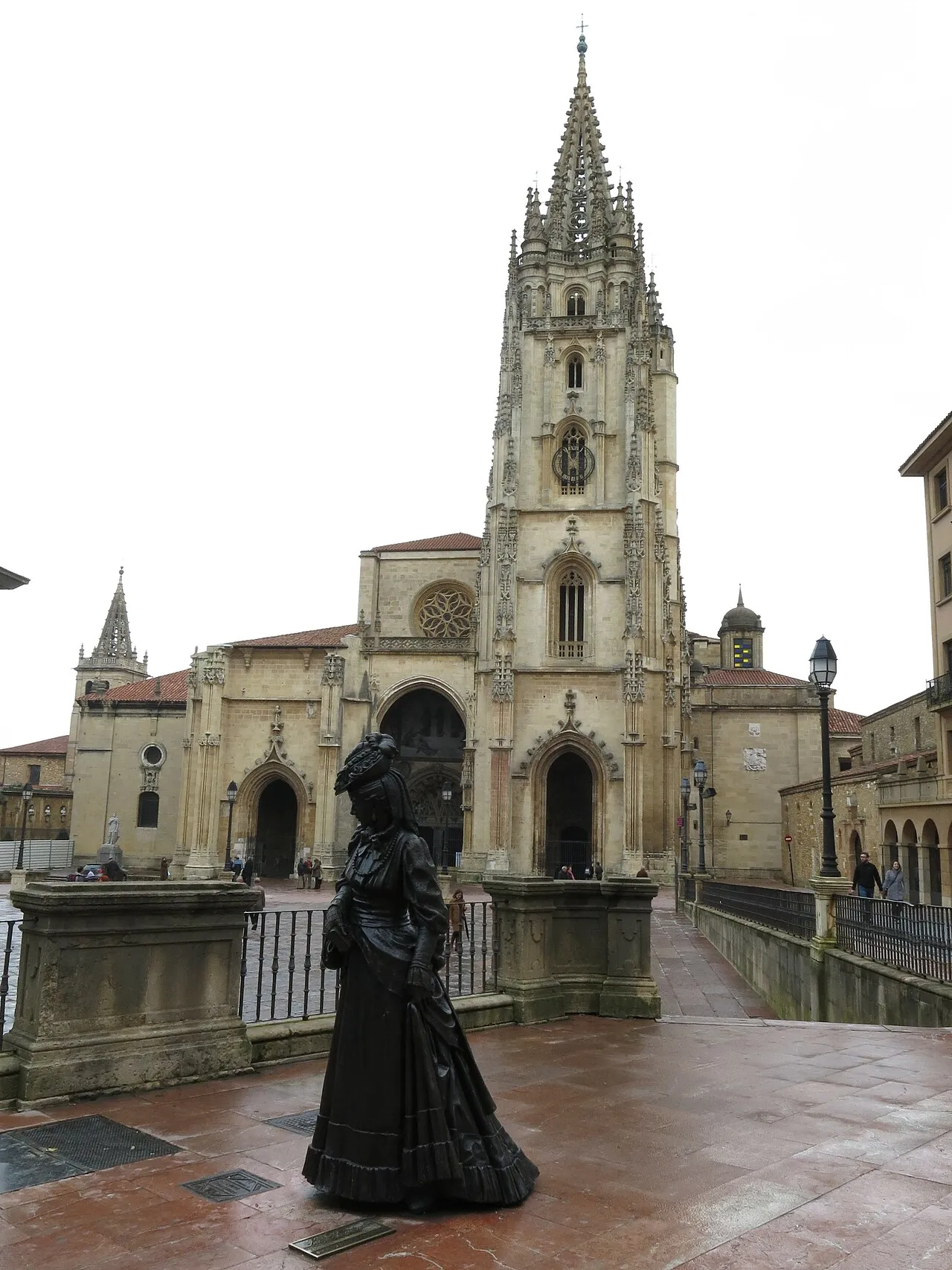
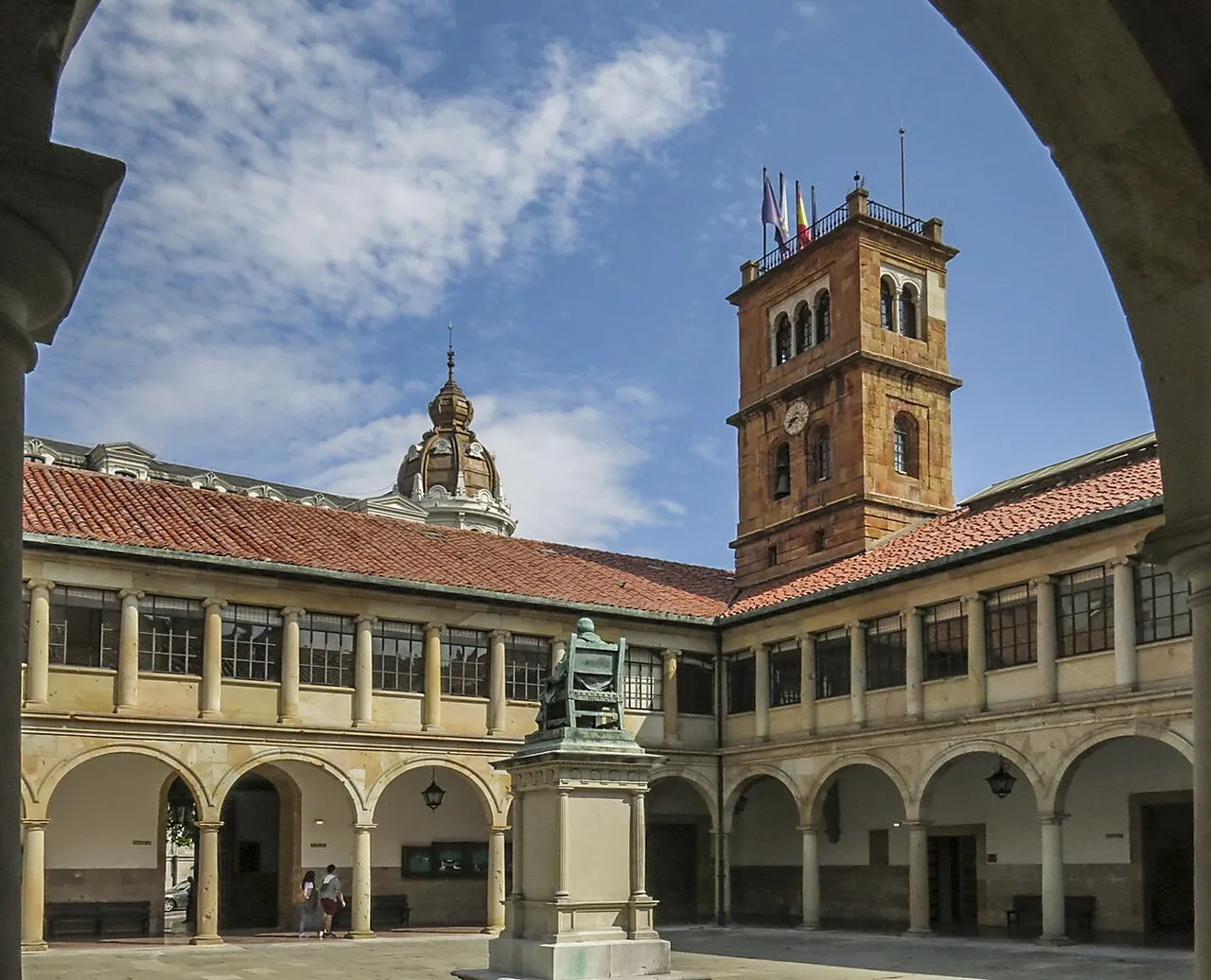
The name was given by Clarín — Leopoldo Alas — a professor at the University of Oviedo, in his novel La Regenta, published between 1884 and 1885. He portrayed the city under a false name and with sharp truths: its priests, its young gentlemen, its gossip. Many recognised themselves and the city took offence for decades.
How is cider drunk?
It is poured from on high so that the jet strikes the rim of the glass, breaks and takes in air, because natural cider has no gas. You have to drink it at once, in one go, and a finger is left — the culete — to rinse the rim before passing the glass to the next person. It is shared: one bottle and one glass going round.
Is it true that the Way of Saint James begins here?
The oldest one, yes. From the plaza de Alfonso II, in the ninth century, King Alfonso II himself set out to pray before the newly discovered tomb of the apostle: he was the first documented pilgrim in history. That route is called the Camino Primitivo and it entered the Unesco list in 2015.
Are the museums free?
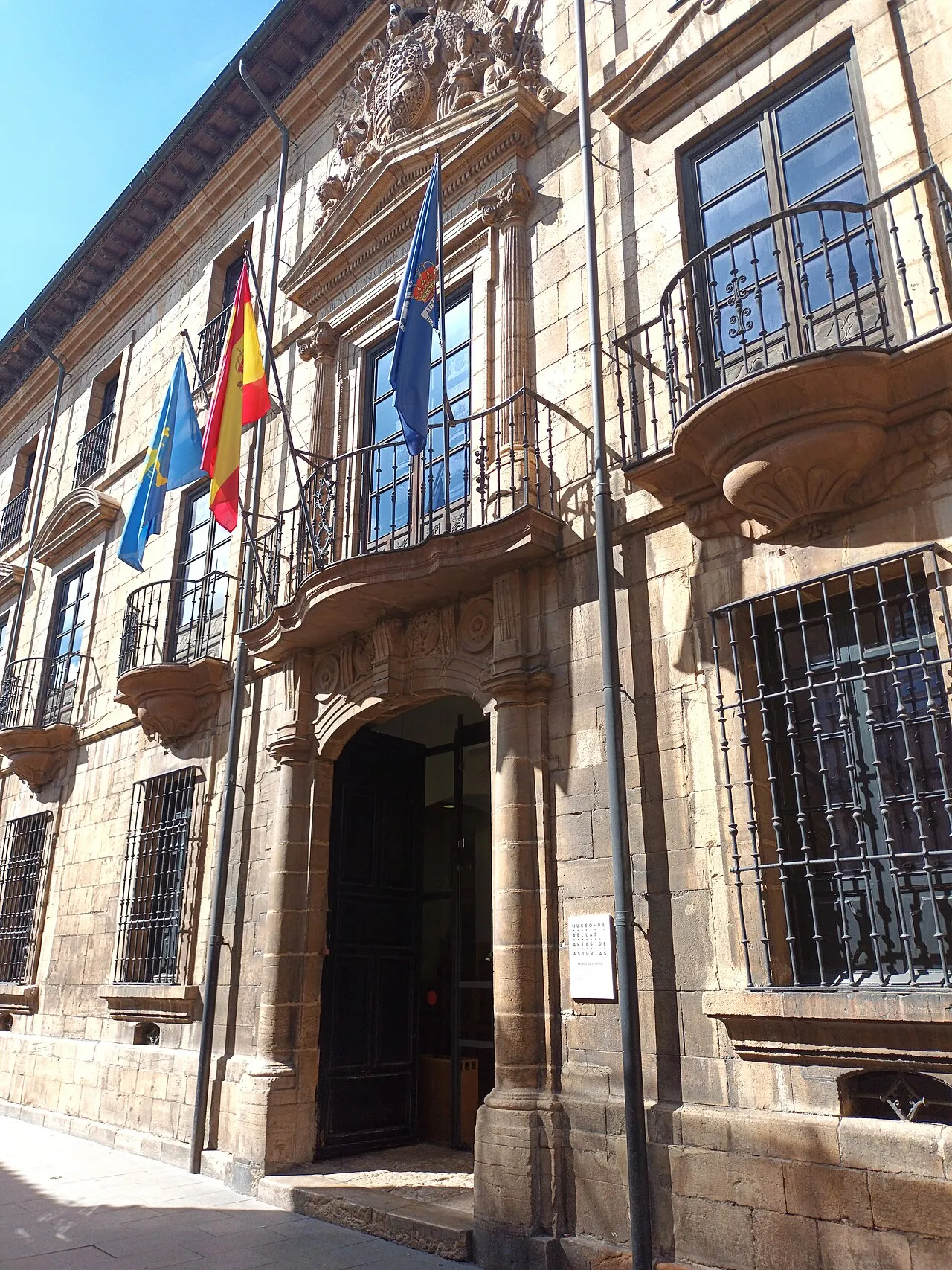
The two great ones are: the Museum of Fine Arts of Asturias, with an apostolado by El Greco, Goya and Zurbarán, and the Archaeological Museum, in the monastery where the city was born. That a collection of that level should be free says a good deal about how Oviedo understands access to culture.
What do people eat in Oviedo?
Fabada with Asturian fabes of buttery grain, cachopo, cheeses — Cabrales, Gamonéu, Afuega'l Pitu — Asturian pote and fish from the Cantabrian Sea. All washed down with poured natural cider. And every 19 October, El Desarme: chickpeas with cod and spinach, tripe and rice pudding, with no variations.