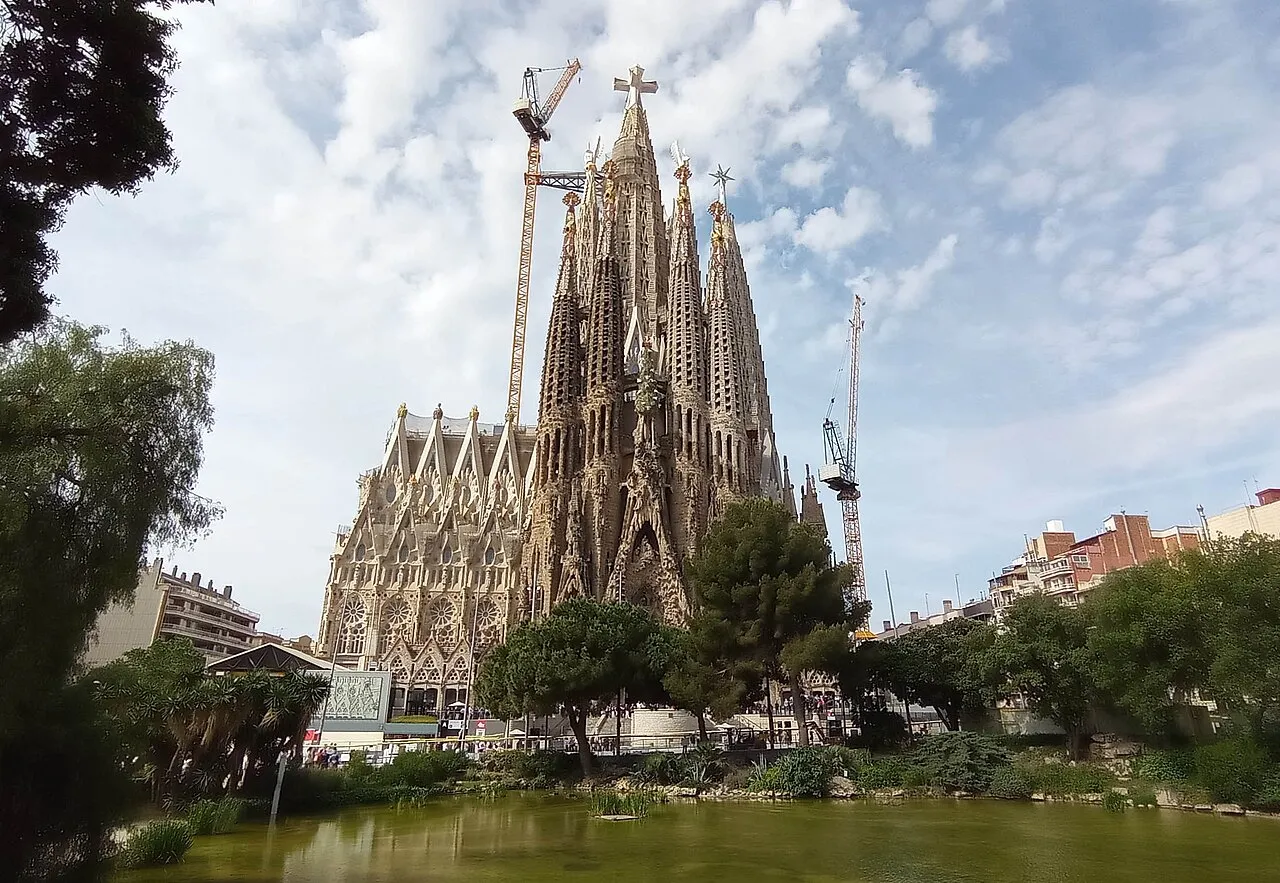
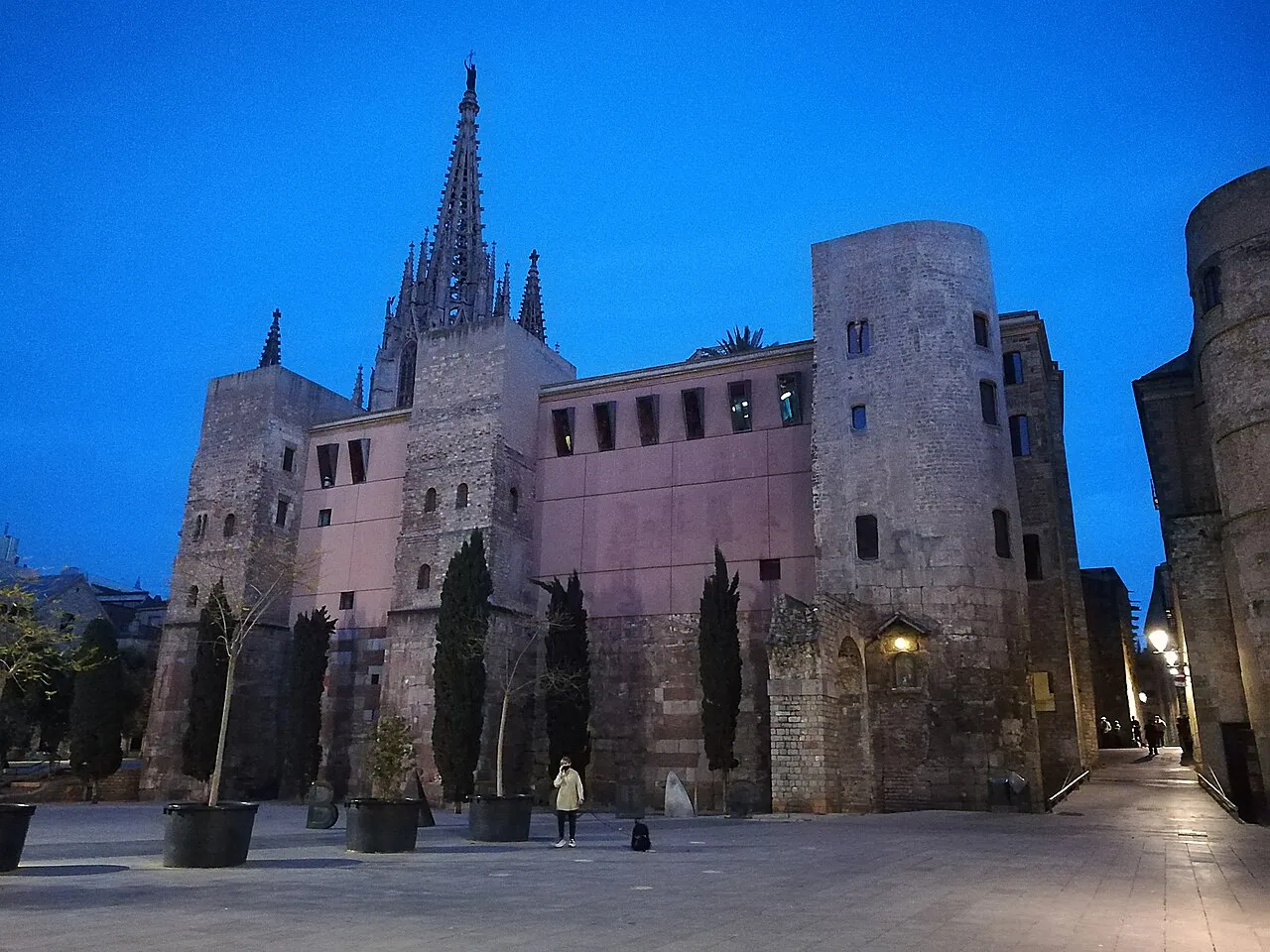
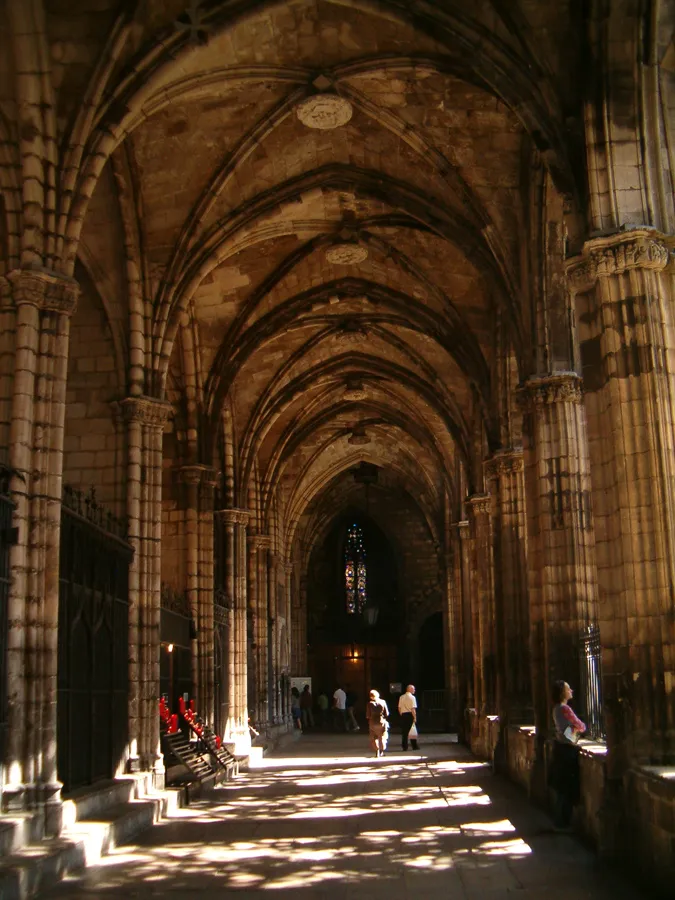
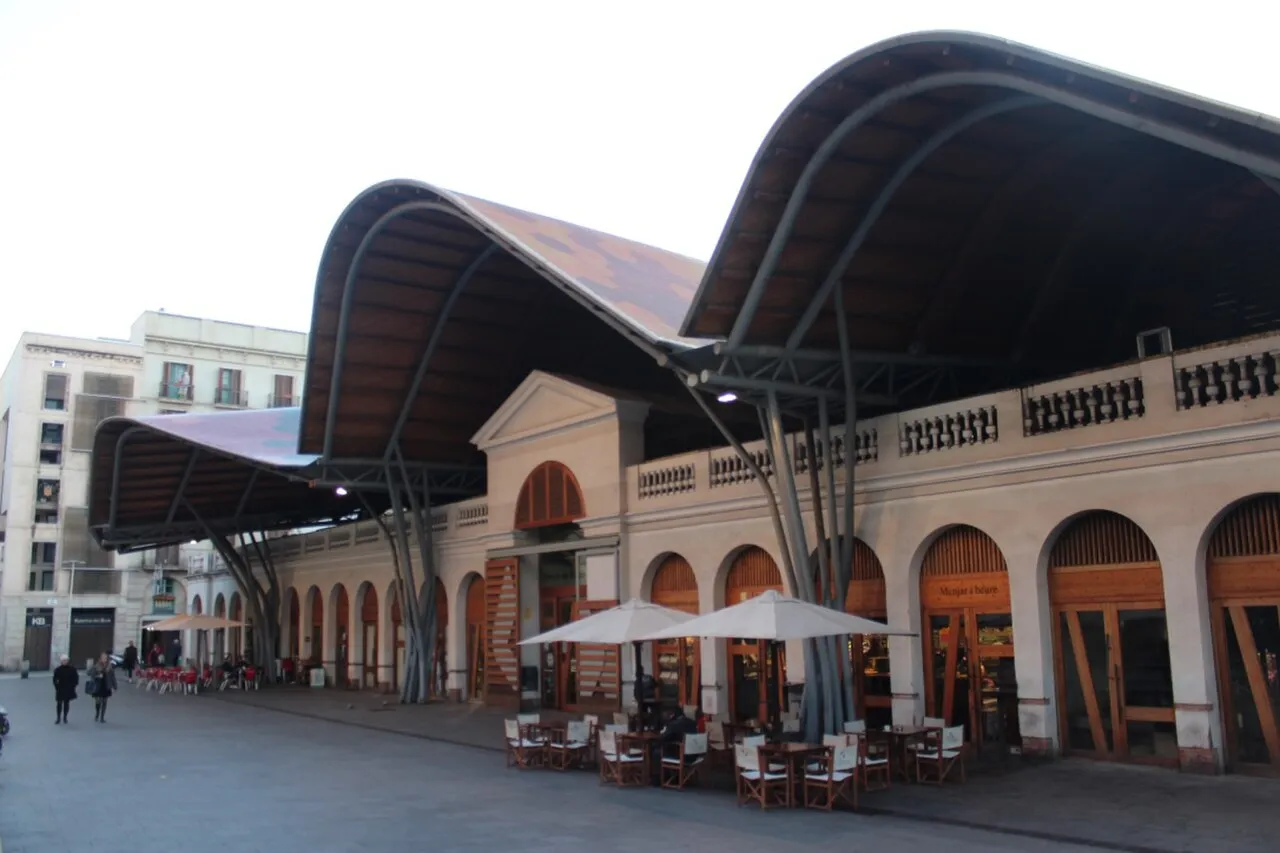
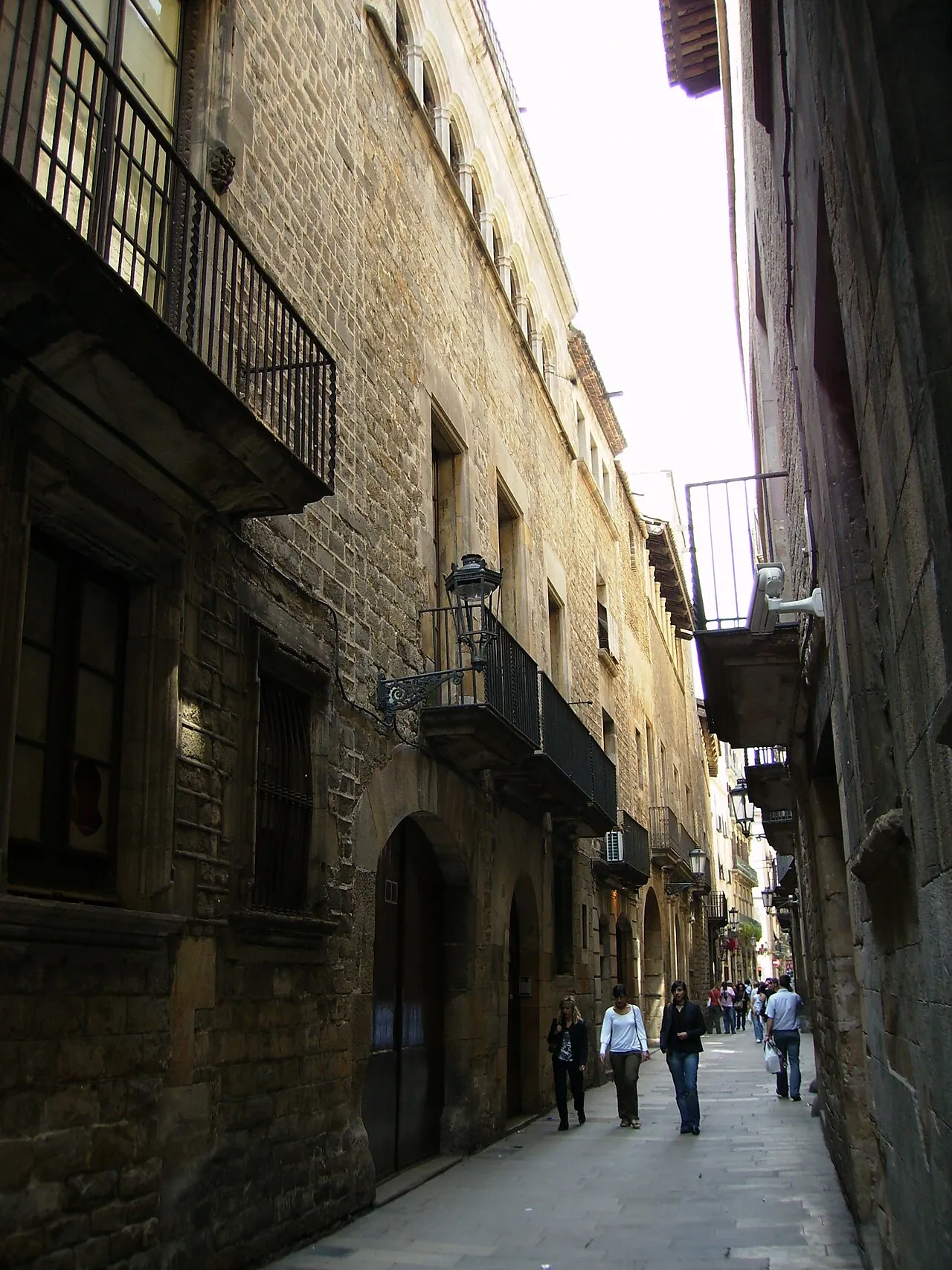
Barcelona has one welcome advantage: almost everything essential is within walking distance, and the pieces link up in a fairly logical order. At the top, the modernista Eixample with the Sagrada Família as its beacon. In the middle, the old town, which is really three very different neighbourhoods — Gòtic, Born and Raval — separated by a couple of streets and with two thousand years of history packed into them. And at the bottom, the sea, which the city recovered barely three decades ago. This guide follows that route from top to bottom, which is how you really walk the city, not in order of fame.
Frequently asked questions
How many days do you need to see Barcelona?
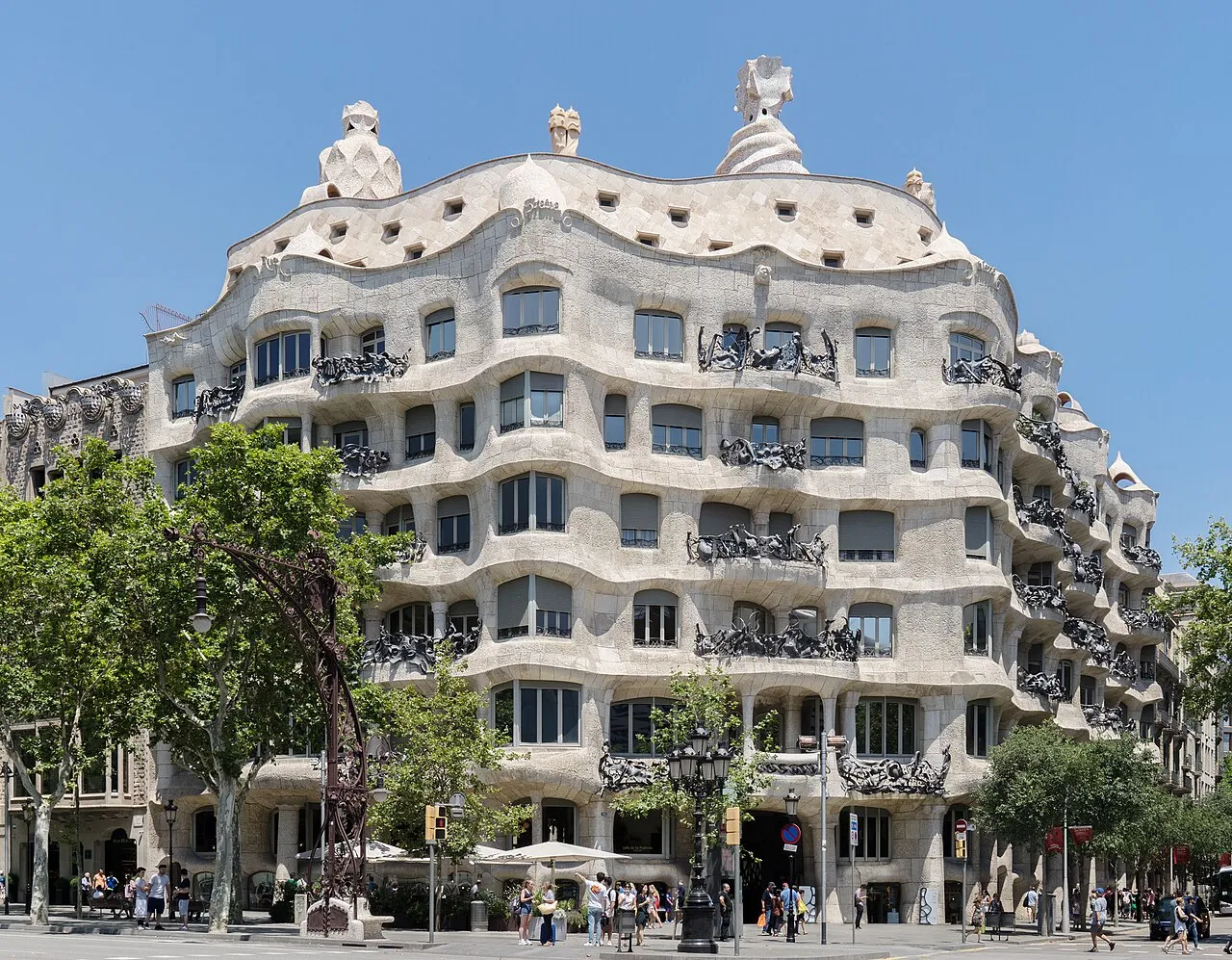
Three full days cover the essentials without rushing: one for the modernisme of the Eixample — Sagrada Família, Passeig de Gràcia, La Pedrera — another for the whole old town — Gòtic, Born and Raval, which fit together on foot — and a third for the sea and for whatever lies outside the centre, such as the Park Güell or Montjuïc. Two days can be done, but you have to choose. Four or five bring in the neighbourhoods that really change how you see the city: Gràcia, Sant Antoni, the Poblenou.
And the Park Güell, the Casa Batlló and Montjuïc?
They are essential and they are not on this list for one specific reason: they fall outside the walking route that structures this guide, which concentrates on what links up on foot. The Park Güell is in upper Gràcia and needs a metro or a bus plus a considerable climb; the Casa Batlló is on the Passeig de Gràcia, five minutes from La Pedrera, and the two together in one day is a great deal of modernista house; Montjuïc is an entire hill with museums, gardens and a castle, and takes a long half-day. All of them require booking ahead.
Do you need to book tickets in advance in Barcelona?
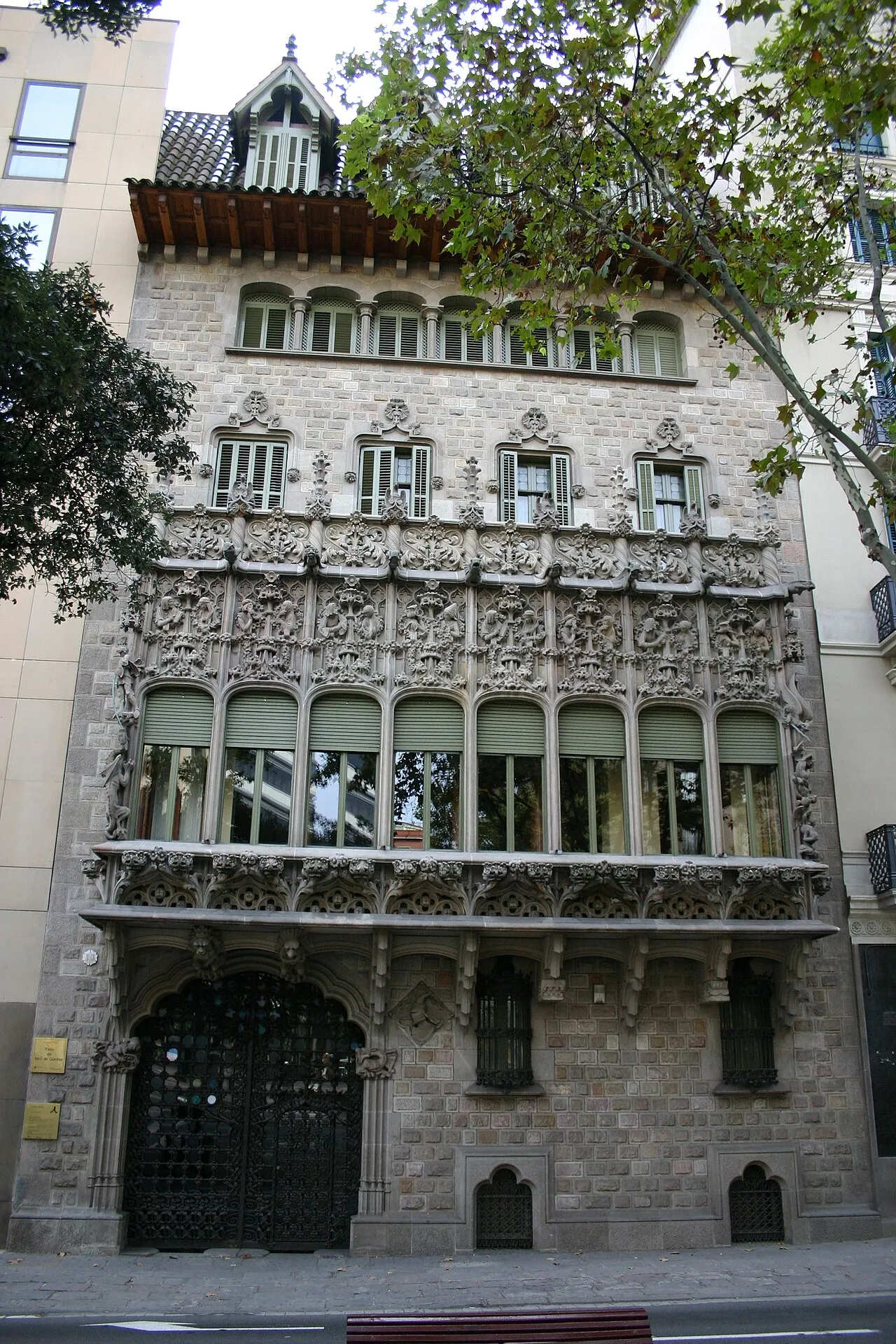
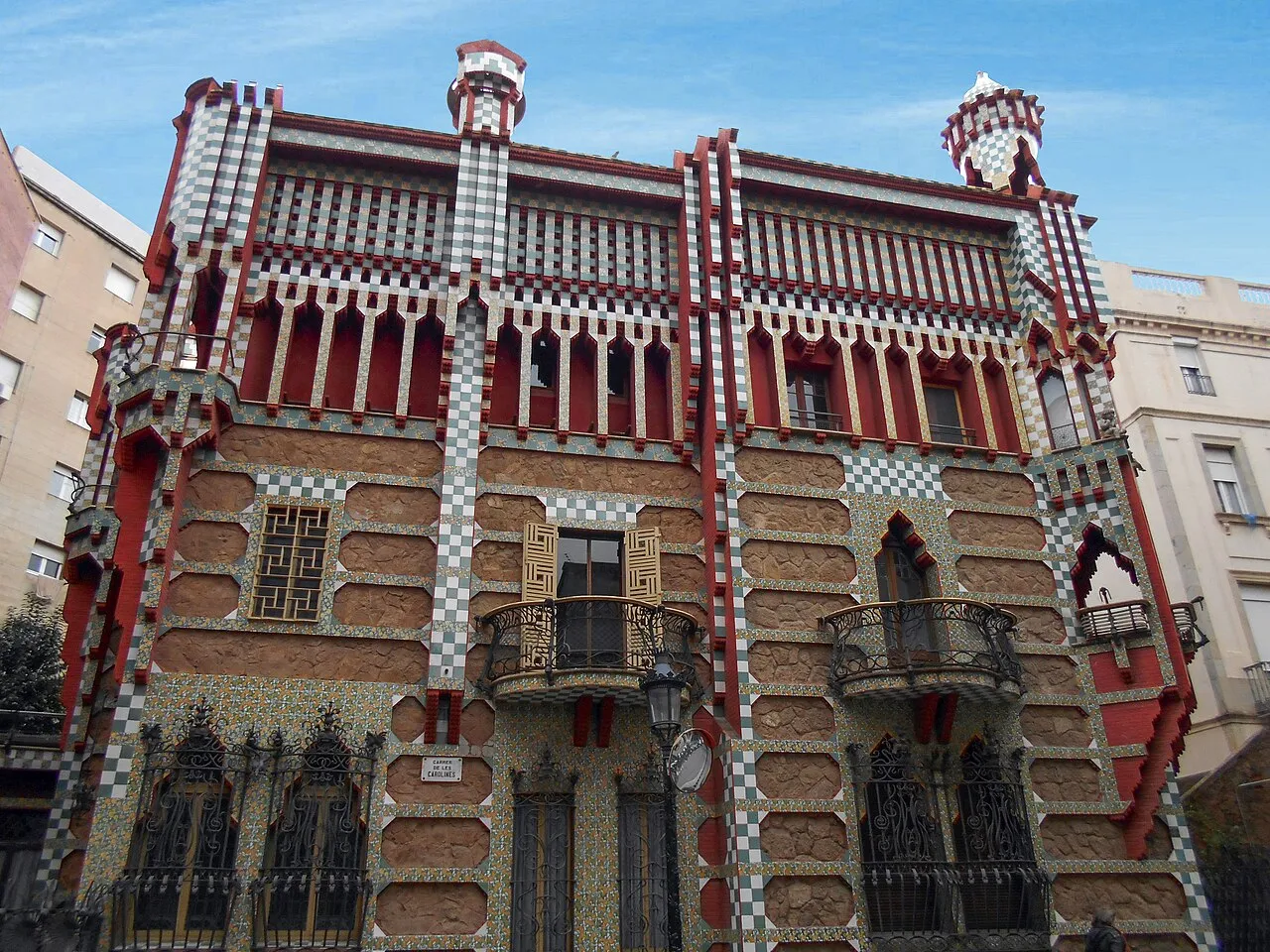
For the Sagrada Família, yes, and weeks ahead: it is the most visited monument in Spain and the time slots sell out. For La Pedrera, the Casa Batlló and the Park Güell it is worth booking days ahead. The Museu Picasso also builds long queues. The Casa Vicens, the Palau Macaya, Sant Pau del Camp and practically the whole old town, on the other hand, can be done as you go. One tip: the first slots of the morning and the last of the afternoon are the ones that sell out latest.
Can Barcelona be seen on foot?
The old town yes, all of it and comfortably: Gòtic, Born and Raval are three adjoining neighbourhoods that can be walked in one long day, and from there it is fifteen minutes down to the sea. The Eixample is walkable too, though its blocks are large and the distances deceive: from Plaça de Catalunya to the Sagrada Família is a good half-hour on foot. For the Park Güell, Montjuïc or the Camp Nou you need transport. The metro is fast, cheap with a ten-journey pass and covers everything.
What is the best time of year to travel to Barcelona?
May, June, September and October are the best months: pleasant temperatures, a sea still or already swimmable in September, and less saturation than at the height of summer. July and August are hot and humid, with the city and the beaches full. Winter is mild — it rarely drops below eight or ten degrees — and it is the best time for the museums and for finding affordable accommodation. Avoid, if you can, the dates of the Mobile World Congress in February or March: hotel prices go through the roof.
Which neighbourhoods of Barcelona are worth seeing besides the centre?
Gràcia, which until 1897 was an independent municipality and still looks like one, with its squares full of people at every hour and Gaudí's Casa Vicens. Sant Antoni, with its restored modernista market and a neighbourhood life the centre no longer has. The Poblenou, the former industrial zone converted, with the Rambla del Poblenou and the quieter beaches. And Sants or the Clot, if what you are after is simply to see how the city lives when nobody is watching it.