La Barceloneta and Barcelona's beaches: what to see and where to eat
Neighbourhoods · Barcelona

La Barceloneta and Barcelona's beaches: what to see and where to eat

A rehousing neighbourhood from 1753, a beach that did not exist before 1992 and the inner streets where people still eat as in a fishing village.

10 min read · Updated for 2026
🎧 On the walk La Barceloneta and the sea

La Barceloneta was built as a punishment and has ended up as the postcard of the European summer. It was born in 1753 to rehouse the families Philip V had expelled from the Born after razing it, it was laid out with ruler and set square by a military engineer and for two centuries it was a fishermen's neighbourhood. The beach that makes it famous today did not exist thirty-five years ago. Understanding those two layers completely changes the way you walk around here.

Eat in the inner streets of the grid, not on the seafront promenade. It is the same cooking, with locals at the next counter, and it costs literally half.

A neighbourhood laid out by a military engineer

The plan was signed by Juan Martín Cermeño in 1753 and it is the first planned urban development in Barcelona, a century before Cerdà's Eixample. Elongated blocks, narrow streets and all facing the same way, so they would ventilate in the same manner. Nothing was left to chance: it was an enlightened military project, church included.

The original dwellings were the so-called “cuartos de casa”: a single room per dwelling, two per floor, so that all of them had light and cross-ventilation. Over time storeys were added on top — up to four and five — hence the irregular height and the compressed feel of the neighbourhood today.

Sant Miquel del Port, the church, was raised at the same time as the neighbourhood and on the same principle: a sober façade, almost barracks-like, with figures of the sailors' patron saints over the door. For two centuries it was where the women of the neighbourhood prayed when there was a storm and their husbands were at sea. That is not a literary image: it was the management of a real risk.

1Plaça de la Barceloneta and Sant Miquel del Port

Plaça de la Barceloneta and Sant Miquel del Port

📍 Centre of the neighbourhood

The geometric centre of the 1753 grid and the spot where the neighbourhood lives its life. The church was built at the same time as the houses, within the same military project, and its sober façade gives it away. Over the door are the sailors' patron saints, and every 16 July the Virgen del Carmen goes out in procession down to the water to bless the sea.

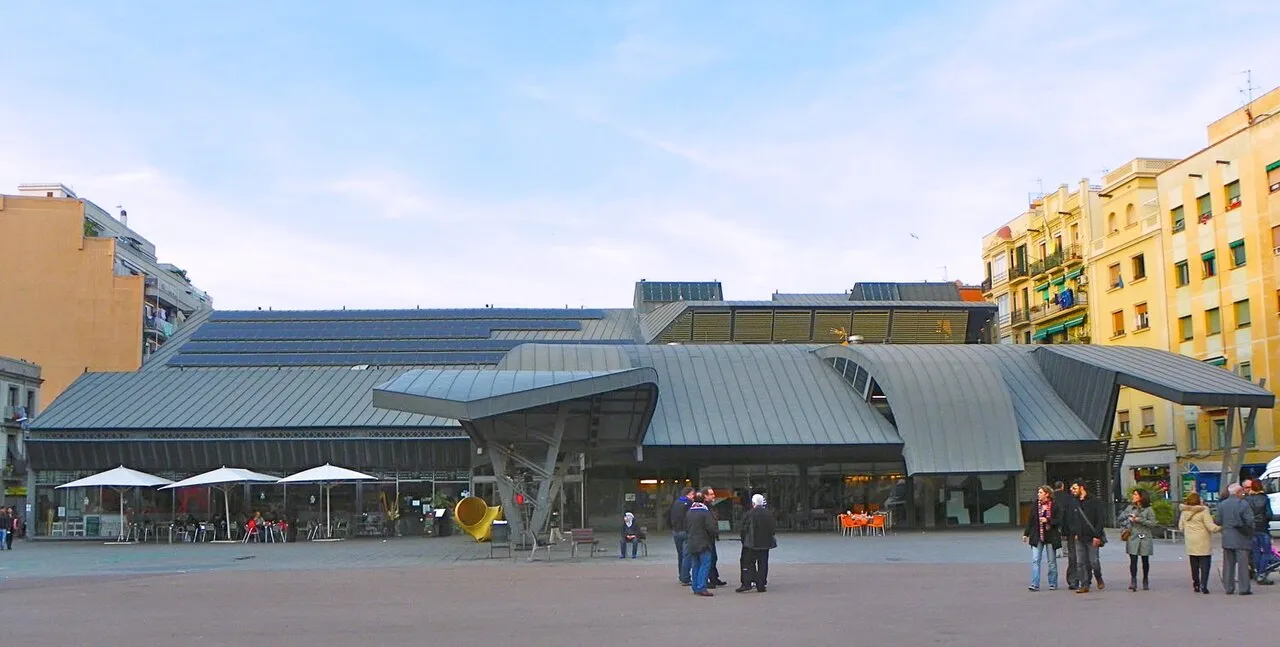
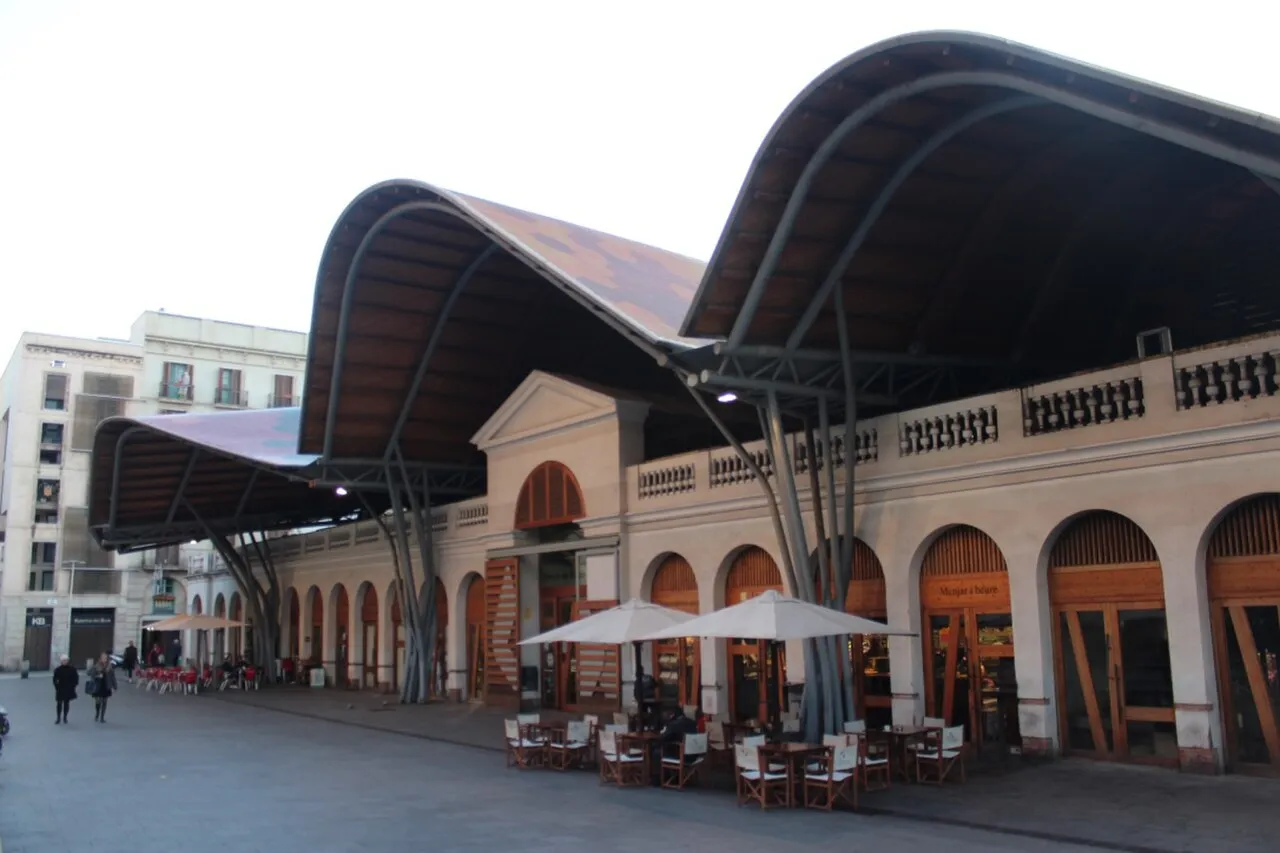
2Mercat de la Barceloneta

Mercat de la Barceloneta

📍 Plaça de la Font, 1

Nineteenth-century iron and glass, the work of Rovira i Trias, the architect who won the Eixample competition and on whom Madrid imposed Cerdà's plan. It is still a market for locals, with shopping trolleys in mid-morning, and since the 2007 refurbishment it shares the building with a fine-dining restaurant. The counters inside are the best food in the neighbourhood.

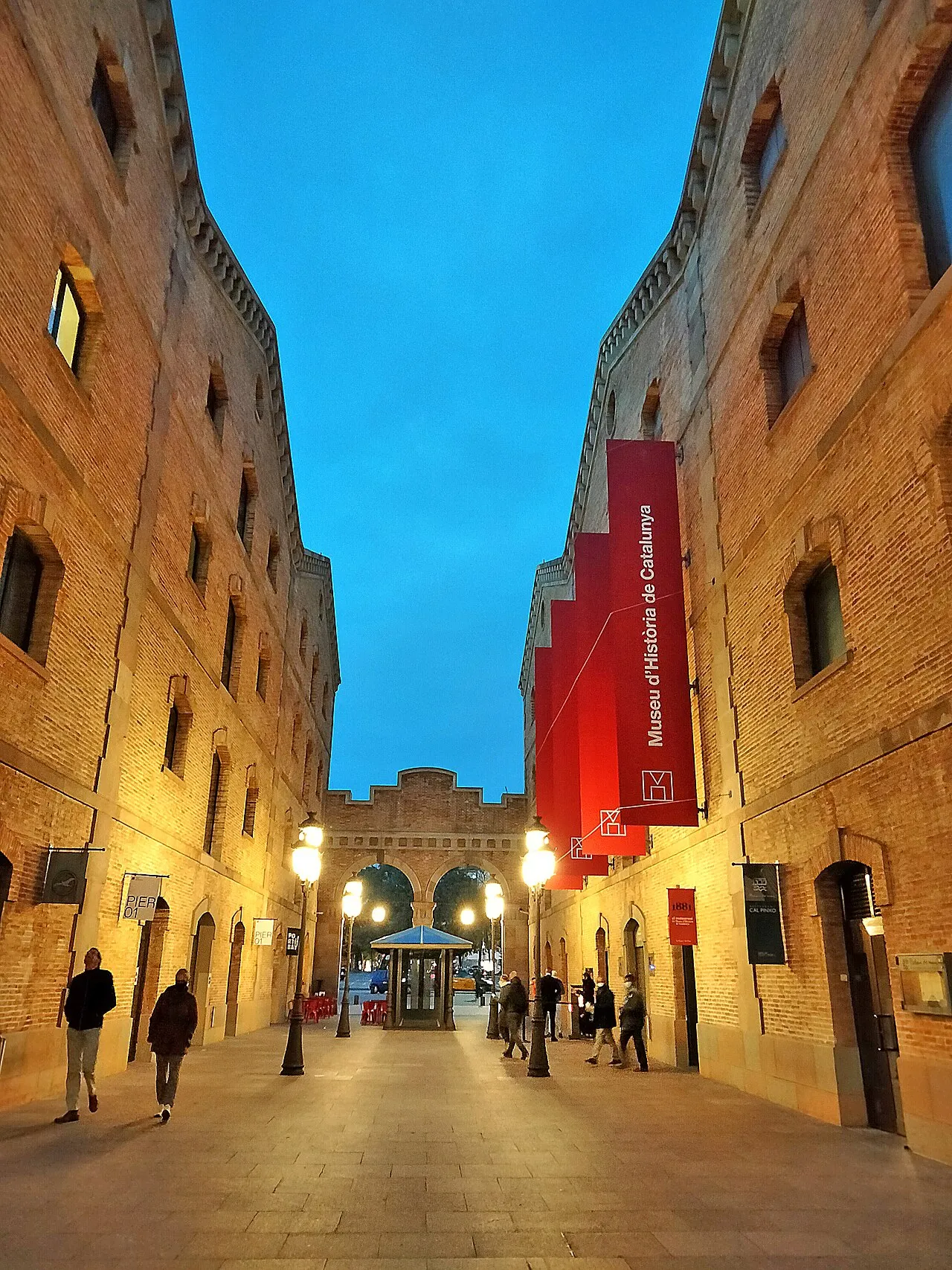
3Palau de Mar

Palau de Mar

📍 Plaça de Pau Vila, 3

The last port warehouse still standing of the whole row that occupied this quay a century ago. It houses the Museu d'Història de Catalunya, with full-scale reproductions of a shanty and an air-raid shelter. And upstairs it has a public, free terrace with the best free view of the Port Vell and the rooftops of the neighbourhood: almost nobody knows you can go up without entering the museum.

🎧 With Viavoy

Explore Barcelona at your own pace

Download the app and discover Barcelona offline, whenever you like. Take the walking tour La Barceloneta and the sea with a local guide in your ear.

Find out more about Viavoy →

The beach that was built for 1992

And the shanty town that lay beneath it.

Before the Olympic operation, Barcelona's coast was an industrial barrier: factories, warehouses, a railway line hugging the water and chiringuitos, beach bars, propped up on the sand. Access to the sea from the centre was, in practice, impossible.

And here, on what is now the beach, stretched the Somorrostro: a shanty town where at one point thousands of people lived crammed together, without running water or sewers, flattened periodically by storms. In one of those shanties, in 1913, Carmen Amaya was born, probably the most important bailaora, flamenco dancer, in the history of flamenco. The settlement was dismantled for good in 1966.

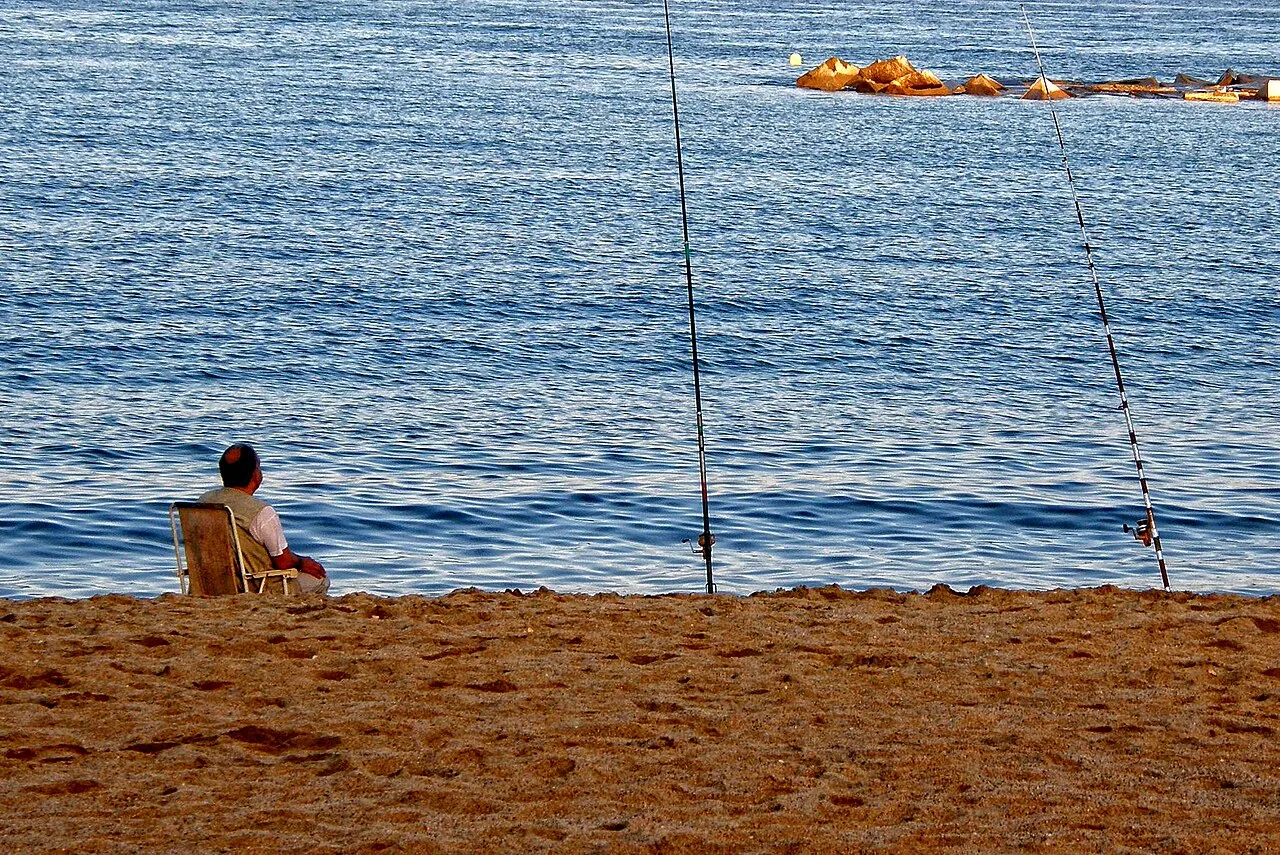
The 1992 redevelopment tore down the industrial barrier, buried the tracks and created four and a half kilometres of beaches. Much of the sand was brought in from elsewhere, and the breakwaters that jut into the water were built to hold it; every strong winter storm takes part of it away and the City Council replaces it. It is a maintained beach, like almost all urban beaches on the Mediterranean.

Facing the water stands L'Estel Ferit, “the wounded star”, Rebecca Horn's sculpture from 1992: four cubes of iron and glass stacked and misaligned, raised as a tribute to the chiringuitos and to the Barceloneta that this same redevelopment had just demolished. The city paid tribute to what it was erasing.

4Barceloneta Beach

Barceloneta Beach

📍 Passeig Marítim

The most famous urban beach in Europe and one of the youngest. Here there were factories, railway tracks and the Somorrostro, a shanty town where Carmen Amaya was born and which was dismantled in 1966. It is the busiest beach and also the one that concentrates the most pickpocketing problems: nothing left unattended while you swim.

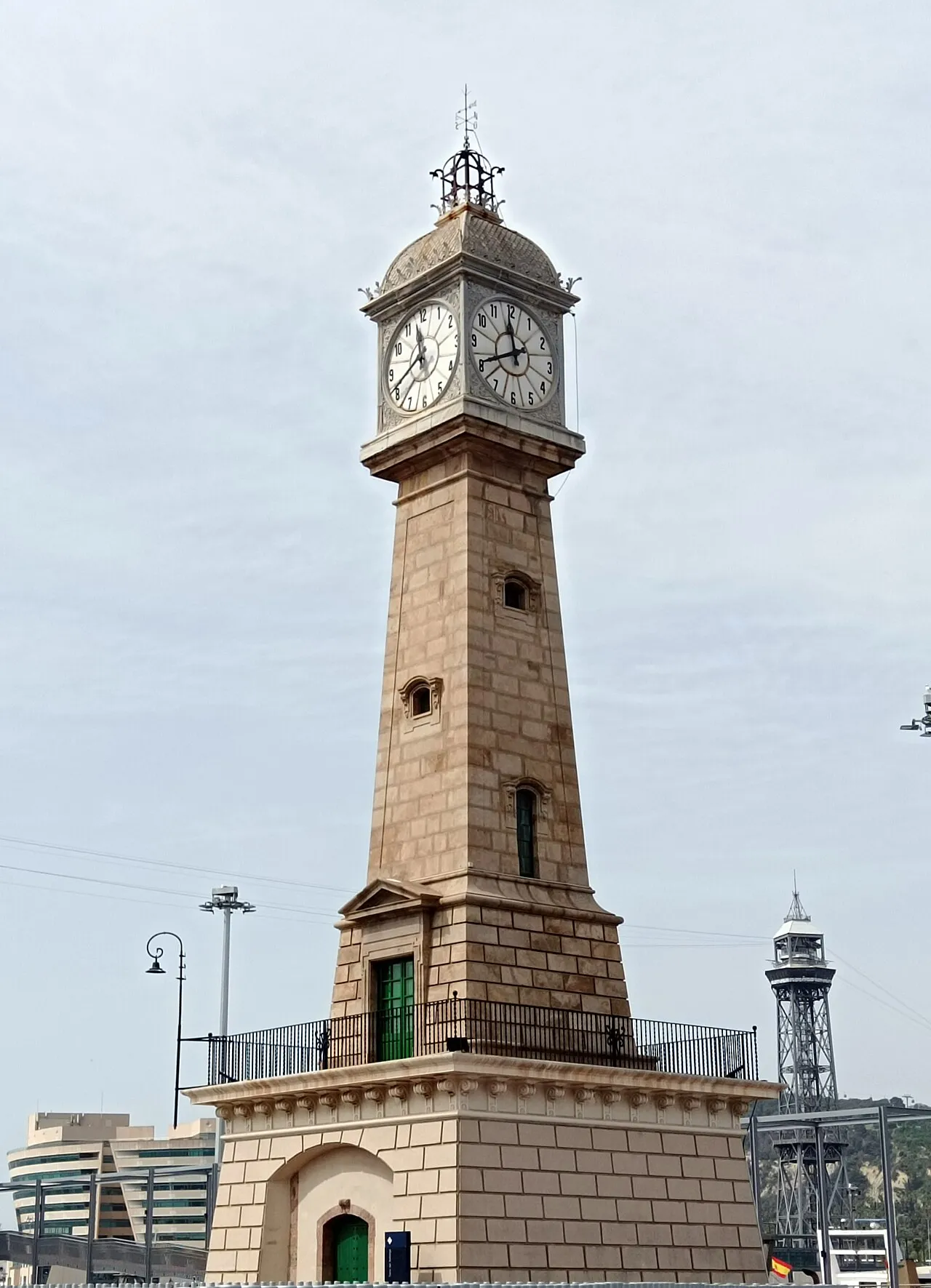
5Clock Tower

Clock Tower

📍 Moll dels Pescadors

It was built in 1772 as a lighthouse, one of the first in the western Mediterranean, and for more than a century its flame guided the boats coming home at night. When Montjuïc got a more powerful lighthouse, instead of demolishing it they fitted it with a four-faced clock. At its feet the small fishing fleet Barcelona has left is still moored.

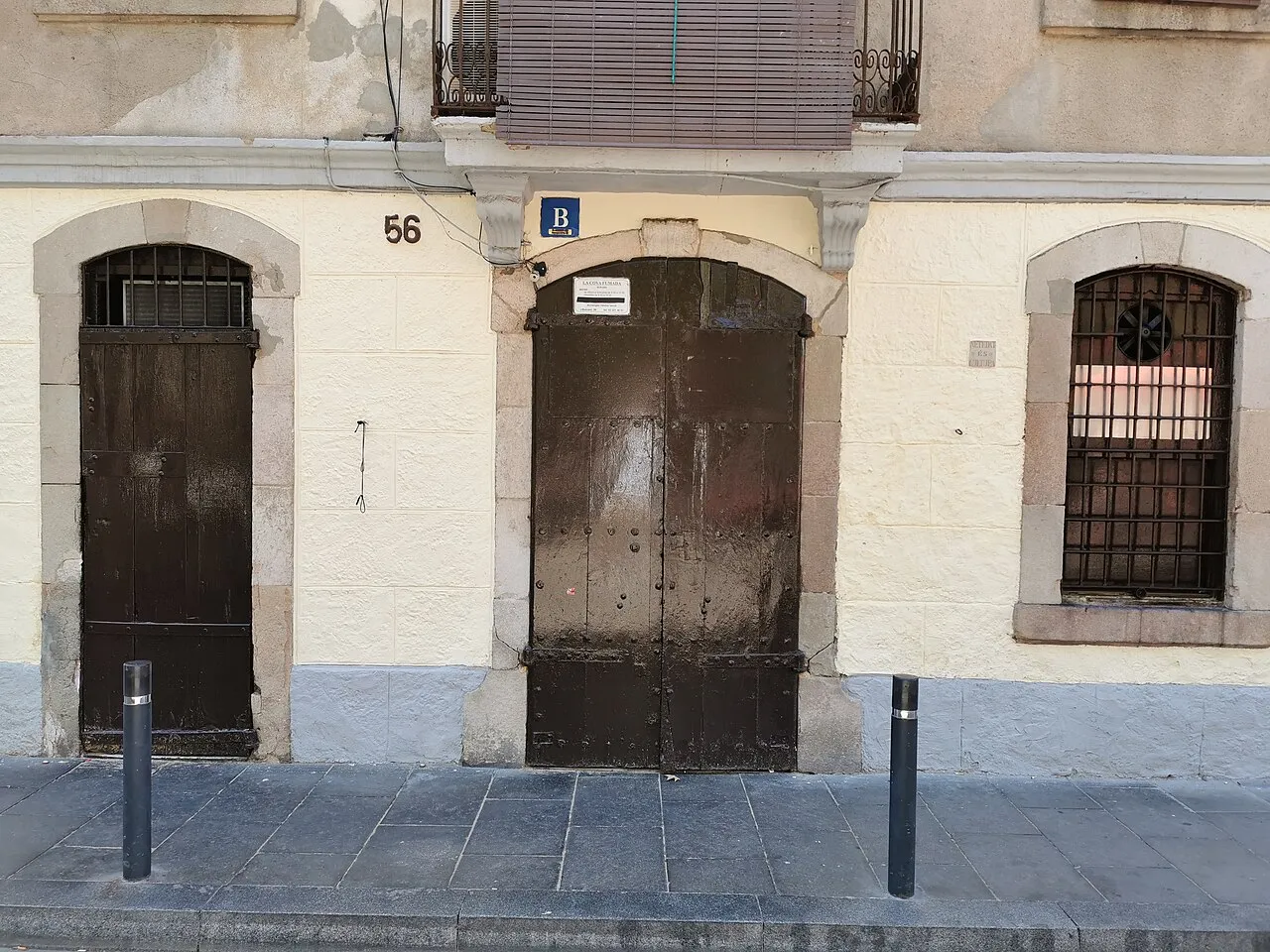
6La Cova Fumada

La Cova Fumada

📍 Carrer del Baluard, 56

A tavern with no sign, with marble tables and the kitchen in full view, open since 1944 and which people still enter out of habit. This is where the bomba was invented — a potato ball stuffed with meat, with brava sauce and alioli — which today is eaten in half of Barcelona. They do not take cards, they do not take bookings and they close early. It is exactly what it looks like.

Frequently asked questions

Why was the Barceloneta neighbourhood created?

To rehouse the families expelled from the Born. After the siege of 1714, Philip V's troops razed an entire neighbourhood to build a military citadel, and more than a thousand families were left without a home. Decades later, in 1753, the crown raised this new neighbourhood beside the sea, laid out with ruler and set square by the military engineer Juan Martín Cermeño. It is the first planned urban development in Barcelona, a century before the Eixample.

Is Barceloneta beach artificial?

Largely, yes. Before 1992 there were factories, railway tracks and a shanty town here, and hardly any usable sand was left. The Olympic operation tore down the industrial barrier, buried the tracks, brought in sand from elsewhere and built the breakwaters that hold it. Every strong winter storm takes part of it away and the City Council replaces it, so it is an artificially maintained beach, like almost all urban beaches on the Mediterranean.

Which is the best beach in Barcelona?

It depends on what you are looking for. La Barceloneta is the most central, the liveliest and the fullest. Nova Icària and Bogatell, ten or fifteen minutes north along the promenade, have the same water and considerably fewer people, with more of a local presence. Mar Bella also has an established nudist area. And if you are really after peace and quiet, it is best to leave the city: the coves of the Maresme or the Costa Brava are less than an hour away by train.

Where to eat in the Barceloneta?

In the inner streets of the grid, never on the seafront promenade: it is the same cooking at half the price and with locals at the next counter. The counters of the Mercat de la Barceloneta are the safest option. And the neighbourhood institution is La Cova Fumada, open since 1944, with no sign, no bookings and no cards, where the bomba was invented: a potato ball stuffed with meat, with brava sauce and alioli.

What was the Somorrostro?

An enormous shanty town that occupied the coast where the beach is today, and where at one point thousands of people lived crammed together, mostly families who had come from southern Spain looking for work. It had no running water or sewers and the storms flattened it regularly. Carmen Amaya, the most important flamenco dancer in history, was born there in 1913. The settlement was dismantled for good in 1966.

Can you walk around the streets of the Barceloneta in swimwear?

No: there is a municipal by-law that expressly forbids it and it is enforced with fines. Being in swimwear or bare-chested is allowed on the beach and on the seafront promenade, but not in the neighbourhood's streets. The rule was born precisely out of the conflict between residents and beach tourism, which has been intense in the Barceloneta and which you will see reflected in the banners on the balconies.

The other beaches, and the neighbourhood's conflict

La Barceloneta is the fullest and the noisiest beach. To the north, walking ten or fifteen minutes along the promenade, are Somorrostro, Nova Icària, Bogatell and Mar Bella, all with the same water and considerably fewer people. Mar Bella also has an established nudist area. If you are after peace and quiet, walk.

For real swimming, the water is acceptable but it is not a cove: it is an urban beach in a big port city, with the quality that implies and periodic checks. After heavy rain it is best to wait a couple of days.

And there is a conflict worth knowing about because you will see it on the balconies. The pressure of tourist rentals and beach tourism has driven out a good part of the Barceloneta's residents, and the neighbourhood has been protesting for years with banners and demonstrations. It is not folklore: it is a serious housing problem.

The practical consequence for the visitor is simple: behave as you would in a neighbourhood where people live. No walking around the inner streets in swimwear — it is penalised by by-law — no noise in the small hours, and eat in the neighbourhood's places rather than the franchises on the promenade. It costs nothing and means a great deal.

Practical information

Getting thereMetro L4 Barceloneta. From the Port Vell, 10 minutes on foot; from La Rambla, 20.
DurationHalf a day with the beach included; two hours if you only walk the neighbourhood.
What costs moneyOnly the Museu d'Història de Catalunya. The terrace of the Palau de Mar, the beach and the neighbourhood are free.
Where to eatThe inner streets of the grid and the market counters. La Cova Fumada (1944) for the original bomba.
Alternative beachesNova Icària, Bogatell and Mar Bella, 10-15 minutes along the promenade. Same water, half the people.
RulesWalking the neighbourhood's streets in swimwear is forbidden: there is a municipal by-law and it is enforced with fines.
On the map

🎧 With Viavoy

Walk Barcelona and listen at your own pace

Download Viavoy and walk Barcelona offline, whenever you like.

from 2,99 €· one-off payment
City Pass · 9,99 €3 days, all the tours in Barcelona
Find out more about Viavoy →
Viavoy app

Keep reading

More articles

Itineraries

Barcelona in 2 days: the itinerary that actually works

Food & drink

Tapas and markets in Barcelona: where the city really eats

Neighbourhoods

El Born: the Barcelona of the merchants and of 1714

What to see

Las Ramblas and the Boqueria: how to see them without being taken for a ride