Espetos and pescaíto in Málaga: where, when and how they are eaten
The rule of the months without an R, why the fire burns inside a boat full of sand and what to order besides the sardine. A practical guide to the Málaga table.
Few dishes are as tied to one specific place as the espeto, the skewered sardine. It was not born in a restaurant and no chef invented it: it was born on these beaches, among people who grilled what they had not managed to sell, and it is still done exactly the same way, with a cane, six sardines and an old boat full of sand. Everything else on the Málaga table turns on that same logic: local produce and very little intervention.
The rule is the one about the months without an R: from May to August the sardine is at its peak of fat. In the months with an R it is leaner, and in the neighbourhood the rule is followed to the letter.
The espeto, explained
One cane, six sardines and fire from the side.
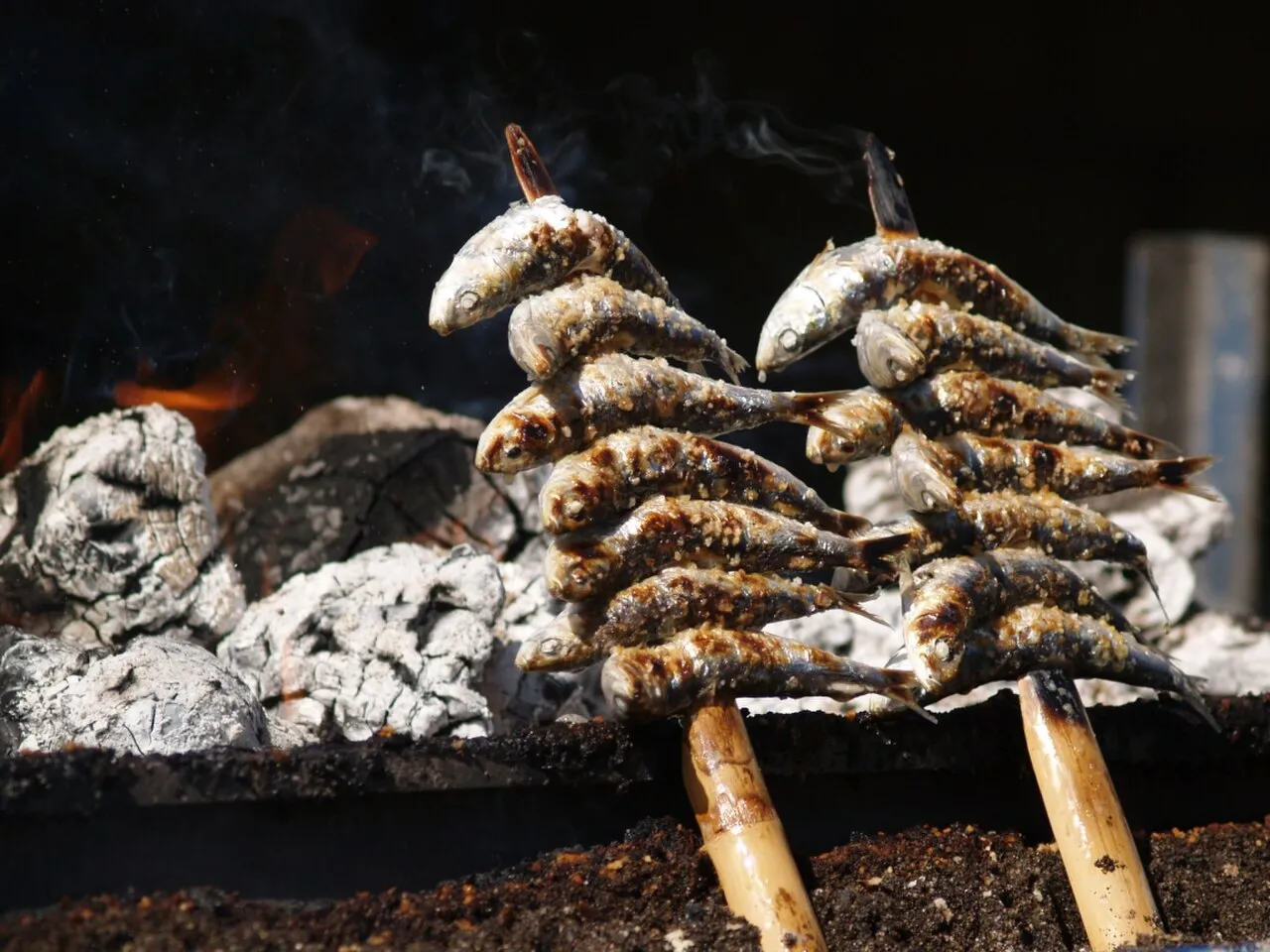
The set-up is always the same. Six sardines are threaded onto a bamboo cane through the back, not through the mouth, so they hold without breaking. The cane is planted at an angle in the sand next to the fire and turned over just once. It never goes on top of the embers.
That detail is the whole secret: the heat comes from the side, not from below, so the fat drips into the sand instead of into the fire and the skin toasts without the fish drying out or picking up a burnt-smoke flavour. It is a technique of indirect grilling that predates anyone calling it that.
And the fire burns inside an old boat filled with sand. It is not decoration or nostalgia: it is the only safe way to keep embers going on a beach, with the sand insulating the hull and containing the glow. The traditional wood is olive, which gives a short flame and long-lasting embers.
They are eaten with your fingers, straight off the cane, with no cutlery and no bread. And they are ordered by the espeto, not by the portion: one espeto is six sardines and one per person is usually enough if there are other things on the table.
1
The espeto in the sand
📍 Merenderos of El Palo and Pedregalejo
The boat filled with sand, olive wood burning inside it and the canes planted around it, is the founding image of Málaga cooking. It is done in full view, on the beach, and just to watch it being set up it is worth choosing a table near the fire.
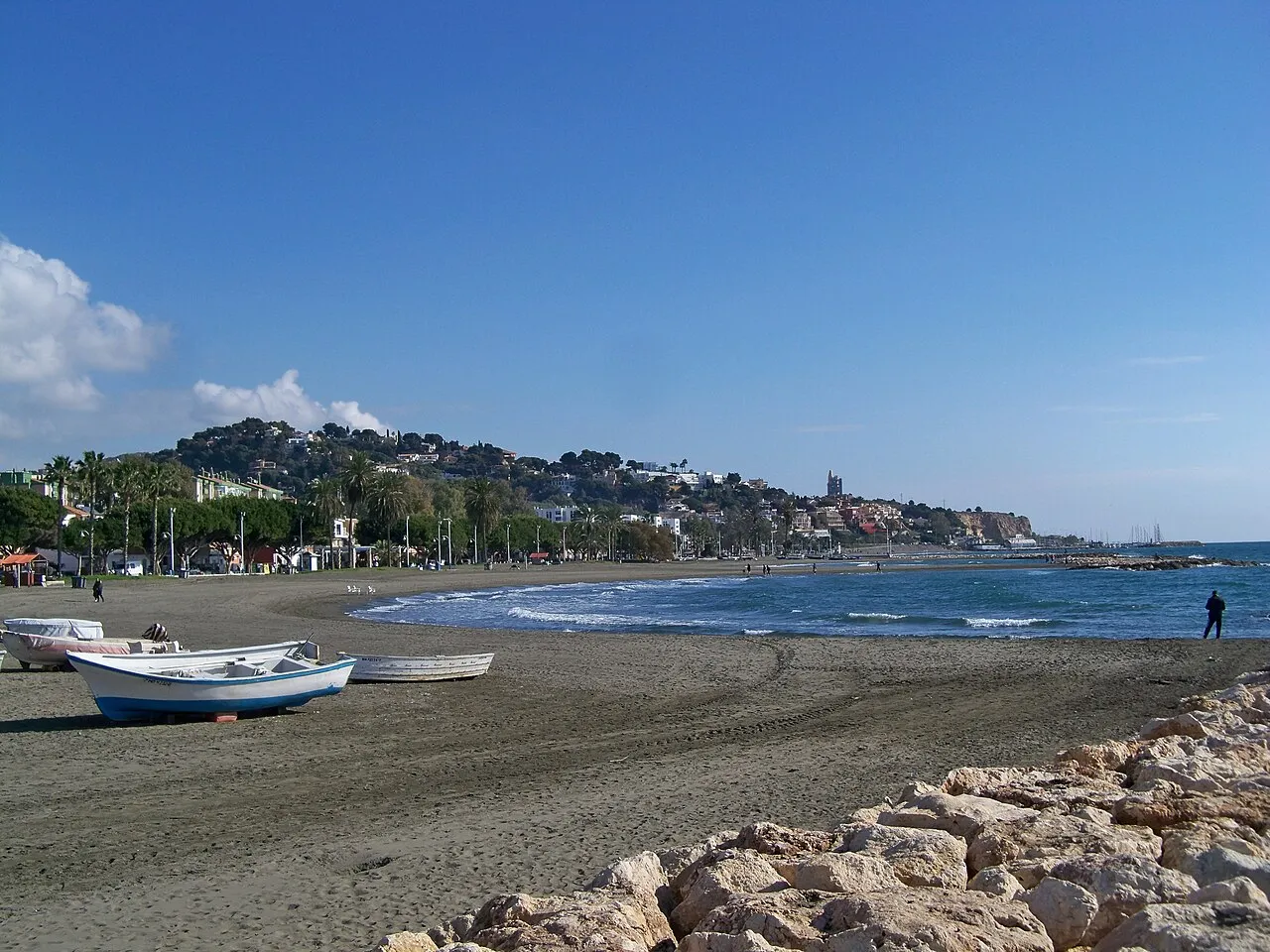
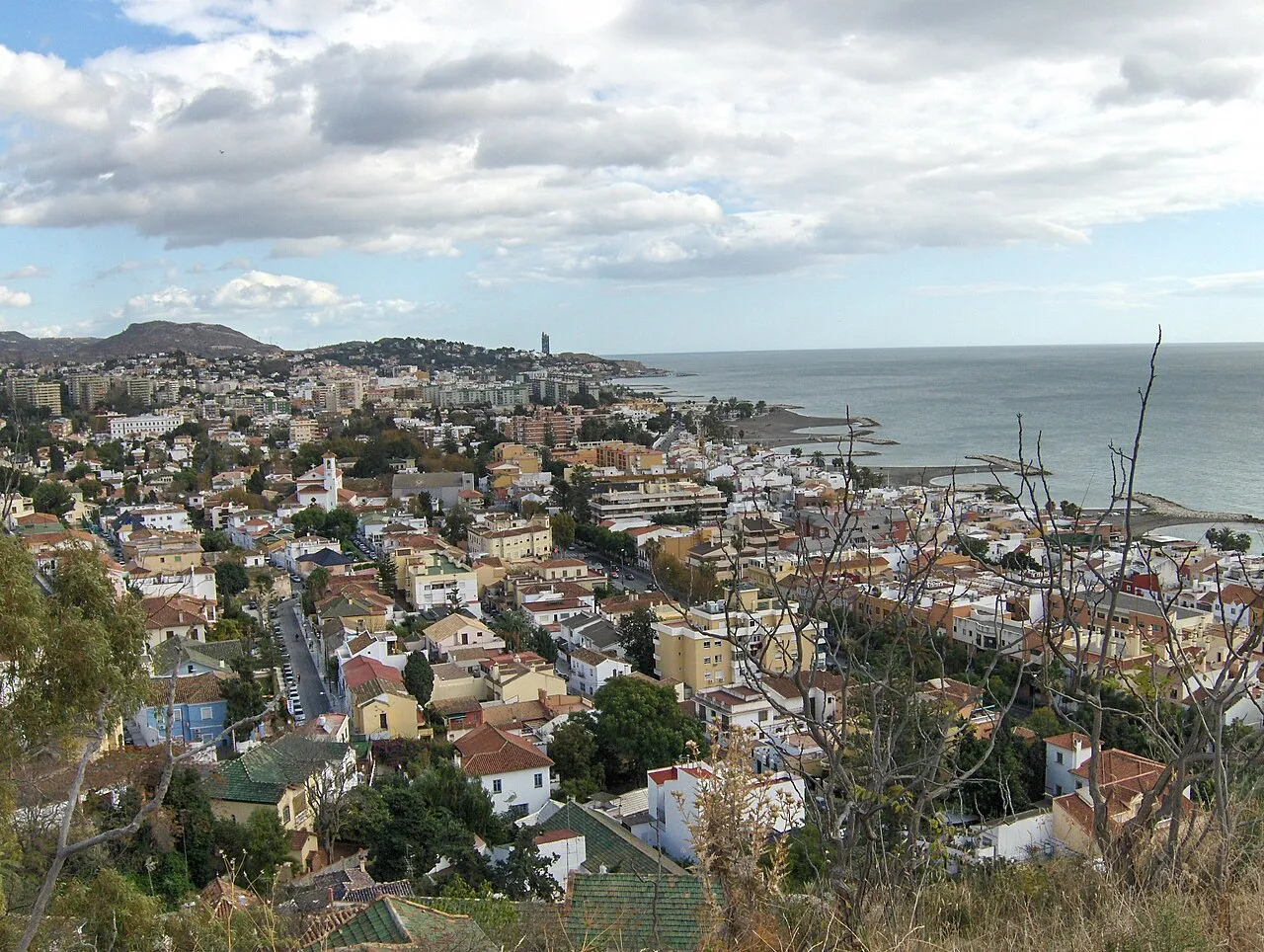
The neighbourhood where the dish was born and where boats still go out to fish from the sand. The merenderos, the beach restaurants, follow one after another along the beach, several with more than a century of family history, and the fish may have been in the water that same morning.
Pescaíto frito, fried fish, is the other half of the table, and in Málaga it has rules of its own. The frying is done with durum wheat flour, very hot oil and very little time, and the result has to come out dry on the outside and juicy inside, never oily. Málaga frying is one of the hallmarks of Andalusian cooking.
Boquerones victorianos are the local jewel: small anchovies from the bay, with a denomination of their own. You order them fried in a bunch, held by the tail in a fan, or in vinegar. The name comes from the neighbourhood of La Victoria, not from any queen.
As a starter, the ensalada malagueña, which surprises anyone who does not know it: boiled potato, orange, salt cod, spring onion and olives. The mix of orange and salt cod looks like a mistake and is one of the best things you eat here. And ajoblanco, a cold soup of almond and garlic with muscatel grapes, older than gazpacho.
To drink, sweet Málaga wine, which for centuries was one of the most exported wines in Europe. It is made with moscatel and Pedro Ximénez, and it goes surprisingly well with fried fish despite what the sugar suggests.
3
Antigua Casa de Guardia
📍 Alameda Principal, 18
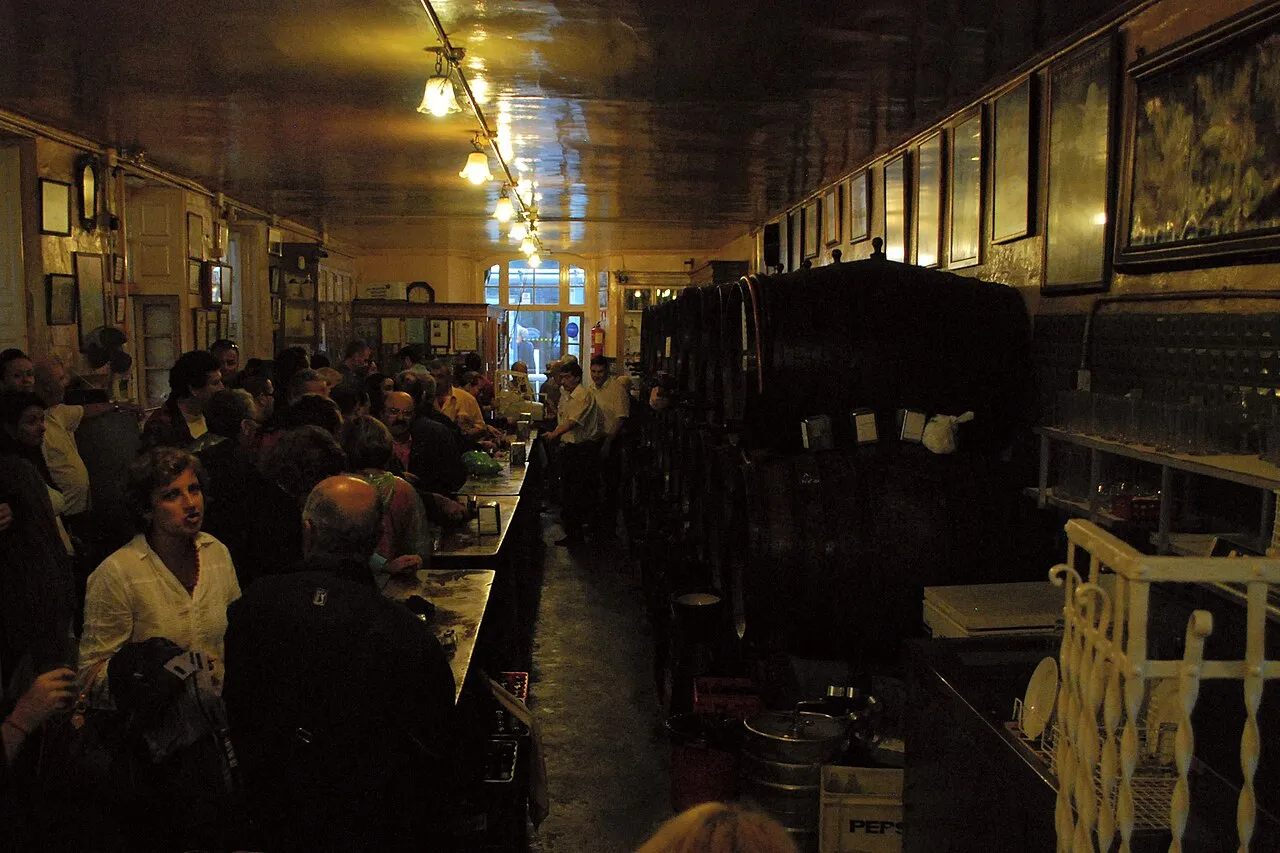
Open since 1840, the oldest taberna in the city and the place to understand Málaga sweet wine. There are no tables: you drink standing at the bar, the wine comes out of the casks stacked behind it and the bill is chalked on the wood. A tapa of mussels and little else.
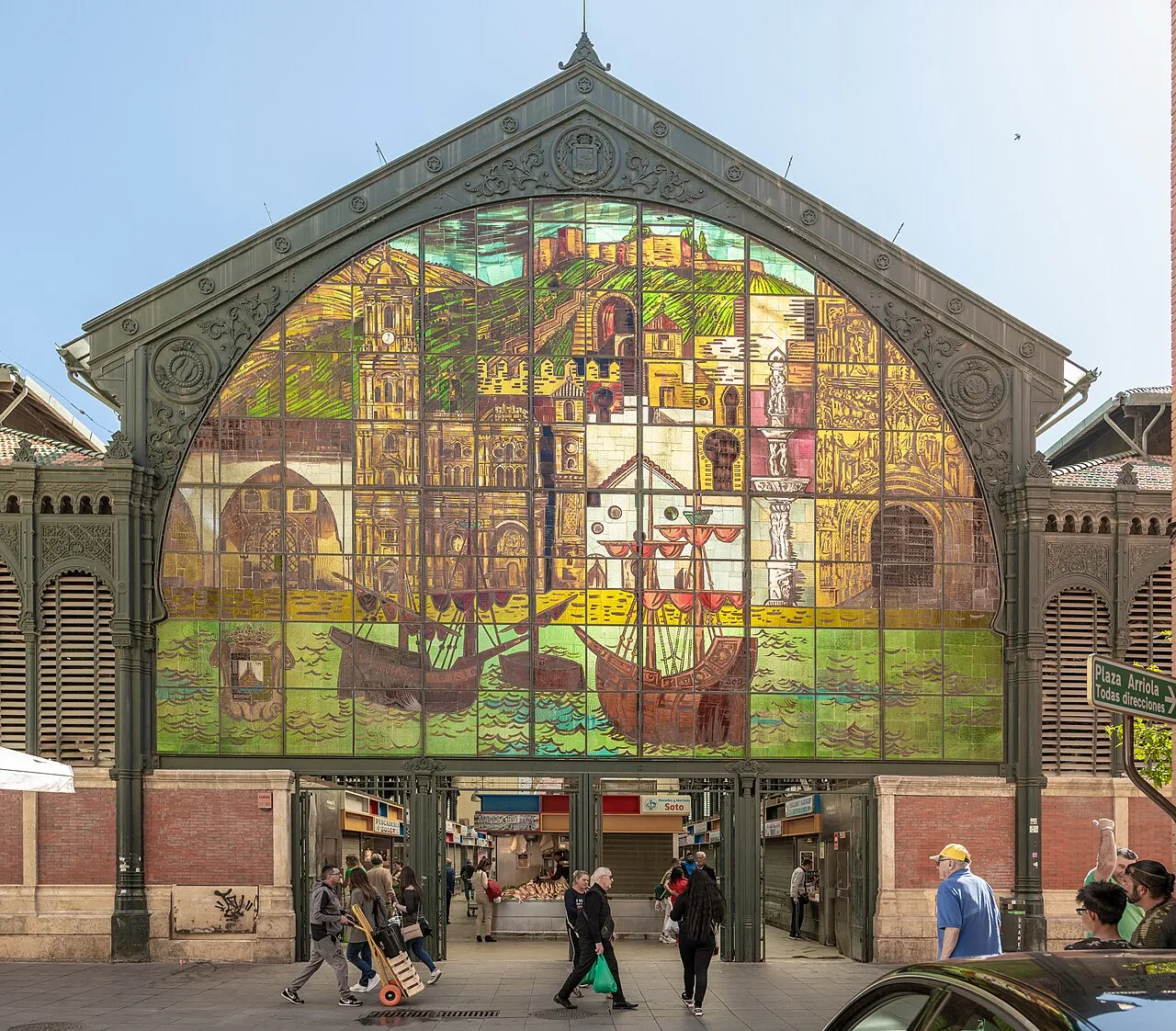
The best place to see the goods before eating them. The fish stalls are at the back and several serve at the counter at midday, with the same thing that is out on display. It closes in mid-afternoon and does not open on Sundays.
If what you are after is the real espeto, you have to leave the centre. El Palo and Pedregalejo, twenty minutes away on the number 11 bus, are the place: merenderos at the edge of the sand, fire in plain sight and fish of the day. It is a midday or sunset plan and you should arrive hungry.
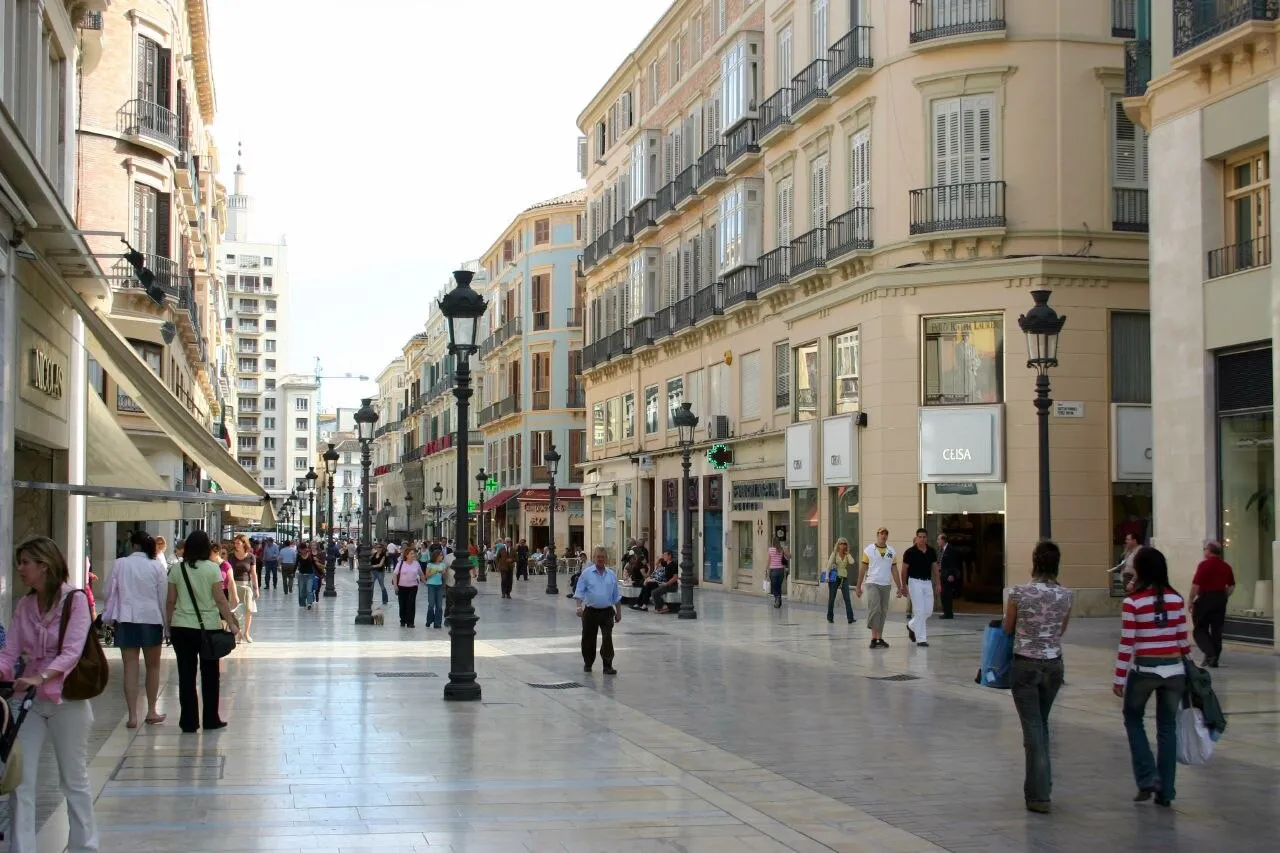
You eat well in the centre too, but the register changes: bar-counter tabernas, boquerones, fried fish and wine from the barrel. The area around the Plaza de la Merced and the streets around the market concentrate the most honest places; the tourist axis from Larios towards the cathedral is more expensive and more uneven.
A useful warning: almost any chiringuito on the Málaga coast makes espetos, including those on the most touristy beaches. The difference is not in the technique, which is identical, but in where the fish comes from and in the hand that does it. In El Palo the odds of it being from that morning are appreciably higher.
And a note on hours: the merenderos open at midday and several close one day during the week. In summer the beach fills up from two o'clock, so either you get there earlier or you book.
Terraces one after another along the boardwalk, with the little coves in front. Quieter and somewhat better kept than El Palo, and with a better atmosphere at dusk. A good option if you want dinner without going down onto the sand.
Six sardines threaded through the back onto a bamboo cane, planted at an angle in the sand next to the fire and grilled by the side heat of the embers, never on top of them. The fat drips into the sand instead of into the fire, so the skin toasts without the fish drying out. It is eaten with your fingers, straight off the cane.
Why does the fire burn inside a boat full of sand?
Because it is the only safe way to keep embers going on a beach: the sand insulates the wooden hull and contains the glow. It is not a tourist re-enactment, it is the practical solution of always. The traditional wood is olive, which gives a short flame and long-lasting embers, ideal for slow grilling.
What is the best time of year to eat sardines in Málaga?
From May to August, the months without an R. That is when the sardine reaches its peak of fat and the flesh stays juicy. In the months with an R it is leaner and the result is noticeably worse. The rule is followed to the letter in the fishing neighbourhoods and it is not superstition.
What else should you try besides the espeto?
Pescaíto frito, the fried fish, above all the boquerones victorianos, small anchovies from the bay, ordered fried in a bunch or in vinegar. The ensalada malagueña, with potato, orange, salt cod and olives, which looks like a mistake and is not. And ajoblanco, a cold soup of almond and garlic with muscatel grapes, older than gazpacho.
Can you eat espeto in the centre of Málaga?
Yes, but it changes. Almost any chiringuito on the coast makes them and the technique is identical everywhere; the difference is in where the fish comes from and in the hand that does it. In El Palo, where boats still go out from the sand, the odds of it being from that day are considerably higher. The bus ride is worth it.
Do you need to book at the merenderos?
In summer and at weekends, yes, or arrive before two o'clock. The merenderos open at midday, fill up fast and several close one day during the week. Outside high season it is usually enough to turn up, but it is worth checking their closing day before making the trip.
Practical information
SeasonSardine espeto from May to August, the months without an R.
WhereEl Palo and Pedregalejo for the espeto. The centre for fried fish and wine from the barrel.
Getting thereCity bus 11 from the Alameda, about 20 minutes.
How to eat itWith your fingers, straight off the cane, with no cutlery and no bread.
How muchOne espeto is six sardines. One per person if there are other dishes.
Opening hoursThe merenderos open at midday and several close one day during the week.
On the map
🎧 With Viavoy
Walk Málaga and listen at your own pace
Download Viavoy and walk Málaga offline, whenever you like.