Bellver and El Terreno: the round castle and the neighbourhood of legendary nights
Neighbourhood · Palma

Bellver and El Terreno: the round castle and the neighbourhood of legendary nights

The only circular castle in Spain, a sixty-hectare pine wood and a square that Ava Gardner and Jimi Hendrix walked through. Half a day outside the old town.

8 min read · Updated for 2026
🎧 On the walk Bellver Castle and El Terreno

Three kilometres from the centre there is a wooded hill with a round castle on top and, tumbling down the slope towards the sea, a neighbourhood that was the centre of international nightlife in the Mediterranean. Walking up and back down is the best half-day you can spend in Palma outside the old town.

The plan that works: city bus up to the castle, the visit, the upper terrace, and then down on foot through the woods and El Terreno to plaza Gomila and the Paseo Marítimo.

A round castle from 1300

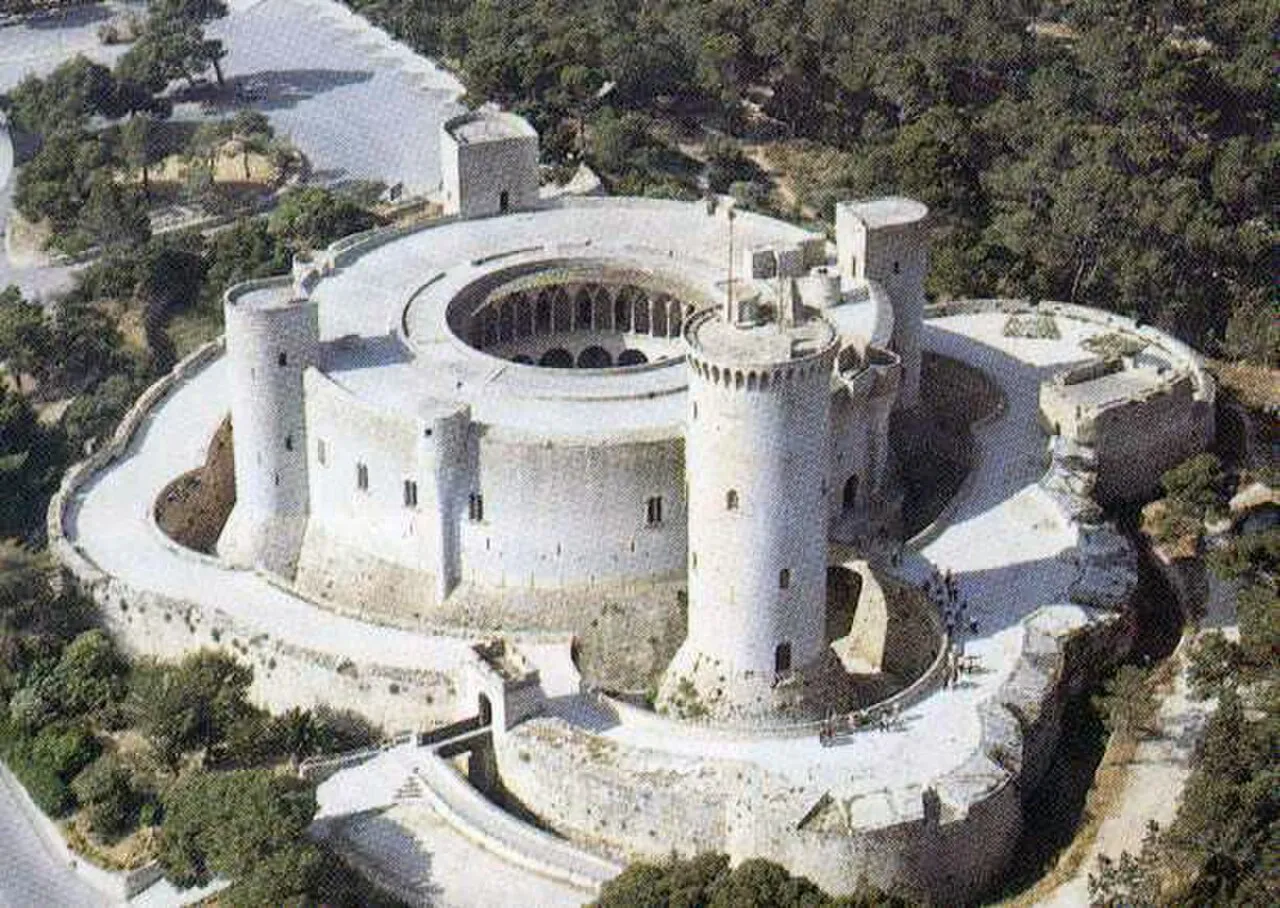
Bellver is one of the very few circular-plan castles in the whole of Europe and the oldest of them: in Spain there is simply no other like it. Jaume II of Mallorca had it built between 1300 and 1311, and the master builder Pere Salvà designed it.

The circle is not an aesthetic whim but a tactical decision: it has no dead corners, so from the towers every inch of wall is covered with no blind angles, and from the top the bay is watched through three hundred and sixty degrees.

And it was a palace as well as a fortress. The king lived here in luxury — a circular courtyard with two levels of arcades, noble rooms, a chapel — knowing that if things went badly it could withstand a siege. The name comes from old Catalan bell veer: fine view. Seven centuries ago they already called it that for what you can see from here.

It ended up as a prison, and a hard one. Gaspar Melchor de Jovellanos, one of the great minds of the Spanish Enlightenment, was shut up here between 1802 and 1808 with no trial and no sentence, and from these windows he wrote about the island and its history.

1Castle of Bellver

Castle of Bellver

📍 Bellver hill

Inside are the Museum of the History of the City of Palma and Cardinal Despuig's collection of classical sculpture: Roman marbles brought from Italy by an enlightened Mallorcan of the eighteenth century, surrounded by medieval stone.

2The woods of Bellver

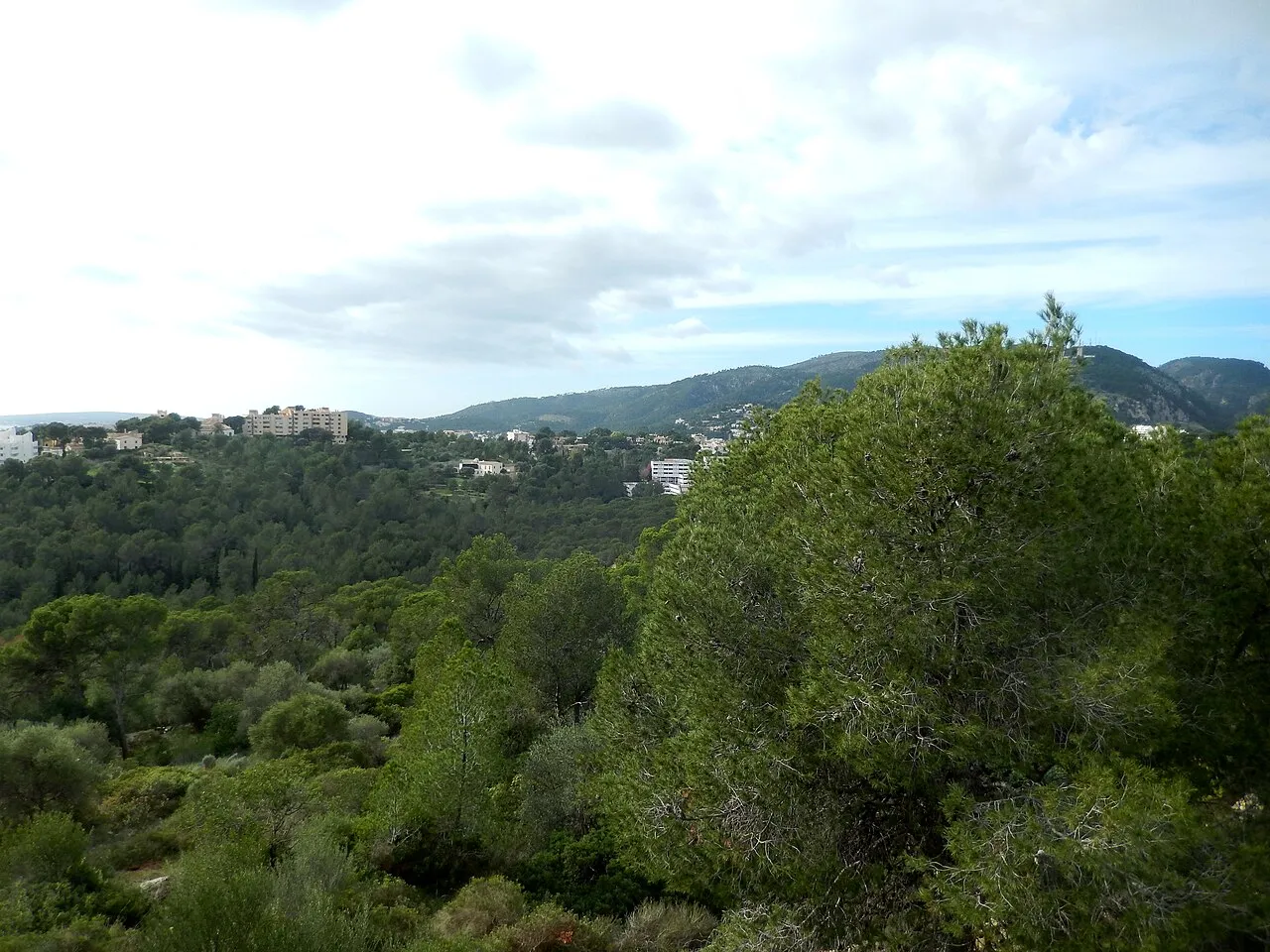
The woods of Bellver

📍 The hillside

A public pine wood of dozens of hectares with waymarked paths that is Palma's great green lung. It is the pleasant way to come down from the castle, with shade the whole way and intermittent views over the bay.

🎧 With Viavoy

Explore Palma at your own pace

Download the app and discover Palma offline, whenever you like. Take the walking tour Bellver Castle and El Terreno with a local guide in your ear.

Find out more about Viavoy →

El Terreno and plaza Gomila

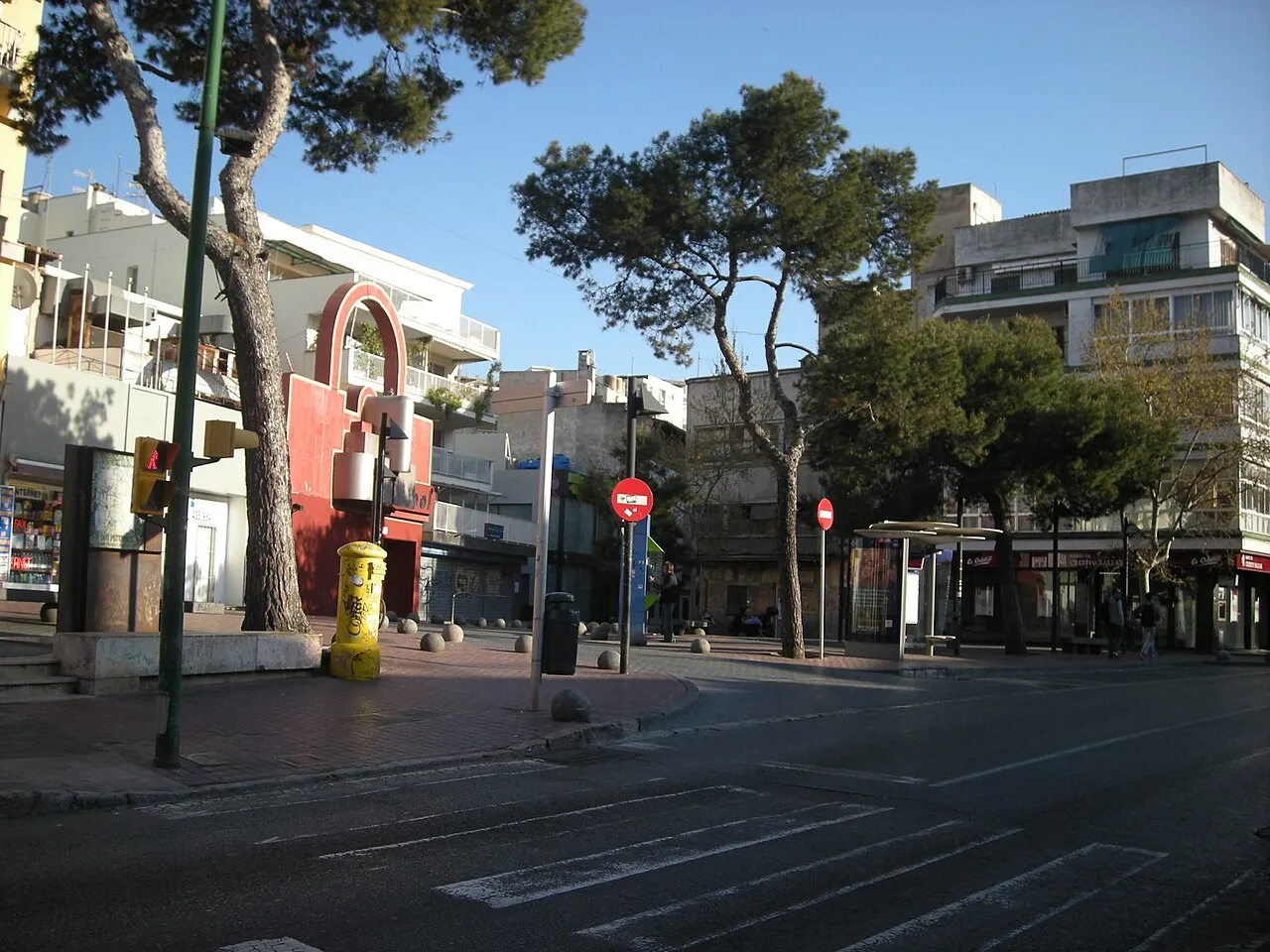
Down the slope towards the sea is El Terreno, which grew up at the end of the nineteenth century as the summer district of the Palma bourgeoisie, with eclectic-style houses and views over the bay. Close to the centre but separate from it: the perfect geography for what came next.

In the sixties and seventies, plaza Gomila was the Saint-Tropez of Mallorca. The island's most legendary clubs were here or a step away: Tito's, Barbarela, Zhivago. People danced until dawn and came from half the world.

One fact is enough to picture it: Ava Gardner and Kirk Douglas walked these pavements, and Jimi Hendrix, Ray Charles, Tom Jones and Josephine Baker paraded through the clubs. Errol Flynn was spotted having drinks in the bar on the corner.

Then came the concrete, the shift of tourism to other areas and decades of decline, with closed venues and run-down buildings. The turn is recent: the Fluxà family, the family behind Camper, bought the plots and commissioned the MVRDV and GRAS studios to carry out a complete intervention that has been talked about across half of Europe.

3Plaza Gomila

Plaza Gomila

📍 El Terreno

Tito's panoramic glass lift, which opened in the twenties, still climbs from the Paseo Marítimo up to here, with the whole bay in front of you on the way. The name of the square comes from a family that gave up its land so that the children could play there.

Frequently asked questions

Why is the castle of Bellver round?

For defensive tactics: a circle has no dead corners, so from the towers every inch of wall is covered with no blind angles, and from the top the bay is watched through 360 degrees. It is one of the very few circular castles in Europe and the oldest of them; in Spain there is no other like it.

How do you get to the castle of Bellver?

By city bus, which climbs almost to the gate, or by taxi. It is three kilometres from the centre of Palma, and although you can walk up, the climb is serious and in summer it is not worth it. What does work very well is going up by transport and coming down on foot through the woods.

What is inside the castle?

The Museum of the History of the City of Palma and the collection of classical sculpture put together by Cardinal Antoni Despuig in the eighteenth century: Roman marbles brought from Italy by an enlightened Mallorcan. As well as the circular courtyard, the moat, the keep and the upper terrace, which is the best part of the visit.

Who was held prisoner in Bellver?

The most illustrious was Gaspar Melchor de Jovellanos, one of the great minds of the Spanish Enlightenment, shut up here between 1802 and 1808 for political reasons and with neither trial nor sentence in all those years. Before that he had been confined in the charterhouse of Valldemossa.

What was plaza Gomila?

The centre of international nightlife in Mallorca in the sixties and seventies, with the island's most legendary clubs — Tito's, Barbarela, Zhivago — here or a step away. Ava Gardner, Kirk Douglas, Jimi Hendrix, Ray Charles, Tom Jones and Josephine Baker all walked these pavements.

Is El Terreno worth it today?

Yes, though you should go knowing what you are looking for. It spent decades switched off and run down, and its recovery is recent: the family behind Camper bought the plots and commissioned MVRDV and GRAS to carry out a complete intervention that has given it back its colour. It is as interesting for what it was as for what it is becoming again.

How to organise the half-day

Go up by city bus, which gets you almost to the castle gate, or by taxi. Walking up from the centre is possible, but it is three kilometres with a serious climb, and in summer it is not worth it.

Give the castle an hour, including the circular courtyard, the moat, the keep and above all the upper terrace, which gives the best panorama of Palma and of the whole bay. That view alone makes the climb worth it.

Come down on foot through the woods of Bellver, a public pine wood with paths and shade, to El Terreno, and carry on along the hillside to plaza Gomila. It is about forty minutes downhill, and pleasant.

Finish on the Paseo Marítimo, facing the water, or come down in Tito's lift, which is the fun way. From there you can walk on to Santa Catalina or to the centre.

Practical information

Going upCity bus almost to the castle gate, or taxi. It is 3 km from the centre with a climb.
The castleAround 4 €, includes the Museum of the History of the City. Allow an hour.
The viewUpper terrace: the best panorama of Palma and of the whole bay.
Coming downOn foot through the woods of Bellver to El Terreno: 40 minutes, shaded and downhill.
FinishingPlaza Gomila and the Paseo Marítimo, or come down in Tito's panoramic lift.
DurationA full half-day with travel included.
On the map

🎧 With Viavoy

Walk Palma and listen at your own pace

Download Viavoy and walk Palma offline, whenever you like.

from 2,99 €· one-off payment
City Pass · 9,99 €3 days, all the tours in Palma
Find out more about Viavoy →
Viavoy app

Keep reading

More articles

Itineraries

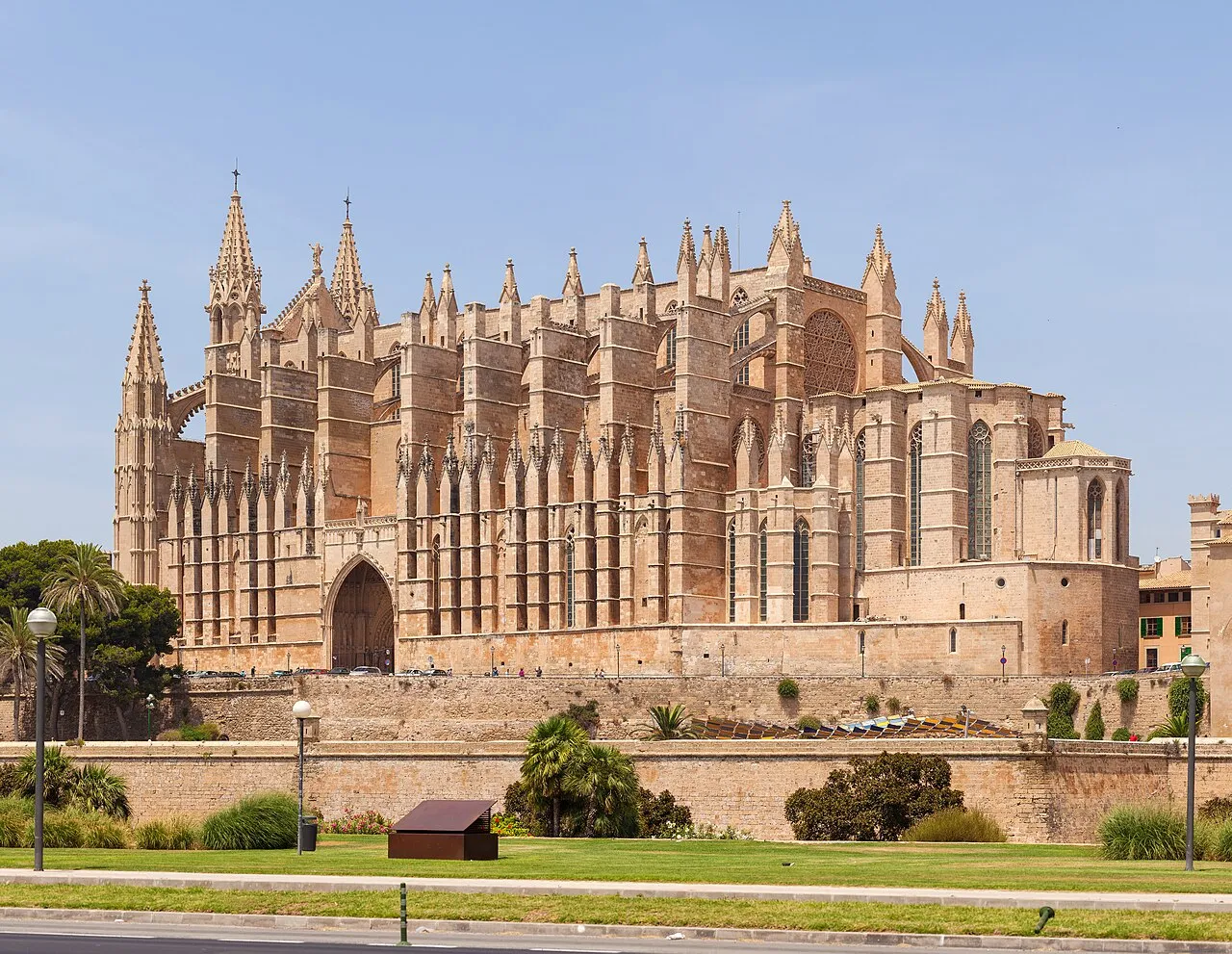
Palma in 2 days: an itinerary through the old town, Bellver and Santa Catalina

Neighbourhoods

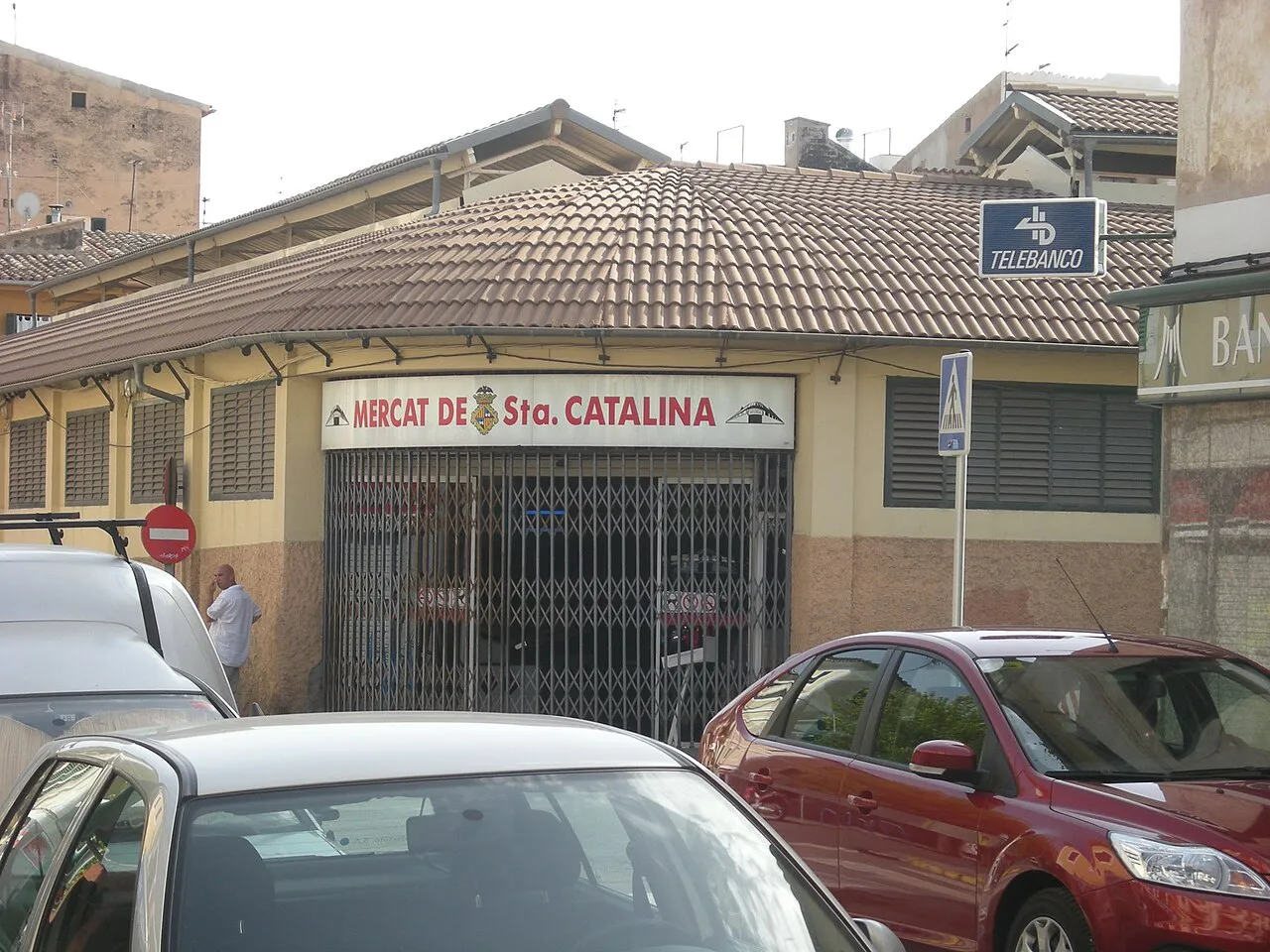
Santa Catalina: from fishermen's quarter to the most desirable neighbourhood in Palma

Nature

Beaches near Palma: what there is within an hour

Food & drink

Eating in Palma: sobrasada, frit mallorquí and bread without salt