Santiago de Compostela
Santiago de Compostela · What to see

What to see in Santiago de Compostela: the 10 essentials

A Baroque façade that hides a Romanesque one, three staircases that climb without touching, a hatch through which nuns have been selling sweets for centuries and the gate through which half of Europe walks in.

Santiago has a peculiarity no other Spanish city shares: it exists because there is a tomb. Everything — the line of the streets, the economy, the walls it once had, the university — grew around the sepulchre a hermit found at the beginning of the ninth century, and even today the city organises itself around the flow of people arriving on foot. Over that medieval layer an extraordinary granite Baroque was superimposed, and over all of it, five centuries of university life that stop the historic centre being a museum. This guide goes from the cathedral outwards.

The 10 must-sees

1Praza do Obradoiro and the Cathedral Façade

Praza do Obradoiro and the Cathedral Façade

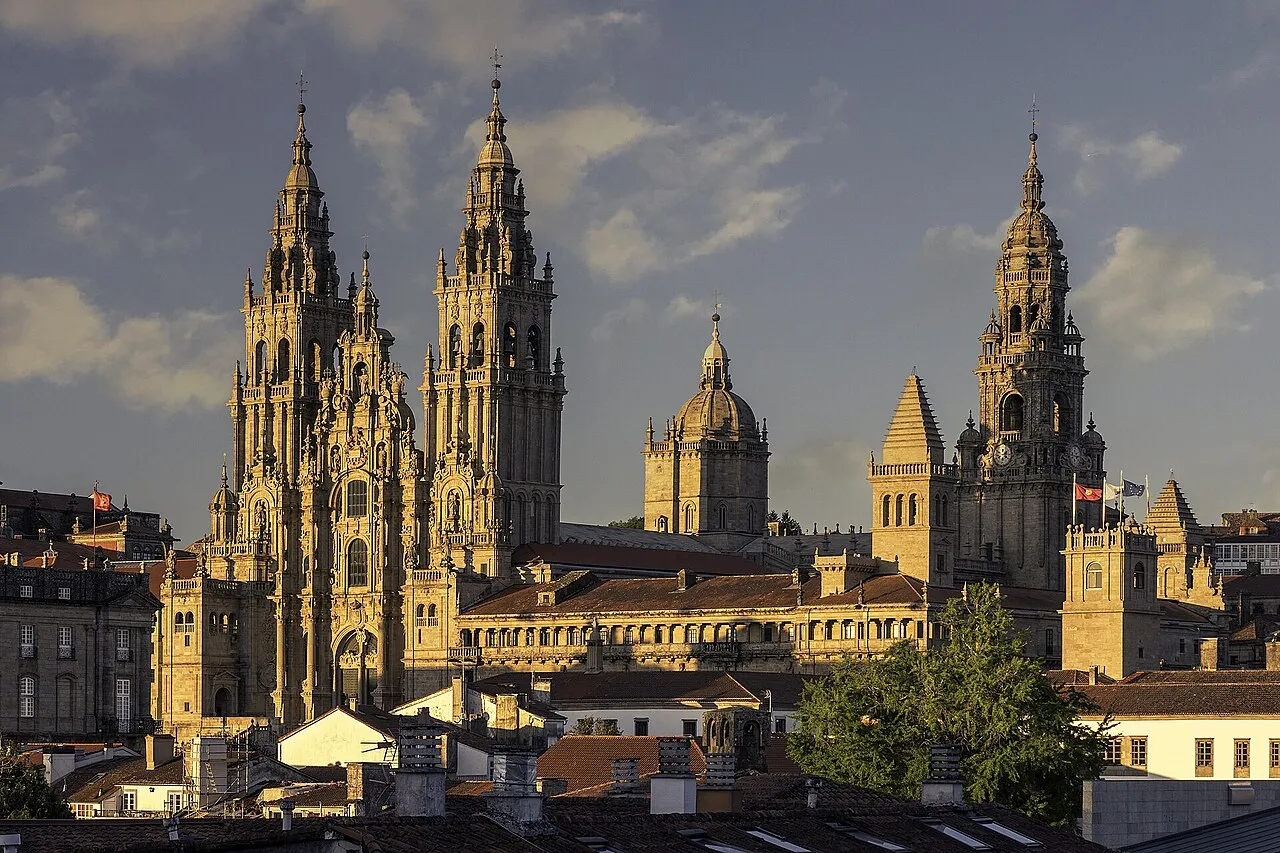
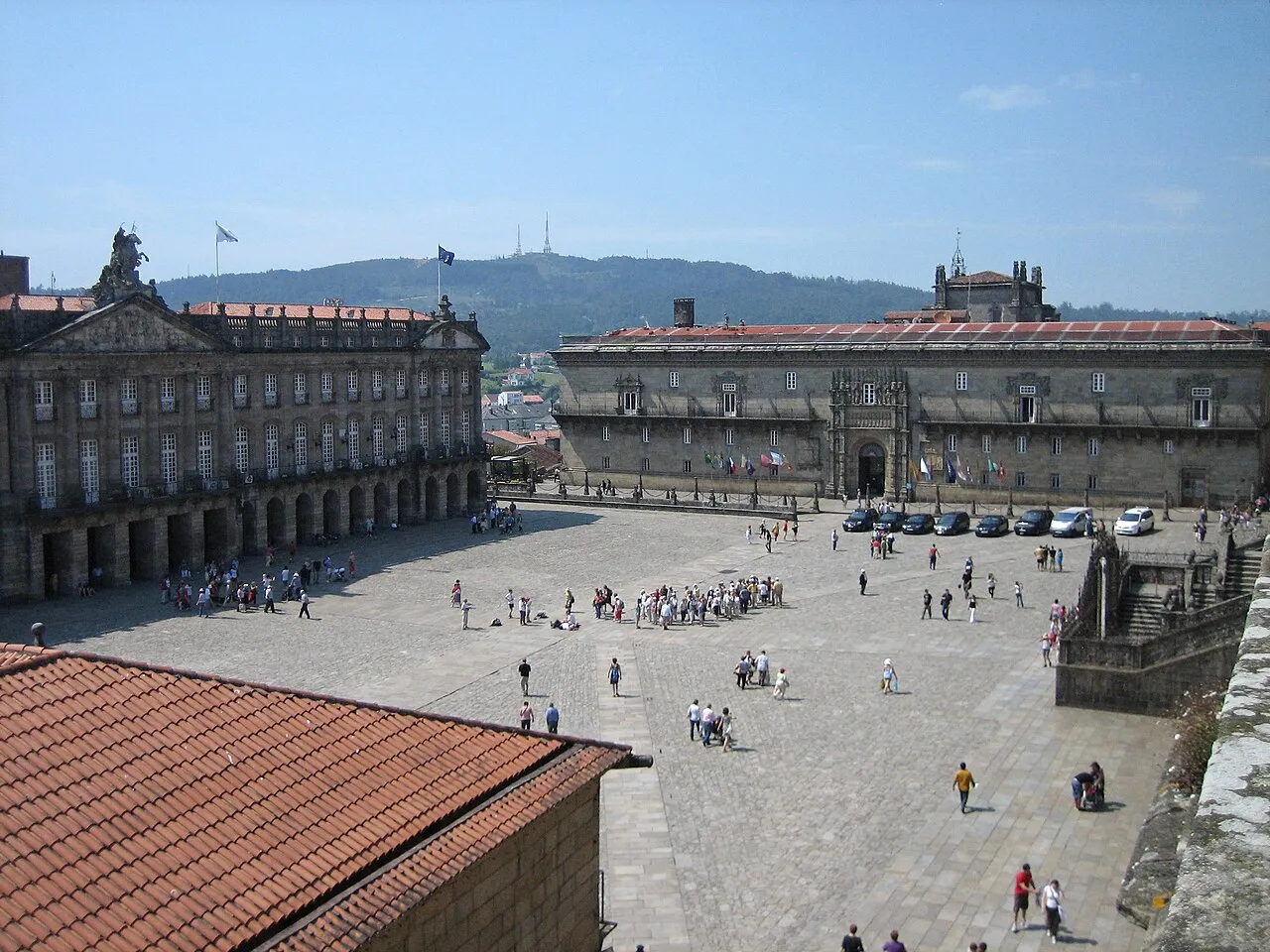
The end of the Camino, and a façade that is really a backdrop: Fernando de Casas Novoa put it up around 1740 in front of the Romanesque church, to protect it from the rain and to dazzle the pilgrim. Behind it the Pórtico da Gloria remains intact. Each of the four sides of the square belongs to a different power: church, city hall, royal hospital and university.

🎧 The Cathedral and the Four Plazas📍 View on Google Maps
2Interior of the Cathedral

Interior of the Cathedral

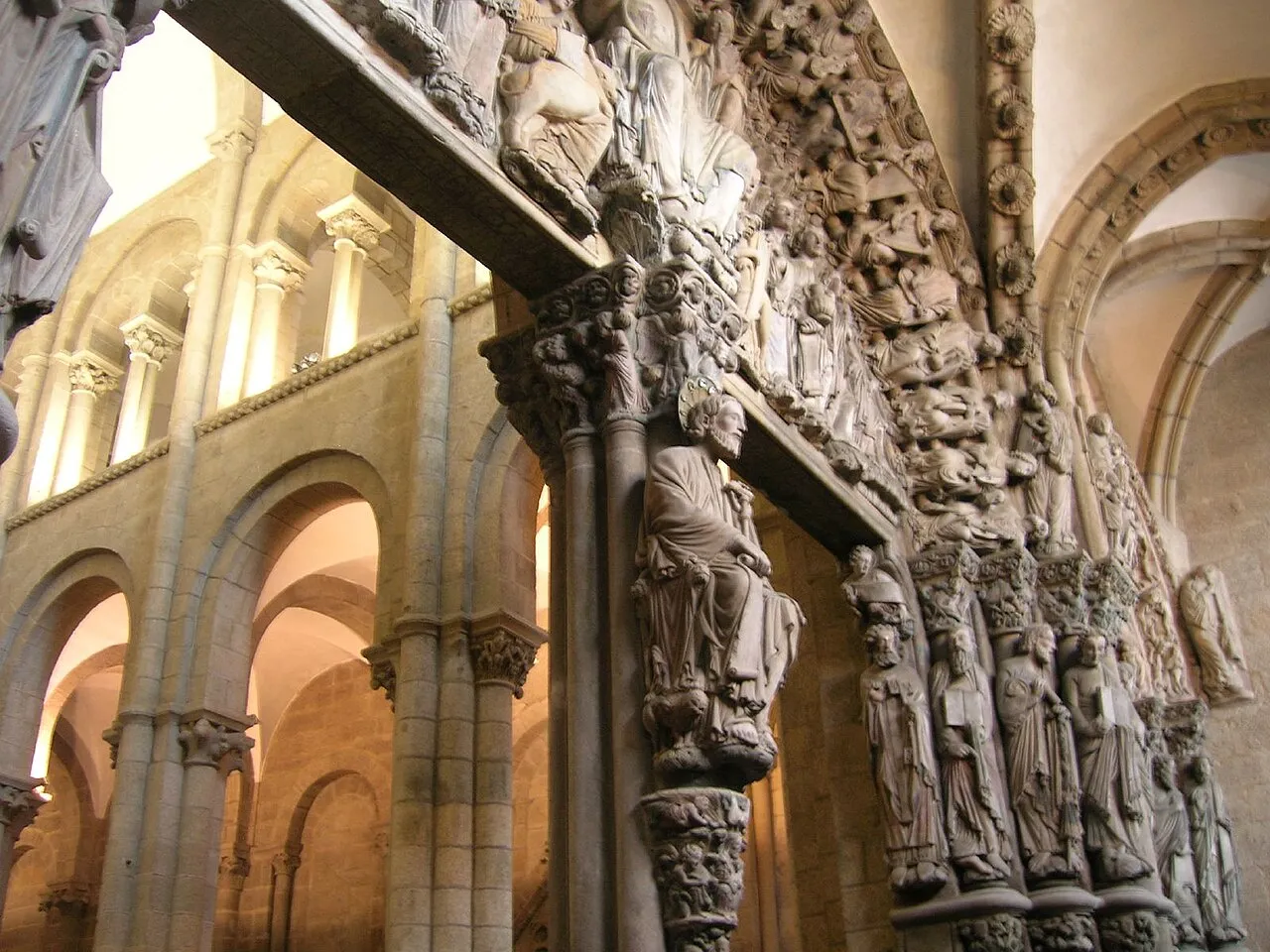
The Pórtico da Gloria by Master Mateo, finished in 1188, with more than two hundred figures that talk to one another and tune real instruments of the period: it is the first time Romanesque sculpture is alive. Below the altar, the crypt with the sepulchre. And the botafumeiro, eighty kilos swung by eight tiraboleiros up to seventy an hour. The roofs are booked separately and are the best visit of all.

🎧 The Cathedral and the Four Plazas📍 View on Google Maps
3Monastery of San Paio de Antealtares

Monastery of San Paio de Antealtares

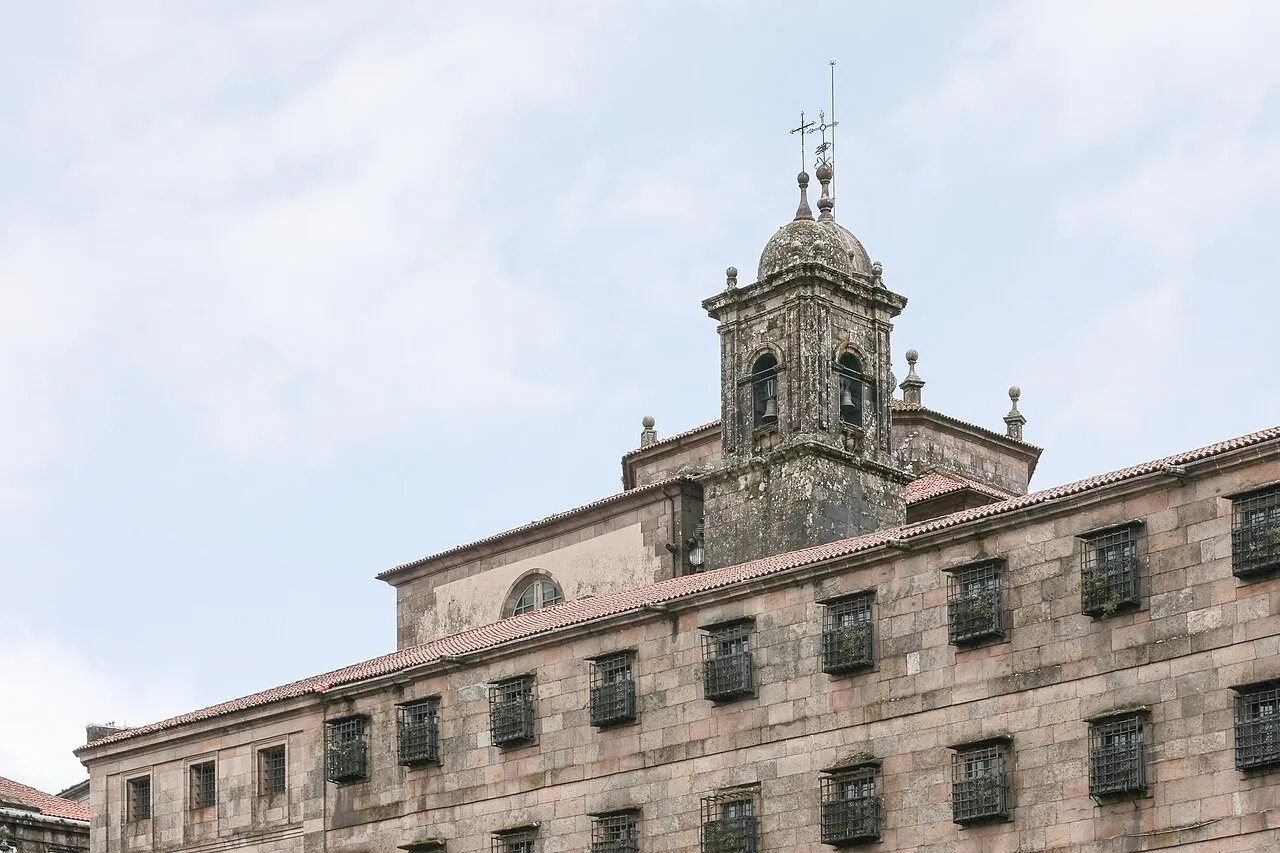
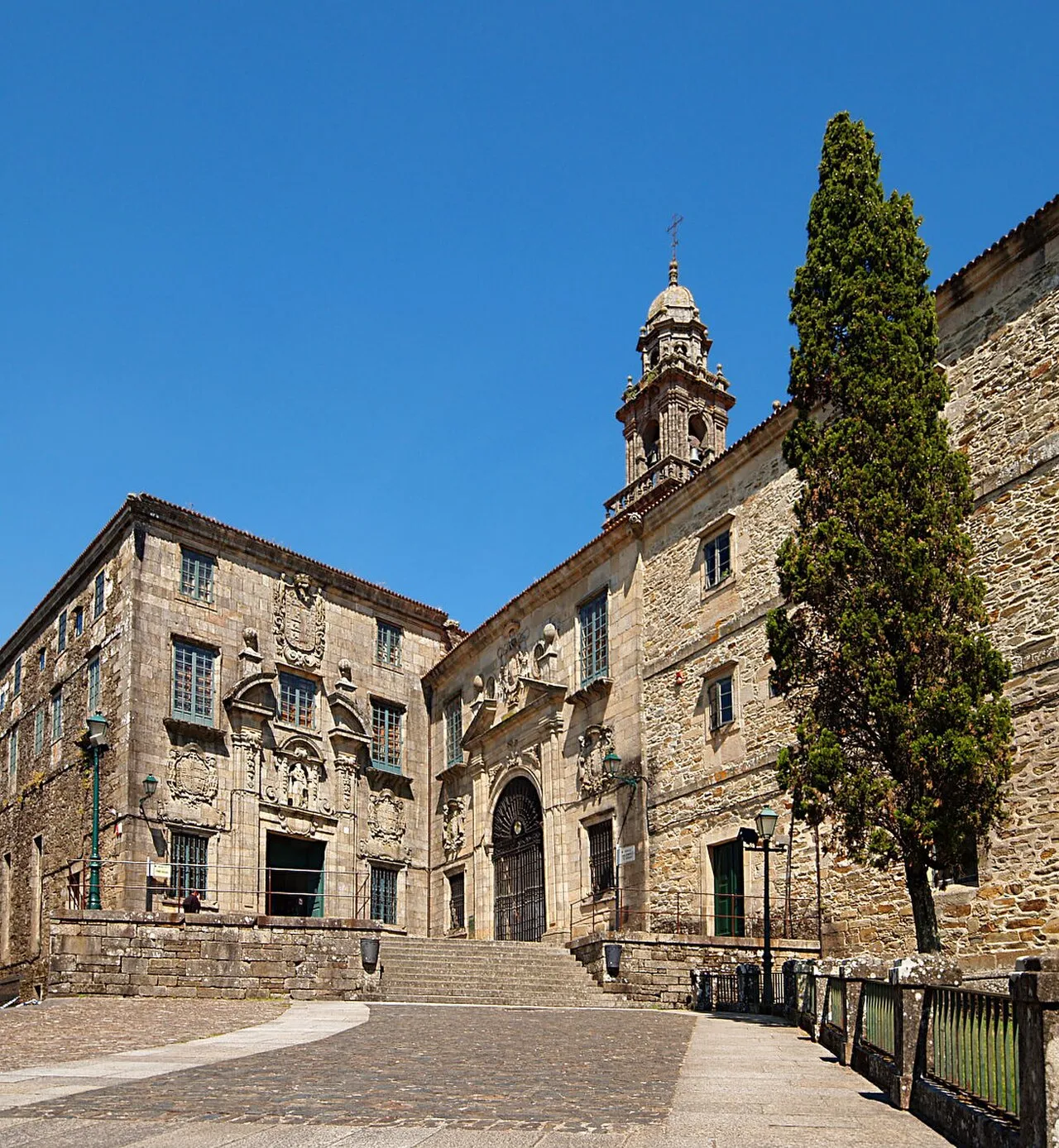
Enclosed Benedictine nuns for more than a thousand years behind a windowless wall that closes the Praza da Quintana. Look for the hatch: a revolving window through which they sell almond cake without anyone seeing the other's face. Alfonso II founded it in the ninth century to watch over the tomb, and that same king was the first pilgrim in history.

🎧 The Old Town: Rúas, Convents and the University📍 View on Google Maps
4Fonseca College

Fonseca College

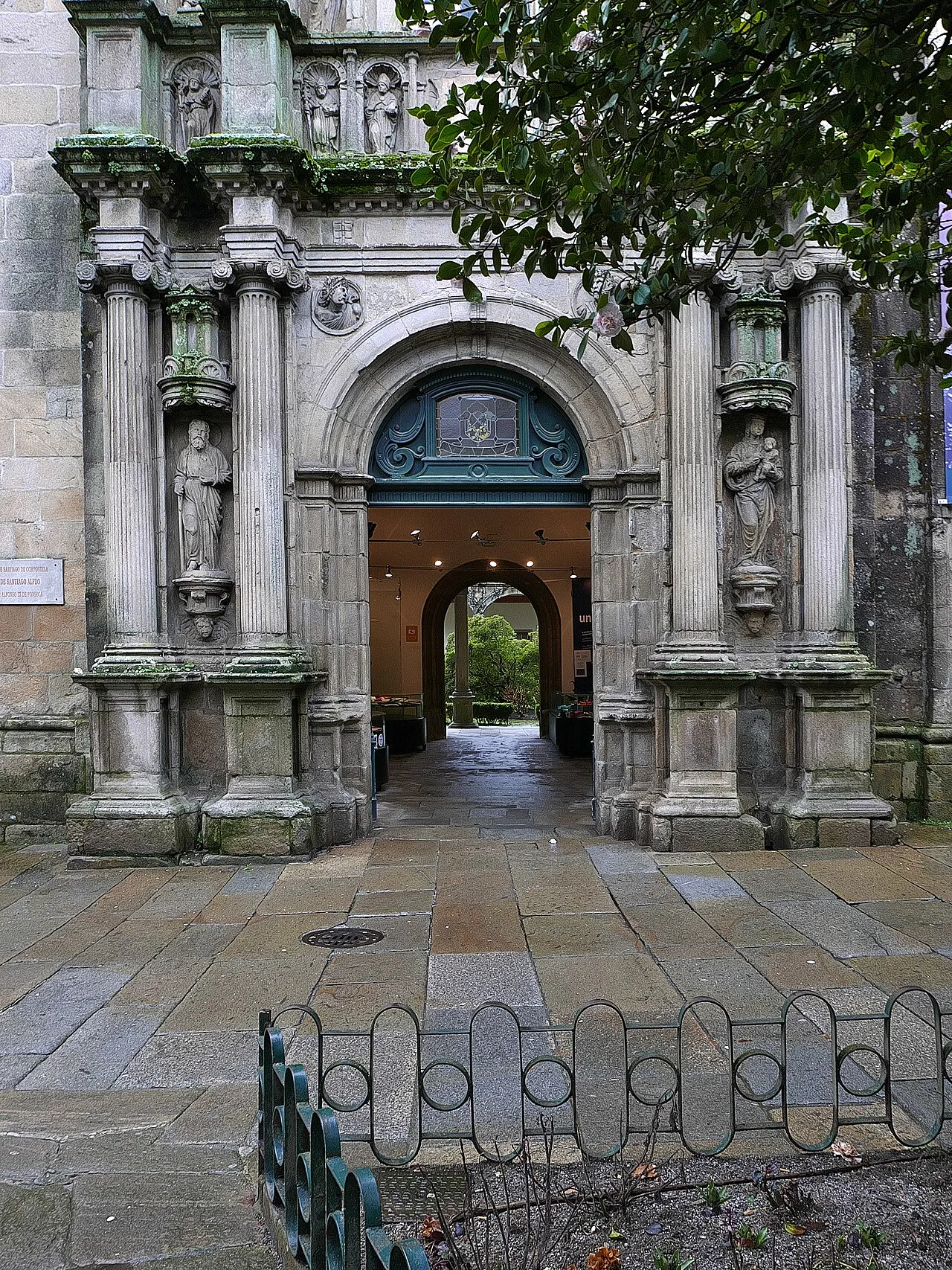
The seed of the university, founded around 1526 by a humanist archbishop who corresponded with Erasmus. A Plateresque doorway, a two-storey cloister with medallions watching from above and the General Library. Its full name, Santiago Alfeo, does not refer to the Apostle of the cathedral but to the other James, the Lesser.

🎧 The Old Town: Rúas, Convents and the University📍 View on Google Maps
5Paseo da Ferradura

Paseo da Ferradura

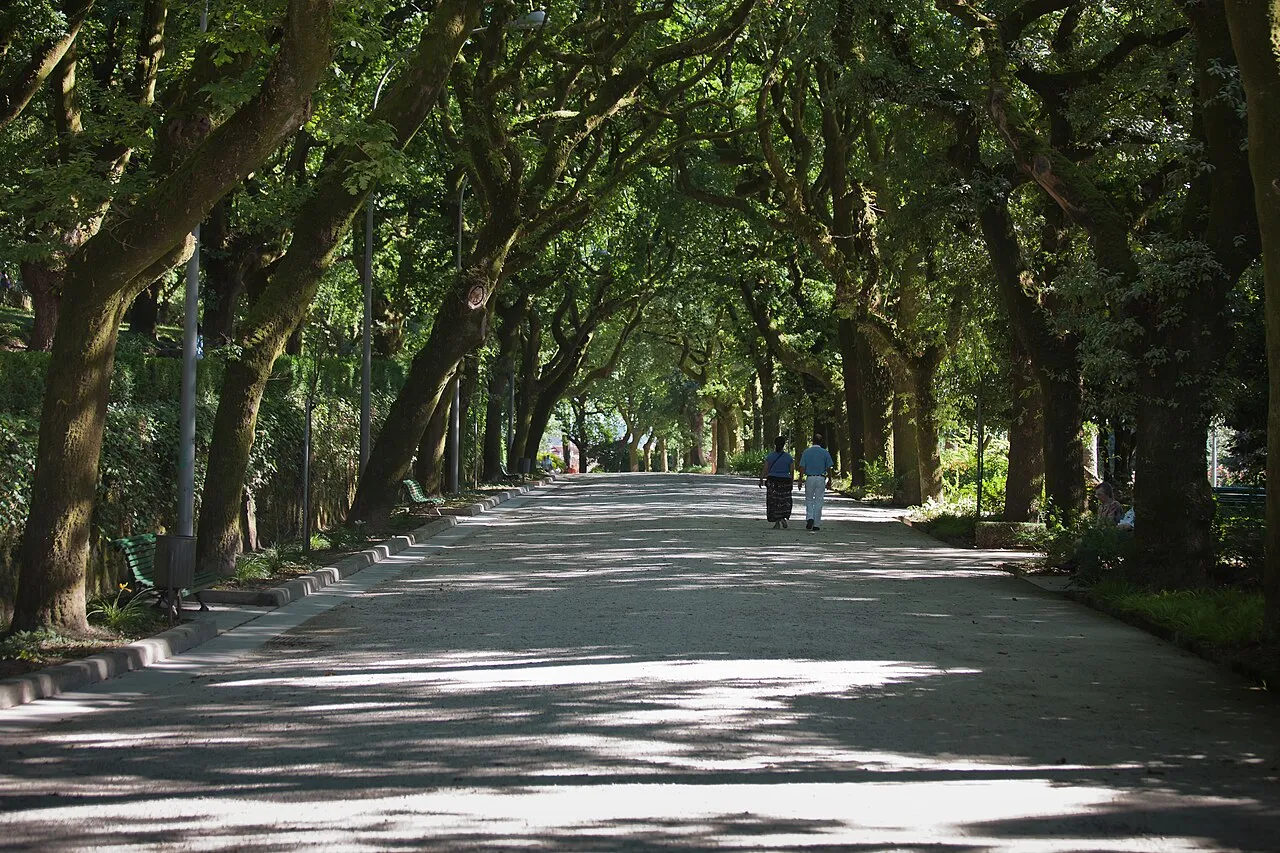
A long curve embracing the hill of Santa Susana, with the park on one side and the old city on the other. It is the promenade of the people of Santiago, best as the afternoon falls. The students hold that you must not walk it all the way round until you have finished your degree, so you see people turning back halfway.

🎧 The Alameda, the Horseshoe and the Old Town Views📍 View on Google Maps
6Obradoiro Viewpoint

Obradoiro Viewpoint

The postcard of Santiago, and it is in a park: from the Carballeira de Santa Susana the cathedral appears framed among century-old oaks, half hidden. That oak wood is not a planted garden but a Galician oakwood that ended up inside the city. Best at dusk or in mist, when the cathedral seems to float.

🎧 The Alameda, the Horseshoe and the Old Town Views📍 View on Google Maps
7Porta do Camiño

Porta do Camiño

The main one of the seven gates in the wall and the entrance of the pilgrims of the Camino Francés for a thousand years. The arch no longer exists, pulled down in the nineteenth century, but the function goes on: this is where they walk in. The city walled itself after 997, when Almanzor carried the cathedral's bells off to Córdoba on the shoulders of captives.

🎧 San Domingos de Bonaval, Art and the Porta do Camiño📍 View on Google Maps
8Rúa de San Pedro

Rúa de San Pedro

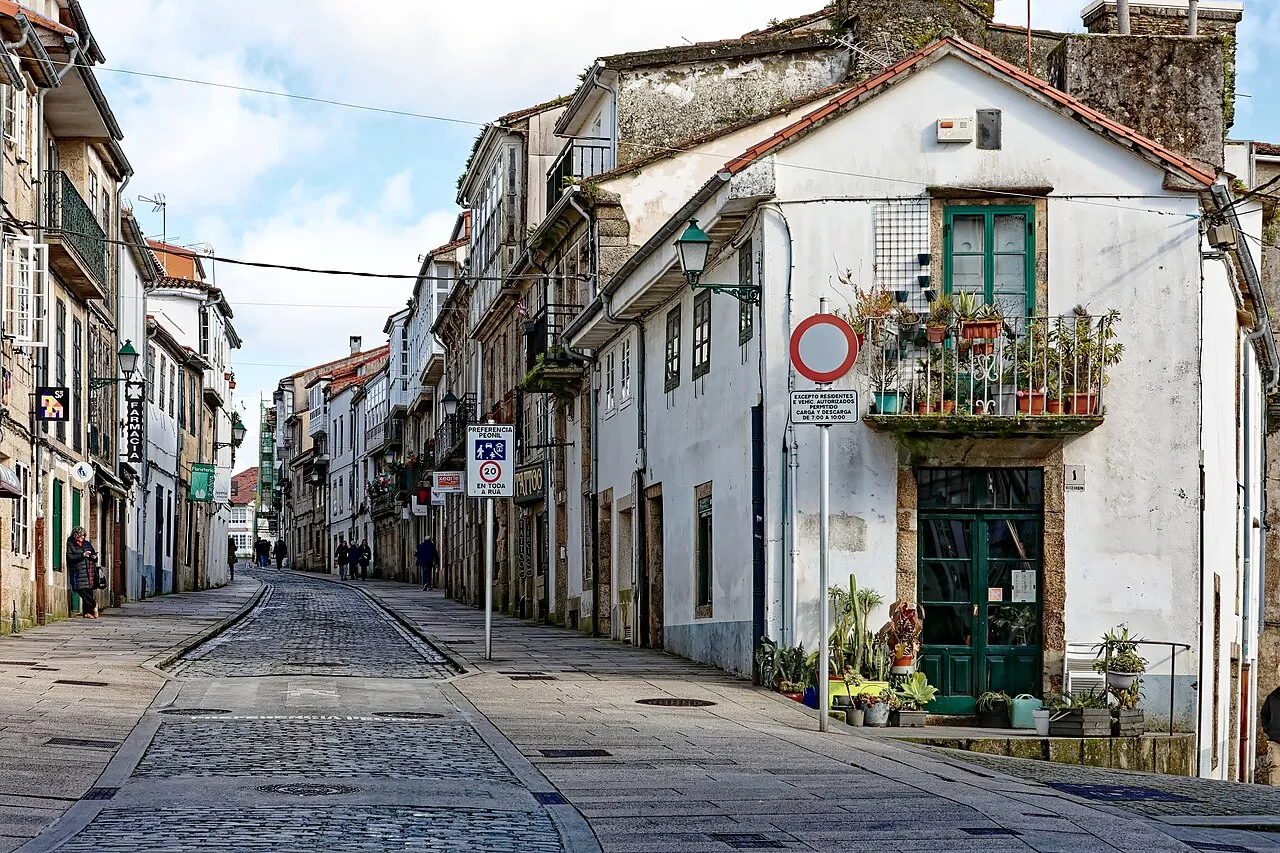
The last metres of the Camino Francés, with stone fronts and glazed galleries, hostels and taverns. First thing in the morning you see the pilgrims coming down in silence, almost on tiptoe. In recent decades it has also filled with bars, bookshops and music: it is where the young people of Santiago go out and where the prices are not yet those of the historic centre.

🎧 San Domingos de Bonaval, Art and the Porta do Camiño📍 View on Google Maps
9Convent of San Domingos de Bonaval

Convent of San Domingos de Bonaval

It holds two exceptional things: the triple spiral staircase by Domingo de Andrade, three independent spirals that climb without ever crossing, and the Panteón de Galegos Ilustres, with Rosalía de Castro and Castelao. The rest is occupied by the Museo do Pobo Galego, one of the most honest ethnographic museums in Spain.

🎧 San Domingos de Bonaval, Art and the Porta do Camiño📍 View on Google Maps
10CGAC, Galician Centre of Contemporary Art

CGAC, Galician Centre of Contemporary Art

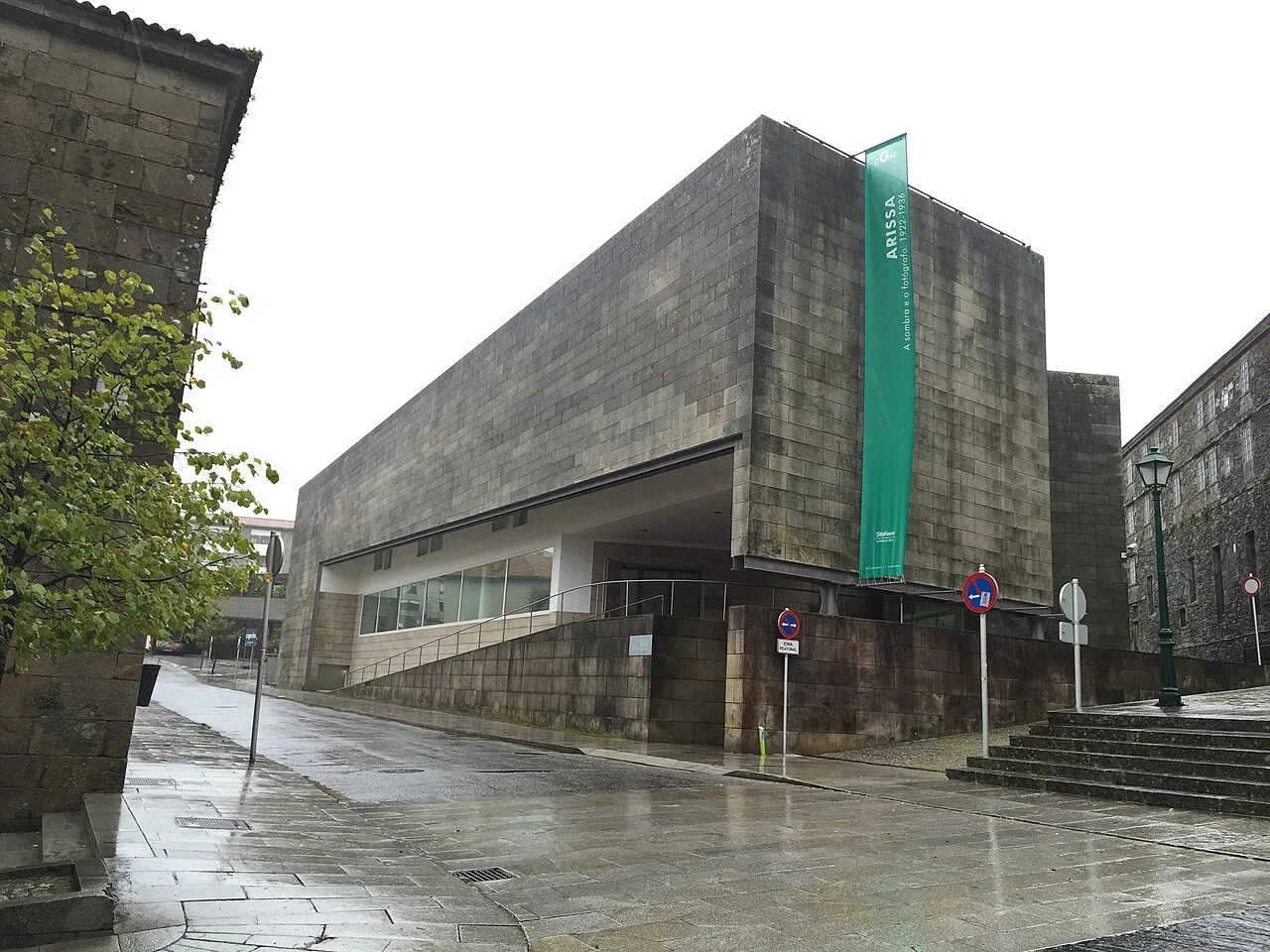
Álvaro Siza raised it in 1993 beside the Baroque convent using the same golden stone but in clean lines, with no pastiche and no violent contrast. The light comes in at a low angle from above and changes through the day. And its roof is a public, free viewing terrace over the rooftops of the old town. Entry to the museum is free too.

🎧 San Domingos de Bonaval, Art and the Porta do Camiño📍 View on Google Maps

Walking tours in Santiago de Compostela

🎧 San Domingos de Bonaval, Art and the Porta do Camiño · The Alameda, the Horseshoe and the Old Town Views · The Cathedral and the Four Plazas · The Old Town: Rúas, Convents and the University

Frequently asked questions

How many days do you need to see Santiago?

Two days cover the essentials at leisure: one for the cathedral, the four squares and the historic centre, and another for Bonaval, the Alameda and the quarters outside. The historic city is very compact and can be walked from end to end. With a third day there is room for a trip to the coast or to Padrón and time for the museums.

Do you have to book to see the Pórtico da Gloria?

Yes. Access to the Pórtico is separate from free entry to the church, with advance booking and small groups, as with the roofs and the cathedral museum. It is worth organising ahead, above all in summer and in a Holy Year, because the places run out days in advance.

When does the botafumeiro fly?

Not at every mass. It flies at the great solemnities of the calendar and also when somebody pays for the service, which happens fairly often but unpredictably. The cathedral publishes the calendar of the scheduled occasions, and it is worth checking if that is the main reason for the trip.

What is a Holy Year or Xacobeo?

The year in which 25 July, the Apostle's day, falls on a Sunday. It happens every six, five, six and eleven years, and throughout that year the Porta Santa on the Praza da Quintana is opened, which the rest of the time stays walled up. The flow of pilgrims and visitors multiplies considerably.

What do you eat in Santiago?

Pulpo á feira, Galician empanada, Padrón peppers, shellfish — scallops, razor clams, goose barnacles — and Galician beef. For pudding, tarta de Santiago, the almond cake with the cross dusted on top, and it is worth buying it from a bakery or from a convent hatch. To drink, albariño or ribeiro.

Does it rain a lot?

A fair amount, and at any time of year. It is not usually heavy rain but persistent and fine, what they call orballo here, so a waterproof is better than an umbrella, along with shoes that will not slip on wet granite. The advantage is that the stone always shines, which is how this city looks best.
Santiago de Compostela on the map

The 10 must-sees, point by point.

🎧 With Viavoy

Walk Santiago de Compostela and listen at your own pace

Download Viavoy and walk Santiago de Compostela offline, whenever you like.

from 2,99 €· one-off payment
City Pass · 9,99 €3 days, all the tours in Santiago de Compostela
Find out more about Viavoy →
Viavoy app

In the Magazine

Keep discovering Santiago de Compostela

Neighbourhoods

Bonaval: the Santiago most people never set foot in

Food & drink

Eating in Santiago: octopus, shellfish and almond tart

Culture

The Camino de Santiago: arriving in Compostela

Viewpoints

The Alameda of Santiago: the postcard park