Ronda
Ronda · What to see

What to see in Ronda: the 7 essentials

A bridge a hundred metres above a gorge, the largest bullring in the world, a secret staircase cut into the cliff and Arab baths saved by neglect.

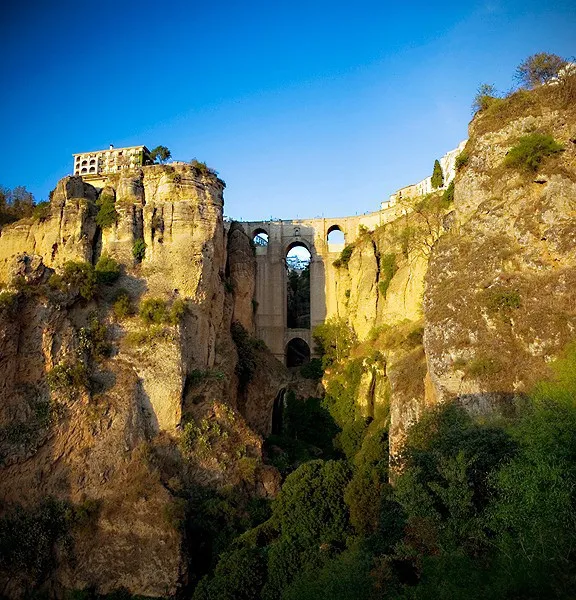
Ronda has a geography that decides everything: a city split in two by a gorge almost a hundred metres deep, with the bridge stitching the two halves together. To the north, the Mercadillo, with the bullring and the eighteenth-century city; to the south, the old town, which was Muslim until 1485 and which keeps its fabric, its palaces and its baths. It all fits into an hour's walk, but the good part is down below, on the paths that descend to the floor of the canyon and that almost nobody takes.

The 7 must-sees

1Puente Nuevo

Puente Nuevo

Three arches resting on the floor of the gorge, built between 1759 and 1793 after the earlier bridge, with a single arch, collapsed in 1741 killing some fifty people. For decades it was among the highest bridges in the world. The stone came out of the abyss itself. Above the central arch there is a chamber that was a lock-up and a prison.

🎧 Ronda and its gorge: the New Bridge, the bullring and the city over the abyss📍 View on Google Maps
2Ronda Bullring

Ronda Bullring

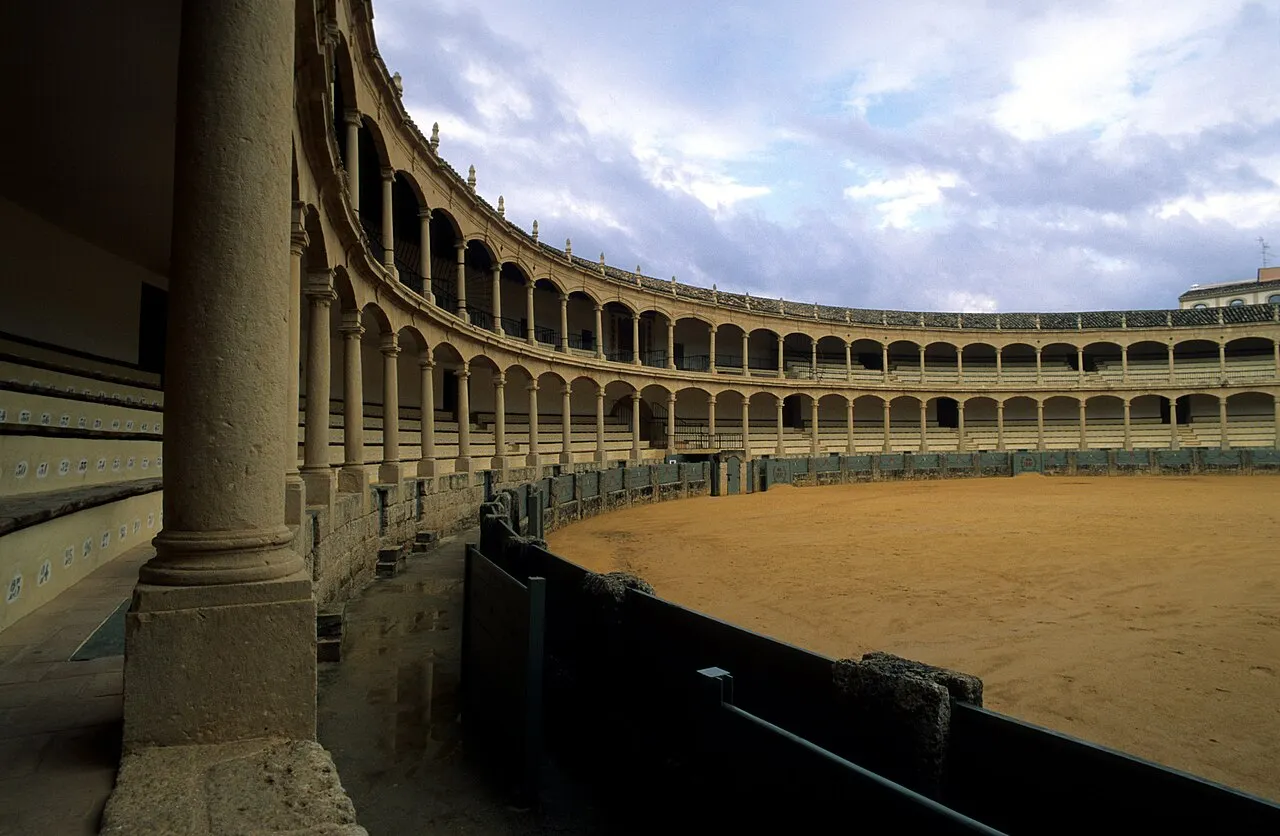
A ring sixty-six metres across, the largest in the world, surrounded by a hundred and thirty-six stone columns in a double gallery: more like a cloister than an arena. Martín de Aldehuela, the same man as the bridge, raised it between 1780 and 1785, and it still belongs to the Real Maestranza. Here Pedro Romero fixed the rules of bullfighting on foot.

🎧 Ronda and its gorge: the New Bridge, the bullring and the city over the abyss📍 View on Google Maps
3House of the Moorish King

House of the Moorish King

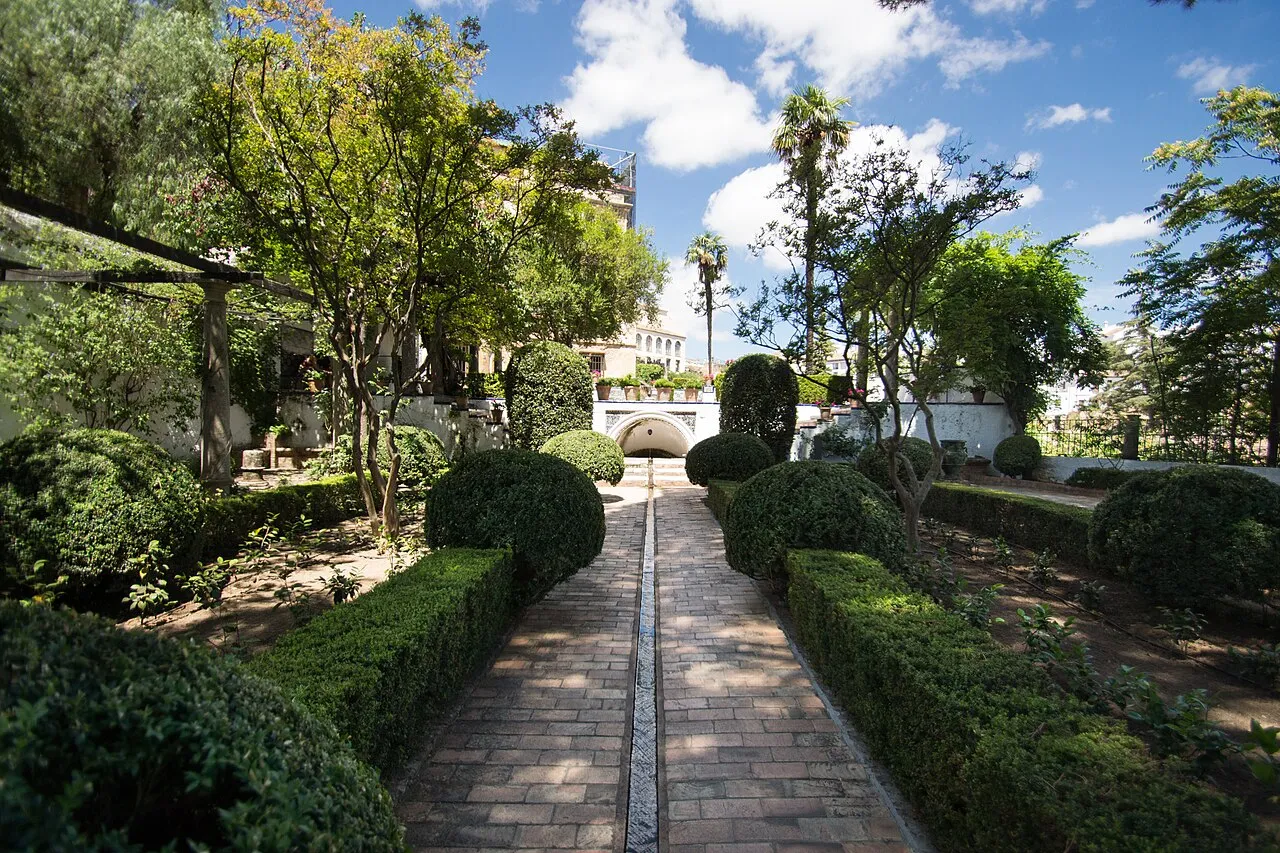
It is not that old and no Moorish king ever lived here, but it hides a staircase of more than two hundred steps cut into the living rock running down to the river. It was made in the fourteenth century to bring water up during sieges, and when the Castilian troops cut it off in 1485, Ronda fell. Its hanging gardens were designed by Forestier in 1912.

🎧 Ronda and its gorge: the New Bridge, the bullring and the city over the abyss📍 View on Google Maps
4Mondragón Palace

Mondragón Palace

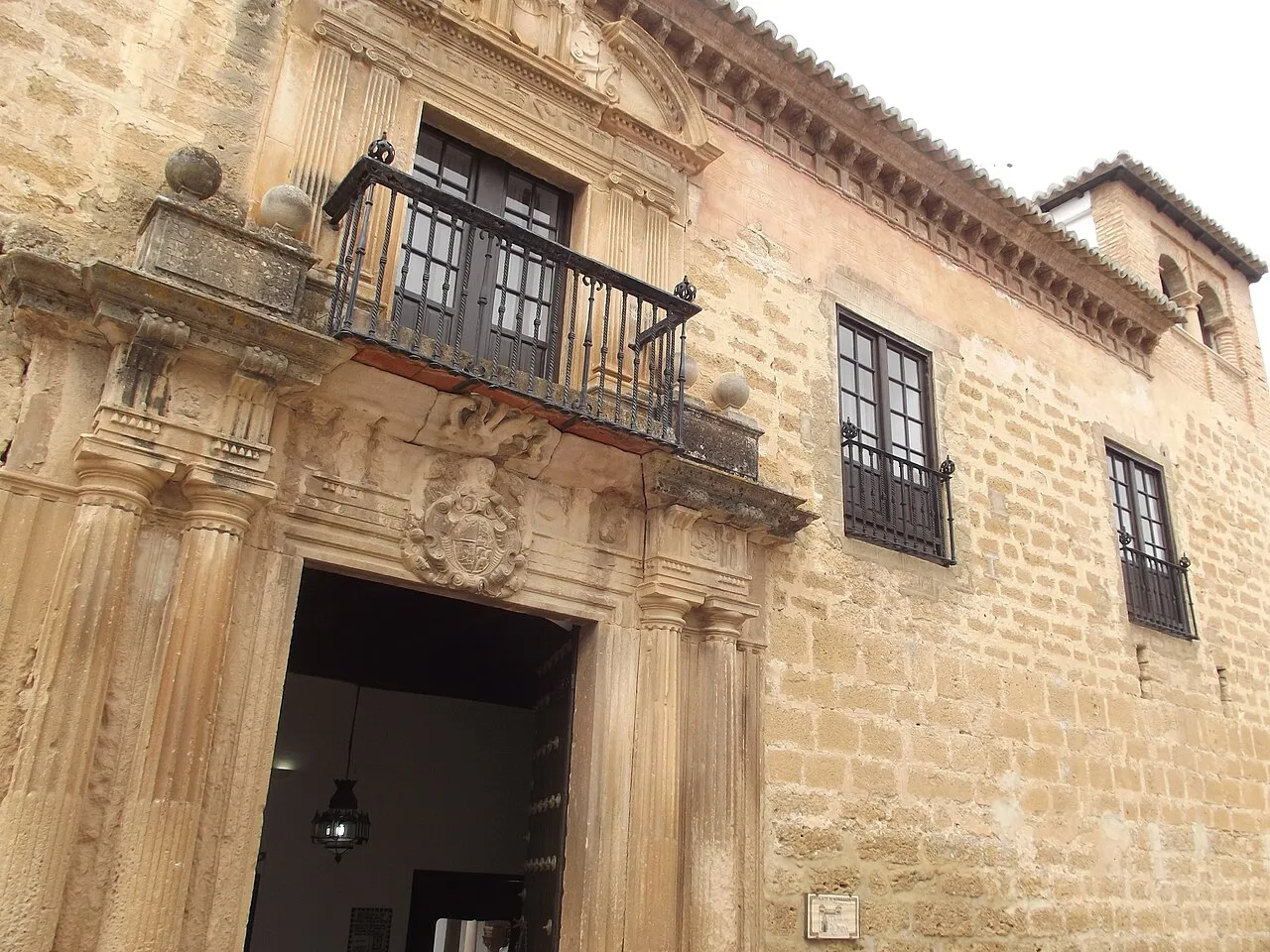
Residence of the Nasrid governor in the fourteenth century and afterwards of the new Christian lords, without any layer erasing the one before: Andalusi courtyards with horseshoe arches, Mudéjar coffered ceilings and Renaissance doorways under the same roof. Its hanging gardens give the best view of the Serranía and are included in the admission.

🎧 Ronda and its gorge: the New Bridge, the bullring and the city over the abyss📍 View on Google Maps
5Church of Santa María la Mayor

Church of Santa María la Mayor

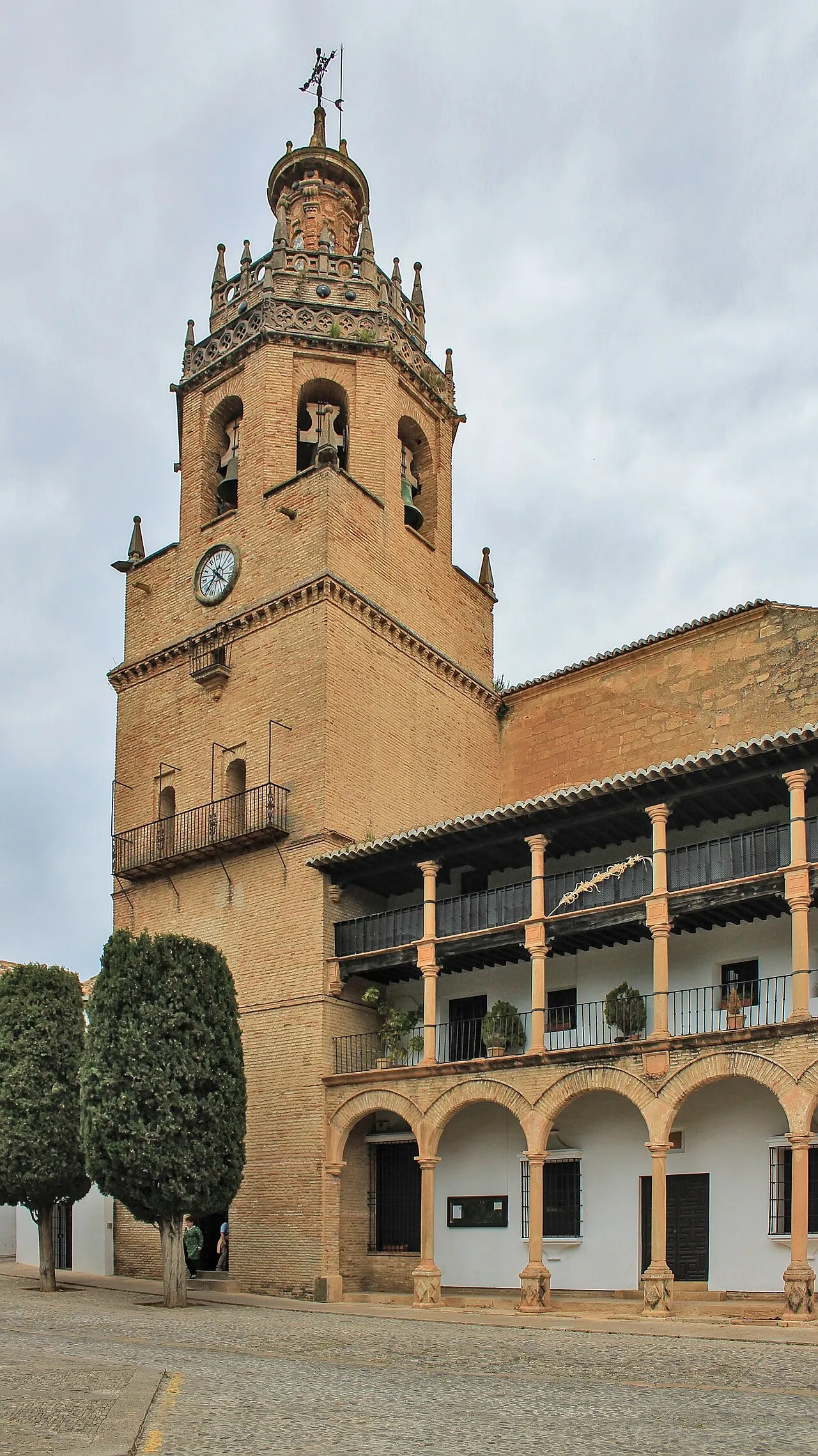
It rises over the main mosque and keeps the arch of the mihrab in place, inside the church. An earthquake brought down the Gothic east end in 1580 and it had to be remade in Renaissance, so you change century as you walk. The long balcony on the façade was the box from which the authorities watched the festivities in the square.

🎧 Ronda and its gorge: the New Bridge, the bullring and the city over the abyss📍 View on Google Maps
6Arab Baths of Ronda

Arab Baths of Ronda

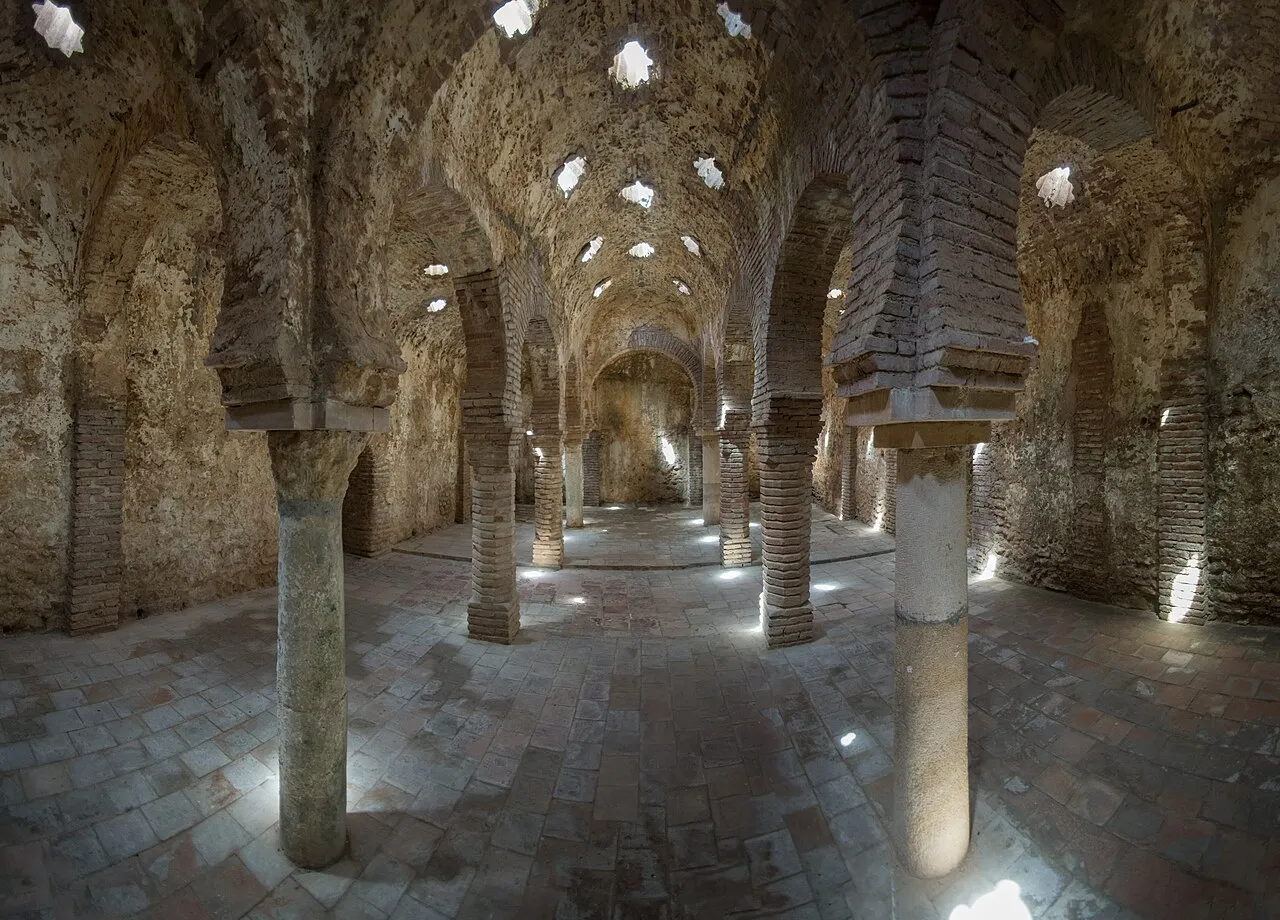
They pass for the best preserved in Europe, and neglect saved them: after the conquest they fell out of use and ended as a tannery. Three vaulted rooms with skylights shaped as eight-pointed stars that regulated the light and the escape of steam, and the complete hypocaust visible beneath the floor.

🎧 Ronda and its gorge: the New Bridge, the bullring and the city over the abyss📍 View on Google Maps
7Almocábar Gate

Almocábar Gate

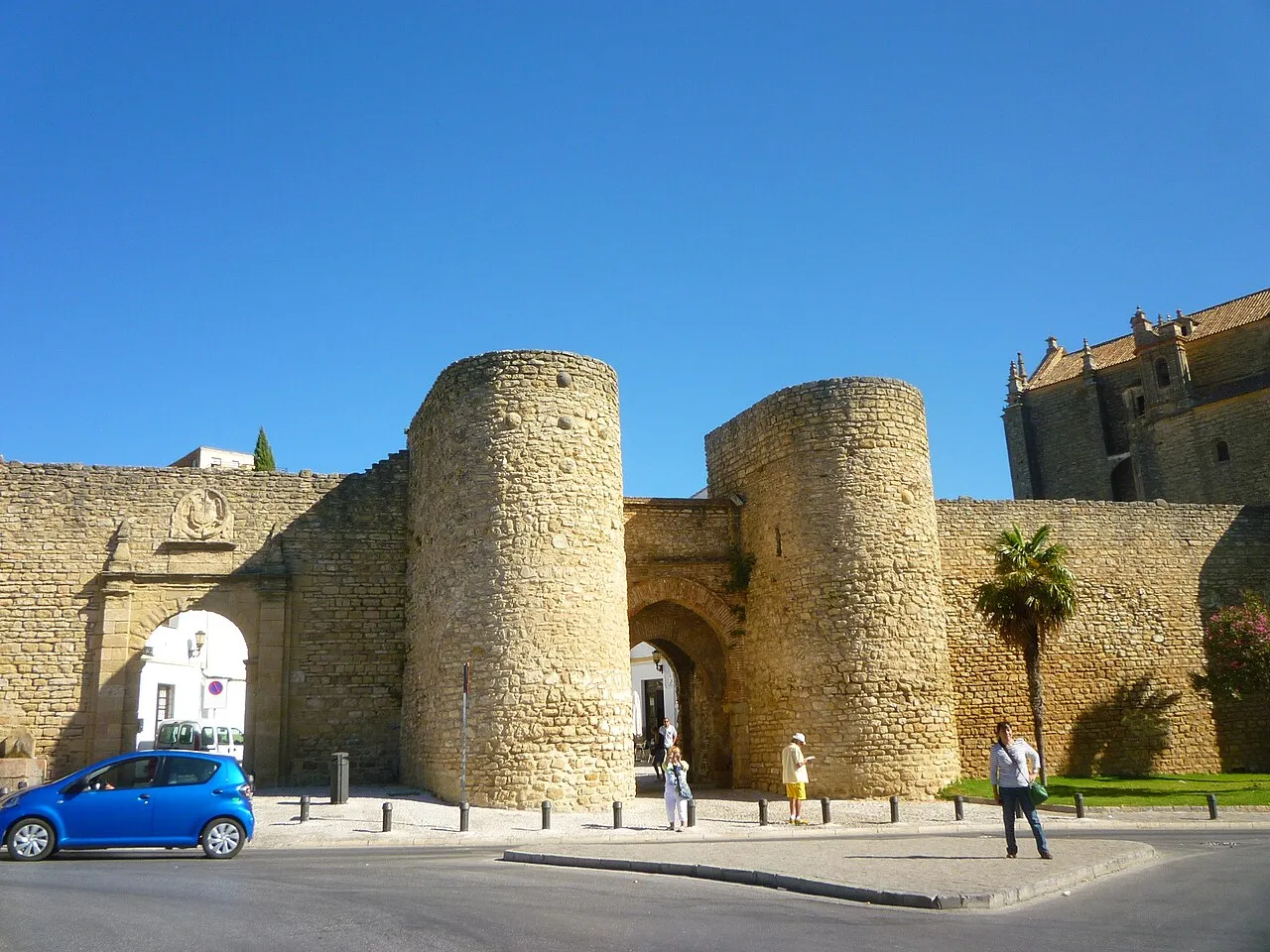
Three bent arches between two round towers: a trap designed to make forcing your way in unsustainable. Through here the troops of the Catholic Monarchs entered on 22 May 1485. The fetters of the captives freed then have hung ever since in San Juan de los Reyes, in Toledo.

🎧 Ronda and its gorge: the New Bridge, the bullring and the city over the abyss📍 View on Google Maps

Walking tours in Ronda

🎧 Ronda and its gorge: the New Bridge, the bullring and the city over the abyss

Frequently asked questions

Can Ronda be seen in a day?

Yes, and that is what most people do, because many arrive on a day trip from Málaga or the Costa del Sol. A long day covers the bridge, the bullring, the old town with its palaces and the main church. What takes extra time is going down to the floor of the gorge and to the Arab baths, which is precisely what repays the effort most.

Where is the Puente Nuevo best seen from?

From below, not from on top. There is a path down to the floor of the gorge in some twenty minutes, with steps and uneven stretches, from which you see the whole bridge from the riverbed. Also from the gardens of the Casa del Rey Moro, which give a side perspective, and from the Mirador de Aldehuela, beside the bridge.

Is the mine at the Casa del Rey Moro worth it?

It is the most astonishing thing in Ronda, but you need to know what it involves: more than two hundred irregular, damp and slippery steps cut into the rock, down and up. It is not suitable for anyone with mobility problems. If you do not go down, Forestier's gardens on their own still make the visit worthwhile.

Is there a monument pass?

Yes, the city has a pass grouping several municipal monuments, among them the Arab baths, the Palacio de Mondragón and the church of Santa María la Mayor, and it pays off from the third visit onwards. It is bought at any of the sites it covers. The bullring and the Casa del Rey Moro are separate.

How do you get to Ronda?

By train from Málaga, Algeciras or Granada, on a very beautiful mountain line, though with few services. By bus from Málaga, Marbella and Seville. And by car, on winding roads that cross the Serranía: the journey is part of the attraction, but it takes time and a steady stomach.

When is the best time to visit?

Spring and autumn. Ronda stands at more than seven hundred metres, so the summer is hot but less stifling than the coast, and the winter is cold with frequent rain. The fair and the Corrida Goyesca, in September, fill the city completely and it is worth booking well in advance.
Ronda on the map

The 7 must-sees, point by point.

🎧 With Viavoy

Walk Ronda and listen at your own pace

Download Viavoy and walk Ronda offline, whenever you like.

from 2,99 €· one-off payment
City Pass · 9,99 €3 days, all the tours in Ronda
Find out more about Viavoy →
Viavoy app

In the Magazine

Keep discovering Ronda

Culture

Nasrid Ronda: the baths, the mine and what survived 1485

Food & drink

Eating in Ronda: rabo de toro, migas and wines from the Serranía

Monuments

The Puente Nuevo of Ronda: how it was built and where to see it

Neighbourhoods

The old town of Ronda: palaces, mihrab and walls