South of the bridge another Ronda begins, the one that was Muslim until 1485 and keeps its street plan whole. What to see on a two-hour walk through the part almost nobody covers in full.
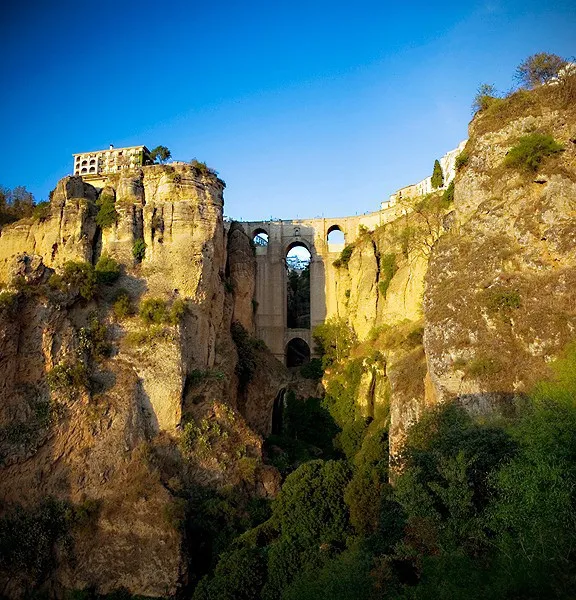
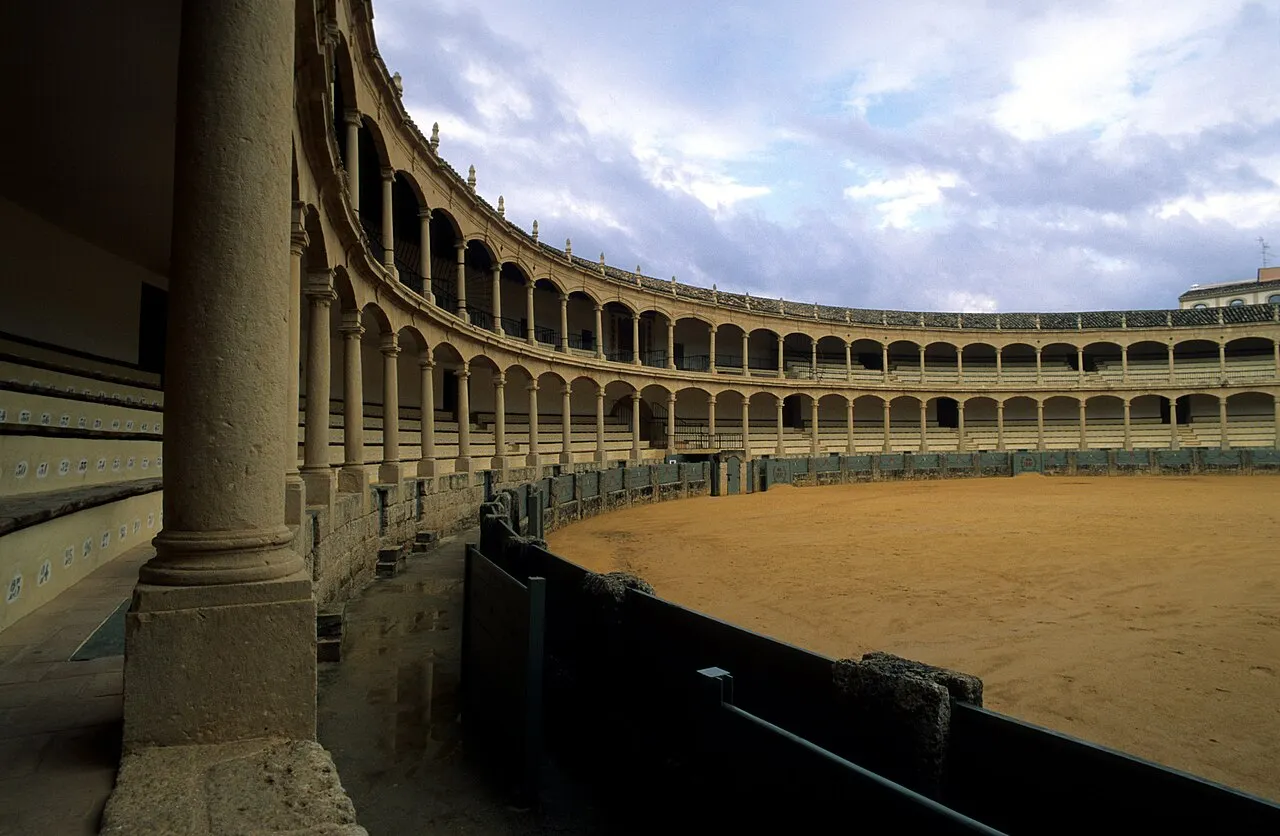
Crossing the Puente Nuevo southwards takes thirty seconds and changes the city. Behind you is the Mercadillo, the eighteenth-century Ronda with its bullring and its hotels; ahead begins the old town, which was Muslim until 1485, keeps its medieval street plan complete and where the traffic drops away at once. Most visitors go in two hundred metres and turn back.
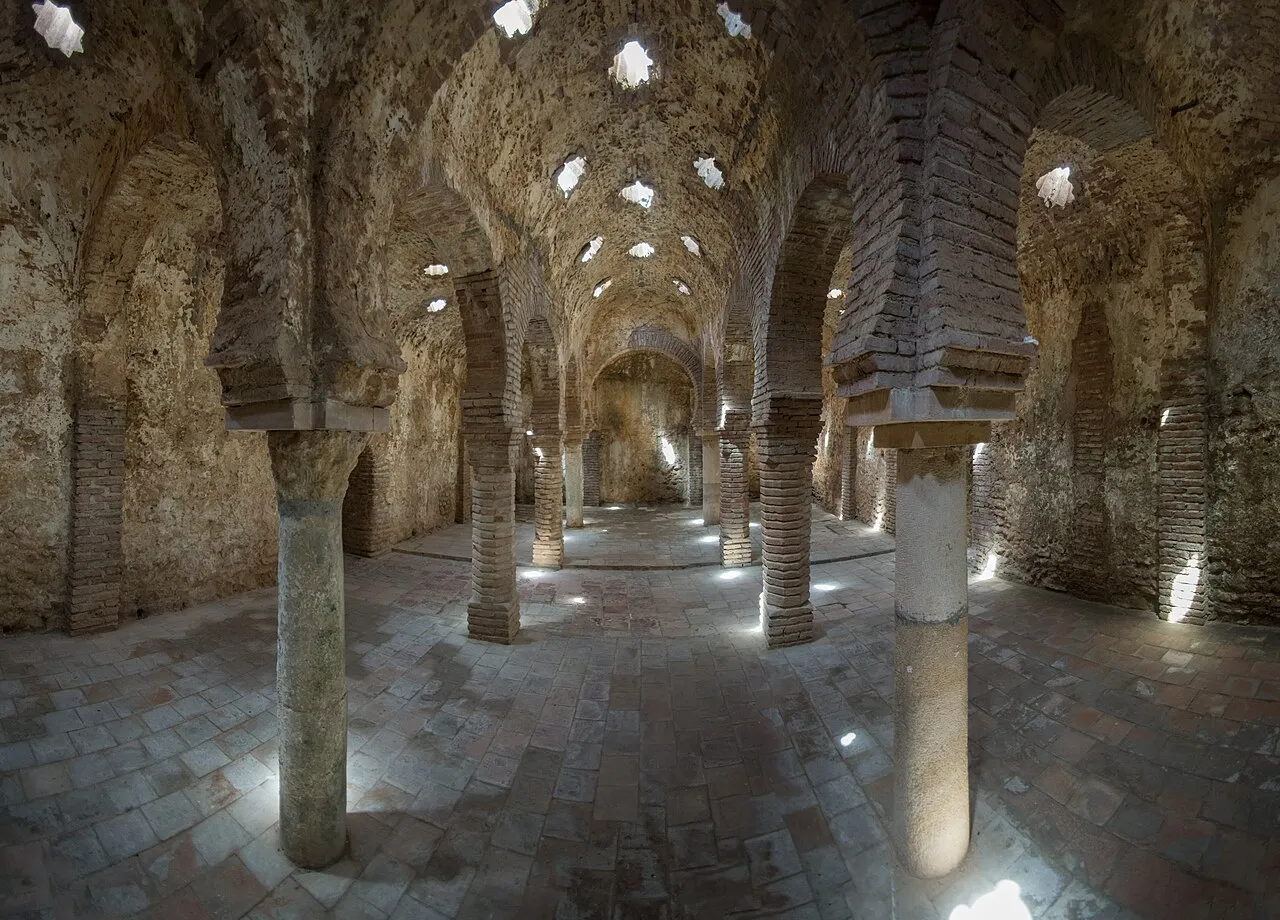
The municipal monuments combined ticket covers the Arab Baths, the Palacio de Mondragón and Santa María la Mayor, and it pays off from the third visit on. You can buy it at any of them.
Palaces that did not choose
Mondragón, and mixture as a system.
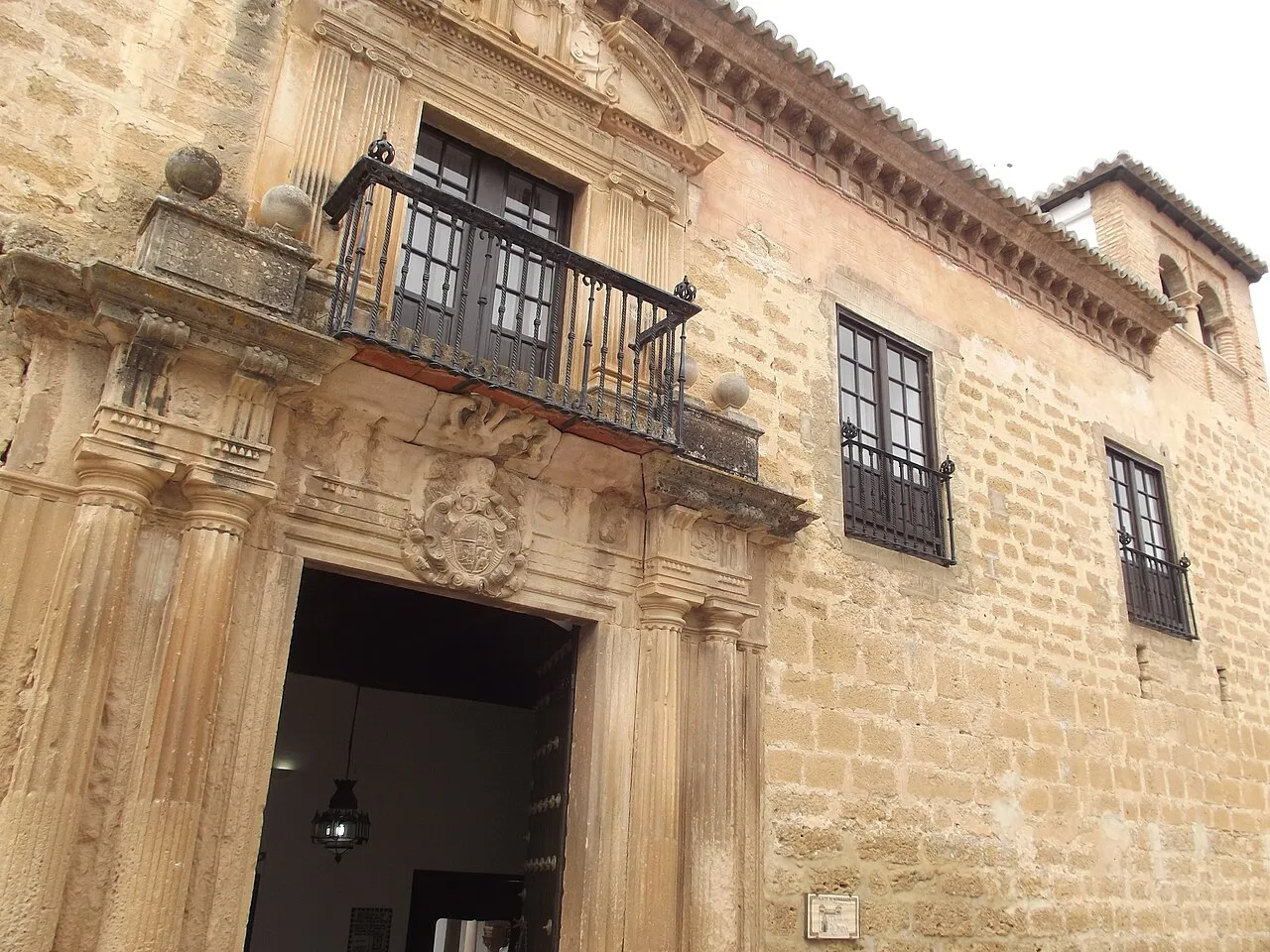
The Palacio de Mondragón is the most beautiful building in Ronda and the one that best explains this city. It was the residence of the Nasrid governor in the fourteenth century and tradition places among its occupants Hamet el Zegrí, the last Muslim military commander before the fall.
When the Catholic Monarchs took Ronda in 1485 they are said to have stayed here, and the palace passed into Christian hands. But the interesting part is what did not happen: nobody erased what came before. The Andalusi courtyards, the Mudéjar coffered ceilings and the Renaissance doorways live together under the same roof.
The Mudéjar courtyard, with horseshoe arches and tilework, takes you straight back to Nasrid Granada; twenty paces away, the Castilian courtyard already answers to classical proportions. Crossing from one to the other is crossing two cultures without leaving the building.
At the back, the terraced hanging gardens with a viewpoint over the Serranía are included in the ticket and a lot of people never get to see them. The palace also houses the Museo de Ronda, which covers the district from the prehistoric dolmens onwards.
It takes its name from captain Melchor de Mondragón, whose coat of arms sits above the door, and it comes out of the division of property after the conquest. Entry around 4 €, included in the municipal combined ticket. Allow forty minutes with the museum and the gardens.
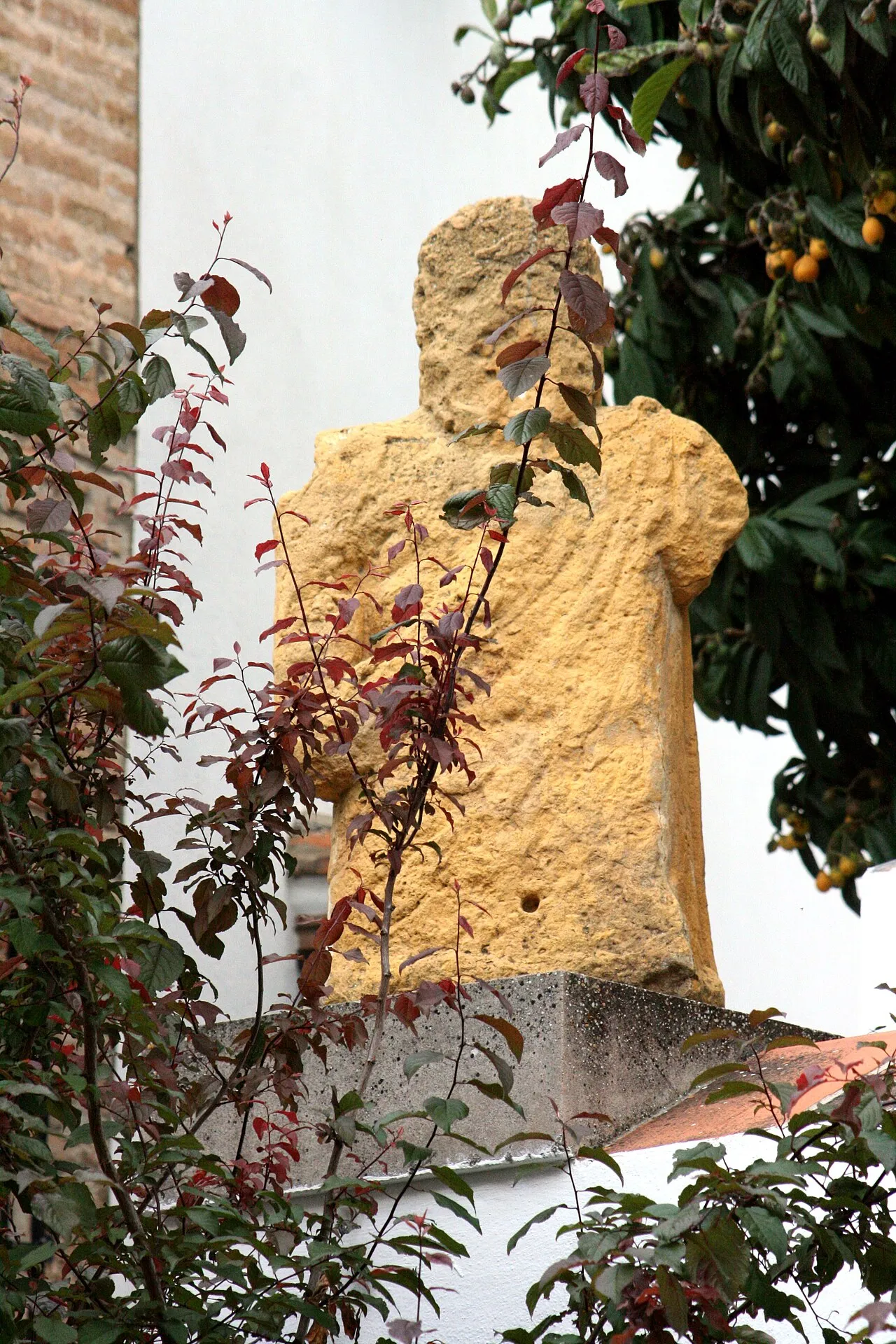
A fourteenth-century Nasrid palace house, small and little visited, with a central courtyard, plasterwork and original coffered ceilings. It is one of the few Andalusi houses preserved in Andalusia outside Granada, and it gives a very direct idea of how people lived here before 1485.
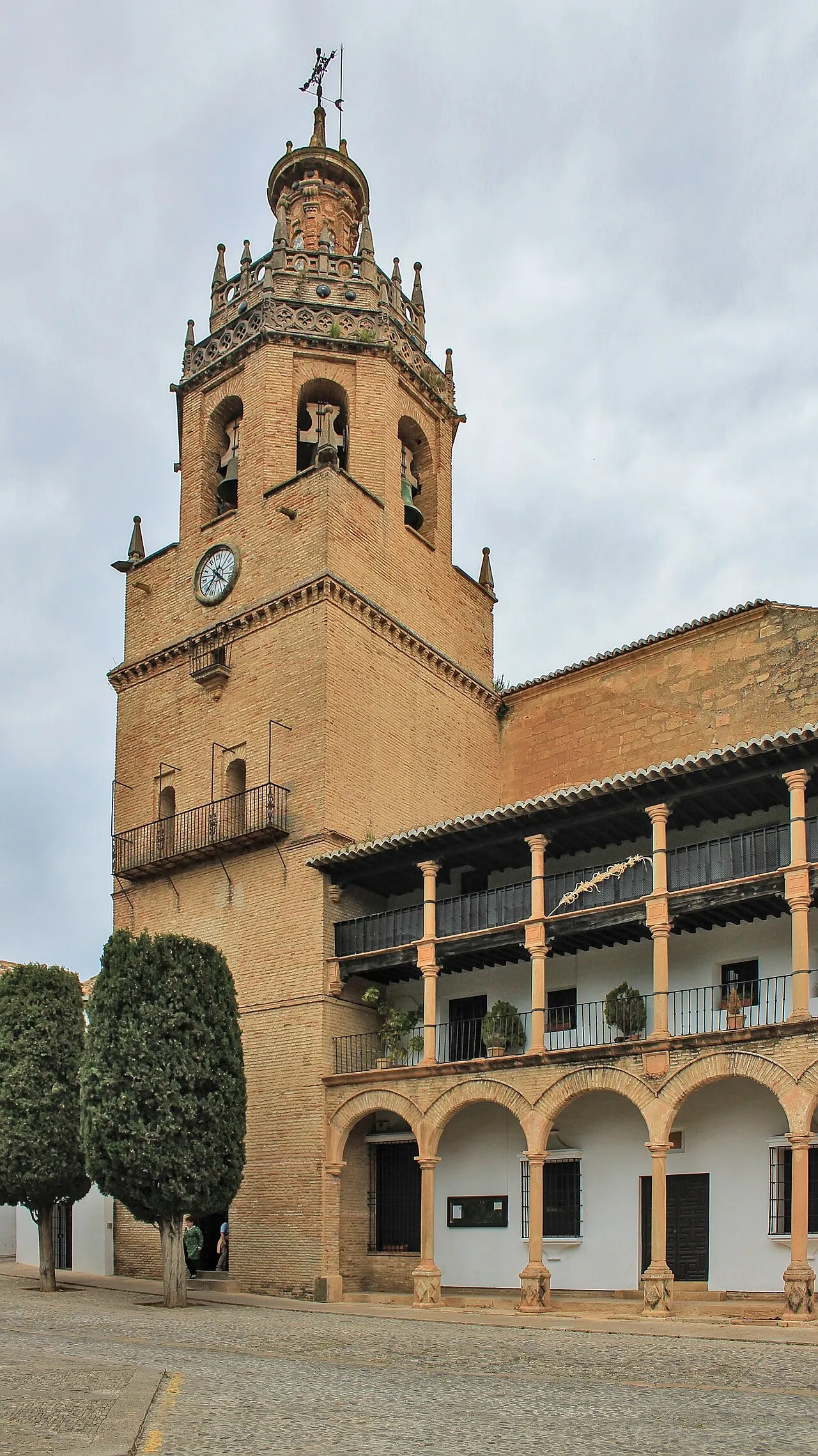
Santa María la Mayor presides over a sheltered square with orange trees, and it stands exactly over the main mosque of the Muslim city. That is not a figure of speech: remains survive in place, and the most eloquent is the arch of the mihrab, preserved inside the church, which marked the direction of Mecca.
After the conquest, Ferdinand the Catholic turned the mosque into a church and building began in Gothic. But in 1580 an earthquake brought down the east end and it had to be rebuilt in Renaissance style, with later decoration and an altarpiece already Baroque. Walking through it you change century at every step.
The orange-tree courtyard occupies the site of the old sahn, where the faithful purified themselves, and the bell tower was raised on the shaft of the minaret. The plan of the Islamic building still conditions the Christian one five centuries later.
And there is a detail that changes how you read the façade: the long balcony over the square was the city's viewing box. Before the bullring existed, the bullfighting festivities and the games of canes were held down here, and the authorities watched them from that gallery. A shaded tier in a church.
As far as the wall, and back
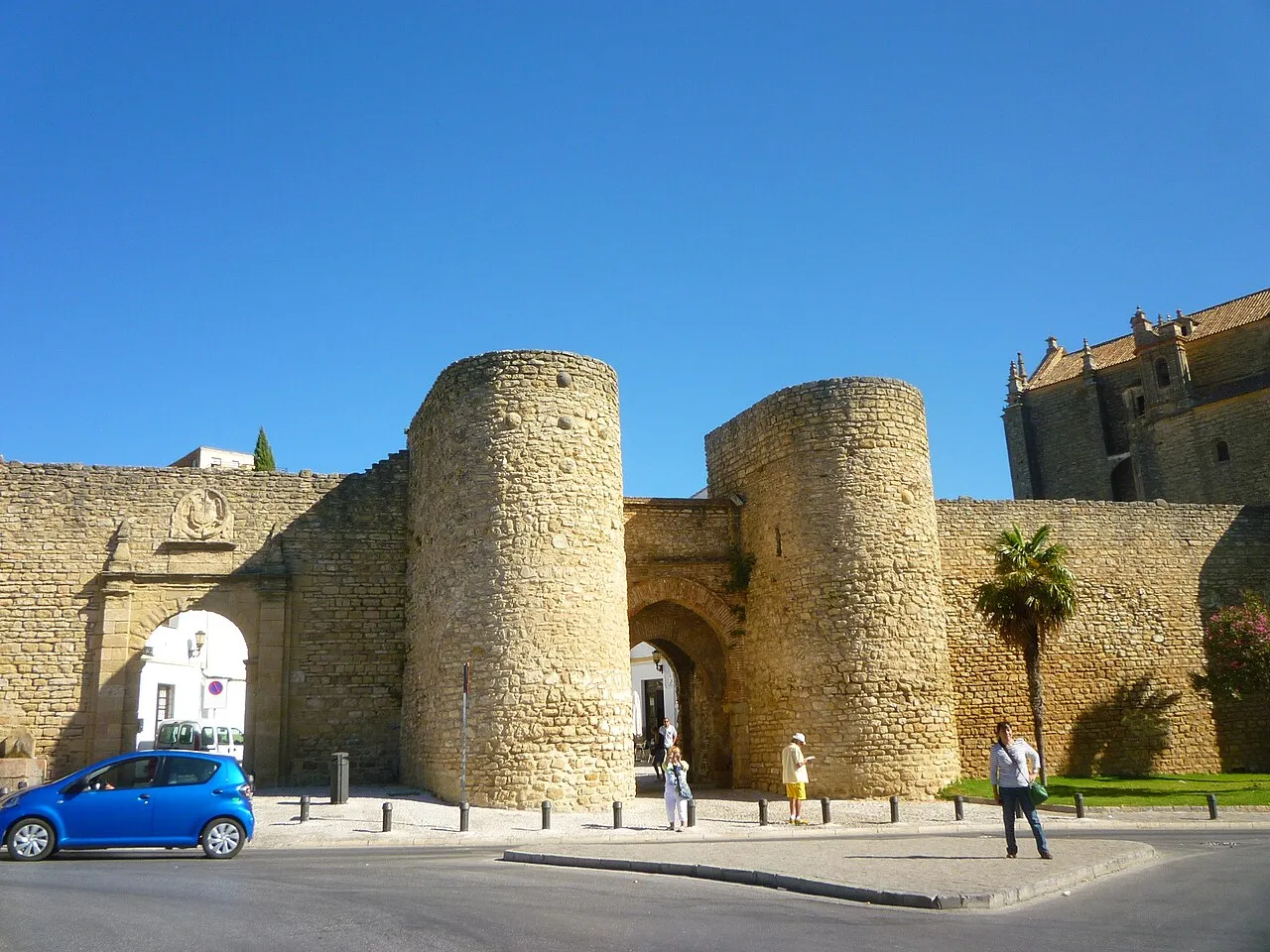
Going down from the main church, the old town narrows towards the Puerta de Almocábar, at the southern end. It is the monumental entrance to the walled enclosure and it is not a simple arch: it is three bent-entrance arches between two round towers, a trap designed to make forcing your way in unsustainable.
This is where the troops of the Catholic Monarchs came in on 22 May 1485, after a hard siege, putting an end to centuries of Muslim rule in the Serranía. On entering they freed hundreds of Christian captives, and Ferdinand the Catholic had their shackles taken to Toledo and hung in San Juan de los Reyes, where they still are.
Above the gate is the imperial eagle that Charles V had placed there when he remodelled it: the seal of the new power over the Nasrid fortress. Reading the ensemble in that order — Muslim bent-entrance arches, Habsburg eagle on top — tells the story without needing a sign.
Outside the walls the San Francisco suburb grew up, because the gates were closed at sunset and the muleteers who arrived late had to sleep outside. Around that wait, inns and roadhouses appeared, and the neighbourhood still sets up its street market at the gates of the city.
Gothic nave, Renaissance east end after the earthquake of 1580, Baroque decoration and the arch of the mihrab in place. It is worth climbing the bell tower if it is open: it gives you the old town from above. Entry around 4.50 €, included in the combined ticket.
Almocábar comes from the Arabic al-maqabir, the cemetery, because the Muslim burial ground stretched out beside it. Free access, no ticket and no opening hours, and the adjoining stretches of wall can be walked along the wall-walk. It is the furthest point of the usual circuit.
The best preserved stretch of Nasrid wall, with towers and a wall-walk you can visit, looking out over the valley. It is free to walk and from up there you see the old town from within and the countryside without, which is exactly what a fifteenth-century sentry saw.
The Palacio de Mondragón with its Mudéjar and Castilian courtyards, the church of Santa María la Mayor raised over the main mosque, the Casa del Gigante — a preserved Nasrid house —, the Puerta de Almocábar with its three bent-entrance arches and the Cijara walls. All within an enclosure you can cover in two hours.
What is the arch of the mihrab in Santa María?
A remnant of the main mosque preserved in its original position inside the church. The mihrab was the niche that marked the direction of Mecca for prayer, and seeing that arch inside a Catholic church sums up the history of the city after 1485 in a single object.
Is it worth walking as far as the Puerta de Almocábar?
Yes, even though it is the furthest point and almost nobody gets there. It is three bent-entrance arches between two round towers, designed to make forcing your way in unsustainable, and this is where the Castilian troops came in in 1485. Above the gate is the imperial eagle placed there by Charles V when he remodelled it. Access is free.
Can you walk along the walls?
Yes, the Cijara stretch keeps its towers and a wall-walk you can visit, it is free and you walk along the top with the old town on one side and the countryside on the other. It is one of the most rewarding things in Ronda and one of the least visited, precisely because it lies at the far end of the route.
How long does it take to walk the old town?
A good two hours if you go into the monuments: Mondragón with its museum and gardens, Santa María and a walk out to the wall. Just walking the streets, an hour. There are continuous slopes, so it is best done in the cool and not at midday in summer.
Is the monuments combined ticket worth it?
From the third visit on, yes. It covers municipal monuments such as the Arab Baths, the Palacio de Mondragón and the church of Santa María la Mayor, and you can buy it at any of them. The bullring and the Casa del Rey Moro are private and have separate tickets.
Practical information
WhereSouth of the Puente Nuevo, between the bridge and the Puerta de Almocábar.
DurationA good two hours for the full walk with the monuments.
The combined ticketArab Baths, Mondragón and Santa María. It pays off from three visits on.
FreePuerta de Almocábar, the Cijara walls and the whole walk through the streets.
RouteFrom the bridge southwards, and back along the other side or down to the baths.
Watch outContinuous slopes. The furthest point is the wall, and almost nobody gets there.
On the map
🎧 With Viavoy
Walk Ronda and listen at your own pace
Download Viavoy and walk Ronda offline, whenever you like.