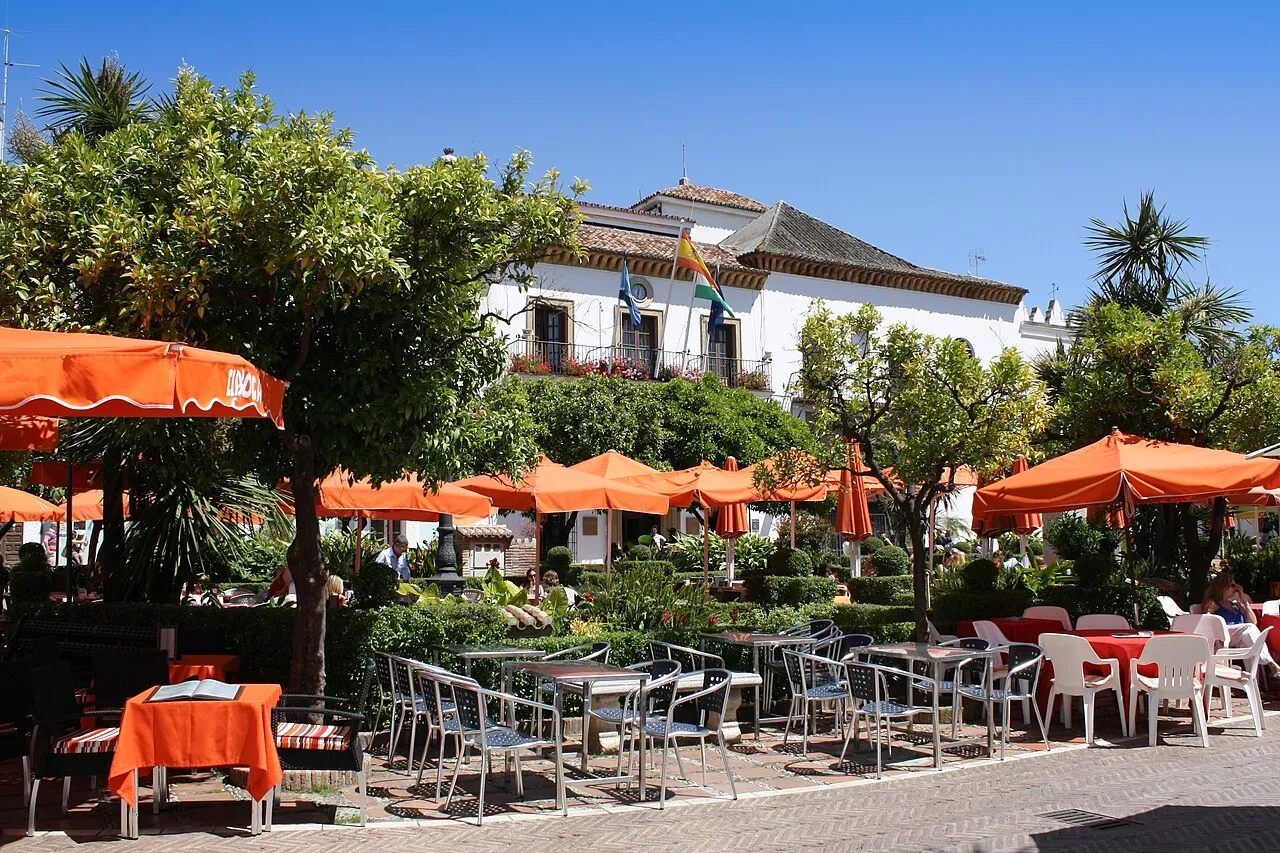
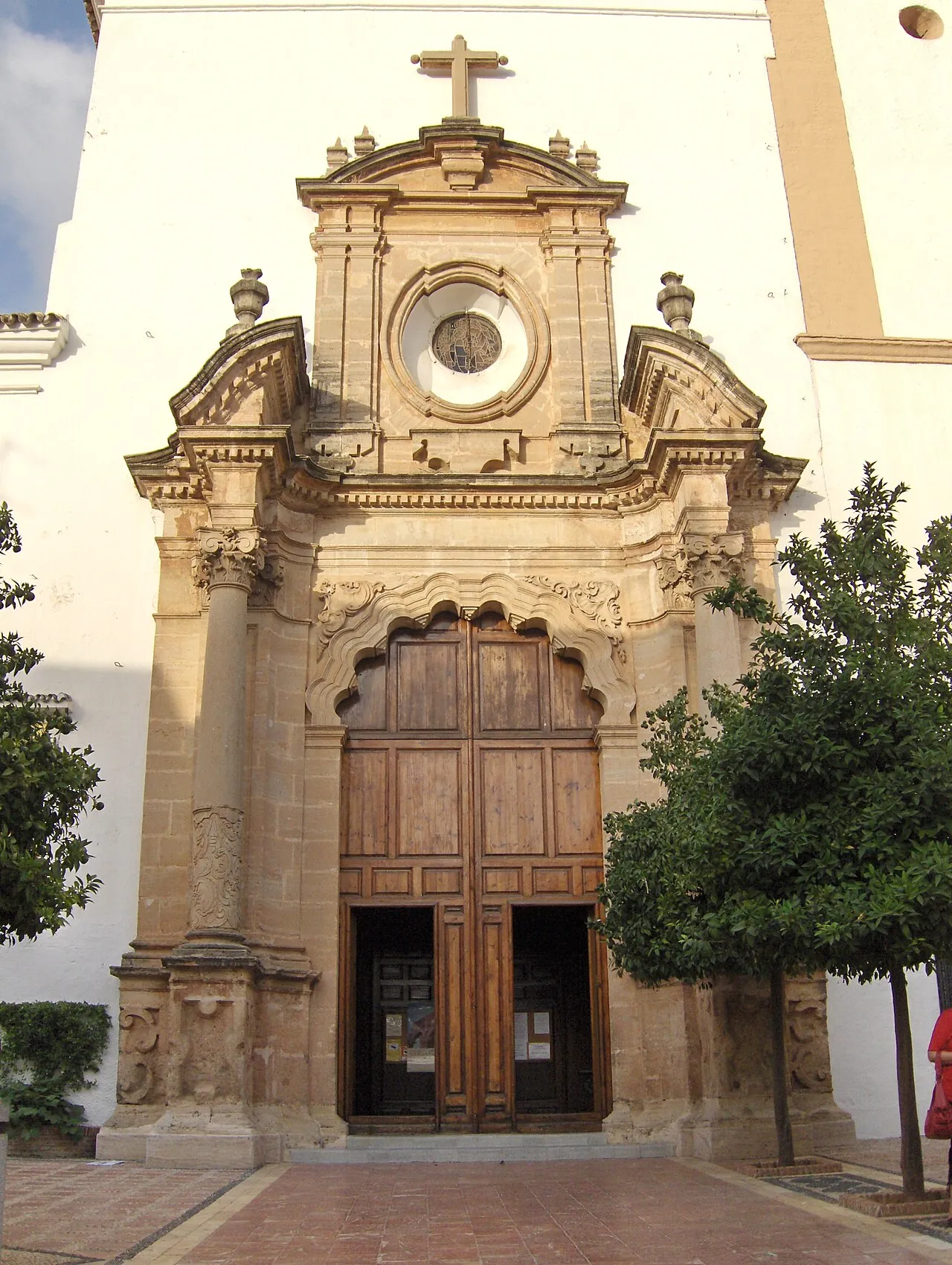
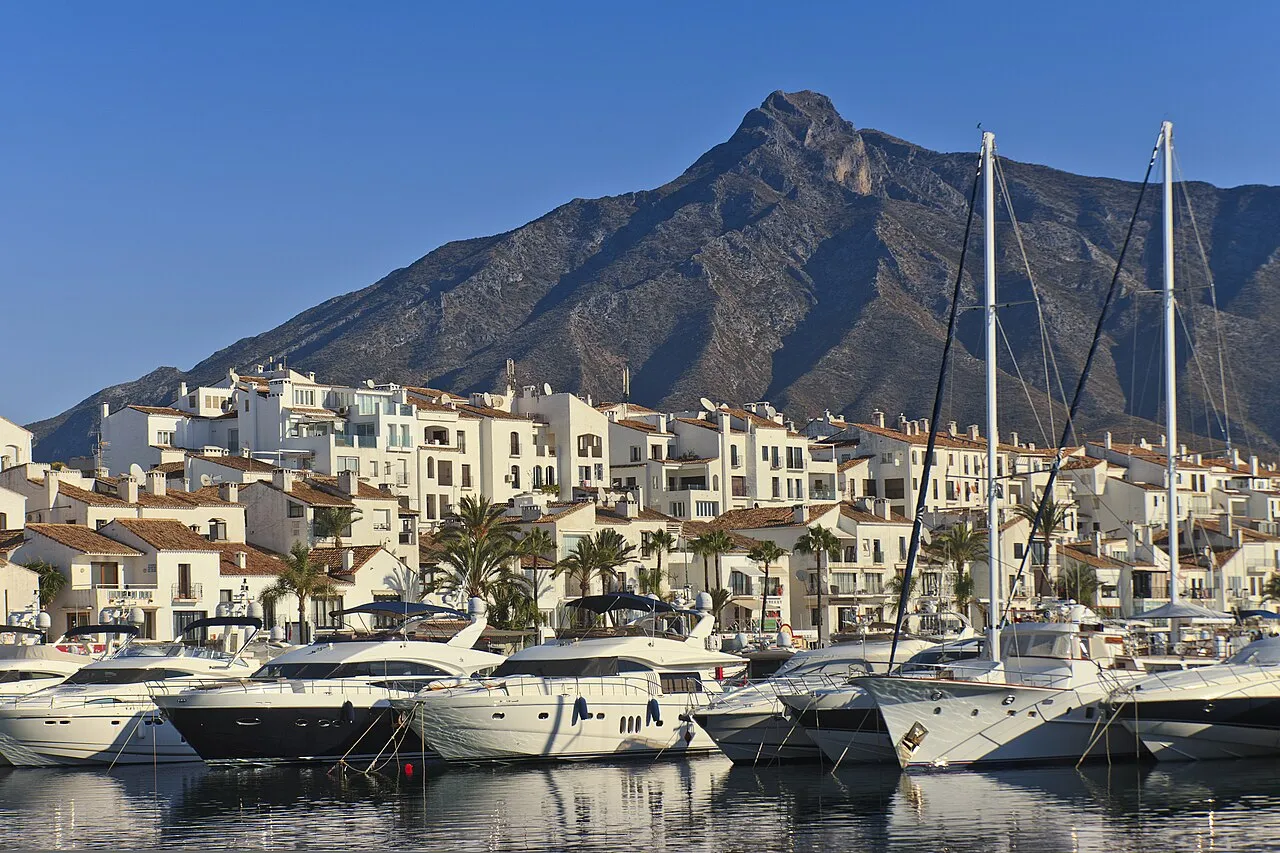
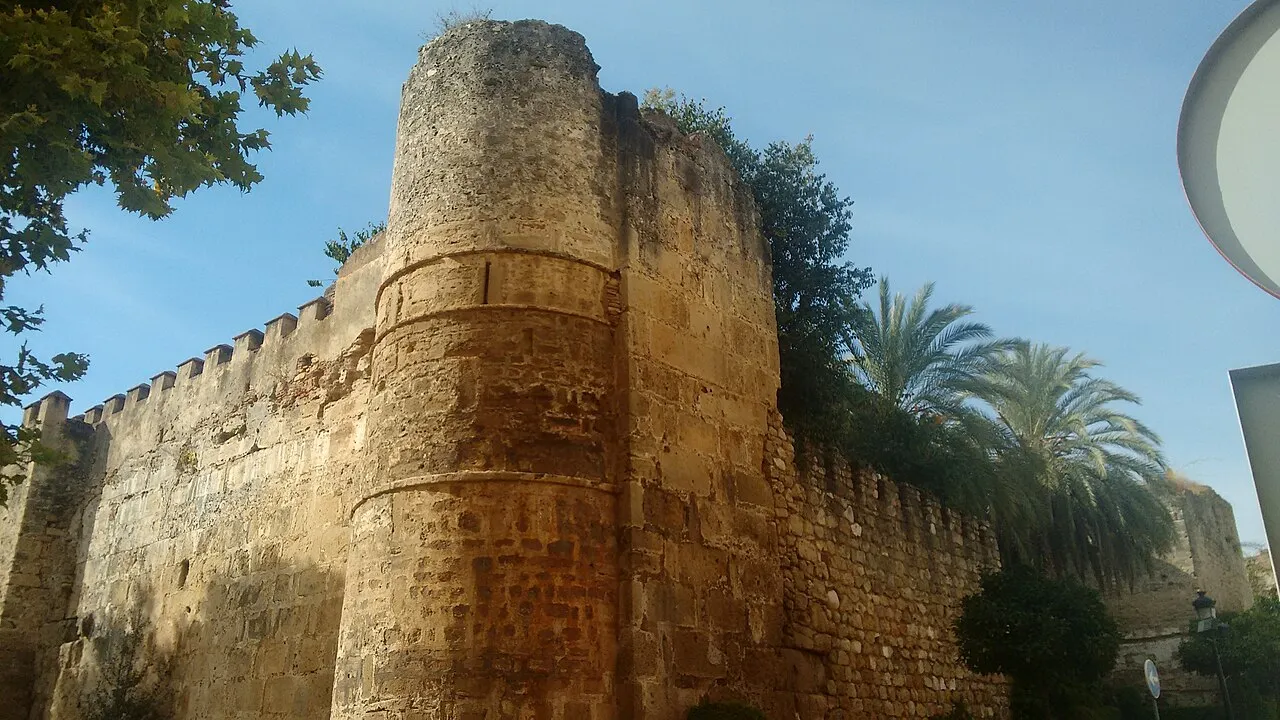
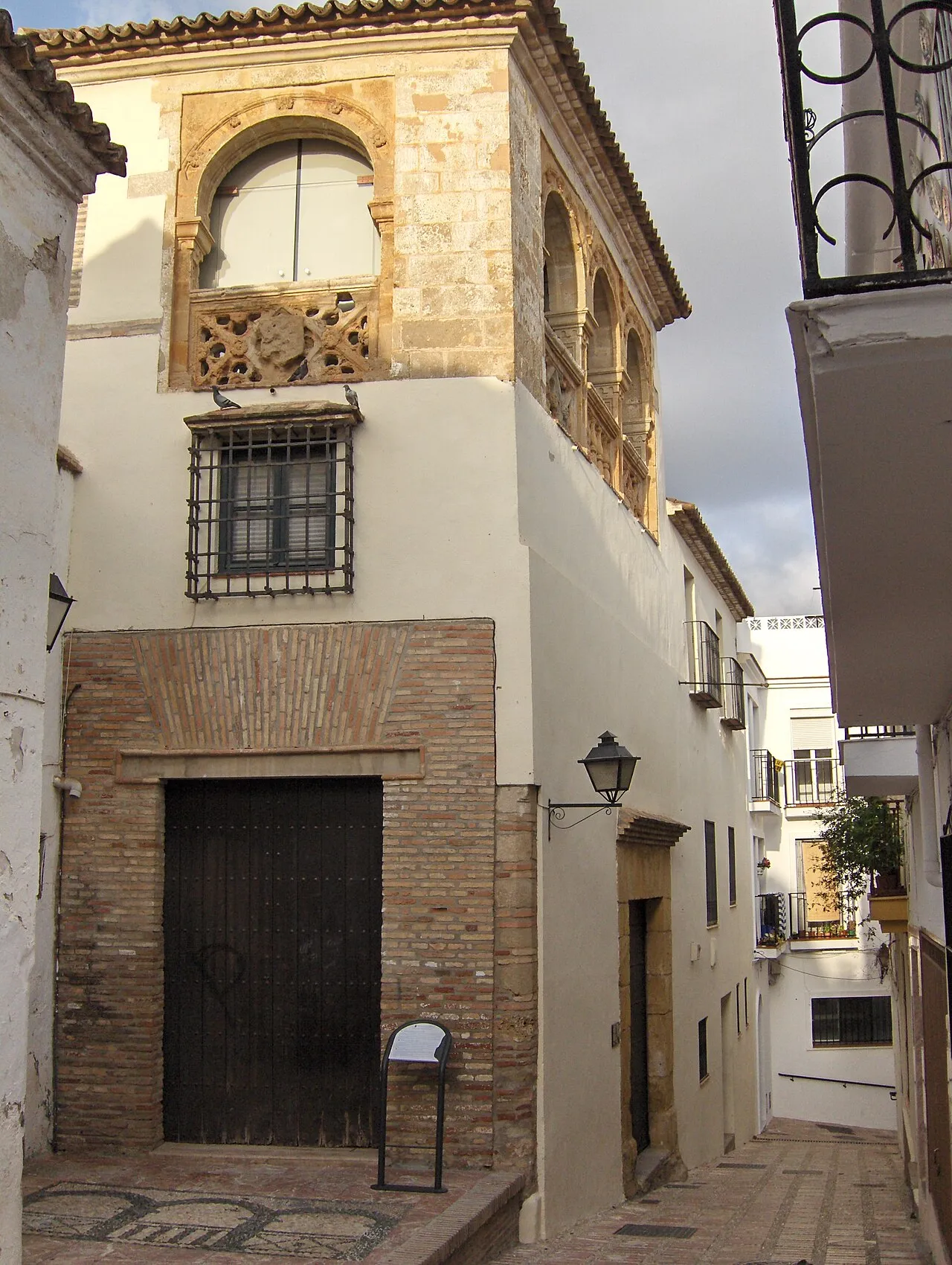
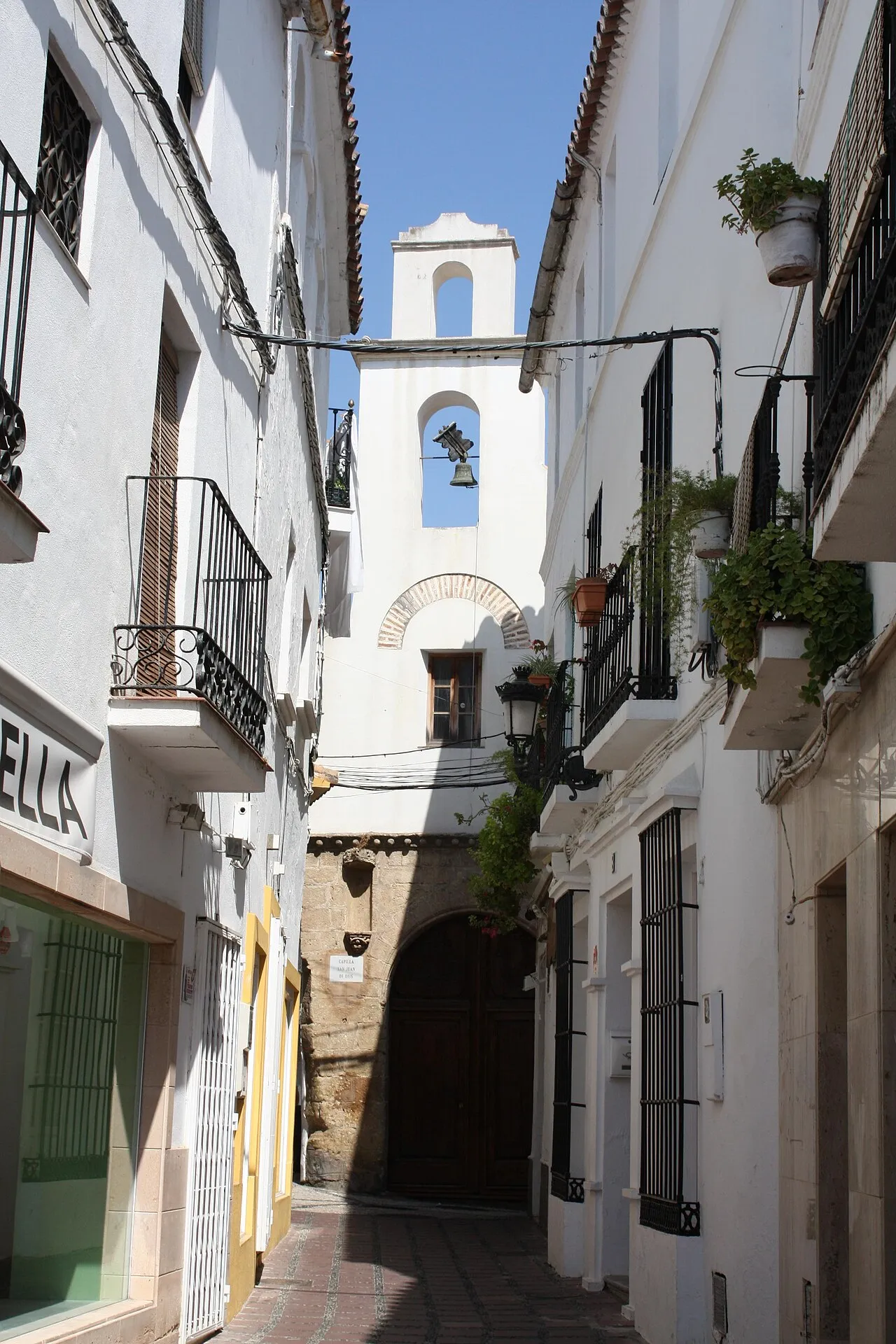
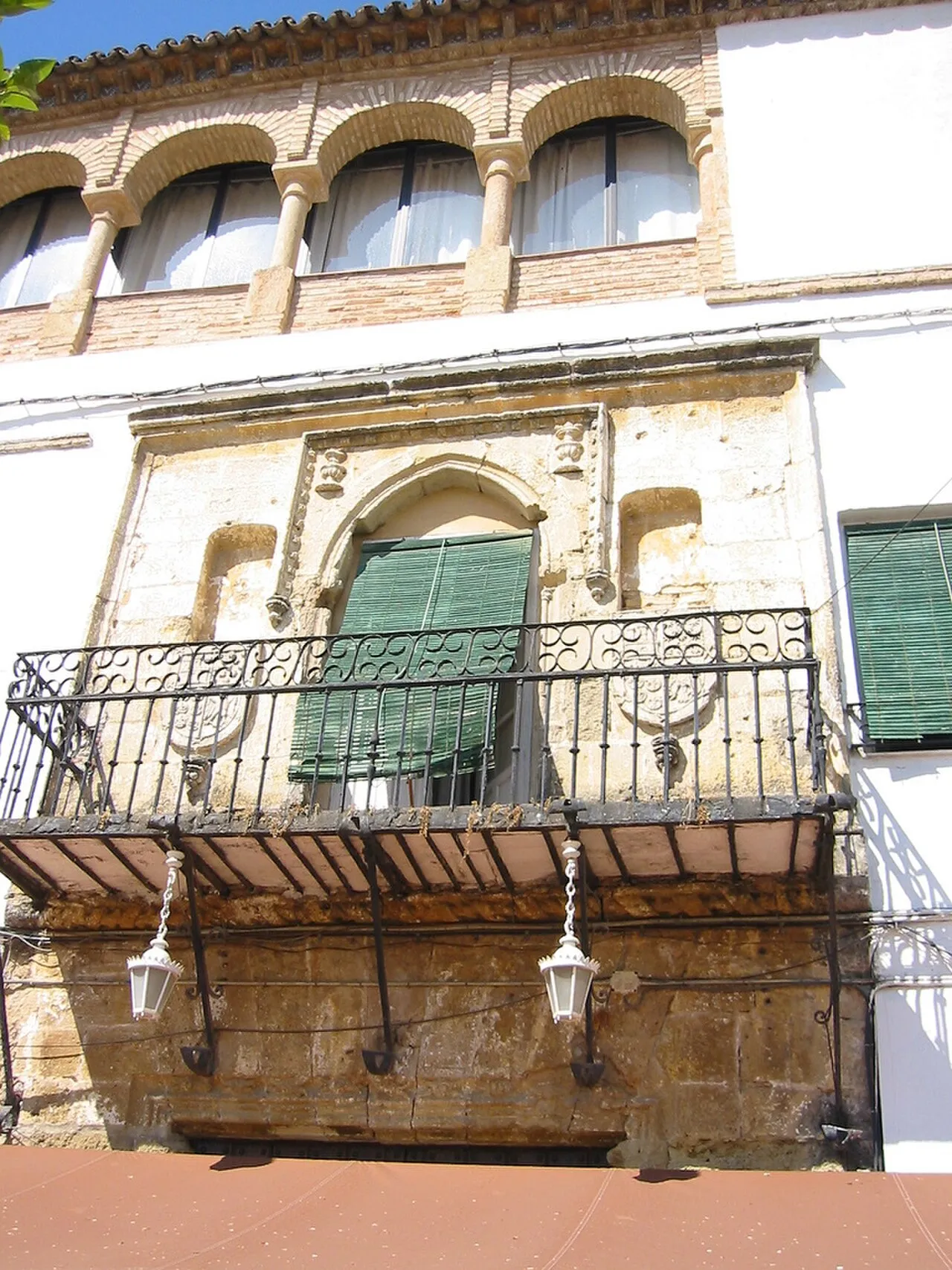
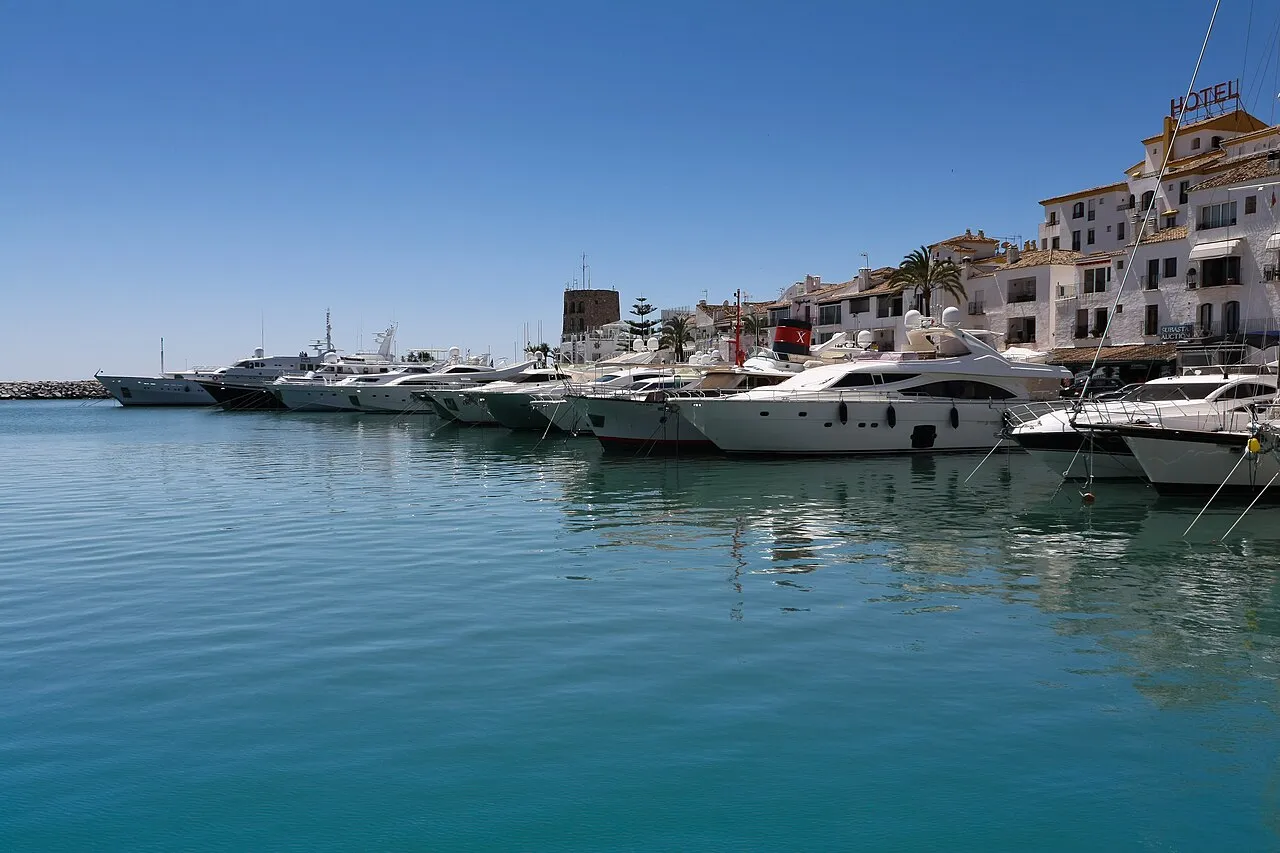
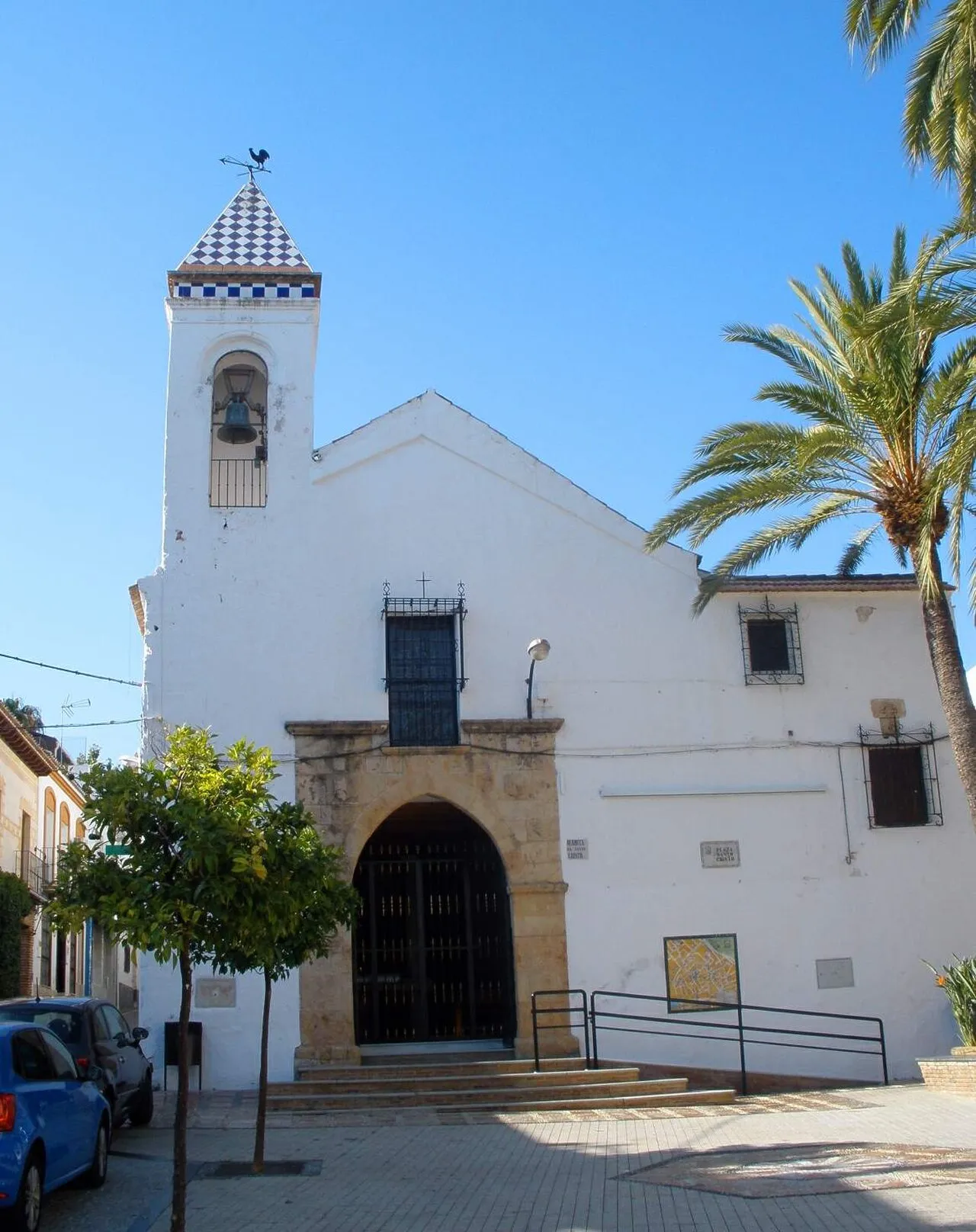
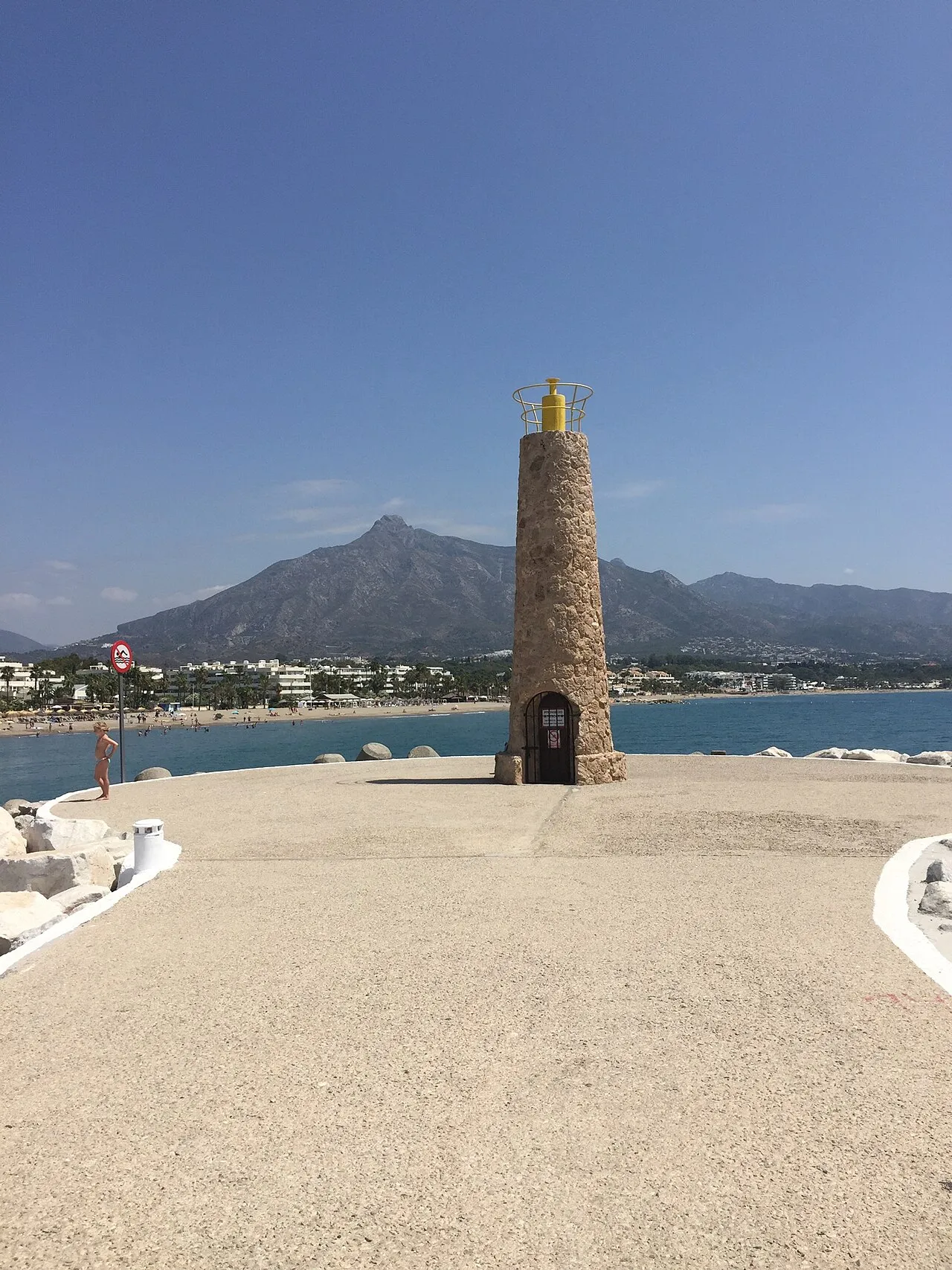
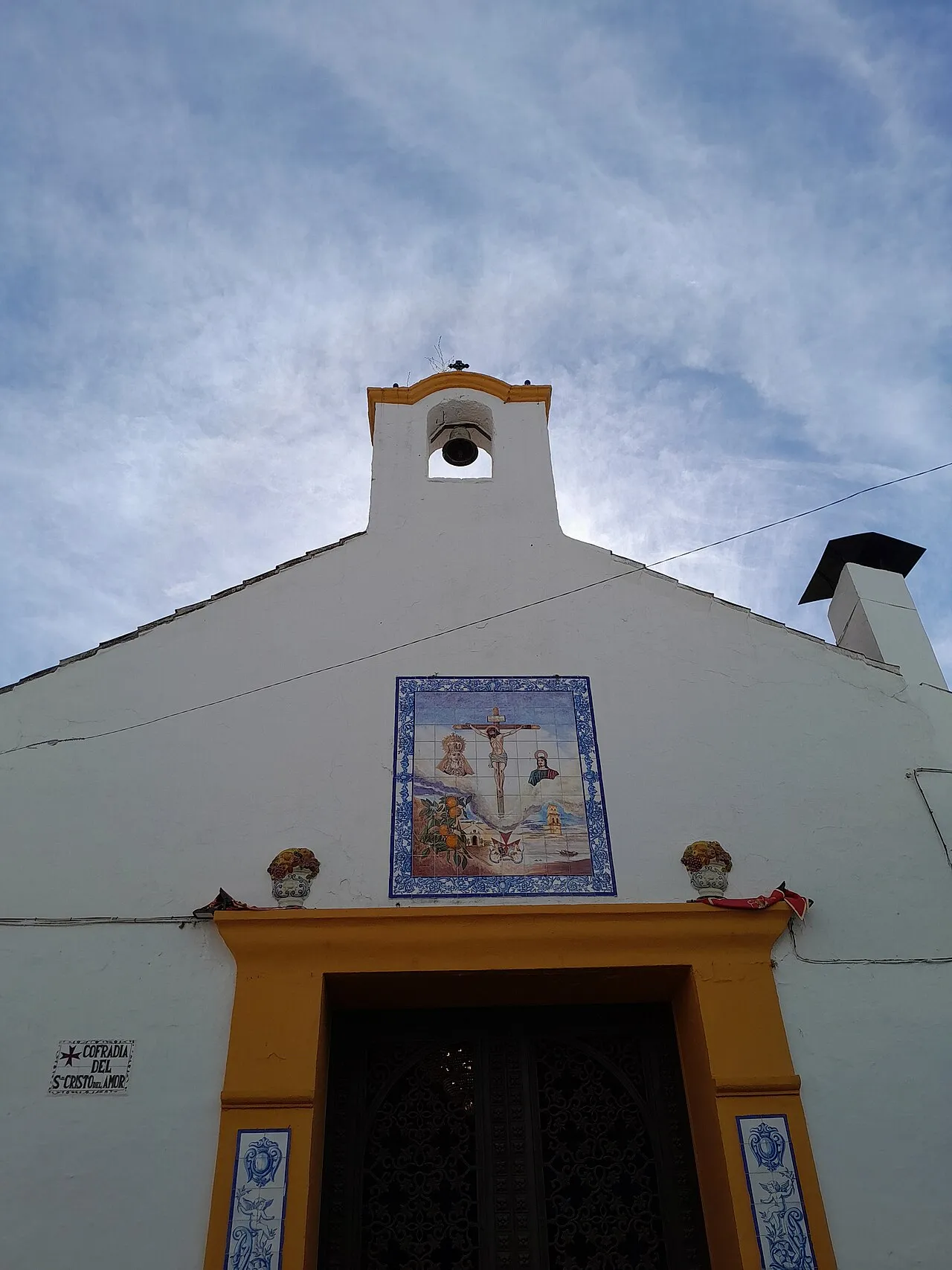
Marbella has two faces that are almost never visited together. One is the old town: a walled Muslim medina over which Castile laid out, in 1485, a rectangular square drawn with rule and compass, with Mudéjar coffered ceilings hidden under false ceilings for centuries and a print museum with signatures of the first rank. The other is Puerto Banús, a false Andalusian village raised from scratch in 1970 by a developer with more ambition than schooling, today indistinguishable from a real one. Between the two there are seven kilometres and half a century.
Frequently asked questions
Is the old town of Marbella worth it?
Far more than its reputation would suggest. It is a walled Muslim medina over which Castile laid out a Renaissance square in 1485, with sixteenth-century buildings, hidden Mudéjar coffered ceilings and a print museum with Picassos. It is walked from end to end in a long hour and hardly anyone who comes to Marbella visits it.
How do you get to Puerto Banús from the centre?
It is some seven kilometres to the west, with a frequent city bus from the centre of Marbella. By car too, though parking in high season is a real problem. They are two very different Marbellas and both are worth seeing, even if luxury does not interest you.
Where does the name Marbella come from?
Not from «mar bella», the beautiful sea, however well that works on a postcard: that is a modern folk etymology. The place name is born in Muslim times, when the city was called Marbal-la, and its exact origin is older and still argued over among scholars.
What are Mudéjar coffered ceilings and where can you see them?
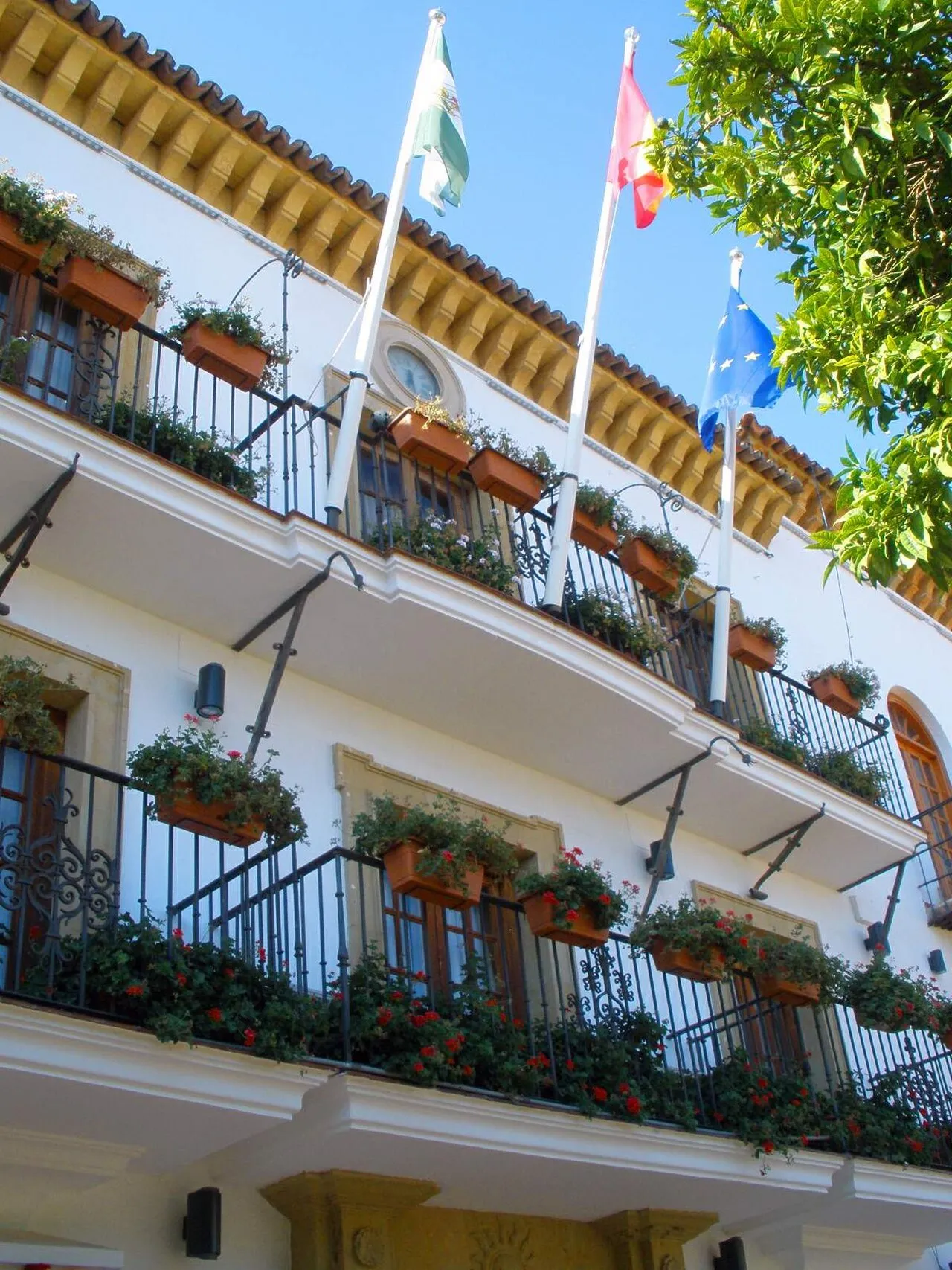
Wooden ceilings assembled like a puzzle, almost without nails, the work of the Muslim carpenters who went on working for the Christians after the conquest. Marbella preserves several: in the chapel of San Juan de Dios, where one lay covered until the twentieth century, and in the Chapter Room of the town hall. They are the most valuable thing in its heritage.
How many days do you need?
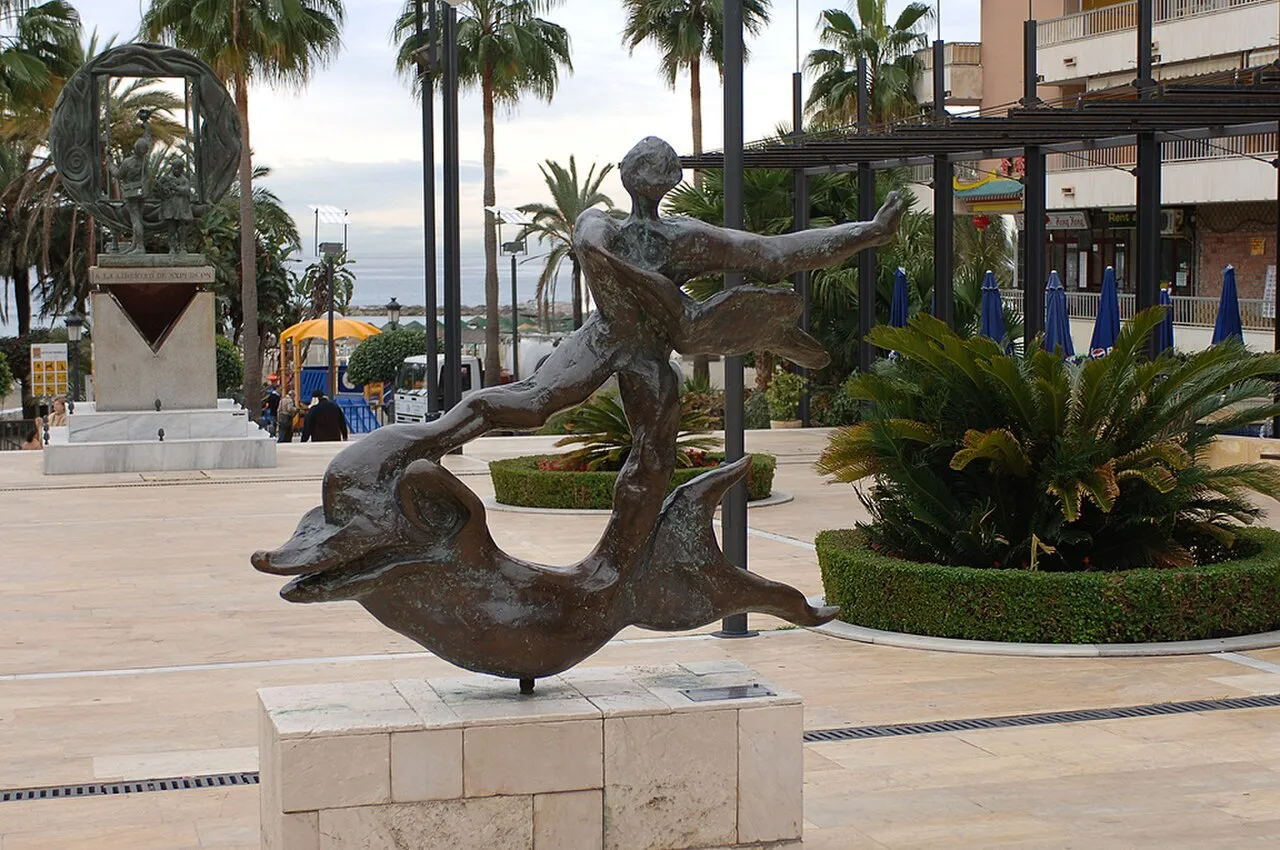
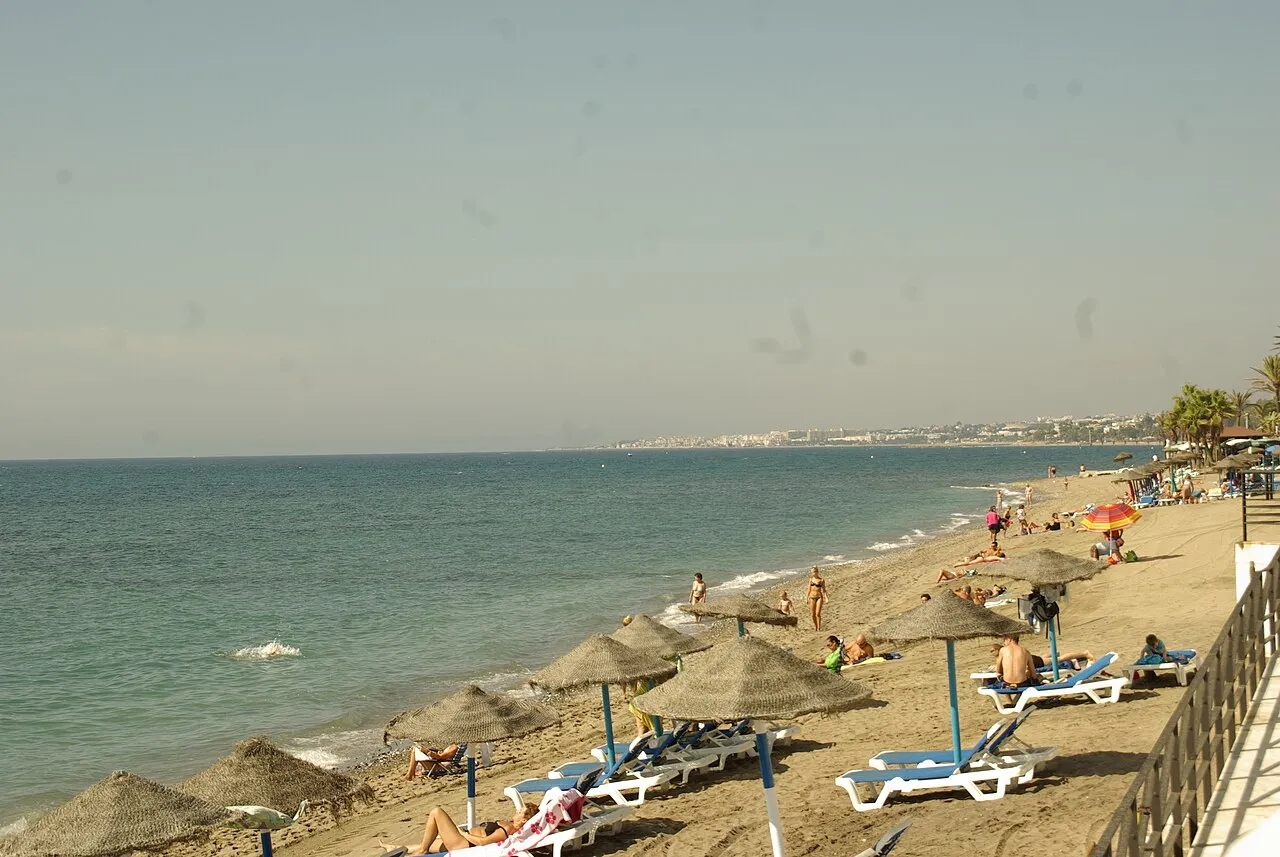
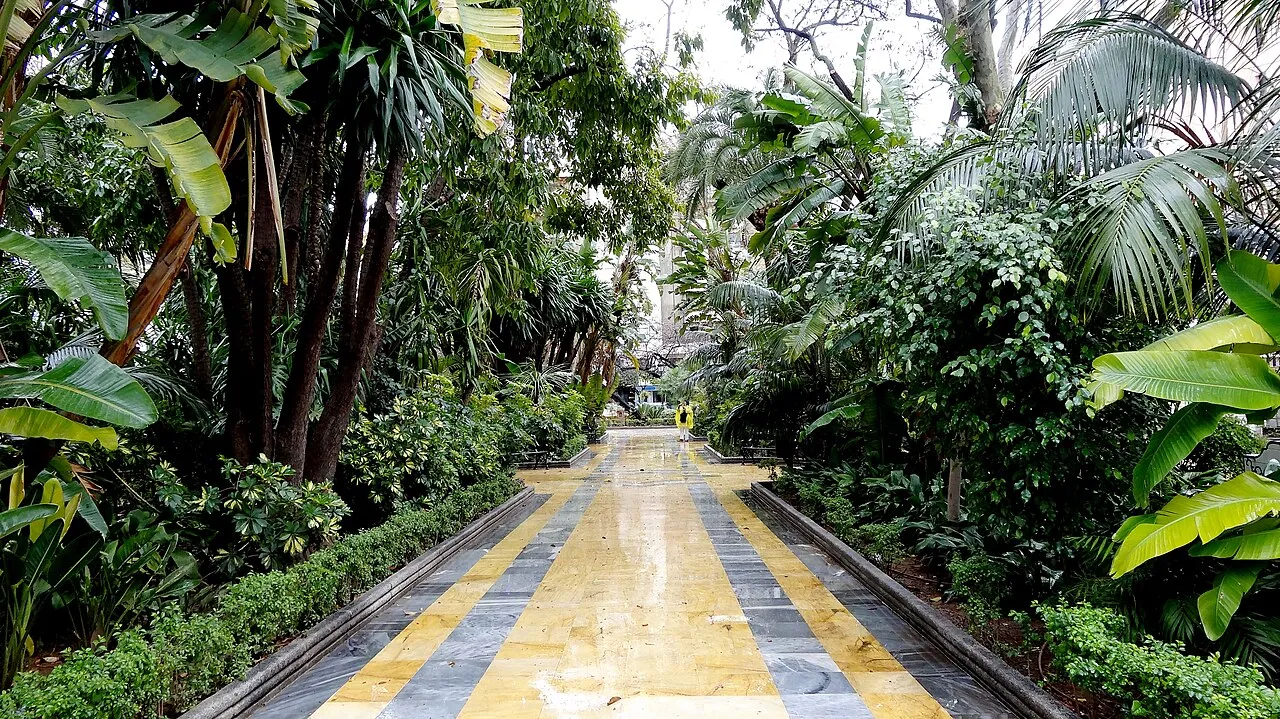
A full day covers the old town with its interiors, the Alameda, the Dalí sculptures, the Fontanilla beach and a visit to Puerto Banús. If you are here for the beach, the old town can be done in a spare morning and it more than repays it.
What do you eat in Marbella?
Costa del Sol cooking: espeto of sardines roasted on a cane over a wood fire, pescaíto frito, anchovies in vinegar, gazpachuelo and Málaga ajoblanco with grapes. For wine, the sweet Málaga wines with muscat and Pedro Ximénez. The espeto is eaten from May to August, the months without an R, and with your fingers.