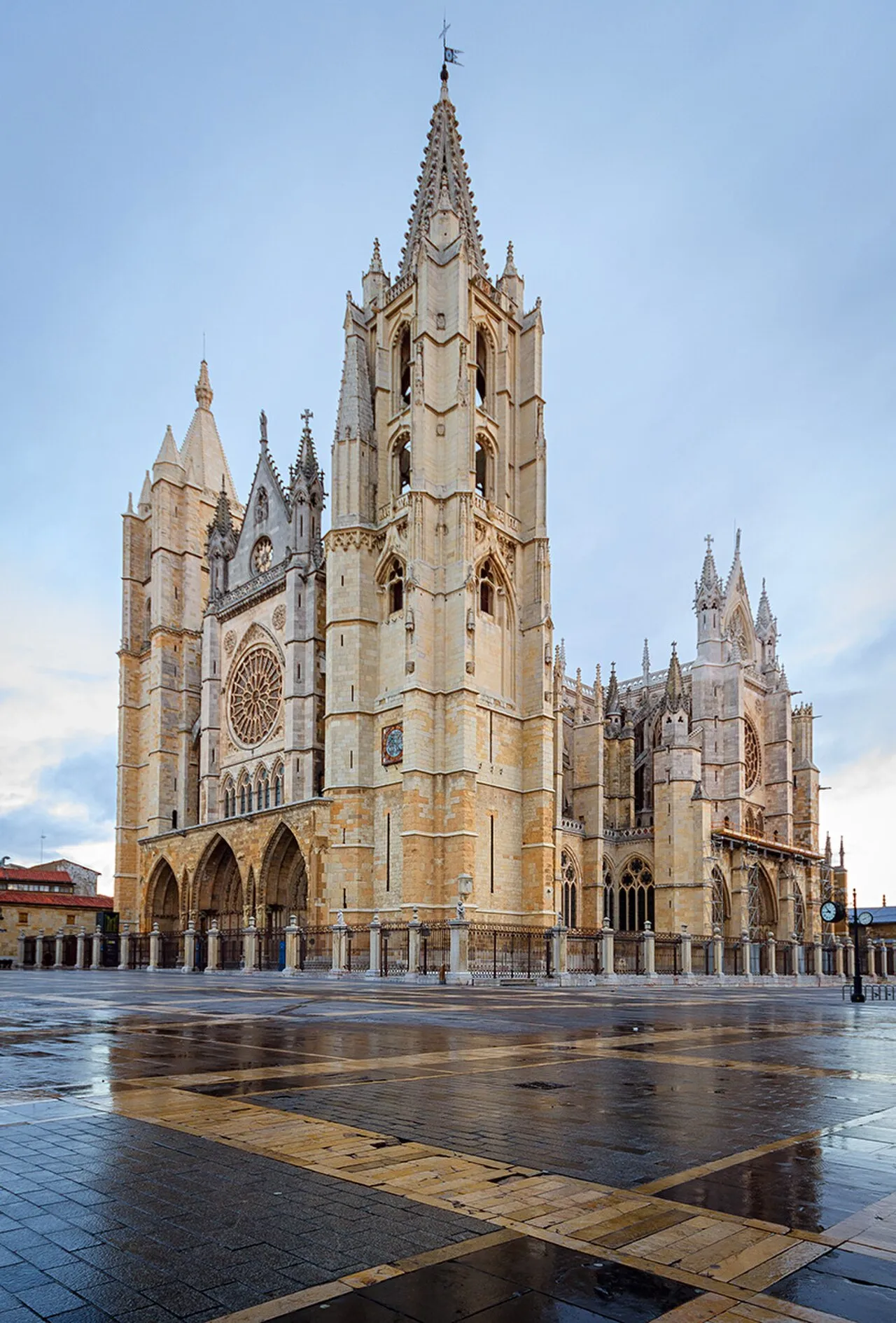
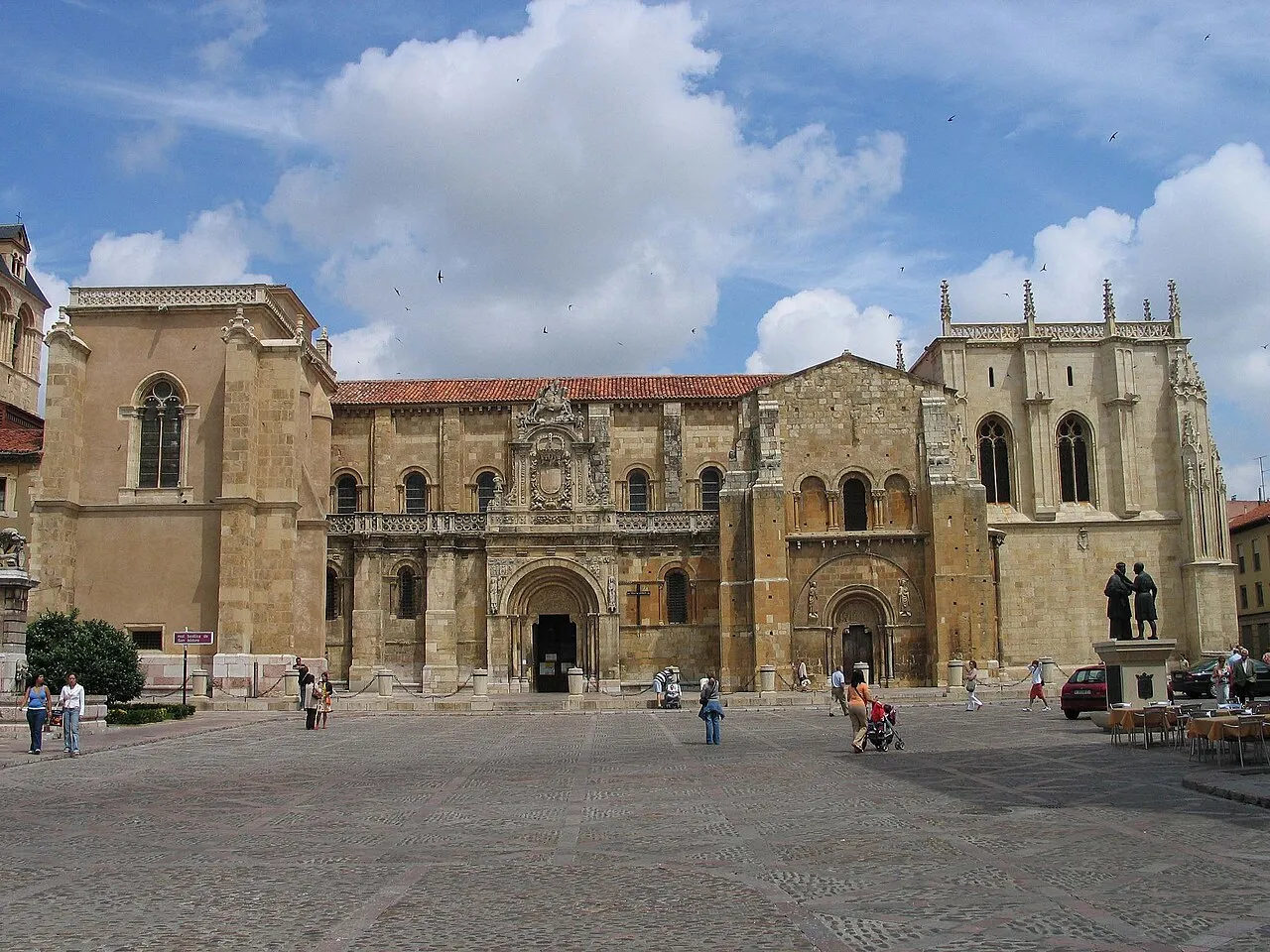
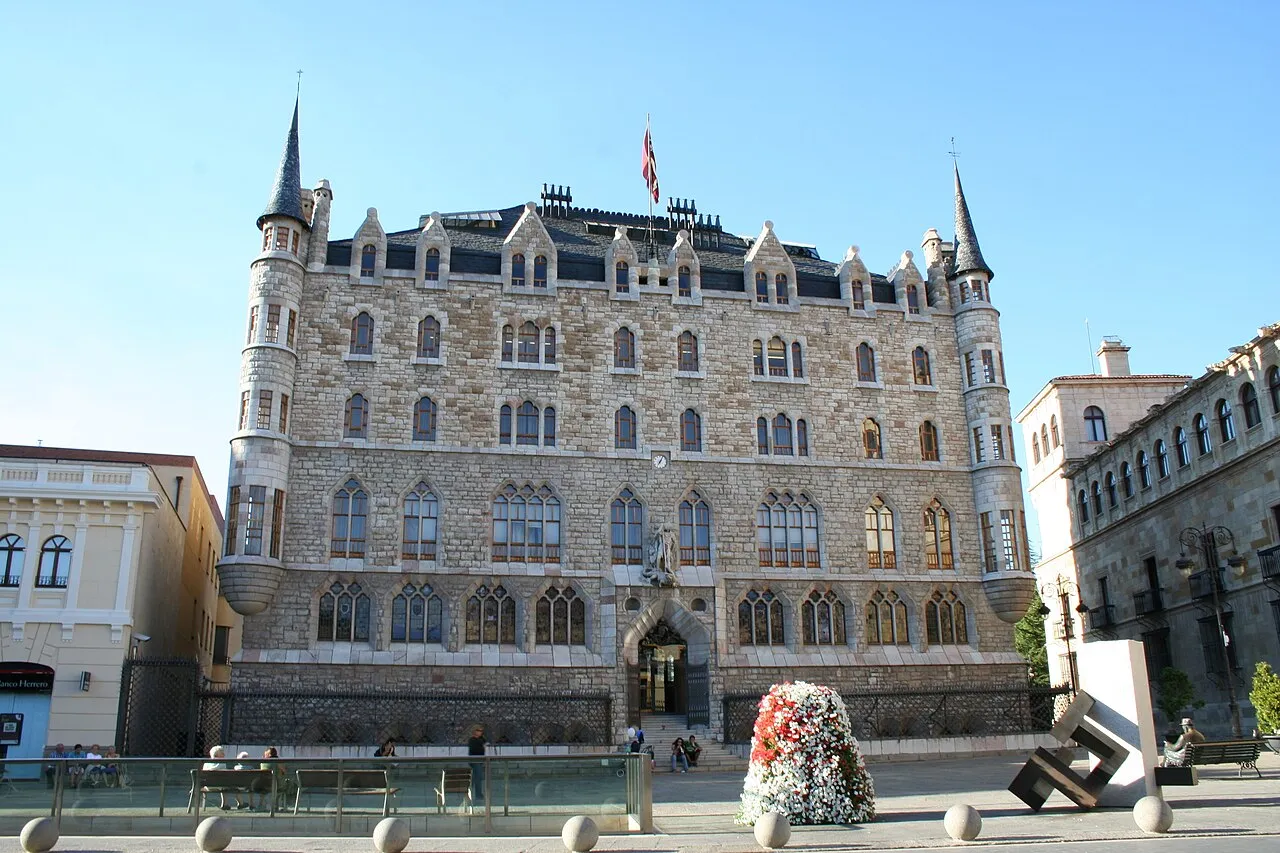
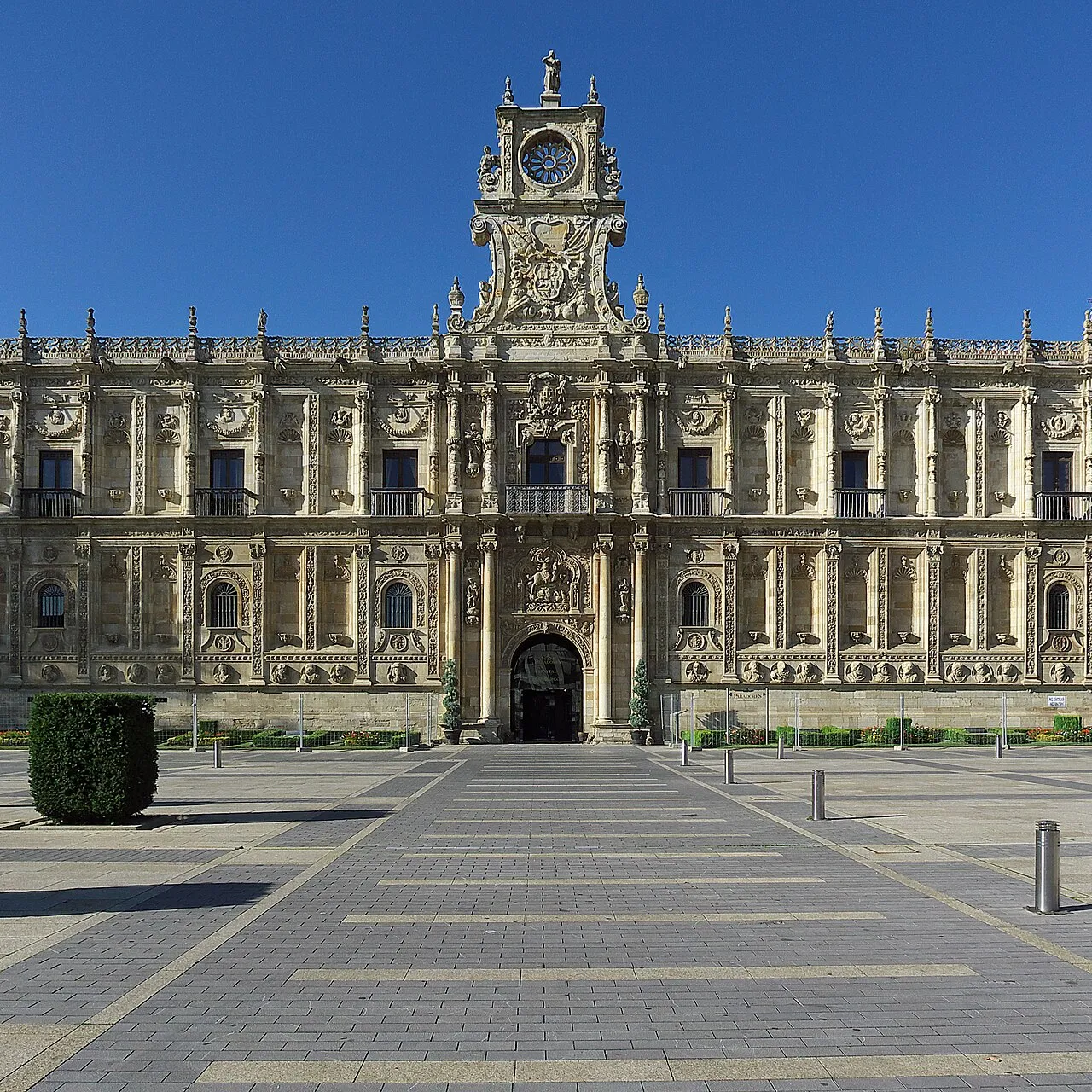
León began as the camp of the Roman Legio VII — hence the name, which does not come from the animal — and went on to be the capital of a kingdom. That double condition explains its old town: a wall of Roman origin, royal Romanesque of the first order at San Isidoro, a Gothic cathedral that wanted to be French and overreached itself, and Plateresque on an imperial scale at San Marcos. To that was added, in 1892, a work by Gaudí that nobody expects to find here. And all of it is crossed by the Camino de Santiago, which still enters and leaves the city by the same gates.
Frequently asked questions
How many days do you need for León?
One full day covers the essentials: the cathedral, San Isidoro, Casa Botines, San Marcos and the Barrio Húmedo. With two days you can fit in the whole Museo de León, the MUSAC contemporary art museum, the wall and the Plaza del Grano, with time left over to do the tapas round at leisure, which in León is half the visit.
Why is it called León?
Not after the animal, although the coat of arms carries one. It comes from Legio: the city was born as the permanent camp of the Legio VII Gemina, settled here in the first century to control the gold mines of the north-west. Legio became Leone and from there León, and the coincidence with the animal's name is later and accidental.
What is the Barrio Húmedo?
The tapas area of the old town, around the Plaza de San Martín. Its particularity is that the tapa is served free with your drink and is not chosen: the bar decides, and each has its own. You go from bar to bar, one drink at each, and it is a deeply rooted custom.
Is León on the Camino de Santiago?
Yes, it is one of the great stages of the French Way and one of the major stops on the whole route. The Camino comes in from the east, crosses the old town passing beside the cathedral and leaves by San Marcos, crossing the bridge over the Bernesga. The sculpture of the pilgrim taking off his boots in front of San Marcos is among the most photographed on the route.
When is the best time to visit León?
Spring, summer and early autumn. The city is more than eight hundred metres up and the winters are long and cold, though the cathedral in the snow has its followers. And you have to reckon with the fact that the stained glass, which is the main reason for the visit, depends entirely on there being sun.
What do you eat in León?
Cecina, cured beef, very characteristic and with a geographical indication; León black pudding; botillo from the Bierzo; cocido maragato, eaten backwards starting with the meat; and trout soup. To drink, wines from the Bierzo, above all mencía, and from the Tierra de León denomination with the prieto picudo grape.