Burgos
Burgos · What to see

What to see in Burgos: the 15 essentials

The only Spanish cathedral that is a World Heritage site on its own, the oldest human fossils in Europe and the city where El Cid began his exile.

Burgos brings together three things that coincide in no other Spanish city. A Gothic cathedral with openwork, hollow spires — pierced so that the wind passes through and does not bring them down — which entered the UNESCO list alone, not as part of any ensemble. A museum with the original fossils from Atapuerca, including the oldest Europeans we know of and seven thousand human remains from 430,000 years ago. And the trace of El Cid all over the city: the statue, the site of his house, the church where he made the king swear three times and his tomb beneath the lantern tower of the cathedral. All that, plus a promenade with a roof of leaves and the best black pudding in Spain.

The 15 must-sees

1Burgos Cathedral

Burgos Cathedral

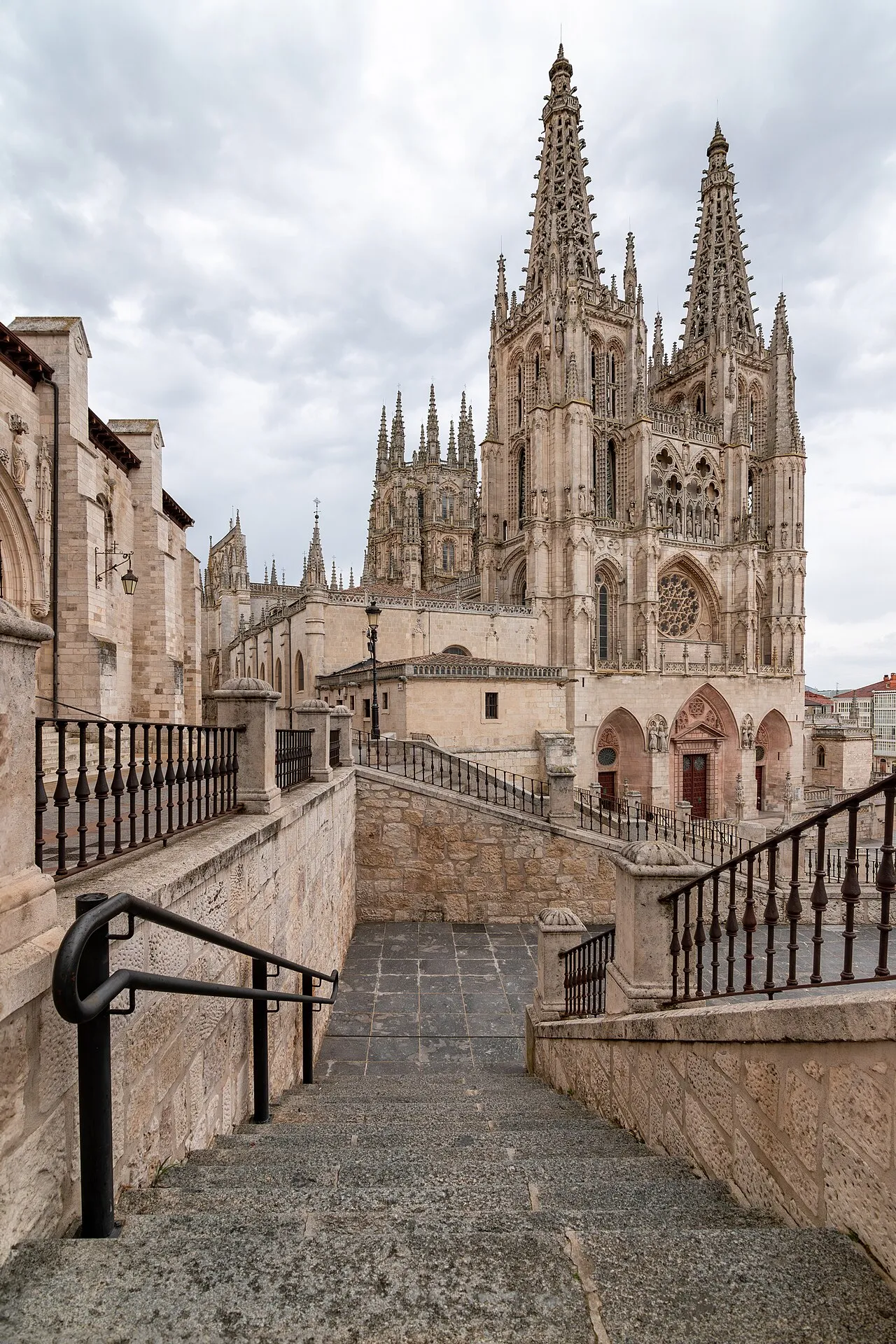
The only Spanish cathedral declared a World Heritage site on its own, in 1984, not as part of any ensemble. First stone in 1221. The openwork spires were added in the fifteenth century by a German master, Juan de Colonia, and they are hollow on purpose: pierced so that the wind passes through and does not bring them down.

🎧 The Cathedral and the Gothic heart of Burgos📍 View on Google Maps
2Chapel of the Constables

Chapel of the Constables

At the far end of the cathedral, so big and so high that it looks like a cathedral set inside another. The constables of Castile commissioned it in 1482 to be buried in. The vault is a star of pierced stone through which the light comes in with no stained glass, and the tombs are Carrara marble.

🎧 The Cathedral and the Gothic heart of Burgos📍 View on Google Maps
3Museum of Human Evolution

Museum of Human Evolution

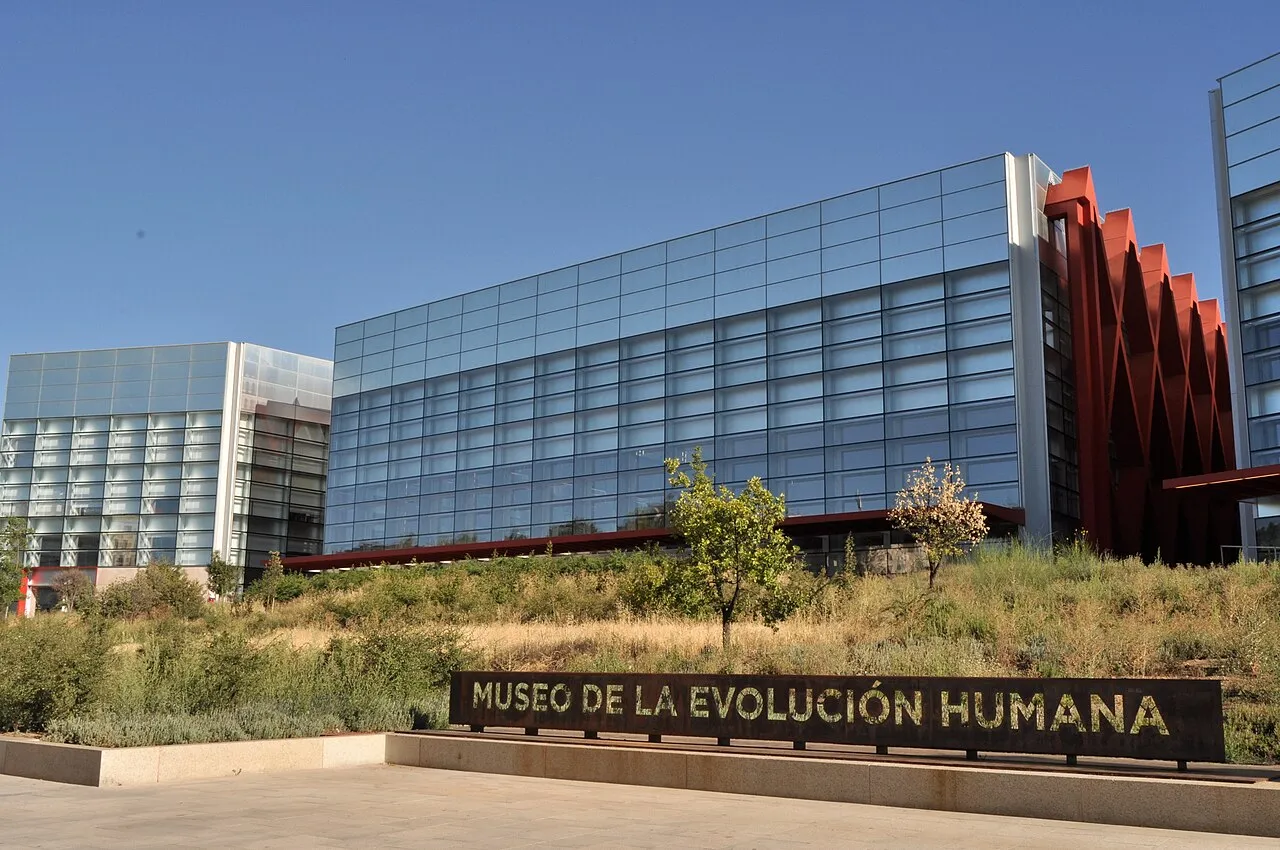
It holds the original fossils from Atapuerca: Homo antecessor of almost a million years ago, the oldest Europeans we know of, and seven thousand human remains from the Sima de los Huesos. Among them a single tool turned up, Excalibur, perhaps the first funerary offering in history.

🎧 The Arlanzón, the Espolón and the Evolution Museum📍 View on Google Maps
4Burgos Castle

Burgos Castle

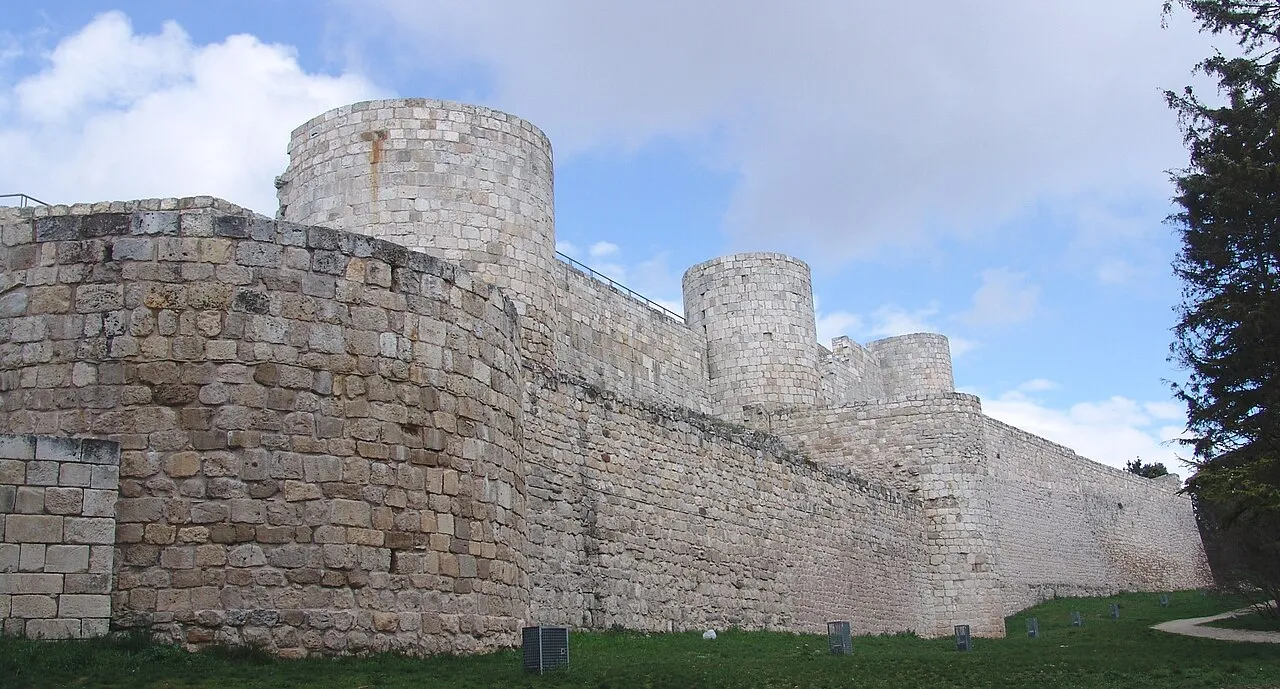
The city was born here, on the hill and not beside the river: a frontier fortress of the year 884, and from those walled «burgos» came the name. It was a palace, a prison and the kingdom's strongbox, and in 1254 Edward I of England married in Burgos, at the monastery of Las Huelgas. It was blown apart in 1813, with the French in retreat.

🎧 El Cid, the Castle hill and the upper churches📍 View on Google Maps
5Arch of Santa María

Arch of Santa María

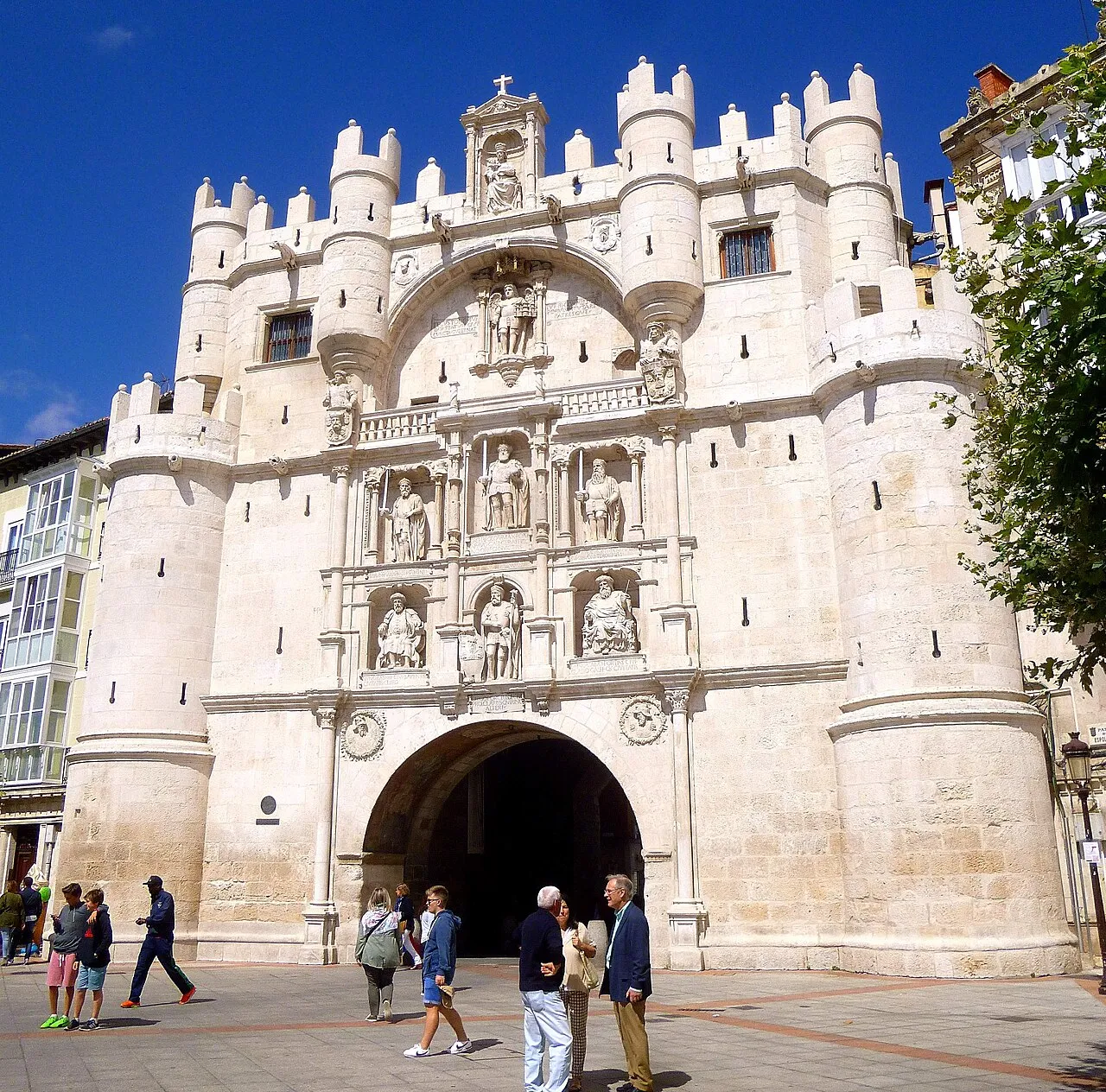
The most important of the twelve gates the wall had, and its façade is an apology carved in stone: the city raised it to be reconciled with Charles V after the war of the Comuneros. The statues form a family tree of Castile. Inside there is a secret room with a bone of El Cid.

🎧 The Cathedral and the Gothic heart of Burgos📍 View on Google Maps
6Church of San Nicolás de Bari

Church of San Nicolás de Bari

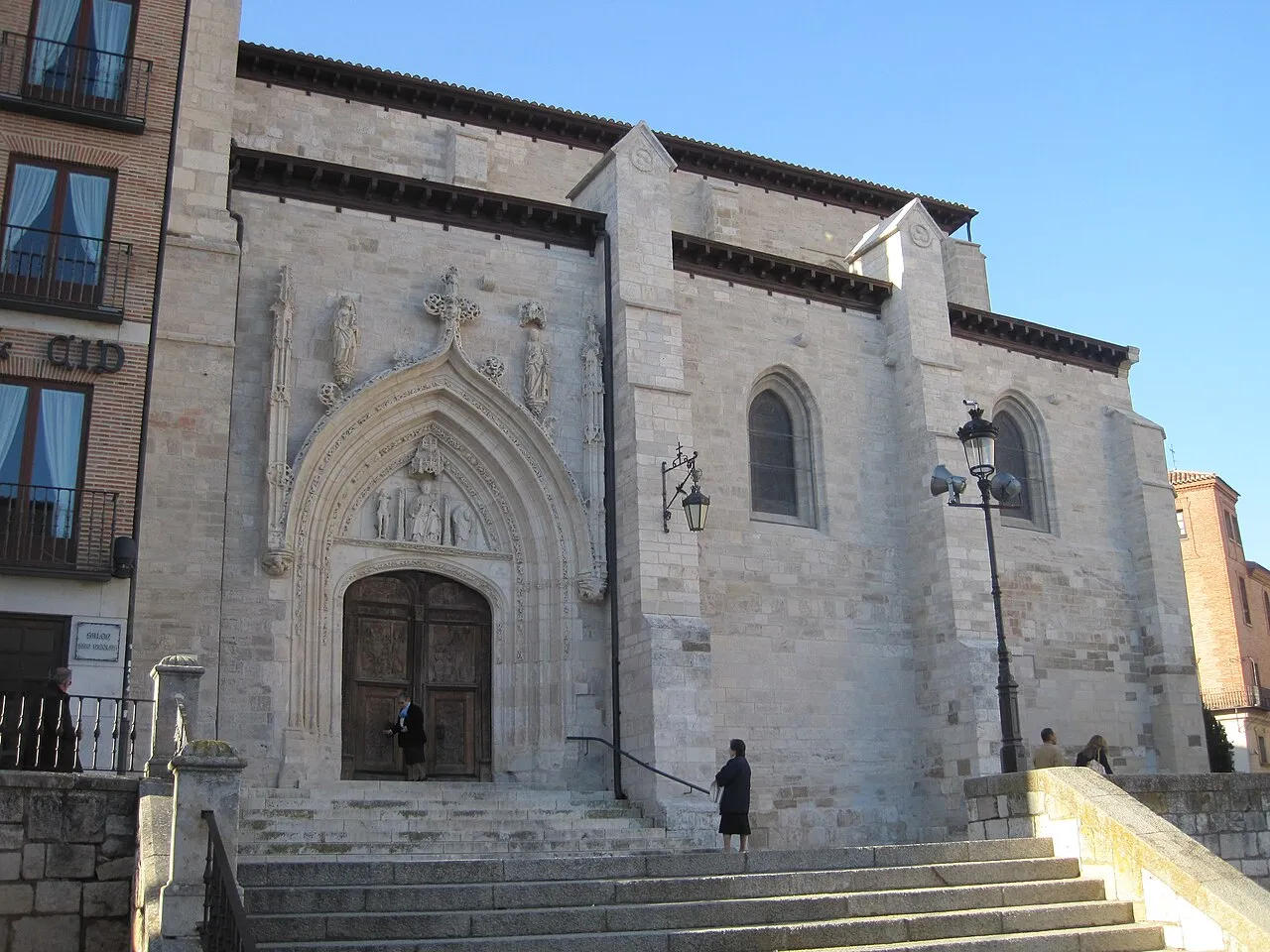
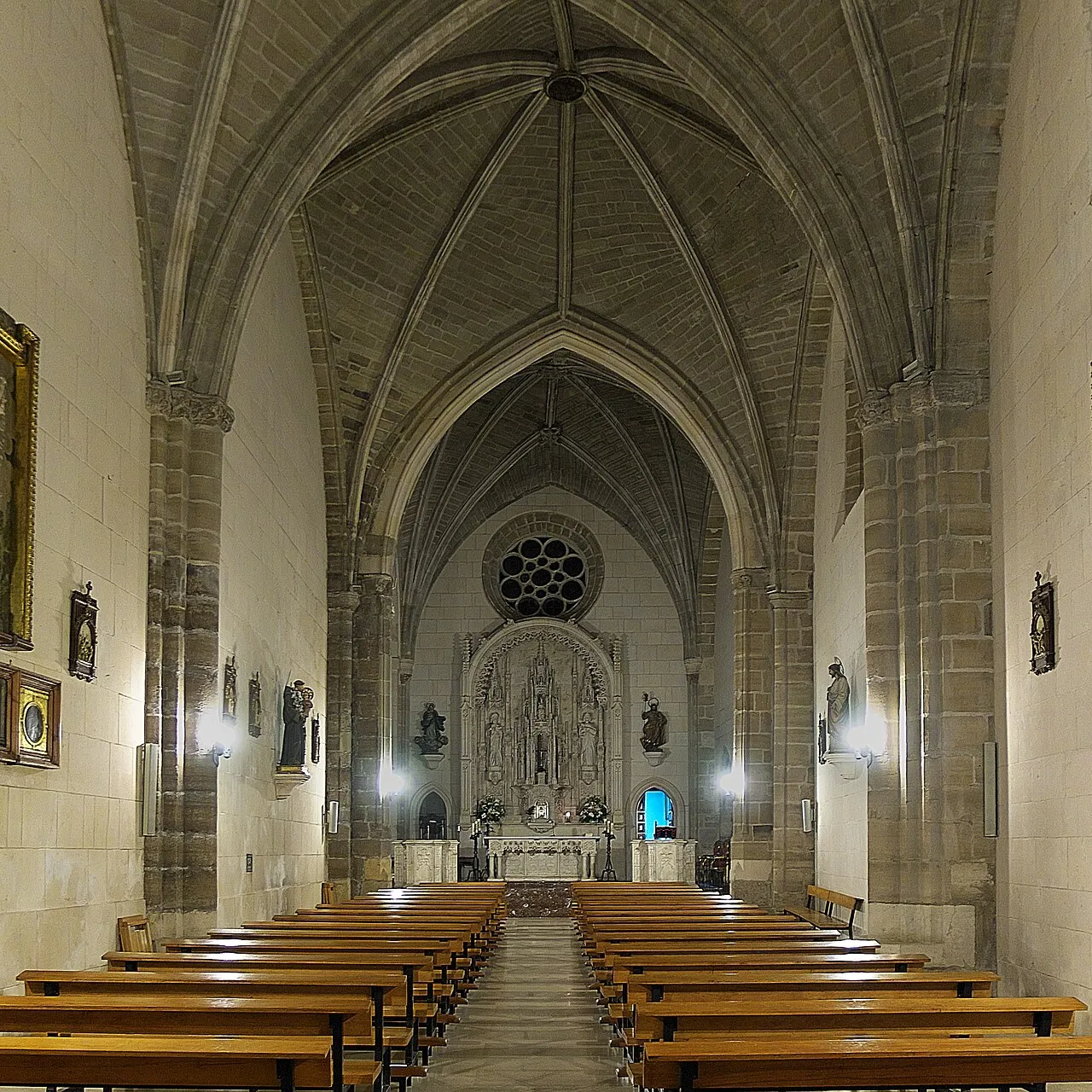
A sober front that announces nothing, and inside what many consider the finest stone altarpiece in Spain: the whole end wall carved in white limestone, with hundreds of figures. The Colonias signed it at the beginning of the sixteenth century. And hardly anybody goes in, because it is off the route of those in a hurry.

🎧 The Cathedral and the Gothic heart of Burgos📍 View on Google Maps
7Paseo del Espolón

Paseo del Espolón

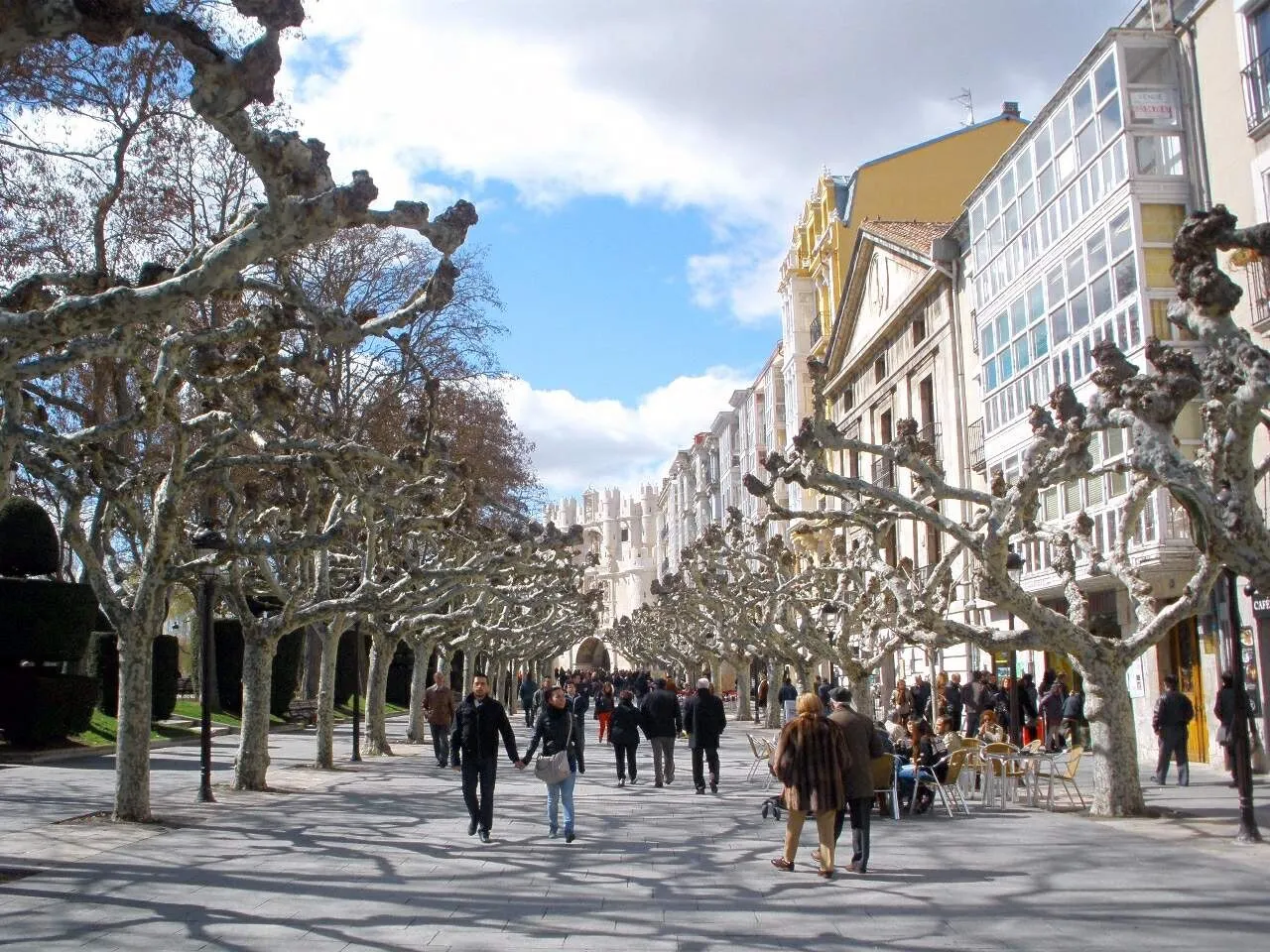
The plane trees have been pruned interlaced for more than a century until they form a green vault: walking beneath it is like walking down a nave, but one of leaves. It was laid out at the end of the eighteenth century on the old dyke that held back the risings of the Arlanzón, and that is where its name comes from.

🎧 The Arlanzón, the Espolón and the Evolution Museum📍 View on Google Maps
8Statue of El Cid

Statue of El Cid

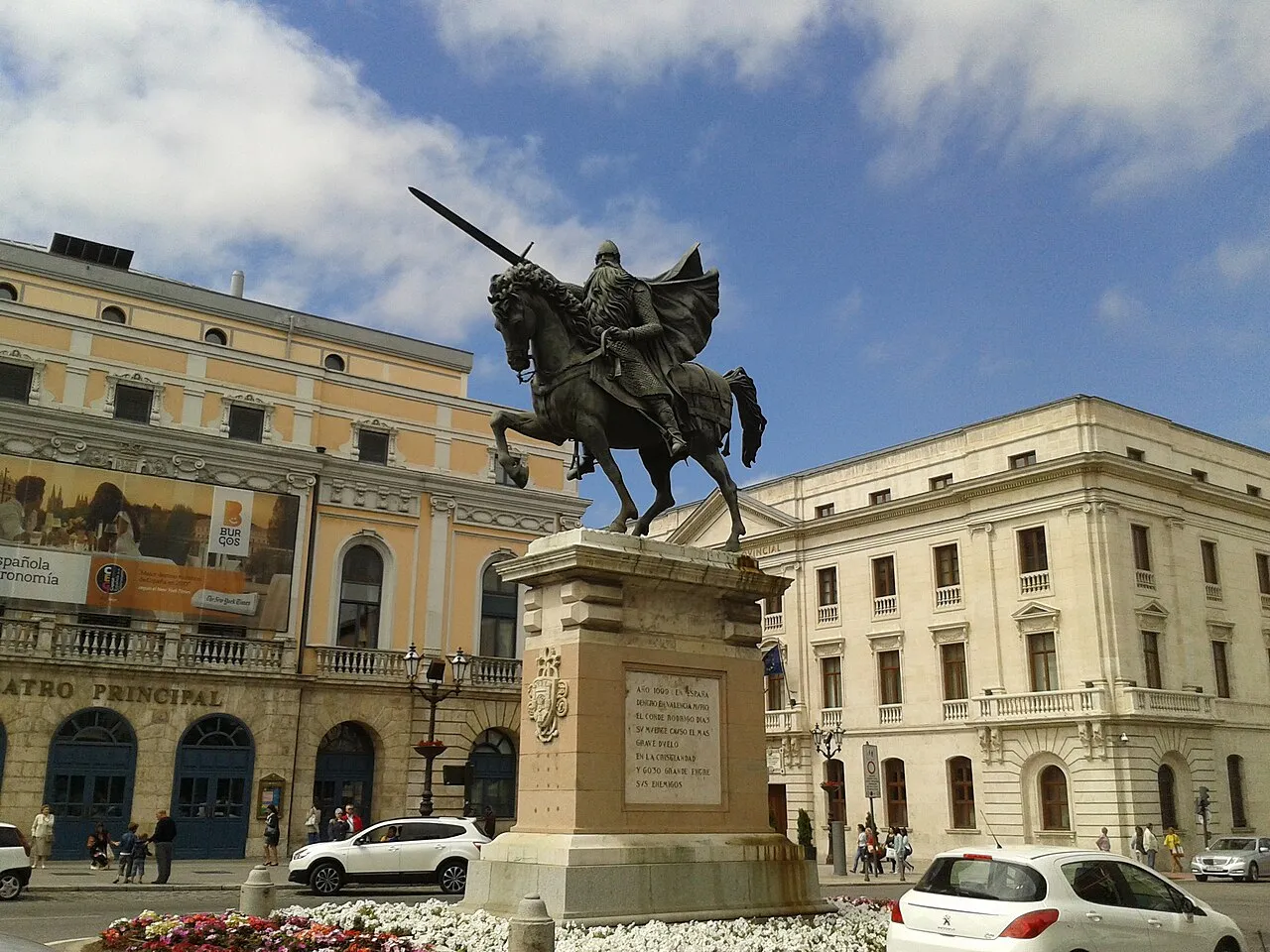
Not a king seated on a throne but a warrior launched into the charge on Babieca, looking at the horizon he rode off into as an exile. «Cid» comes from the Arabic sīdī, «my lord», which he earned serving the king of Zaragoza; «Campeador» from the Latin campi doctor. He ended up governing Valencia as an independent lord.

🎧 El Cid, the Castle hill and the upper churches📍 View on Google Maps
9Casa del Cordón

Casa del Cordón

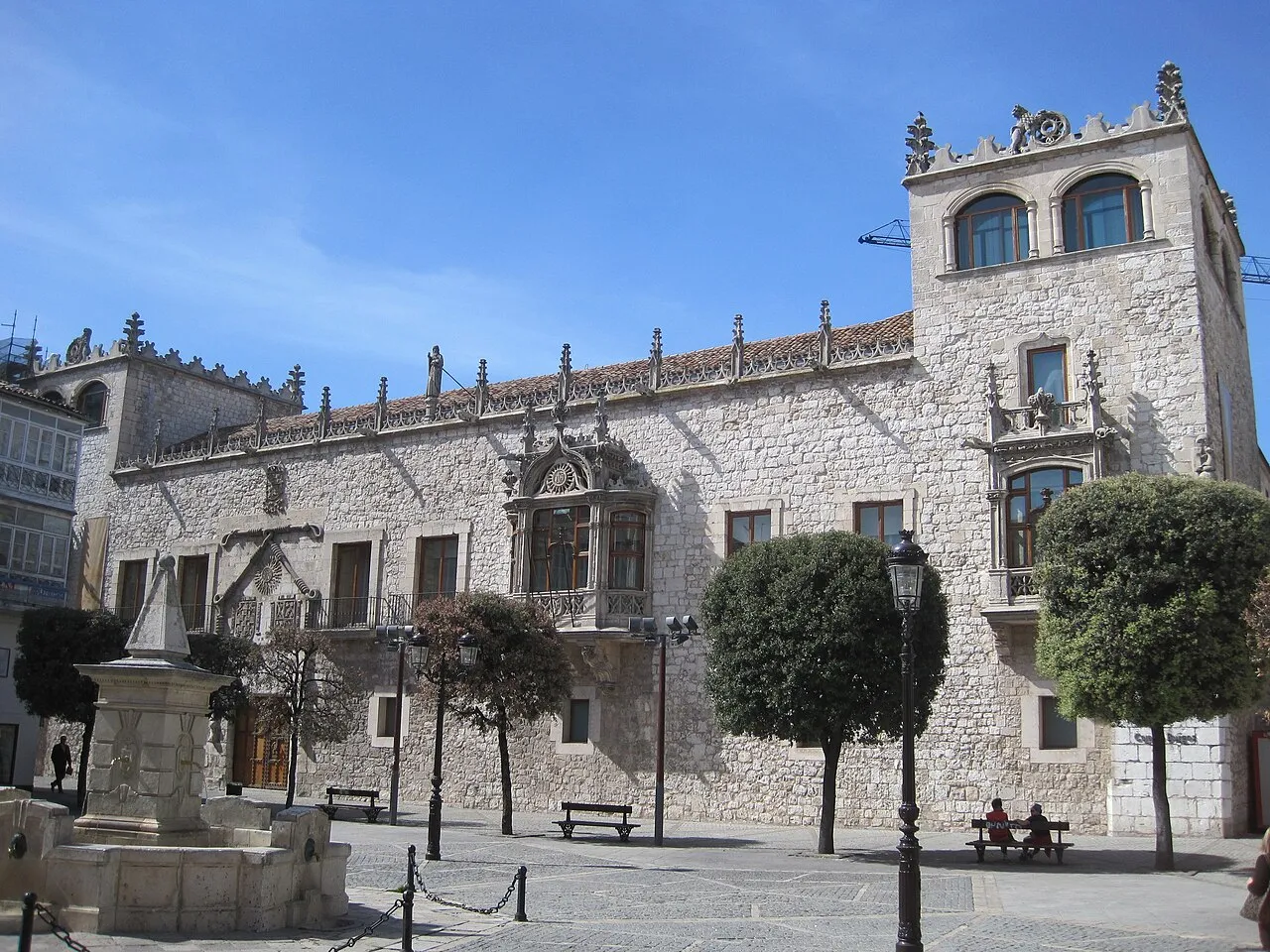
A Franciscan cord of stone around the door, with its three knots — poverty, chastity and obedience. Here the Catholic Monarchs received Columbus on 23 April 1497, on his return from his second voyage. And here Philip the Handsome died in 1506, at twenty-eight, opening the way to the Habsburgs.

🎧 The Cathedral and the Gothic heart of Burgos📍 View on Google Maps
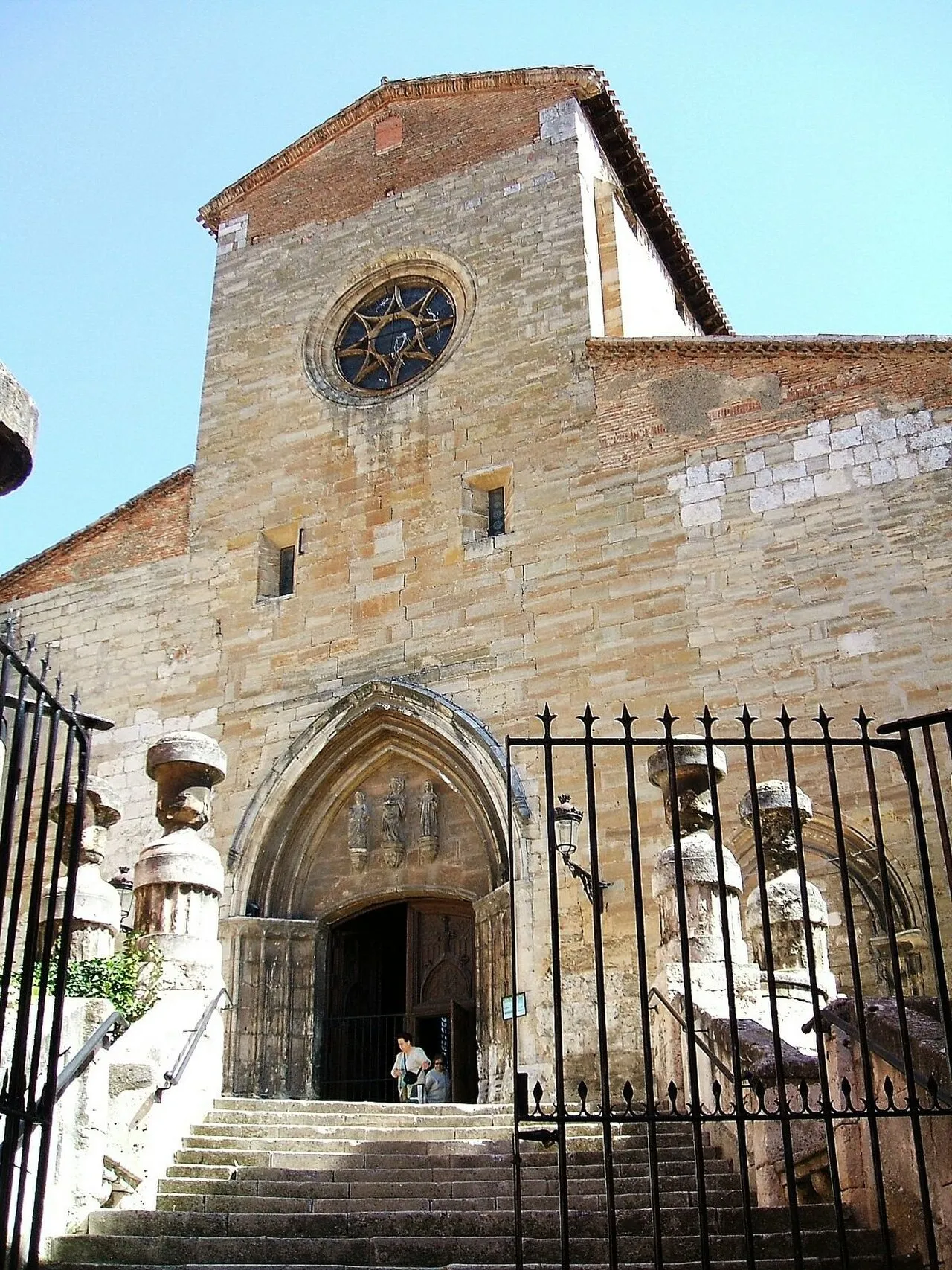
10Church of San Esteban

Church of San Esteban

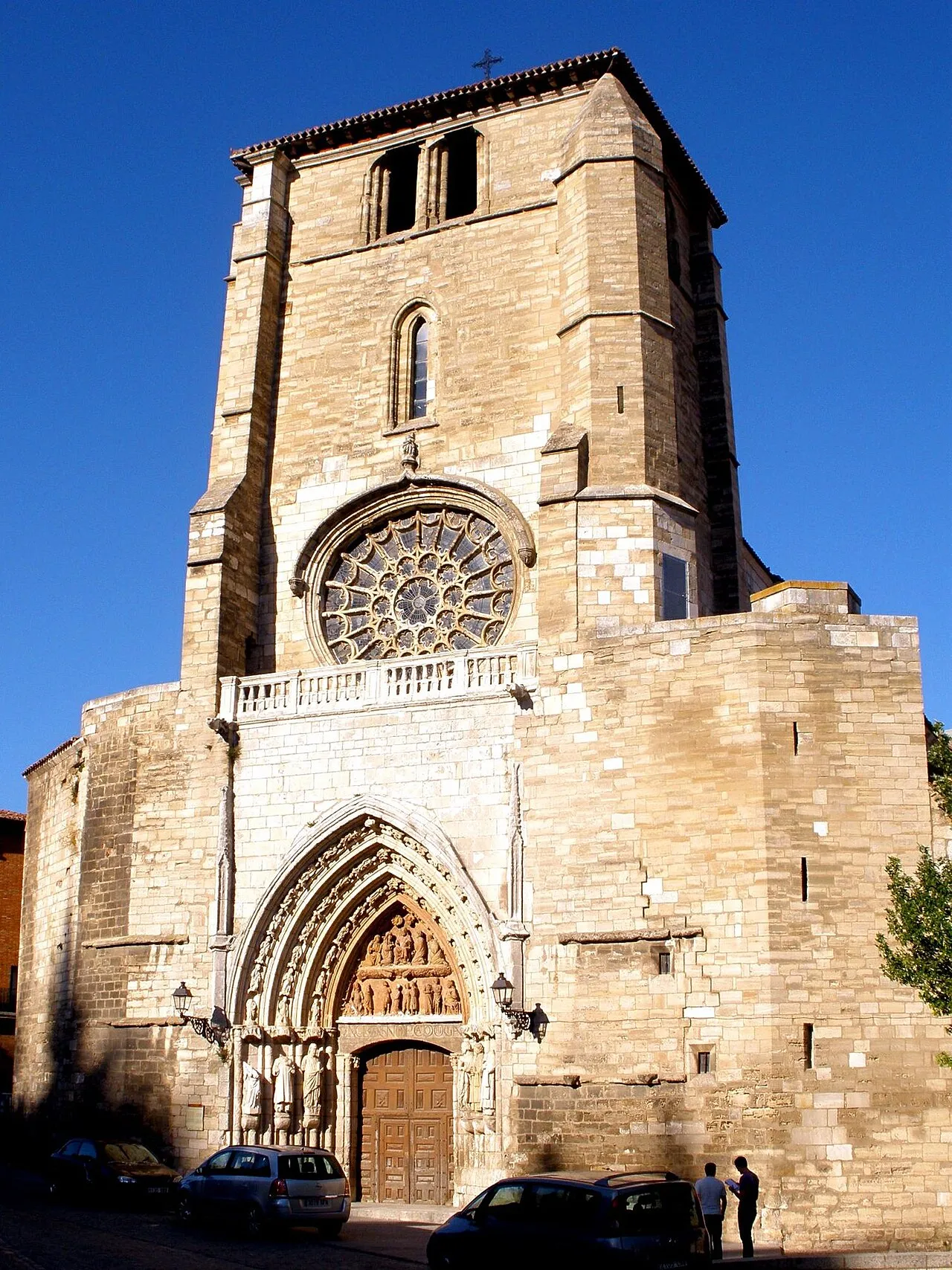
Gothic of the late thirteenth century, with an enormous rose window like an eye open on the valley. Mass is no longer said here: it houses the Museo del Retablo, opened in 1987 to rescue the altarpieces of dozens of village churches standing empty and in ruins before they were lost. A refuge for orphaned art.

🎧 El Cid, the Castle hill and the upper churches📍 View on Google Maps
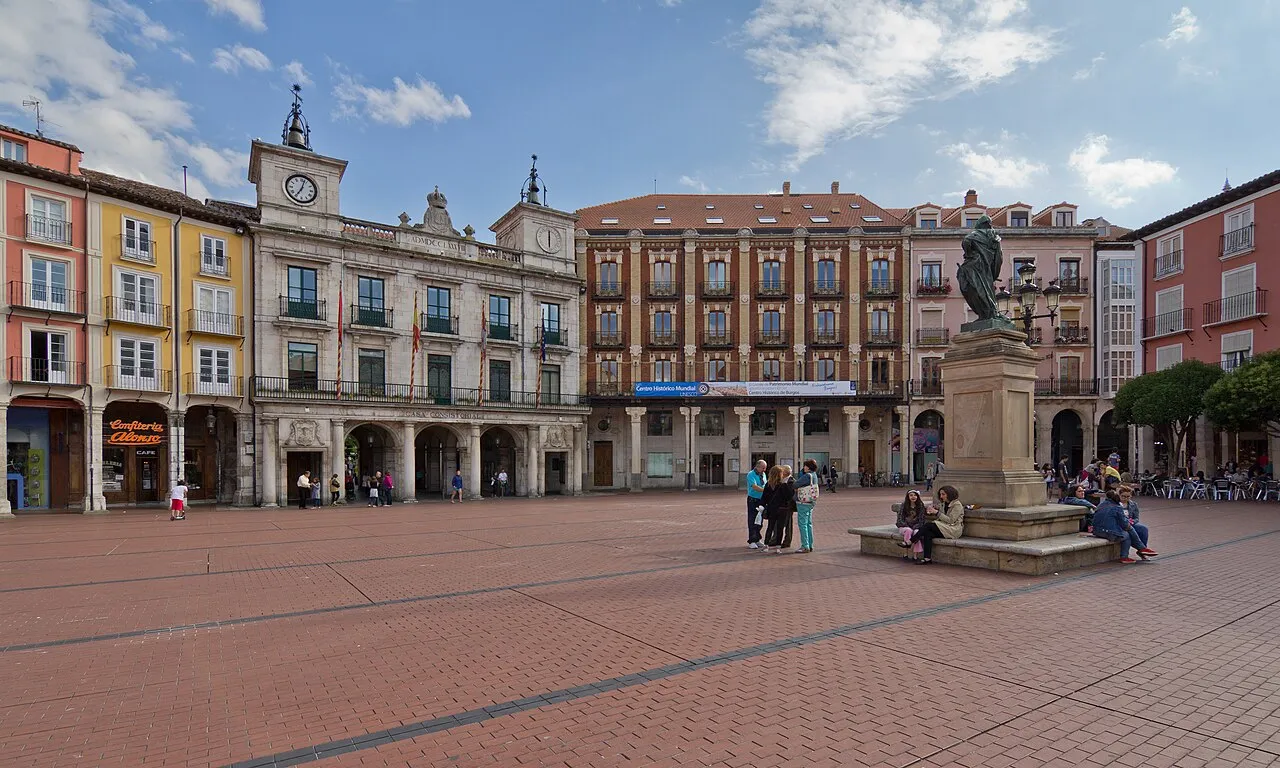
11Plaza Mayor de Burgos

Plaza Mayor de Burgos

An irregular oval of houses with red, ochre and green balconies, which formed itself over the centuries, house by house, with no plan giving orders. It was the main market and the stage for bullfights and proclamations. It is presided over by the Casa Consistorial of 1791, with a passage underneath that goes down to the river.

🎧 The Cathedral and the Gothic heart of Burgos📍 View on Google Maps
12Church of San Gil Abad

Church of San Gil Abad

The loveliest trap in Burgos: outside it is sober, closed, almost fortress-like; inside, one of the most dazzling interiors in the city. The wool merchants paid for it, chapel by chapel, competing for the most lavish. That is how the medieval city kept its wealth, without displaying it in the street.

🎧 El Cid, the Castle hill and the upper churches📍 View on Google Maps
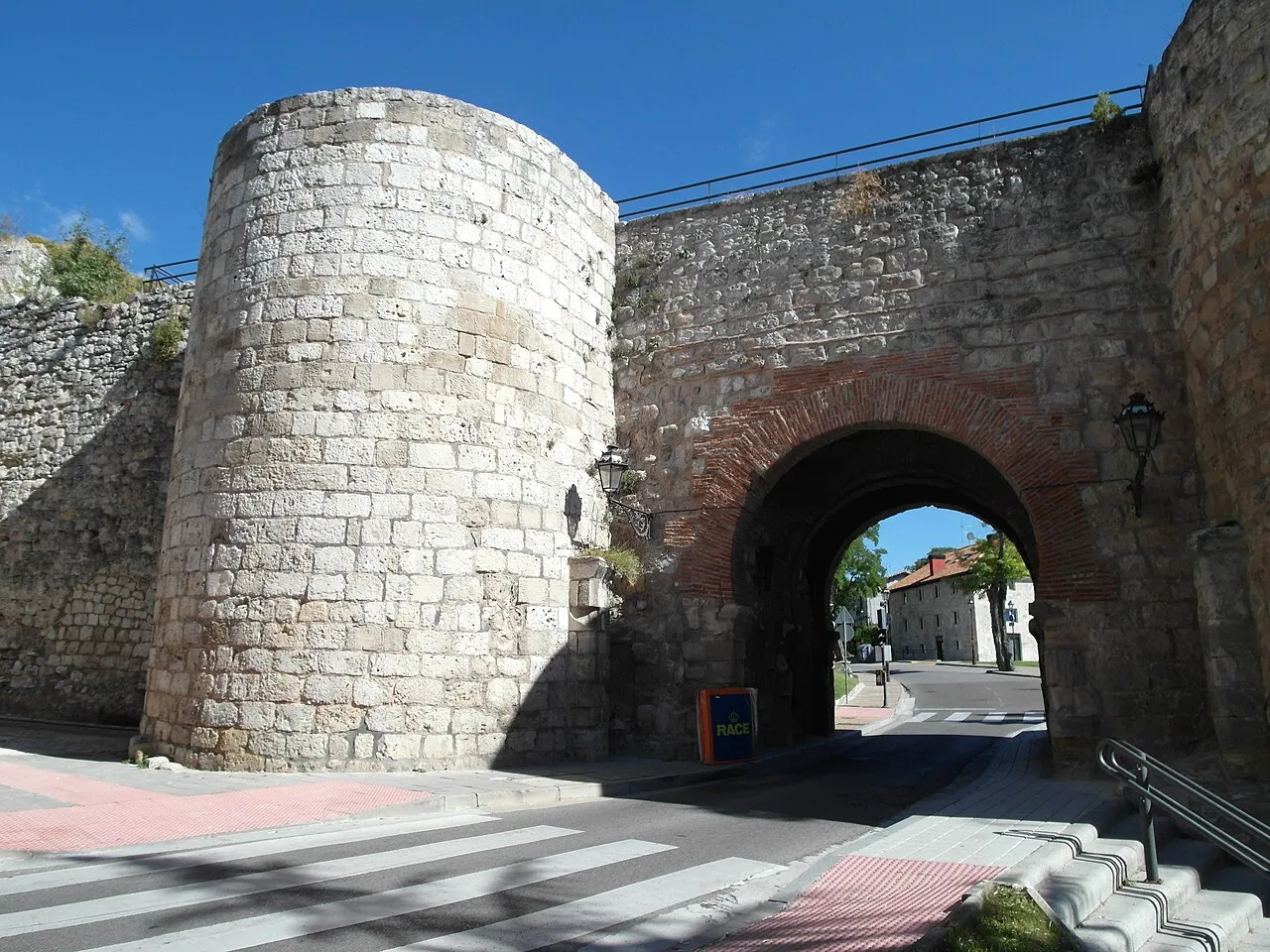
13Arch of San Martín

Arch of San Martín

A great horseshoe arch of brick between two towers, raised by Morisco master builders between the thirteenth and fourteenth centuries. It was the city's ceremonial gate: the one hung with tapestries to receive a king, which watched processions, embassies and armies arrive back from the frontier.

🎧 El Cid, the Castle hill and the upper churches📍 View on Google Maps
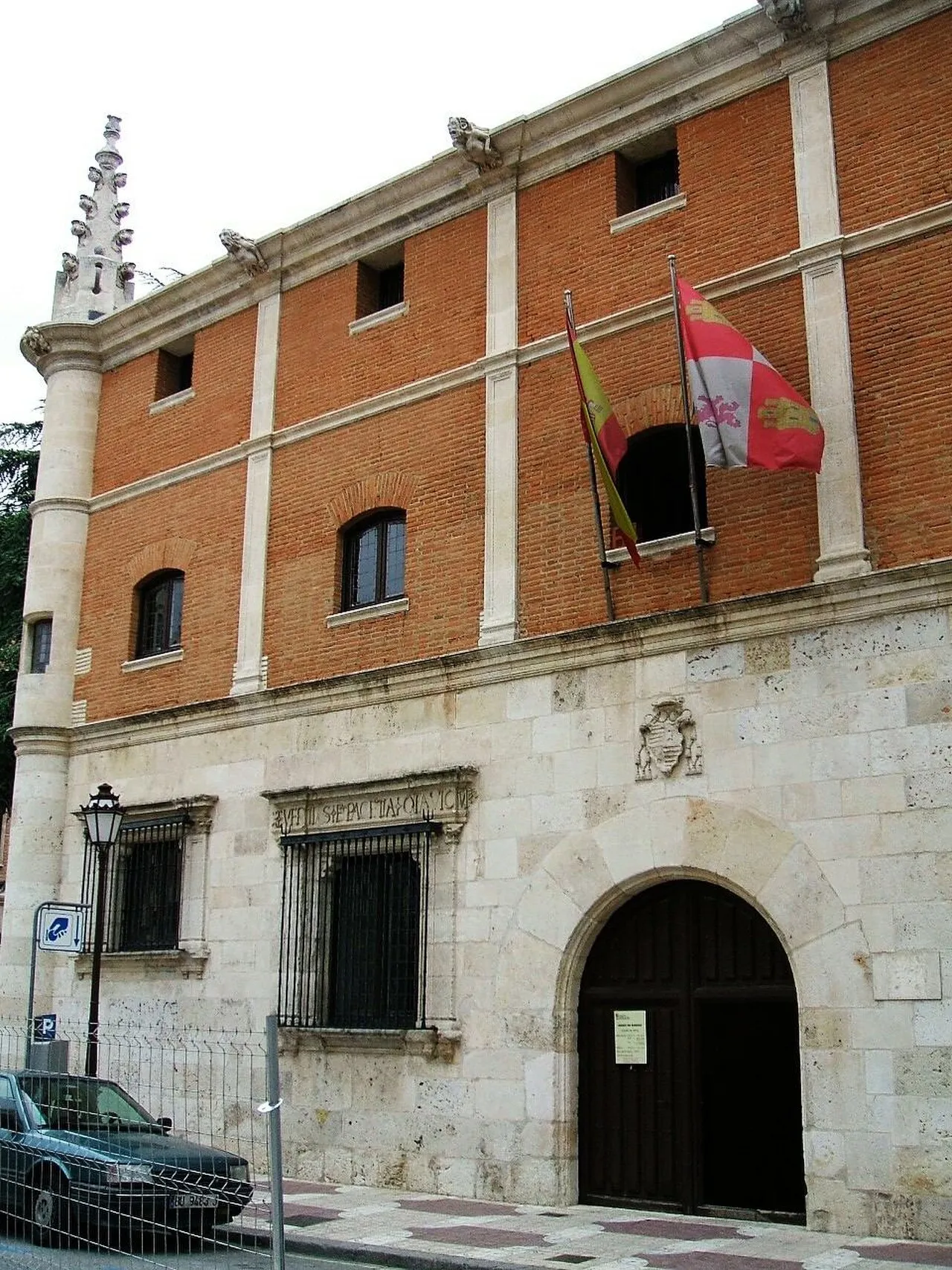
14Museum of Burgos

Museum of Burgos

Two Renaissance palaces joined together, with the alabaster tomb Gil de Siloé carved for a page of Isabella the Catholic, the Silos Frontal — the summit of European Romanesque enamelling — and an ivory casket carved in 1026 by a Muslim craftsman which ended up holding Christian relics.

🎧 The Arlanzón, the Espolón and the Evolution Museum📍 View on Google Maps
15Church of Santa Águeda

Church of Santa Águeda

A modest church you could easily walk past, and where tradition places the Oath of Santa Gadea: El Cid making King Alfonso VI swear three times that he had not killed his brother. Historians doubt that it happened that way, but for centuries it was told here.

🎧 El Cid, the Castle hill and the upper churches📍 View on Google Maps

Walking tours in Burgos

🎧 El Cid, the Castle hill and the upper churches · San Lesmes, the Sombrerería and the tapas · The Arlanzón, the Espolón and the Evolution Museum · The Cathedral and the Gothic heart of Burgos

Frequently asked questions

How many days do you need to see Burgos?

One full day covers the essentials: the cathedral with the Chapel of the Constables, the Arco de Santa María, the Plaza Mayor, the Casa del Cordón and the Paseo del Espolón. With two days you also fit in the Museum of Human Evolution, the castle and the upper churches, and the tapas area without hurrying.

Why is the cathedral of Burgos so special?

Because it is the only Spanish cathedral declared a World Heritage site in its own right, in 1984, not within the historic ensemble of its city nor within a route. Its first stone was laid in 1221 and it grew over three hundred years, chapel by chapel. Its openwork spires are hollow on purpose, so that the wind passes through.

What is Atapuerca and can it be visited?

A range of hills ten kilometres from the city, a World Heritage site since 2000, where the most important human fossils in Europe have turned up: Homo antecessor of almost a million years ago and seven thousand remains from 430,000 years ago. The sites are visited with advance booking, and the original fossils are in the Museum of Human Evolution.

What is El Cid's connection with Burgos?

He was born very close by, at Vivar, and a good part of the opening of the Cantar de Mío Cid takes place in the city. Here are his statue beside the river, the Solar del Cid marking where his house stood, the church of Santa Águeda where he made the king swear, a bone of his in the Arco de Santa María and his tomb beneath the lantern tower of the cathedral.

What do you eat in Burgos?

Morcilla de Burgos, the black pudding made with rice that is the most famous in Spain; Burgos cheese, fresh and unsalted; roast milk-fed lamb; olla podrida with the red beans of Ibeas; and Castilian soup. For wine, Ribera del Duero, whose country begins less than an hour to the south. The tapas area is around San Lorenzo and calle Sombrerería.

Is it very cold in Burgos?

Fairly. It is one of the coldest provincial capitals in Spain, at almost 900 metres of altitude and in the middle of the northern meseta, with long hard winters. The best time to visit is from May to September; the summer is pleasant and cool compared with the south of the peninsula, which is one of its advantages.

Can you see everything on foot?

Yes. The historic centre is compact and everything essential is less than fifteen minutes' walk away, with the only serious climb being up to the castle and the upper churches. The Museum of Human Evolution is on the other side of the river, ten minutes from the centre across the bridge.
Burgos on the map

The 15 must-sees, point by point.

🎧 With Viavoy

Walk Burgos and listen at your own pace

Download Viavoy and walk Burgos offline, whenever you like.

from 2,99 €· one-off payment
City Pass · 9,99 €3 days, all the tours in Burgos
Find out more about Viavoy →
Viavoy app

In the Magazine

Keep discovering Burgos

History

Atapuerca: a million years ten kilometres from Burgos

Itineraries

Burgos in a day: the cathedral, El Cid and a million years of human history

History

Burgos and wool: the business that paid for the cathedral and created the first commercial court in Castile

Food & drink

Eating in Burgos: blood sausage with rice, unsalted cheese and lechazo