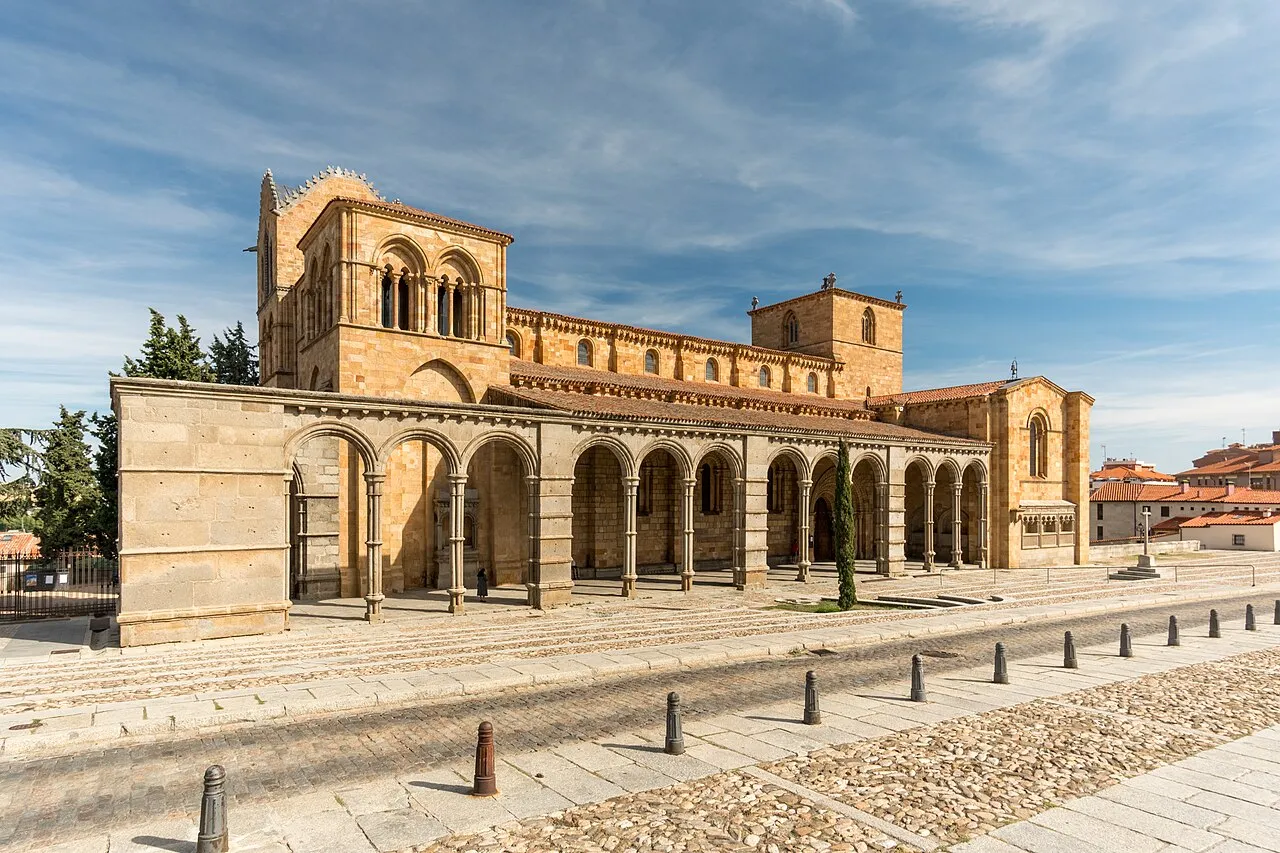
The house where she was born, the convent where she lived for thirty years and the one she founded afterwards. Who she really was, what she wrote and why in Ávila they call her La Santa with no need for a surname.
Teresa de Cepeda y Ahumada was born in Ávila in 1515 and spent most of her life here before travelling half of Spain founding convents on muleback. She was a writer of the first rank, a religious reformer, a negotiator and a tireless traveller, and in 1970 she became the first woman named a Doctor of the Church. In her city they call her La Santa, the Saint, with no surname: none is needed.
The Teresian circuit is three places: the convent over the house where she was born, inside the walls; La Encarnación, outside them, where she lived for almost thirty years; and San José, the first one she founded. The three tell different moments of the same life.
The birth, and a family with a secret
1515, in a house inside the walled enclosure.
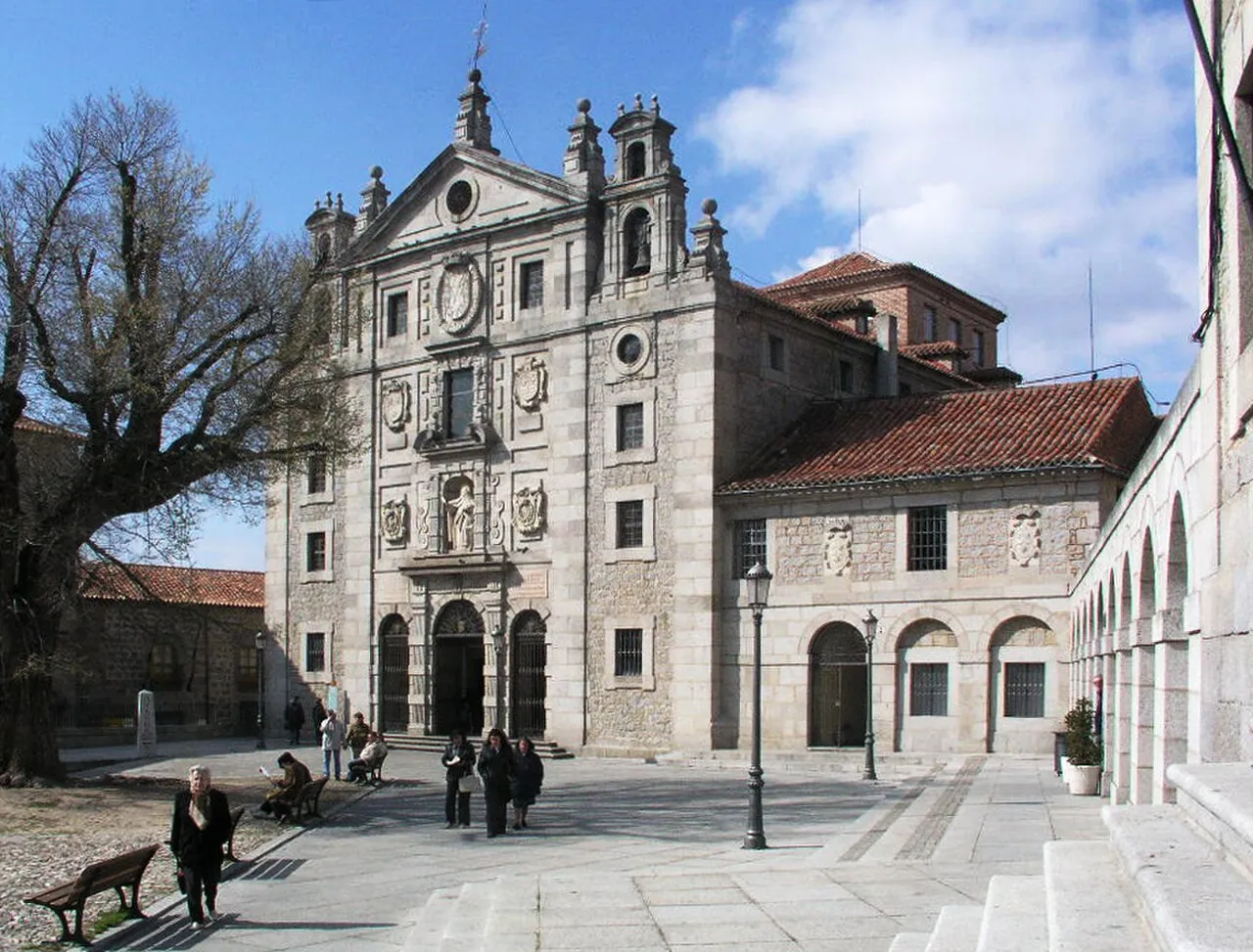
She was born on 28 March 1515 in a well-off house inside the walls, and in 1636 the Discalced Carmelites raised on that site the convent you visit today. It has one building detail that explains everything: the church is turned round, facing north rather than east as convention demanded, so that the altar would fall exactly over the room where she was born.
Her family was well off and half converso, of Jewish convert descent, something that was kept quiet for centuries and that is documented today: her paternal grandfather, Juan Sánchez, was a converso from Toledo reconciled by the Inquisition in 1485, with public penance and a sambenito. The family moved to Ávila to start afresh and bought a certificate of hidalguía, of noble status.
That origin is not an incidental detail. It explains the family's ambiguous social position, the insistence on purity of blood that surrounded her all her life and some of the tensions that later ran through her reform, at a moment when that matter conditioned absolutely everything.
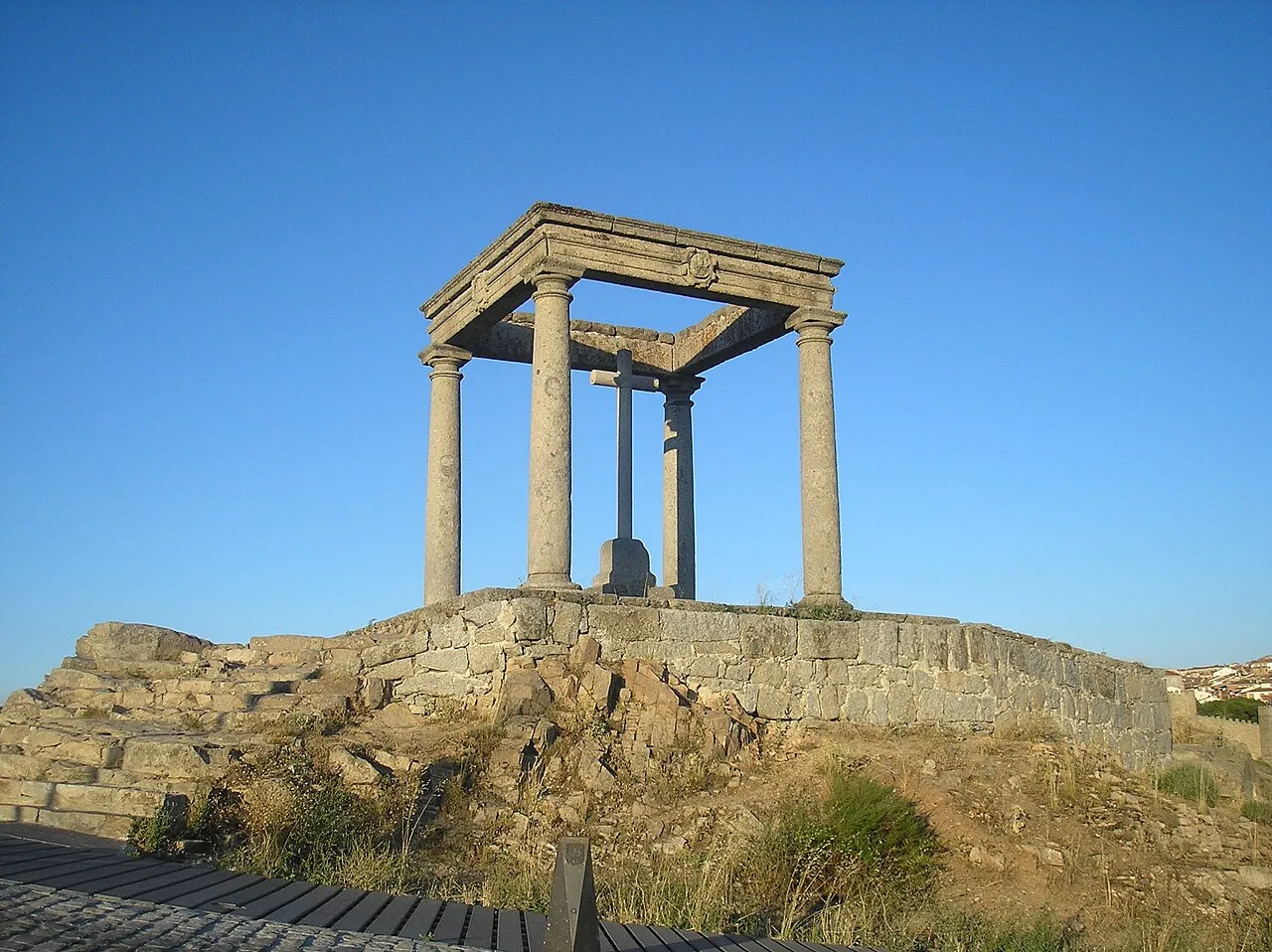
From her childhood comes the story of the escape: at the age of seven she left the city on foot with her brother Rodrigo, heading for the land of the Moors, meaning to be martyred and win heaven once and for all. An uncle caught up with them at Los Cuatro Postes and took them home.
The church is free to enter, with a museum and a room of relics paid for separately and both very cheap. You can see the birth chapel, a Christ by Gregorio Fernández and the Teresian Museum in the crypt. The church was raised to a minor basilica in 2022.
The point where her uncle caught up with the two runaway children. Today it is above all the viewpoint from which you see the complete ring of walls. Her brother Rodrigo, the other runaway, ended up sailing for the Indies and died fighting there years later.
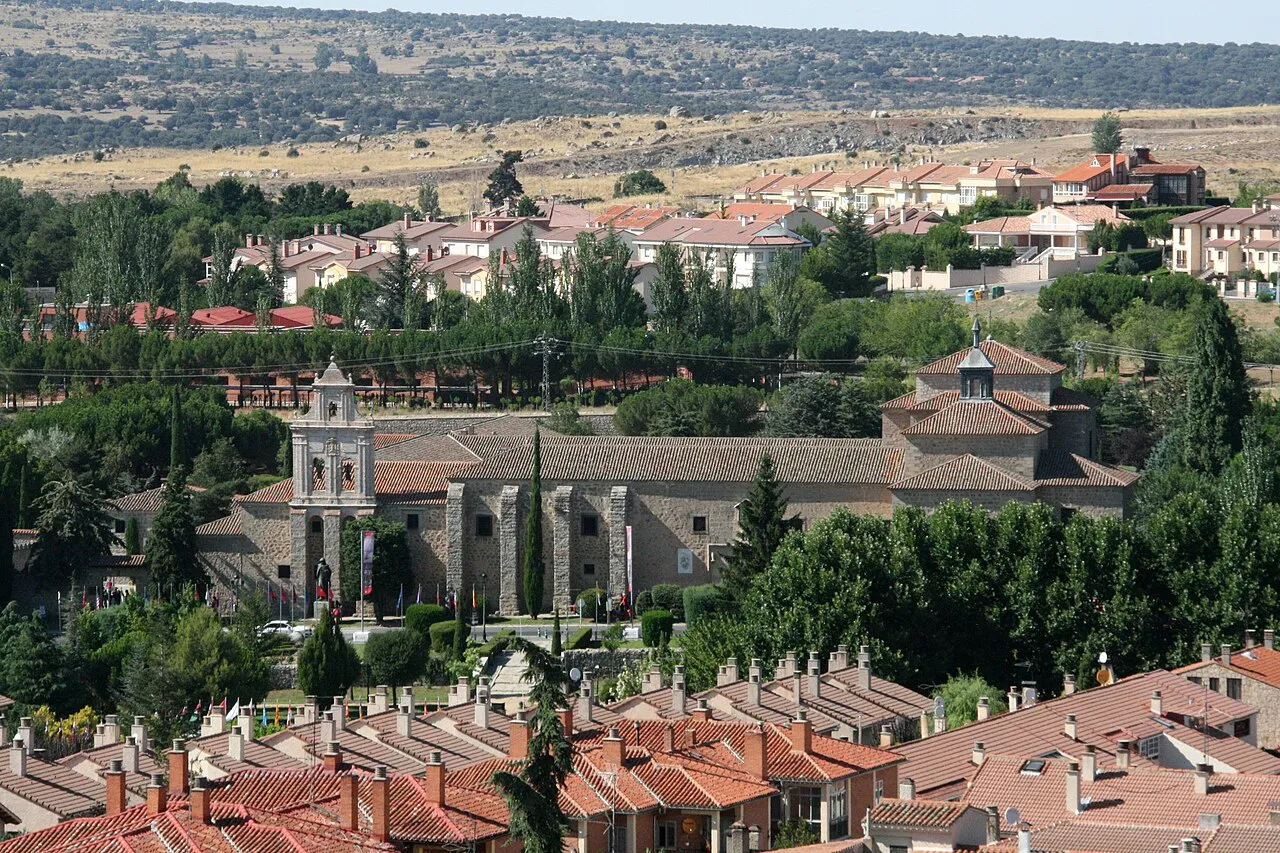
She entered the monastery of La Encarnación in 1535, at about twenty, and she did it without permission: her father had flatly refused to let her become a nun while he lived, so she left home at dawn, in secret. She herself later described how much that decision cost her.
She lived here for almost thirty years, that is, half her life. And it matters to understand what this convent was then: a large house with little reform, with more than a hundred nuns, cells of different sizes according to each woman's social position and a fairly relaxed rule, with frequent visits and outings.
That laxity is what explains everything that came afterwards. Teresa did not arrive at the Discalced Carmelite order from an abstract idea but from thirty years of living with a model she considered insufficient, and her reform was in good measure a concrete reaction to what she had lived through in here.
This is also where the Transverberation took place, the most famous mystical experience of her biography, which she described herself: an angel with a golden dart with a burning tip piercing her heart over and over, in a state that was pain and joy at once. Bernini sculpted it in Rome a century later.
The reform, the books and John of the Cross
From 1562 on she founded the convent of San José, the first of the reform, and from there a network that reached across half of Spain. She travelled on muleback along bad roads, negotiated with bishops and nobles, set up houses with very little money and fought the church bureaucracy constantly.
While she was prioress of La Encarnación her confessor was a young friar she had persuaded to join the reform: John of the Cross, who would become the greatest mystical poet in the Castilian language. The two giants of Spanish spirituality spent years in the same building.
And she wrote. “The Book of Her Life”, “The Way of Perfection”, “The Interior Castle” and “The Book of the Foundations” are among the finest prose in Castilian, in a direct, colloquial, unpretentious language that broke with the learned rhetoric of her time. She wrote as she spoke, and that is why she is still read.
She was canonised in 1622, barely forty years after her death, in a ceremony that raised five enormous figures to the altars at once: alongside her, Ignatius of Loyola, Francis Xavier, Isidore the Labourer and Philip Neri. All the force of Counter-Reformation Spain in a single day.
You can see the locutorios, the parlours — including the one known as the parlour of the ecstasy, after a conversation with John of the Cross that both of them recounted — her cell, the chapel of the Transverberation and the museum. An enclosed community still active, with reduced hours and a midday closing.
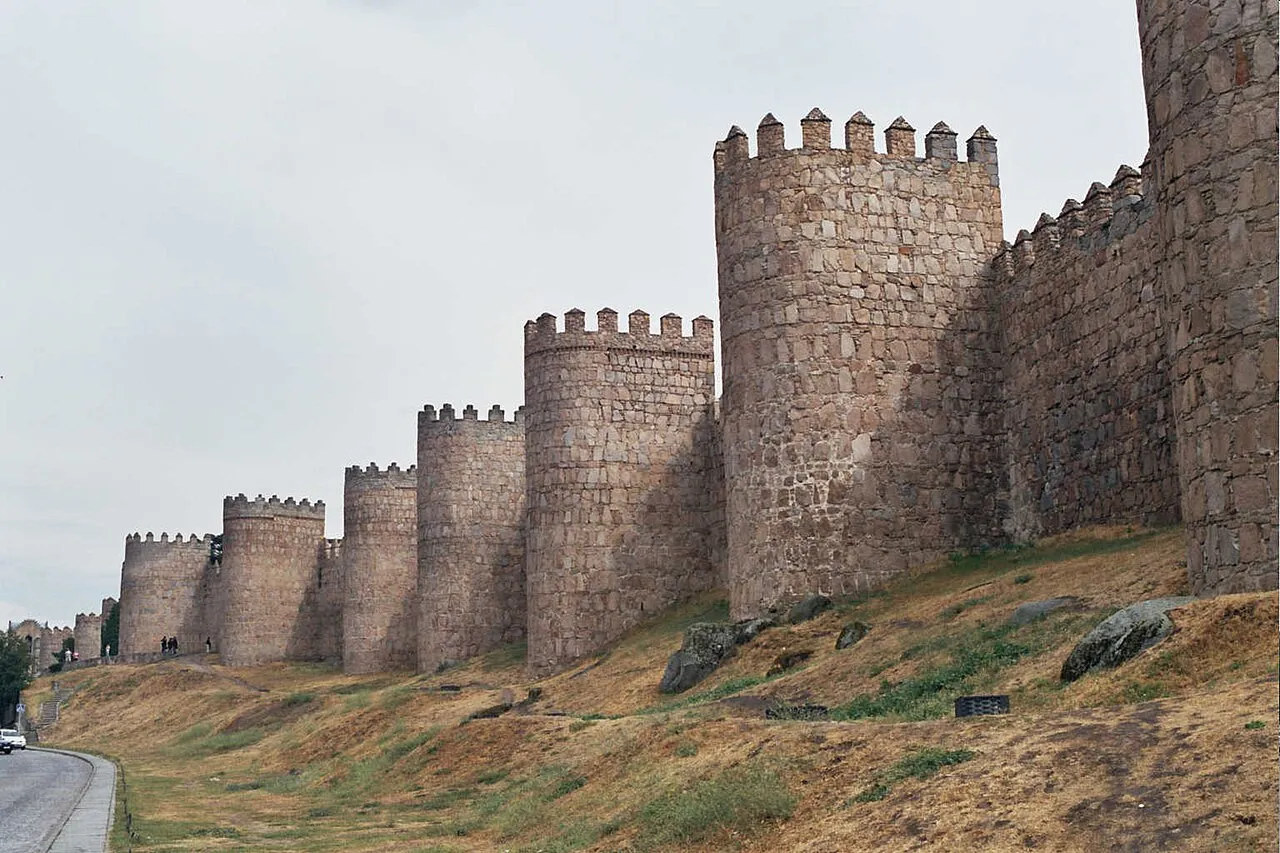
The city Teresa knew was exactly this one: the walls stopped it growing, so the plan she walked is the plan you walk today. It is rare to be able to follow a biography over the original street layout with no effort of imagination at all.
In a well-off house inside the walled enclosure of Ávila, on 28 March 1515. In 1636 the Discalced Carmelites raised on that site the convent you visit today, and they turned the church to face north instead of east, against convention, so that the altar would fall over the room where she was born.
Is it true that her family was of Jewish convert descent?
Yes, and it is documented. Her paternal grandfather, Juan Sánchez, was a converso from Toledo reconciled by the Inquisition in 1485, with public penance. The family moved to Ávila to start afresh and bought a certificate of hidalguía. For centuries that origin was kept quiet, and it explains a good many tensions in her biography.
How long did she live in La Encarnación?
Almost thirty years, from 1535: half her life. She entered without her father's permission, since he had refused to let her become a nun while he lived, leaving home at dawn. The convent was then large and little reformed, and her later reform was in good part a reaction to what she lived through in there.
What was the Transverberation?
The most famous mystical experience of her biography, which happened at La Encarnación and which she described herself: an angel with a golden dart with a burning tip pierced her heart over and over, leaving her in a state that was pain and joy at once. Bernini sculpted it in Rome a century later, in Santa Maria della Vittoria.
What was her relationship with John of the Cross?
She persuaded him to join her reform of the Carmelite order, and while Teresa was prioress of La Encarnación he was her confessor in that house. The two giants of Spanish mysticism spent years in the same building. One of the parlours is known as the parlour of the ecstasy, after a conversation that both of them recounted.
Why does she matter as a writer?
Because she wrote some of the finest prose texts in Castilian — “The Interior Castle”, “The Book of Her Life”, “The Way of Perfection” — in a direct, colloquial language free of learned rhetoric, which broke with the religious writing of her time. She wrote as she spoke, and that is why she is still read five centuries later.
Practical information
The three placesConvent of Saint Teresa (her birthplace), the monastery of La Encarnación and the convent of San José.
DurationHalf a day for the complete circuit, counting the journey outside the walls.
TicketsVery cheap, around 2 € for each museum. The churches are free to enter.
Opening hoursLa Encarnación is an active enclosed convent: reduced hours and a midday closing.
Her books“The Interior Castle”, “The Book of Her Life” and “The Way of Perfection”. Direct, colloquial prose.
DateHer feast day is 15 October, with a great celebration in the city.
On the map
🎧 With Viavoy
Walk Avila and listen at your own pace
Download Viavoy and walk Avila offline, whenever you like.