City of Arts and Sciences: what to visit and what you can see for free
What to see · Valencia

City of Arts and Sciences: what to visit and what you can see for free

Six buildings by Calatrava and Candela in the final stretch of the river. Which ones you pay for, which you do not, which ticket is worth it and what time to go so the photos do not come out burnt.

10 min read · Updated for 2026
🎧 On the walk The Turia Garden and the City of Arts and Sciences

It is the image that has sold Valencia to the world over the last two decades: white volumes rising out of sheets of water, in the shapes of an eye, a skeleton, a helmet and a flower. The City of Arts and Sciences occupies the final stretch of the Turia riverbed and was built over twenty years. It is also one of the symbols of the cost overruns of that era, with budgets multiplied and pieces of façade coming loose. Both things are true, and knowing them improves the visit.

The outdoor walk is free and is the most spectacular part of the complex. You only pay to go into the Oceanogràfic, the Museu de les Ciències and the Hemisfèric.

What each building is

Six pieces, two architects and twenty years of building work.

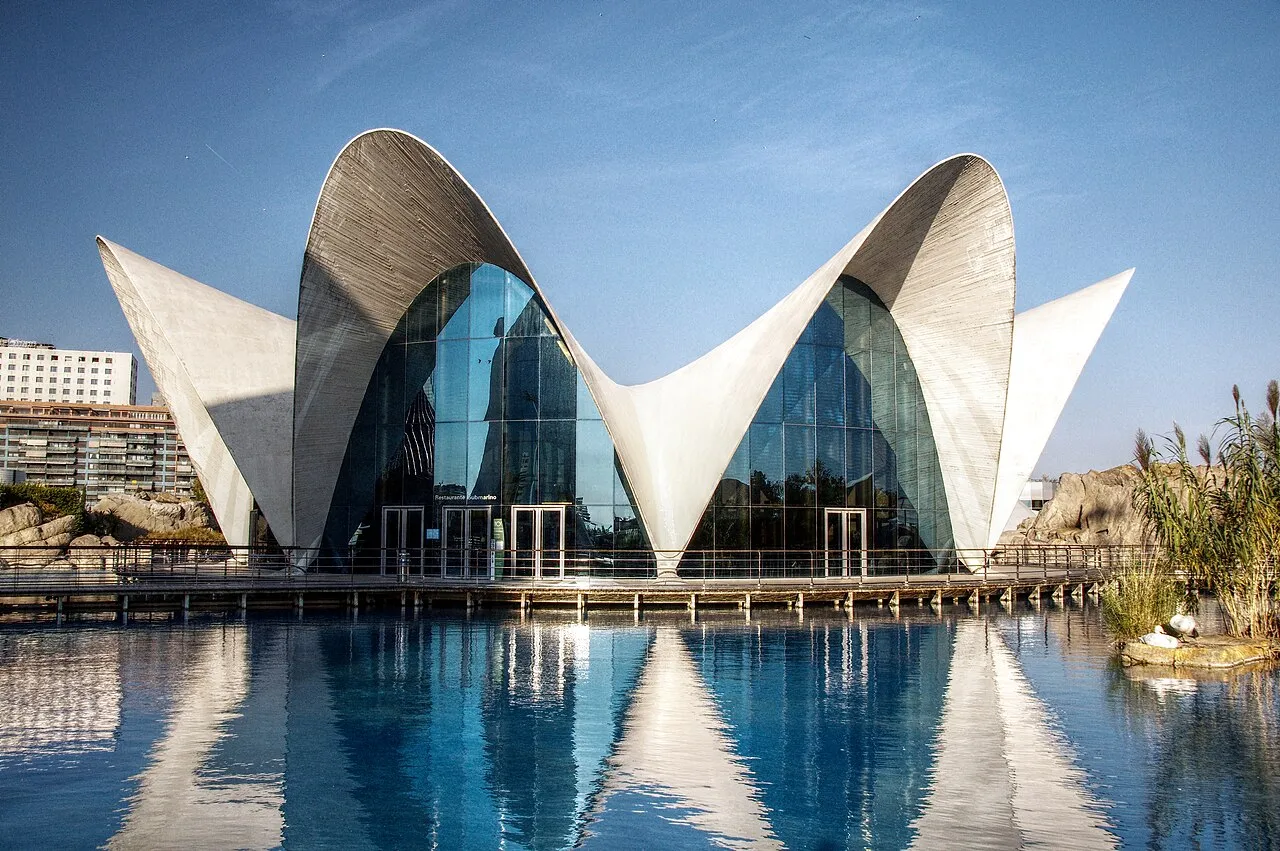
The complex was designed by the Valencian Santiago Calatrava, architect and civil engineer at once, with the exception of the Oceanogràfic, whose undulating roofs were executed from designs by Félix Candela, the engineer exiled in Mexico who revolutionised concrete shells.

L'Hemisfèric, of 1998, was the first: a sphere inside an eye, with an eyelid of slats that opens and closes, reflected in the water. It houses screenings on a giant concave screen. The Museu de les Ciències, of 2000, is shaped like a whale skeleton and is an interactive museum designed to be touched.

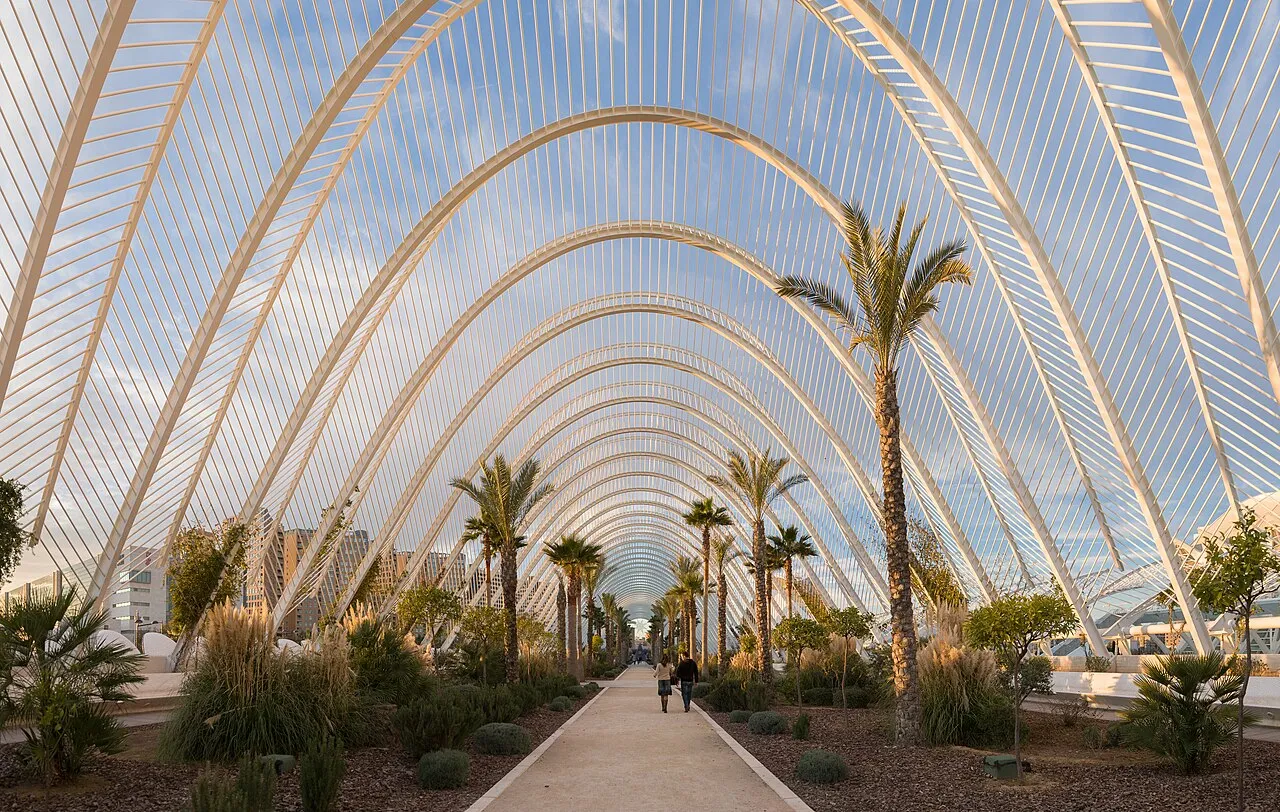
L'Umbracle is a landscaped viewpoint covered by white arches, free, with Mediterranean plants and the best elevated view of the complex. The Palau de les Arts, of 2005, is the opera house and the tallest building. L'Àgora, a multi-purpose covered space, and the Oceanogràfic, the largest aquarium in Europe, close off the complex to the south.

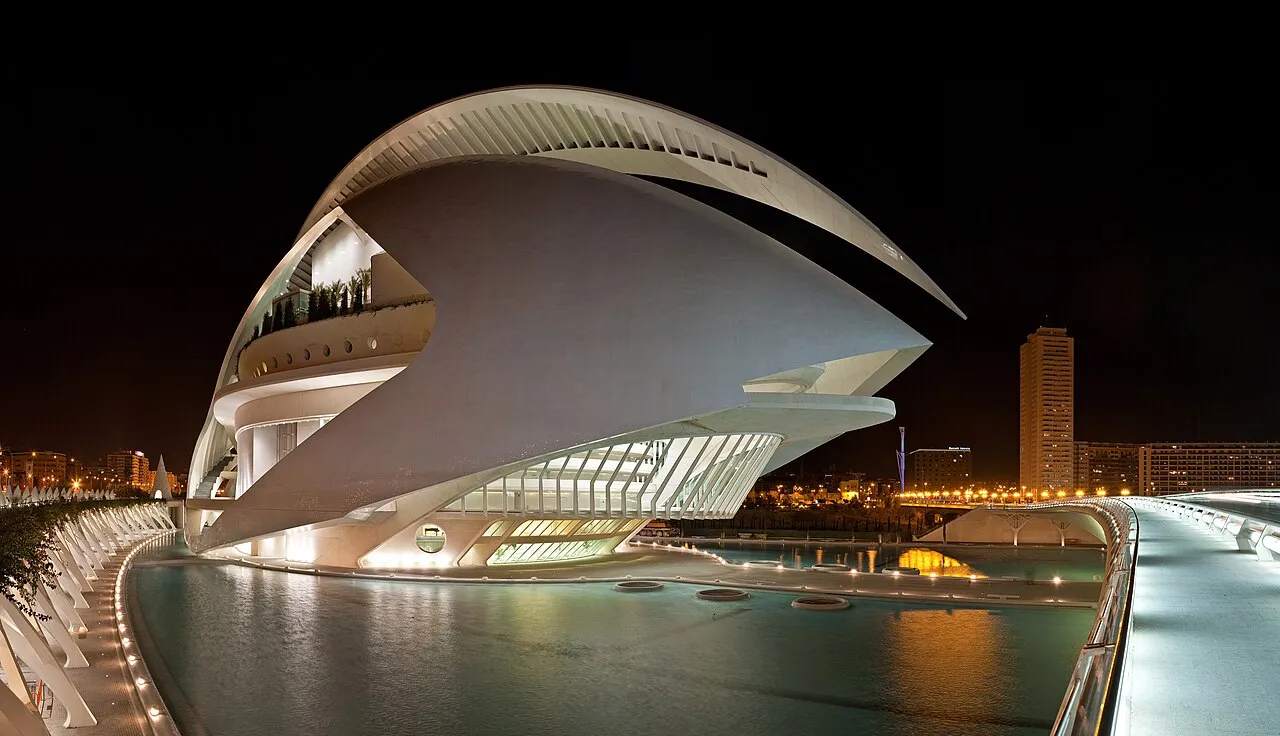
1Palau de les Arts Reina Sofía

Palau de les Arts Reina Sofía

📍 Northern end of the complex

Seventy-five metres shaped like a warrior's helmet and a two-hundred-metre metal blade soaring over the structure, supported only at its ends. It is Valencia's opera house, with four halls. Its trencadís skin began to come loose in 2013 and opened a years-long lawsuit between the Generalitat and the architect.

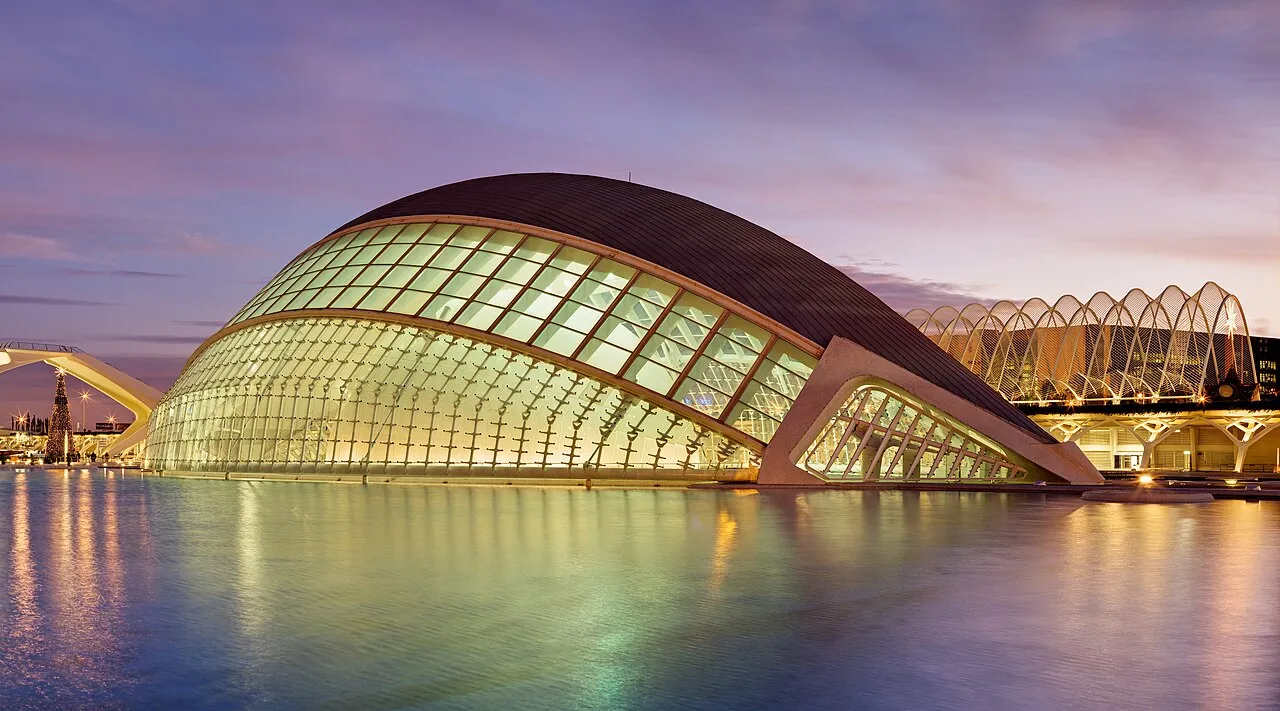
2L'Hemisfèric

L'Hemisfèric

📍 Centre of the complex

The first to be built, in 1998, and probably the most accomplished form: a sphere inside an eye, with an eyelid of moving slats that opens and closes over the water. Inside it screens documentaries on a concave screen of nine hundred square metres. Its reflection in the pond, at night, completes the whole eye.

3Museu de les Ciències Príncipe Felipe

Museu de les Ciències Príncipe Felipe

📍 Centre of the complex

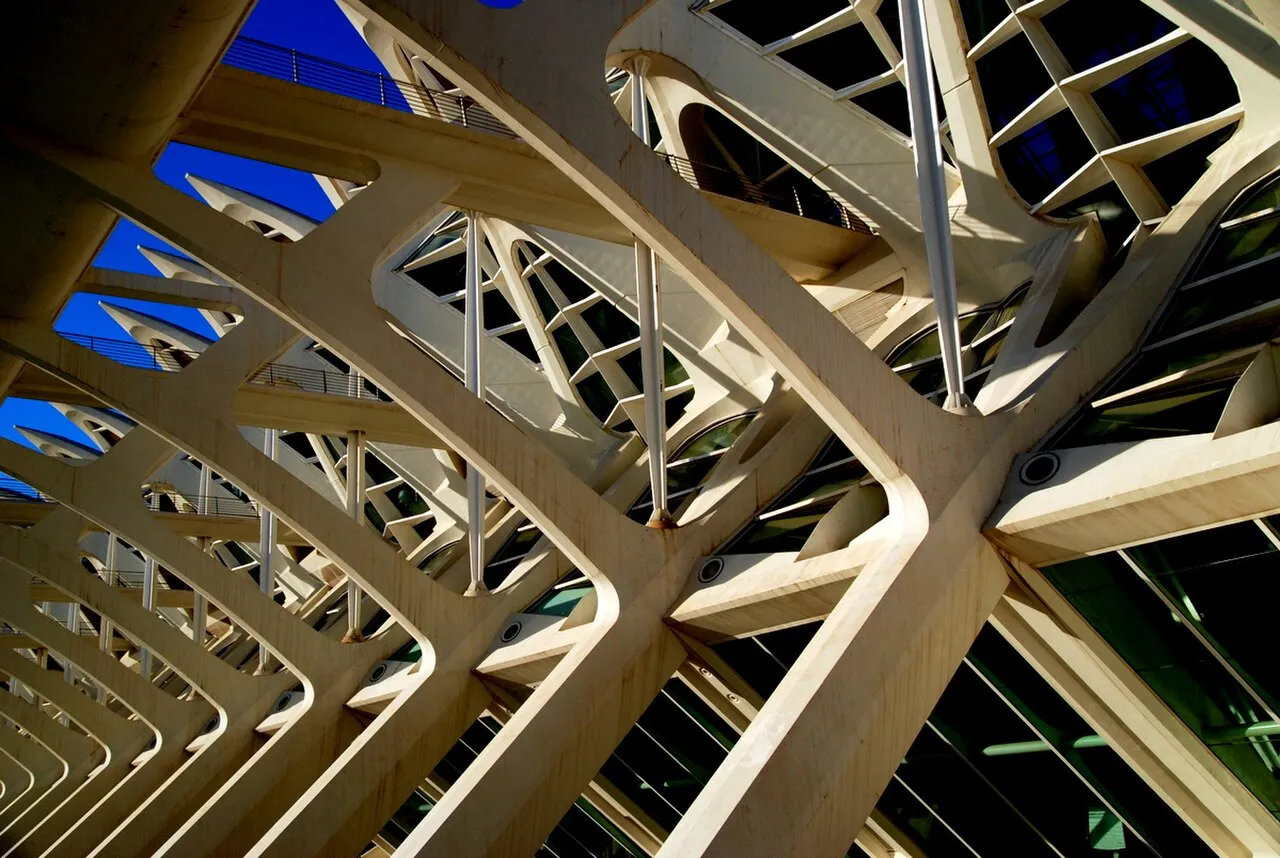
A whale skeleton in white concrete, with more than twenty thousand square metres of interactive museum spread over three floors. Its motto is “not touching is forbidden” and it is, by far, the best visit in the complex with children. The structure seen from inside, with its succession of arches, impresses as much as the exhibitions.

🎧 With Viavoy

Explore Valencia at your own pace

Download the app and discover Valencia offline, whenever you like. Take the walking tour The Turia Garden and the City of Arts and Sciences with a local guide in your ear.

Find out more about Viavoy →

What you pay for and what is worth it

The Oceanogràfic is the most expensive ticket and the one that takes the most time: between three and four hours to see it all. It is the largest aquarium in Europe, with belugas, walruses and penguins, although it is worth going in the knowledge that keeping cetaceans in captivity is today the subject of a serious ethical debate.

The Museu de les Ciències is the best value for money in the complex, above all with children: interactive, spacious and with rotating exhibitions. The Hemisfèric is the shortest — a screening of about forty minutes — and works well as a complement, not as the main visit.

There are combined tickets for two or three visits that cut the total cost considerably. The combination that comes up most often and usually works out well is Oceanogràfic plus Museu de les Ciències, leaving out the Hemisfèric if you are short of time.

And if budget is the problem, the honest answer is that the complex is hugely enjoyable without going into any of them. The outdoor walk between the sheets of water, the Umbracle and the bridges are free and are the most photogenic part.

4L'Oceanogràfic

L'Oceanogràfic

📍 Southern end of the complex

Forty million litres of water in environments recreating the Mediterranean, the tropics, the wetlands, the Arctic and the Antarctic. Its white undulating roofs are by Félix Candela: concrete shells a few centimetres thick that hold themselves up by their geometry. Three or four hours of visit and the most expensive ticket in the complex.

5L'Umbracle

L'Umbracle

📍 East side, elevated

A landscaped promenade beneath white arches, with Mediterranean plants, contemporary sculptures and an elevated view over the whole complex. It is free, it is the least crowded area and at night it works as a terrace bar. The best place to grasp the scale of the operation without paying for a ticket.

6Pont de l'Assut de l'Or

Pont de l'Assut de l'Or

📍 Over the riverbed, beside the Àgora

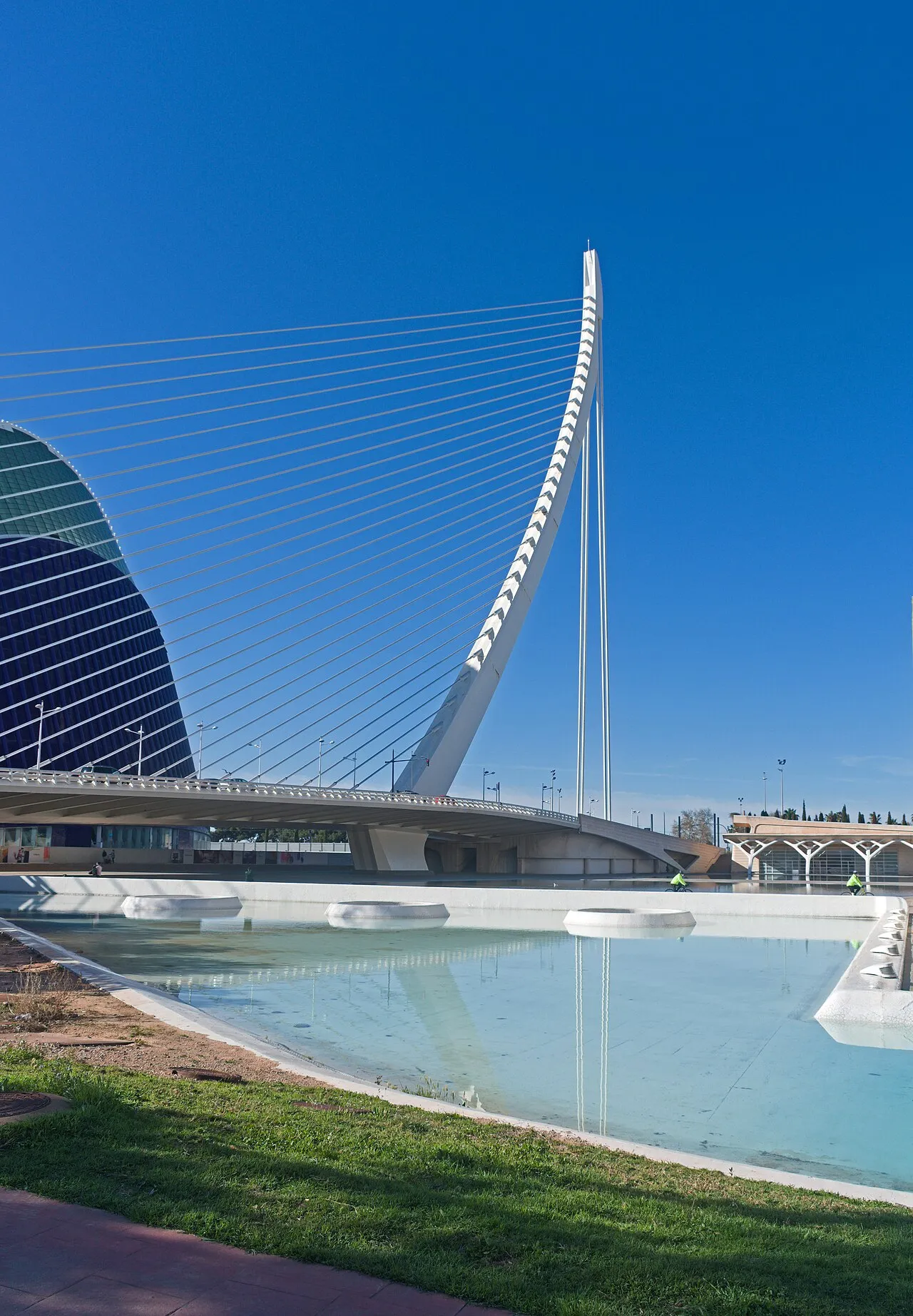
A cable-stayed bridge with a single leaning white mast of 125 metres, the highest point in Valencia. It holds up the deck from one side only with a harp-like silhouette. You cross it on foot and it is the best spot for photographing the whole complex with the reflections below.

Frequently asked questions

How much does it cost to get into the City of Arts and Sciences?

The outdoor walk costs nothing: strolling between the buildings, crossing the bridges and going up to the Umbracle is free, and it is the most spectacular part. What you pay for are three separate visits: the Oceanogràfic, around 35 €; the Museu de les Ciències and the Hemisfèric, considerably cheaper. There are combined tickets for two or three that cut the total appreciably compared with buying them separately.

What is most worth it in the City of Arts?

It depends on the trip. With children, the Museu de les Ciències is the best value for money: it is interactive, its motto is “not touching is forbidden” and you spend a good two hours there. The Oceanogràfic is the most spectacular and also the most expensive and the one that takes the most time. The Hemisfèric is a screening of about forty minutes and works as a complement. And if you are tight on budget, the free outdoor area alone justifies the trip.

Who designed the City of Arts and Sciences?

Santiago Calatrava, Valencian architect and engineer, designed the Hemisfèric, the Museu de les Ciències, l'Umbracle, the Palau de les Arts, l'Àgora and the Pont de l'Assut de l'Or. The exception is the Oceanogràfic, whose characteristic undulating roofs were executed from designs by Félix Candela, the Spanish engineer exiled in Mexico who revolutionised minimum-thickness concrete shells. The complex was built over about twenty years.

How do you get to the City of Arts from the centre of Valencia?

The best way, by far, is by bicycle along the Jardín del Turia: twenty-five flat minutes, car-free and without crossing a single street, following the riverbed from the old town. EMT buses 15, 35 and 95 also go there, and the metro drops you at Alameda about twenty minutes' walk away. On foot from the centre it is about fifty minutes through the park itself, which is a pleasant stroll.

Why did pieces fall off the Palau de les Arts?

From 2013 onwards, fragments of the trencadís cladding the building began to come loose, which forced it to be cordoned off and repaired. A lawsuit opened between the Generalitat Valenciana and Santiago Calatrava over responsibility for the damage, with rulings and appeals that dragged on for years, and the full repair cost several million euros. It is one of the most debated episodes in recent Spanish urban planning and is part of the complex's history.

What time is best to visit the City of Arts?

At sunset and at night. The buildings are white concrete and pale trencadís, and at midday in summer they glare in a way that makes the visit fairly uncomfortable and ruins the photos. With the sun low, on the other hand, the complex changes scale, and at night the lighting over the sheets of water doubles every building in its reflection. If you are going into the Oceanogràfic, do it in the morning and leave the outside for the end of the day.

The debate the city is still having

It is worth telling because any Valencian will bring it up. The complex cost far more than budgeted — the overruns multiplied over the two decades of building work — and it became the symbol of an era of grand projects and grand debts in the Valencian Community.

On top of that came the technical problems. From 2013 onwards, the trencadís of the Palau de les Arts began to come loose and the building had to be cordoned off; a years-long lawsuit followed between the Generalitat and the architect over responsibility, with rulings at several levels and a repair costing several million.

And at the same time, without contradiction: the operation worked as a brand. The City of Arts changed Valencia's international image, draws millions of visitors a year and has turned a dry riverbed at the southern end of the city into its most recognisable symbol.

The visitor does not have to take sides, but does gain from seeing it with both layers: an extraordinary piece of architecture and a complicated economic history, both in plain view at the same time.

Practical information

What is freeThe whole outdoor walk, the Umbracle and the bridges. It is the most photogenic part.
What you pay forOceanogràfic (~35 €), Museu de les Ciències and Hemisfèric. There are 2- and 3-visit combined tickets.
TimeOceanogràfic 3-4 h, Museu 2 h, Hemisfèric 45 min. The outside alone, a good hour.
Getting thereBy bike along the Jardín del Turia from the centre, 25 minutes. EMT buses 15, 35 and 95.
Best timeSunset and night: the lighting and the reflections. At midday in summer the white glares badly.
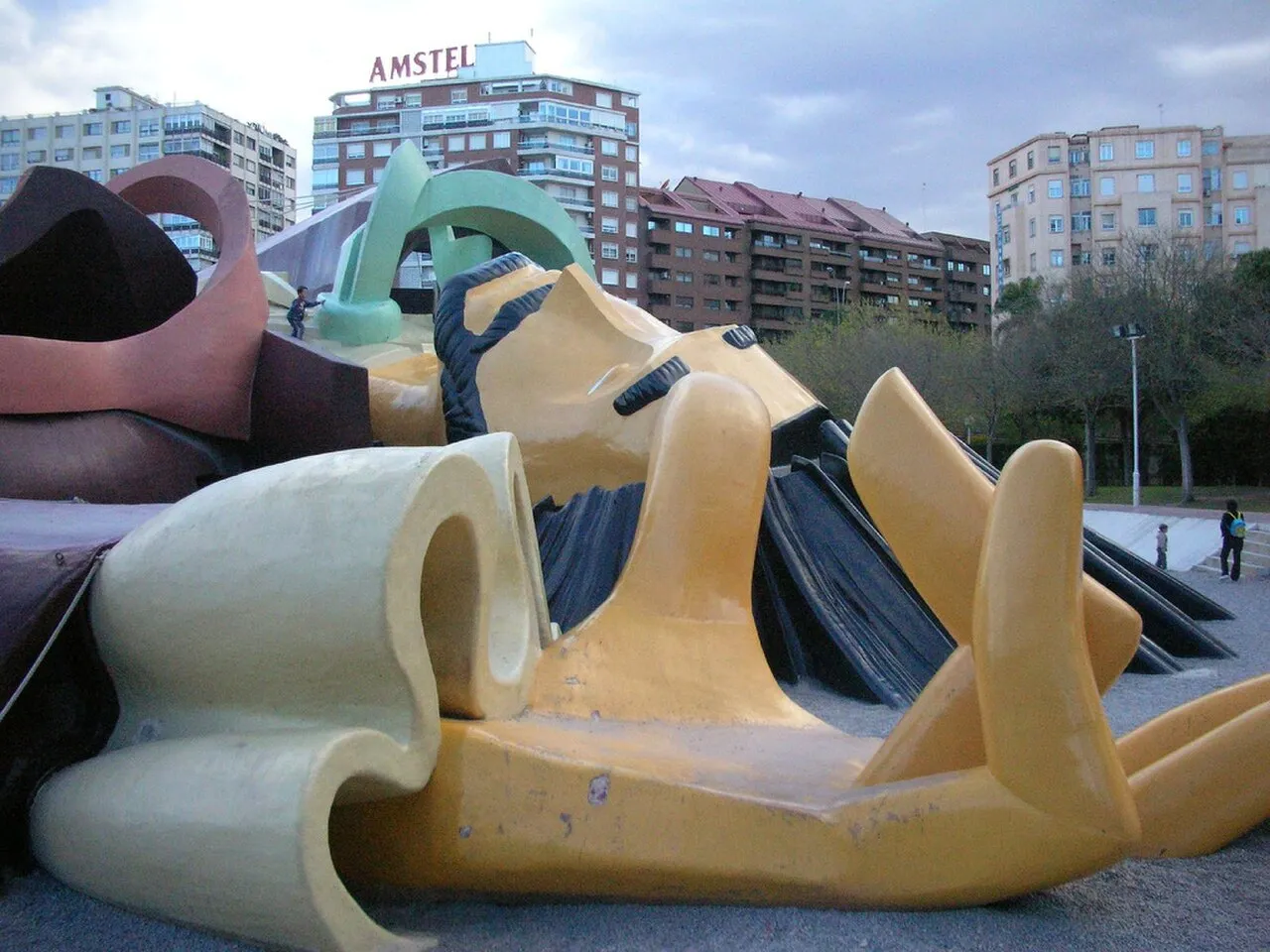
With childrenMuseu de les Ciències and Oceanogràfic. Before that, the Parque Gulliver, which is 20 minutes away and free.
On the map

🎧 With Viavoy

Walk Valencia and listen at your own pace

Download Viavoy and walk Valencia offline, whenever you like.

from 2,99 €· one-off payment
City Pass · 9,99 €3 days, all the tours in Valencia
Find out more about Viavoy →
Viavoy app

Keep reading

More articles

What to see

The Jardín del Turia: the river Valencia turned into a park

Itineraries

Valencia in 2 days: the itinerary that makes the most of the real city

Neighbourhoods

El Cabanyal and La Malvarrosa: tiles, rice and a neighbourhood that saved itself

Food & drink

Paella and rice dishes in Valencia: what to order, where and when