The beaches of Alicante: from the Postiguet to Tabarca
One beach right in the centre, another enormous one twenty minutes away by tram and an island reserve half an hour's sailing out. All without a car, and with the coves to the north for anyone who has one.
Alicante has an advantage that almost no other Spanish capital shares: the beach is in the centre, ten minutes on foot from everything. And from there, by tram and by boat, you reach very different alternatives without needing a car, which makes the city an excellent base for a week by the sea.
The TRAM line runs along the whole coast from the centre to Dénia. It is the transport that makes a car unnecessary across the whole district, and very few people know it before they arrive.
In the centre: the Postiguet
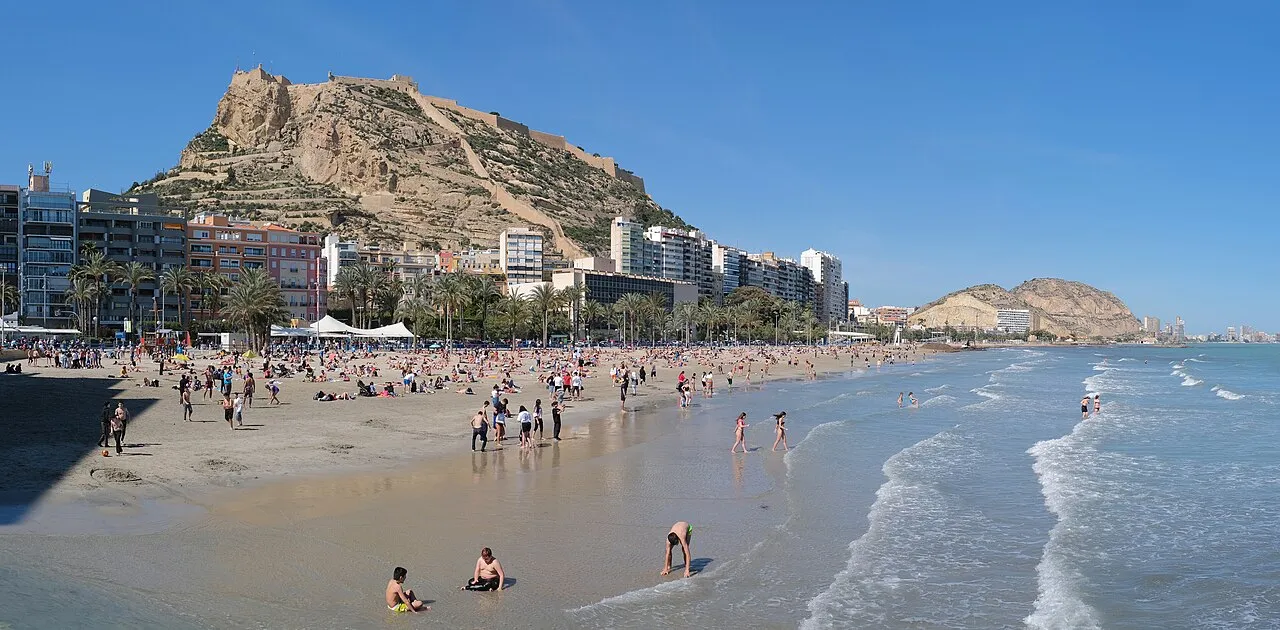
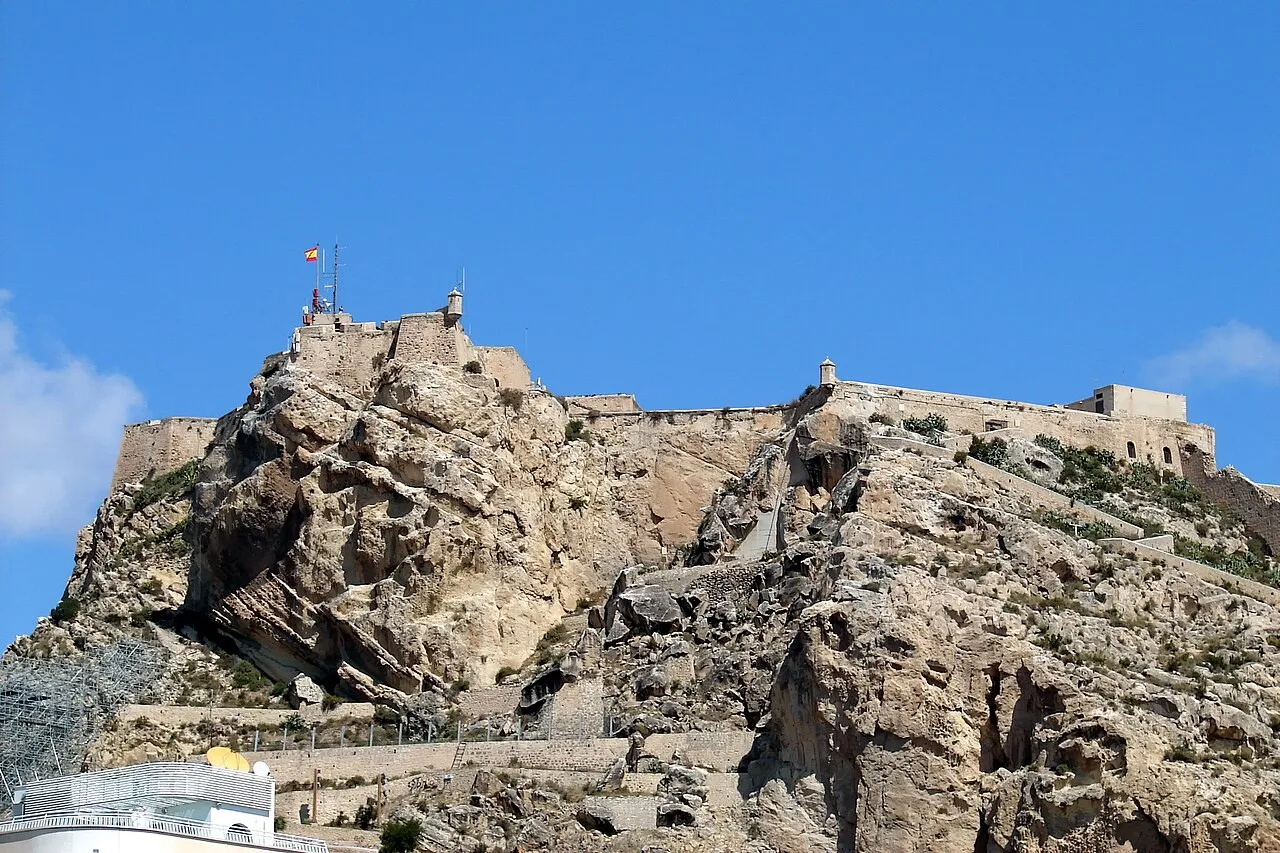
Almost a kilometre of golden sand right in the centre, with the Monte Benacantil and the castle rising behind it like a stone backdrop. People in Alicante come down for a swim before lunch or on the way out of work, the way you might go for a stroll, and that defines its atmosphere.
It is not a resort beach: everyone swims here, from the passing visitor to the lifelong neighbour, with children, retired people striding along the water's edge and the “toc, toc” of beach bats in the background. It has every service — showers, lifeguards, sun loungers, accessibility — and chiringuitos, the beach bars.
The name comes from postigo, a small gate: one of the lesser gates of the city wall opened here, the one that gave onto this stretch of coast. When the walls were pulled down in the nineteenth century, the beach was absorbed into the fabric of the city.
The price of having it in the centre is obvious: in July and August there is not an inch of space. Outside high season, or first thing in the day, the experience is completely different.
Look at the outline of the hill from the shore: you can make out a forehead, a nose and a chin facing the sky. People in Alicante call it the Cara del Moro, the Moor's Face. At one end is the lift up to the castle, cut into the rock.
San Juan beach is the big one: some seven kilometres of fine, wide sand with a seafront promenade, north of the city. You get there by tram from the plaza de los Luceros in about twenty minutes, and that combination of size and accessibility makes it unbeatable if you are after space.
Between the centre and San Juan lies the Albufereta, a small beach tucked into a cove, far quieter and with calm water. It is the option for anyone travelling with small children or looking for fewer people without going far.
And right above the Albufereta is the Lucentum site, the Roman city from which the name of Alicante derives, with its streets, its walls and its baths in the open air. Few people combine a swim with archaeology, and here it is literally the same stop.
The TRAM carries on north through El Campello, Villajoyosa, Benidorm and as far as Dénia, with stops at beaches and coves all along the line. It is the transport that makes a car unnecessary in the district.
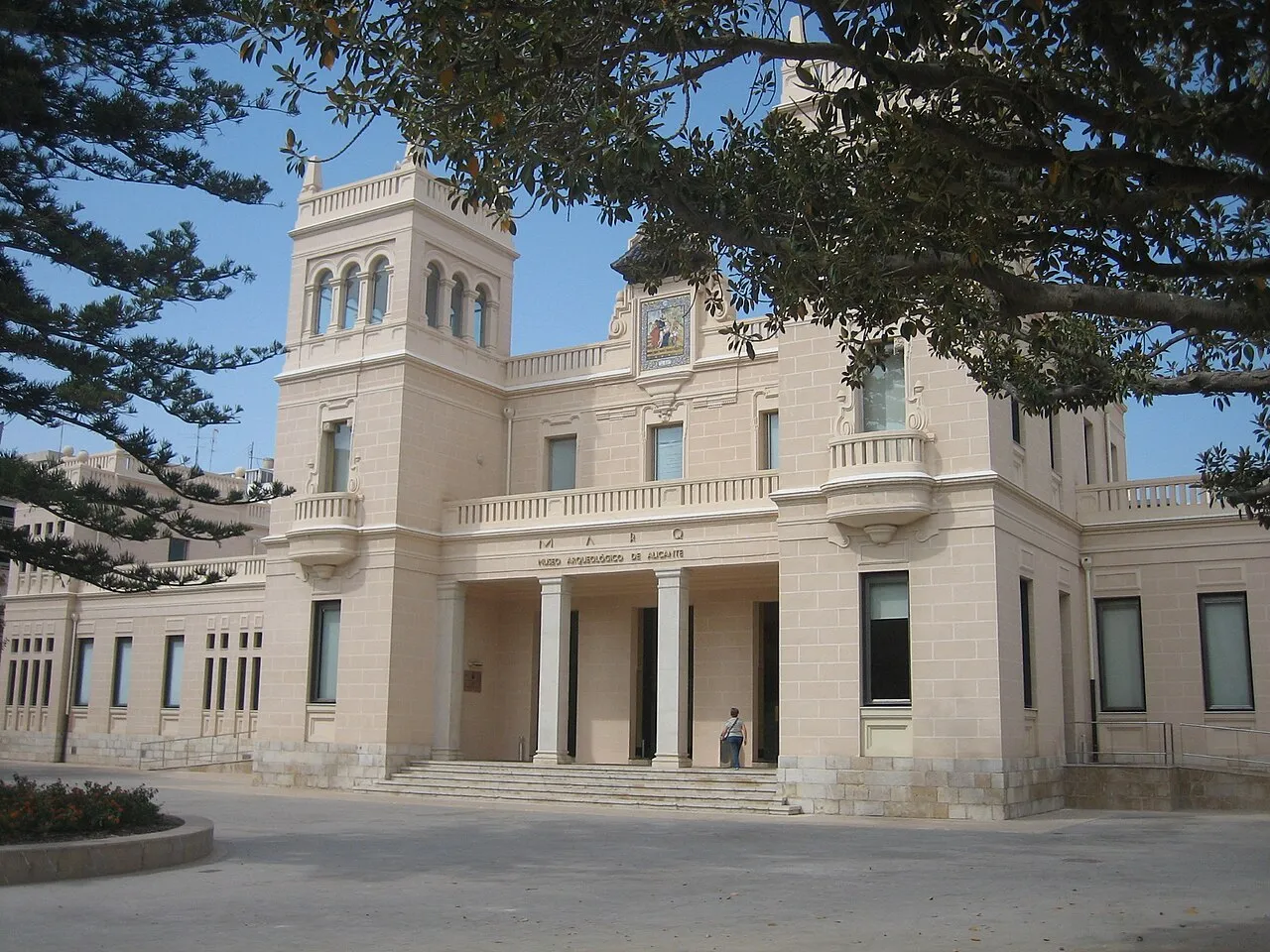
Seeing the pieces in the museum first and then walking on the site they came from is the order that works. Lucentum is next to Albufereta beach, in the open air, and very few people visit it.
The boats to Tabarca leave from the marina; it is the only inhabited island in the whole Valencian Community. It is half an hour's sailing away and has been a marine reserve since 1986, the first declared in Spain, with water so clear you can see the bottom.
But it is not only a place to swim. It keeps an eighteenth-century walled enclosure and a completely atypical military settlement layout: Charles III fortified it and repopulated it with families of Genoese fishermen who had been held captive in Tabarka, an island off Tunisia that had been a pirate lair. Hence the name.
The island is small, you walk all of it in an hour and it has a sandy beach, rocky coves and restaurants. As a marine reserve, the diving and snorkelling are among the best on the mainland Mediterranean coast.
A practical warning: outside summer the boat frequencies drop considerably, and with a rough sea the crossings are cancelled. In high season, book in advance and bear in mind that in July and August the island is overrun.
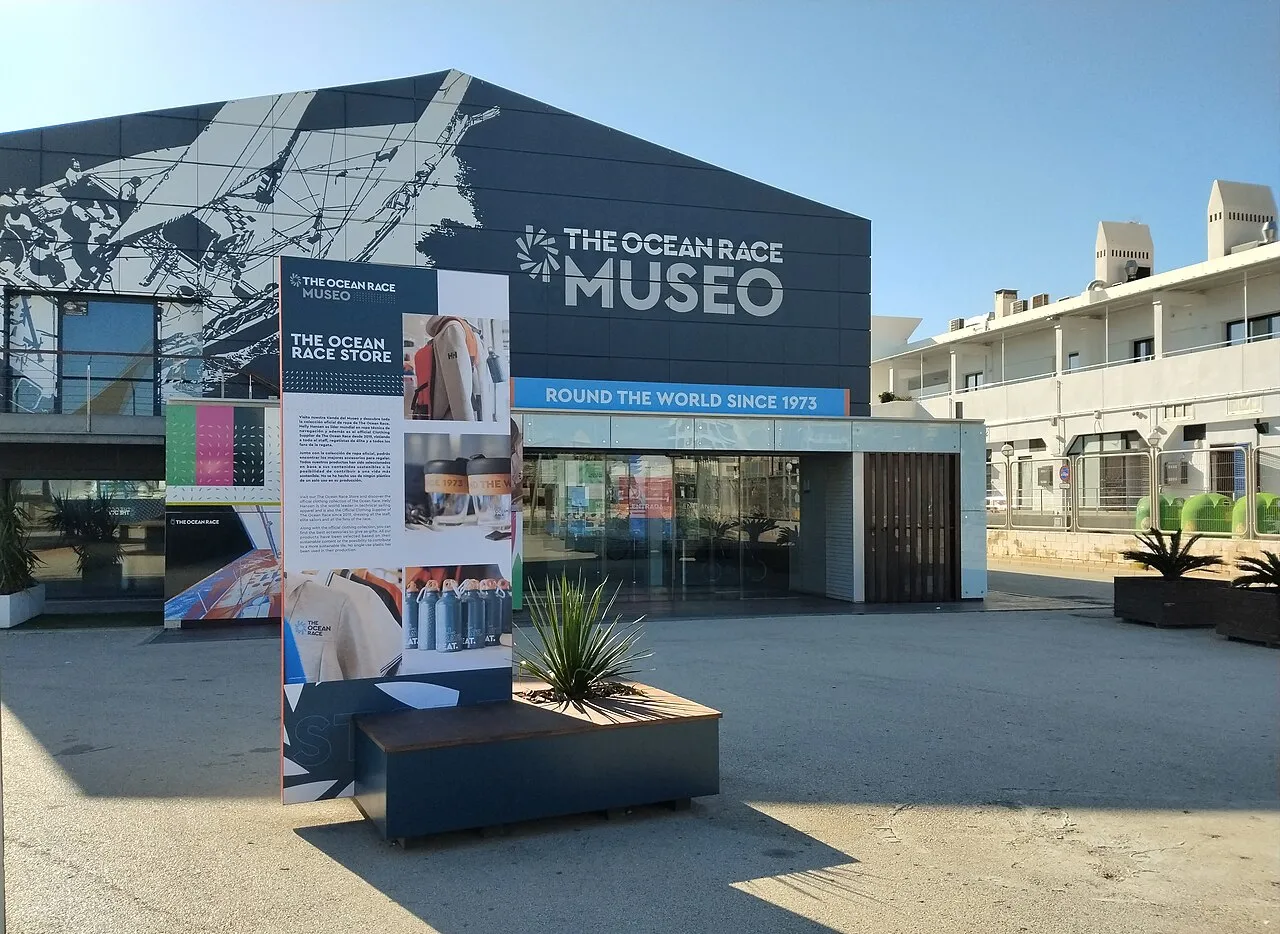
This is where the boats to Tabarca leave from, and also where the round-the-world sailing race has set off several times: Alicante is a permanent host of The Ocean Race, with its headquarters and its own museum open all year.
Yes, the Postiguet: almost a kilometre of sand ten minutes on foot from anywhere in the centre, with the hill and the castle behind. It has every service and chiringuitos. In July and August it is packed, but outside high season or first thing in the day the experience is completely different.
How do you get to San Juan beach?
By tram, the TRAM line, from the plaza de los Luceros or from the Mercado stop. It takes about twenty minutes. The beach has some seven kilometres of fine sand with a seafront promenade, and that combination of size and accessibility without a car makes it hard to beat.
How do you get to Tabarca?
By boat from the marina in the port of Alicante, with half an hour's sailing. There are also crossings from Santa Pola, slightly shorter. Outside summer the frequencies drop a lot and with a rough sea the crossings are cancelled, so it is worth checking beforehand and booking in high season.
What does Tabarca have besides the beach?
An eighteenth-century walled enclosure and an atypical military settlement layout: Charles III fortified it and repopulated it with families of Genoese fishermen who had been held captive in Tabarka, an island off Tunisia. It has also been a marine reserve since 1986, the first declared in Spain, with excellent diving and snorkelling.
Do you need a car for the beaches of Alicante?
No. The TRAM runs along the whole coast from the centre to Dénia, with stops at beaches and coves all along the line: San Juan, the Albufereta, El Campello, Villajoyosa, Benidorm. It is the transport that makes a car unnecessary across the whole district, and very few people know it before they arrive.
Can you combine the beach with a cultural visit?
Yes, and there is a perfect case: the Roman site of Lucentum is right above Albufereta beach, in the open air, with its streets, walls and baths. Seeing the pieces in the MARQ first and then walking on the place they came from, with a swim included, makes a perfect morning.
Practical information
In the centreThe Postiguet, ten minutes on foot from everything. Every service. In August, packed.
The big oneSan Juan beach, seven kilometres of sand, 20 minutes by tram from the Luceros.
The quiet oneThe Albufereta, a sheltered cove with calm water, between the centre and San Juan.
The islandTabarca, half an hour by boat from the marina. Marine reserve and eighteenth-century walls.
TransportThe TRAM runs along the whole coast to Dénia. It makes a car unnecessary in the district.
WarningOutside summer the crossings to Tabarca are far less frequent, and with a rough sea they are cancelled.
On the map
🎧 With Viavoy
Walk Alicante and listen at your own pace
Download Viavoy and walk Alicante offline, whenever you like.
from 2,99 €· one-off payment
City Pass · 9,99 €3 days, all the tours in Alicante