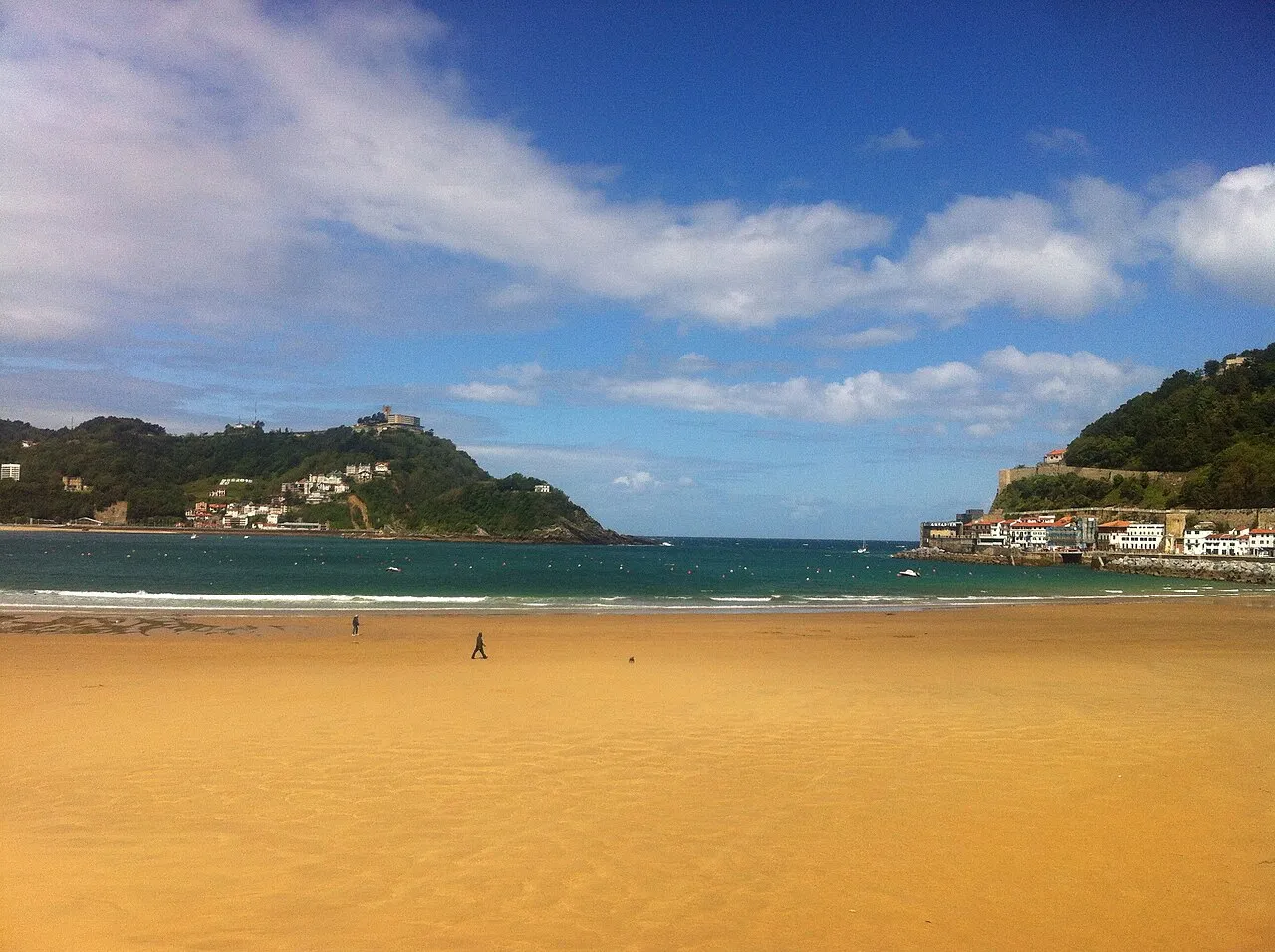
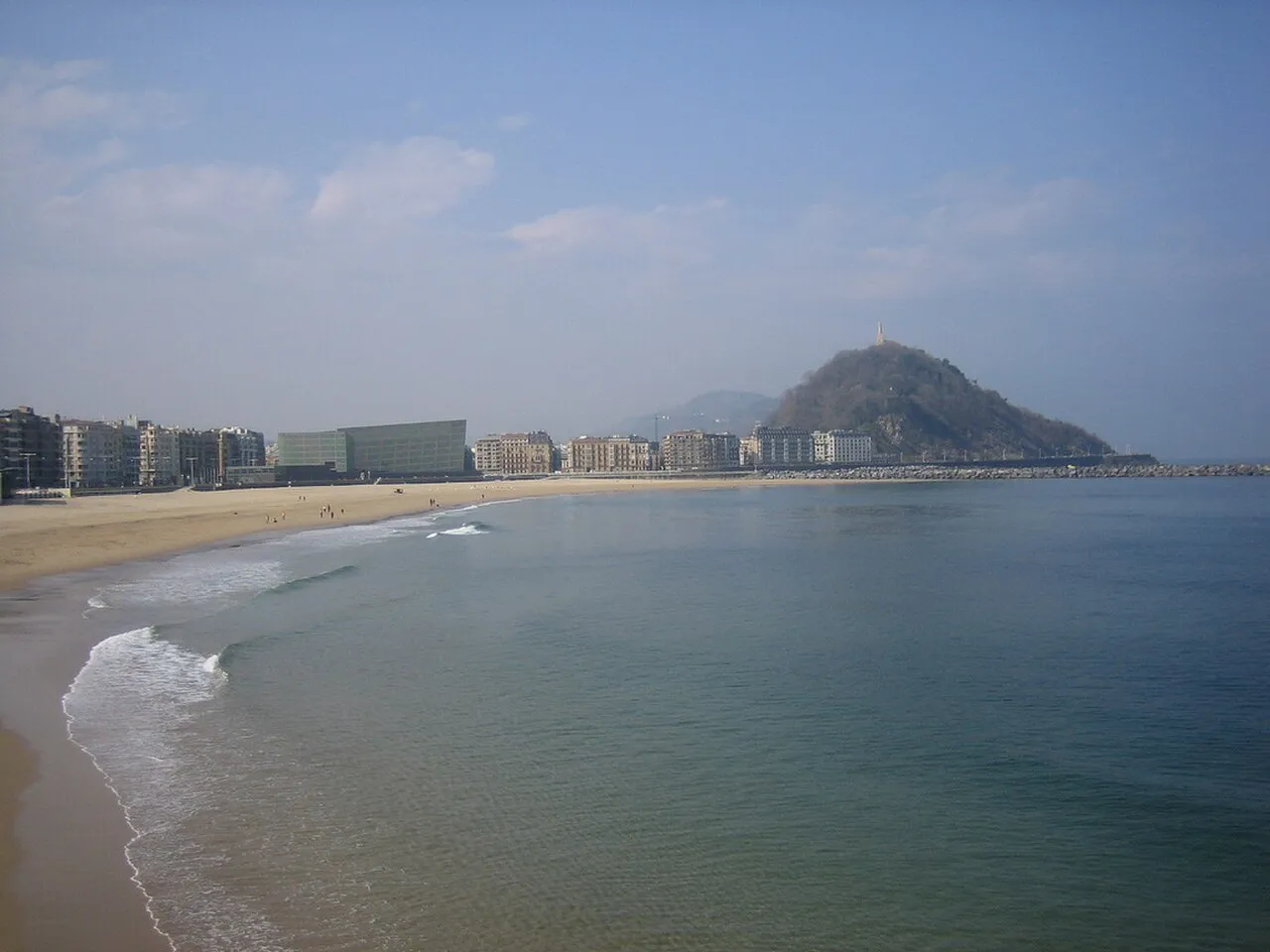
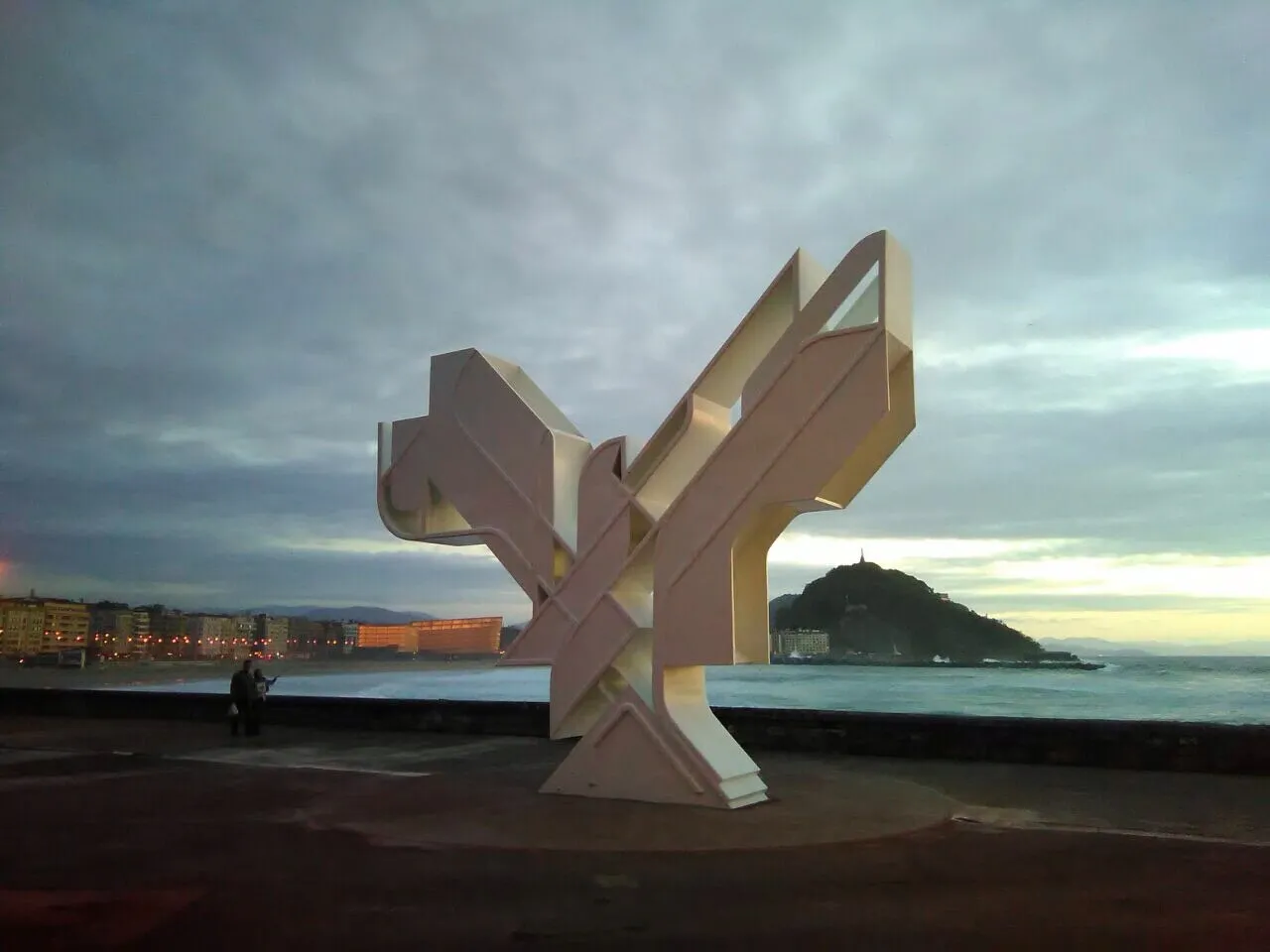
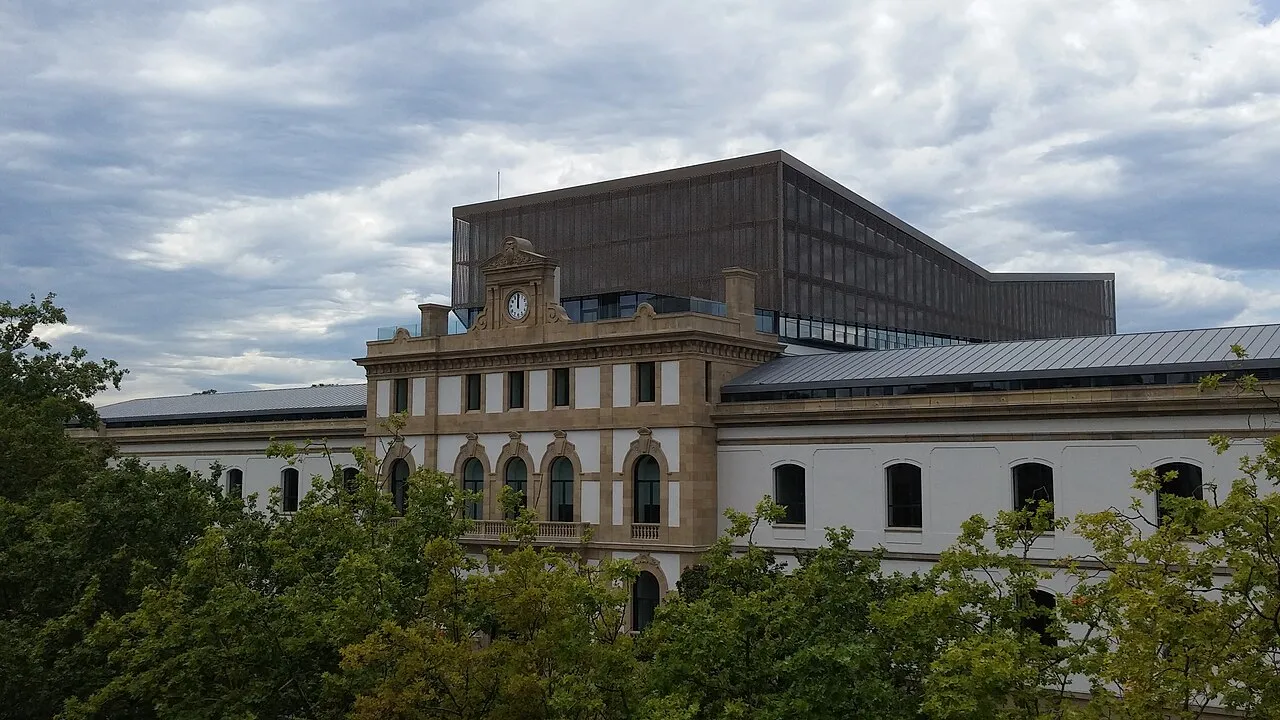
San Sebastián is a small city that can be walked from end to end and it has a very specific history behind it: in 1885 it was a military stronghold with a fishing port, and thirty years later it was the most elegant summer destination in Spain. That happened because a queen chose this bay to spend her summers and the whole court followed her. Over that bourgeois layer lies the Basque city of always, the one of the Old Town, the pintxos and the Tamborrada. This guide goes from east to west, in the order in which the stops string together walking beside the water.
Frequently asked questions
How many days do you need to see San Sebastián?
Two days are more than enough for the essentials: one for the bay, the Old Town and Monte Urgull, and another for the walk west to the Peine del Viento with the Igueldo funicular, plus Gros and the Zurriola. With a third day there is room for a trip to Pasaia or Hondarribia and a leisurely meal at one of the grill houses nearby.
Which is the better beach, La Concha or the Zurriola?
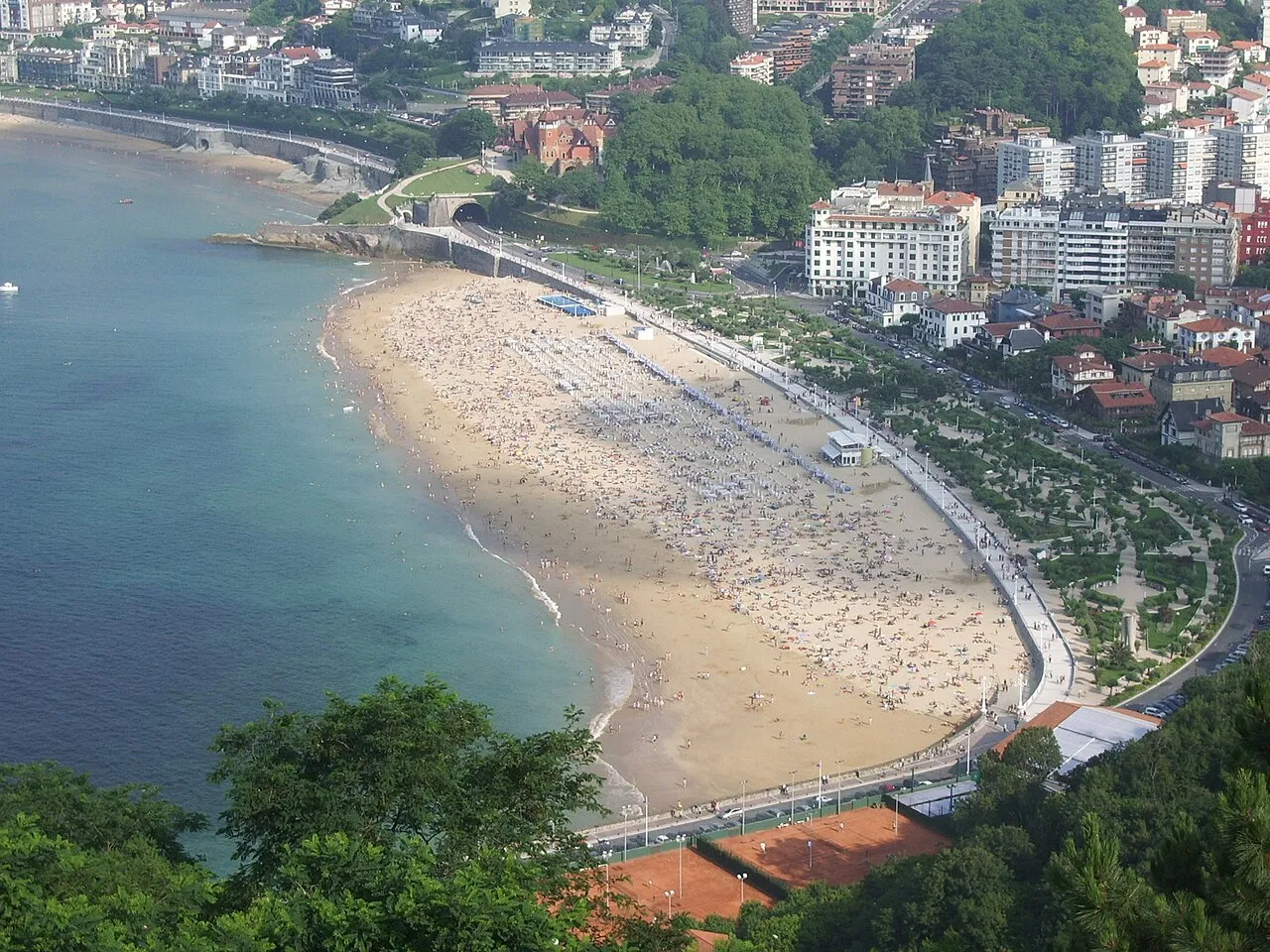
It depends what you are after. La Concha is inside the sheltered bay and has calm water, ideal for swimming and for the promenade. The Zurriola is outside, takes the swell of the Bay of Biscay directly and is the surfing beach. Ondarreta, at the western end, has the same calm water as La Concha with a good deal fewer people.
Where do you eat the best pintxos?
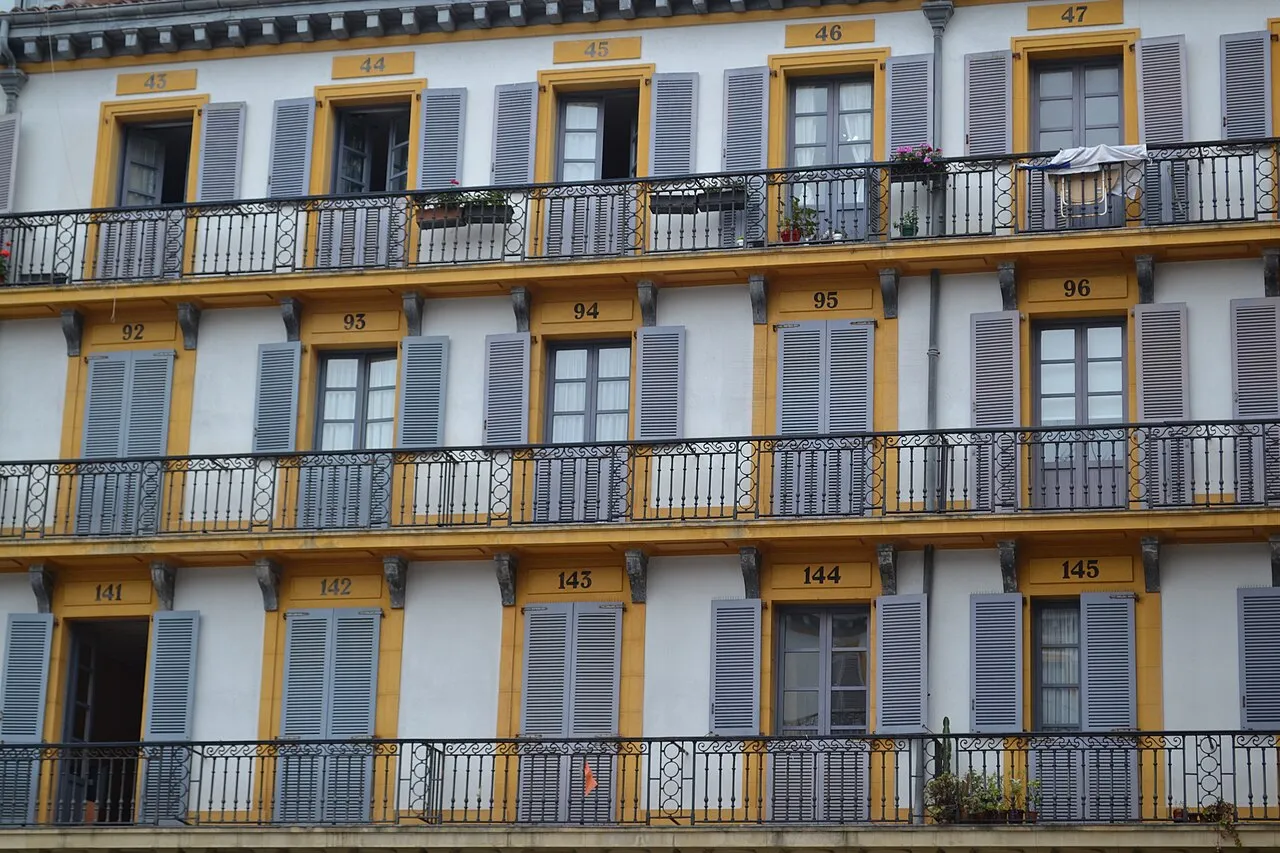
The Old Town has the greatest density and the greatest fame, with the Plaza de la Constitución and calle 31 de Agosto as its axes. Gros, on the other side of the river, has a more local crowd, slightly better prices and bars of a very high standard. The usual thing is to have one or two per bar and keep moving.
Is it worth going up Monte Igueldo?
Yes, for the panorama: it is the point from which you see the whole bay with the island in the middle, the classic image of the city. You go up on a funicular that has been running since 1912. At the top there is a rather peculiar old amusement park, which you either like or you do not, but the view is worth it on its own.
Is it an expensive city?
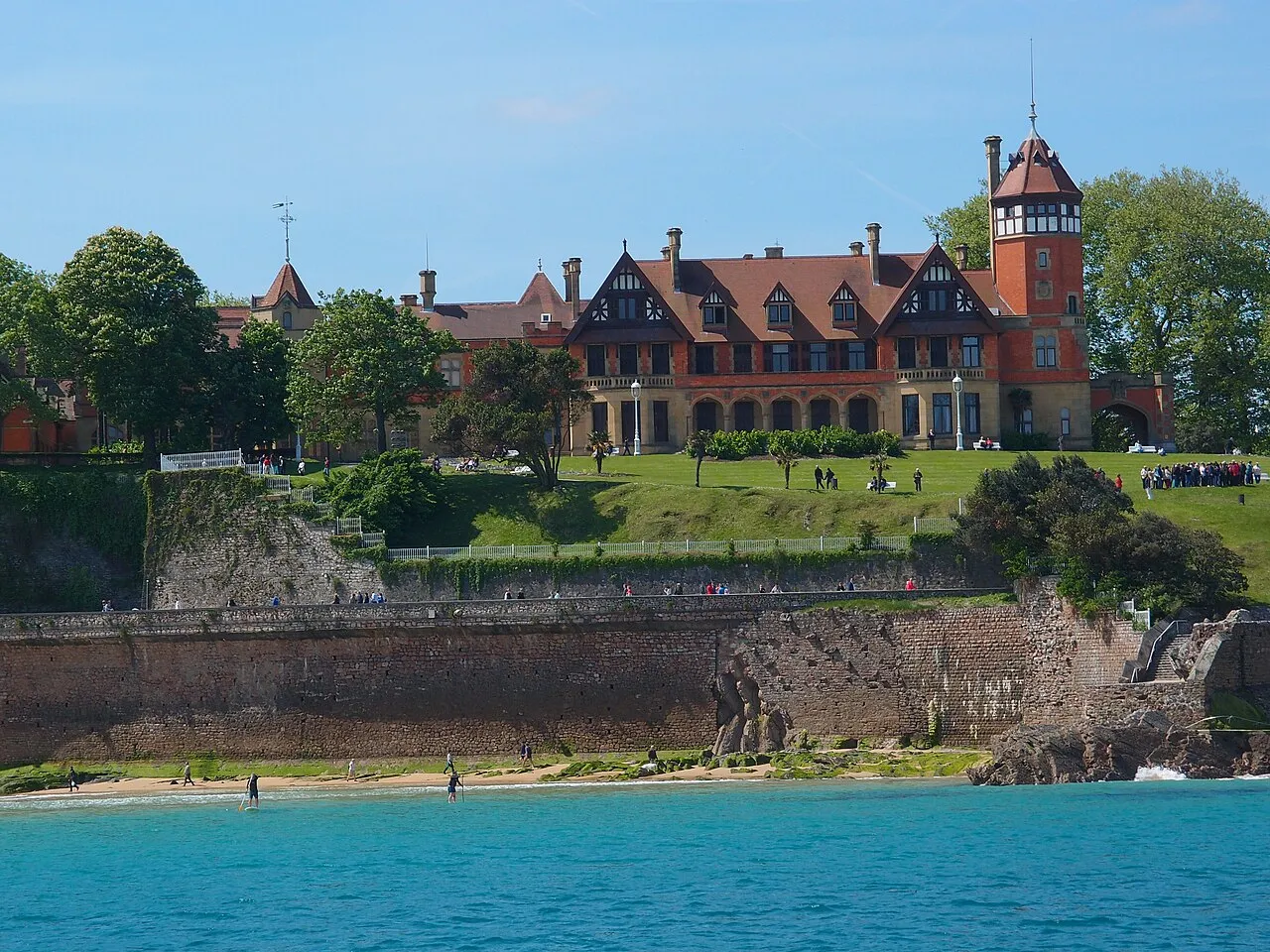
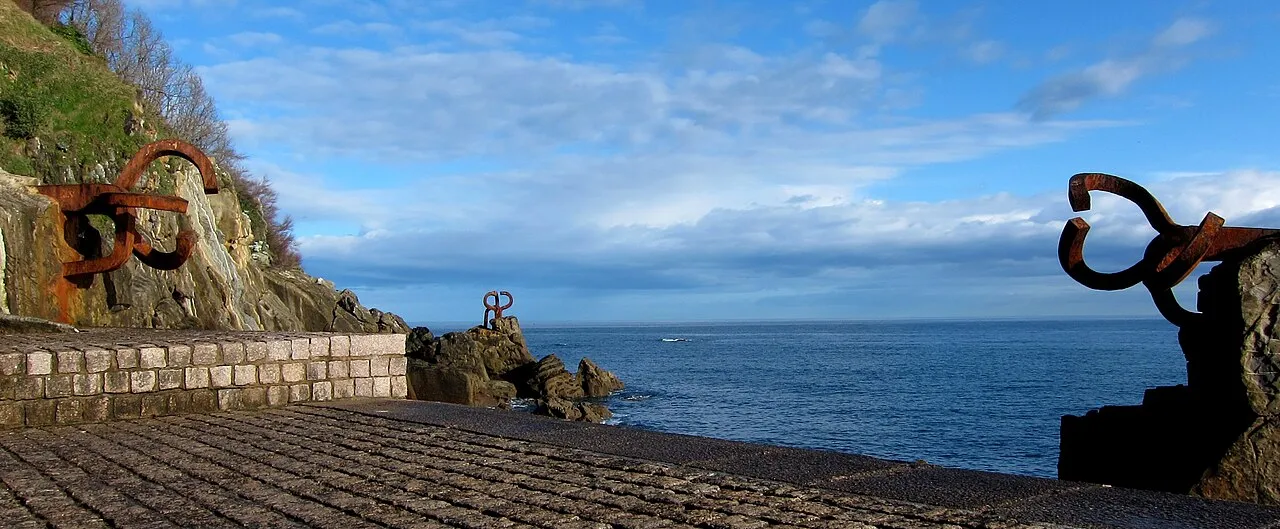
Fairly, above all for accommodation and eating out, and in summer prices rise a great deal. There are compensations: almost everything important — the beaches, Monte Urgull, the Miramar gardens, the Peine del Viento, the Tabakalera roof — is free, and the whole city is walked without spending anything on transport.
When is the best time to go?
May to September for the best weather, though it rains here at any time of year and it is as well to reckon with it. September holds the Film Festival, which fills the city. January has the Tamborrada, which is the great festival and a very different experience. Winter, with the tide out and the beaches empty, has an appeal of its own.