Salamanca
Salamanca · What to see

What to see in Salamanca: the 15 essentials

A frog hidden on a façade, an astronaut carved in 1992, two cathedrals joined together, a Mudéjar ceiling that stayed covered for three centuries and the most beautiful main square in Spain.

Salamanca looks golden for a concrete reason: the whole of it is built in Villamayor stone, a sandstone that comes soft out of the quarry — which is what made the detail of the Plateresque possible — and that hardens in the air, forming a crust of iron oxide. On that stone rose a city that was three things at once: the great university of Castile from 1218, a knot of colegios mayores that produced the elite of the kingdom, and a city of lineages that killed one another. It all fits into a flat old town you cross on foot.

The 15 must-sees

1The Arches and Stone of the Plaza Mayor

The Arches and Stone of the Plaza Mayor

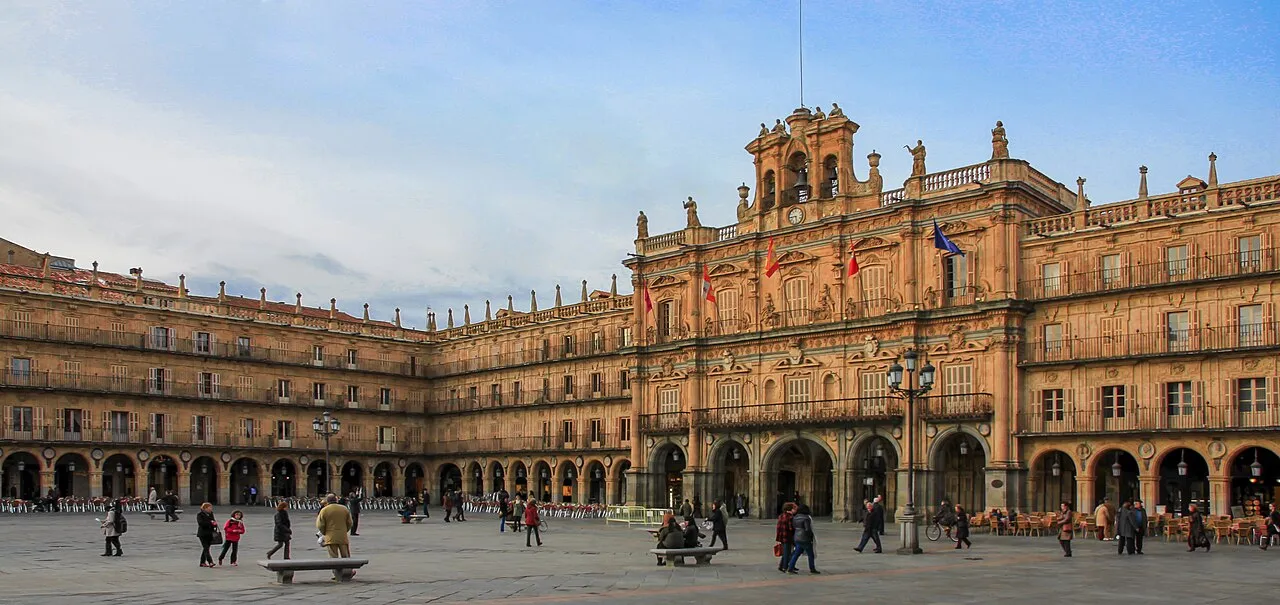
Eighty-eight identical arches closing a rectangle with no façades to the outside, built between 1729 and 1755 by Alberto de Churriguera. It was not a space for strolling but a bullring: the centre was fenced off and the balconies rented out as seats. And it is not square: no two sides are the same length and no angle is a right angle, though the eye does not detect it.

🎧 The Plaza Mayor, La Clerecía and the House of Shells📍 View on Google Maps
2Façade of the University of Salamanca

Façade of the University of Salamanca

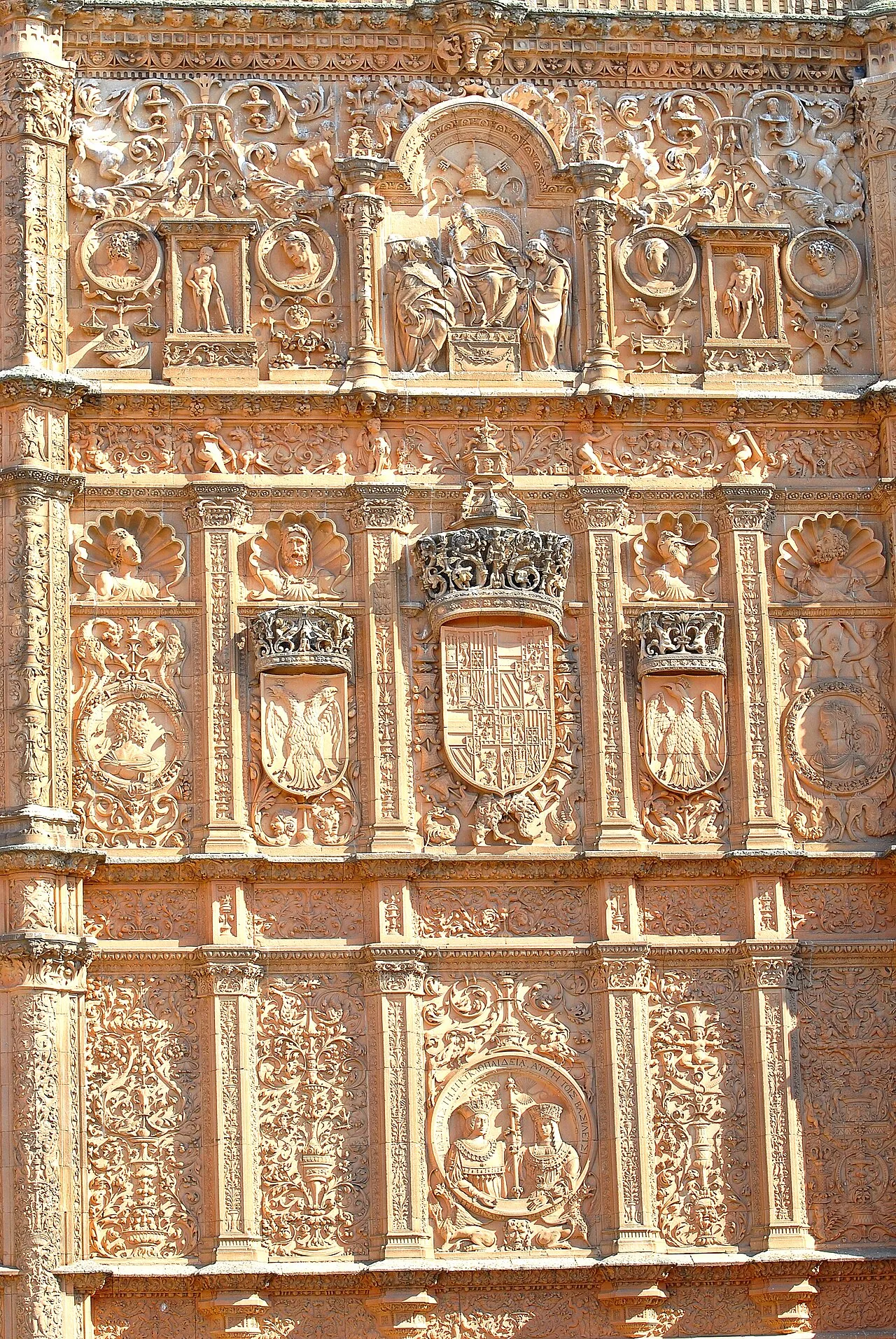
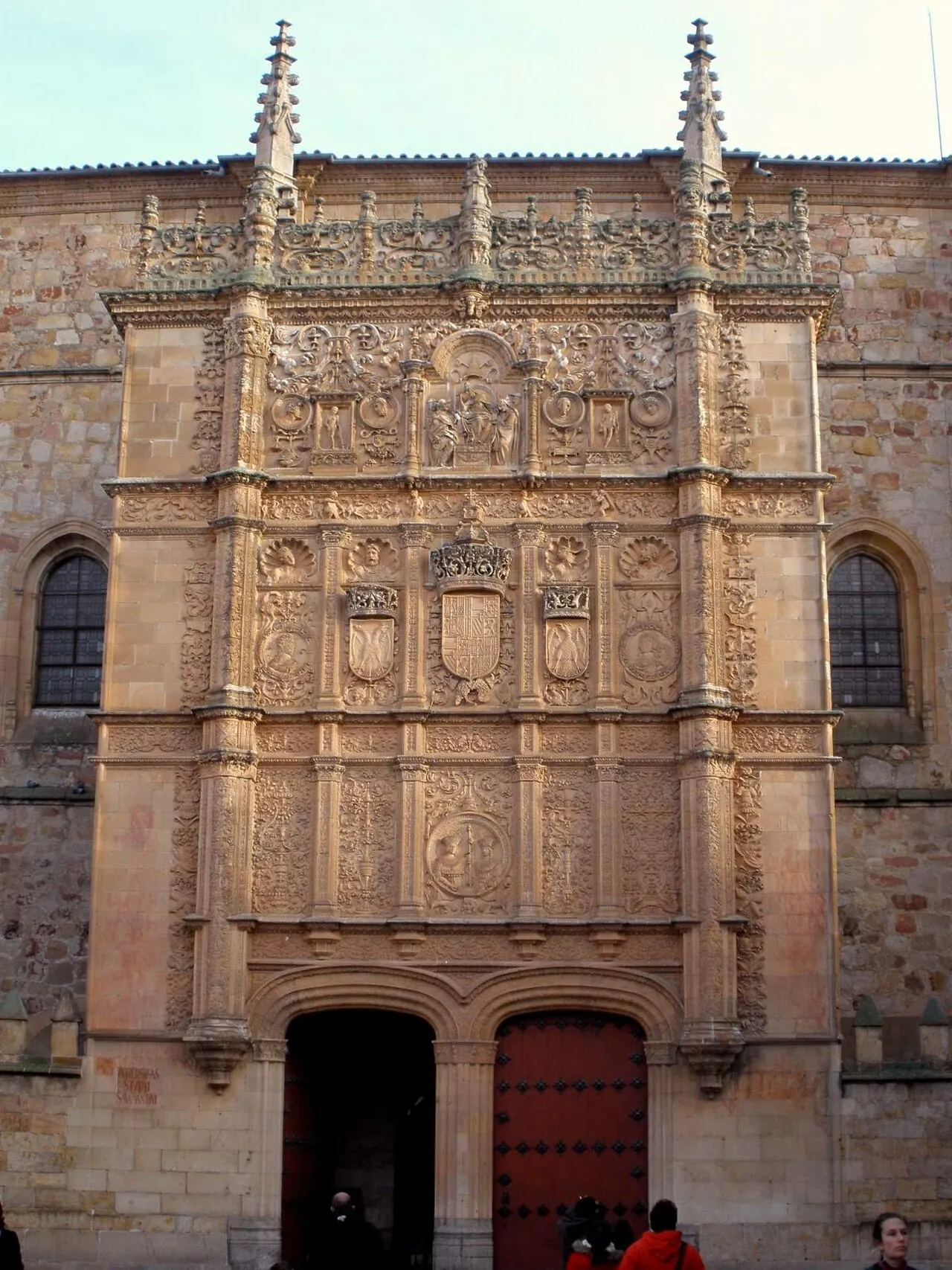
An altarpiece in stone that organises not doors but images: the Catholic Monarchs below, the imperial arms in the middle, the Pope above. And on the right-hand pilaster, on a skull, the frog everyone looks for. It is not a game: frog and skull were symbols of lust and death, a moral warning to young students.

🎧 The University and the Schools: the golden stone of learning📍 View on Google Maps
3University of Salamanca

University of Salamanca

Founded by Alfonso IX in 1218, the oldest still working in Spain. The Fray Luis de León lecture room keeps its long backless benches, worn by generations. And here the School of Salamanca formulated, in the thick of the debate over the conquest of America, the bases of modern international law.

🎧 The University and the Schools: the golden stone of learning📍 View on Google Maps
4New Cathedral

New Cathedral

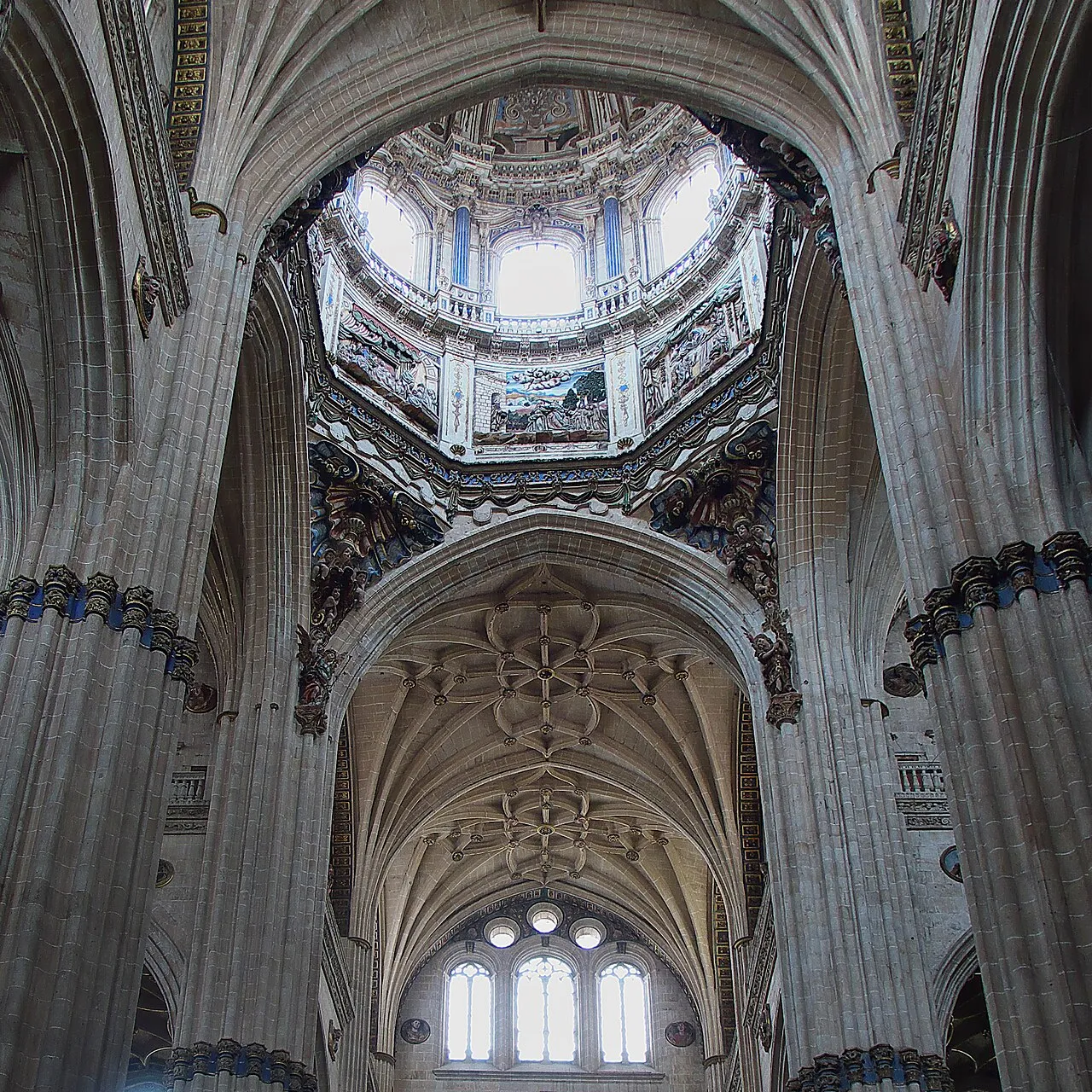
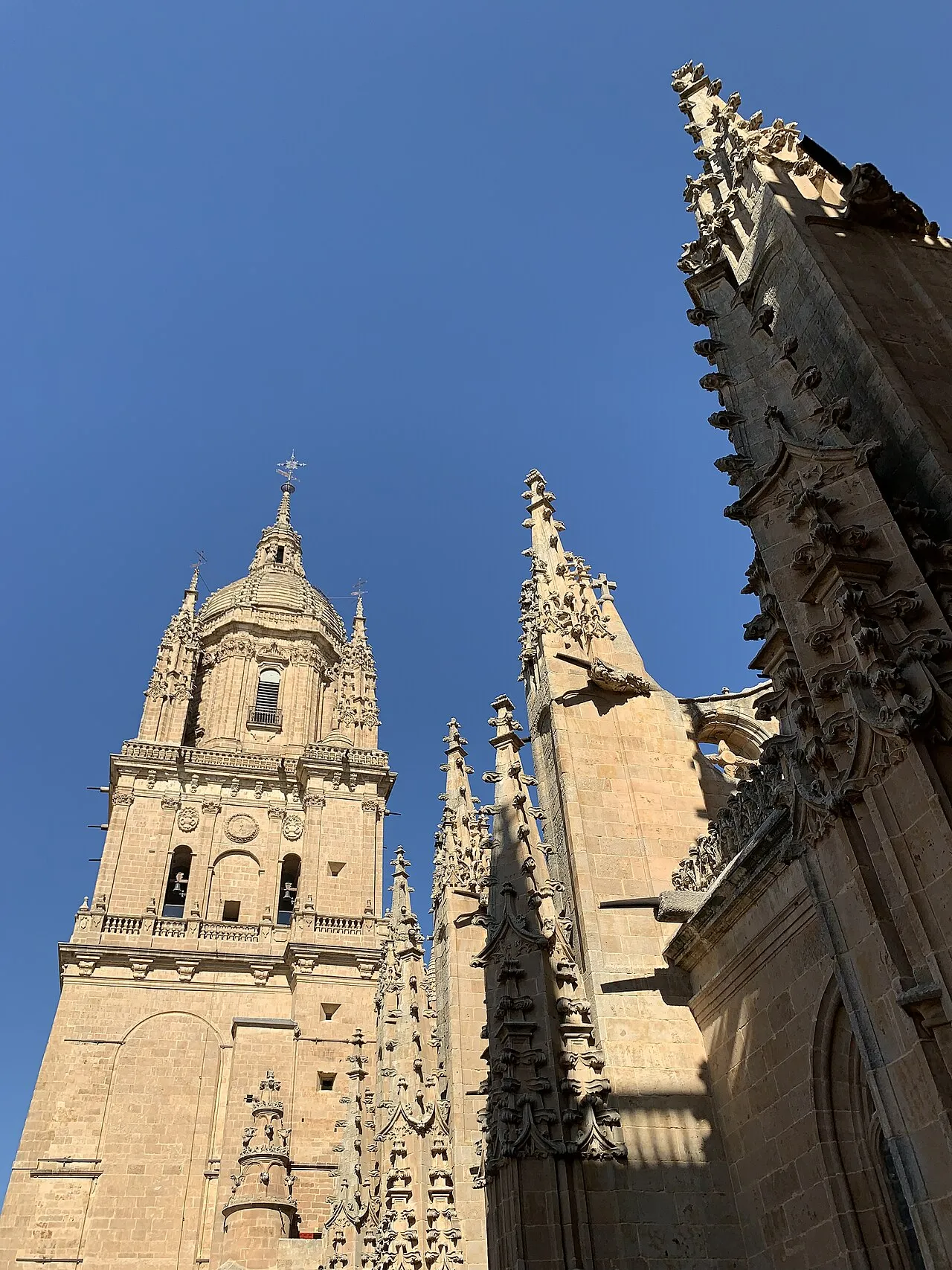
Begun in 1513 and finished in 1733: Gothic when Italy had spent almost a century building in the Renaissance, and by decision, not by delay. On an archivolt of the Puerta de Ramos there is an astronaut and a dragon eating an ice cream, carved by the stonemason Miguel Romero in the 1992 restoration as a trade signature.

🎧 The two cathedrals and the Salamanca of the Tormes📍 View on Google Maps
5Old Cathedral

Old Cathedral

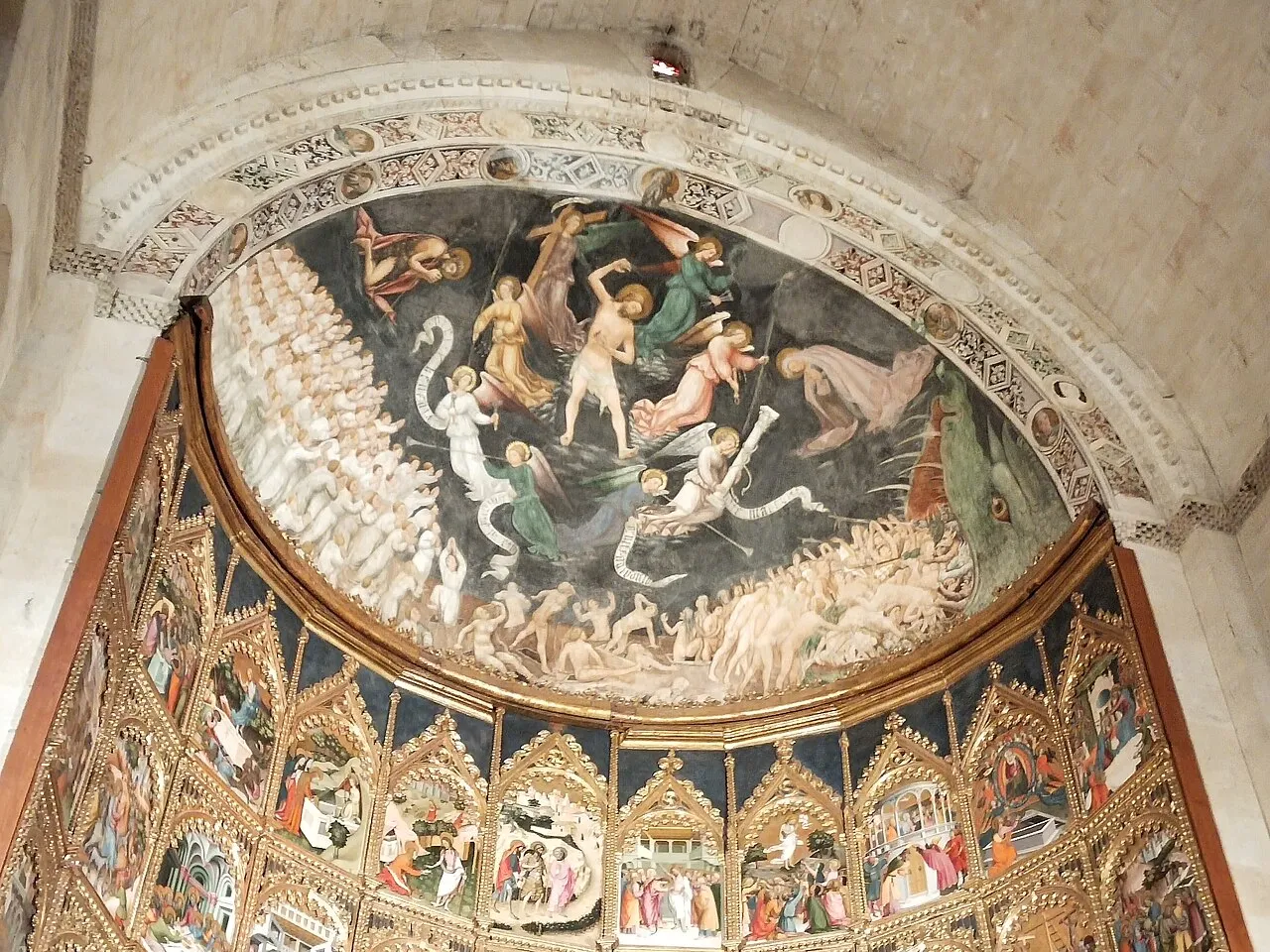
You enter down a few steps from the new one and the change is abrupt: twelfth-century Romanesque, lower and denser. It holds an altarpiece of fifty-three panels by Nicolás Florentino and a Last Judgement in the apse. Its crossing tower, the Torre del Gallo, covered in stone scales, has its closest relatives in Zamora and in Toro.

🎧 The two cathedrals and the Salamanca of the Tormes📍 View on Google Maps
6House of Shells

House of Shells

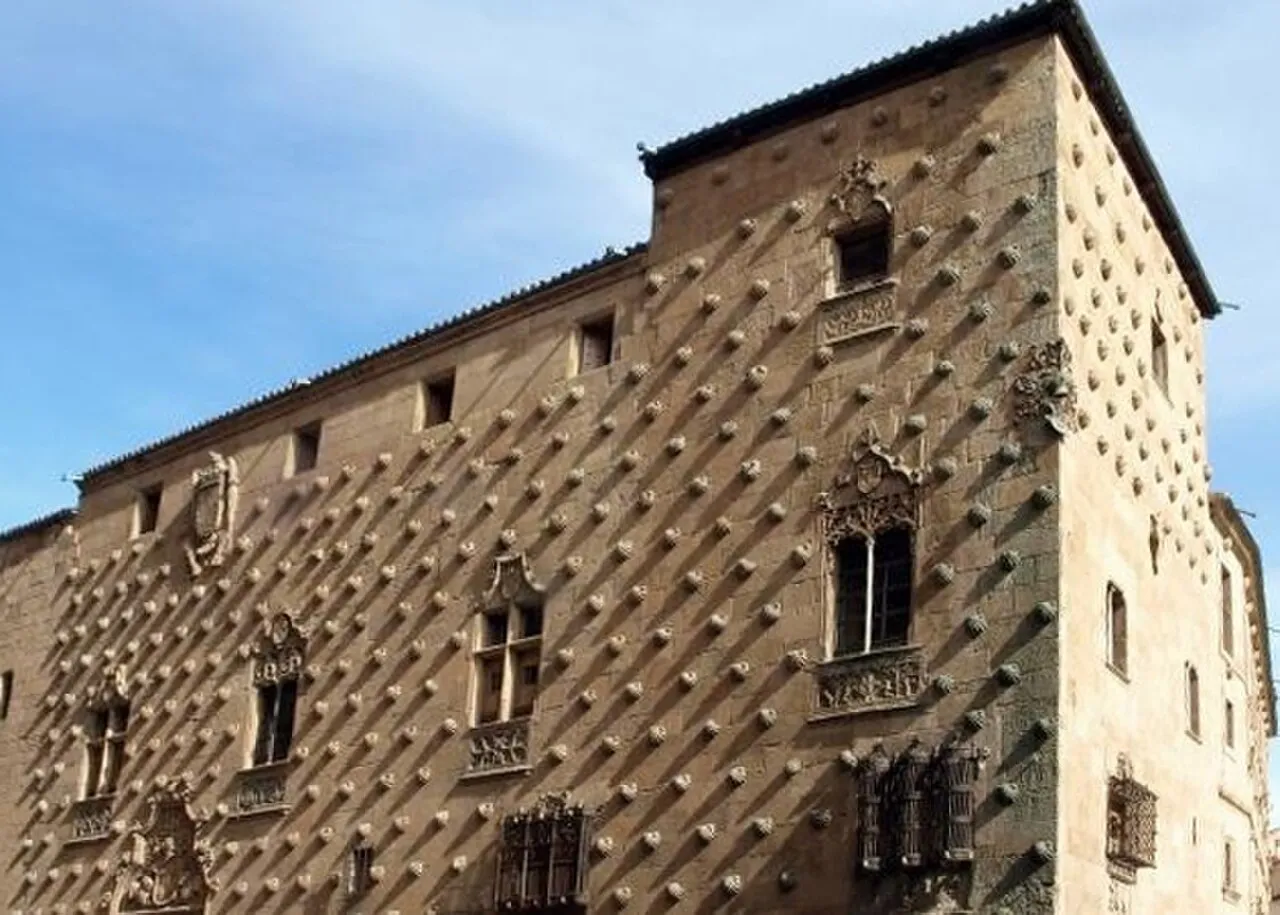
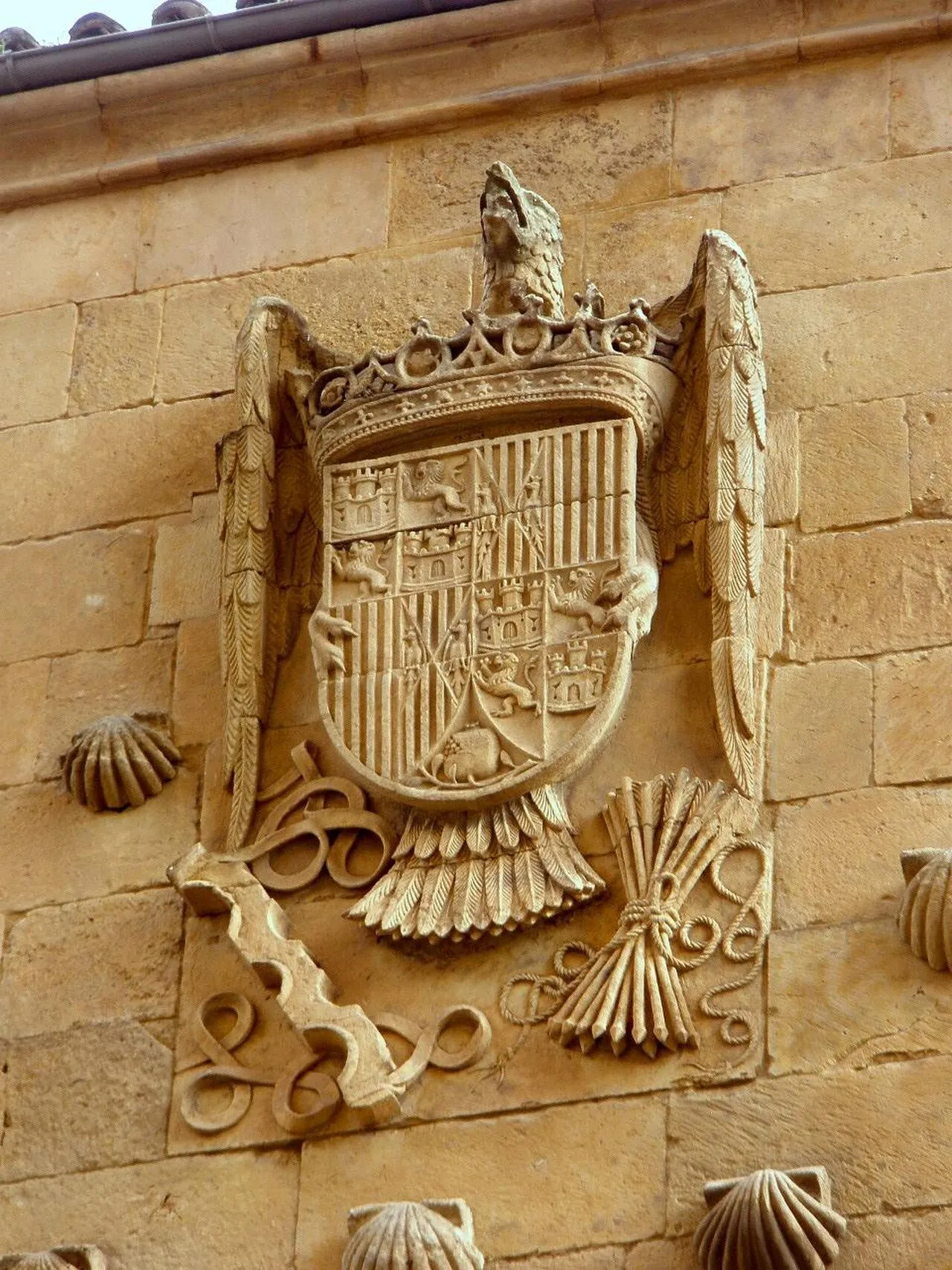
More than three hundred stone scallops fixed to the façade, emblem of the Order of Santiago to which the patron belonged. They are not alike: they vary in size and relief because different stonemasons carved them. There is a legend about a gold ounce hidden under one of them, and attempts to check it have caused real damage. Today it is a public library and entry is free.

🎧 The Plaza Mayor, La Clerecía and the House of Shells📍 View on Google Maps
7Real Clerecía de San Marcos

Real Clerecía de San Marcos

A Jesuit college raised between 1617 and well into the eighteenth century, so it begins in restrained Baroque and ends in Baroque unleashed. Its greatest draw today is Scala Coeli, the route that climbs through the high tribunes and the inside of the dome to the belfries: the best view of the old town.

🎧 The Plaza Mayor, La Clerecía and the House of Shells📍 View on Google Maps
8Convent of San Esteban

Convent of San Esteban

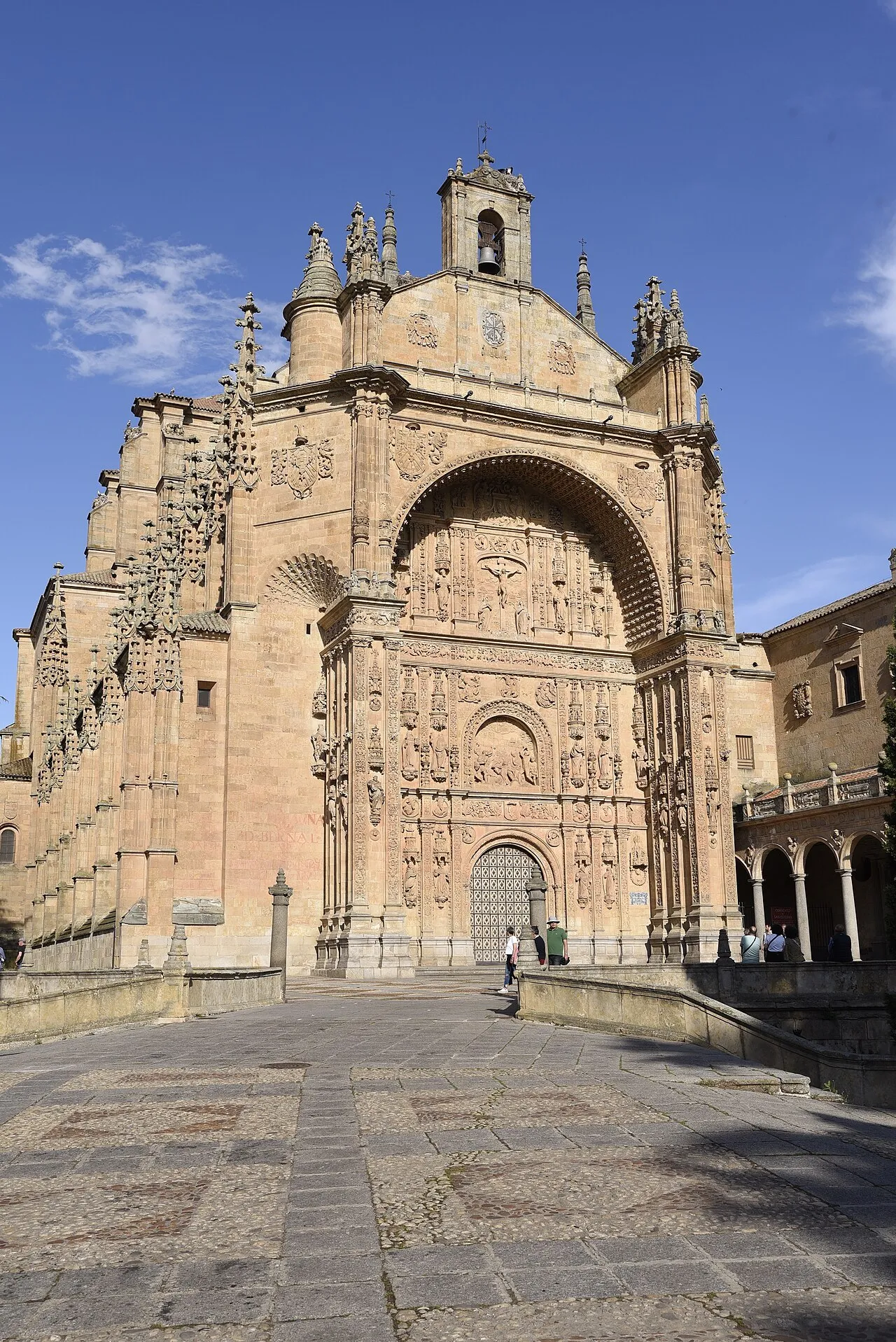
Its thirty-metre Plateresque façade is one of the summits of the Spanish Renaissance. Here Columbus found the support of friar Diego de Deza when the commission of experts had rejected him, and rightly: he had miscalculated the Earth's circumference. And here Francisco de Vitoria taught.

🎧 San Esteban, Las Dueñas and convent Salamanca📍 View on Google Maps
9Ieronimus, the Towers

Ieronimus, the Towers

The route through the heights of the two cathedrals, walking along the service passages opened within the thickness of the walls, the tribunes and the wall-walks. You see the vaults close up and the whole city from the terraces. Every 31 October someone climbs with a pipe to give thanks that the building withstood the 1755 earthquake.

🎧 The two cathedrals and the Salamanca of the Tormes📍 View on Google Maps
10Monterrey Palace

Monterrey Palace

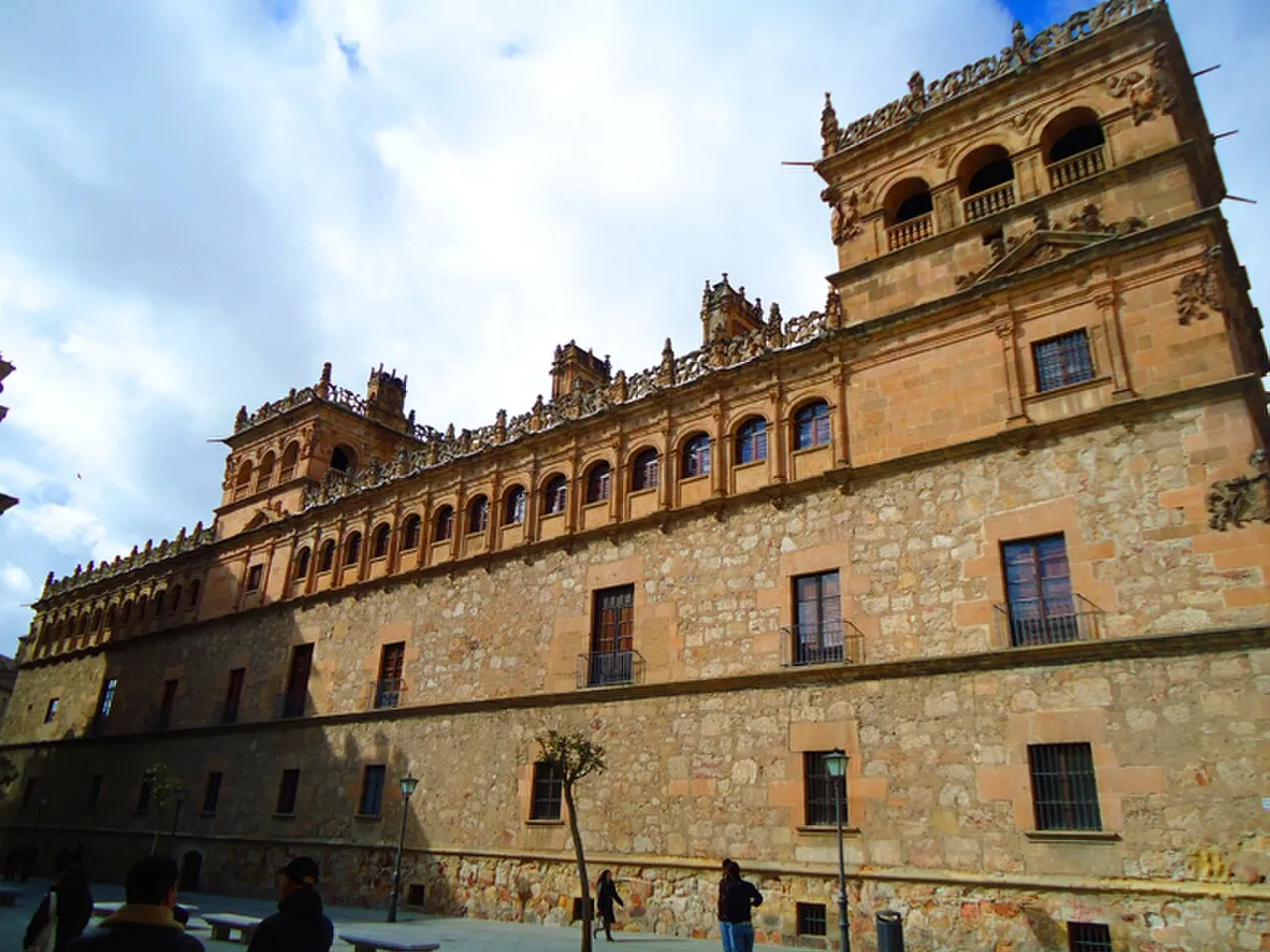
The most influential Renaissance palace in Spain, and only a quarter of the design was built. That fragment — solid lower body, openwork upper gallery and a cresting of chimneys treated as little temples — became the model copied by dozens of Castilian palaces. It was designed by Rodrigo Gil de Hontañón.

🎧 Palaces, squares and noble Salamanca📍 View on Google Maps
11Convent of Las Dueñas

Convent of Las Dueñas

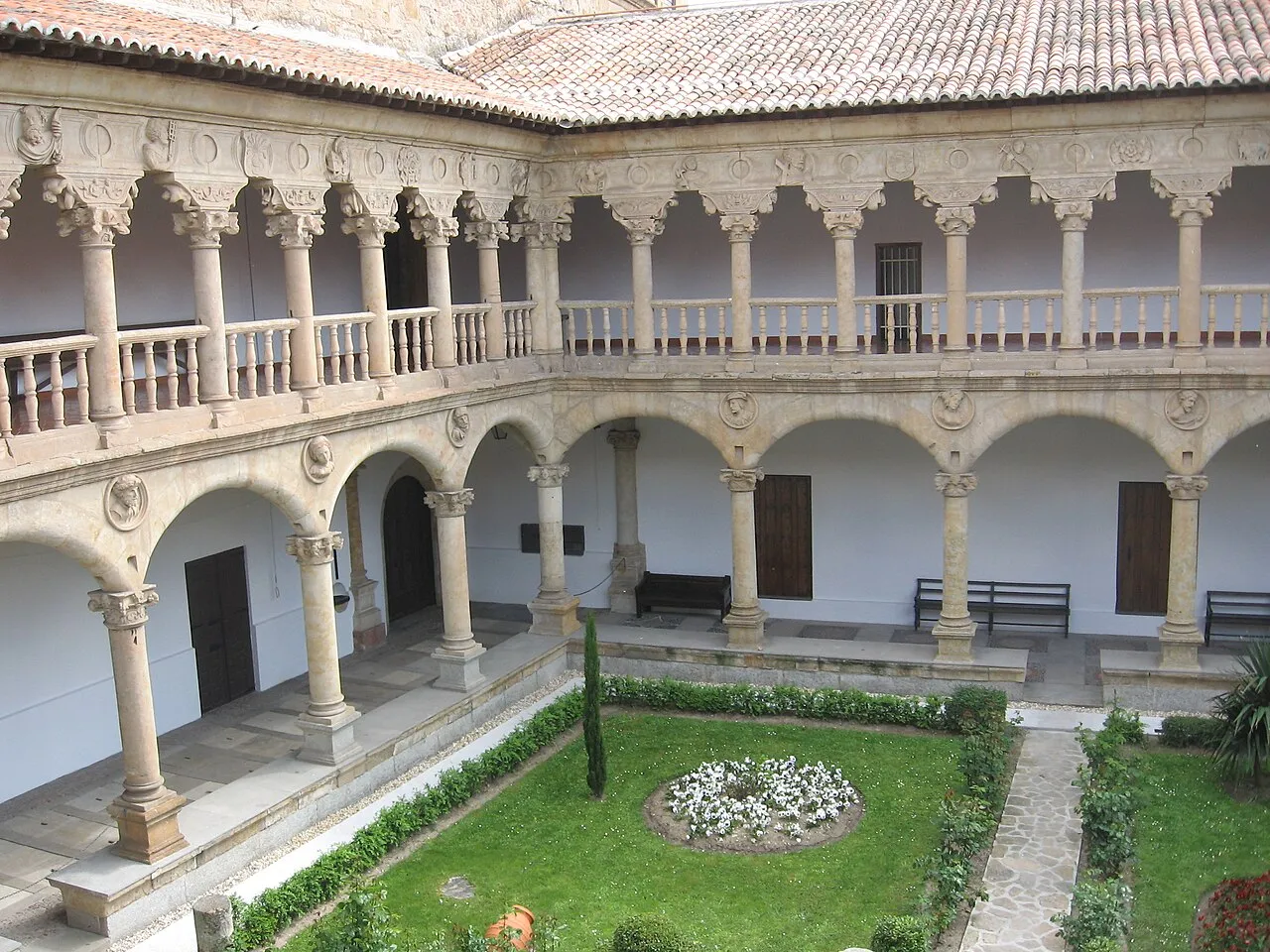
A cloister of irregular, almost pentagonal plan, with capitals carved one by one in the upper gallery: monsters, mermaids, skulls and deformed faces, and not one is repeated. The irregularity comes from having had to fit it into a pre-existing palace. The enclosed Dominican nuns sell sweets through a turntable.

🎧 San Esteban, Las Dueñas and convent Salamanca📍 View on Google Maps
12Garden of Calixto and Melibea

Garden of Calixto and Melibea

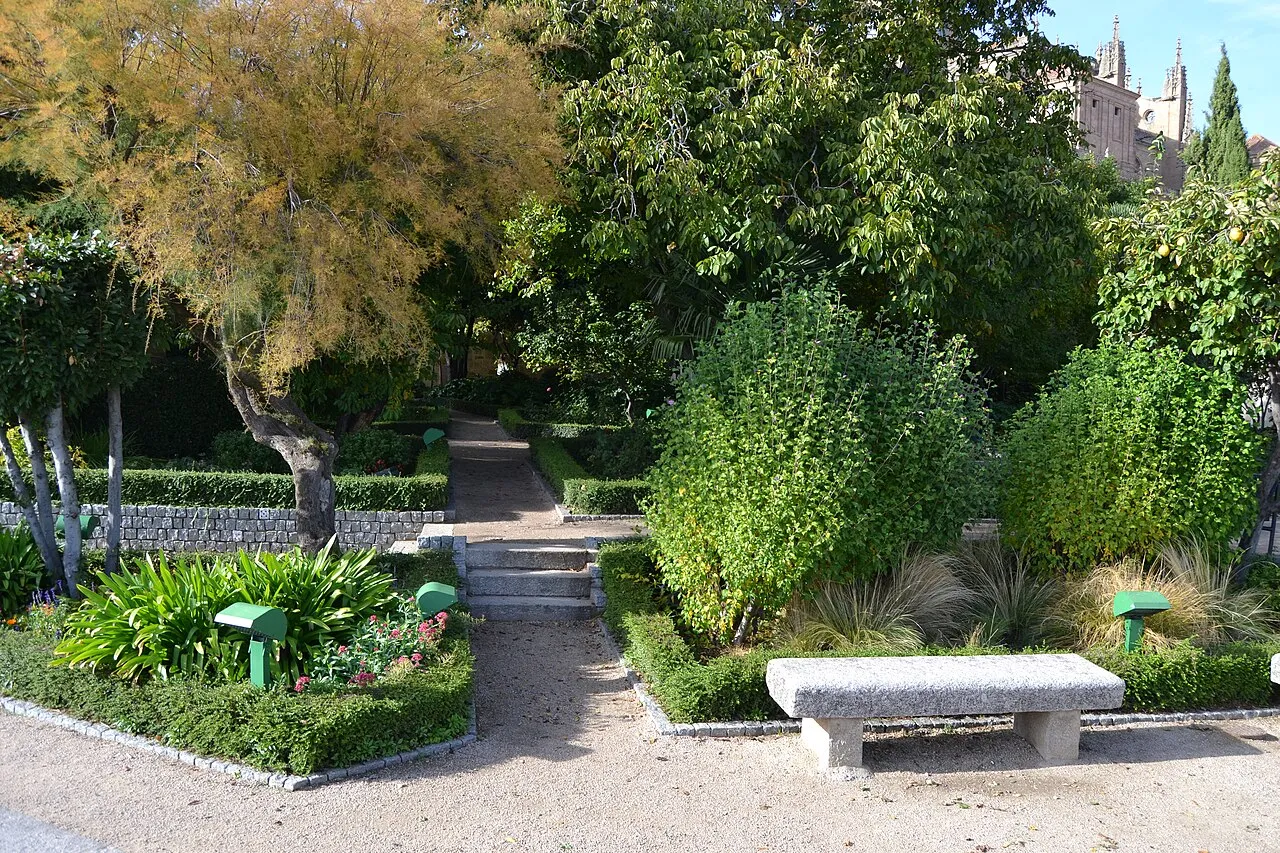
A terraced garden resting on the wall, looking out over the Tormes, that bears the name of the protagonists of «La Celestina», written by Fernando de Rojas while he was studying here. It is the quietest place in the old town, five minutes from the cathedrals, and where the students of the city sit and read.

🎧 The two cathedrals and the Salamanca of the Tormes📍 View on Google Maps
13Casa Lis

Casa Lis

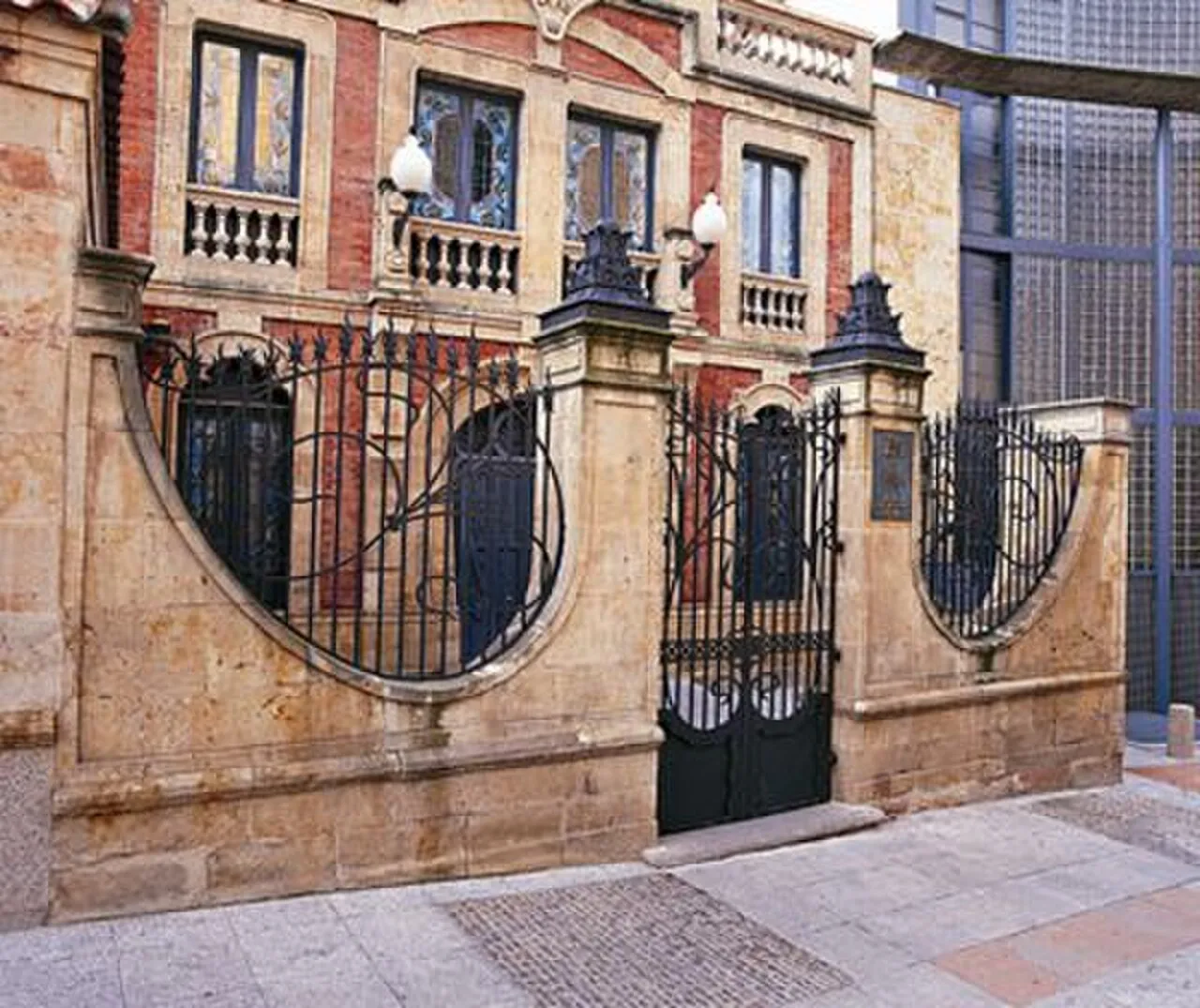
Art nouveau of 1905 resting on the wall: two storeys on the old-town side and five on the river side, with the whole southern façade resolved in coloured glass. It houses the Museum of Art Nouveau and Art Deco, with glass by Lalique and Gallé and a collection of porcelain dolls among the finest in Europe.

🎧 The two cathedrals and the Salamanca of the Tormes📍 View on Google Maps
14Roman Bridge

Roman Bridge

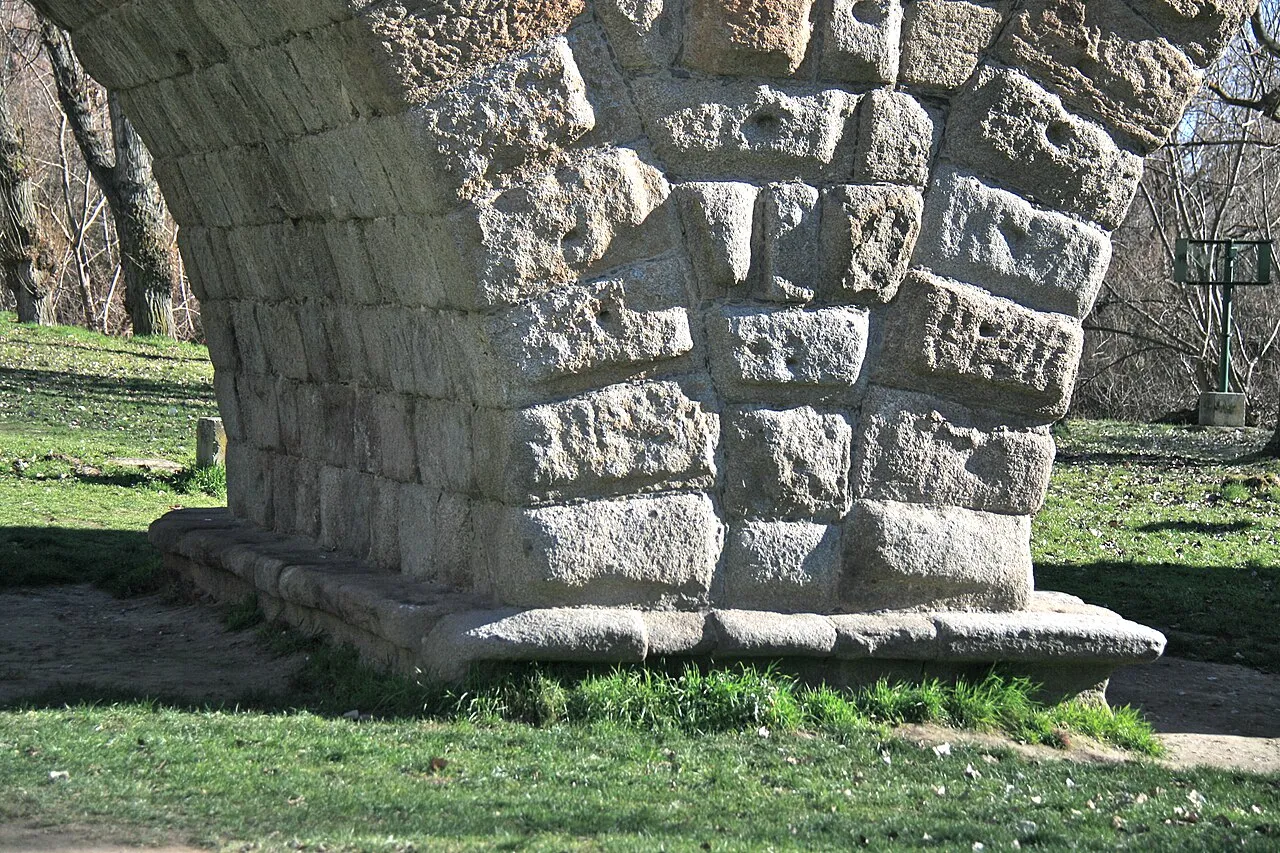
It has crossed the Tormes for two thousand years and is the reason the city is here: it formed part of the Vía de la Plata. Fifteen of its arches are original Roman ones; the rest were rebuilt after the flood of 1626, which swept away the suburbs. Crossing it fully and turning round gives the classic silhouette of Salamanca.

🎧 The two cathedrals and the Salamanca of the Tormes📍 View on Google Maps
15Patio de Escuelas

Patio de Escuelas

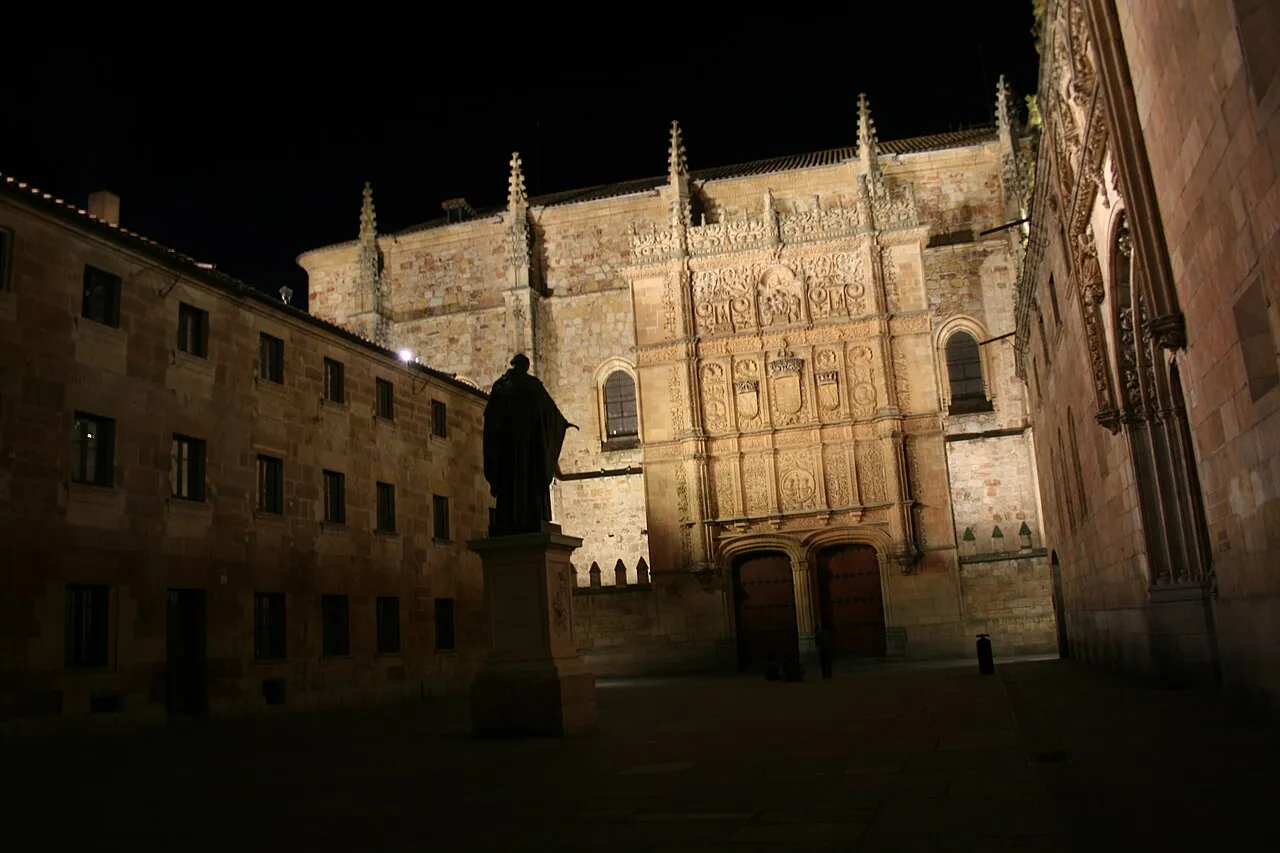
The square that concentrates the university complex, with the Plateresque façade on one side, the Escuelas Menores opposite and Fray Luis de León at the centre. On the walls, the vítores: red inscriptions that celebrated doctorates, painted with bull's blood mixed with oil, at the candidate's expense.

🎧 The University and the Schools: the golden stone of learning📍 View on Google Maps

Walking tours in Salamanca

🎧 Palaces, squares and noble Salamanca · San Esteban, Las Dueñas and convent Salamanca · The Plaza Mayor, La Clerecía and the House of Shells · The two cathedrals and the Salamanca of the Tormes · The University and the Schools: the golden stone of learning

Frequently asked questions

How many days do you need to see Salamanca?

Two days cover the essentials at a calm pace: one for the Plaza Mayor, the university complex and the two cathedrals, and another for the convent district to the east, the palaces to the north and the descent to the river. The old town is flat and compact, and it is all covered on foot. With a single day you have to choose.

Where is the University frog?

On the Plateresque façade in the Patio de Escuelas, on the right-hand pilaster of the lower tier, perched on a skull. It is tiny and hard to find unaided, which has turned the search into a student tradition. Its original meaning was a moral warning: frog and skull were symbols of lust and death.

And the astronaut?

In the New Cathedral, on an archivolt of the Puerta de Ramos, the one giving onto the square, to the left and fairly high up. It was carved by the stonemason Miguel Romero in the 1992 restoration, following the trade tradition of signing interventions with a recognisable contemporary element. Nearby there is a dragon eating an ice cream.

Why is the stone golden?

Because the whole city is built of Villamayor sandstone, quarried a few kilometres away. It comes soft out of the quarry, which made the detail of the Plateresque possible, and on contact with the air the iron it contains oxidises, forming a crust that protects it and gives it that tone, which changes with the sun through the day.

Is Ieronimus worth doing?

Very much so. It is a route through the heights of the two cathedrals, walking along the service passages opened within the thickness of the walls, with views of the vaults from above and of the city from the terraces. It lasts a long hour, it is not a continuous climb and the ticket is separate from that for the cathedrals.

What do people eat in Salamanca?

Iberian cured meats from Guijuelo, which is in the province, and above all ham; hornazo, a pie filled with pork loin, chorizo and egg eaten mainly on Lunes de Aguas; chanfaina; and for dessert, chochos and bollo maimón. To drink, wines from the DO Sierra de Salamanca or from Arribes.
Salamanca on the map

The 15 must-sees, point by point.

🎧 With Viavoy

Walk Salamanca and listen at your own pace

Download Viavoy and walk Salamanca offline, whenever you like.

from 2,99 €· one-off payment
City Pass · 9,99 €3 days, all the tours in Salamanca
Find out more about Viavoy →
Viavoy app

In the Magazine

Keep discovering Salamanca

Food & drink

Eating in Salamanca: ibérico, hornazo and Lunes de Aguas

Neighbourhoods

Noble Salamanca: palaces, skulls and a war of factions

Viewpoints

The Tormes and the viewpoints: Salamanca at sunset

Monuments

The Plaza Mayor of Salamanca: a square that was a bullring