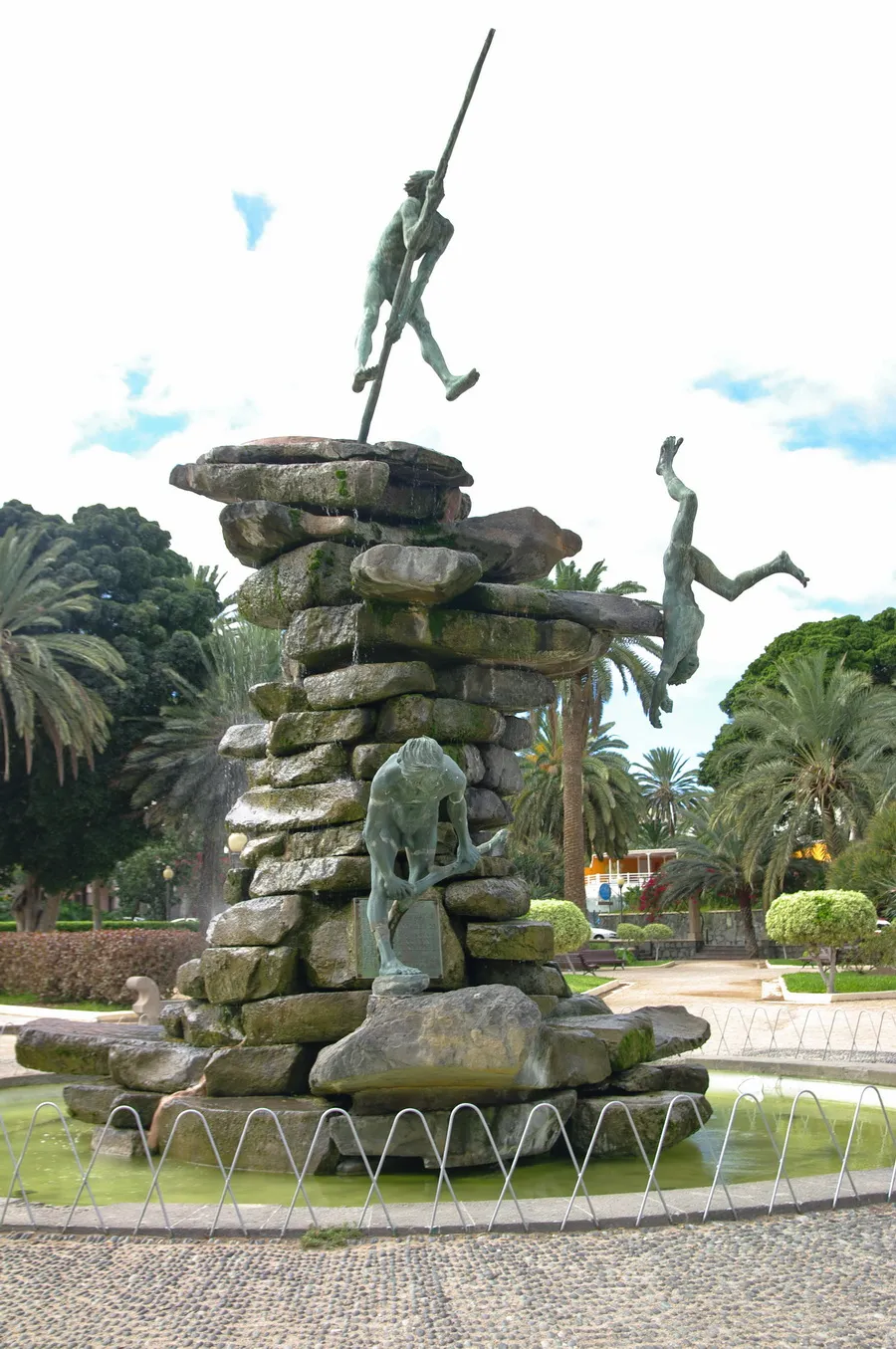
Las Palmas
Las Palmas · What to see

What to see in Las Palmas de Gran Canaria: the 15 essentials

A founding district of 1478, the largest collection of Canarian mummies in the world, three kilometres of beach inside the city and a traditional village that was in fact invented by a painter.

Las Palmas is two cities side by side and very different. To the south, Vegueta and Triana: the district the Castilians founded in 1478, with the cathedral of the Canaries, the house where Galdós was born, a museum holding hundreds of skulls of the ancient Canarians and a shopping street with modernista fronts paid for first by an insect and then by the banana. To the north, the isthmus of the port: three kilometres of urban beach protected by a natural reef, a concert hall with a window onto the Atlantic behind the orchestra and the oldest fortress in the archipelago, which today has been left inland because the port itself took its sea away.

The 15 must-sees

1Las Canteras Beach

Las Canteras Beach

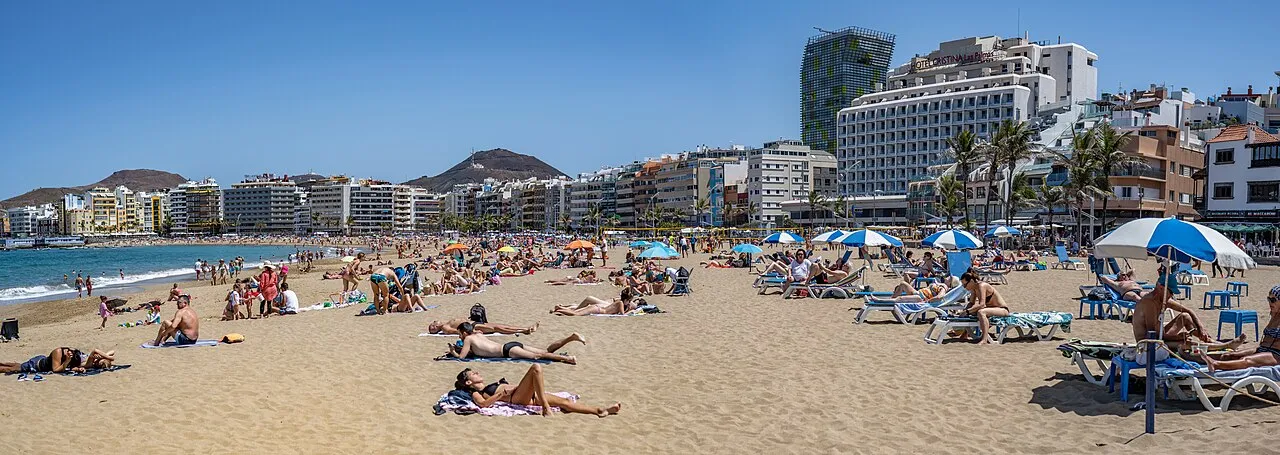
More than three kilometres of very fine sand inside the city, with a secret that makes it unique: a submerged reef called La Barra breaks the swell and leaves the water like a lake. At low tide you can walk on it. And the name is literal: the stone that built half the city was taken from here.

🎧 Las Canteras beach and El Confital📍 View on Google Maps
2Plaza de Santa Ana

Plaza de Santa Ana

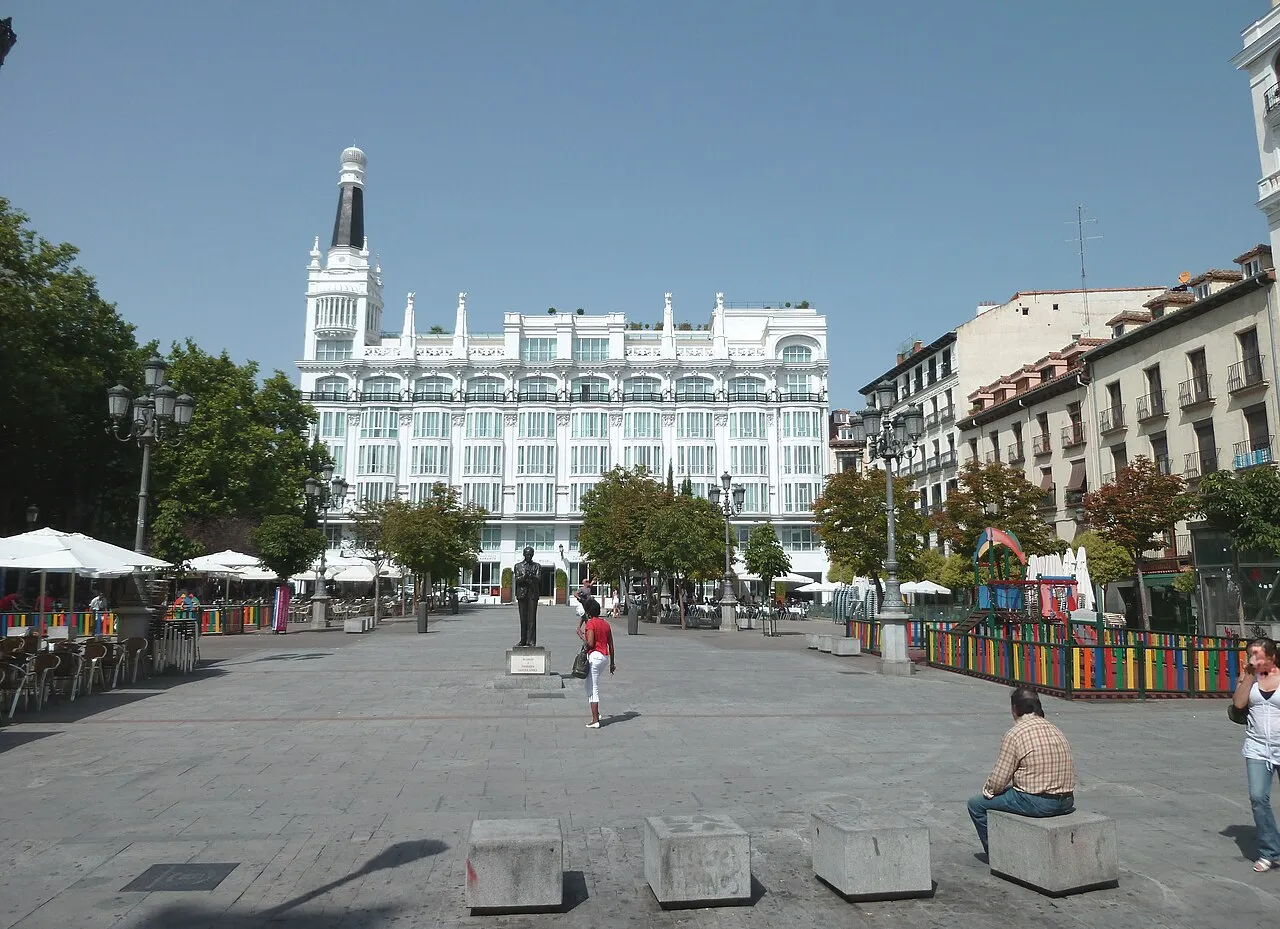
The main square of Vegueta, laid out in 1478 with the cathedral at one end and the town hall at the other. That scheme later crossed the Atlantic and was repeated in dozens of cities in America: it is, in a way, a mother square. In front, eight bronze dogs, from the Latin etymology of «Canarias».

🎧 Vegueta: the Cathedral, Columbus and the founding quarter📍 View on Google Maps
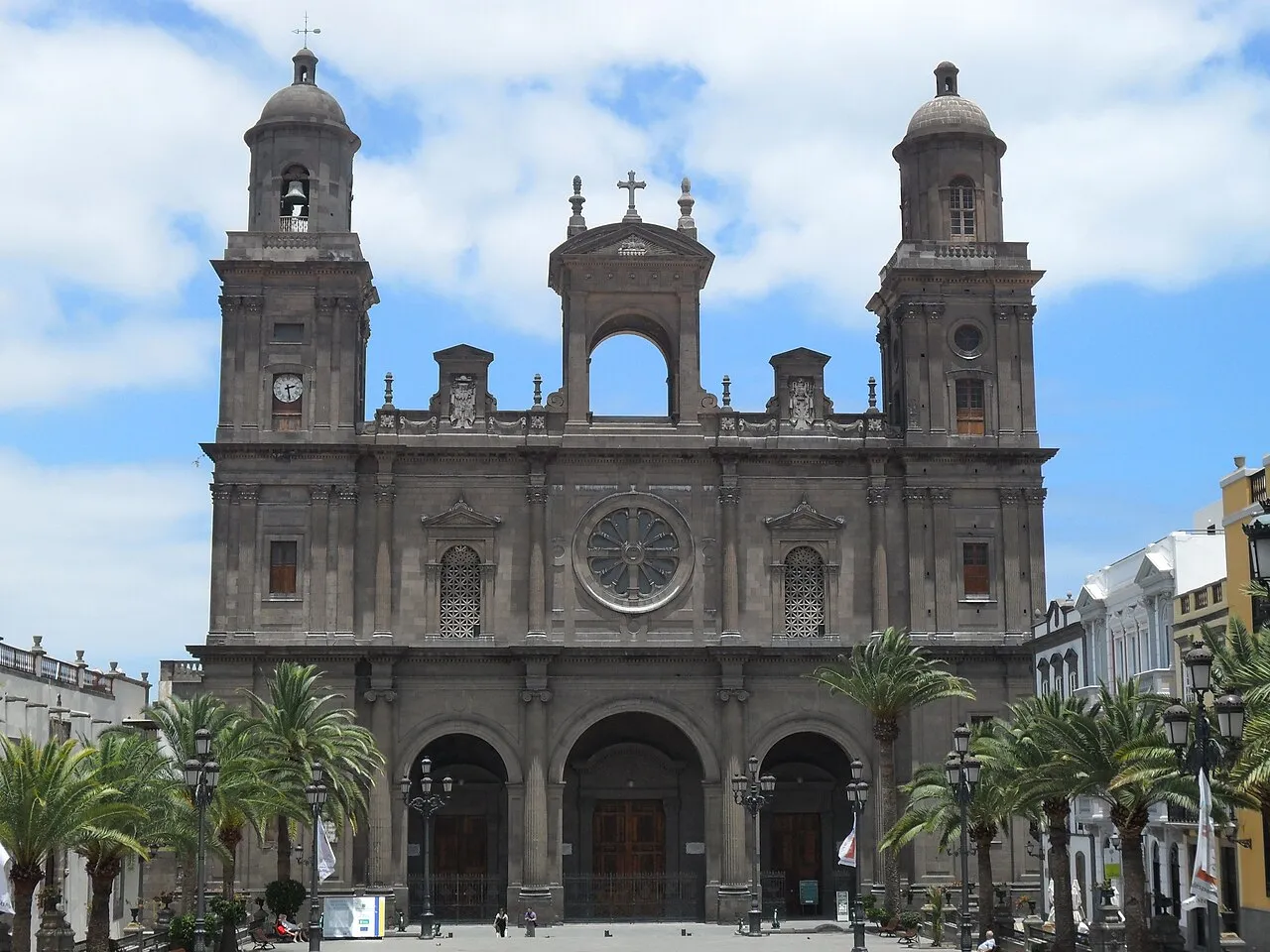
3Santa Ana Cathedral

Santa Ana Cathedral

The cathedral of the whole archipelago, and the building that took longest to make: it was begun around 1500 and not finished until the nineteenth century. Inside it is Gothic, with columns that open above like stone palm trees; outside, neoclassical. There is a lift to the tower and the best view of the district.

🎧 Vegueta: the Cathedral, Columbus and the founding quarter📍 View on Google Maps
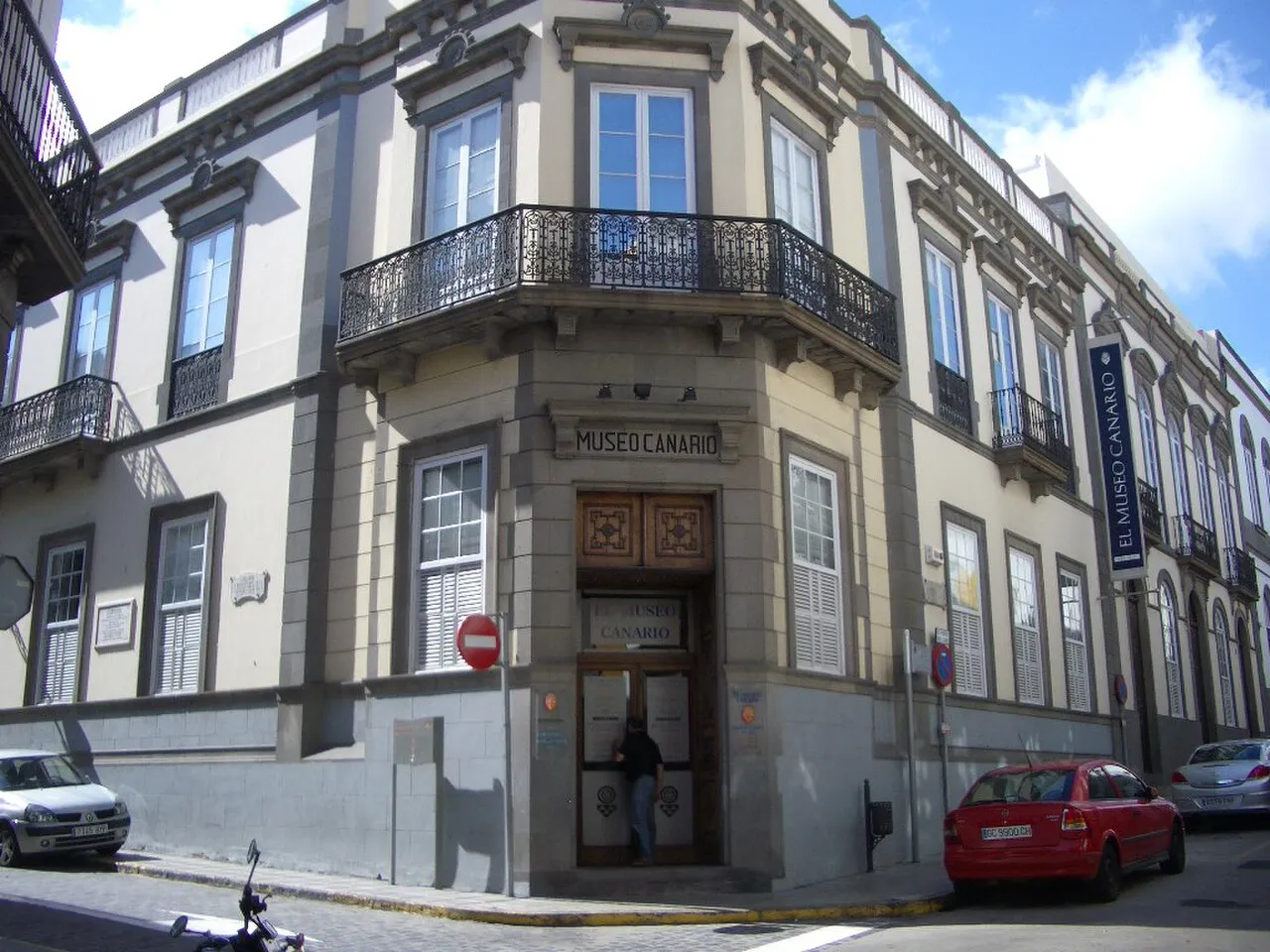
4El Museo Canario

El Museo Canario

It holds the largest collection in the world of remains of the ancient inhabitants of Gran Canaria: hundreds of skulls, mummies, idols and pintaderas. It was founded in 1879 by a doctor, Gregorio Chil, whose book on the origin of the islands ended up on the Church's Index of forbidden books. It impresses and it moves you.

🎧 Vegueta: the Cathedral, Columbus and the founding quarter📍 View on Google Maps
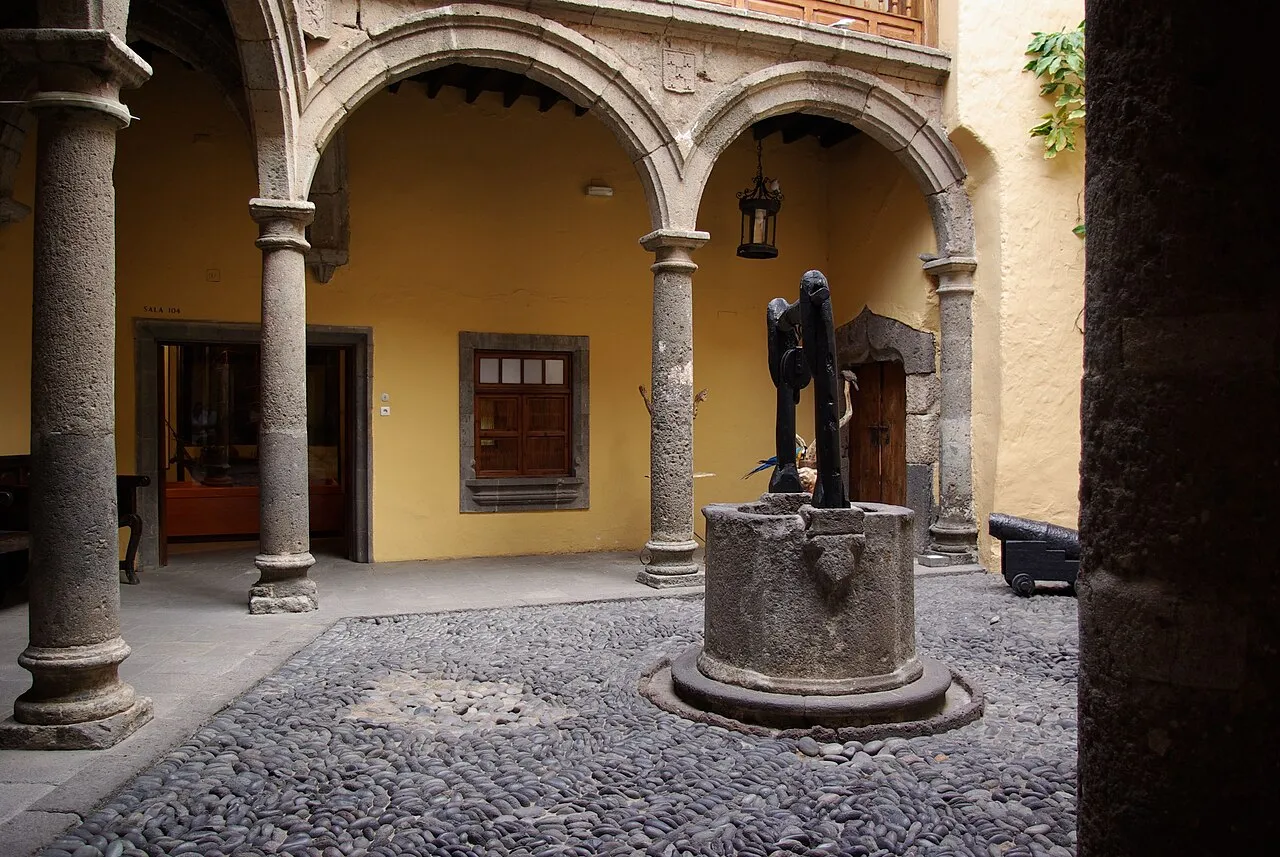
5Columbus House

Columbus House

The Casa del Gobernador, the governor's house, with shaded courtyards and Mudéjar coffered ceilings. Tradition says Columbus stayed here in 1492; there is no document to prove it, but the stopover did happen: they repaired the Pinta's rudder and changed the Niña's sails for square ones.

🎧 Vegueta: the Cathedral, Columbus and the founding quarter📍 View on Google Maps
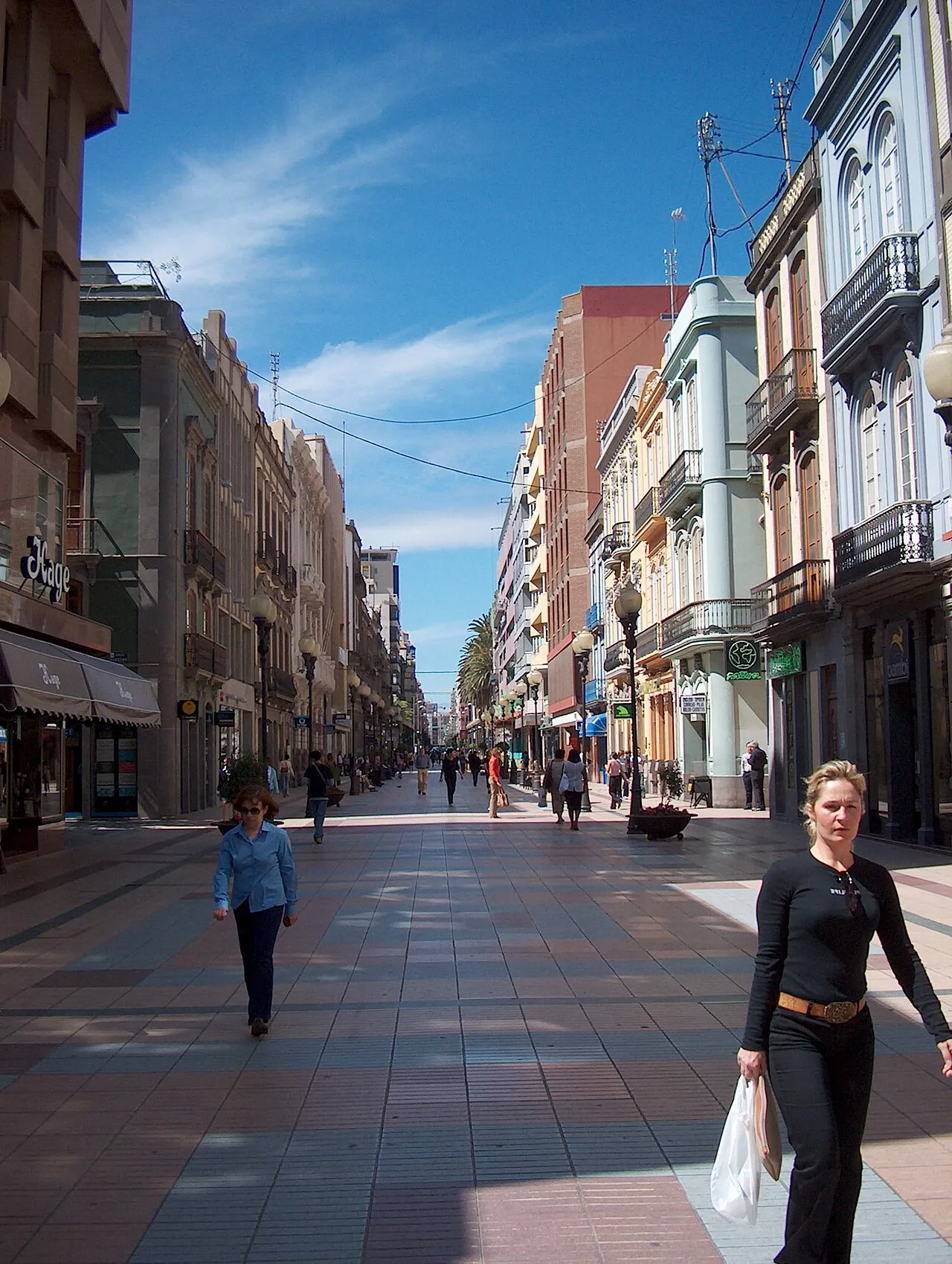
6Calle Mayor de Triana

Calle Mayor de Triana

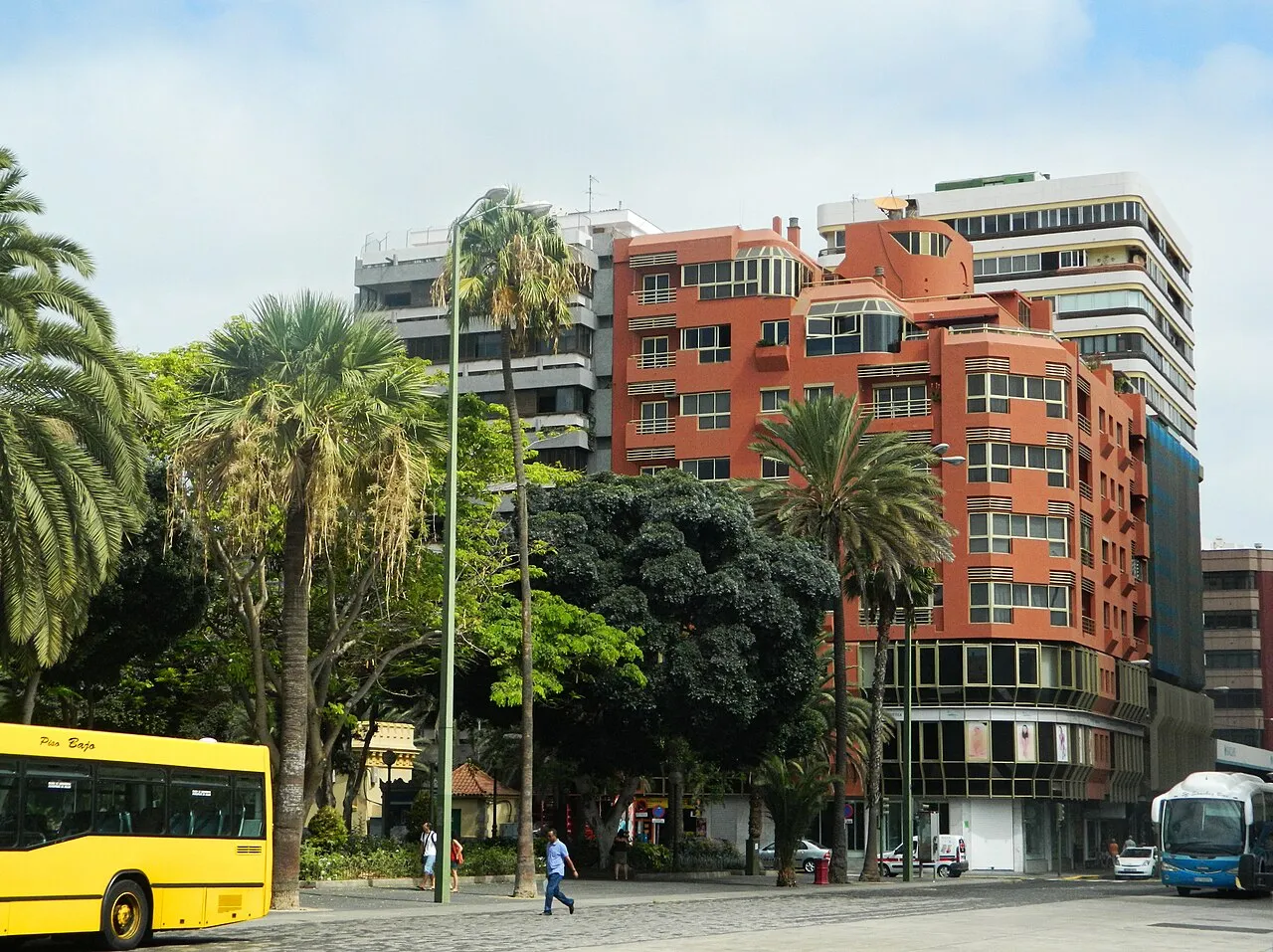
The island's shopping artery, and an open-air modernista museum if you lift your eyes above the shop windows: glazed balconies, mouldings, corner domes. It was paid for first by cochineal, an insect of the prickly pear from which a very expensive red dye was drawn, and then by the banana.

🎧 Triana, the Theatre and the Gran Canaria of Galdós📍 View on Google Maps
7Alfredo Kraus Auditorium

Alfredo Kraus Auditorium

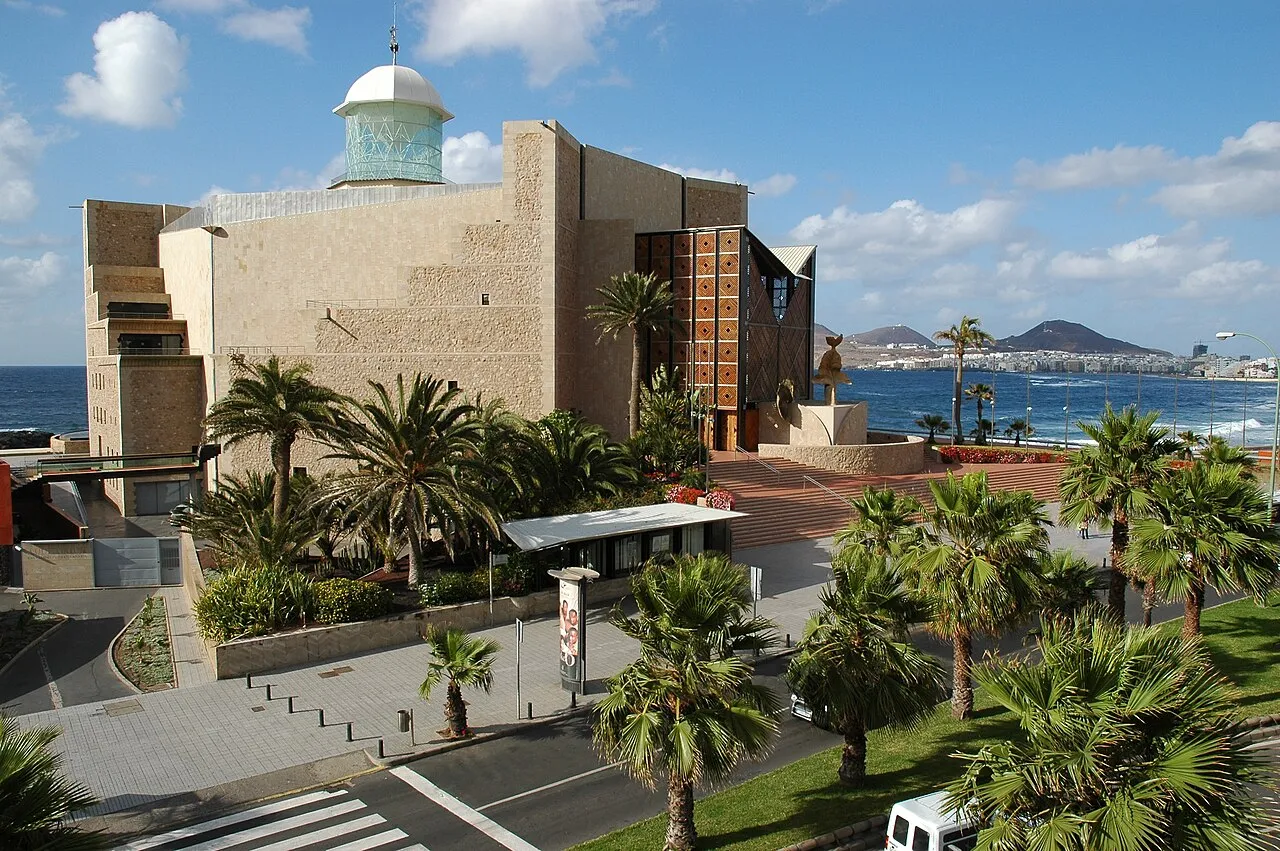
Óscar Tusquets conceived it as a sea wall in the shape of a fortress, closing the beach at its southern end, and the waves burst against its base. Inside, behind the orchestra, a window of a hundred square metres opens onto the Atlantic: the audience sees the ocean at the back of the stage, with the ships going by.

🎧 Las Canteras beach and El Confital📍 View on Google Maps
8Pérez Galdós Theatre

Pérez Galdós Theatre

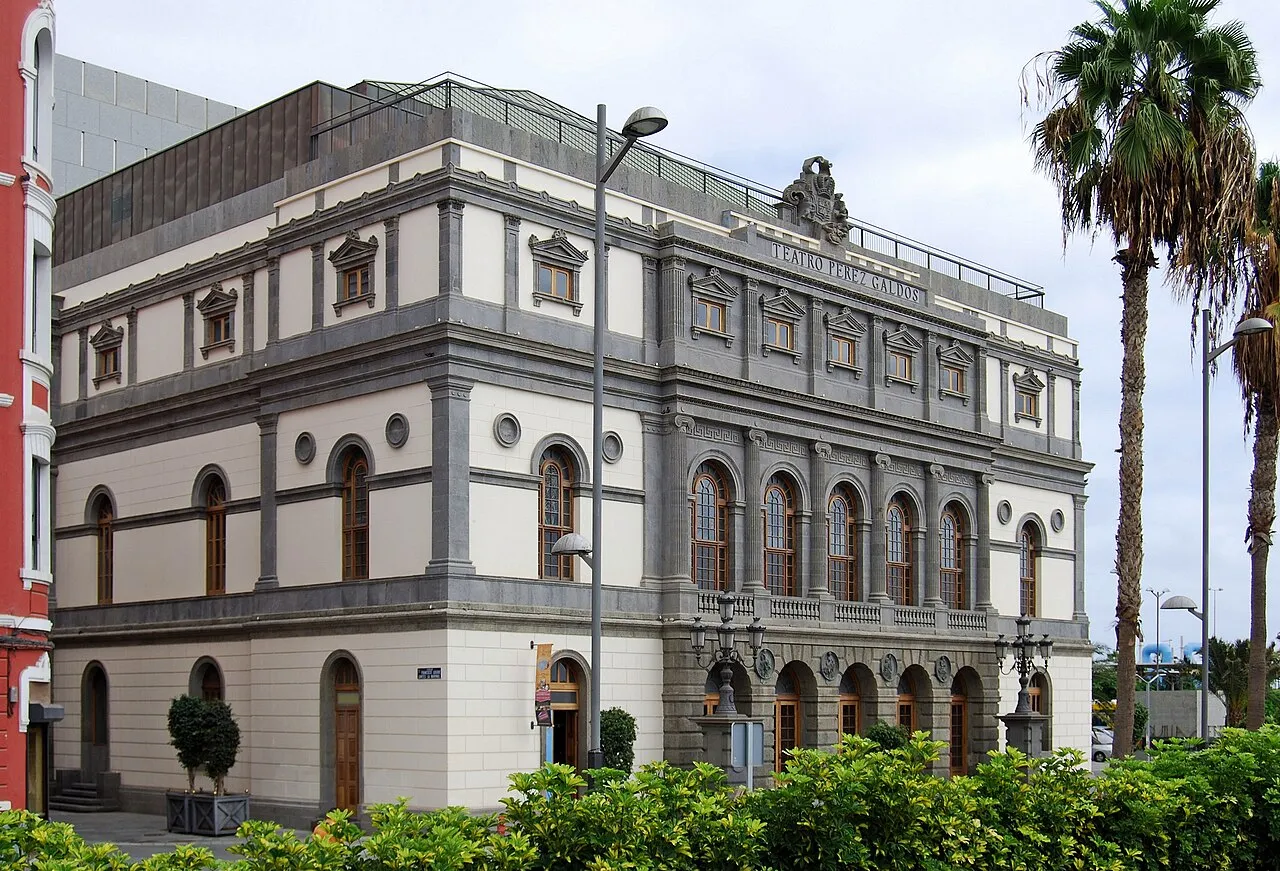
Opened in 1890 with La Traviata, it burned out completely inside in 1918 and was rebuilt by 1928. And there is the jewel: the interior decoration — frescoes, modernista stained glass and the canvases of the Saint-Saëns salon — was signed by the painter Néstor Martín-Fernández de la Torre. None of it can be seen from the street.

🎧 Triana, the Theatre and the Gran Canaria of Galdós📍 View on Google Maps
9La Luz Castle

La Luz Castle

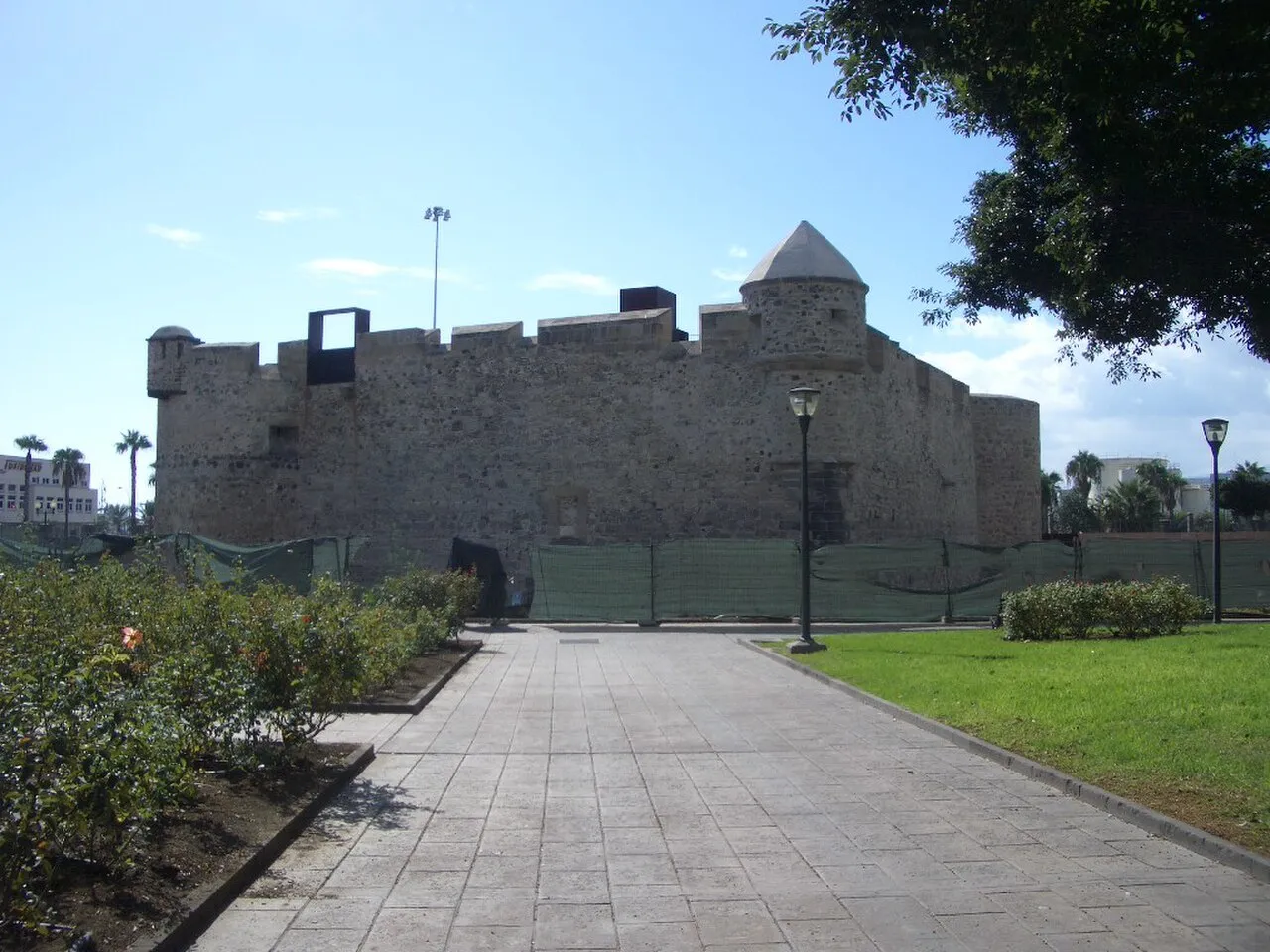
The oldest fortress in the Canaries, a stone tower of 1494 on top of a fort of 1478. It turned back the squadron of Drake and Hawkins in 1595, and its name comes from that victory. It defended the seashore, but the port took so much land from the water that today it has been left inland.

🎧 Santa Catalina, the port and the Castle of the Light📍 View on Google Maps
10Pueblo Canario

Pueblo Canario

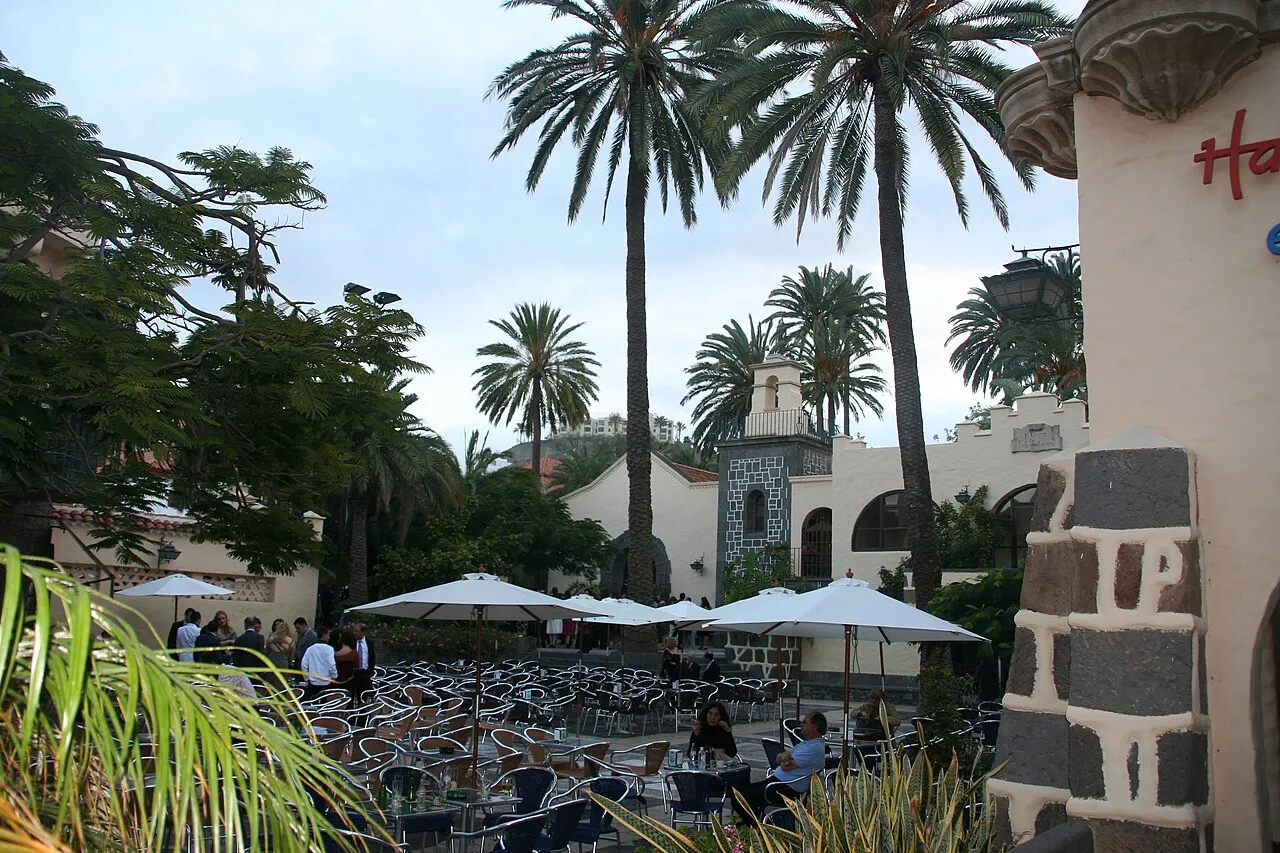
It looks like a traditional village with whitewashed walls and balconies of tea wood, and it is not: it is an invented village, conceived in 1937 by the painter Néstor and built by his architect brother. On many Sundays there are folk groups dancing isa and folía in the costumes Néstor himself designed.

🎧 Ciudad Jardín, Doramas Park and the Canarian Village📍 View on Google Maps
11CAAM

CAAM

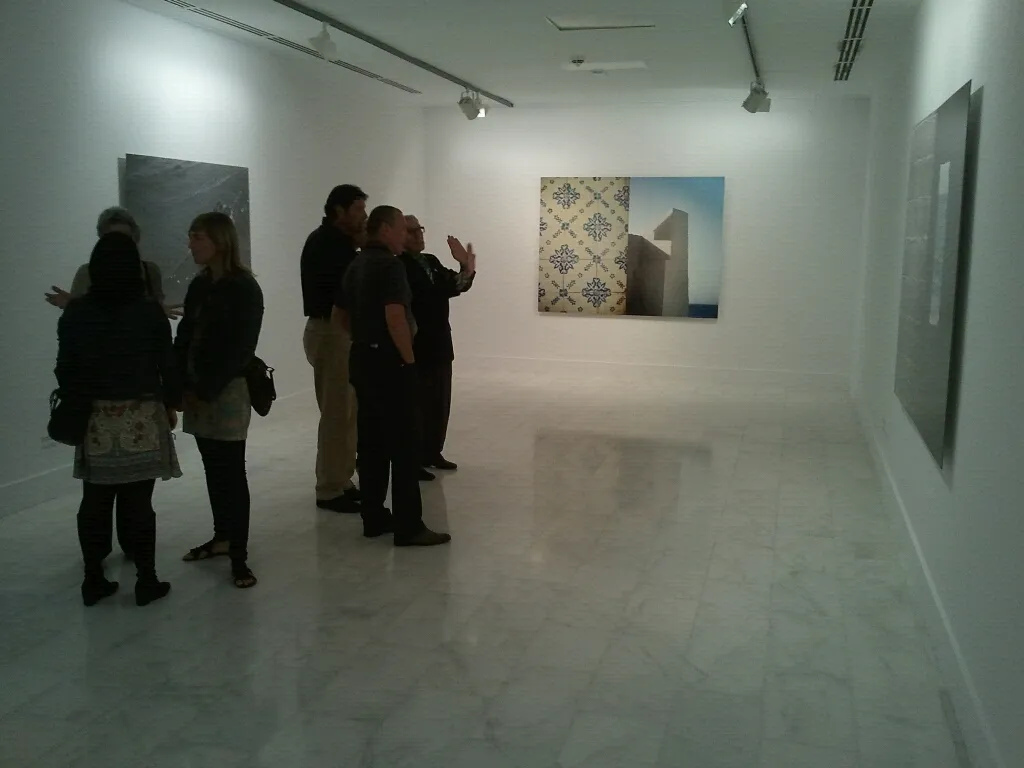
From the street it looks like an old palace; inside it is a museum of the twenty-first century. Sáenz de Oíza kept the stone fronts and gutted the interior. It was born with a tricontinental purpose: to look at art from the Atlantic, as a bridge between Europe, Africa and America. Entry is usually free.

🎧 Vegueta: the Cathedral, Columbus and the founding quarter📍 View on Google Maps
12Vegueta Market

Vegueta Market

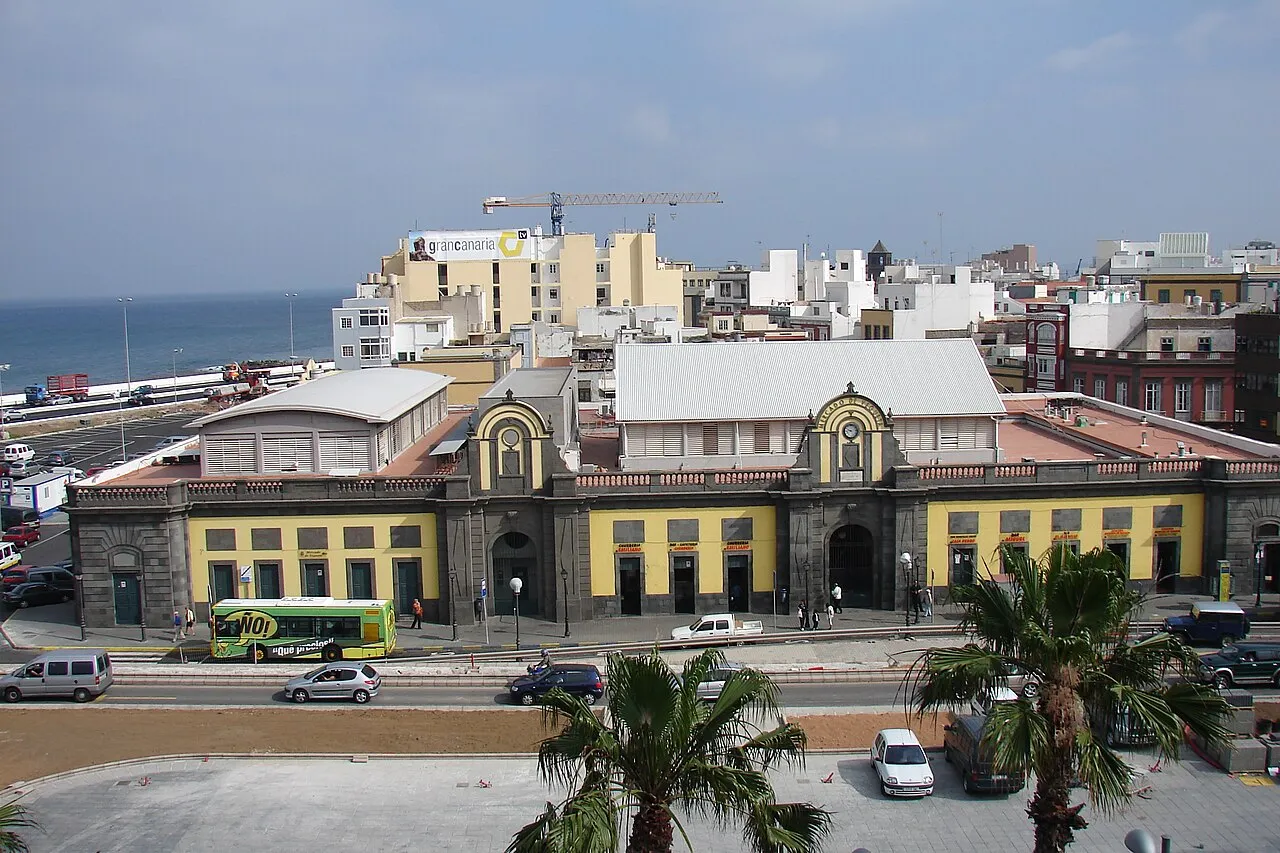
The oldest market in the Canaries, built around 1856 to take street selling off the streets. A central courtyard surrounded by passages, almost like a cloister, with the same scheme for a century and a half. Here you can try gofio, which the ancient Canarians were already eating before the conquest.

🎧 Vegueta: the Cathedral, Columbus and the founding quarter📍 View on Google Maps
13Santa Catalina Park

Santa Catalina Park

The meeting point where sooner or later everybody ends up. It was born with the port in the eighteen eighties and has always been a ferment of languages and flags. In February it becomes the stage of the Las Palmas Carnival, with its famous Drag Queen Gala, and in summer of WOMAD.

🎧 Santa Catalina, the port and the Castle of the Light📍 View on Google Maps
14Pérez Galdós House-Museum

Pérez Galdós House-Museum

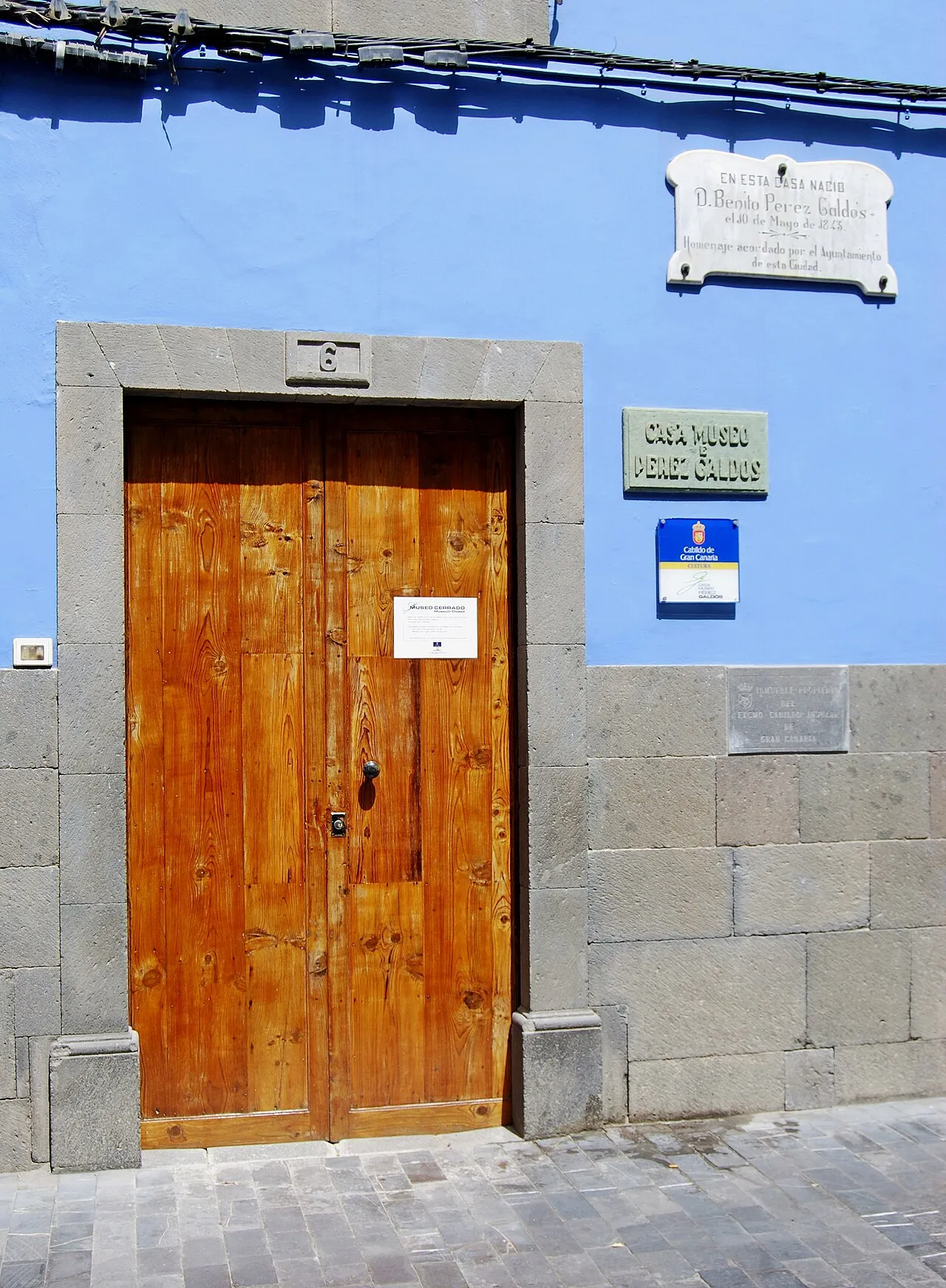
Benito Pérez Galdós was born here on 10 May 1843, the youngest of ten children, and lived here until he was nineteen, when he took ship for Madrid and hardly ever came back. It holds his furniture, his musical instruments and the study from his house in Santander, moved here piece by piece.

🎧 Triana, the Theatre and the Gran Canaria of Galdós📍 View on Google Maps
15Doramas Park

Doramas Park

The great green oasis of the centre, which until 1950 was the private garden of the English of the port. It bears the name of an aboriginal chieftain of humble origin who earned command by sheer courage and fell fighting around 1481. Among its trees there are dragon trees, which give off a red resin if they are wounded.

🎧 Ciudad Jardín, Doramas Park and the Canarian Village📍 View on Google Maps

Walking tours in Las Palmas

🎧 Ciudad Jardín, Doramas Park and the Canarian Village · Las Canteras beach and El Confital · Santa Catalina, the port and the Castle of the Light · Triana, the Theatre and the Gran Canaria of Galdós · Vegueta: the Cathedral, Columbus and the founding quarter

Frequently asked questions

How many days do you need for Las Palmas?

Two full days cover the city well. One for Vegueta and Triana — the cathedral, El Museo Canario, the Casa de Colón, the CAAM, the Teatro Pérez Galdós and the Calle Mayor — and another for the northern zone: the port, the Castillo de la Luz, Ciudad Jardín with the Pueblo Canario and Las Canteras beach. In one day you can see the essentials, but in a hurry.

Is Las Canteras beach worth it?

Very much. It is more than three kilometres of very fine sand inside the city, with a natural submerged reef — La Barra — that breaks the swell and leaves much of the water like a calm lake, fit for anybody. At the southern end, at La Cícer, the waves arrive whole and it is a surfing area. A blue flag year after year.

What is the most surprising thing in the city?

El Museo Canario, in Vegueta. It holds the largest collection in the world of remains of the ancient inhabitants of Gran Canaria: hundreds of skulls and mummies, as well as idols and pintaderas. It is not morbid curiosity: it is the only way there is of looking into the faces of the people who lived on these islands before anyone arrived from outside.

Is it true that Columbus slept here?

There is no document to prove it. What is documented is that his fleet put in at Gran Canaria in 1492 to repair the Pinta's rudder and change the Niña's triangular sails for square ones. The Casa de Colón was in fact the Casa del Gobernador, the governor's house, and it is worth the visit for its architecture and its courtyards.

When is the Las Palmas Carnival?

In February, with dates that vary each year. It is among the biggest in Spain and has one moment famous across half the world: the Drag Queen Gala, where contestants compete on impossible platforms in costumes that weigh a fearful amount. The main stage is set up in the Parque de Santa Catalina.

Can you walk everywhere?

Within each zone, yes. Vegueta and Triana form a compact pedestrian whole, and so does the port zone with Las Canteras. Between the two there are some five kilometres, so it is best to take a guagua — that is what buses are called here — from the San Telmo station, which is the great hub of the city.

What do you eat in Las Palmas?

Papas arrugadas with red and green mojo, gofio, Canarian goat's cheeses, fish of the day such as vieja or wreckfish, and stews such as rancho canario. For wine, the Canarian ones from volcanic soil, with varieties found nowhere else. The Vegueta market, in the morning, is the best introduction.
Las Palmas on the map

The 15 must-sees, point by point.

🎧 With Viavoy

Walk Las Palmas and listen at your own pace

Download Viavoy and walk Las Palmas offline, whenever you like.

from 2,99 €· one-off payment
City Pass · 9,99 €3 days, all the tours in Las Palmas
Find out more about Viavoy →
Viavoy app

In the Magazine

Keep discovering Las Palmas

Festivals

Carnival in Las Palmas: the Drag Queen Gala and everything else

Food & drink

Eating in Las Palmas: papas arrugadas, mojos, gofio and the oldest market in the Canary Islands

History

The harbour that made Las Palmas: English coal, bananas and a taste for football

Culture

Galdós in Las Palmas: the house where he was born, the theatre that bears his name and the bronze that looks out to sea